Amazfit Brand Profile: Budget Smartwatches That Punch Above Their Weight
Research-backed profile of Amazfit, the Huami-owned brand disrupting the budget smartwatch market with feature-packed we...
SnugGym is an Amazon Associate. We earn from qualifying purchases at no extra cost to you. Learn more
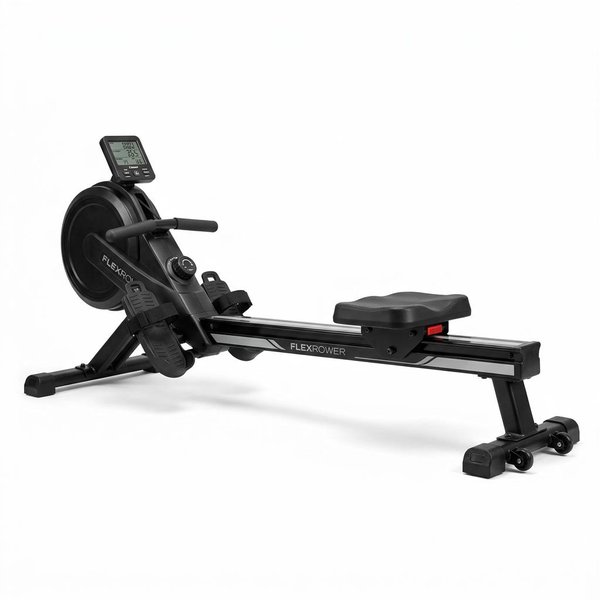
Detailed comparison of Concept2 vs WaterRower covering resistance types, noise levels, maintenance, price, monitor features, and which rowing machine is best for your home gym.
FTC Disclosure: SnugGym.com is reader-supported. We may earn a commission through affiliate links at no extra cost to you. This helps fund our independent analysis and reviews.
The rowing machine has experienced a remarkable renaissance in home fitness, driven by its unmatched full-body training stimulus, low-impact nature, and the visibility boost from popular fitness programs and streaming content. At the apex of this market sit two iconic brands: Concept2, the undisputed standard of competitive rowing and CrossFit for over four decades, and WaterRower, the premium alternative famous for its water-resistance mechanism and starring role in "House of Cards."
These machines don't just represent different brands — they embody fundamentally different approaches to simulating on-water rowing. Concept2's air-resistance flywheel delivers quantifiable, performance-tracked rowing that has standardized indoor rowing competition worldwide. WaterRower's water-tank system recreates the tactile feel and sound of pulling an oar through water, prioritizing sensory experience over data precision.
This research-backed comparison examines every factor that matters for home gym owners: resistance mechanics, noise characteristics, maintenance demands, build quality, monitoring capabilities, and the intangible factors of feel and motivation that ultimately determine which machine will earn your long-term commitment.
Founded in 1976 by Dick and Pete Dreissigacker in Morrisville, Vermont, Concept2 began as an oar manufacturer for competitive rowing before introducing the Model A indoor rower in 1981. The company has since released the Model B, C, D, and the current RowErg (formerly Model D and E), with each generation refining the air-resistance flywheel mechanism that defines the brand.
Concept2's dominance in competitive rowing is absolute. Every World Rowing Indoor Championship, CrossFit Games event, and Olympic training facility uses Concept2 machines. The Performance Monitor (PM5) provides standardized metrics that allow direct comparison of times across any machine worldwide — a feature critical to competitive rowers and essential for online leaderboards and virtual racing.
The company remains privately owned, manufactures primarily in the United States, and operates with a product-first philosophy that prioritizes function over aesthetics. Concept2 rowers are famously utilitarian — they look like gym equipment because they are gym equipment, designed to survive decades of commercial use.
WaterRower was founded in 1988 by John Duke, a former Yale and US National Team rower, with the explicit goal of creating a rowing machine that replicated the physical dynamics and sensory experience of rowing on water. The patented WaterFlywheel uses a paddle suspended in a water tank to create resistance, producing both the feel and distinctive sound of rowing through water.
Headquartered in Warren, Rhode Island, with manufacturing in the US and UK, WaterRower has positioned itself as the premium residential rowing experience. The brand gained massive mainstream visibility through its prominent placement in the Netflix series "House of Cards," where Frank Underwood's WaterRower became a character in itself. This exposure introduced millions of non-rowers to the brand and the concept of home rowing.
WaterRower's philosophy centers on aesthetics and experience integration. Machines are handcrafted from solid hardwood (ash, oak, walnut, cherry, and others) with a design language intended to complement home interiors rather than dominate them. The company explicitly markets to residential users who want beautiful fitness equipment that doesn't require hiding in a basement.
| Criteria | Concept2 RowErg | WaterRower | Winner |
|---|---|---|---|
| Price (standard) | ~$990 | ~$1,095-$1,695 (wood dependent) | Concept2 |
| Resistance type | Air flywheel with damper | WaterFlywheel paddle in tank | Tie (different approaches) |
| Noise level | 85-95 dB at high intensity | 65-75 dB at high intensity | WaterRower |
| Monitor/data | PM5 — gold standard | S4 or SmartRow (upgrade) | Concept2 |
| Maintenance needs | Low (occasional chain oil, dusting) | Moderate (water treatment, tank cleaning) | Concept2 |
| Build longevity | 20+ years in commercial use | 10-15 years in residential use | Concept2 |
| Storage footprint | Separates into two pieces | Stands vertically | WaterRower |
| Aesthetic appeal | Functional/industrial | Beautiful furniture-grade | WaterRower |
Overall Winner: Concept2 for performance and value; WaterRower for aesthetics and experience.
The Concept2 uses a flywheel with fan blades that push against air. The harder you pull, the greater the air resistance — creating a naturally variable resistance curve that automatically scales with effort. The spiral damper (settings 1-10) adjusts how much air enters the flywheel housing, changing the "feel" of the stroke from light and quick (setting 1) to heavy and powerful (setting 10).
Performance characteristics:
The air-resistance system rewards technique refinement. Small improvements in stroke efficiency produce measurable speed increases, making Concept2 rowing deeply engaging for performance-oriented users.
The WaterRower's WaterFlywheel consists of a paddle suspended in a water tank. Pulling the handle rotates the paddle through the water, with resistance created by the paddle's displacement. Like Concept2, resistance increases with effort — the harder you pull, the more water the paddle must move.
Performance characteristics:
The water-resistance system feels more organic and less mechanical. The acceleration through the stroke and deceleration during recovery more closely replicate the sensation of rowing a boat, which many users find more pleasant and sustainable for longer sessions.
Noise is often the deciding factor for home gym owners, particularly those in apartments or shared living situations.
| Activity Level | Concept2 dB | WaterRower dB | Reference |
|---|---|---|---|
| Light steady-state | 75-80 dB | 55-65 dB | Normal conversation: 60 dB |
| Moderate intensity | 80-88 dB | 65-72 dB | Vacuum cleaner: 75 dB |
| High-intensity sprints | 90-98 dB | 72-78 dB | Motorcycle: 90 dB |
Check price at Amazon — Concept2
The Concept2 is objectively loud. At moderate intensity, it will be heard throughout most homes and apartments. At sprint intensity, it can disturb neighbors in adjacent units. This noise is the primary reason many apartment dwellers choose WaterRower or alternative cardio equipment.
The WaterRower's sound profile is different — the swooshing water noise is generally perceived as more pleasant than the mechanical whoosh of Concept2's flywheel, and at significantly lower volumes. Many users find the water sound meditative. It will still be audible in adjacent rooms but rarely disturbs neighbors through walls.
Check price at Amazon — WaterRower
The Concept2 is famously low-maintenance — a primary reason for its commercial dominance:
Total annual maintenance time: approximately 30 minutes. The Concept2 is essentially bulletproof — machines from the 1990s are still in active commercial use with minimal intervention.
The WaterRower requires more attentive maintenance due to its water tank:
Total annual maintenance time: approximately 2-3 hours including biannual tablet additions and periodic tank maintenance. The water system adds complexity that the Concept2 simply doesn't have.
The PM5 is the gold standard of rowing monitors and a decisive advantage for performance-focused users:
The PM5 enables structured training through preset workouts, pace boats, and interval programming. Most importantly, the online leaderboards and ranking system create endless motivation through competition — you can compare your times against every rower in the world, by age, weight, and gender categories.
WaterRower offers two monitoring options:
S4 Monitor (standard):
The S4 monitor is widely considered the WaterRower's weakest element. It provides basic feedback but lacks the sophistication, connectivity, and accuracy of the PM5.
SmartRow (upgrade — $245 additional):
The SmartRow upgrade transforms the WaterRower into a viable performance training tool, but the additional cost brings total investment to $1,340-$1,940 — substantially above the Concept2's price. Even with SmartRow, the ecosystem and competitive features don't match Concept2's mature platform.
The Concept2 RowErg is engineered for decades of commercial abuse:
Concept2's spare parts availability is exceptional — you can rebuild virtually any component, including parts for machines discontinued decades ago. This repairability supports the brand's sustainability claims and ensures your investment lasts indefinitely.
The WaterRower is built to residential standards with premium materials:
The wood frame requires environmental consideration — extreme humidity can cause warping, while dry conditions may create cracks. The WaterRower is best kept in climate-controlled spaces, not uninsulated garages subject to temperature and humidity swings.
| Specification | Concept2 RowErg | WaterRower |
|---|---|---|
| Assembled dimensions | 96" x 24" x 33" | 84" x 21" x 22" |
| Storage footprint | 25" x 33" x 54" (split) | 21" x 20" (stood upright) |
| Recommended floor space | 9 ft x 4 ft | 8.5 ft x 4 ft |
| Weight | 57 lb (standard), 68 lb (tall legs) | 66 lb (with water) |
The WaterRower has a slightly smaller operating footprint and significantly more convenient vertical storage — a meaningful advantage for space-constrained homes. The Concept2's two-piece separation is functional but less elegant and takes slightly more time.
The Concept2 ecosystem is unmatched in rowing:
The WaterRower community is smaller but passionate:
Concept2 is the right choice if you:
WaterRower is the right choice if you:
The Concept2 vs WaterRower decision ultimately separates performance-focused rowers from experience-focused rowers.
Concept2 wins on every objective performance metric: superior data, standardized competition capability, lower maintenance, longer lifespan, better resale value, and a more extensive community ecosystem. For CrossFit athletes, competitive rowers, data-driven trainers, or anyone who derives motivation from measurable improvement and competition, Concept2 is the clear and correct choice. The $990 price represents exceptional value given the monitor capabilities and 20+ year lifespan.
WaterRower wins on subjective experience metrics: beautiful aesthetics, quieter operation, more pleasant sound, organic rowing feel, and compact storage. For home users who view rowing as sustainable cardio rather than competitive sport, who share walls with neighbors or family members, and who want equipment that enhances rather than detracts from their living space, the WaterRower delivers a genuinely superior daily experience. The premium pricing ($1,095-$1,695) purchases tangible aesthetic and acoustic benefits.
For the significant number of buyers who prioritize noise reduction above all else, the WaterRower's 15-20 dB advantage is decisive. For everyone else, the Concept2's combination of performance, durability, and value is difficult to justify paying more to avoid.
Both machines provide excellent full-body cardiovascular training. Both engage roughly 86% of muscle mass with minimal joint impact. And both, used consistently, will transform your fitness. The choice between them says less about which is "better" and more about what you value in your training environment.
Last updated: January 2025. Prices and specifications subject to change. Verify current details with manufacturers.
| Image | Product | Price | Badge | Link |
|---|---|---|---|---|
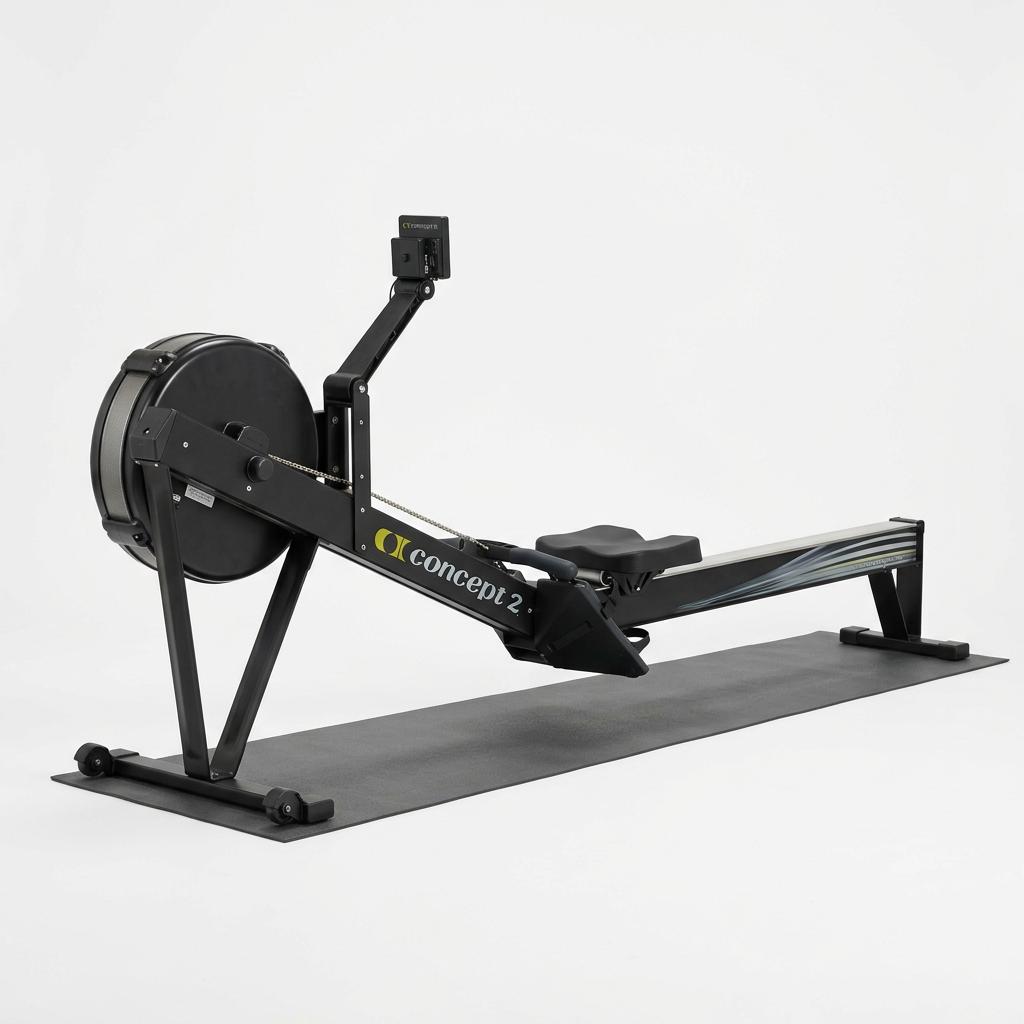 |
Concept2 RowErg Indoor Rower | $990-$1,050 | Best for Performance | Check Price |
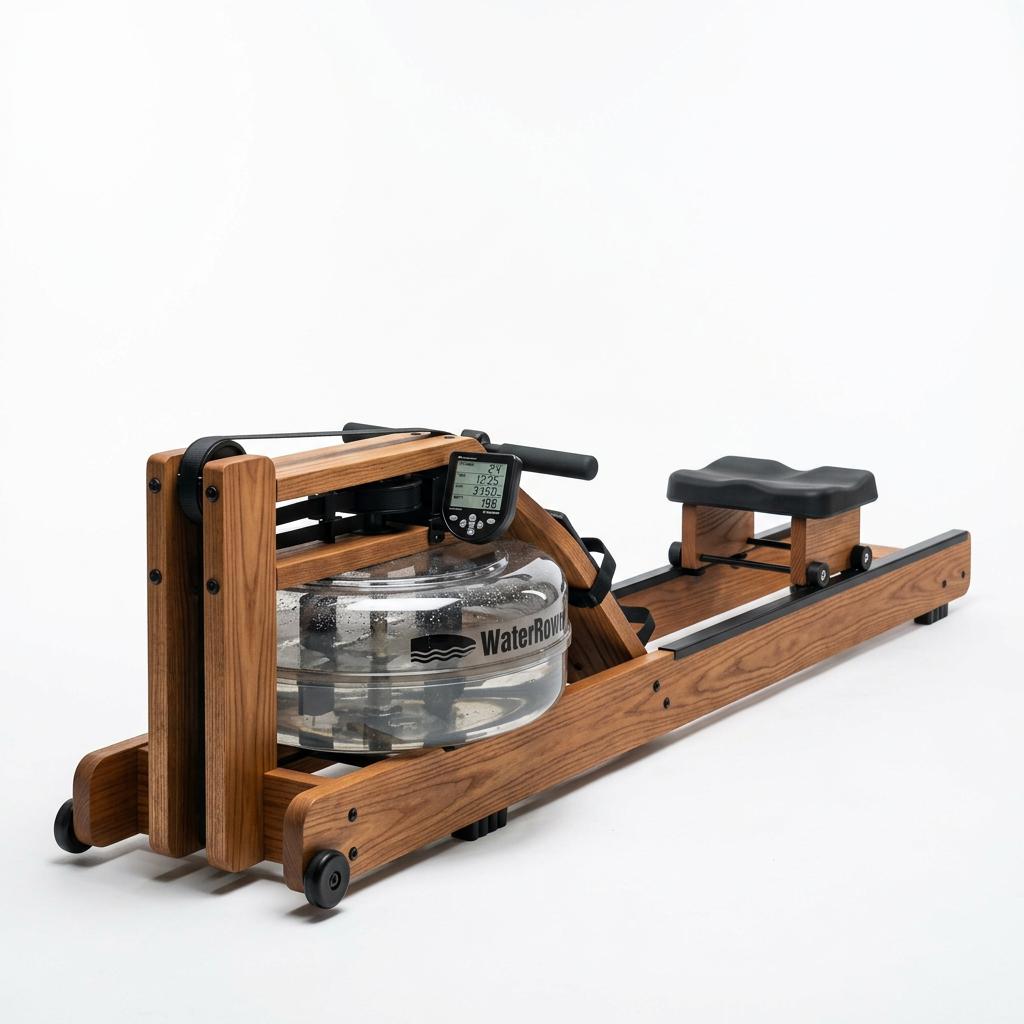 |
WaterRower Natural Rowing Machine in Ash | $1,095-$1,295 | Best for Aesthetics | Check Price |
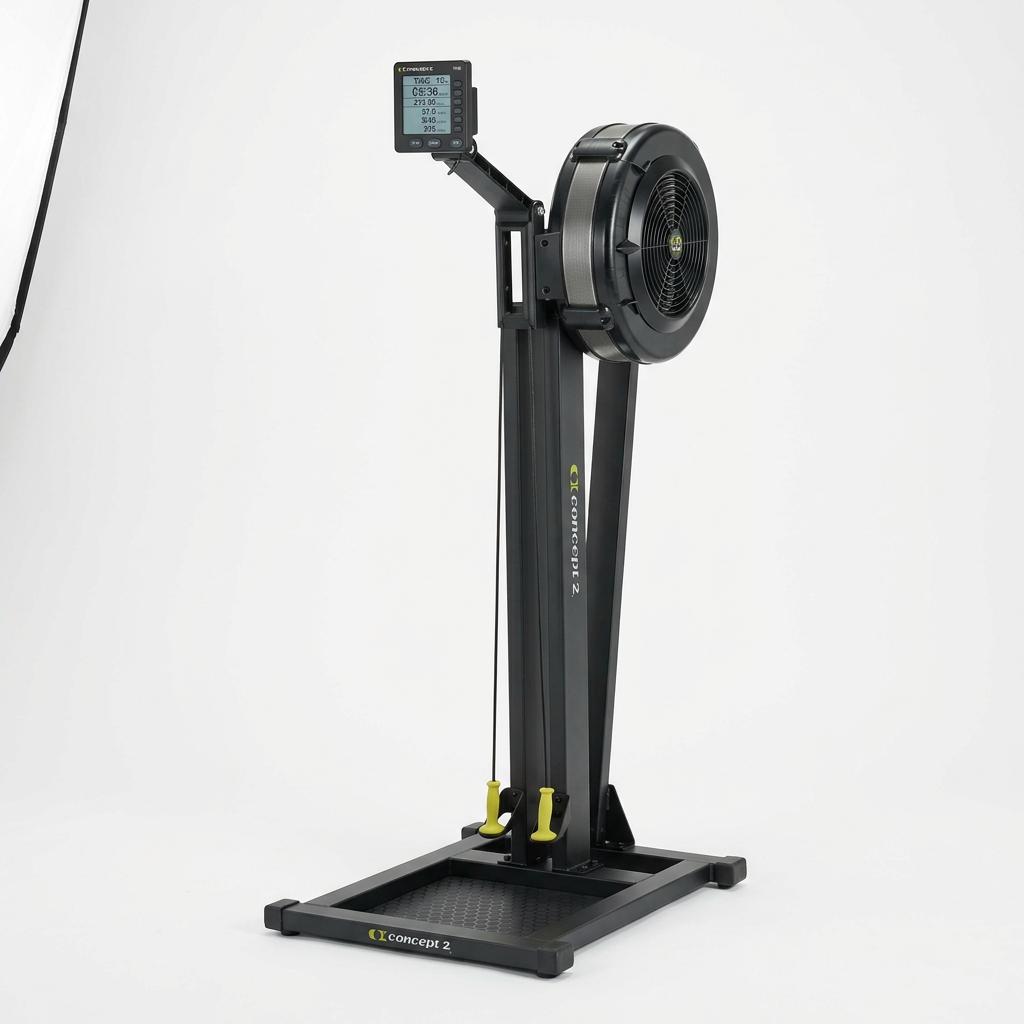 |
Concept2 SkiErg | $990-$1,155 | Most Versatile Cross-Training | Check Price |
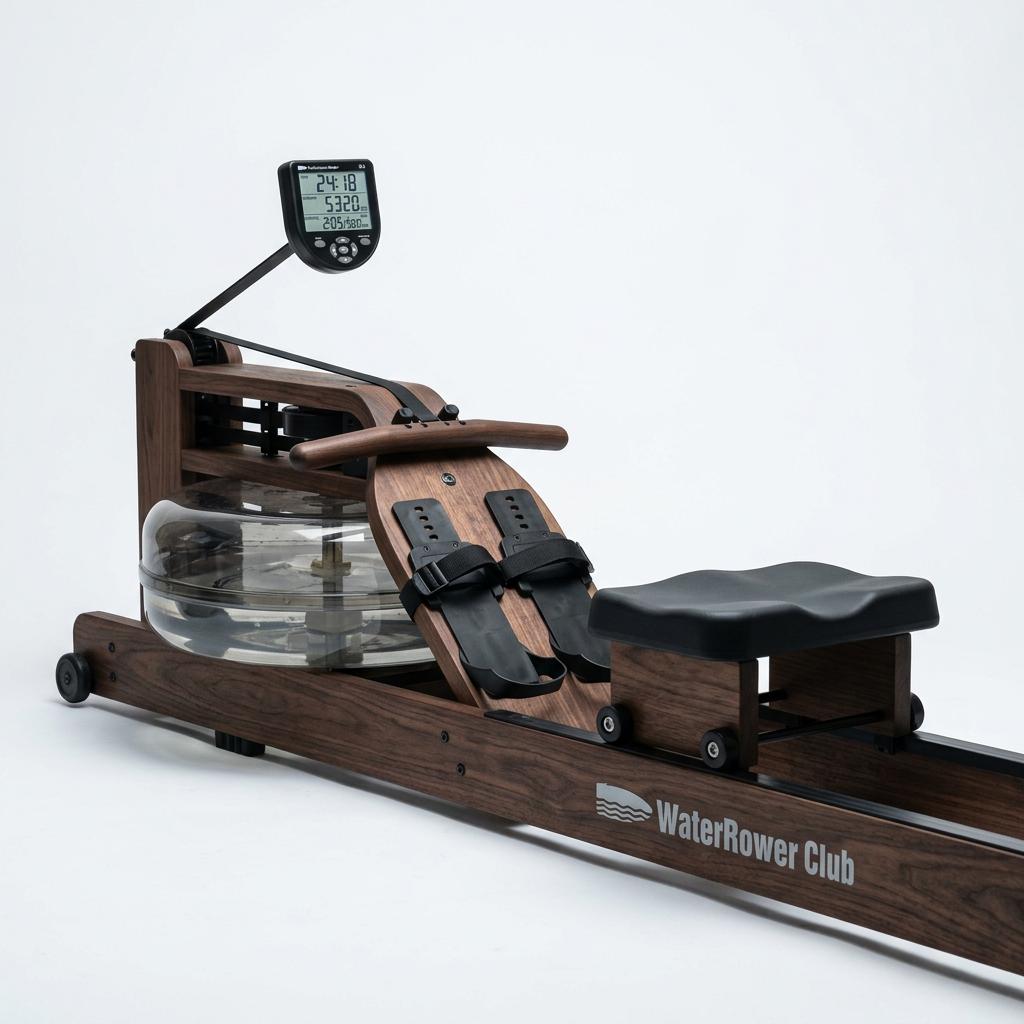 |
WaterRower Club Rowing Machine in Black Walnut | $1,395-$1,695 | Premium Pick | Check Price |
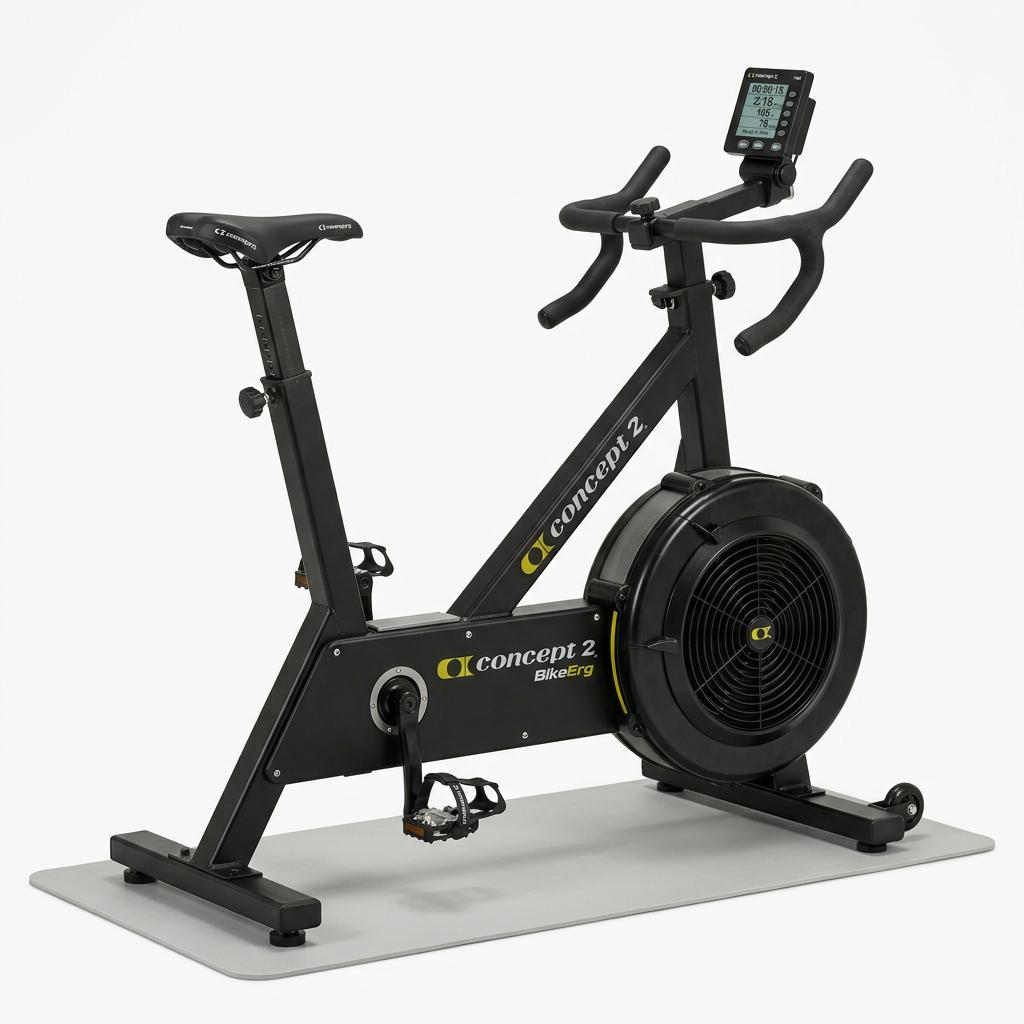 |
Concept2 BikeErg | $1,045-$1,150 | Best Cycling Crossover | Check Price |
The performance standard for indoor rowing, offering unmatched data accuracy and decades of durability.
The beautiful alternative to industrial gym equipment that transforms a rowing machine into furniture.
The upper-body cardio specialist that rounds out any Concept2 training ecosystem.
The luxury rowing experience that justifies its premium through craftsmanship, beauty, and whisper-quiet operation.
The cyclist's Concept2 that delivers road-bike authenticity without the subscription fees of connected fitness bikes.
The Concept2 RowErg wins every objective comparison for performance-focused rowers. The PM5 monitor provides the only accepted calibration for indoor rowing records, leaderboard rankings, and competitive qualification, creating a standardized training environment that WaterRower cannot match. The air-resistance flywheel offers no maximum resistance ceiling, scaling automatically from rehabilitation patients to Olympic athletes. Maintenance requirements are minimal—just chain lubrication and monorail cleaning—and commercial units regularly log 10-15 years of daily multi-user service. The 60-75% resale value retention after 5-10 years of use makes the RowErg one of the best equipment investments in fitness. The only significant drawback for home users is the 65-75 dB noise level, which can disturb neighbors in shared-wall apartments.
Check Price on Amazon
The WaterRower Natural in Ash hardwood offers a fundamentally different value proposition than the Concept2: it prioritizes sensory experience and aesthetic integration over data precision and competitive standardization. The patented WaterFlywheel uses a paddle suspended in a water tank to create resistance that feels and sounds authentically like rowing on water. The handcrafted solid ash frame is designed to complement home interiors rather than dominate them. At 55-65 dB, the WaterRower is significantly quieter than the Concept2, making it the clear choice for apartment dwellers with noise-sensitive neighbors. Vertical storage reduces the footprint to just 21 x 20 inches. The S4 monitor is the WaterRower's weakest element, providing basic metrics without the sophistication, connectivity, or calibration accuracy of the PM5. For users who view rowing as sustainable cardio rather than competitive sport, the WaterRower delivers a genuinely superior daily experience.
Check Price on Amazon
The Concept2 SkiErg extends the RowErg's flywheel technology to a vertical pulling motion that targets upper body, core, and cardiovascular systems in ways that rowing cannot replicate. The same PM5 monitor provides seamless integration with the Concept2 Online Logbook, allowing users to track progress across multiple machines. The floor stand enables freestanding setup, while wall-mounting saves floor space in cramped home gyms. CrossFit boxes increasingly include SkiErgs for workout variety, and the movement pattern translates directly to Nordic skiing performance. While less universally appealing than the RowErg, the SkiErg excels as a complement to existing cardio equipment or for users specifically seeking upper-body conditioning without the lower-body fatigue of rowing.
Check Price on Amazon
The WaterRower Club in black walnut represents the premium tier of water-resistance rowing, elevating the already-beautiful Natural model with darker, more dramatic hardwood that serves as a genuine furniture statement in upscale homes. The same WaterFlywheel mechanism provides the authentic rowing feel and meditative water sound that distinguishes WaterRower from air-resistance alternatives, while the club model's higher weight capacity and commercial-grade hardware suit multi-user households. The dark walnut finish is more resistant to showing wear than lighter ash, though all WaterRower models require climate-controlled spaces to prevent wood warping. At $1,395-$1,695, the Club model costs 40-60% more than the Concept2 RowErg, a premium that purchases tangible aesthetic and acoustic benefits but sacrifices the data accuracy and competitive ecosystem that performance-focused rowers demand.
Check Price on Amazon
The Concept2 BikeErg applies the same flywheel resistance philosophy that made the RowErg legendary to cycling, producing a stationary bike that feels more like actual road riding than any fixed-gear alternative. Unlike Peloton and other connected bikes, the BikeErg has no fixed gear—pedal resistance adjusts instantaneously without flywheel momentum carrying through dead spots, replicating the feel of climbing hills and sprinting outdoors. The PM5 monitor tracks watts, pace, calories, and heart rate with the same calibrated accuracy as the RowErg, and all data integrates with the Concept2 Online Logbook. The BikeErg requires no electrical connection, no subscription fees, and minimal maintenance, making it the lowest total cost of ownership among premium stationary bikes. While it lacks the immersive content of Peloton, it delivers superior training specificity for cyclists who want indoor workouts to translate directly to outdoor performance.
Check Price on Amazon