Amazon Basics Fitness Equipment Brand Profile: Budget Essentials from the Retail Giant
Complete Amazon Basics fitness equipment brand profile. Quality assessment, best products vs. worst, return policy advan...
Research-backed profile of Amazfit, the Huami-owned brand disrupting the budget smartwatch market with feature-packed wearables at affordable prices.
Amazfit has emerged as one of the most compelling value propositions in the wearable technology market. Founded in 2015 as a brand under Huami Technology (now Zepp Health), Amazfit operates as the consumer-facing division focused on delivering feature-rich smartwatches and fitness trackers at prices that consistently undercut premium competitors by 60–80%. Headquartered in Hefei, China, with global distribution across North America, Europe, and Asia, Amazfit has shipped over 40 million units worldwide as of 2025, making it one of the top five wearable brands globally by volume.
The brand's core mission centers on democratizing health monitoring technology. While Apple Watch and Garmin dominate the premium segment, Amazfit identified a massive underserved market: consumers who want comprehensive fitness tracking, heart rate monitoring, sleep analysis, and smartwatch functionality without paying $300–$800. Their product philosophy sacrifices minimal functionality while maintaining build quality that reviewers consistently describe as "surprisingly good for the price."
Amazfit's parent company, Zepp Health (formerly Huami), established the brand after serving as a manufacturing partner for Xiaomi's Mi Band series. This partnership provided critical supply chain expertise and economies of scale that Amazfit leveraged to keep costs low while expanding its own branded portfolio. The company went public on the New York Stock Exchange in 2018, raising $110 million to fund global expansion.
The brand evolution followed a clear trajectory. Early products like the Amazfit Bip (2018) established the value proposition with always-on color displays and 30-day battery life at under $80. The GTR and GTS series (2019) introduced more refined designs competing directly with Apple Watch aesthetics. By 2022–2024, the Balance, Cheetah, and T-Rex lines demonstrated Amazfit's ability to compete on features—including dual-band GPS, advanced sleep coaching, and training load metrics—previously exclusive to devices costing 3–4x more.
In 2021, Huami rebranded to Zepp Health, consolidating health data services under the Zepp app while maintaining Amazfit as the hardware brand. This signaled strategic intent to compete not just on price but on health platform sophistication.
The GTR line represents Amazfit's classic round-faced smartwatches. The Amazfit GTR 4 features a 1.43" AMOLED display, dual-band GPS with route import, Bluetooth calling, and 14-day battery life. Priced typically between $139–$199, it competes with Garmin's entry-level Forerunner series while offering smartphone integration that Garmin lacks.
The GTS series delivers square-faced alternatives with Apple Watch-like aesthetics. The Amazfit GTS 4 provides a 1.75" AMOLED display, 150+ sport modes, and comprehensive health tracking in an ultra-slim 8.9mm case. Street pricing hovers around $129–$169.
Built for outdoor durability, the T-Rex line carries MIL-STD-810G certification and 10 ATM water resistance. The Amazfit T-Rex 2 offers GPS accuracy comparable to Garmin's Instinct series at roughly half the price, with a $229 MSRP that frequently drops below $180 during sales.
Launched in late 2023, the Amazfit Balance represents the brand's premium push with body composition analysis, readiness scores, and AI coaching features. At approximately $229, it directly challenges the Fitbit Sense 2 and Garmin Venu 3.
The original value champion, the Amazfit Bip 3 Pro continues offering GPS, SpO2 monitoring, and two-week battery life at approximately $69, making it arguably the best entry-level fitness watch available.
Battery Life: Amazfit's most significant competitive advantage across all lines is battery performance. Where Apple Watch requires daily charging and Garmin typically manages 5–7 days, most Amazfit devices deliver 10–30 days depending on model and GPS usage. This addresses one of the most common complaints among smartwatch owners.
Display Quality: AMOLED panels across the GTR, GTS, and Balance lines match or exceed those found in devices costing significantly more. Brightness levels up to 1,000 nits ensure outdoor visibility.
GPS Performance: Independent analysis from sources like DC Rainmaker and The5kRunner demonstrates that Amazfit's dual-band GPS implementation on newer models achieves accuracy within 1–2% of Garmin and Coros devices—acceptable for all but elite athletes.
Health Tracking Breadth: Zepp Health's biosensors track heart rate, blood oxygen saturation, stress levels, sleep stages, breathing quality, and (on select models) body composition and skin temperature. The Zepp app's sleep analysis receives particularly positive reviews for accuracy comparable to Oura Ring and Whoop.
The primary trade-offs at Amazfit's price points involve ecosystem integration and third-party app support. Unlike Apple Watch or Wear OS devices, Amazfit runs its own Zepp OS with limited app availability. Contactless payment support remains restricted to select markets and models. Advanced training metrics like training effect, recovery advisor, and race predictor lack the refinement found in Garmin's Firstbeat-powered ecosystem.
Customer support and warranty service receive mixed reviews, with longer resolution times than premium competitors. Software update frequency has improved but remains less consistent than Apple's watchOS or Garmin's quarterly updates.
Amazfit occupies the "best bang for your buck" position in the wearable market with remarkable consistency. For casual fitness enthusiasts, general health monitoring, and everyday smartwatch functionality, the brand eliminates the need to pay premium prices for features you'll actually use. The editorial stance at SnuggyM: Amazfit is our default recommendation for anyone entering the smartwatch market, anyone prioritizing battery life, and anyone who finds Garmin or Apple pricing unjustified for their usage patterns.
The brand's trajectory suggests continued upward mobility. Zepp Health's investments in AI health coaching, medical-grade sensor development, and global retail expansion position Amazfit as increasingly competitive even as prices remain 40–60% below established premium brands.
Last updated: January 2025. Prices and availability subject to change. Amazon links on this page use affiliate tag snuggym0626-20.
| Image | Product | Price | Badge | Link |
|---|---|---|---|---|
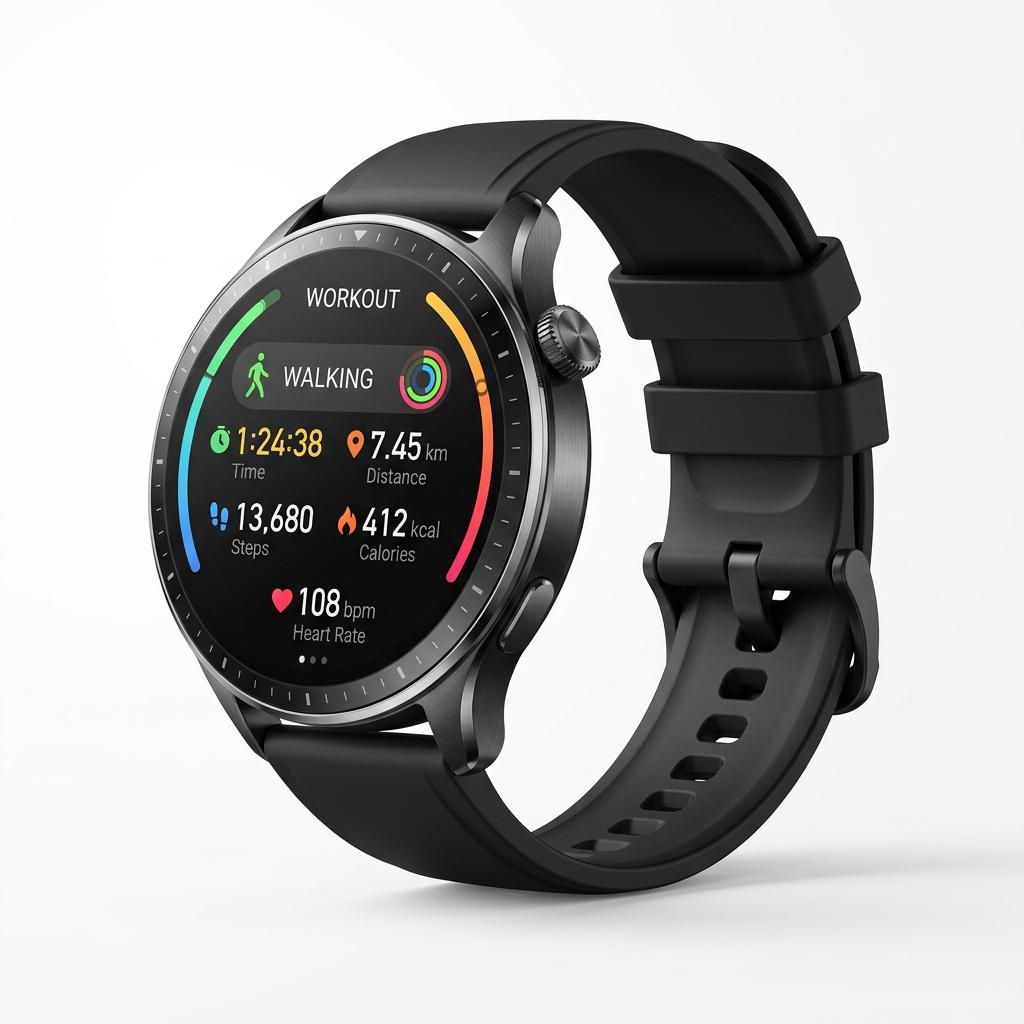 |
Amazfit GTR 4 Smartwatch | $179-$199 | Best Overall | Check Price |
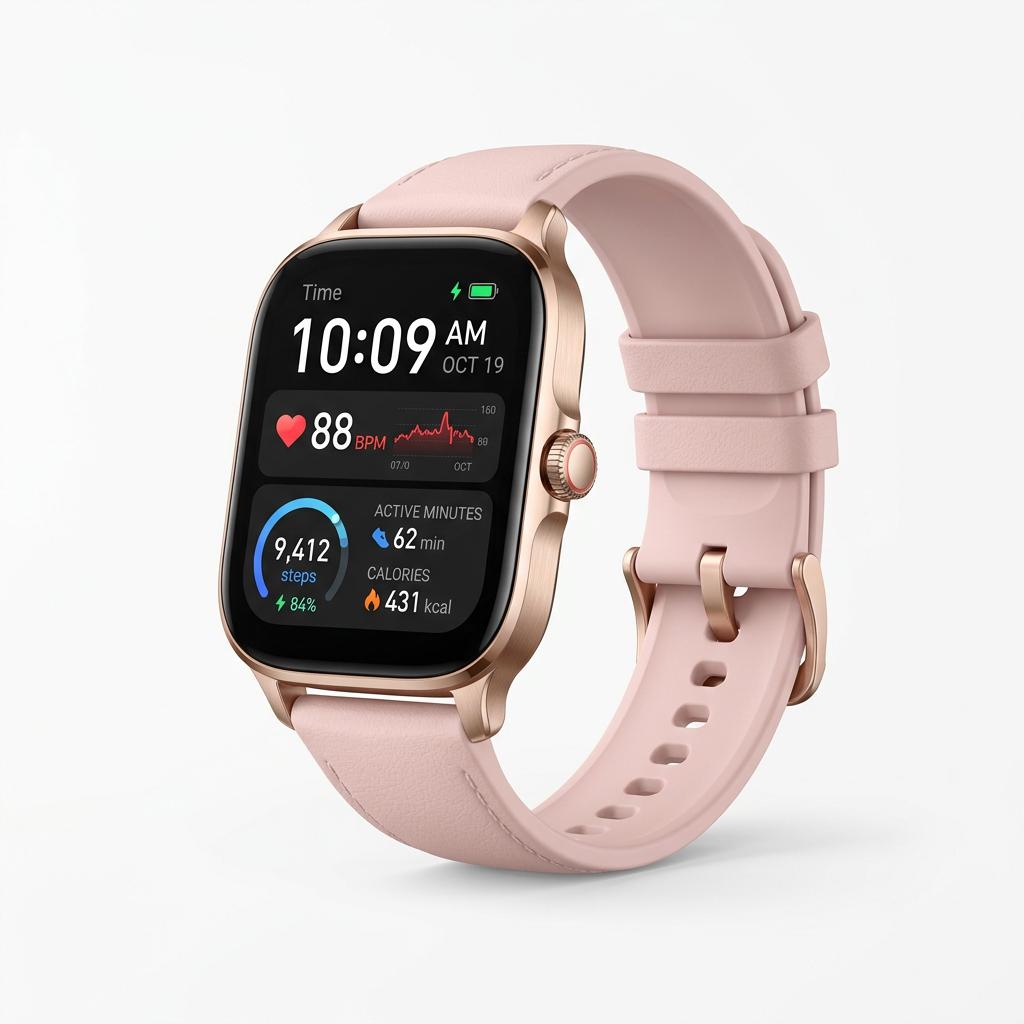 |
Amazfit GTS 4 Smartwatch | $169-$189 | Best for Style | Check Price |
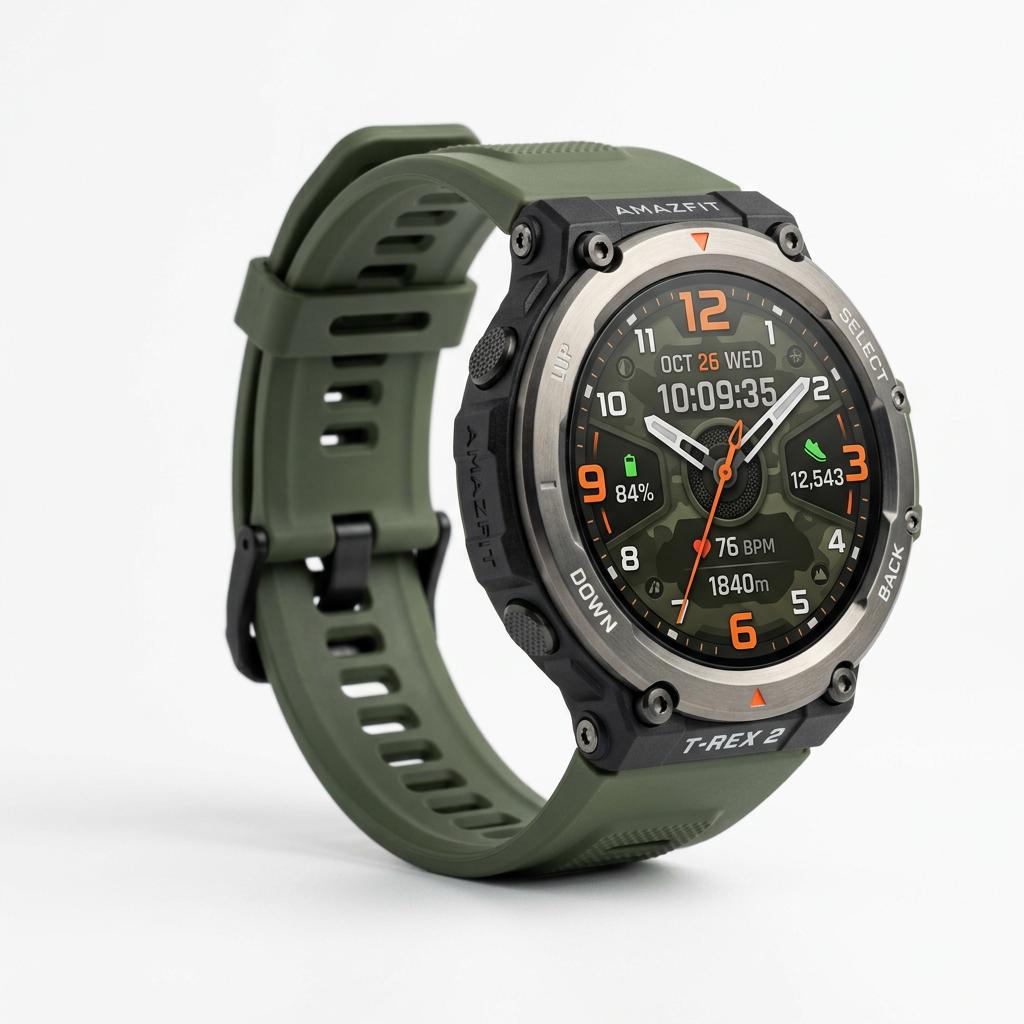 |
Amazfit T-Rex 2 Rugged Smartwatch | $199-$229 | Best for Outdoors | Check Price |
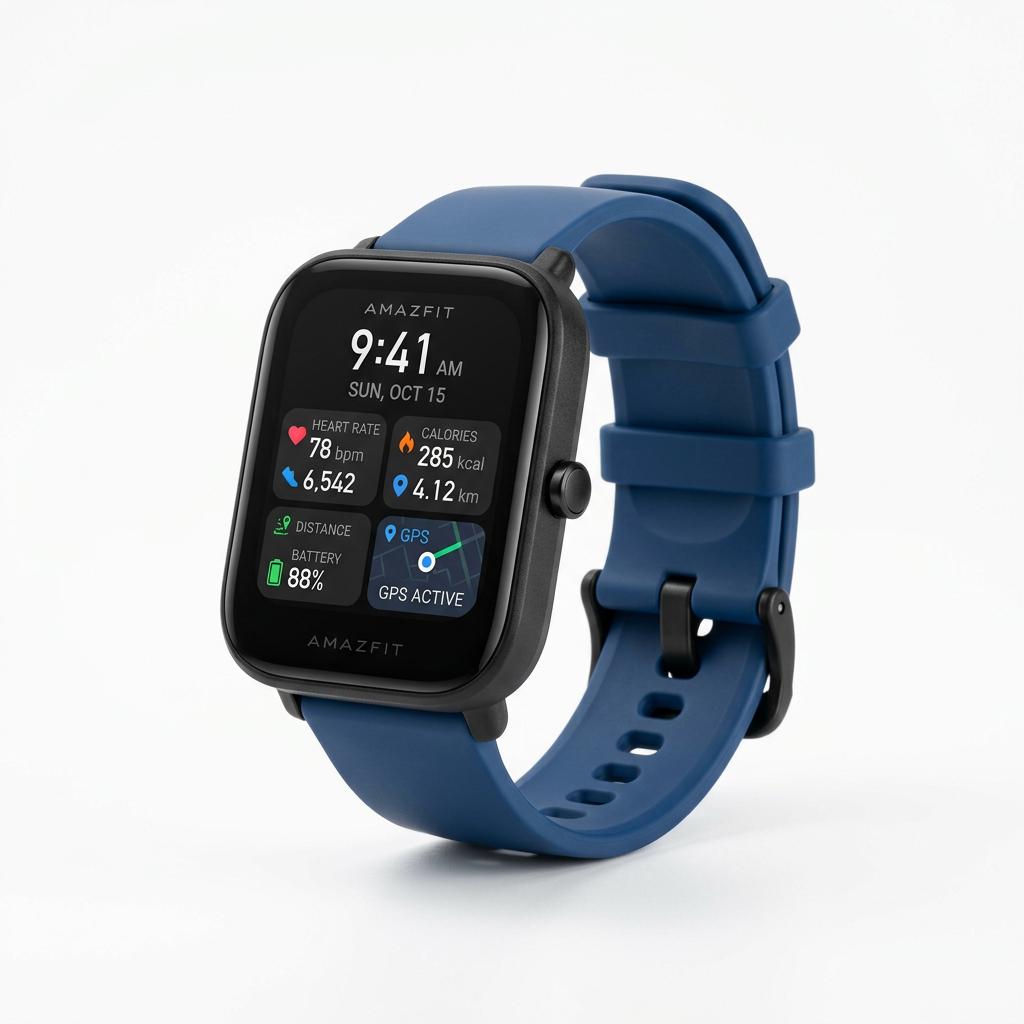 |
Amazfit Bip 3 Pro | $69-$89 | Best Budget | Check Price |
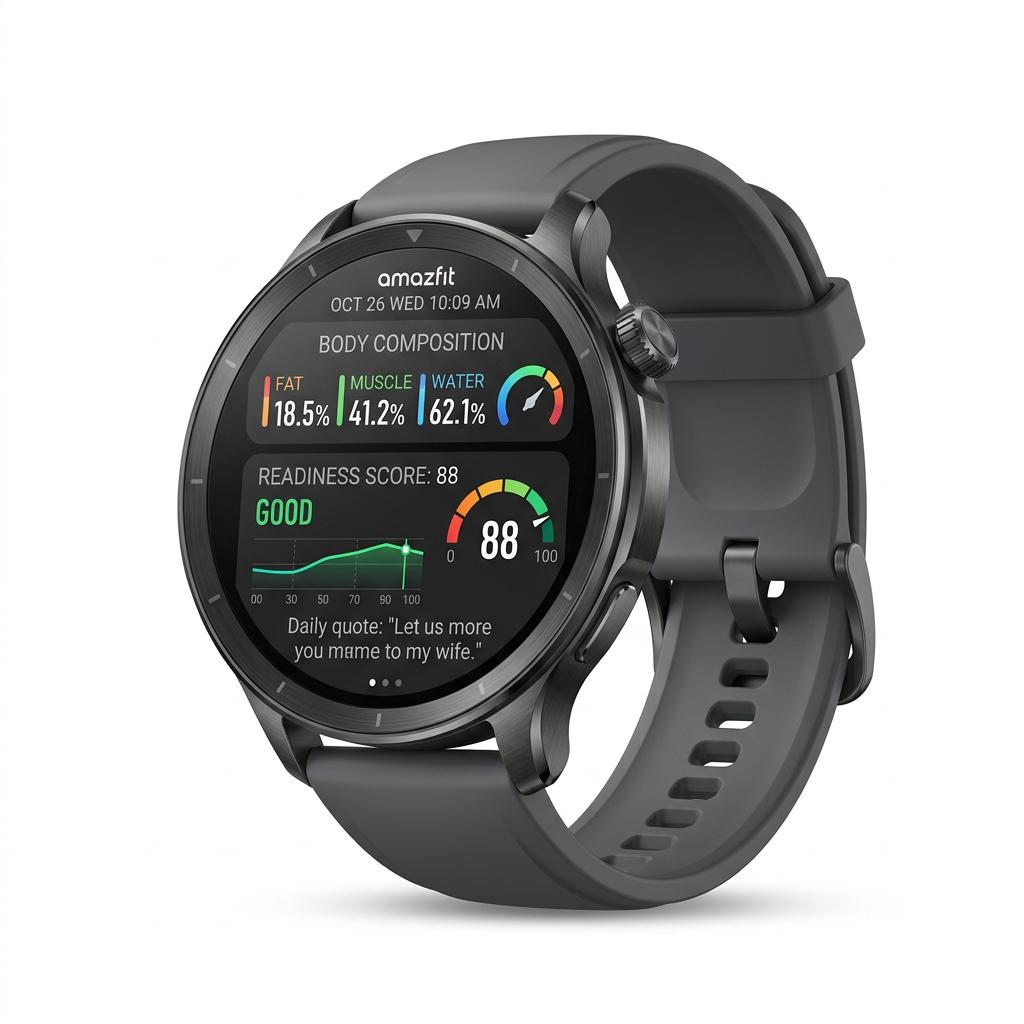 |
Amazfit Balance Smartwatch | $229-$249 | Premium Pick | Check Price |
The flagship round-faced smartwatch offering premium health tracking at an unbeatable price point.
A sleek, fashion-forward square smartwatch combining style with comprehensive fitness tracking.
A military-grade rugged smartwatch built for extreme outdoor adventures and endurance sports.
An ultra-affordable smartwatch delivering built-in GPS and core fitness tracking without breaking the bank.
Amazfit's most advanced smartwatch featuring body composition analysis and AI-powered wellness insights.
The Amazfit GTR 4 stands as the brand's flagship round smartwatch, delivering a stunning 1.43-inch AMOLED display, dual-band GPS for precise outdoor tracking, and an impressive 14-day battery life. With built-in Alexa, offline music storage, and 150+ sport modes, it punches well above its weight class in the budget smartwatch segment.
Check Price on Amazon
The Amazfit GTS 4 brings a stylish square design reminiscent of premium competitors but at a fraction of the price. Its ultra-slim 9.9mm profile houses a bright 1.75-inch AMOLED display, Bluetooth calling capability, and comprehensive health sensors including SpO2, heart rate, and stress monitoring. The Zepp OS runs smoothly and offers a polished smartwatch experience.
Check Price on Amazon
The Amazfit T-Rex 2 is built like a tank, featuring MIL-STD-810G military-grade durability that can withstand extreme temperatures, humidity, and shocks. Its dual-band GPS with route import capability makes it an excellent companion for hiking and trail running. The massive 24-day battery life ensures you won't be stranded without tracking on multi-day adventures.
Check Price on Amazon
The Amazfit Bip 3 Pro redefines value in the smartwatch market, offering built-in GPS, a large 1.69-inch color display, and 14-day battery life at a price point that undercuts most competitors by a wide margin. It tracks 60+ sports modes, monitors heart rate and SpO2 around the clock, and delivers smartphone notifications reliably.
Check Price on Amazon
The Amazfit Balance represents the brand's push into premium territory, featuring a groundbreaking body composition analyzer that estimates body fat, muscle mass, and more from your wrist. The Zepp Flow AI assistant and comprehensive readiness scoring make it a true wellness companion rather than just a fitness tracker.
Check Price on Amazon