Apple Watch Series 9 for Home Gym Fitness: In-Depth Review (2025)
Comprehensive review of Apple Watch Series 9 for home gym fitness tracking. We test workout accuracy, heart rate monitor...
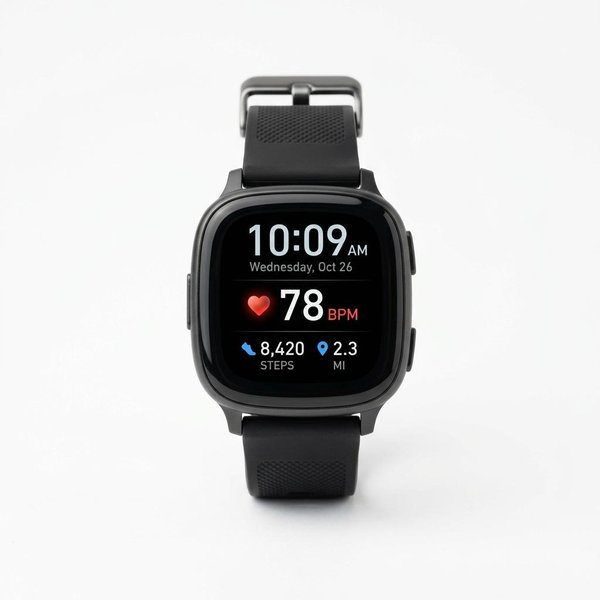
Complete guide to building a smart home gym. Learn how to connect equipment, apps, wearables, and displays for a seamless, data-driven workout experience.
The concept of a "smart home gym" has evolved far beyond a Bluetooth speaker and a fitness tracker. Today's connected fitness spaces integrate intelligent equipment, wearable sensors, streaming displays, environmental controls, and data analytics into a cohesive ecosystem that rivals — and in some ways exceeds — the commercial gym experience.
This guide walks you through building a smart home gym at three budget tiers: Essential ($500–$1,000), Enhanced ($1,000–$3,000), and Elite ($3,000+). Whether you're starting from scratch or upgrading an existing space, we'll help you create a connected workout environment that motivates, tracks, and optimizes your training.
A smart home gym isn't just about expensive equipment. It's about integration — the seamless flow of data and control between devices that removes friction from your workout experience. The key components:
| Component | Function | Example Integration |
|---|---|---|
| Smart display | Workout content, metrics, entertainment | TV or tablet showing Peloton classes with real-time heart rate overlay |
| Connected equipment | Automated tracking, app control | Smart dumbbells logging weights/reps to your training app |
| Wearable sensors | Heart rate, power, form data | Chest strap HRM controlling interval timing on screen |
| Environmental control | Lighting, temperature, music | Automatic fan activation when heart rate exceeds 150 BPM |
| Data hub | Centralized tracking and analysis | Apple Health or Garmin Connect aggregating all workout data |
| Audio system | Coaching cues, music, motivation | Spatial audio that adjusts volume based on workout intensity |
The magic happens when these components talk to each other. Your watch detects the start of your workout and dims the lights, starts your playlist, and pulls up your training program on the display. Your heart rate hits zone 4 and the fan automatically increases speed. You finish your last set and the weights log automatically to your training journal.
This tier focuses on maximum functionality per dollar. You're not buying premium hardware — you're creating smart workflows with affordable, proven equipment.
| Item | Purpose | Price Range | Our Pick |
|---|---|---|---|
| Tablet or used TV (32–43") | Workout display | $100–$250 | Fire TV 43" Omni |
| Adjustable dumbbells (5–50 lb) | Strength training | $250–$400 | Bowflex SelectTech 552 |
| Chest strap HRM | Accurate heart rate | $50–$80 | Polar H10 |
| Fitness mat | Floor protection | $30–$60 | Gorilla Mats Premium |
| Resistance bands set | Variable resistance | $25–$50 | Fit Simplify Resistance Band Set |
| Smart scale | Body composition tracking | $25–$40 | Renpho ES-CS20M |
| Total | $480–$880 |
Display setup: Mount the TV or position the tablet at eye level where you can see it during workouts. Use it for:
Heart rate integration: Pair your Polar H10 with:
This single addition transforms workouts from guesswork into data-driven training. You'll know when you're actually in zone 2 versus just feeling easy, and when your interval efforts are hard enough to stimulate adaptation.
Workflow automation (optional): If you have a smartphone and basic comfort with automation apps:
At this tier, you can follow structured workout programs with accurate heart rate monitoring, track body composition trends, and progressively overload strength training with adjustable weights. The experience is significantly more effective than an unconnected home gym, though setup requires manual app switching and device pairing before each workout.
This tier adds connected cardio equipment, better displays, voice control, and meaningful automation. The workout experience becomes genuinely seamless.
| Item | Purpose | Price Range | Our Pick |
|---|---|---|---|
| Smart display (43–55" 4K) | Immersive workout content | $300–$600 | Samsung 50" Crystal UHD |
| Connected cardio machine | Cardio with data tracking | $300–$800 | XTERRA Fitness TR150 or Schwinn Airdyne AD6 |
| Smart assistant speaker | Voice control | $50–$100 | Echo Show 8 |
| Smart lighting | Workout ambiance | $50–$150 | Philips Hue Bulbs |
| Smart plugs | Automated equipment power | $25–$50 | Kasa Smart Plug Strip |
| Gym flooring (interlocking tiles) | Equipment foundation | $100–$200 | ProsourceFit Puzzle Mats |
| Total additions | $825–$1,900 |
Voice-controlled workout starts: "Alexa, start my workout" triggers:
Heart rate-driven environment: With a compatible smartwatch (Apple Watch, Garmin, or Fitbit) and smart home platform:
Automatic workout logging: Connected cardio equipment (treadmill, bike, rower with Bluetooth FTMS support) automatically syncs workout data to Apple Health or Garmin Connect. Your training log populates without manual entry.
Entertainment integration: During steady-state cardio, the smart display can show:
The Enhanced tier eliminates most pre-workout setup friction. Walking into your gym space and saying "start workout" prepares everything automatically. Data flows between devices without manual intervention. The experience feels genuinely premium and rivals boutique fitness studios for convenience.
This tier adds commercial-grade equipment, immersive displays, and comprehensive environmental control. It's for dedicated athletes who want the best possible home training experience regardless of budget.
| Item | Purpose | Price Range | Our Pick |
|---|---|---|---|
| Large format display (55–65" OLED) | Cinematic workout experience | $1,000–$2,000 | LG C4 65" OLED |
| Connected strength equipment | Automatic tracking, digital resistance | $1,500–$3,000 | Tonal or Tempo Studio |
| Smart bike trainer (for cyclists) | Zwift/ERG mode training | $800–$1,400 | Wahoo KICKR V6 |
| Advanced environmental control | Temperature, humidity, air quality | $300–$800 | Sensibo Air + smart AC/heat |
| Multi-room audio | Immersive sound | $300–$600 | Sonos system |
| Recovery tools | Massage, compression, contrast | $200–$500 | Theragun Prime + compression boots |
| Total additions | $4,100–$8,300 |
Fully automated gym environment: Motion sensors detect entry and automatically:
Connected strength training: Tonal, Tempo, or similar smart strength equipment provides:
Immersive cardio: Large OLED displays running Zwift, Kinomap, or Peloton create virtual environments that make indoor cardio genuinely engaging. Smart trainers automatically adjust resistance to match virtual terrain or workout targets.
Comprehensive data analytics: All workout data — strength, cardio, recovery metrics, sleep, nutrition — flows into a central dashboard (Garmin Connect, TrainingPeaks, or Whoop) providing holistic training status and recovery recommendations.
This is commercial gym quality in your home, with superior convenience and personalization. The data integration enables training optimization that most commercial gyms can't match. The primary limitation becomes self-motivation rather than equipment or information.
| Setup | Best For | Pros | Cons |
|---|---|---|---|
| Tablet (iPad/Fire HD) | Small spaces, budget setups | Portable, affordable | Small screen for group viewing |
| TV (43–55") | Most home gyms | Large enough, multi-use | Requires wall mount or stand |
| Projector + screen | Large garage gyms | Massive image, immersive | Requires dark room, setup time |
| Smart fitness mirror | Aesthetic integration | Looks like decor when off | Expensive, limited content vs. tablet/TV |
Bluetooth FTMS (Fitness Machine Service): The standard protocol that allows fitness equipment (treadmills, bikes, rowers) to connect to apps and wearables. Equipment with FTMS can be controlled by apps (auto-adjusting resistance) and auto-logs workout data.
ANT+: A wireless protocol used primarily by Garmin devices and cycling sensors. If you're in the Garmin ecosystem, ANT+ compatibility matters.
Wi-Fi vs. Bluetooth: Wi-Fi enables remote control and cloud integration but requires network setup. Bluetooth is simpler but has shorter range and requires proximity.
Matter/Thread: Emerging smart home standards that promise better cross-platform compatibility. Not yet widely adopted in fitness equipment but worth watching.
Start with these regardless of tier:
Do I need smart equipment, or can I make regular equipment smart? Regular equipment plus a smartwatch and tracking app gets you 80% of the smart gym experience. Smart equipment (connected treadmills, Tonal, etc.) adds convenience and automatic logging but isn't essential. Start with a chest strap HRM and a tablet — add smart equipment as budget allows.
What's the most impactful single upgrade? A large display positioned at eye level. Whether it's a $100 used TV or a $2,000 OLED, having workout content, metrics, and entertainment visible during training transforms the experience more than any single piece of equipment.
How do I make different brands work together? Apple Health and Garmin Connect act as central hubs that aggregate data from multiple sources. Most fitness equipment and wearables sync to one or both platforms. For equipment without native syncing, apps like HealthFit (iOS) or SyncMyTracks (Android) bridge the gaps.
Is a smart home gym worth the investment? Compared to a $200/month boutique gym membership, a $2,000 smart home gym pays for itself in 10 months. The convenience advantage (no commute, no crowds, no schedule constraints) adds value beyond pure financial calculation. Most people who build functional home gyms never return to commercial facilities.
What about space requirements? The Essential tier requires as little as 4' × 6' of floor space. Enhanced needs 8' × 10' minimum. Elite typically requires a dedicated room, garage bay, or basement area of 10' × 12' or larger.
Building a smart home gym isn't about buying the most expensive equipment — it's about creating an integrated environment that removes barriers to consistent training. Start with the Essential tier: a display, adjustable weights, a heart rate monitor, and a workout app. Add connectivity and automation as your needs evolve and budget allows.
The most sophisticated smart gym is worthless if you don't use it. Prioritize consistency over complexity, and upgrade your setup as your commitment to training deepens.
Last updated: January 2026. Prices and availability subject to change. We earn commissions from qualifying purchases through our Amazon affiliate links.