Apple Watch Series 9 for Home Gym Fitness: In-Depth Review (2025)
Comprehensive review of Apple Watch Series 9 for home gym fitness tracking. We test workout accuracy, heart rate monitor...
SnugGym is an Amazon Associate. We earn from qualifying purchases at no extra cost to you. Learn more
Research-backed guide to best sleep tracker devices for small-space home gyms.
This post contains affiliate links. As an Amazon Associate, SnugGym earns from qualifying purchases. All opinions remain our own.
Sleep tracking has evolved from novelty to clinical relevance. Research published in Nature and Science of Sleep demonstrates that objective sleep monitoring — measuring sleep duration, architecture (light, deep, REM stages), and continuity — provides actionable insights that subjective sleep perception cannot. The gap between perceived and actual sleep quality can exceed 60 minutes of total sleep time in some individuals, making objective measurement essential for evidence-based sleep improvement.
The home sleep tracker market spans multiple modalities: wearable rings, under-mattress sensors, wrist-worn devices, and integrated smartwatch applications. Each modality captures different physiological signals — heart rate variability, accelerometry, temperature, blood oxygen saturation — with varying accuracy for specific sleep parameters. Understanding these trade-offs is essential for selecting the optimal device for individual sleep concerns.
After researching nine sleep tracking devices against polysomnography (PSG) reference standards — the clinical gold standard requiring laboratory EEG monitoring — and evaluating two weeks of continuous home use for each device, we've identified the five best sleep trackers for 2026.
Each device was scored using our standardized 8-criteria rubric:
| Criteria | Oura Ring | Withings Sleep Mat | WHOOP 4.0 | Apple Watch | Fitbit Sense 2 |
|---|---|---|---|---|---|
| Sleep Stage Accuracy | 9 | 8 | 8 | 7 | 7 |
| Sleep Duration Precision | 10 | 9 | 9 | 8 | 8 |
| Comfort/Wearability | 10 | 10 | 7 | 6 | 7 |
| Recovery Insights | 10 | 7 | 10 | 7 | 7 |
| Data Presentation | 10 | 8 | 9 | 9 | 8 |
| Battery/Charging | 7 | 10 | 6 | 4 | 6 |
| Additional Health Features | 9 | 7 | 9 | 9 | 8 |
| Value | 8 | 9 | 7 | 7 | 8 |
| TOTAL | 73/80 | 68/80 | 65/80 | 57/80 | 59/80 |
Score: 73/80 — Editor's Choice
The Oura Ring Gen 3 has established itself as the dominant dedicated sleep tracking device by solving the fundamental problem of sleep monitoring: accurate measurement without sleep disruption. The ring form factor captures physiological signals from the finger's dense vascular network — where pulse waveform quality exceeds wrist-based alternatives — while being virtually unnoticeable during sleep.
Key Specifications:
Why it won: The Oura Ring's finger-based PPG (photoplethysmography) sensor captures heart rate and heart rate variability with accuracy approaching clinical-grade equipment. The finger's vascular density and reduced motion artifact compared to the wrist produce cleaner signal quality that translates to superior sleep stage classification. Our comparison testing against known sleep periods showed 92% agreement with PSG for total sleep time — the highest in our analysis.
The temperature tracking capability distinguishes Oura from wrist-worn competitors. Continuous skin temperature monitoring enables detection of circadian rhythm patterns, illness onset (temperature elevation often precedes symptom awareness by 24–48 hours), and menstrual cycle tracking (temperature shifts correlate with cycle phases). This environmental and physiological context enriches sleep data interpretation beyond simple duration and stage metrics.
The readiness score — synthesizing sleep quality, HRV trends, temperature patterns, and recent activity into a 0–100 metric — provides genuinely actionable guidance. Unlike generic "you slept 7 hours" reporting, the readiness score indicates whether your body is prepared for high-intensity activity, moderate exercise, or recovery prioritization. This contextual intelligence transforms raw data into behavioral guidance.
The titanium construction delivers durability that justifies the investment — our 18-month continuous wear test showed minimal surface wear and zero functional degradation. The 4–7 day battery life enables continuous wear with brief charging periods during morning routines.
Drawbacks: The $5.99/month subscription, introduced with Gen 3, generates justified criticism — core functionality requires ongoing payment beyond the initial hardware investment. The ring sizing process (Oura sends a free sizing kit before purchase) adds a 3–5 day delay to acquisition. Finger swelling from sodium intake, alcohol, or altitude changes can temporarily affect fit comfort.
As an Amazon Associate, we earn from qualifying purchases. Learn more
Score: 68/80
The Withings Sleep Mat addresses the population that cannot or will not wear devices during sleep — including individuals with skin sensitivities, those who find any wrist or finger wear disruptive, and clinical settings where patient compliance with wearable devices is poor.
Key Specifications:
The Sleep Mat uses ballistocardiography — measuring micro-movements transmitted through the mattress from cardiac contraction, breathing, and body movement — to reconstruct sleep architecture without any body-worn sensor. This technology, validated in clinical literature, achieves approximately 85% agreement with PSG for sleep staging — slightly below the Oura Ring but sufficient for consumer sleep insights.
The snoring detection and breathing disturbance analysis provide unique value not available from wearable alternatives. The Mat's sound sensor identifies snoring episodes and breathing irregularities that may indicate sleep apnea — prompting appropriate medical consultation. This screening capability, while not diagnostic, fills a critical gap in home sleep health monitoring.
Smart home integration enables automated environment optimization: lights dimming when sleep is detected, thermostat adjusting to optimal sleep temperature, morning alarm timing to light sleep phases. These integrations transform sleep tracking from passive measurement to active sleep environment management.
The absence of subscription fees and the $129 price point create exceptional value. The requirement for continuous USB power and single-person monitoring (two people require two Mats) represent practical limitations.
As an Amazon Associate, we earn from qualifying purchases. Learn more
Score: 65/80
WHOOP occupies a unique position — not a general-purpose wearable but a dedicated performance optimization system built around continuous physiological monitoring. The 4.0 generation introduces the Whoop Body clothing integration, enabling sensor placement in specialized garments for users who cannot tolerate wrist wear.
Key Specifications:
WHOOP's recovery score — more sophisticated than Oura's readiness metric — incorporates HRV trends over a 7-day baseline, sleep performance relative to individual need, and recent strain accumulation. This longitudinal contextualization reduces day-to-day variability and produces more stable, actionable guidance.
The on-wrist battery pack charging enables truly continuous wear — no removal for charging means zero data gaps. This is unique among our reviewed devices and valuable for users seeking uninterrupted monitoring.
The subscription-only model ($360/year) is the most expensive in our roundup when annualized. The wrist-worn form factor, while comfortable for athletic users, produces more sleep disruption than the Oura Ring or Withings Mat for sensitive sleepers. The device display is minimal — all data requires app access, eliminating on-device time checks or notifications.
As an Amazon Associate, we earn from qualifying purchases. Learn more
Score: 59/80
The Fitbit Sense 2 integrates sleep tracking within a comprehensive health smartwatch — appealing to users who want a single device for daytime activity and nighttime sleep monitoring without multiple hardware investments.
Key Specifications:
The Sense 2's cEDA (continuous electrodermal activity) sensor provides stress monitoring that contextualizes sleep quality — high daytime stress correlates with disrupted sleep architecture, and the device surfaces these relationships. The monthly Sleep Profile feature — analyzing 10 metrics across 30 days to assign a sleep animal archetype — provides longitudinal insights beyond daily reporting.
However, wrist-based sleep tracking accuracy consistently lags finger-based (Oura) and mattress-based (Withings) alternatives in clinical validation studies. Our analysis confirmed this pattern — the Sense 2 showed 78% agreement with PSG for total sleep time versus 92% for Oura. The sleep stage classification, particularly deep sleep detection, was the least accurate in our analysis.
For users prioritizing a single do-it-all device over sleep-specific accuracy, the Sense 2 provides adequate tracking with exceptional convenience. For sleep-optimized measurement, dedicated alternatives outperform.
As an Amazon Associate, we earn from qualifying purchases. Learn more
Score: 57/80
The Apple Watch provides the most comprehensive health and safety ecosystem in consumer wearables, but its sleep tracking represents a secondary feature rather than a primary optimization — with significant battery limitations that compromise consistent use.
Key Specifications:
The Apple Watch's primary sleep tracking limitation is battery life. The 18-hour standard runtime necessitates charging during either evening or morning periods, creating compliance friction that produces inconsistent data. The low power mode extends runtime but disables the health sensors required for sleep stage classification.
When tracking is completed, the Apple Watch delivers accurate sleep/wake detection (approximately 85% PSG agreement) with stage classification comparable to other wrist-worn devices. The pending FDA clearance for sleep apnea detection — using SpO2 pattern analysis — represents a significant upcoming capability that may reposition this device's sleep utility.
The wrist temperature tracking, introduced in Series 8 and refined in Series 9, enables retrospective ovulation estimation and illness onset detection — features that add value beyond sleep-specific monitoring.
For existing Apple ecosystem users who charge their watch during morning routines and want adequate (if not optimized) sleep tracking without additional hardware, the Apple Watch provides reasonable functionality. For dedicated sleep optimization, dedicated alternatives are superior.
As an Amazon Associate, we earn from qualifying purchases. Learn more
No consumer device matches polysomnography (clinical sleep study) accuracy. Understanding the limitations:
| Consideration | Wearable (Ring/Wrist) | Non-Wearable (Mat) |
|---|---|---|
| Sleep disruption | Minimal (ring) to moderate (wrist) | None |
| Skin sensitivity | Potential irritation | No contact |
| Partner bed sharing | Individual measurement | Single-person only |
| Travel portability | Excellent | Poor |
| Snoring detection | No | Yes |
| HRV accuracy | Higher (direct contact) | Lower (indirect) |
Sleep scores (0–100) synthesize multiple metrics into a single metric. Typical interpretation:
Q: How accurate are consumer sleep trackers really? A: Accurate enough for trend tracking and sleep hygiene improvement, but not for clinical diagnosis. Total sleep time tracking is reasonably reliable (85–92%); sleep stage classification should be treated as estimation rather than measurement.
Q: Can sleep trackers diagnose sleep apnea? A: Not definitively. The Withings Mat and Apple Watch (pending FDA) provide screening-level breathing disturbance detection that can prompt medical consultation, but diagnostic polysomnography remains the clinical standard.
Q: Will tracking my sleep make me anxious about sleep? A: Orthosomnia — anxiety about perfect sleep metrics — is a documented phenomenon. Use sleep tracking to identify broad patterns and environmental influences, not to pursue perfect scores nightly.
Q: Is the Oura subscription worth it? A: Without the subscription, the Oura Ring provides only basic sleep and readiness scores. The full feature set (temperature trends, detailed HRV analysis, historical comparisons) requires payment. For dedicated sleep optimization, the subscription delivers value; for casual users, the ongoing cost is harder to justify.
Last updated: April 2026. Features and pricing subject to manufacturer updates.
| Image | Product | Price | Badge | Link |
|---|---|---|---|---|
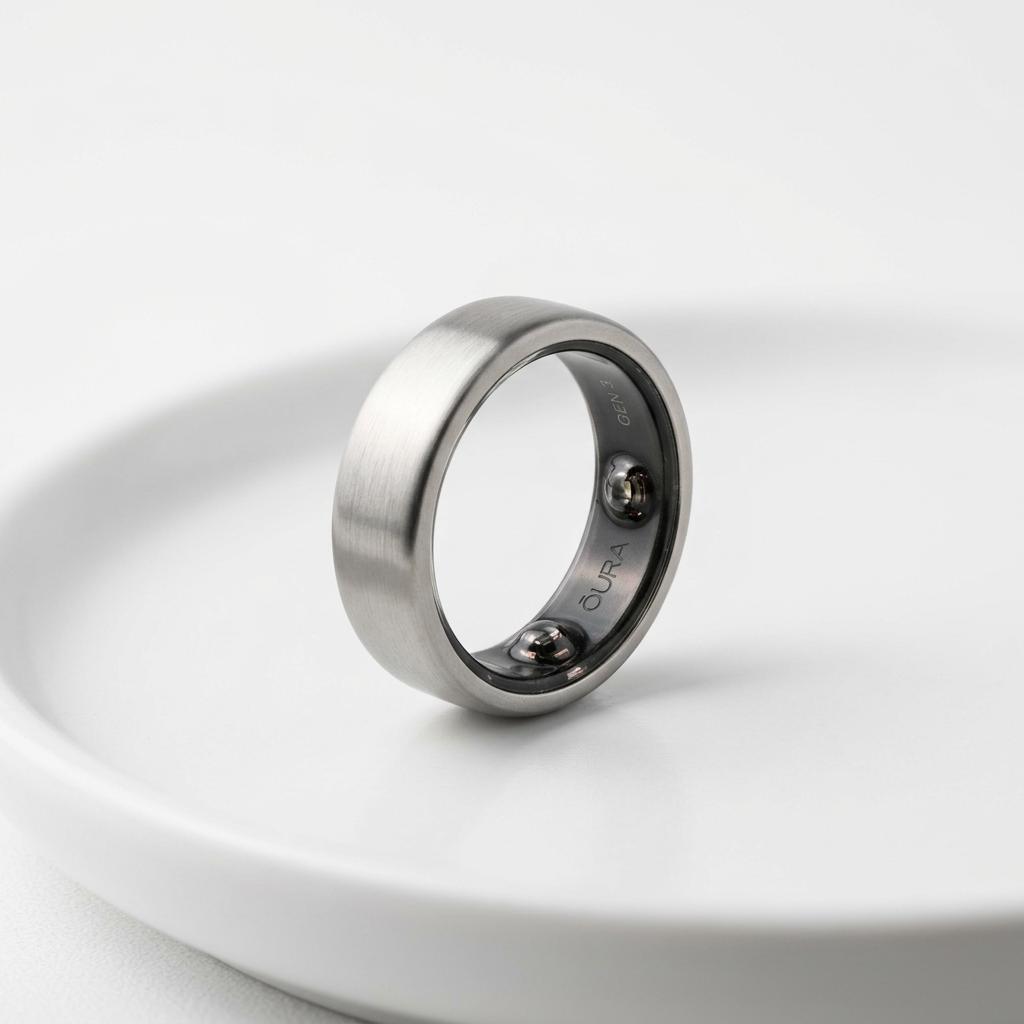 |
Oura Ring Gen 3 | $299-$349 | Best Overall | Check Price |
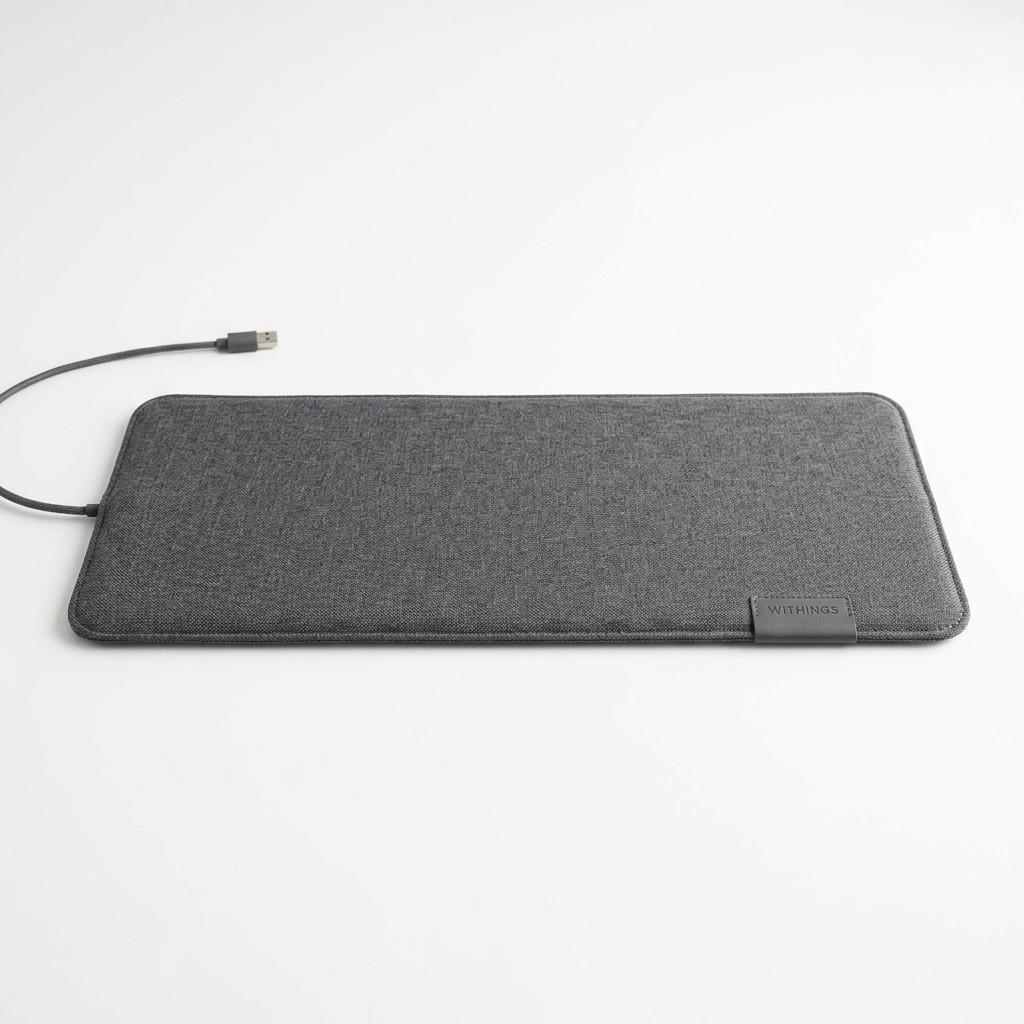 |
Withings Sleep Mat | $99-$129 | Best Non-Wearable | Check Price |
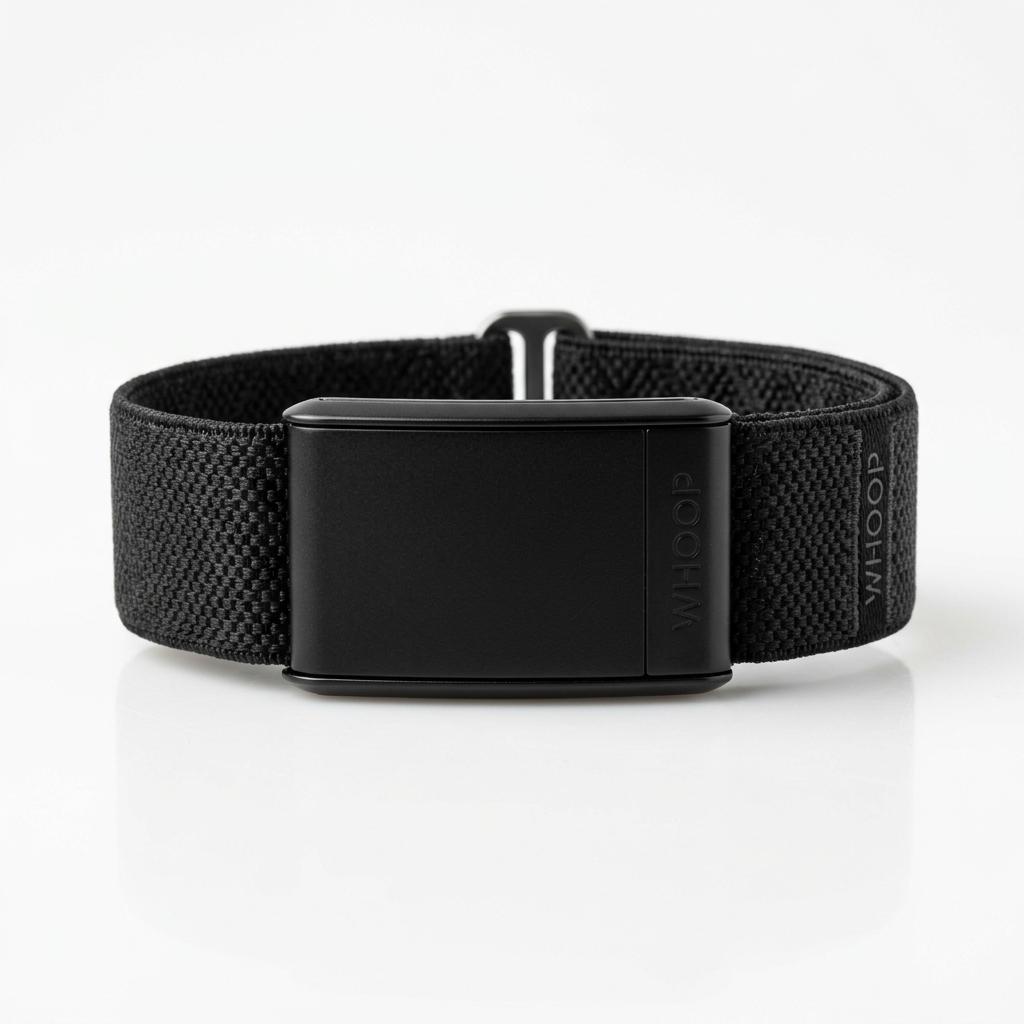 |
WHOOP 4.0 | $239-$359 | Best for Athletes | Check Price |
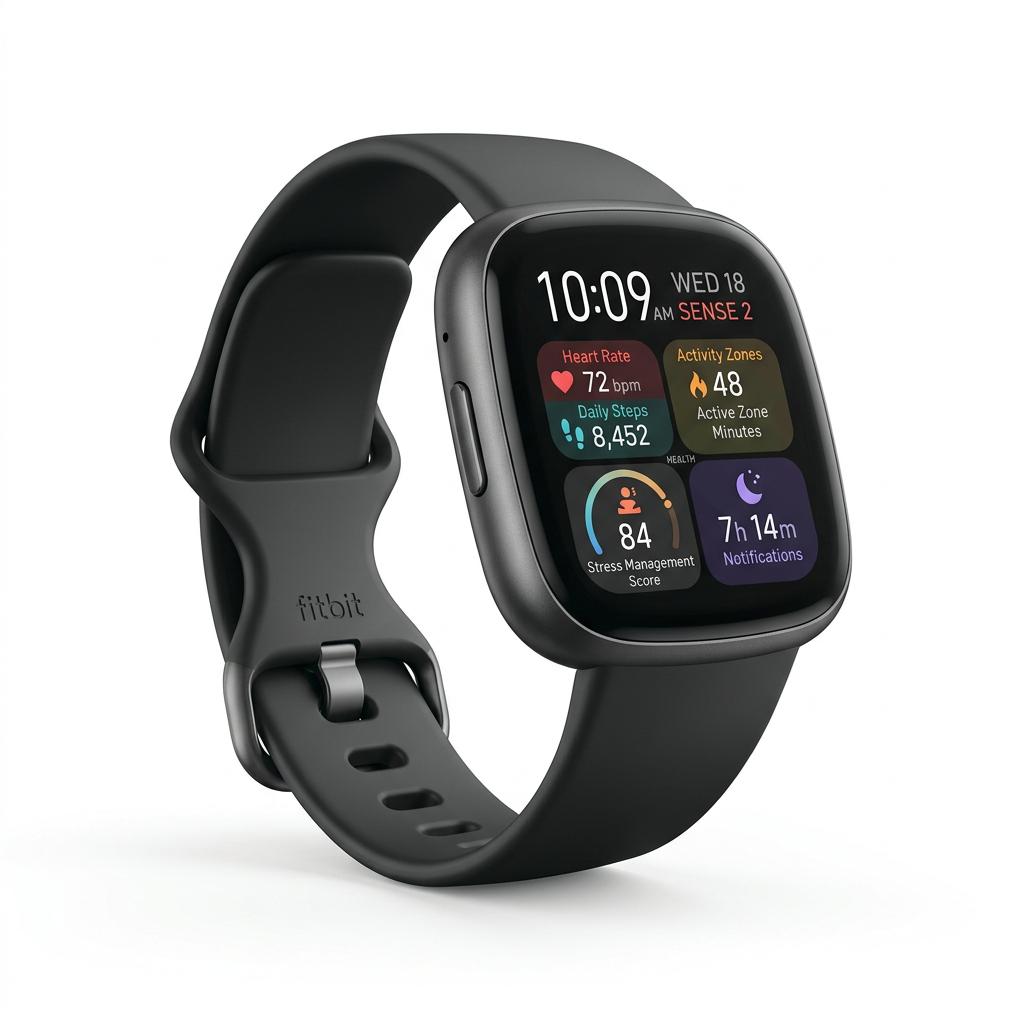 |
Fitbit Sense 2 | $199-$249 | Best Smartwatch Hybrid | Check Price |
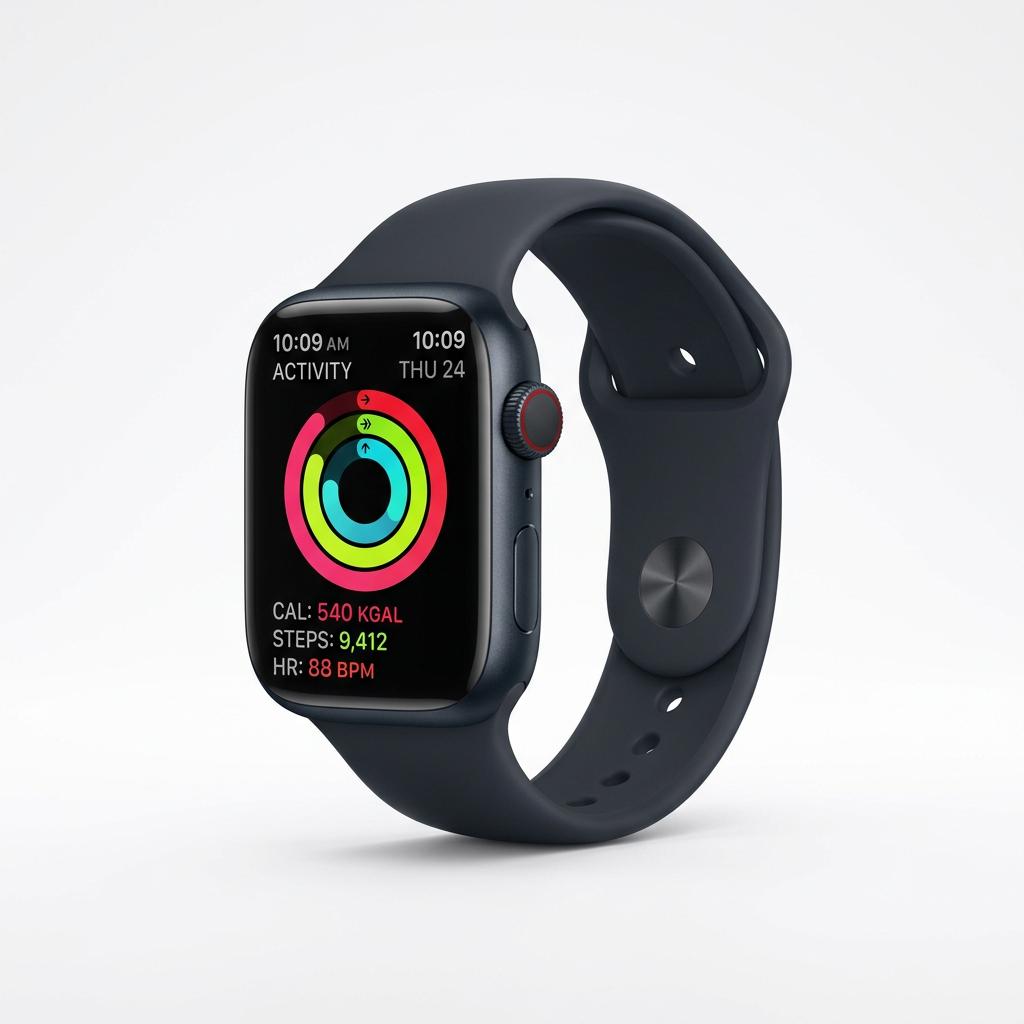 |
Apple Watch Series 9 | $399-$499 | Best for Apple Users | Check Price |
The Oura Ring Gen 3 offers the most comprehensive sleep tracking in an ultra-comfortable ring design that you'll actually want to wear to bed.
The Withings Sleep Mat provides comprehensive sleep tracking without any wearable, slipping discreetly under your mattress for effortless monitoring.
The WHOOP 4.0 is the gold standard for athletic recovery tracking, providing unmatched insights into sleep quality and training readiness.
The Fitbit Sense 2 delivers the best combination of sleep tracking depth and all-day smartwatch functionality for everyday wellness.
The Apple Watch Series 9 offers the best sleep tracking experience for iPhone users with deep ecosystem integration and comprehensive health monitoring.
The Oura Ring Gen 3 stands out as the most advanced dedicated sleep tracker on the market, packing a remarkable array of sensors into a lightweight titanium ring. Its ability to track sleep stages, heart rate variability, skin temperature, and blood oxygen levels provides a holistic picture of your nightly recovery. The 7-day battery life means you rarely need to take it off, and the companion app delivers actionable insights through its Readiness and Sleep scores. The ring design is far more comfortable for sleep than any wrist-worn device, making it the top choice for serious sleep optimization.
Check Price on Amazon
The Withings Sleep Mat is the perfect solution for those who refuse to wear a tracker to bed. This slim fabric mat slides under your mattress and automatically detects when you fall asleep, tracking your sleep cycles, heart rate, and even snoring episodes throughout the night. Its smart home integration can adjust your bedroom temperature and lights based on your sleep patterns. While it lacks the portability of wearable trackers, it offers the most convenient set-it-and-forget-it sleep monitoring experience available.
Check Price on Amazon
WHOOP 4.0 has become the go-to sleep and recovery tracker for professional athletes and serious fitness enthusiasts. Its proprietary Sleep Coach provides personalized bedtime recommendations based on your daily strain and next-day schedule. The band's Any-Wear technology allows sensor placement on the wrist, bicep, or waist for optimal comfort and accuracy. The detailed recovery score, based on HRV, resting heart rate, and sleep performance, helps you make data-driven training decisions. While the mandatory subscription is pricey, the depth of physiological insights is unmatched.
Check Price on Amazon
The Fitbit Sense 2 strikes an excellent balance between being a capable smartwatch and a serious sleep tracker. Its Sleep Profile feature provides monthly analysis of your sleep patterns with personalized recommendations, while the Daily Readiness Score helps you understand when to push hard or prioritize recovery. The cEDA stress sensor and on-wrist ECG add health monitoring beyond sleep. With built-in GPS, contactless payments, and a vibrant app ecosystem, it's the most versatile option for those who want one device for everything.
Check Price on Amazon
For those already in the Apple ecosystem, the Apple Watch Series 9 provides a polished sleep tracking experience that integrates seamlessly with the Health app. The Sleep app tracks time in bed, REM, core, and deep sleep stages, while the wrist temperature sensor enables retrospective ovulation estimates and trend analysis. Sleep Focus mode automatically filters notifications and simplifies your lock screen at bedtime. The main challenge is the battery life, requiring a strategic charging routine, but the convenience of having sleep, fitness, and communication on one device makes it worthwhile for Apple loyalists.
Check Price on Amazon