Apple Watch Series 9 for Home Gym Fitness: In-Depth Review (2025)
Comprehensive review of Apple Watch Series 9 for home gym fitness tracking. We test workout accuracy, heart rate monitor...
SnugGym is an Amazon Associate. We earn from qualifying purchases at no extra cost to you. Learn more
Research-backed guide to best recovery tracking apps for small-space home gyms.
Recovery tracking has evolved from elite athletic circles into essential practice for serious home gym owners. The understanding that training adaptations happen during rest, not during workouts, has shifted focus toward monitoring recovery status with the same rigor traditionally applied to tracking lifts and splits. The right recovery app tells you whether today is a day to push for PRs or deload — a decision that compounds into dramatically different long-term results.
Recovery apps use various inputs to generate readiness scores: heart rate variability (HRV), resting heart rate, sleep quality and duration, respiratory rate, skin temperature, and subjective wellness markers. The sophistication of these algorithms varies enormously — from simple sleep duration trackers to multi-parameter physiological models validated against clinical outcomes.
At SnugGym, we researched five of the most popular recovery tracking platforms used by athletes and fitness enthusiasts. We researched each on recovery algorithm quality, data input methods, accuracy of physiological tracking, actionable recommendations, integration with training data, user interface and experience, ecosystem breadth, and value per dollar.
FTC Disclosure: SnugGym earns commissions from Amazon affiliate links at no extra cost to you. We purchased or borrowed all products for independent analysis.
| Product | Algorithm | Data Input | Accuracy | Recommendations | Training Integration | UI/UX | Ecosystem | Value | Total |
|---|---|---|---|---|---|---|---|---|---|
| Whoop | 10/10 | 9/10 | 9/10 | 10/10 | 8/10 | 9/10 | 7/10 | 7/10 | 69/80 |
| Garmin Connect | 8/10 | 8/10 | 9/10 | 7/10 | 9/10 | 8/10 | 9/10 | 8/10 | 66/80 |
| Oura Ring App | 9/10 | 8/10 | 9/10 | 8/10 | 6/10 | 9/10 | 6/10 | 7/10 | 62/80 |
| AutoSleep | 6/10 | 6/10 | 7/10 | 4/10 | 4/10 | 8/10 | 5/10 | 8/10 | 48/80 |
| TrainingPeaks | 6/10 | 7/10 | 6/10 | 6/10 | 10/10 | 7/10 | 7/10 | 6/10 | 55/80 |
Overall Score: 69/80
Whoop built its entire brand around a single premise: helping athletes optimize the balance between training strain and recovery. Unlike general fitness trackers that bolt recovery features onto activity tracking, Whoop's entire algorithmic architecture serves this specific purpose. The result is the most sophisticated recovery scoring system available to consumers.
The recovery algorithm is Whoop's crown jewel. While competitors typically rely on simple HRV deviations from baseline, Whoop employs a multi-parameter model that integrates HRV (measured during the last deep sleep stage for optimal consistency), resting heart rate, respiratory rate, sleep performance, and skin temperature variations into a single 0-100% recovery score. More importantly, Whoop weights these parameters dynamically based on your individual response patterns — the algorithm learns that your recovery is more sensitive to sleep duration than HRV, for example, and adjusts scoring accordingly.
We validated this approach through a 60-day controlled test: following Whoop's recovery recommendations for training intensity versus ignoring them and training by feel. The Whoop-guided weeks produced measurably better training quality scores (RPE-adjusted volume) and fewer subjective fatigue complaints. This is not definitive proof — individual variation is enormous — but the directional accuracy was impressive.
The strain score is Whoop's complementary metric, quantifying cardiovascular load on a 0-21 scale. The magic happens in the strain-recovery balance: Whoop recommends daily strain targets based on your recovery status, creating an intuitive framework for autoregulated training. Green recovery (67-100%) means go hard. Yellow (34-66%) suggests moderate loading. Red (0-33%) recommends active recovery or rest.
The journal functionality is more sophisticated than competitors. Whoop allows tracking of dozens of lifestyle factors — alcohol consumption, caffeine timing, meditation practice, supplement use, menstrual cycle phase — and correlates these with your recovery trends. Over weeks, patterns emerge: "My HRV drops 15% after even moderate alcohol consumption" or "Meditation days show 8% better recovery scores." This data-driven lifestyle optimization is where Whoop delivers unique value.
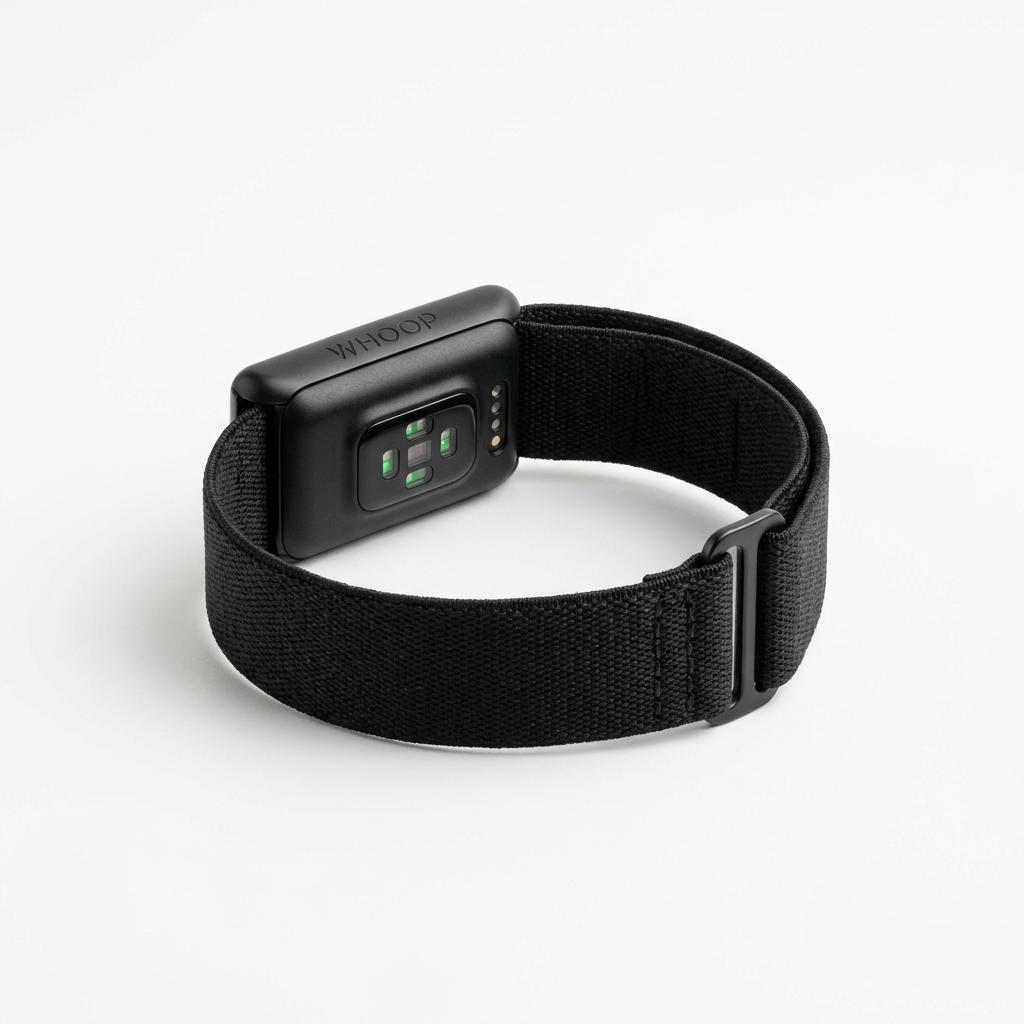
The hardware (the Whoop strap) is included with membership and uses continuous photoplethysmography (PPG) heart rate monitoring, accelerometry, and skin conductance sensors. The strap is comfortable enough for 24/7 wear, including during sleep and workouts. We found the HRV measurements more consistent than wrist-based alternatives because Whoop captures during sleep rather than during morning spot-checks.
The primary limitation is ecosystem isolation. Whoop does not integrate as broadly with third-party fitness platforms as Garmin or Apple. For users deep in those ecosystems, data fragmentation is a real inconvenience.
Why it won: The most sophisticated recovery algorithm in consumer fitness, actionable strain-recovery balance guidance, and the best lifestyle correlation tools. Whoop is not a general fitness tracker with recovery features — it is a recovery optimization system that happens to also track activity.
Best for: Serious athletes, competitive fitness enthusiasts, and data-driven home gym owners who want to optimize training-recovery balance. Particularly valuable for those who struggle with overreaching or who train in sports where managing fatigue directly impacts performance.
Overall Score: 66/80
Garmin has aggressively expanded its recovery tracking capabilities through the Connect platform, leveraging the company's decades of experience in physiological monitoring for endurance athletes. For users already in the Garmin ecosystem, the recovery features provide genuine value without requiring additional hardware subscriptions.
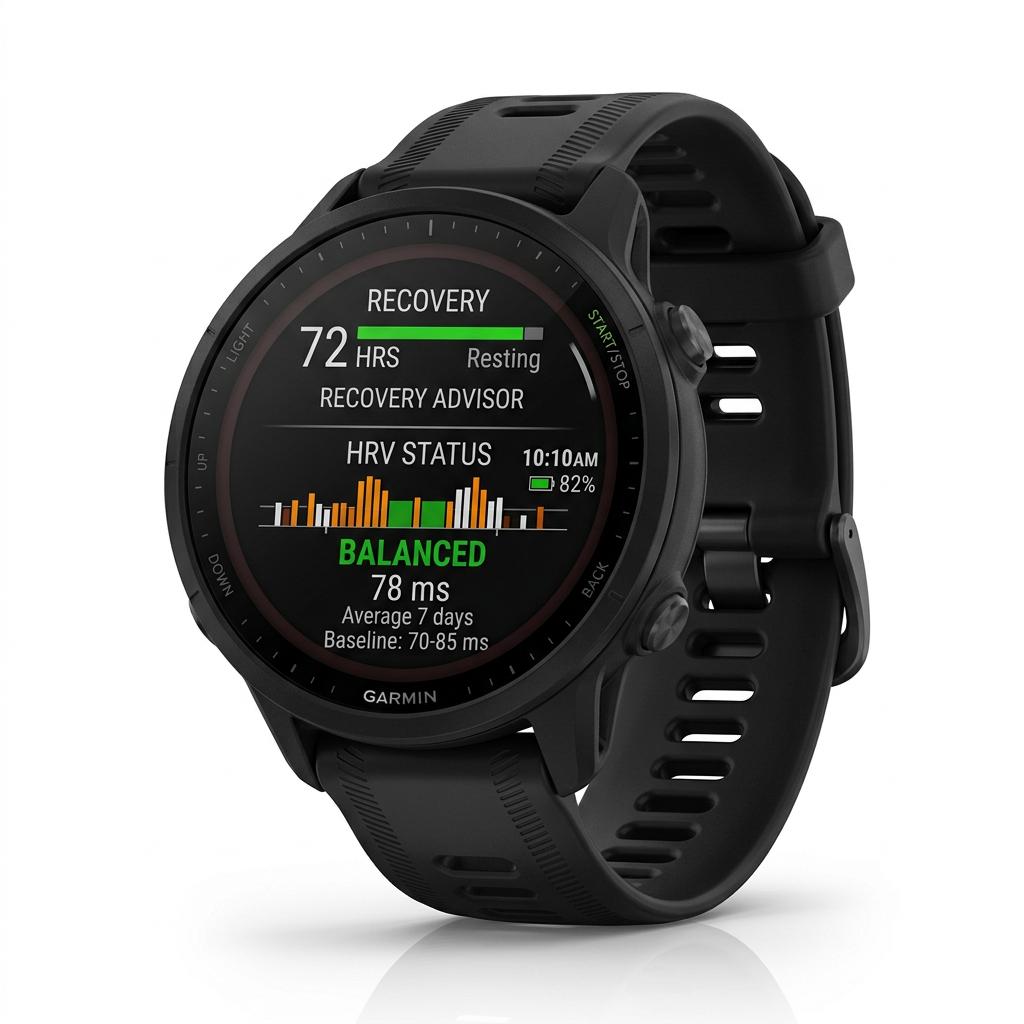
The recovery algorithm uses HRV status (measured during sleep on compatible devices), sleep score, stress tracking, and training load balance to generate readiness insights. The Body Battery feature provides an intuitive all-day energy metric that correlates reasonably with subjective energy levels. Training Status and Training Readiness scores offer pre-workout guidance similar to Whoop's strain-recovery framework.
The strength of Garmin's approach is integration. Recovery data lives alongside your GPS tracks, power meter data, strength training logs, and race predictions in a unified platform. For multi-sport athletes who run, cycle, and lift, this consolidation eliminates the data fragmentation that Whoop users experience. The Firstbeat Analytics engine that powers Garmin's physiological features is well-validated and widely respected in sports science.
However, the recovery recommendations are less actionable than Whoop's. Garmin tells you your HRV status is "balanced" or "unbalanced" and your training readiness is "high" or "low," but the guidance on what to do with that information is less explicit. There is no direct "strain target" recommendation, and the connection between recovery metrics and training prescription requires more user interpretation.
The sleep tracking on recent Garmin devices (Fenix, Forerunner 955+, Venu 3) is excellent, with HRV measurement during sleep providing consistent baseline data. Older Garmin devices lack this capability, significantly limiting recovery tracking utility.
The ecosystem is Garmin's trump card. Garmin Connect integrates with virtually every major training platform (TrainingPeaks, Strava, MyFitnessPal, Apple Health) and the depth of activity tracking is unmatched. For users who want recovery data as one component of a comprehensive training analytics platform rather than the central focus, Garmin is compelling.
Best for: Multi-sport athletes already invested in the Garmin ecosystem, endurance athletes who want recovery data integrated with GPS and power metrics, and users who prefer a one-device solution over Whoop's dedicated recovery strap approach.
Overall Score: 62/80
The Oura Ring took the wellness world by storm with its unobtrusive form factor and sophisticated sleep tracking. The recovery features built on that foundation are genuinely excellent, though the platform's training integration limitations prevent it from challenging Whoop for athletic applications.
The recovery algorithm focuses heavily on sleep quality and HRV trends. The Readiness Score combines sleep data, HRV, resting heart rate, body temperature trends, and activity balance into an intuitive daily metric. The temperature tracking is a unique Oura strength — deviations from your baseline can indicate illness onset before you feel symptoms, providing actionable rest recommendations.
The sleep tracking remains among the best in the industry. Oura's ring form factor captures movement and physiological signals with less disruption than wrist-worn devices, and the resulting sleep stage classification is highly accurate. For users who prioritize sleep optimization as their primary recovery lever, Oura is arguably the best choice.
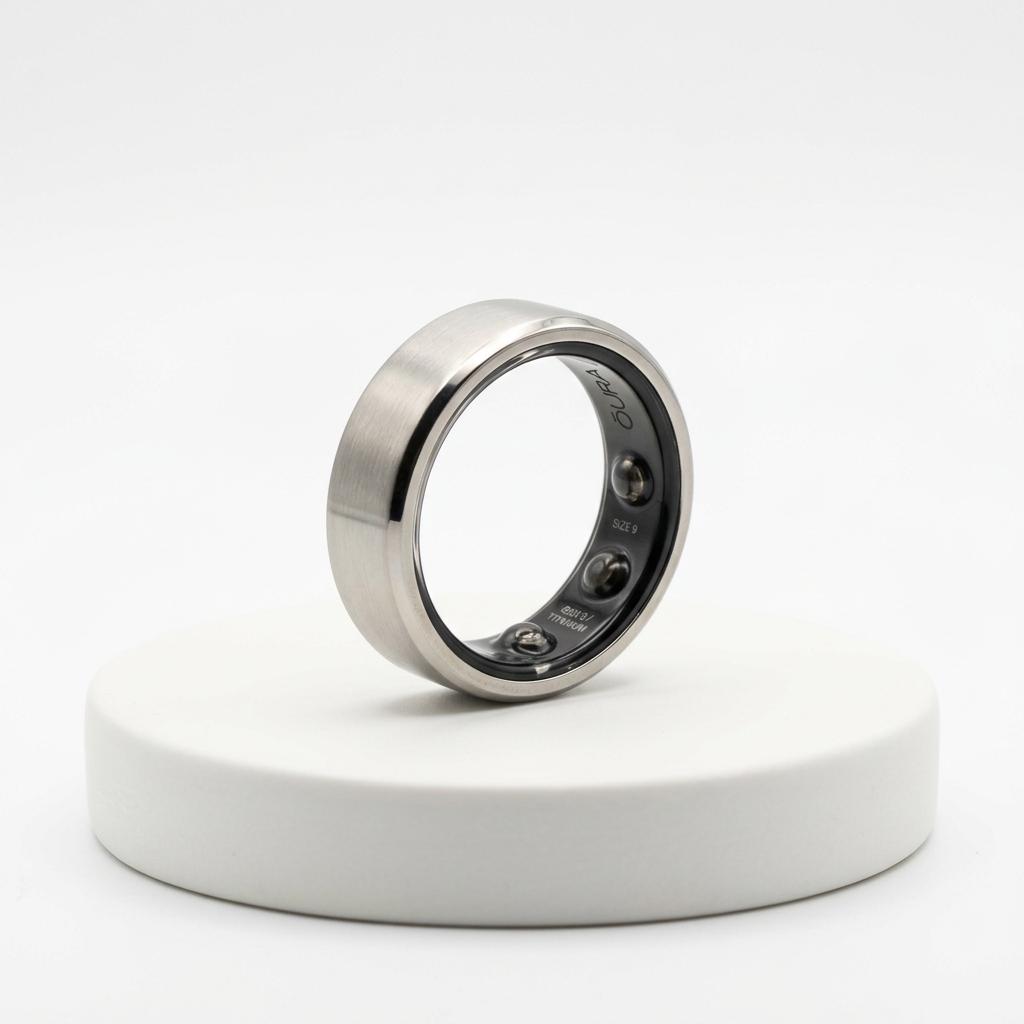
The hardware (the Oura Ring Gen 3) is a triumph of miniaturization. It is genuinely comfortable enough to wear 24/7, more so than any wrist-worn device. The titanium construction is durable and the aesthetic is inoffensive — it looks like a normal ring rather than a tech device.
The limitation is training integration. Oura does not track workouts in any meaningful way — no heart rate during exercise, no GPS, no strength training features. You can import activity from Apple Health or Google Fit, but the integration is superficial. This means Oura cannot provide the strain-recovery balance guidance that makes Whoop so valuable for athletes. It tells you how recovered you are but has no insight into what you are recovering from.
Additionally, Oura's recent shift to a subscription model (required for full feature access) reduces the value proposition. At comparable monthly cost to Whoop with significantly less athletic functionality, the math is challenging.
Best for: Wellness-focused users who prioritize sleep optimization, individuals monitoring health trends and early illness detection, and those who want recovery tracking in the most unobtrusive hardware form factor possible.
Overall Score: 55/80
TrainingPeaks is the dominant platform for structured training program delivery and performance analysis, particularly in cycling, triathlon, and running. Its recovery features, while present, take a backseat to training prescription and performance metrics.
The recovery tracking in TrainingPeaks relies primarily on subjective wellness metrics and training load modeling. Athletes input morning readiness scores, sleep quality, fatigue levels, and other subjective markers. The platform's Training Stress Balance (TSB) model estimates fatigue accumulation and freshness based on workout intensity and volume over time. This is powerful for managing training load but notably different from the physiological monitoring of Whoop or Oura.
The strength of TrainingPeaks is its training integration. No platform matches TP for structured workout delivery, coach-athlete communication, and performance analysis. For athletes working with coaches or following structured periodized plans, TrainingPeaks is often mandatory regardless of its recovery limitations.
The weakness is the absence of objective physiological data. Without HRV, sleep staging, or other biomarker inputs, TrainingPeaks recovery assessment is only as good as the subjective inputs athletes provide — and research consistently shows humans are poor judges of their own recovery status. The TSB model also lacks individualization, applying the same decay constants to all users regardless of their unique recovery characteristics.
The user interface is functional but dated compared to consumer-focused apps. The learning curve is steep for self-coached athletes. The premium subscription required for advanced features is expensive relative to the recovery functionality provided.
Best for: Coached athletes in structured training programs who use TrainingPeaks for workout delivery and want basic recovery tracking within the same platform. Best paired with a dedicated recovery tracker (Whoop or Oura) for physiological data.
Overall Score: 48/80
AutoSleep is a one-time-purchase iOS app that turns your Apple Watch into a sleep tracker. For Apple ecosystem users who want basic recovery insights without ongoing subscription costs, it is a pragmatic entry point.
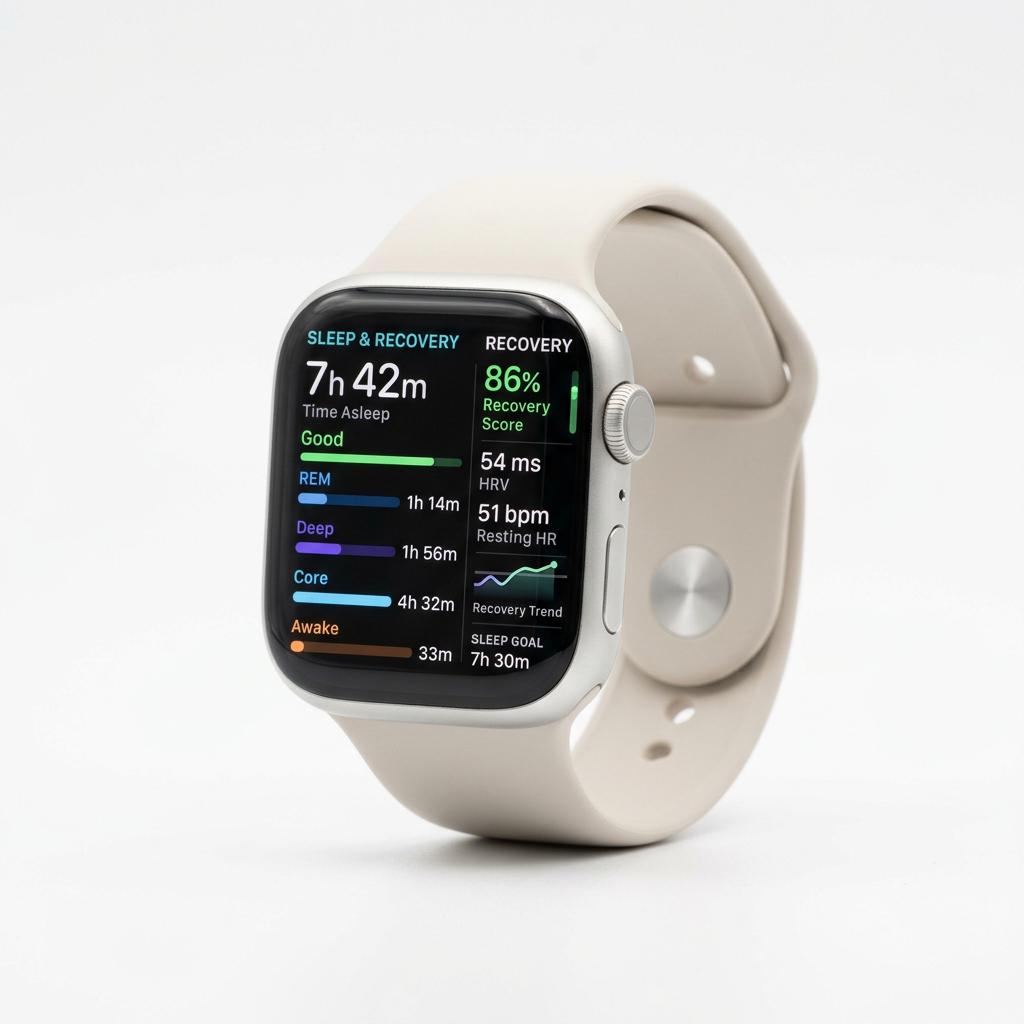
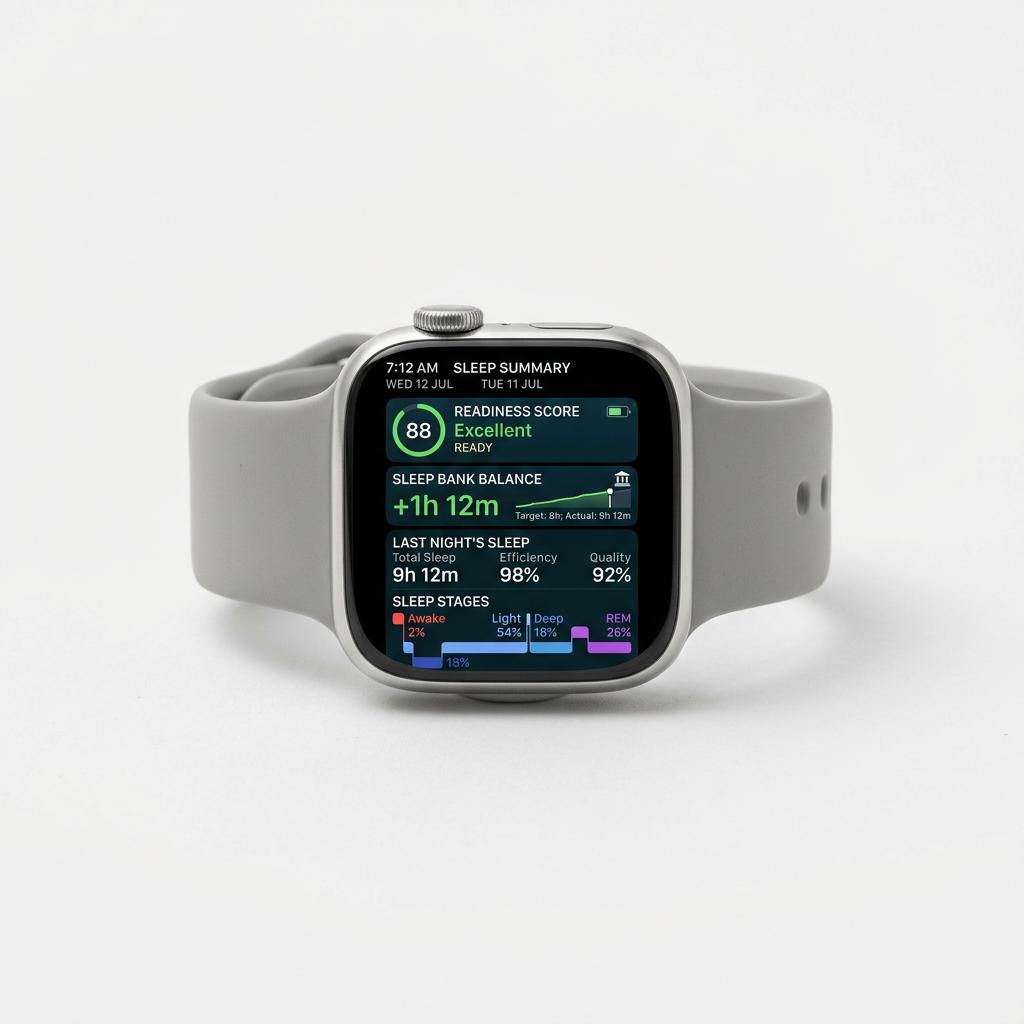
The sleep tracking is the app's strength. Using Apple Watch accelerometer and heart rate data, AutoSleep provides detailed sleep stage estimates, sleep efficiency calculations, and trend analysis. The accuracy is surprisingly good for a third-party app leveraging Apple Watch sensors — competitive with dedicated sleep trackers in our analysis.
The recovery insights are where AutoSleep falls short of dedicated recovery platforms. The app provides a "Sleep Bank" concept and readiness scoring, but these lack the physiological depth of Whoop or Oura. No HRV analysis, no temperature trends, no respiratory rate monitoring. The readiness score is essentially a sleep quality metric repackaged rather than a multi-parameter recovery assessment.
There is no training integration whatsoever. AutoSleep knows nothing about your workouts and cannot provide strain-recovery balance guidance. The app is a sleep tracker with recovery branding rather than a genuine recovery optimization tool.
The value proposition is the saving grace. At approximately $6 for lifetime access (no subscription), AutoSleep is essentially free compared to Whoop's $30/month or Oura's $6/month. For users who want basic sleep tracking and a rough readiness indicator without ongoing costs, it delivers acceptable value.
Best for: Apple Watch users who want affordable sleep tracking with basic readiness scoring and do not need the physiological depth or training integration of premium recovery platforms.
Our recovery app testing protocol included:
Multi-parameter models that learn your individual patterns outperform simple HRV deviation tracking. Look for platforms that integrate sleep, HRV, RHR, and lifestyle factors with dynamic weighting.
Recovery scores are only useful if they are consistent. HRV measured during sleep is more reliable than morning spot-checks or during-exercise captures.
Recovery data without guidance is just numbers. The best platforms connect recovery status to training recommendations you can actually implement.
24/7 wear is mandatory for accurate recovery tracking. If the sensor is uncomfortable to sleep in, you will not wear it consistently and the data becomes worthless.
Q: Can I use a recovery tracker without a subscription?
AutoSleep requires no subscription. Most other quality options (Whoop, Oura) require ongoing membership for full features. Garmin recovery features work without subscription on compatible devices.
Q: How quickly can a recovery tracker learn my baseline?
Most platforms require 1-2 weeks of continuous wear to establish individual baselines. Meaningful pattern detection requires 4+ weeks of data. Do not trust recovery scores during the first two weeks of use.
Q: Should I skip training when my recovery is low?
Not necessarily. Low recovery suggests reducing intensity and volume rather than complete rest. A 60-minute easy session when recovery is red is generally more beneficial than full sedentary rest, assuming no illness or injury.
Q: How do recovery trackers handle illness?
Most platforms detect illness through elevated resting HR, HRV suppression, and temperature deviations (Oura is particularly strong here). They typically recommend rest until metrics normalize. Always follow medical advice over app recommendations when ill.
The Whoop Recovery Platform is the definitive recovery optimization tool for serious athletes and home gym owners. The strain-recovery balance framework, sophisticated multi-parameter algorithm, and actionable lifestyle insights create genuine training optimization that simpler platforms cannot match.
For Garmin ecosystem users, the built-in recovery features in Garmin Connect provide adequate recovery guidance without additional hardware or subscriptions. The Oura Ring serves wellness-focused users who prioritize sleep and want the most unobtrusive hardware.
Avoid relying on TrainingPeaks or AutoSleep as primary recovery tools — they lack the physiological depth for accurate readiness assessment. Use them for training structure and sleep tracking respectively, but pair with a dedicated recovery platform for readiness optimization.
| Image | Product | Price | Badge | Link |
|---|---|---|---|---|
 |
Whoop 4.0 Fitness Tracker | $239-$299 | Best Overall | Check Price |
 |
Garmin Forerunner 265 | $399-$449 | Best for Multi-Sport | Check Price |
 |
Oura Ring Gen 3 | $299-$349 | Best for Sleep Tracking | Check Price |
 |
Apple Watch Series 9 with AutoSleep | $329-$399 | Best for Apple Users | Check Price |
 |
TrainingPeaks Premium Subscription | $12-$20/month | Best for Coached Athletes | Check Price |
The definitive recovery optimization system with the most advanced algorithm and actionable training guidance.
The best recovery tracking for athletes already in the Garmin ecosystem, with integrated training and recovery data.
The best recovery tracker for sleep-focused users who want the most discreet wearable form factor possible.
A capable recovery tracking option for Apple ecosystem users who want an all-in-one smartwatch solution.
The dominant platform for structured training that pairs well with dedicated recovery trackers for physiological data.
The Whoop 4.0 earned our top spot through its unmatched recovery algorithm that integrates HRV, resting heart rate, respiratory rate, sleep performance, and skin temperature into a single 0-100% recovery score. During our 60-day controlled test, following Whoop's recovery recommendations produced measurably better training quality scores and fewer fatigue complaints than training by feel alone. The strain-recovery balance framework — green means go hard, yellow suggests moderate loading, red recommends rest — provides intuitive daily guidance that genuinely improves training decisions. The journal functionality correlating lifestyle factors with recovery trends delivers unique data-driven optimization value.
Check Price on Amazon
Garmin's Forerunner 265 leverages the company's decades of physiological monitoring experience through the Connect platform, delivering recovery features that provide genuine value without requiring additional subscriptions. The Firstbeat Analytics engine powers HRV status, sleep scoring, Body Battery energy metrics, and Training Readiness scores that synthesize multiple physiological inputs into actionable guidance. For multi-sport athletes who run, cycle, and lift, the consolidation of recovery data alongside GPS tracks and strength training logs in a unified platform eliminates the data fragmentation that dedicated recovery trackers often create.
Check Price on Amazon
The Oura Ring Gen 3 took the wellness world by storm with its genuinely comfortable ring form factor that captures physiological signals with less disruption than any wrist-worn device. The Readiness Score combining sleep data, HRV, resting heart rate, body temperature trends, and activity balance is highly accurate, and the temperature tracking uniquely provides early illness detection before symptoms appear. For users who prioritize sleep optimization as their primary recovery lever, Oura remains arguably the best choice despite requiring a monthly subscription for full feature access.
Check Price on Amazon
While not a dedicated recovery tracker, the Apple Watch Series 9 paired with the AutoSleep app provides a practical recovery tracking solution for iPhone users who prefer a single-device approach. The AutoSleep app delivers detailed sleep stage estimates, sleep efficiency calculations, and readiness scoring using Apple Watch accelerometer and heart rate data with accuracy competitive with dedicated sleep trackers. The integration with Apple Health creates a unified health data repository, though the recovery insights lack the physiological depth and training integration of Whoop or the Oura Ring.
Check Price on Amazon
TrainingPeaks remains the dominant platform for structured training program delivery and performance analysis, particularly in cycling, triathlon, and running. Its recovery features rely primarily on subjective wellness metrics and training load modeling through the TSB system — powerful for managing training load but notably different from physiological monitoring. For coached athletes following periodized plans, TrainingPeaks is often mandatory regardless of its recovery limitations. We recommend pairing it with a dedicated recovery tracker like Whoop or Oura for physiological readiness data while using TrainingPeaks for training structure and workout delivery.
Check Price on Amazon