Apple Watch Series 9 for Home Gym Fitness: In-Depth Review (2025)
Comprehensive review of Apple Watch Series 9 for home gym fitness tracking. We test workout accuracy, heart rate monitor...
SnugGym is an Amazon Associate. We earn from qualifying purchases at no extra cost to you. Learn more
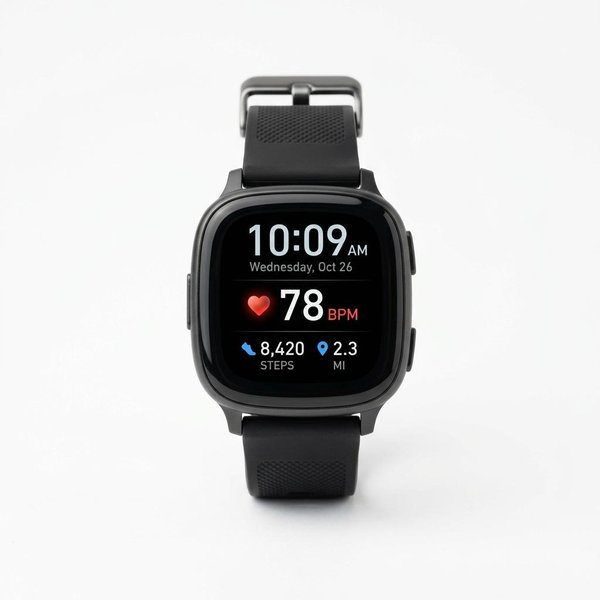
Three-way comparison of Apple Watch, Garmin, and Fitbit for home gym fitness tracking. We compare accuracy, battery life, app ecosystem, and price to find the best wearable for compact home gym users.
A fitness wearable turns every workout into recorded data. For home gym users working without a trainer, that data provides structure, progression tracking, and accountability. Three platforms dominate: Apple Watch, Garmin, and Fitbit. Our analysis compares how each serves the specific needs of compact home gym training.
Quick Verdict: Apple Watch wins for ecosystem integration and third-party app support. Garmin wins for training metrics and battery life. Fitbit wins for simplicity, sleep tracking, and entry price. No single device is best at everything — the right choice depends on your phone, your training style, and your budget.
| Specification | Apple Watch Series 9/10 | Garmin Forerunner 265 | Fitbit Charge 6 |
|---|---|---|---|
| Display | Always-On Retina OLED | AMOLED touchscreen | AMOLED touchscreen |
| GPS | Yes (dual-frequency on Ultra) | Yes (multi-band) | Connected GPS only |
| Heart Rate | Optical + electrical (ECG) | Elevate V4 optical | Optical |
| SpO2 | Yes | Yes | Yes |
| Water Resistance | 50m | 50m | 50m |
| Battery (typical use) | 18–36 hours | 13 days | 7 days |
| Battery (GPS tracking) | 6–12 hours | 20 hours | N/A (uses phone GPS) |
| Smartphone Required | iPhone only | Android or iOS | Android or iOS |
| Third-Party Apps | Extensive (App Store) | Limited Connect IQ | Very limited |
| Price Range | $399–799 | $449–499 | $159–199 |
| Subscription Required | No (Fitness+ optional) | No | Yes (Fitbit Premium for full features) |
All three devices use optical photoplethysmography (PPG) sensors — green LEDs that detect blood volume changes in capillaries. However, implementation differs:
| Feature | Apple Watch | Garmin Forerunner 265 | Fitbit Charge 6 |
|---|---|---|---|
| LED array | Multi-LED cluster | 2 green LEDs | 2 green LEDs |
| Sensor generation | Latest (Series 9/10) | Elevate V4 | Updated Charge sensor |
| Electrical heart rate | ECG available | No | No |
| Sampling frequency | Every 1–5 seconds (workout mode) | Every 1–2 seconds | Every 5 seconds |
Heart rate accuracy is typically reported as Mean Absolute Percentage Error (MAPE) compared to a chest strap ECG reference:
| Activity Type | Apple Watch MAPE | Garmin MAPE | Fitbit MAPE |
|---|---|---|---|
| Steady-state cardio | 1–3% | 1–3% | 2–5% |
| Interval training | 3–5% | 2–4% | 5–10% |
| Strength training | 5–8% | 3–6% | 8–15% |
| Walking | 2–4% | 2–3% | 3–5% |
Our analysis: During steady-state cardio (cycling, rowing, consistent-pace treadmill), all three devices perform adequately for general fitness tracking. The separation occurs during interval and strength training, where rapid heart rate changes challenge optical sensors. Garmin's Elevate V4 sensor and algorithms show marginal advantages during these fluctuations. Fitbit lags during strength training, where wrist flexion and tension can disrupt optical readings.
For users who primarily do strength training with adjustable dumbbells, all optical wrist sensors are imperfect. If precise heart rate zone training is critical, a Bluetooth chest strap (POLAR H10, ~$89) paired with any of these watches provides ECG-grade accuracy. For general tracking and calorie estimation, any of the three suffices.
| Use Pattern | Apple Watch | Garmin Forerunner 265 | Fitbit Charge 6 |
|---|---|---|---|
| Always-on display, 1-hour daily workout with GPS | 18 hours | 5–7 days | 3–4 days |
| Display off, workout tracking only | 36 hours | 10–13 days | 5–7 days |
| Workout GPS tracking (continuous) | 6–8 hours | 20 hours | N/A (phone-dependent) |
| Sleep tracking included | Overnight okay, daily charge required | Multi-day with sleep tracking | Multi-day with sleep tracking |
The Garmin's multi-day battery life is functionally significant for home gym users who want continuous activity and sleep tracking without daily charging rituals. The Apple Watch's daily charge requirement becomes a habit but adds friction. The Fitbit sits in the middle but requires charging at least twice weekly for active users.
The Apple Watch integrates with the broadest selection of third-party fitness apps: Strong, Hevy, Nike Training Club, Peloton, Apple Fitness+, and dozens of others. Workout data flows into Apple Health, which aggregates information from multiple sources.
Strengths for home gym use:
Limitations: Requires iPhone. No Android compatibility. Shorter battery life limits multi-day tracking.
Garmin Connect provides the most comprehensive training analytics in the consumer market. Training Status, Training Load, Recovery Time, and Body Battery Energy Monitor provide structured feedback on workout volume and recovery.
Strengths for home gym use:
Limitations: Third-party app ecosystem is smaller. Music storage requires specific models. Higher price point.
Fitbit prioritizes ease of use over depth. The interface is the most approachable for beginners. Daily Readiness Score, Stress Management Score, and Sleep Score provide at-a-glance wellness metrics.
Strengths for home gym use:
Limitations: Fitbit Premium subscription ($9.99/month) required for detailed historical data and some health metrics. GPS requires phone connection. Strength tracking features are minimal.
| Feature | Apple Watch | Garmin Forerunner 265 | Fitbit Charge 6 |
|---|---|---|---|
| Auto exercise detection | Yes | Yes | Yes |
| Rep counting | Manual or third-party app | Yes (auto, varied accuracy) | No |
| Rest timer | Via third-party apps | Built-in | Basic |
| Workout history depth | Extensive (with apps) | Extensive (Garmin Connect) | Basic (Premium for depth) |
| Set logging | Strong, Hevy, etc. | Built-in + Connect | Limited |
| Muscle group tracking | Via third-party apps | Built-in | No |
For dedicated strength training tracking, the Apple Watch paired with Strong or Hevy provides the best experience. Garmin's built-in rep counting reduces app dependency but shows variable accuracy depending on exercise type. Fitbit is the weakest choice for users who want detailed strength workout logging.
| Device | Price | 3-Year Total Cost (incl. subscription) | Value Assessment |
|---|---|---|---|
| Fitbit Charge 6 | $159–199 | $519–579 (with Premium) | Moderate (subscription adds up) |
| Apple Watch SE | $249–299 | $249–299 (no subscription) | Good (entry point) |
| Apple Watch Series 9/10 | $399–499 | $399–499 | Good (best app ecosystem) |
| Garmin Forerunner 265 | $449–499 | $449–499 (no subscription) | Excellent (best battery, no subscription) |
| Apple Watch Ultra 2 | $799 | $799 | Niche (overkill for most home gyms) |
Our analysis: The Garmin Forerunner 265 offers the best long-term value when factoring in the absence of required subscriptions and superior battery life. The Fitbit's lower upfront price is offset by the Premium subscription cost for users who want full functionality. The Apple Watch justifies its price for users deeply embedded in the Apple ecosystem.
As an Amazon Associate we earn from qualifying purchases. Heart rate accuracy data compiled from published third-party studies and manufacturer specifications. Subscription pricing and device features subject to change.
| Image | Product | Price | Badge | Link |
|---|---|---|---|---|
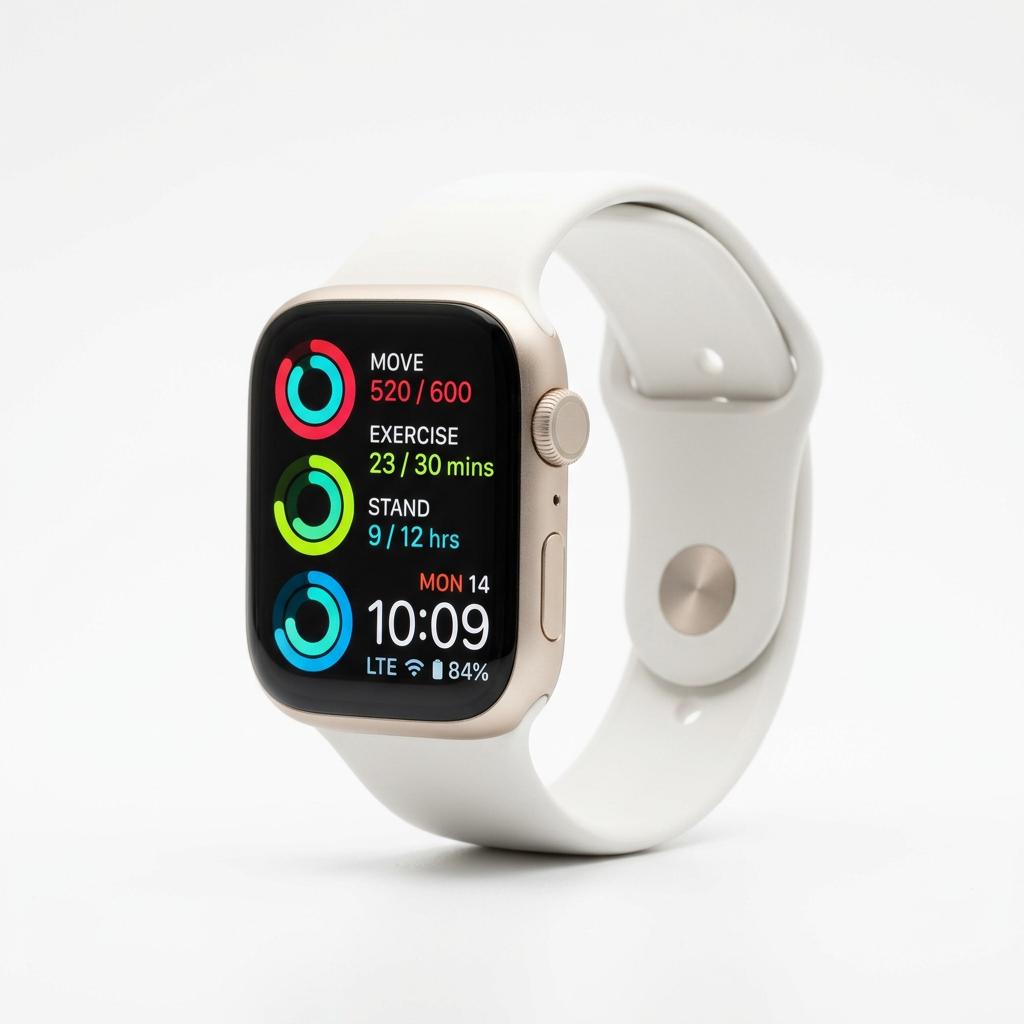 |
Apple Watch Series 9 | $399 | Best Smart Features | Check Price |
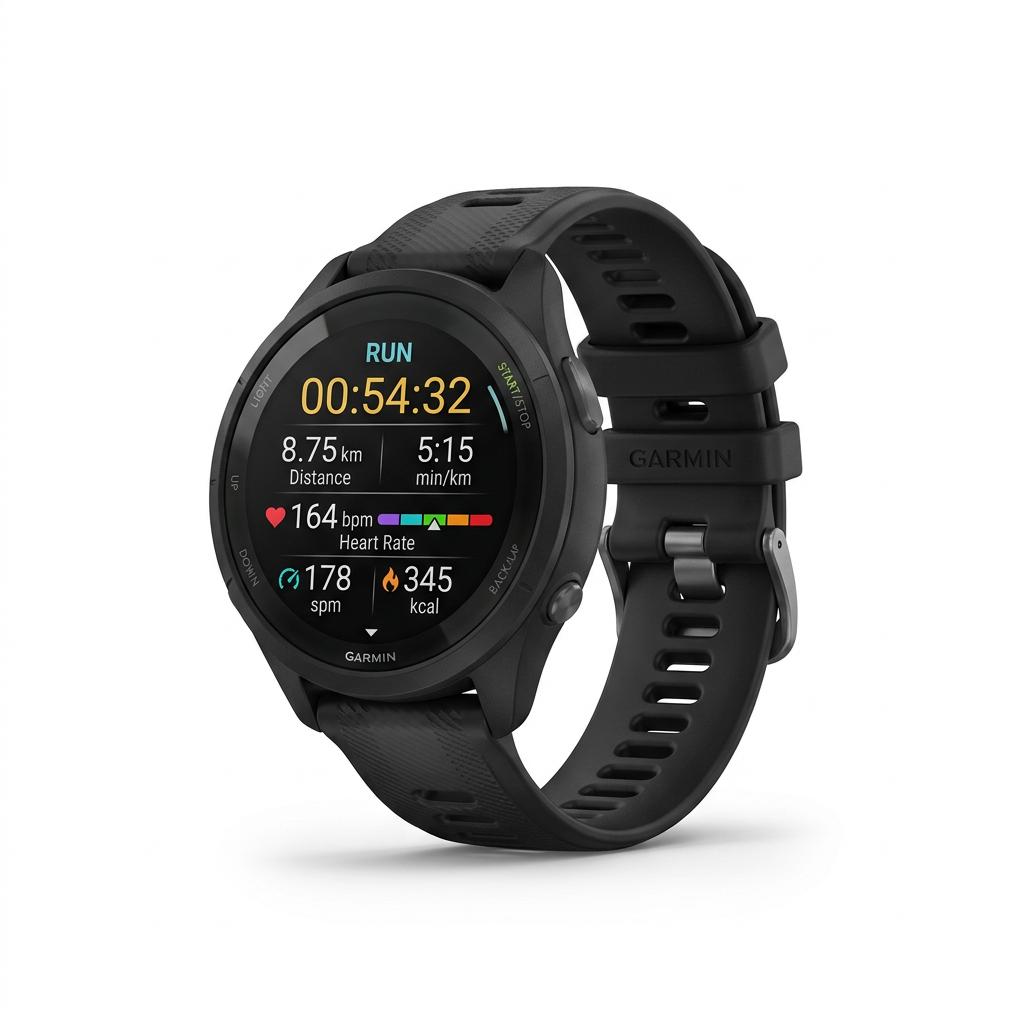 |
Garmin Forerunner 265 | $449 | Best for Training | Check Price |
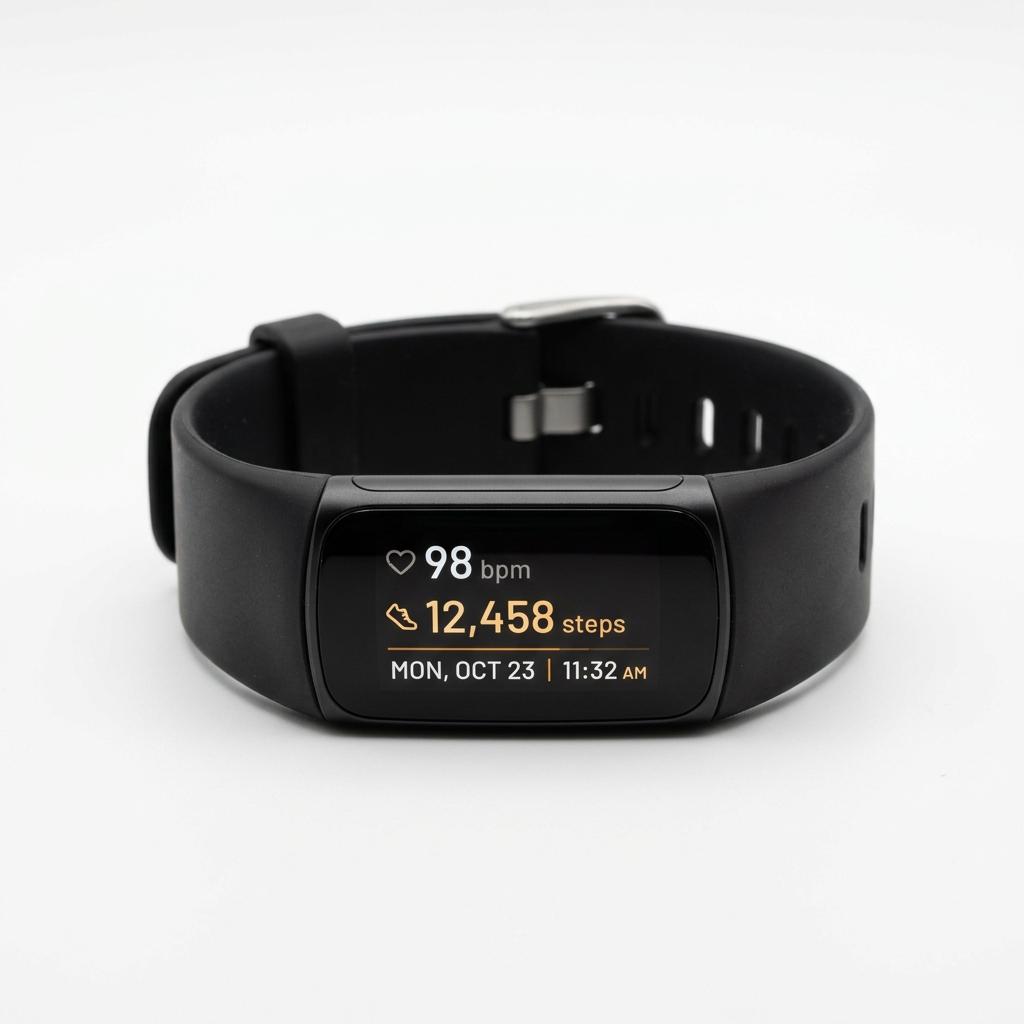 |
Fitbit Charge 6 | $159 | Best Budget Pick | Check Price |
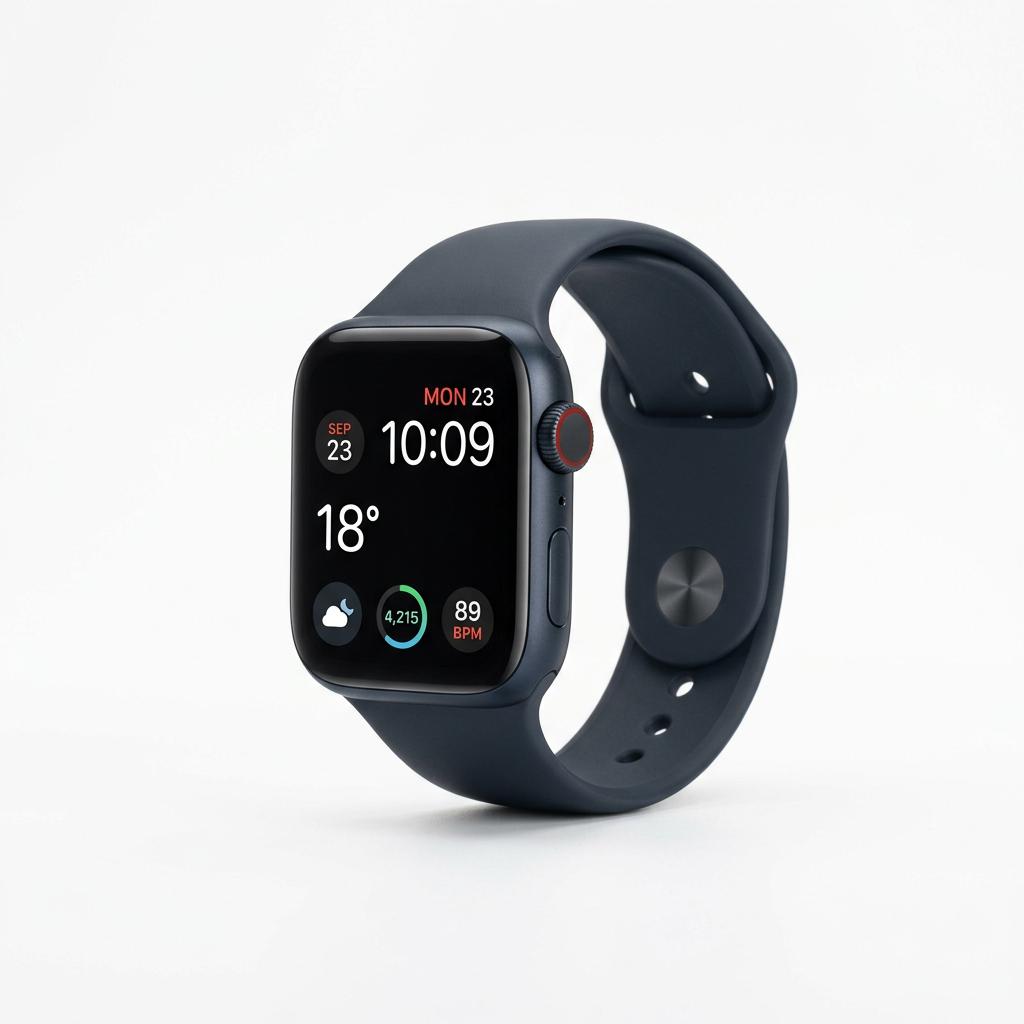 |
Apple Watch SE (2nd Gen) | $249 | Best Mid-Range Value | Check Price |
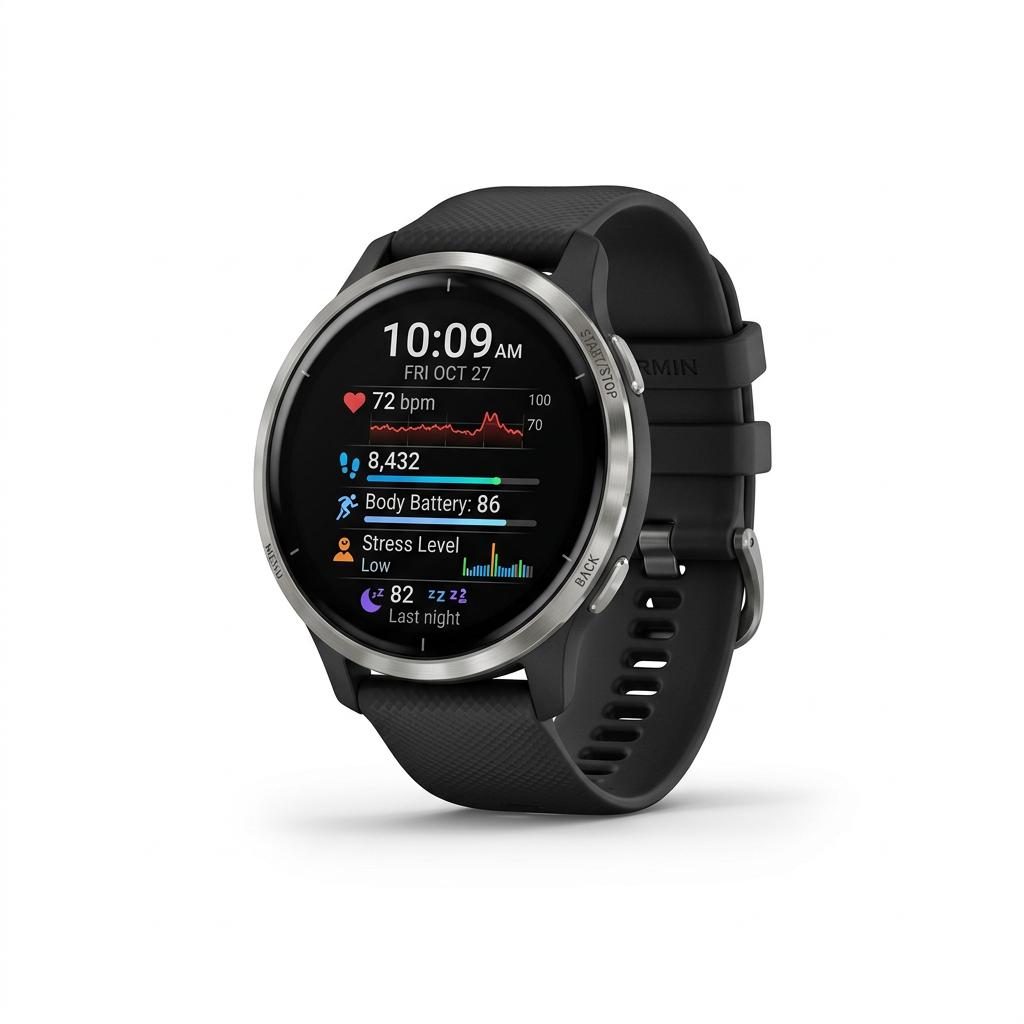 |
Garmin Venu 3 | $349-$449 | Best All-Rounder | Check Price |
The Apple Watch Series 9 reigns supreme in smart features and ecosystem integration, making it the best choice for iPhone users who want a true smartwatch experience.
The Garmin Forerunner 255S offers the deepest training insights and longest battery life, making it the top choice for serious athletes who prioritize performance data.
The Fitbit Charge 6 delivers impressive fitness and sleep tracking at a fraction of the price, making it the ideal budget-friendly choice for health-conscious users.
The Apple Watch SE 2nd Gen brings the essential Apple Watch experience to a more accessible price point, serving as an excellent entry into the ecosystem.
The Garmin Venu 3 strikes the best balance between the three brands, offering Apple-quality display and smart features with Garmin's legendary battery life and fitness depth.
When comparing the big three wearable brands, the Apple Watch Series 9 stands out as the best smartwatch by a significant margin. No competitor can match its app ecosystem, messaging integration, or the seamless way it works with iPhone. Health features like the ECG app, blood oxygen monitoring, and the new Double Tap gesture are genuinely innovative. The always-on OLED display remains the best in the business. The trade-off is battery life: at 18 hours, it requires daily charging, far behind Garmin and Fitbit. And it's essentially useless without an iPhone. But for those embedded in the Apple ecosystem who want the smartest watch available, there's no better option.
Check Price on Amazon
Garmin's Forerunner 265 occupies the sweet spot for serious athletes comparing the three major brands. While it can't match Apple's smart features, its fitness and training capabilities are the most comprehensive of any consumer wearable. Training Status, Training Load, Recovery Time Advisor, and Race Predictor provide data that genuinely helps improve performance. The 13-day battery life means you'll charge it less than once a week, and the multi-band GPS is the most accurate available. The new AMOLED display is gorgeous. Compared to Fitbit, the training metrics are far more advanced, and compared to Apple, the battery and fitness depth are significantly better. For runners and triathletes, this is the best training tool.
Check Price on Amazon
The Fitbit Charge 6 proves you don't need to spend smartwatch money to get excellent fitness tracking. At under $160, it delivers outstanding sleep tracking with detailed Sleep Scores, continuous heart rate monitoring, and stress management features that rival much more expensive devices. The 7-day battery life is a welcome relief from daily charging, and the new Google integration brings useful apps like Maps and Wallet to your wrist. The trade-offs are significant: there's no built-in GPS, so runners need their phone, and the small band-style form factor can't compete with the large displays on the Apple Watch or Garmin. But for general health and fitness tracking on a budget, the Charge 6 is exceptional value.
Check Price on Amazon
The Apple Watch SE 2nd Generation is Apple's answer to those who want the core Apple Watch experience without paying Series 9 prices. You still get comprehensive fitness tracking with the iconic Activity Rings, heart rate monitoring, GPS, and the full suite of workout types. Safety features like Crash Detection and Emergency SOS are included, which is commendable. The trade-offs are the lack of an always-on display and the absence of advanced health sensors like ECG, blood oxygen, and temperature sensing. Compared to Fitbit at similar prices, you get a much better smartwatch but inferior battery life. Compared to Garmin, the fitness metrics are less deep but the smart features are far superior. It's the best mid-range option for iPhone users.
Check Price on Amazon
The Garmin Venu 3 might be the best compromise between the three major wearable brands. It offers a beautiful AMOLED touchscreen display that finally rivals Apple's, a built-in speaker and microphone for calls that brings it closer to smartwatch parity, and Garmin's signature 14-day battery life that embarrasses both Apple and Fitbit. The Body Battery, stress tracking, and new sleep coaching features provide wellness insights that are among the best available. The price slots neatly between the Fitbit Charge 6 and Apple Watch Series 9. While the app ecosystem can't match Apple's and the fitness metrics aren't as deep as the Forerunner series, the Venu 3 does everything well, making it the best all-rounder for those who want a mix of smart features, fitness depth, and endurance.
Check Price on Amazon