Apartment Gym Essentials Checklist: Everything You Need for Small Spaces
A comprehensive checklist of apartment gym essentials. Covers equipment, storage, and organization items for building th...
Research-backed analysis from SnugGym about Closet Gym Conversion Guide.
---
title: "Closet Gym Conversion: Turn Any Closet Into a Workout Space"
description: "Transform a spare closet into a functional home gym. Step-by-step guide to maximizing every square foot for fitness equipment storage and workouts."
slug: closet-gym-conversion-guide
cluster: storage-organization
page_type: guide
evidence_mode: research-backed
author: SnugGym Research Team
date: 2025-01-13
---

# Closet Gym Conversion: Turn Any Closet Into a Workout Space

Not every apartment has a spare bedroom for a home gym. But almost every apartment has a closet — and with the right plan, that closet can become one of the most efficient workout spaces you'll ever use. Converting a closet into a gym solves three apartment problems at once: it contains equipment to one zone, hides it from view when not in use, and costs a fraction of a full-room setup.

This guide walks you through assessment, equipment selection, flooring, ventilation, lighting, and organization — with real numbers and product recommendations.

---

## Step 1: Assess Your Closet

Before you buy anything, measure and document these four factors:

### Dimensions

Measure width, depth, and height. Standard reach-in closets are 24–30 inches deep and 48–96 inches wide. Walk-in closets start at about 36 inches deep on each side with a central aisle. Record these numbers — they determine every equipment choice that follows.

### Door Type

| Door Type | Workout Impact | Best For |
|---|---|---|
| Sliding doors | Block half the opening at all times | Storage-only, not active workouts |
| Bi-fold doors | Fold back, full access | Active workout space |
| Swing-out doors | Require clearance space in the room | If room layout allows |
| No door / curtain | Full access, least visual hiding | Maximum workout flexibility |

If your closet has sliding doors and you plan to work out inside it, swap them for a tension-rod curtain or remove the doors entirely and store them under a bed.

### Floor Load

Closet floors are typically the same construction as the rest of the room, but second-story apartments may have stricter load limits. For heavier equipment (dumbbells over 50 lb total, adjustable weight systems), distribute weight near wall studs or keep it on the ground floor.

### Electrical Access

You'll need at least one outlet for lighting, fans, or charging devices. Battery-powered alternatives exist for everything, but outlets simplify the setup.

---

## Step 2: Choose the Right Equipment

Closet gyms demand compact, versatile gear. Here's what works — and what doesn't.

### Essential Equipment for Closet Gyms

| Equipment | Why It Fits | Price Range | Space Used |
|---|---|---|---|
| **Resistance band set** | Infinite exercise variety, fits in a drawer | $25–$60 | Negligible |
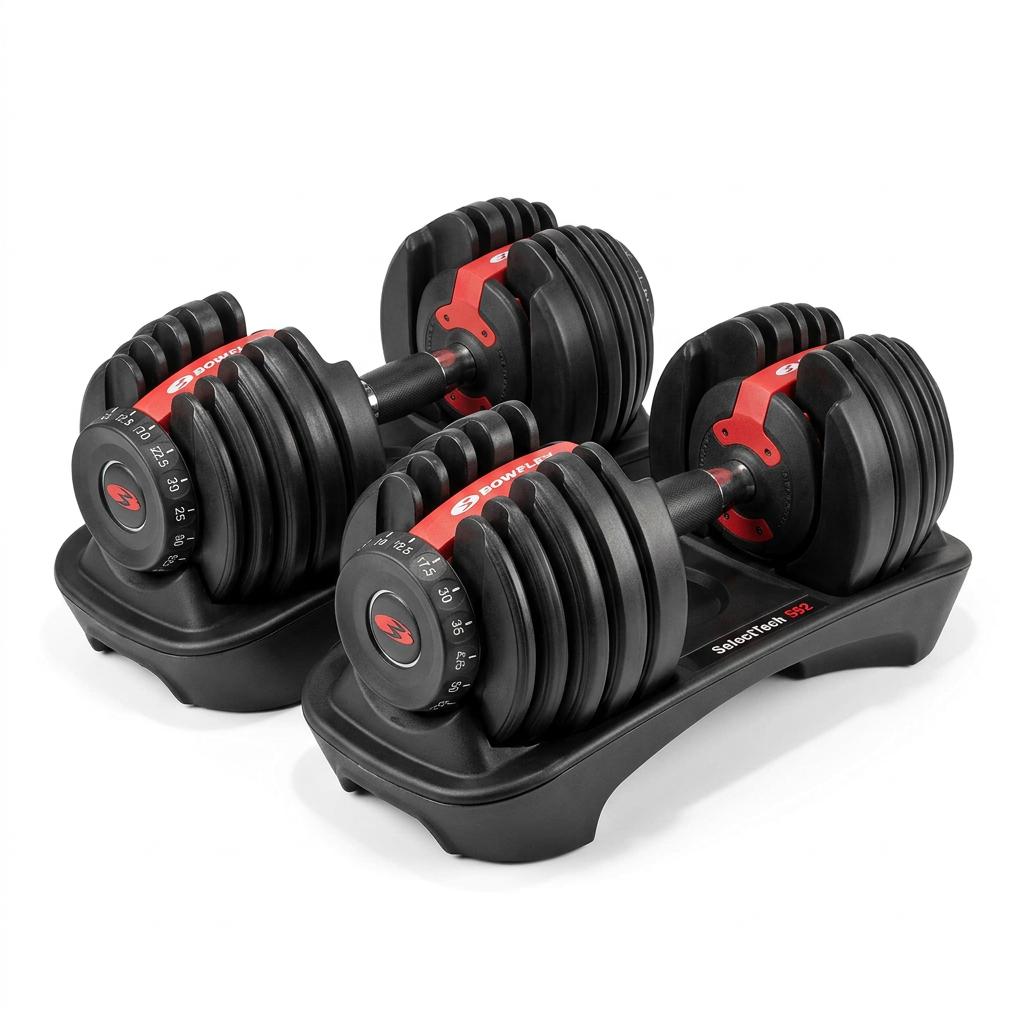
| **Adjustable dumbbells** | Replaces 15+ pairs; one footprint | $150–$400 | ~2 sq ft |
| **Foldable workout bench** | Stores vertically or under-bed | $80–$180 | ~6 sq ft when unfolded |
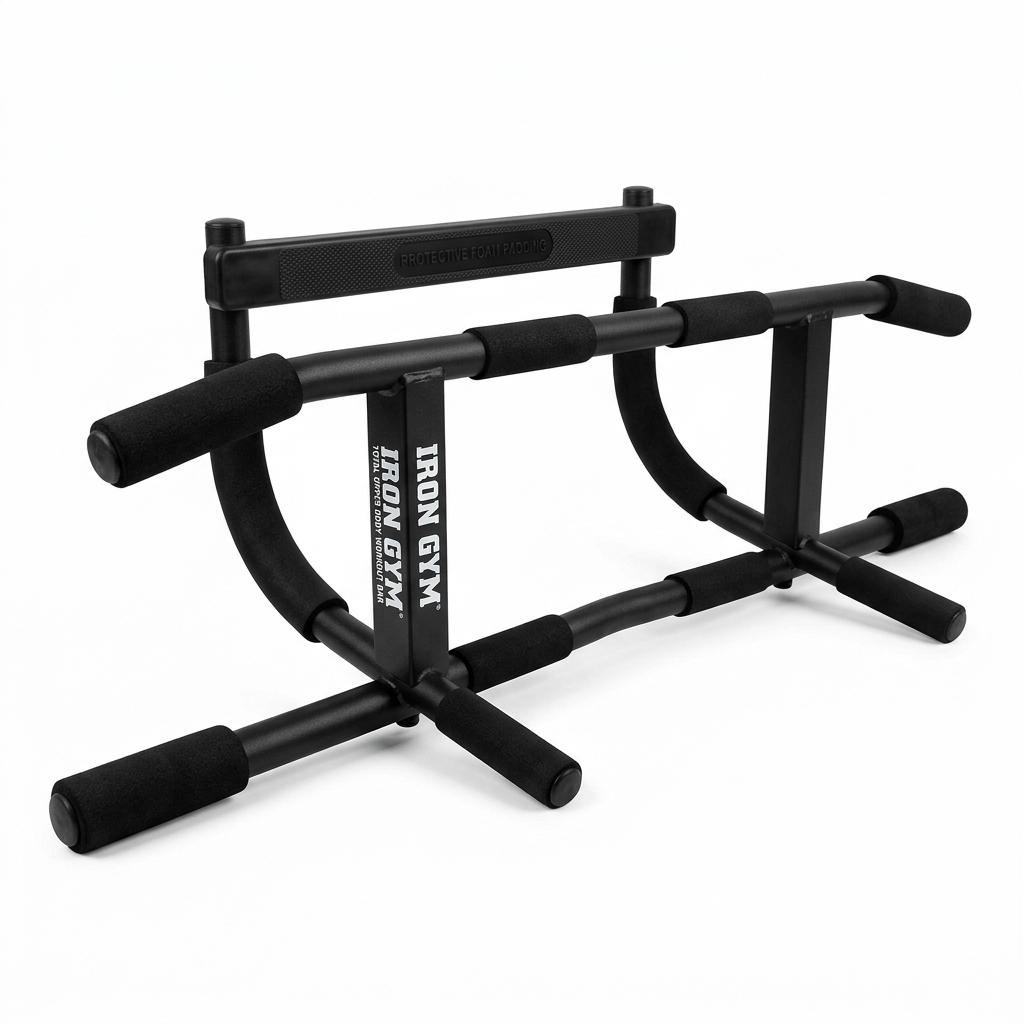
| **Doorway pull-up bar** | No mounting damage; removable | $25–$50 | Door frame only |
| **Foam roller** | Recovery in minimal space | $15–$35 | Wall-mounted or corner |
| **Yoga mat** | Floor protection + exercise surface | $20–$60 | Rolled: 6×24 inches |
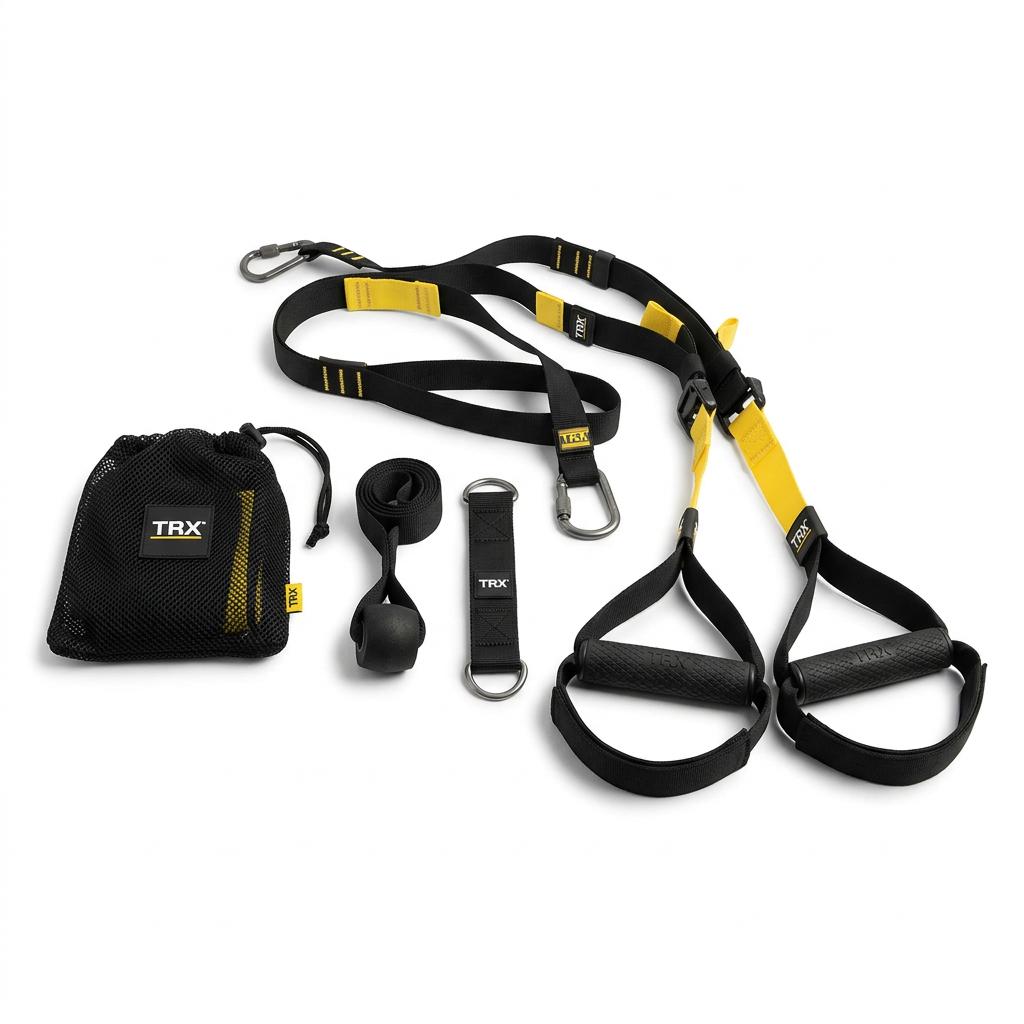
| **Suspension trainer** | Anchors to door; full-body training | $50–$170 | Bag-sized when stored |

### What to Skip

- **Treadmills and bikes:** Even foldable cardio machines require more floor space and ventilation than most closets provide.
- **Barbells and racks:** A standard barbell is 7 feet long. It won't fit in a reach-in closet, and a power rack needs 8×8 feet minimum.
- **Large kettlebell collections:** One or two kettlebells work; a full set requires a rack that eats floor space.

---

## Step 3: Install Flooring Protection

Closet floors are rarely designed for dropped weights or high-intensity movement. Two practical options:

### EVA Foam Interlocking Tiles

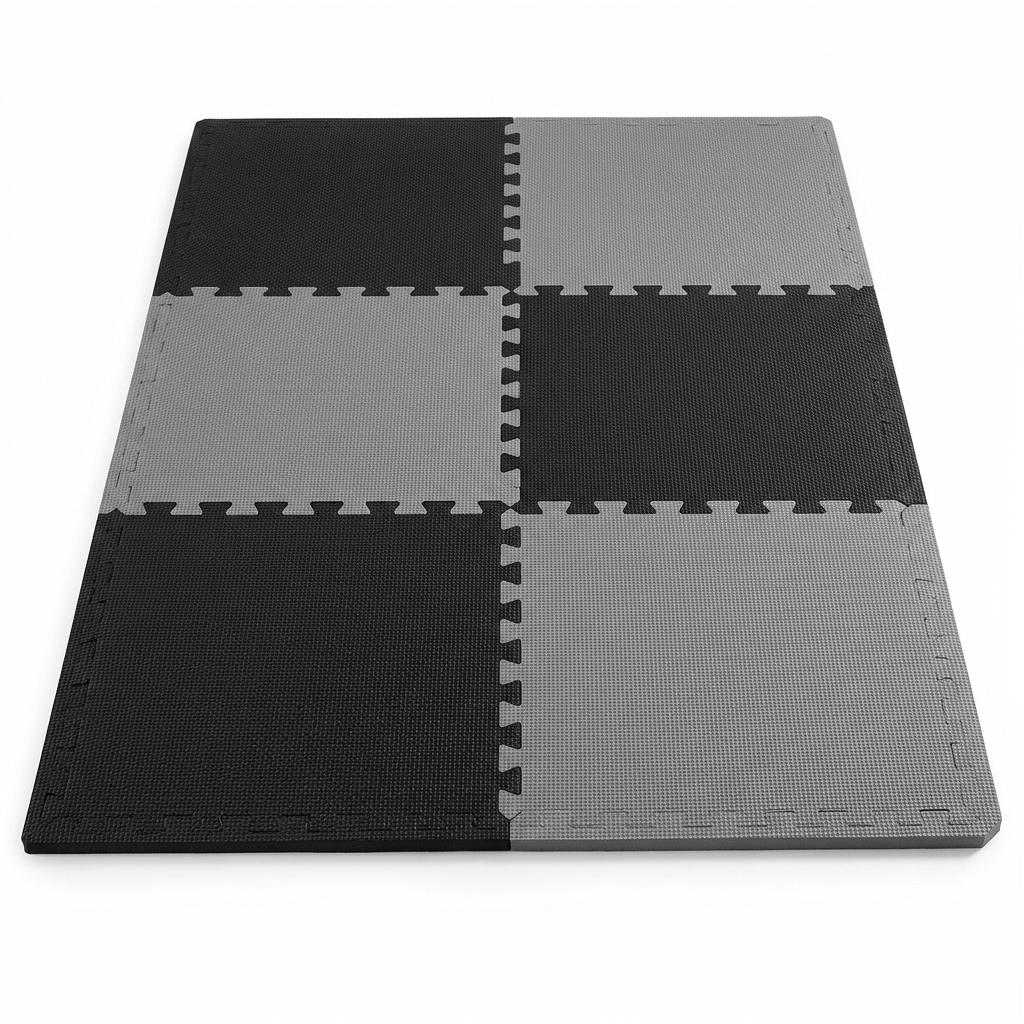
**Best pick:** ProsourceFit Puzzle Exercise Mat (~$25–$40 for 24 sq ft). ½-inch thick, water-resistant, and easy to trim to fit closet dimensions. Covers the floor completely and protects against dumbbell drops.

**Renter tip:** These lift out without residue. Place furniture sliders under the edges for even easier removal at move-out.

### Foldable Equipment Mat

For smaller closets, a single folding mat covers just the workout zone. **Best pick:** BalanceFrom GoFit Folding Mat (~$35–$60). Folds into thirds for storage against the wall.

---

## Step 4: Ventilation and Airflow

This is the most overlooked factor in closet gym design — and the one that will ruin your workouts if ignored. A 2018 study from the *American College of Sports Medicine* notes that inadequate ventilation increases perceived exertion and reduces performance.

### Solutions

| Approach | Product | Cost | Effectiveness |
|---|---|---|---|
| Battery-powered fan | O2COOL Portable Fan | $15–$25 | Basic airflow |
| Clip-on fan | Genesis Clip Fan | $20–$30 | Direct air stream |
| Dehumidifier mini-unit | Eva-dry E-333 | $15–$25 | Moisture control |
| Leave door open during workouts | None | Free | Most effective |

If your closet has a vent, make sure it's not blocked by equipment. If it doesn't, treat airflow as a required part of every workout — not optional.

---

## Step 5: Upgrade the Lighting

Most closet lighting is a single bare bulb. For safe exercise, you need even, shadow-free illumination across the full floor area.

### Best Pick: Battery-Powered LED Strips

**Brilliant Evolution Wireless LED Strip** (~$18–$28): Mounts with adhesive backing, no wiring. Motion-activated option turns on when you enter. 300 lumens is sufficient for spaces under 50 sq ft.

For walk-in closets with an outlet, **Barrina LED T5 Integrated Fixture** (~$25–$40 for 4-pack) provides 2,200 lumens — enough for video-guided workouts or recording form checks.

---

## Step 6: Build an Organization System

A closet gym fails when equipment becomes a pile. Use the vertical space methodically.

### Wall Organization

- **Upper third (above head height):** Storage for infrequently used items — extra bands, ankle weights, cleaning supplies.
- **Middle third (shoulder to head height):** Daily-use items — current dumbbells, suspension trainer, foam roller.
- **Lower third (floor to waist):** Floor-based equipment — yoga mat, foldable bench when stored, kettlebells.

### Product Recommendations

| Product | Use Case | Price |
|---|---|---|
| Rubbermaid FastTrack Closet Kit | Adjustable wall rails + hooks | $60–$100 |
| Simple Trending Over-Door Rack | Hooks for towels, bands, mat | $20–$35 |
| Seville Classics 2-Tier Shelf | Narrow shelving unit (14" wide) | $30–$50 |

---

## Step 7: Sample Layouts

### Reach-In Closet Layout (24" × 72")
[Wall: pull-up bar in door frame when open] [Upper: shelf with bins for bands, gloves] [Mid: adjustable dumbbells on floor against wall] [Floor: interlocking foam tiles, yoga mat rolled in corner]
Usable floor space: ~12 sq ft. Workout type: Resistance training, stretching, bodyweight exercises.

### Walk-In Closet Layout (48" × 60" with aisle)
[Left wall: shelving unit with dumbbells, bands, accessories] [Back wall: mirror + pull-up bar + suspension anchor] [Right wall: foldable bench stored vertically, foam roller] [Floor: full foam tile coverage] ```
Usable floor space: ~20 sq ft. Workout type: Full resistance training, suspension training, dumbbell circuits.
The biggest advantage of a closet gym is concealment. Make it seamless:
| Category | Budget Option | Mid-Range Option |
|---|---|---|
| Flooring | $25 (foam tiles) | $50 (premium tiles) |
| Lighting | $18 (LED strip) | $35 (fixture set) |
| Fan/ventilation | $15 (battery fan) | $30 (clip fan + dehumidifier) |
| Organization | $40 (over-door + bins) | $100 (full rail system) |
| Equipment (minimal) | $220 (bands + dumbbells + mat) | $580 (add bench + pull-up bar) |
| Total | $318 | $795 |
A functional closet gym starts under $350. A fully equipped setup with adjustable dumbbells, a bench, and a complete organization system stays under $800 — less than a year of most gym memberships.
A closet gym isn't a compromise — it's a strategy. By working within defined boundaries, you're forced to choose equipment thoughtfully, keep your space organized, and eliminate the visual clutter that kills workout motivation.
The key steps: measure first, choose foldable/multi-use equipment, protect the floor, solve ventilation before it becomes a problem, and build an organization system that keeps gear accessible but hidden. Execute those five steps and you'll have a gym that disappears when you're done — which, in an apartment, is exactly what you want.
SnugGym is a participant in the Amazon Services LLC Associates Program. This page contains affiliate links, and we may earn a commission if you purchase through links on this site — at no additional cost to you.
| Image | Product | Price | Badge | Link |
|---|---|---|---|---|
 |
ProsourceFit Puzzle Exercise Mat | $25-$40 | Best Flooring | Check Price |
 |
Bowflex SelectTech 552 Adjustable Dumbbells | $350-$430 | Best Equipment | Check Price |
 |
Iron Gym Total Upper Body Workout Pull-Up Bar | $25-$35 | Best Budget Add-on | Check Price |
 |
TRX All-in-One Suspension Training System | $130-$170 | Most Versatile | Check Price |
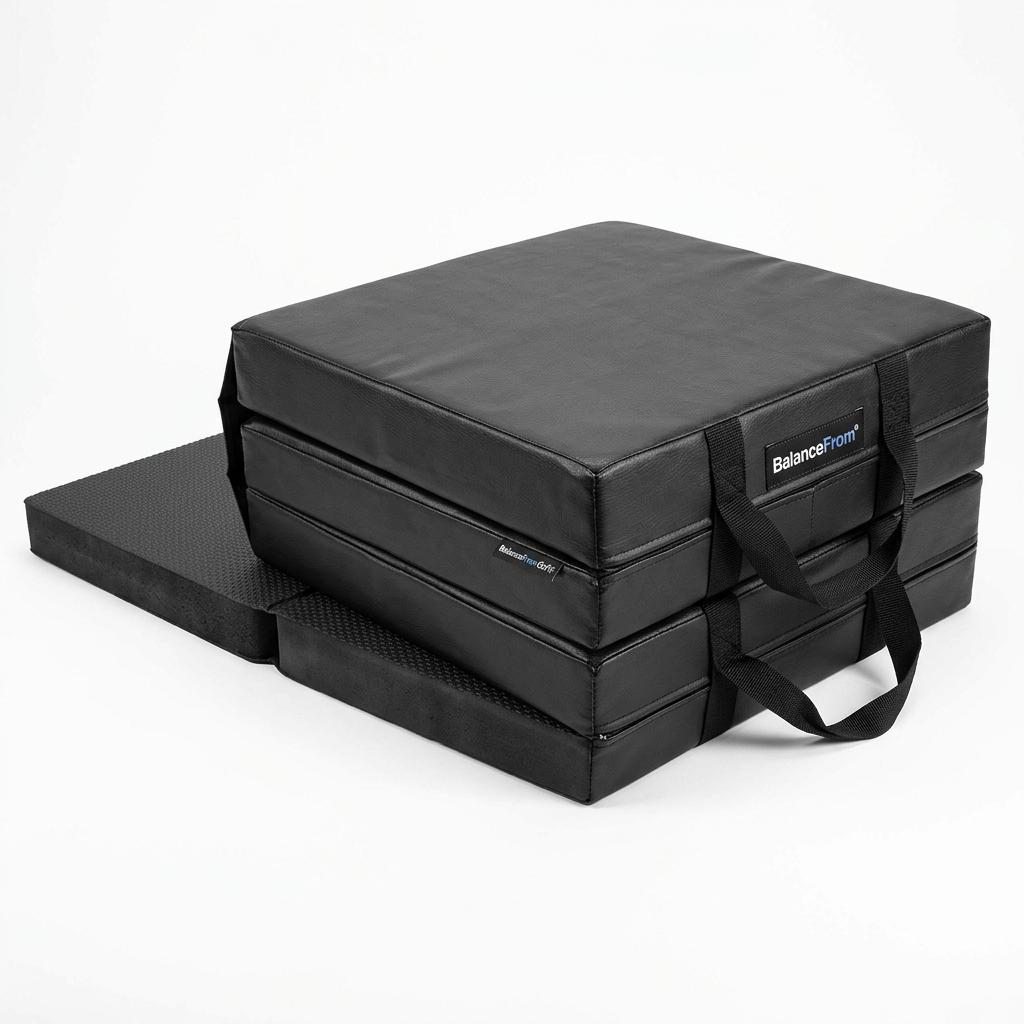 |
BalanceFrom GoFit Folding Exercise Mat | $35-$55 | Best for Recovery | Check Price |
The ProsourceFit tiles are the best pick for closet gym flooring, offering protection and easy removal at move-out.
The Bowflex SelectTech 552 is the single most important piece of equipment for a closet gym, replacing an entire dumbbell rack.
The Iron Gym pull-up bar adds vertical pulling exercises to any closet gym with zero installation and complete removability.
The TRX system delivers a complete gym experience in a package that fits in a drawer when not in use.
The BalanceFrom GoFit mat provides a dedicated exercise surface that folds away to almost nothing.
The ProsourceFit Puzzle Exercise Mat is the best pick for closet gym flooring. The 1/2-inch thick EVA foam interlocking tiles protect floors from dumbbell drops and high-intensity movement while being easy to trim to fit closet dimensions. They're fully renter-friendly — lift out without residue and place furniture sliders under edges for even easier removal at move-out. At $25-$40 for 24 square feet, it's an affordable essential for any closet gym.
Check Price on Amazon
No closet gym is complete without a pair of Bowflex SelectTech 552 Adjustable Dumbbells. These iconic adjustable dumbbells replace 15 sets of traditional dumbbells, with a weight range from 5 to 52.5 pounds selected via an intuitive dial mechanism. The included storage trays occupy just 2 square feet of closet floor space. While the premium price is significant, the space savings and versatility make these the most valuable single purchase for any closet gym conversion.
Check Price on Amazon
The Iron Gym Total Upper Body Workout Pull-Up Bar is the perfect addition to a closet gym because it requires absolutely no installation. It leverages against a standard door frame to support up to 300 pounds, with multiple grip positions for varied training. When your workout is done, it removes in seconds and stores in a closet or under a bed. No drilling means no landlord concerns, and the $25-$35 price makes it an easy add-on to any closet gym setup.
Check Price on Amazon
The TRX All-in-One Suspension Training System is arguably the most space-efficient piece of fitness equipment ever invented. It provides a full-body training system that anchors to any sturdy door, offering hundreds of exercise variations for strength, stability, and cardio. The entire system stores in a mesh bag the size of a large book. For closet gyms where every inch matters, the TRX delivers a complete workout experience that disappears into a drawer when you're done.
Check Price on Amazon
The BalanceFrom GoFit Folding Exercise Mat is the ideal companion to foam tile flooring in a closet gym. The tri-fold design with carrying handles lets it store vertically against a closet wall or slide under a bed when not in use. The 2-inch thick high-density foam provides comfortable cushioning for floor exercises, stretching, and yoga. For smaller closets where interlocking tiles aren't practical, this single folding mat covers just the workout zone and disappears afterward.
Check Price on Amazon