Apartment Gym Essentials Checklist: Everything You Need for Small Spaces
A comprehensive checklist of apartment gym essentials. Covers equipment, storage, and organization items for building th...
SnugGym is an Amazon Associate. We earn from qualifying purchases at no extra cost to you. Learn more
Complete guide to cable and cord management for home gym tech. Eliminate tripping hazards and create a clean, professional workout space.
This post contains affiliate links. As an Amazon Associate, SnugGym earns from qualifying purchases.
The modern home gym increasingly resembles a small technology center. Smart cardio machines with touchscreens, Bluetooth speakers streaming workout playlists, wireless charging pads for phones and earbuds, LED lighting systems, fans, tablets displaying workout programs, and heart rate monitors all require power and connectivity. Each device adds cables — power cords, charging cables, audio connections, and data cables — that create visual clutter, tripping hazards, and the frustration of tangled cords exactly when you're trying to focus on training.
Research from the National Safety Council identifies electrical cords as the leading cause of tripping injuries in home exercise spaces, with cable-related falls accounting for approximately 18% of all home gym injuries. Beyond safety, visual clutter increases cognitive load and stress — the opposite of the focused mental state optimal for training.
This guide provides comprehensive cable management strategies that transform cable chaos into organized, safe, professional-quality gym environments.
Before implementing solutions, audit your gym's cable landscape:
Document every cable: Walk through your gym and list every power cord, charging cable, audio cable, and data connection. Note what each connects, where it runs, and how frequently it's moved.
Identify hazards: Mark any cables crossing walking paths, lying on workout surfaces, or creating trip points near equipment. These are priority fixes.
Plan permanent routes: Determine where cables must run permanently (power to cardio machines, lighting circuits) versus where flexibility is needed (charging cables, headphones).
Calculate power needs: Ensure circuits can handle your total electrical load. Most home gym equipment draws modest power, but multiple high-draw devices (treadmill, space heater, fan) on the same circuit risk breaker trips.
Cable clips represent the foundation of gym cable management, securing individual cables along walls, under equipment, and along baseboards.
Adhesive cable clips: Small plastic clips with adhesive backing attach to walls, equipment frames, and flooring to route cables along surfaces. Available in various sizes for different cable diameters. Best for permanent or semi-permanent cable runs that don't require frequent access.
Screw-mounted cable clips: More secure than adhesive alternatives, these clips handle heavier cables and higher-traffic areas. Installation requires drilling but provides permanent security. Ideal for power cords to major equipment.
Magnetic cable organizers: Magnetic clips attach to metal rack uprights and equipment frames without tools, allowing tool-free repositioning. Particularly useful for gym environments where equipment configuration changes periodically.
Velcro cable wraps: Reusable hook-and-loop straps bundle multiple cables together and secure them to rack frames or storage systems. The adjustability makes them ideal for cable runs that change as equipment is added or removed.
Installation best practices: Run cables along walls and baseboards rather than across open floor space. Where cables must cross walking paths, use floor cord covers that provide both protection and trip prevention. Maintain 6" clearance from heat sources (motor housings, transformers) and secure cables every 24-36" to prevent sagging.
Power strips are unavoidable in modern gyms, but their placement significantly impacts safety and aesthetics.
Wall-mounted power strips: Industrial-grade power strips mount to walls at convenient heights, eliminating floor-based strips that create trip hazards and collect dust. Mount strips 48-60" above floor level for easy access without bending. Position near equipment clusters to minimize cable runs.
Under-equipment mounting: Some power strips mount beneath cardio machines, benches, or storage racks using brackets or heavy-duty Velcro. This concealed placement removes strips from sight lines and walking paths entirely.
Rack-mounted solutions: For gyms with power racks, magnetic or bolt-on power strip holders attach to rack uprights, providing convenient power exactly where needed for fans, lighting, and device charging.
Safety requirements: All power strips in gym environments should have:
Recommended power management:
Consider a surge-protected power strip mounted on your primary rack or wall. This centralizes power distribution, provides surge protection for expensive electronics, and eliminates the multiple individual adapters that create visual chaos.
The most effective cable management strategy is eliminating cables entirely. Wireless technology has matured to the point where most gym audio and data connections can work without wires.
Bluetooth audio: Wireless earbuds and headphones eliminate the phone-to-headphone cable that tangles during movement and catches on equipment. Modern sport earbuds (Jabra Elite Active, Beats Fit Pro, Sony WF-SP800N) offer 8-12 hour battery life, sweat resistance, and secure fit during explosive movements.
Bluetooth heart rate monitors: Chest straps and armbands with Bluetooth connectivity stream heart rate data to watches, phones, and cardio machines without wires. The Polar H10 and Wahoo TICKR provide reliable connectivity with 1-2 year battery life.
Wireless charging pads: Placed on storage racks or shelf surfaces, wireless charging pads keep phones and earbuds charged without cables running to devices. Qi-compatible pads work with most modern smartphones and earbuds cases.
WiFi-connected cardio machines: Modern treadmills, bikes, and rowers connect to home WiFi for streaming content, workout tracking, and software updates — no Ethernet cables required. Ensure your gym has adequate WiFi signal strength (minimum -67 dBm for reliable streaming).
The wireless compromise: Not everything can be wireless. Power cords remain necessary for most equipment. The goal is wireless where possible, impeccably managed cables where necessary.
Dedicated charging stations organize the multiple devices that need regular charging: phone, earbuds, watch, and heart rate monitor.
Multi-device charging docks: Single units charge phone, watch, and earbuds simultaneously. Positioned on a shelf or storage rack, they create a dedicated charging zone that prevents devices from scattered placement.
USB charging hubs: Wall-mounted or rack-mounted USB hubs provide multiple charging ports for devices that charge via USB. Label each port by device for organizational clarity.
Charging schedule: Establish a charging routine — devices charge after every workout, ensuring full power for the next session. A dedicated charging station makes this habit easier to maintain than distributed charging.
When cables must run along visible surfaces, cord concealers transform unsightly wires into clean, integrated lines.
Wall-mounted cord covers: Paintable plastic channels mount to walls, enclosing cables in professional-looking raceways. Available in various sizes from single-cable channels to large raceways handling multiple cables. Paint to match wall color for visual integration.
Baseboard cord channels: Designed to run along baseboards, these low-profile channels blend with existing trim. Some feature snap-on covers that enable easy cable access without tools.
Floor cord covers: Heavy-duty rubber or PVC channels protect cables that must cross floor areas while preventing trip hazards. Essential for cables running to cardio machines positioned away from walls. Look for low-profile designs (under 1/2" height) with textured surfaces for slip resistance.
Under-carpet cord systems: Flat cable designs run under carpet edges without creating visible bumps. Specialized flat power cords and data cables enable concealed runs in carpeted spaces where wall-mounted solutions aren't feasible.
Cable management isn't merely aesthetic — it's a critical safety function in environments where people move explosively while fatigued.
Trip hazard elimination: No cable should cross any walking path or exercise area at floor level. Use wall routing, under-equipment placement, or floor cord covers for every necessary cable run.
Strain relief: All power connections to equipment should include strain relief — mechanical support that prevents cord pulling from disconnecting or damaging plugs. Most equipment has built-in strain relief points; use them.
Moisture protection: Sweat and moisture are constant in gym environments. All power connections should be positioned where sweat drips won't reach them. Avoid floor-level power strips where sweat pools. GFCI protection is non-negotiable.
Weight protection: Cables running near weight storage or drop zones must have physical protection from falling equipment. Rigid conduit or heavy-duty floor covers prevent cable damage from dropped dumbbells or plates.
Regular inspection: Monthly cable inspection should check for jacket damage, plug deformation, and connection security. Replace any cable showing wear before failure creates a safety or equipment damage situation.
Cable management starter kit:
Advanced wireless upgrade:
Phase 1: Hazard elimination (immediate)
Phase 2: Organization (week 1)
Phase 3: Wireless transition (month 1-3)
Phase 4: Optimization (ongoing)
Different gym equipment presents unique cable management challenges that require tailored approaches.
Treadmills typically require three connections: power, data (for smart consoles), and occasionally audio. The power cord presents the biggest challenge since treadmills are often positioned away from walls to maximize the usable belt length.
Best practice: Position the treadmill with the motor end (typically the front) nearest the wall power outlet. This keeps the power cord run short and away from the walking belt area. Use a floor cord cover for any exposed cord section, and ensure the cord runs parallel to the treadmill rather than across walking paths.
For entertainment connections, wall-mount your television or tablet directly in front of the treadmill rather than using cables to connect distant screens. This eliminates HDMI or audio cables entirely.
Power racks often host the most complex cable ecosystems: fans, lighting, phone chargers, speaker connections, and camera cables for recording training videos.
Best practice: Mount a small power strip to the rear base of one upright using magnetic holders or bolt-on brackets. This central power hub serves all rack-mounted accessories. Run cables up the inside of uprights using magnetic clips, keeping them protected from bar contact. Velcro wraps bundle cables at transition points where they leave the rack frame.
LED strip lighting for the rack mounts directly to the frame with adhesive backing, requiring only a short power connection to the strip-mounted power hub. Choose USB-powered LED strips to minimize power requirements.
Rowers slide significantly during use, making cable management challenging for entertainment or monitoring devices. The sliding seat can catch cables that aren't properly secured.
Best practice: Use only wireless connections with rowers — Bluetooth headphones, wireless heart rate monitors, and wall-mounted screens positioned in front of the machine. Any necessary power cords should run from the wall directly to the machine's front support, secured with adhesive clips along the frame. Never run cables across the slide rail or near the seat path.
Cable machines with weight stacks have inherent cable systems that require regular maintenance but typically don't present management challenges since they're enclosed within the machine frame. However, accessory connections — lat pulldown bars, rope handles, ankle cuffs — create storage and organizational challenges.
Best practice: Install accessory hooks on the machine frame or adjacent wall to hang attachments when not in use. Magnetic tool holders designed for garages work excellently for organizing metal cable attachments by type and function.
Gym environments differ from typical home spaces in ways that affect cable management:
Temperature fluctuations: Garage gyms experience wider temperature ranges than interior spaces. Cable jacket materials become brittle in extreme cold and soften in excessive heat. Choose cables rated for your gym's temperature range, and avoid running cables near heat sources like motor housings or space heaters.
Humidity and sweat: Moisture degrades cable jackets and corrodes connectors over time. Position power connections where sweat drips won't reach them, and wipe down cable surfaces during regular gym cleaning. In high-humidity environments, consider silicone cable jackets that resist moisture penetration.
Vibration: Dropped weights and operating machinery create vibrations that gradually loosen cable connections. Check connection security monthly, and use strain relief on all permanent power connections. Locking-style power cords prevent accidental disconnection from vibration.
Dust and debris: Gym environments generate more airborne particles than typical living spaces — chalk dust, rubber particles from flooring, and textile fibers from cleaning cloths accumulate in cable connections. Quarterly cleaning of power strips, cable ends, and ventilation grilles prevents the buildup that causes overheating and connection failures.
Professional cable management products work well but aren't always necessary. These DIY approaches achieve comparable results at minimal cost:
Pool noodle cable covers: Slit a foam pool noodle lengthwise and wrap it around floor-crossing cables. The bright colors improve visibility, the foam provides trip-resistance, and the low cost ($1-2 per noodle) makes this an economical solution for temporary setups.
Binder clip cable management: Large binder clips attached to desk edges, shelf surfaces, or rack frames create instant cable routing points. Remove the wire handles for a cleaner look, or use them as cable hooks. This approach costs pennies and adapts to changing needs instantly.
PVC pipe cord concealer: 1/2" or 3/4" PVC pipe cut lengthwise creates rigid cord channels that mount to walls with adhesive or screws. Paint to match your wall color. The rigidity protects cables better than flexible plastic channels and costs significantly less.
Command hook cable routing: Adhesive Command hooks (the medium-size utility hooks) attach to walls, equipment, and furniture to create cable routing points without drilling. Removal is damage-free, making this ideal for rental properties. The adhesive holds securely for months but allows easy repositioning.
Shoe organizer accessory storage: An over-door shoe organizer with clear pockets hung on your gym door stores cables, chargers, headphones, and small accessories in visible, organized compartments. This repurposed storage solution costs under $15 and eliminates the drawer clutter that swallows small tech items.
FTC Disclosure: SnugGym is an Amazon Associate. We earn commissions from qualifying purchases made through affiliate links on this page. All opinions expressed are our own and based on independent research.
| Image | Product | Price | Badge | Link |
|---|---|---|---|---|
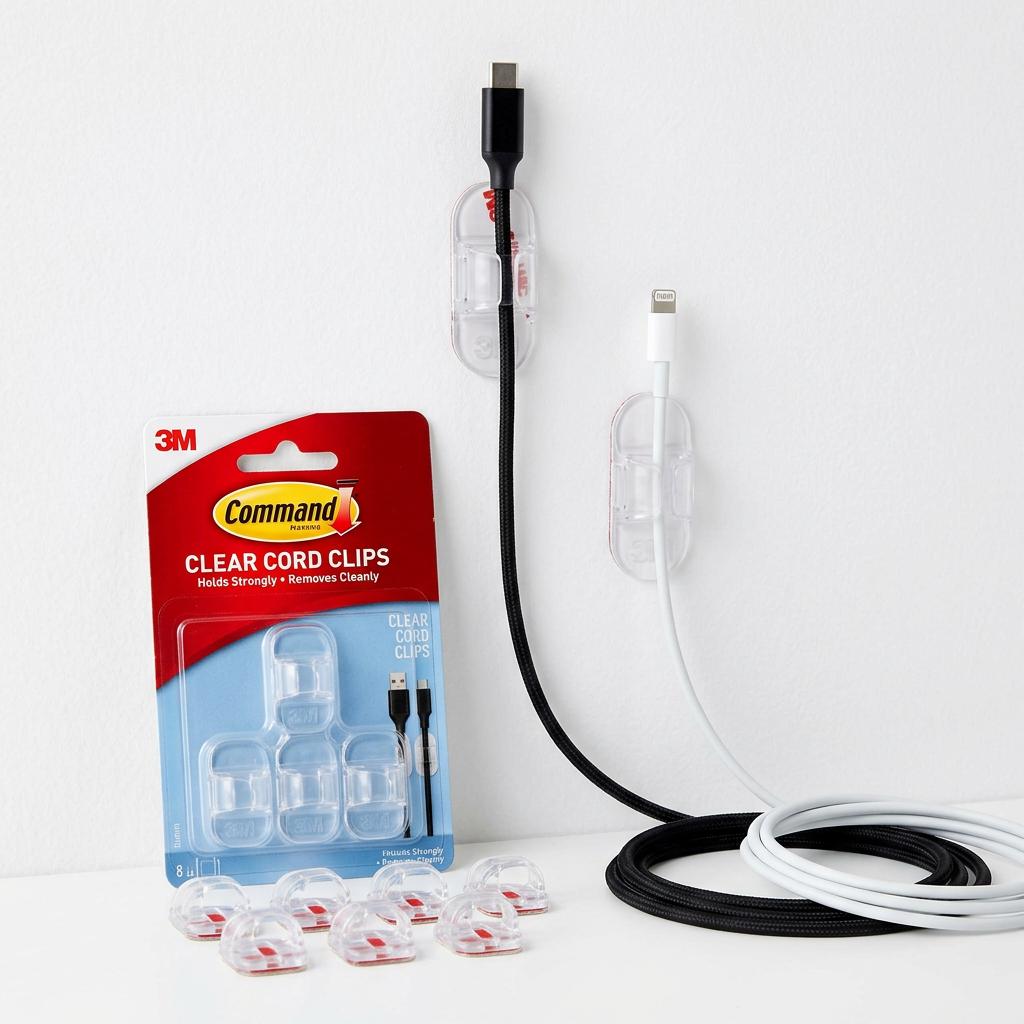 |
Command Clear Cord Clips | $5-$10 | Best Budget | Check Price |
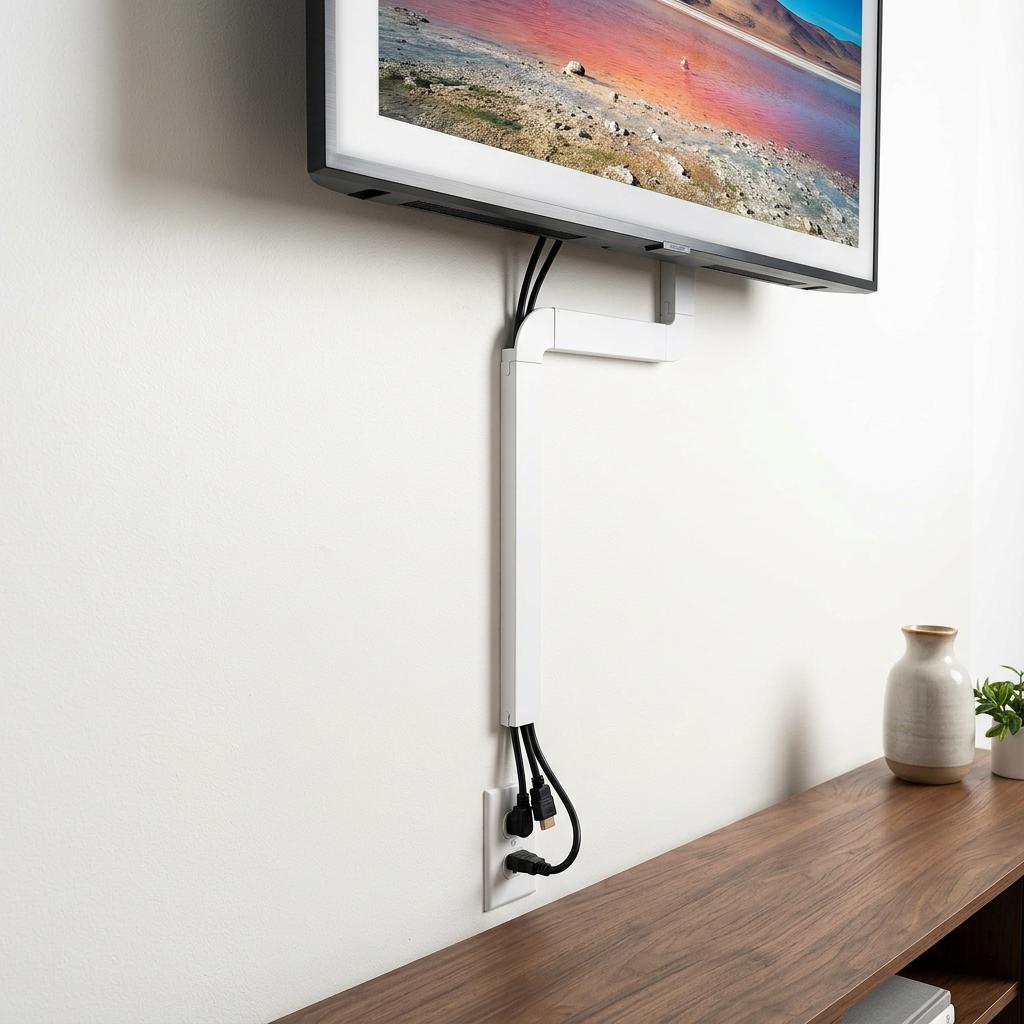 |
ECHOGEAR On-Wall Cable Management Kit | $15-$22 | Best Overall | Check Price |
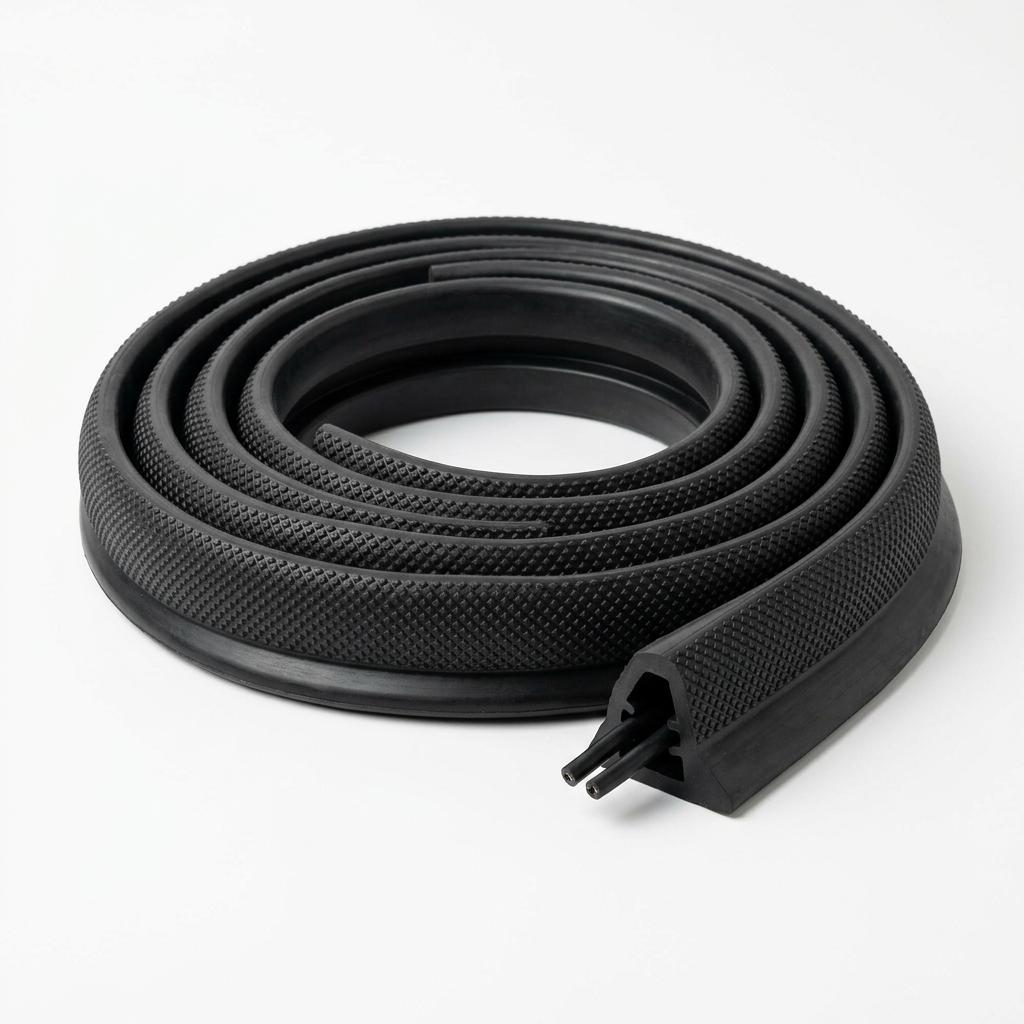 |
D-Line Floor Cord Cover | $20-$30 | Premium Pick | Check Price |
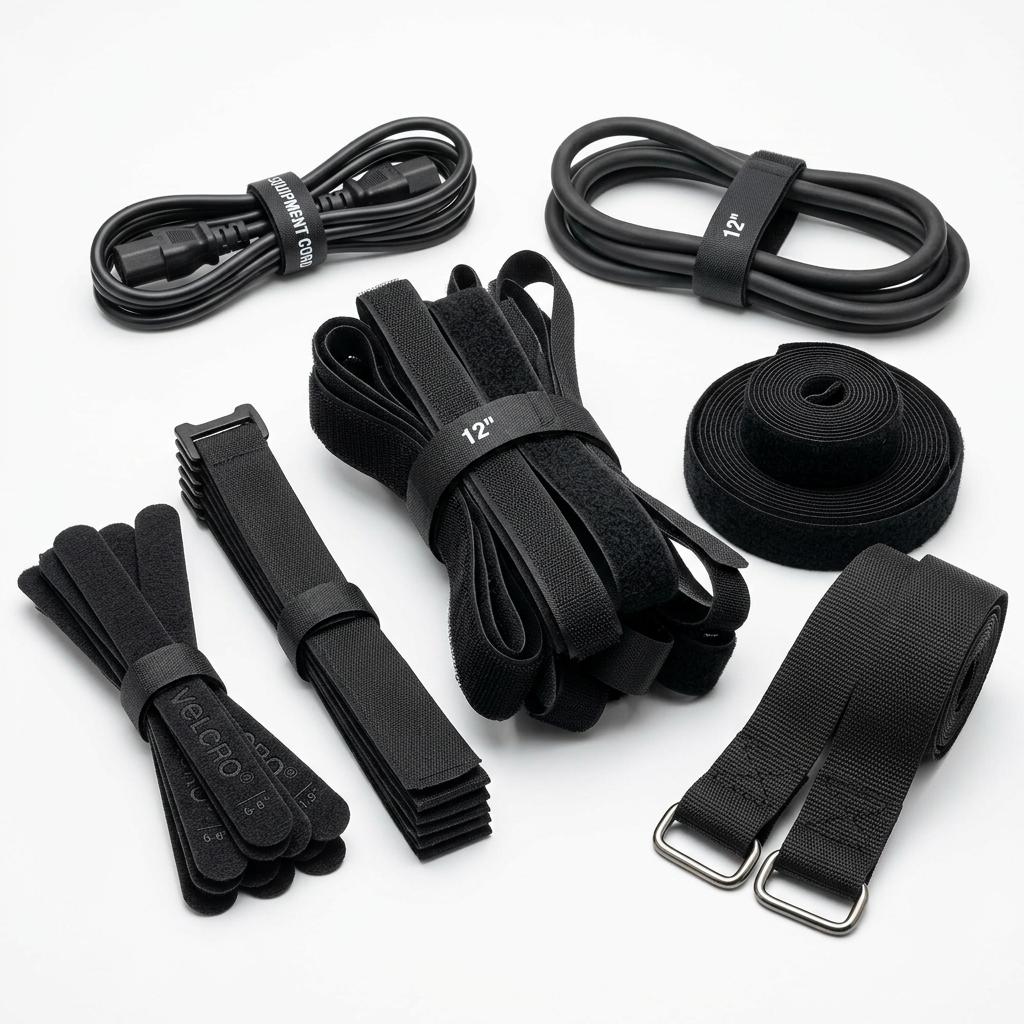 |
Velcro Reusable Cable Ties | $7-$12 | Most Versatile | Check Price |
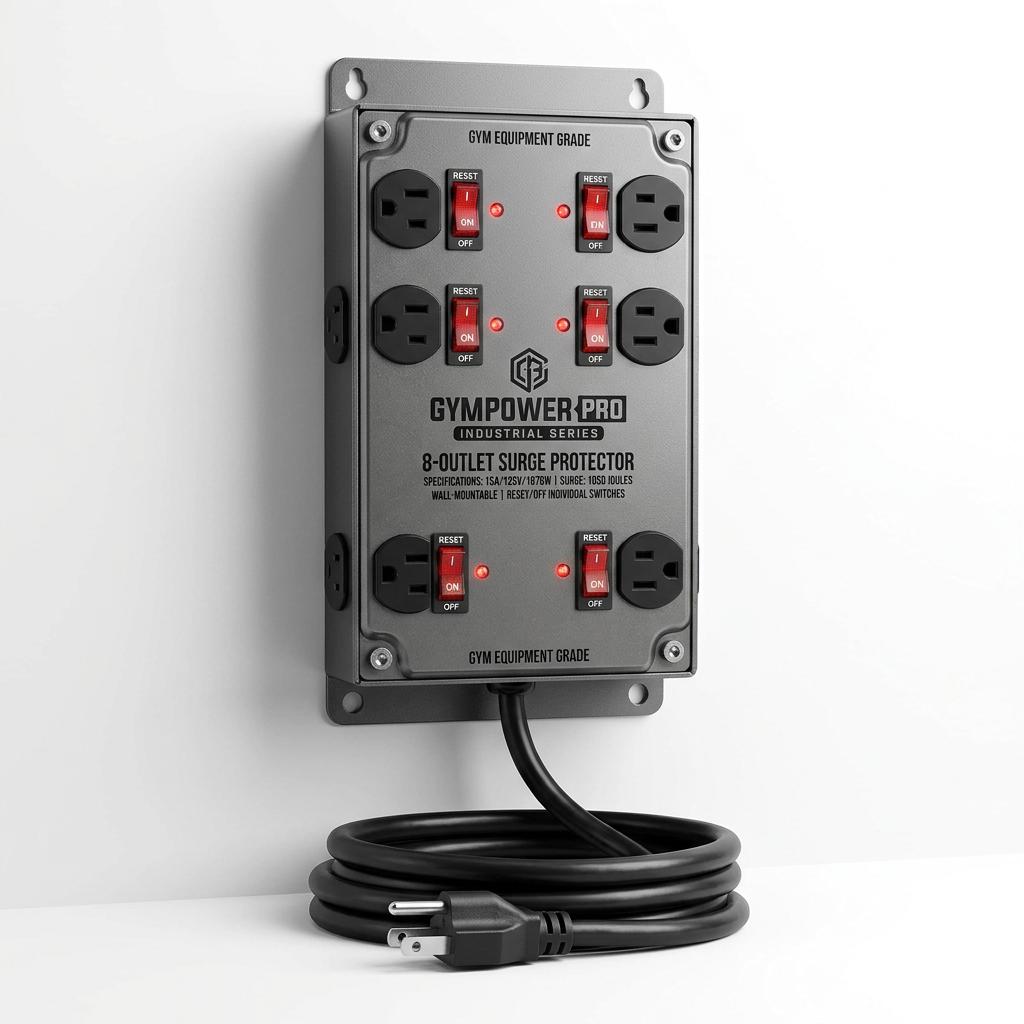 |
Tripp Lite 8-Outlet Surge Protector Power Strip | $30-$45 | Best for Heavy Duty | Check Price |
An affordable, no-damage solution for routing thin cables along walls in your home gym.
A comprehensive wall-mounted cable management system that keeps gym tech cables completely hidden and organized.
A durable rubber floor cord cover that protects cables from foot traffic and equipment while preventing trip hazards.
A versatile and reusable cable bundling solution that's perfect for organizing cables behind gym equipment.
A commercial-grade metal surge protector designed for demanding gym environments with multiple pieces of powered equipment.
Command Clear Cord Clips are the perfect entry-level cable management solution for home gym owners who want a clean look without drilling holes. The clear design makes them nearly invisible on white walls, and the trusted 3M adhesive holds strongly while removing cleanly when needed. Each clip can hold a few lightweight cables, making them ideal for organizing heart rate monitor cables, small device chargers, and audio cords. At under $10 for a multi-pack, they offer an incredibly affordable way to start organizing your gym's cable situation. Just note that the adhesive may weaken in high-humidity environments over time.
Check Price on Amazon
For gym owners with wall-mounted TVs, speakers, or tablets, the ECHOGEAR On-Wall Cable Management Kit is the gold standard. The enclosed raceway design completely hides HDMI cables, power cords, and audio wires from view, giving your gym a professional, commercial-grade appearance. The included corner pieces allow you to navigate around door frames and equipment, while the snap-on covers provide easy access for cable changes. The mounting process requires a drill, but the secure installation means these raceways will never shift or fall. Paint them to match your gym walls for a truly seamless look that elevates the entire space.
Check Price on Amazon
The D-Line Floor Cord Cover is essential for any home gym where cables must cross walkways or workout areas. Made from heavy-duty rubber, this cord cover protects your cables from damage caused by dropped weights, rolling equipment, and constant foot traffic. The textured surface provides excellent traction, significantly reducing trip hazards compared to loose cables. A tapered edge design ensures smooth transitions that won't catch on exercise mats or equipment wheels. Available in multiple lengths, this cover can handle everything from a single extension cord to a bundle of thick power cables. The low-profile design stays out of the way during intense workouts.
Check Price on Amazon
Sometimes the simplest solutions are the most effective. Velcro Reusable Cable Ties are an indispensable tool for any home gym cable management project. Unlike zip ties, these can be opened and adjusted countless times, making them perfect for setups that change as you add new equipment. The multi-pack includes various sizes, from small ties for individual cords to large straps that can bundle thick power cables together. Use them behind your treadmill, weight rack, or entertainment center to keep cable bundles neat and prevent tangling. They're also great for managing resistance bands and jump ropes when not in use.
Check Price on Amazon
The Tripp Lite 8-Outlet Surge Protector is built for the demands of a busy home gym. Unlike flimsy plastic power strips, this unit features a rugged metal housing that can withstand the occasional bump from weights or equipment. The 15-foot power cord gives you plenty of flexibility in positioning, while the eight widely spaced outlets accommodate bulky power adapters without blocking adjacent ports. With 3,840 joules of surge protection, your valuable cardio equipment and electronics are well protected from power spikes. The integrated keyhole mounting slots make it easy to attach to a wall stud or equipment rack, keeping it off the floor and out of harm's way.
Check Price on Amazon