Rowing & Bike Resistance Types: Air vs. Magnetic vs. Water Explained
Technical comparison of air, magnetic, and water resistance systems for rowing machines and stationary bikes. Noise, fee...
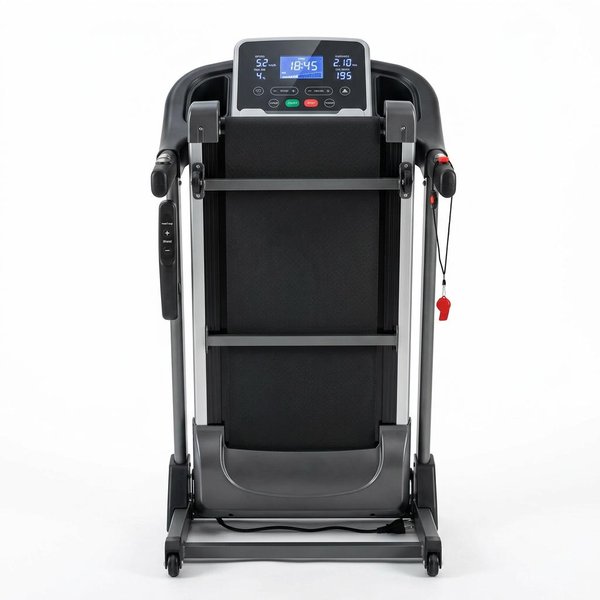
Research-backed guide to what is heart rate zone for small-space home gyms.
By SnugGym Editorial Team | Evidence Mode: Research-Backed
Heart rate zone training is a cardiovascular conditioning methodology that uses defined ranges of heart rate — expressed as percentages of maximum heart rate (MHR) or heart rate reserve (HRR) — to prescribe, monitor, and progress aerobic and anaerobic training. Each zone corresponds to a specific training intensity that produces distinct physiological adaptations, from active recovery and fat oxidation to maximal power development and anaerobic capacity. Understanding and applying heart rate zones transforms cardio from unstructured effort into precise, goal-directed training.
| Attribute | Description |
|---|---|
| Definition | Training method using defined heart rate percentage ranges |
| Number of Zones | Typically 5 (some systems use 3 or 7) |
| Basis | Percentage of maximum heart rate (% MHR) or heart rate reserve (% HRR) |
| Primary Use | Prescribe intensity, monitor effort, track progress |
| Equipment Needed | Heart rate monitor (chest strap, wrist-based, or manual pulse) |
| Best For | All fitness levels; especially valuable for structured cardio programming |
The most commonly used formula:
Maximum Heart Rate = 220 − age
| Age | Estimated MHR |
|---|---|
| 20 | 200 bpm |
| 30 | 190 bpm |
| 40 | 180 bpm |
| 50 | 170 bpm |
| 60 | 160 bpm |
| 70 | 150 bpm |
Limitations: This formula has a standard error of ±10–12 bpm. It overestimates MHR in young adults and underestimates it in older adults. Approximately one-third of the population will have MHRs more than 10 bpm different from the formula estimate.
| Formula | Equation | Best For |
|---|---|---|
| Tanaka et al. | 208 − (0.7 × age) | General population; more accurate across ages |
| Gellish et al. | 207 − (0.7 × age) | Fit adults |
| Nes et al. | 211 − (0.64 × age) | Adults 20–89; reduced error |
| Fairbarn et al. | Women: 209 − (0.9 × age) | Women specifically |
For a 40-year-old:
The most accurate method requires a graded exercise test to volitional exhaustion, ideally with medical supervision:
Safety note: Only attempt maximal testing if you're healthy and cleared for vigorous exercise. The formulas above are adequate for most training purposes.
For more individualized zone calculation, the Karvonen formula incorporates resting heart rate:
Heart Rate Reserve (HRR) = MHR − Resting Heart Rate (RHR)
Target Heart Rate = (HRR × % intensity) + RHR
Example: 40-year-old, MHR 180, RHR 55, targeting 70%: HRR = 180 − 55 = 125 Target = (125 × 0.70) + 55 = 87.5 + 55 = 143 bpm
The Karvonen method is more accurate than simple % MHR because it accounts for individual fitness level (reflected in RHR).
As an Amazon Associate, we earn from qualifying purchases. Learn more
| Attribute | Detail |
|---|---|
| % of MHR | 50–60% |
| % of HRR | 30–40% |
| RPE | 1–3 (very easy) |
| Talking test | Can sing comfortably |
| Primary fuel | Fat (high percentage, low total burn) |
| Physiological effect | Active recovery, blood flow, aerobic base maintenance |
Benefits:
When to use: Rest days, warm-ups, cool-downs, recovery between intervals, deload weeks
Sample Zone 1 session: 20–30 minutes easy walking or light cycling after heavy strength training
| Attribute | Detail |
|---|---|
| % of MHR | 60–70% |
| % of HRR | 40–50% |
| RPE | 3–4 (light, conversational) |
| Talking test | Can speak in full sentences |
| Primary fuel | Mix of fat and carbohydrates |
| Physiological effect | Aerobic base building, mitochondrial development, fat oxidation |
Benefits:
The "Fat Burn Zone" Myth: Zone 2 burns a higher percentage of calories from fat, but total fat oxidation may be lower than higher zones due to lower total calorie burn. A 30-minute Zone 2 session might burn 200 calories at 60% from fat (120 fat calories), while a 20-minute Zone 4 session burns 300 calories at 40% from fat (120 fat calories) — similar absolute fat burn with greater total calorie impact and cardiovascular stimulus.
When to use: Base building phase, long steady-state cardio, active recovery days, endurance event preparation
Sample Zone 2 session: 30–45 minutes cycling or rowing at conversational pace, 3× weekly
| Attribute | Detail |
|---|---|
| % of MHR | 70–80% |
| % of HRR | 50–60% |
| RPE | 4–6 (moderate, slightly breathless) |
| Talking test | Can speak short phrases |
| Primary fuel | Carbohydrates increasing, fat still significant |
| Physiological effect | Lactate threshold development, aerobic power, glycogen utilization |
Benefits:
When to use: Tempo runs, sustained moderate efforts, progression toward higher intensities
Sample Zone 3 session: 20–30 minutes continuous rowing or cycling at "comfortably hard" pace
| Attribute | Detail |
|---|---|
| % of MHR | 80–90% |
| % of HRR | 60–80% |
| RPE | 6–8 (hard, challenging) |
| Talking test | Can speak 2–3 words at a time |
| Primary fuel | Primarily carbohydrates (glycogen) |
| Physiological effect | Lactate threshold training, VO₂ max improvement, anaerobic development |
Benefits:
When to use: Threshold intervals, tempo work, race-pace training, structured HIIT
Sample Zone 4 session: 4 × 4 minutes at 85% MHR with 3 minutes Zone 1 recovery between efforts
| Attribute | Detail |
|---|---|
| % of MHR | 90–100% |
| % of HRR | 80–100% |
| RPE | 8–10 (very hard to maximal) |
| Talking test | Cannot speak |
| Primary fuel | ATP-PC system and anaerobic glycolysis |
| Physiological effect | Peak power development, neuromuscular training, maximal heart rate stimulation |
Benefits:
When to use: Sprint intervals, peak power training, final race preparations, Tabata protocols
Sample Zone 5 session: 6–8 × 30-second all-out sprints with 2–3 minutes full recovery
| Priority Zone | Weekly Allocation | Why |
|---|---|---|
| Zone 2 | 40–50% of cardio time | Sustainable volume, fat oxidation practice |
| Zone 4–5 | 20–30% of cardio time | High calorie burn, EPOC |
| Zone 1 | 20–30% of cardio time | Recovery, adherence, stress management |
Avoid spending excessive time in Zone 3 (the "gray zone") — it's too hard to recover from for daily use but not hard enough to maximize calorie burn or aerobic development.
| Priority Zone | Weekly Allocation | Why |
|---|---|---|
| Zone 2 | 70–80% of cardio time | Aerobic base, mitochondrial development |
| Zone 3 | 10–15% | Tempo work, lactate threshold introduction |
| Zone 4 | 10–15% | Threshold intervals, race pace |
| Zone 5 | 5% | Peak power, sprint finishes |
The 80/20 rule — approximately 80% easy, 20% hard — is the most evidence-supported approach for endurance development.
| Priority Zone | Weekly Allocation | Why |
|---|---|---|
| Zone 2 | 40% | Base aerobic fitness |
| Zone 3 | 20% | Moderate intensity variety |
| Zone 4 | 25% | Cardiovascular challenge |
| Zone 1 | 15% | Recovery sessions |
| Pros | Cons |
|---|---|
| ±1 bpm accuracy | Requires chest contact; can be uncomfortable |
| Reliable at all intensities | Need to wet electrodes for good contact |
| No motion artifact | Additional device to wear |
| Long battery life |
| Pros | Cons |
|---|---|
| Convenient and comfortable | 5–10% accuracy error, worse at high intensity |
| Always available (smartwatches) | Motion artifact during vigorous exercise |
| Trend tracking over time | Delayed response to intensity changes |
| Additional features (sleep, steps) | Skin tone, tattoo, temperature affect accuracy |
As an Amazon Associate, we earn from qualifying purchases. Learn more
| Location | How to Check |
|---|---|
| Radial artery | Two fingers on thumb side of wrist |
| Carotid artery | Two fingers on neck, side of windpipe |
Count beats for 15 seconds and multiply by 4. Accuracy depends on timing precision and finding the pulse quickly.
| Use Case | Recommended Monitor | Acceptable Alternative |
|---|---|---|
| Serious zone training | Chest strap | High-quality wrist monitor |
| General fitness tracking | Wrist monitor | Phone apps with camera HR |
| Occasional checks | Manual pulse | Fitness equipment grips |
| Recovery monitoring | Wrist monitor (trends) | Morning manual pulse check |
| Day | Session | Primary Zone | Duration |
|---|---|---|---|
| Monday | HIIT cycling | 4–5 | 25 min |
| Tuesday | Active recovery walk | 1 | 30 min |
| Wednesday | Tempo rowing | 3–4 | 30 min |
| Thursday | Rest or Zone 1 | 1 | 20 min |
| Friday | Interval bike | 4 | 25 min |
| Saturday | Long steady-state | 2 | 45 min |
| Sunday | Rest | — | — |
| Method | How | Example |
|---|---|---|
| Duration progression | Increase time in target zone | 20 min → 25 min → 30 min |
| Intensity progression | Train at higher end of zone | 70% MHR → 75% MHR |
| Volume progression | Add sessions per week | 3× → 4× weekly |
| Interval progression | Increase work, decrease rest | 3:1 work:rest → 4:1 |
| Zone advancement | Graduate to higher zone | Zone 2 base → Zone 3 tempo |
Heart rate recovery (HRR) — how quickly heart rate drops after exercise — is a powerful fitness indicator:
| Recovery Metric | Fitness Level |
|---|---|
| HR drops <12 bpm in 1 minute | Below average; consult physician |
| HR drops 12–20 bpm in 1 minute | Average fitness |
| HR drops 20–30 bpm in 1 minute | Good fitness |
| HR drops 30–40 bpm in 1 minute | Excellent fitness |
| HR drops >40 bpm in 1 minute | Elite fitness |
To measure: Note heart rate at end of exercise, rest completely for 60 seconds, note heart rate again. The difference is your HRR. Improvement over time indicates cardiovascular fitness gains.
Do I need a heart rate monitor to train effectively? No — perceived exertion (RPE) and the talk test are effective alternatives. However, heart rate monitors add precision and objectivity, especially for interval training and progress tracking.
Why can't I stay in Zone 2 without going higher? Zone 2 requires genuine discipline. Most untrained individuals default to Zone 3 because it feels more "productive." Slow down, use the talk test, and trust that Zone 2 work builds the aerobic foundation that enables higher zones later.
Can heart rate zones change with fitness? Yes. As fitness improves, you'll produce more power/output at the same heart rate. Your resting heart rate decreases, and your ability to sustain higher zones improves. Recalculate zones every 3–6 months or after significant fitness changes.
What if my heart rate monitor seems inaccurate? Check: (1) Chest strap contact and moisture, (2) Wrist placement (2–3 finger widths above wrist bone), (3) Device tightness, (4) Battery level, (5) Clean sensor area. Compare against manual pulse check if accuracy is suspect.
Can medications affect heart rate zones? Yes. Beta-blockers reduce maximum and exercising heart rate significantly. Stimulants may elevate heart rate. Consult your physician about zone training if you take heart-rate-affecting medications — perceived exertion may be more reliable than heart rate.
Heart rate zone training transforms cardiovascular exercise from unstructured effort into precise, measurable, and progressive training. By understanding the five zones — from recovery-focused Zone 1 to maximal-intensity Zone 5 — you can select the right intensity for your goals, avoid the common "gray zone" trap of moderate-effort junk miles, and track meaningful fitness improvements through heart rate recovery and power-at-zone metrics. Whether your goal is fat loss, endurance development, or general health, strategic zone training ensures every cardio session delivers the intended physiological stimulus.
FTC Disclosure: This article contains affiliate links to Amazon products. If you purchase through these links, SnugGym may earn a commission at no additional cost to you. This helps support our independent research and content creation.
Last updated: June 2025