Rowing & Bike Resistance Types: Air vs. Magnetic vs. Water Explained
Technical comparison of air, magnetic, and water resistance systems for rowing machines and stationary bikes. Noise, fee...
SnugGym is an Amazon Associate. We earn from qualifying purchases at no extra cost to you. Learn more
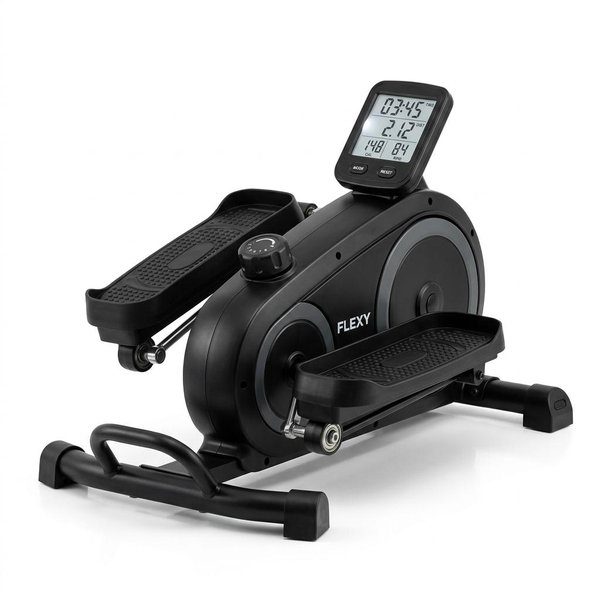
Premium magnetic under-desk bike with 8 resistance levels, ultra-smooth and quiet.
Two machines compete for the title of smallest, quietest cardio option in apartments: the under-desk bike (pedal exerciser) and the mini stepper. Both fit in spaces where a treadmill or elliptical cannot. Both promise calorie burn without disturbing neighbors. But they deliver different experiences, engage different muscles, and suit different goals.
Our analysis compares these machines across five dimensions to determine which belongs in your space.
Quick Verdict: Choose an under-desk bike for seated, low-impact cardio that you can do while working. Choose a mini stepper for higher intensity, standing glute and quad engagement. Both are apartment-friendly; the difference is whether you want to exercise while doing something else or as your dedicated workout.
| Specification | Under-Desk Bike (Representative) | Mini Stepper (Representative) |
|---|---|---|
| Footprint | ~21" L × 18" W | ~16" L × 12" W |
| Weight | ~15–20 lb | ~15–25 lb |
| Noise Level | 25–35 dB | 30–45 dB |
| Resistance Type | Magnetic or friction | Hydraulic cylinders |
| Calorie Burn (30 min, moderate) | 75–120 kcal (seated) | 150–250 kcal (standing) |
| Typical Price Range | ~$49–179 | ~$39–129 |
| Weight Capacity | ~250–300 lb | ~220–300 lb |
| Standing Use | No (unsafe) | Yes (designed for) |
| Seated Use | Yes (primary use) | Some models allow limited seated use |
| Digital Monitor | Most include | Most include |
| Portability | Handle for easy relocation | Handle for easy relocation |
Noise is the primary concern for apartment dwellers. Our research aggregates reported noise levels from manufacturer specifications and user measurements:
| Machine Type | Noise Range | Comparable Sound |
|---|---|---|
| Magnetic under-desk bike | 25–30 dB | Whisper, rustling leaves |
| Friction under-desk bike | 35–45 dB | Quiet conversation |
| Hydraulic mini stepper | 30–40 dB | Quiet library |
| Spring mini stepper | 40–50 dB | Refrigerator humming |
Magnetic resistance under-desk bikes are the quietest option in this category. The magnetic eddy current braking system produces no physical contact between moving parts, eliminating mechanical noise. Friction-based bikes generate audible rubbing at higher resistance settings.
Mini steppers use hydraulic pistons that create a rhythmic hissing sound with each step. This noise is generally acceptable during daytime hours but may be audible through thin floors during early morning or late evening sessions.
Both machine types benefit from placement on a dense exercise mat. Our research indicates that a 1/4"–3/8" rubber mat reduces structure-borne noise transmission by 5–10 dB. This reduction is sufficient to render magnetic bikes nearly silent from adjacent rooms.
Metabolic Equivalent of Task (MET) values quantify exercise intensity. Published exercise physiology research provides these approximate ranges:
| Activity | MET Value | 30-Minute Calorie Burn (155 lb person) |
|---|---|---|
| Seated pedaling (light) | 2.0–2.5 | 65–80 kcal |
| Seated pedaling (moderate) | 3.0–3.5 | 95–115 kcal |
| Standing stepping (light) | 3.5–4.0 | 115–130 kcal |
| Standing stepping (moderate) | 4.0–6.0 | 130–195 kcal |
| Standing stepping (vigorous) | 6.0–8.0 | 195–260 kcal |
Key finding: Mini steppers produce 50–100% higher calorie burn per minute than under-desk bikes when both are used at moderate intensity. This difference stems from the standing position, which engages more muscle mass and allows greater range of motion against gravity.
However, the under-desk bike's advantage is duration accumulation. Users who pedal for 2–3 hours during work sessions accumulate comparable total calorie burn to shorter, more intense stepper sessions.
| Muscle Group | Under-Desk Bike | Mini Stepper |
|---|---|---|
| Quadriceps | Moderate | High |
| Hamstrings | Moderate | Moderate |
| Glutes | Low | High |
| Calves | Moderate | Moderate |
| Hip flexors | Low | Moderate |
| Core | None (seated) | Moderate (stabilization) |
The mini stepper's standing position recruits the glutes and core stabilizers that seated pedaling does not engage. The under-desk bike isolates the lower leg muscles more specifically.
| Dimension | Under-Desk Bike | Mini Stepper |
|---|---|---|
| Length | 20–22" | 15–18" |
| Width | 16–18" | 12–14" |
| Height (in use) | 10–12" | 8–14" (varies with step) |
| Floor area | ~2.5–2.8 sq ft | ~1.5–2.0 sq ft |
Both machines occupy less than 3 square feet during use — approximately one-tenth the footprint of a treadmill. The mini stepper's smaller footprint is offset by the need for overhead clearance (ceiling height is rarely a constraint, but the standing position requires stable flooring).
Both machine types weigh 15–25 lb and include carrying handles. They store in closets, under beds, or against walls with minimal effort. Neither requires permanent floor space allocation, making them suitable for studio apartments where the "gym" is a temporary configuration.
| Tier | Price Range | Features |
|---|---|---|
| Budget | $49–79 | Friction resistance, basic monitor, limited warranty |
| Mid-range | $89–139 | Magnetic resistance, digital monitor, adjustable resistance |
| Premium | $149–179 | App connectivity, desk integration, extended warranty |
| Tier | Price Range | Features |
|---|---|---|
| Budget | $39–59 | Single hydraulic cylinder, basic monitor |
| Mid-range | $69–99 | Dual hydraulic cylinders, resistance bands, improved monitor |
| Premium | $109–129 | Twisting motion, app connectivity, higher weight capacity |
Value analysis: The entry price for effective cardio is lower with mini steppers. Functional units begin around $49. Under-desk bikes with magnetic resistance (the quieter, smoother option) start closer to $89. Budget friction bikes exist below $50 but produce more noise and have less consistent resistance curves.
Our research indicates that some users benefit from owning both machines. The under-desk bike handles weekday activity accumulation during work hours. The mini stepper provides dedicated weekend cardio sessions. Combined cost: approximately $150–250 — less than most single treadmills or ellipticals.
Whichever machine you choose, these accessories reduce noise further:
| Accessory | Expected dB Reduction | Price Range |
|---|---|---|
| 3/8" rubber exercise mat | 5–10 dB | $25–45 |
| Anti-vibration pads | 3–5 dB | $10–20 |
| Interlocking foam tiles | 3–8 dB | $20–40 |
As an Amazon Associate we earn from qualifying purchases. Calorie burn estimates based on published MET values from the Compendium of Physical Activities. Noise levels are approximate and vary by model and surface.