Rowing & Bike Resistance Types: Air vs. Magnetic vs. Water Explained
Technical comparison of air, magnetic, and water resistance systems for rowing machines and stationary bikes. Noise, fee...
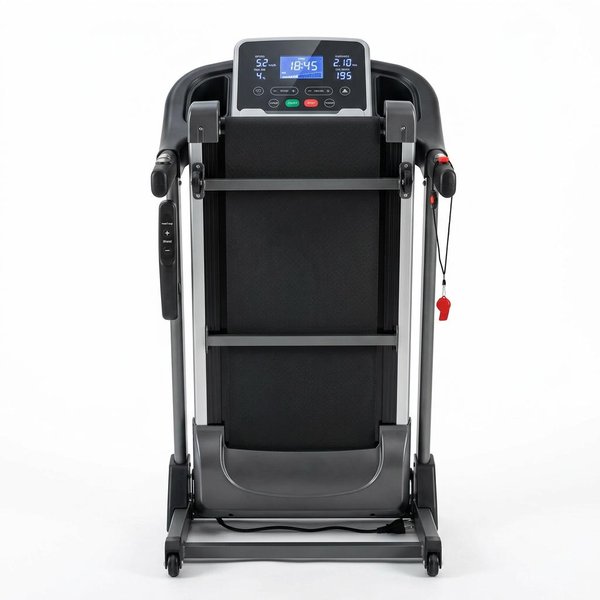
A noisy or rough rowing machine chain reduces workout quality and accelerates wear. Learn proper lubrication schedules, tension adjustment, and how to diagnose common chain issues for air, water, and magnetic rowers.
The chain (or strap) on a rowing machine is the primary power transmission component — it converts your pull into flywheel rotation. A poorly maintained chain creates noise, uneven resistance, and accelerated wear on both the chain and the sprockets it engages. Our research indicates that regular chain maintenance, which takes approximately 10 minutes monthly, can extend drivetrain life by 2–3x compared to neglected chains.
Rowing machines use one of three drivetrain types. Identifying yours is the first step in proper maintenance.
| Drivetrain Type | Common Brands | Maintenance Needs | Noise Profile |
|---|---|---|---|
| Metal chain | Concept2, some WaterRower models | Monthly lubrication, periodic tension check | Loudest; metallic rattle if dry |
| Polymer strap/belt | WaterRower (most), some budget models | Minimal; periodic inspection for fraying | Quietest; low maintenance |
| Hybrid chain-to-strap | Some mid-range models | Follow chain section guidance | Moderate |
Table: Drivetrain types and maintenance requirements based on manufacturer documentation
This guide focuses primarily on metal chain drivetrains, which require the most active maintenance. Polymer strap users should follow the inspection protocols but skip lubrication.
A rowing machine chain operates under significant tension and cyclic loading. Without lubrication:
Not all lubricants are appropriate for rowing machine chains. The wrong choice attracts dust, flings off during use, or fails to penetrate to internal bearing surfaces.
| Lubricant Type | Recommended | Notes |
|---|---|---|
| Dry chain lube (Teflon-based) | Yes | Low residue, doesn't attract dust, good penetration |
| Wet chain lube (synthetic oil) | Yes | Better for humid climates; requires more frequent cleaning |
| 3-in-1 oil / light machine oil | Acceptable | Readily available; reapply more frequently |
| White lithium grease | No | Too thick; attracts debris; hard to clean |
| WD-40 | No | Solvent, not lubricant; strips existing lubrication |
| Motor oil / heavy grease | No | Attracts dust; flings onto floor and clothing |
Table: Lubricant suitability for indoor rowing machine chains
Our recommendation: Dry chain lube designed for bicycle chains performs well on rowing machine chains. Brands like Rock N Roll, Finish Line Dry, or ProGold ProLink are widely available and formulated for indoor, dust-managed environments.
Frequency: Every 30–50 hours of use, or monthly for regular users (3–4x weekly). Increase frequency in humid climates.
Tools needed: Chain lubricant, clean lint-free cloths, gloves (optional)
Chain tension on a rowing machine is typically fixed by the factory and not user-adjustable on most models. However, chain elongation over time can create slack that causes:
Procedure:
Chains "stretch" over time as internal pin and bushing wear increases. Industry standards for bicycle chains (a comparable application) indicate that 0.5% elongation (1/16 inch over 12 inches) signals replacement time. For rowing machine chains:
⚠️ Note: Most home rowing machines do not have user-adjustable chain tensioners. If your chain has elongated beyond acceptable limits, replacement is typically the only option. Contact your manufacturer for the correct replacement chain part number.
Diagnosis: Usually indicates inadequate lubrication or loose chain guard.
Fix:
Diagnosis: Kinked link, debris in sprocket, or misalignment.
Fix:
Diagnosis: Worn sprocket teeth, severely elongated chain, or engagement issue.
Fix:
Diagnosis: Humidity exposure or infrequent lubrication.
Fix:
Diagnosis: Squeaking (not metallic rattling) often comes from the handle connection, seat rollers, or foot bracket — not the chain itself.
Isolation test:
The chain works in conjunction with the seat rail and carriage. A well-maintained chain on a neglected rail still produces a poor experience.
⚠️ Important: Do not use petroleum-based lubricants on the rail. They attract dust and can degrade plastic or nylon rollers over time.
| Interval | Task | Estimated Time |
|---|---|---|
| After each use | Wipe the rail; check for loose debris | 1 minute |
| Weekly | Wipe chain with dry cloth; inspect for visible issues | 5 minutes |
| Monthly | Full chain lubrication; seat rail cleaning; hardware check | 15 minutes |
| Every 3 months | Deep clean: remove seat, inspect rollers, clean sprockets, check all bolts | 30 minutes |
| Every 6 months | Chain wear assessment; compare to manufacturer spec; plan replacement if needed | 10 minutes |
| Annually | Comprehensive inspection of all moving parts; replace worn components | 1–2 hours |
Table: Maintenance schedule for home use (3–5x weekly). Adjust frequency for heavier or lighter use.
Chain life is significantly affected by storage conditions:
Replace the chain if you observe any of the following:
Replacement chain:
Can I use bicycle chain lube on my rowing machine? Yes. Bicycle dry chain lube is an excellent choice for rowing machines — it's formulated for similar load cycles and indoor/outdoor conditions.
How do I know if my rower has a chain or a strap? Look at the connection between the handle and the flywheel housing. A chain is metallic with visible links; a strap is a flat polymer band, usually black or gray.
My chain is noisy right after lubrication — is that normal? Briefly, yes. Excess lubricant needs a few minutes of use to distribute and settle. If noise persists after 10 minutes of rowing, you may have used too much lubricant — wipe the chain thoroughly and try again with less.
Can I use a silicone spray instead of chain lube? Silicone spray is suitable for the rail and seat mechanism but not ideal for the chain itself. It doesn't penetrate to the internal bearing surfaces where lubrication is most needed. Use proper chain lubricant for the chain, silicone for the rail.
As an Amazon Associate we earn from qualifying purchases. Product links on this page include our affiliate tag — purchases made through these links support our research at no additional cost to you.
Last updated: January 2025. Information based on manufacturer maintenance documentation from Concept2, WaterRower, and other major brands, as well as mechanical engineering principles for chain drive systems. Always consult your specific equipment manual for part numbers and torque specifications.