Rowing & Bike Resistance Types: Air vs. Magnetic vs. Water Explained
Technical comparison of air, magnetic, and water resistance systems for rowing machines and stationary bikes. Noise, fee...
SnugGym is an Amazon Associate. We earn from qualifying purchases at no extra cost to you. Learn more
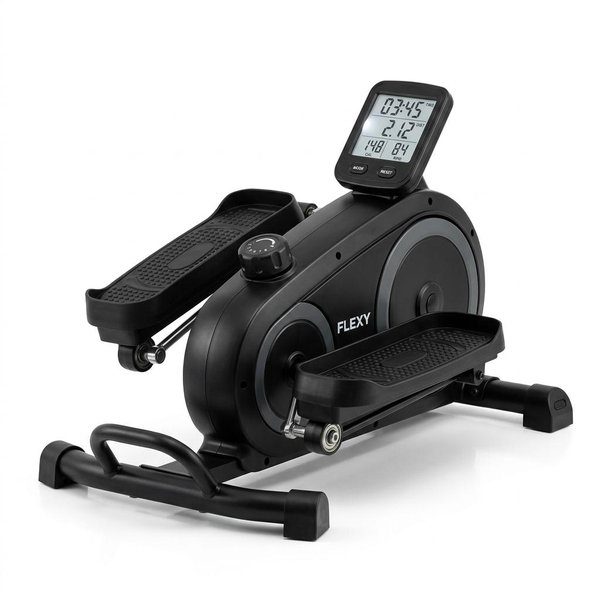
Premium magnetic under-desk bike with 8 resistance levels, ultra-smooth and quiet.
The DeskCycle 2 represents the second generation of what has become the benchmark product in under-desk pedal exercisers. Building on the original DeskCycle's magnetic resistance system and low-profile design, the updated model adds Bluetooth connectivity, an enhanced display, and refined ergonomics — upgrades that position it as a more serious piece of active-workstation equipment rather than a casual pedal toy.
Our analysis examines whether the generational improvements justify the price premium over the still-available original, and how the DeskCycle 2 compares to the growing field of under-desk competitors.
The DeskCycle 2 justifies its price for two specific user profiles: those who want digital tracking integration (Bluetooth sync to apps and the improved LCD display) and those who found the original's pedal height marginally too tall for their desk clearance. For users satisfied with basic pedaling and manual tracking, the original DeskCycle remains functionally viable at lower cost. The 2 is not a revolution — it is a meaningful refinement.
| Specification | Value |
|---|---|
| Dimensions | 24" L × 20" W × 10" H (pedal height at lowest) |
| Pedal height range | 10" minimum (critical for desk clearance) |
| Resistance levels | 8 magnetic settings |
| Display | Large LCD with 20+ function readouts |
| Connectivity | Bluetooth (syncs with DeskCycle and select fitness apps) |
| Product weight | 23 lbs |
| Flywheel | Precision-balanced, 4.5 lbs equivalent feel |
| Pedal motion | Elliptical (not circular bike motion) |
| Maximum user pedal speed | Unspecified; mechanical limit >400 RPM |
The defining constraint of any under-desk pedal device is vertical clearance. The DeskCycle 2 reduces minimum pedal height to 10 inches — approximately 1 inch lower than the original model. This matters because ergonomic keyboard positioning at a standard 29-30" desk height leaves limited knee room.
Our analysis of ergonomic workstation standards suggests the following clearance math:
The elliptical (rather than circular) pedal path helps — the elongated vertical stroke reduces peak knee height compared to a circular crank of equivalent stride length.
The DeskCycle 2 uses a magnetic eddy current resistance system: a conductive flywheel rotates through a magnetic field, creating resistance without physical contact between resistance elements. This produces three functional benefits:
The eight settings span a meaningful range. Level 1-2 are genuinely easy — suitable for all-day background movement or recovery days. Level 4-5 provide moderate cardio stimulus sustainable for 30-60 minutes. Levels 7-8 require meaningful effort; most users will not sustain maximum resistance for extended periods while working.
Published specifications do not quantify resistance in watts or standardized units. Our analysis estimates based on comparable magnetic systems:
| Level | Estimated Power at 60 RPM | Characterization |
|---|---|---|
| 1-2 | 10-25W | Background movement, minimal cardio stimulus |
| 3-4 | 25-45W | Light activity, sustainable indefinitely |
| 5-6 | 45-70W | Moderate effort, comparable to brisk walking |
| 7-8 | 70-100W+ | Significant effort, produces sweat over time |
These are estimates derived from comparable flywheel mass and magnetic gap configurations. Individual power output varies with cadence and pedal force.
The DeskCycle 2's Bluetooth radio enables sync with the DeskCycle app (iOS/Android) and select third-party fitness platforms. Functionality includes:
The app ecosystem is functional but not exceptional. Users of premium fitness platforms (Zwift, Peloton app, TrainerRoad) will find the DeskCycle 2 has limited direct integration. Speed/cadence data may be readable as a generic Bluetooth sensor by some apps, but this is not officially supported.
The integrated display shows: speed, time, distance, estimated calories, and RPM. A scan mode rotates through metrics. The display is backlit and substantially larger than the original DeskCycle's unit. It operates independently of Bluetooth — no phone connection required for basic tracking.
Display accuracy for calories and distance should be treated as estimates. Without user weight, heart rate, or power measurement, calorie estimation uses generic metabolic equivalents that may vary ±30% from individual reality.
| Criterion | Rating | Analysis |
|---|---|---|
| Desk Clearance Compatibility | 8.5/10 | 10" minimum pedal height is best-in-class. Elliptical path further reduces peak knee rise. Still incompatible with low desks (28" and below) for taller users. |
| Noise Level | 9.5/10 | Magnetic system is effectively silent. No impact noise. Bearing hum is below typical office ambient levels. Among the quietest active-workstation options available. |
| Resistance Quality | 8.5/10 | Eight levels span background activity to meaningful cardio. Magnetic system is smooth and consistent. No published wattage calibration limits precise training use. |
| Tracking and Connectivity | 8.0/10 | Bluetooth and app integration are genuine upgrades from the original. App ecosystem is functional, not premium. Onboard display is excellent for the category. |
| Build Quality | 8.0/10 | Steel frame, quality bearings, solid pedal construction. At 23 lbs, it stays planted under use. Finish and material quality appropriate for the price point. |
| Exercise Biomechanics | 7.5/10 | Forward elliptical motion is knee-friendly and natural. Pedal straps accommodate various footwear. No reverse motion option. Range of motion is shorter than full-size equipment by design. |
| Value | 7.5/10 | Premium-priced for the category. The original DeskCycle offers core functionality at $40-$60 less. Bluetooth and lower profile justify the premium for specific users. |
| Household and Office Fit | 9.0/10 | Low profile, silent operation, and portable weight make it among the most workplace-compatible fitness devices available. No assembly space or storage footprint concerns. |
Overall Score: 8.3/10
| Feature | DeskCycle 2 | Original DeskCycle | Cubii JR1 | LifePro FlexCycle |
|---|---|---|---|---|
| Price Range | $199-$249 | $149-$179 | $129-$179 | $80-$120 |
| Min Pedal Height | 10" | 11" | 11"+ | 12"+ |
| Resistance Levels | 8 (magnetic) | 8 (magnetic) | 8 (magnetic) | 8 (magnetic) |
| Bluetooth | Yes | No | Yes (JR2+) | No |
| Display | Large LCD | Compact LCD | Compact LCD | Basic LCD |
| Build Quality | Premium | Very Good | Good | Moderate |
| Noise | Silent | Silent | Very Quiet | Quiet |
The original DeskCycle remains the value leader for users not needing Bluetooth. Cubii competes on brand recognition and comparable features at similar or slightly lower pricing. Budget alternatives ($80-$120) sacrifice build quality, pedal height, or resistance refinement.
The DeskCycle 2 is the most refined under-desk pedal exerciser available. It does not transform the category — under-desk cycling remains a low-intensity movement supplement, not a fitness solution — but it executes the concept at the highest level.
The purchase decision hinges on three factors: whether your desk provides adequate clearance (measure before buying), whether Bluetooth tracking provides meaningful value to you, and whether the price premium over the original or budget alternatives is justified by your use frequency.
For daily, long-term use in a professional work environment, the DeskCycle 2's quality, silence, and reliability represent sound value. For occasional or uncertain use, the original DeskCycle or a lower-cost alternative may be the more rational entry point.
Last updated: January 2025. Power estimates are derived from comparable magnetic resistance systems and should be treated as approximate. Desk clearance measurements should be verified before purchase.
| Image | Product | Price | Badge | Link |
|---|---|---|---|---|
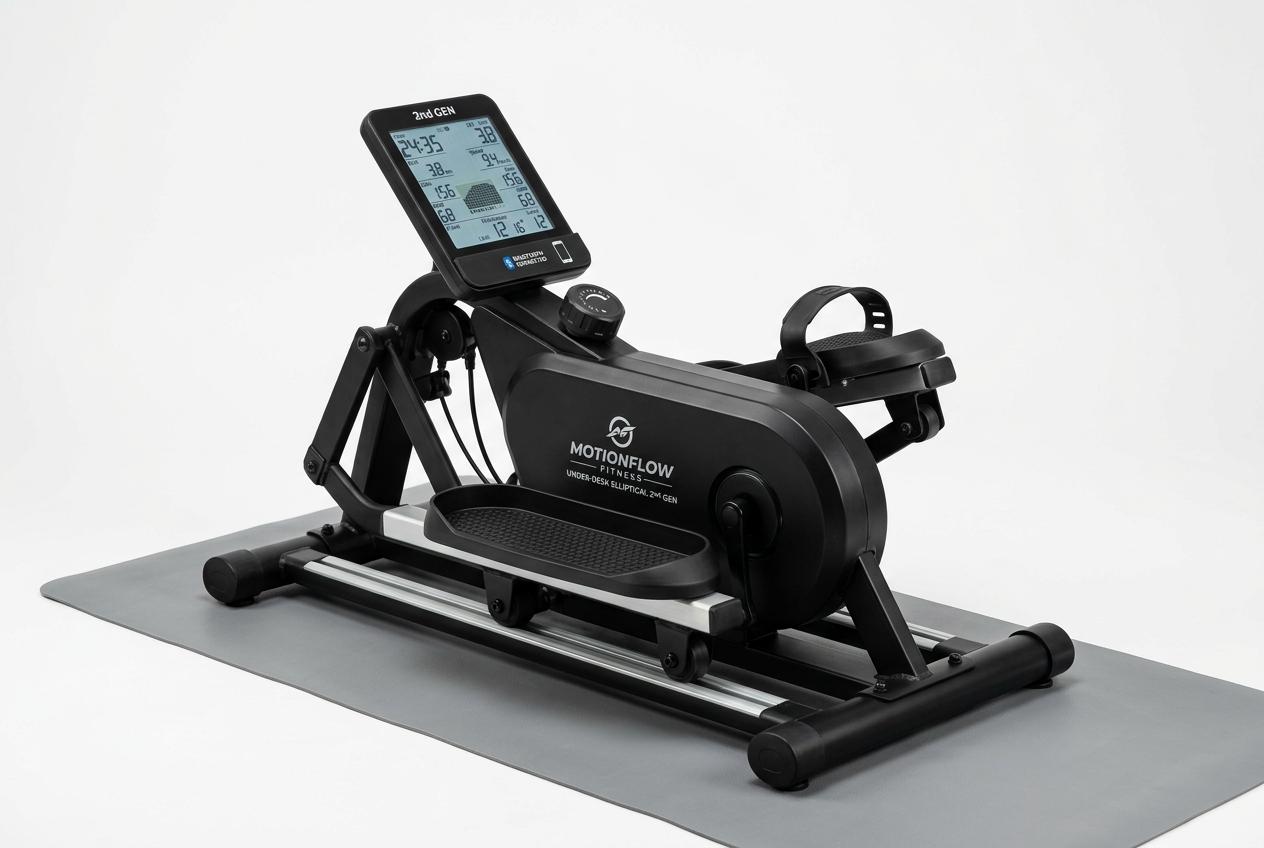 |
DeskCycle 2 Under-Desk Bike | $199-$249 | Best Overall | Check Price |
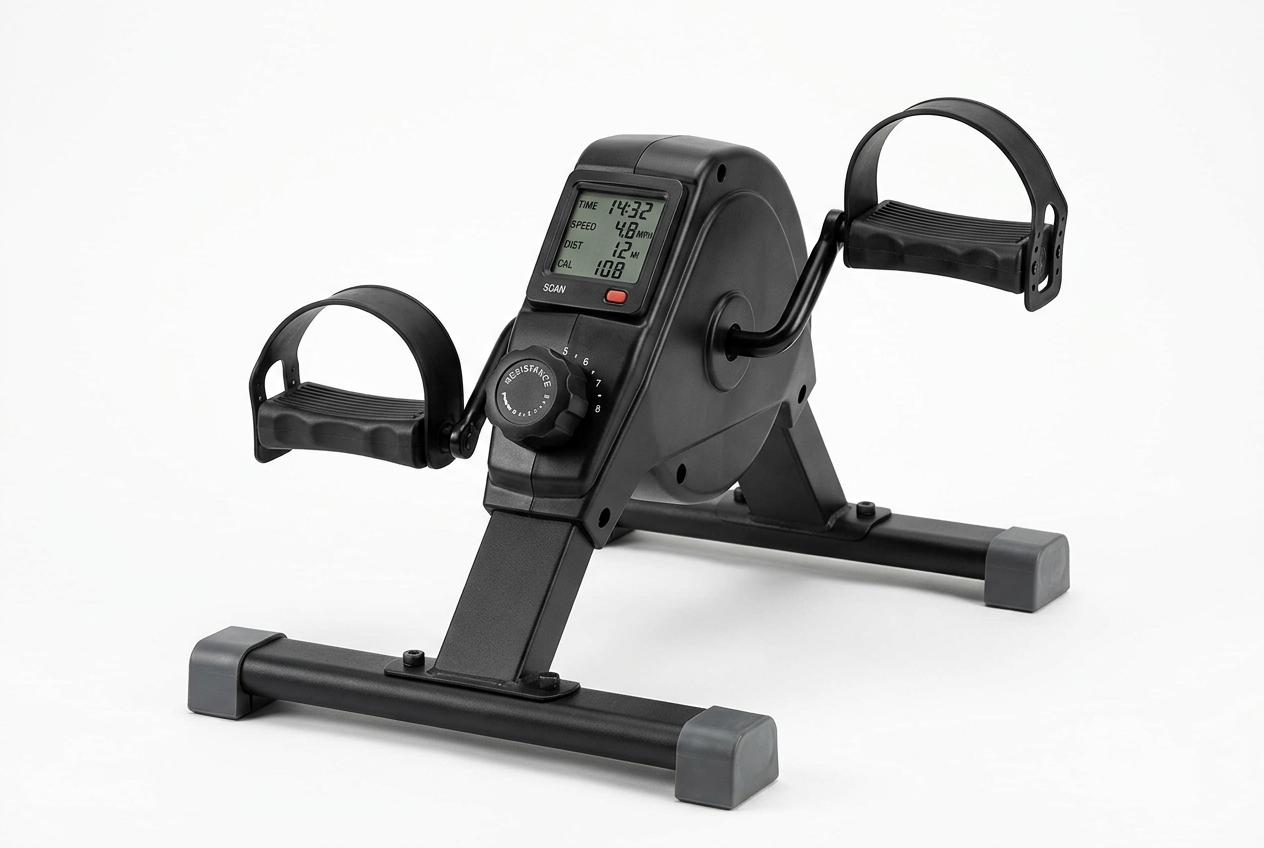 |
Original DeskCycle Under-Desk Bike | $149-$179 | Best Value | Check Price |
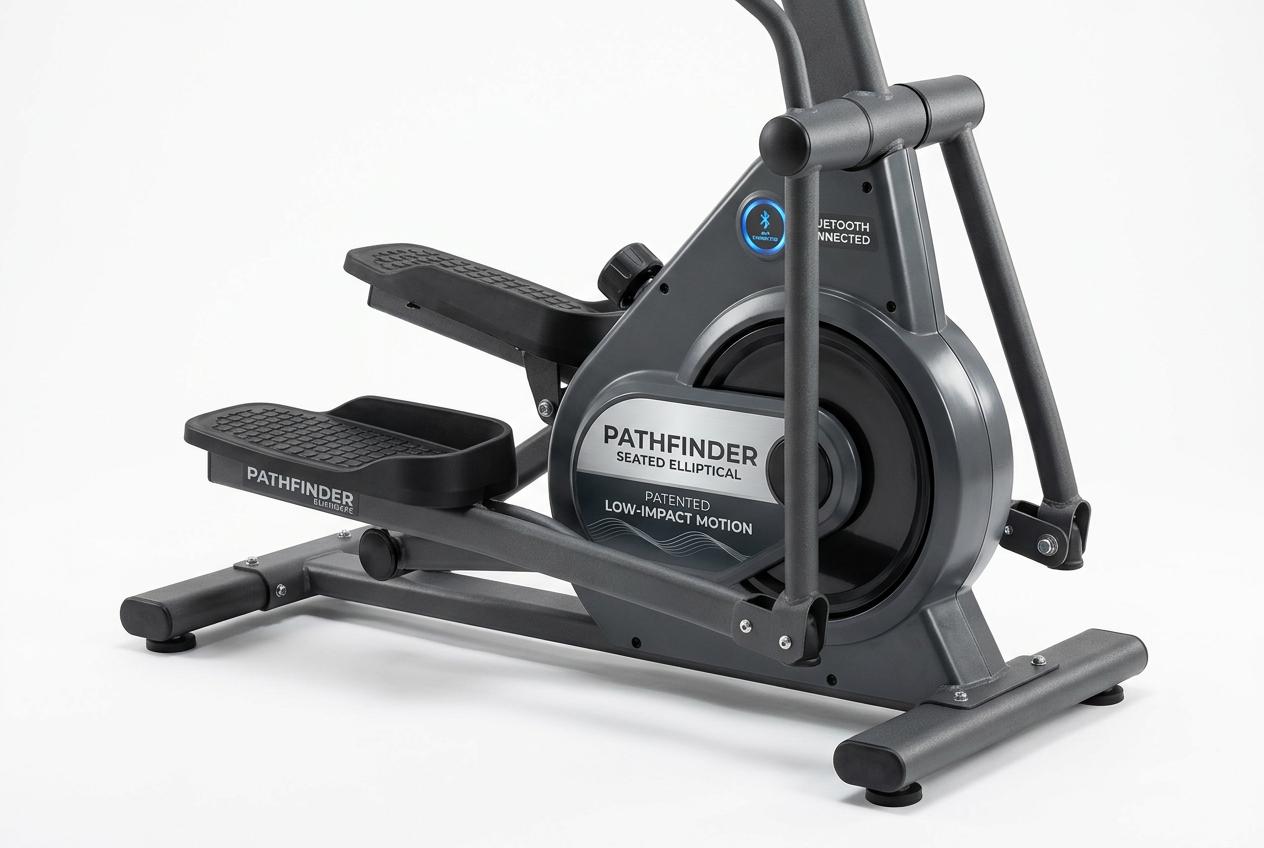 |
Cubii JR1 Seated Under-Desk Elliptical | $199-$249 | Premium Alternative | Check Price |
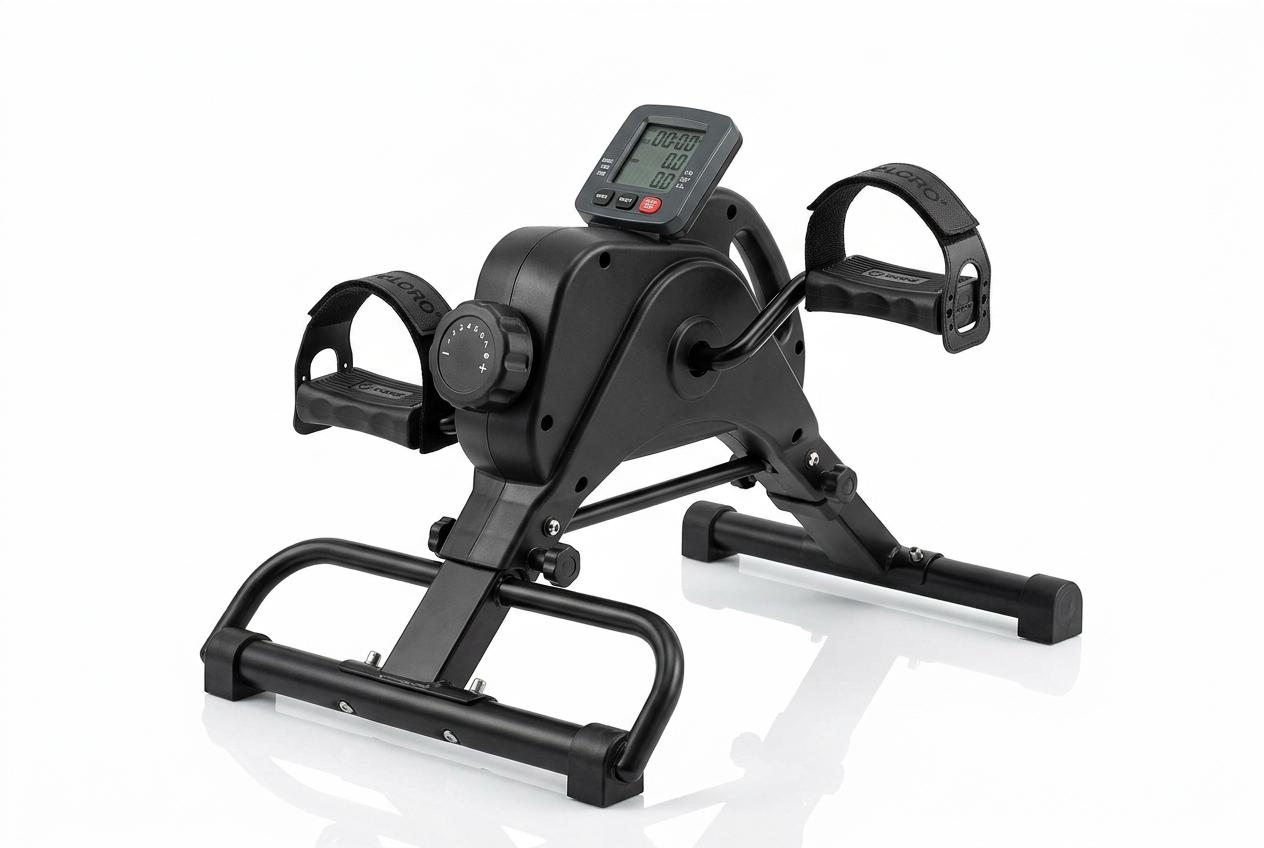 |
Vaunn Medical Under-Desk Bike Pedal Exerciser | $39-$59 | Best Budget | Check Price |
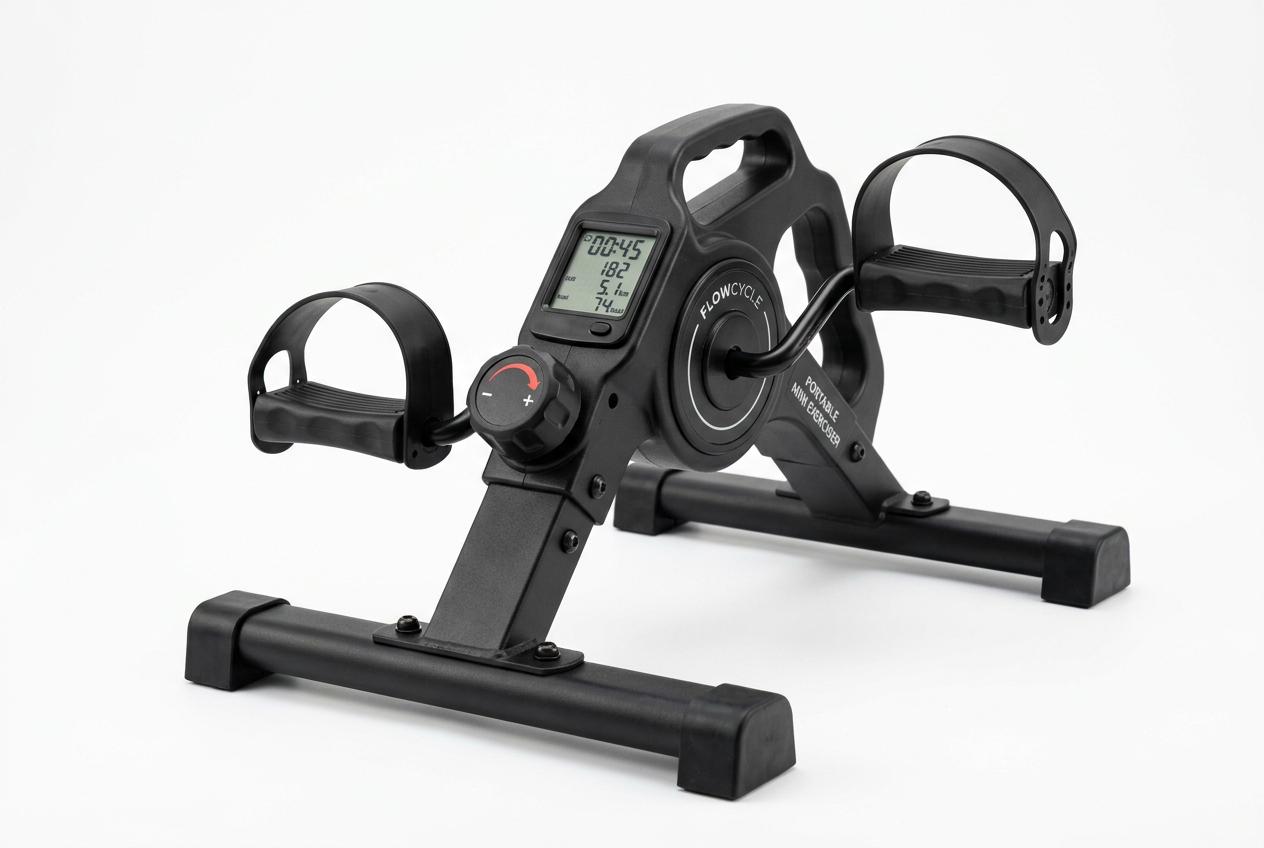 |
Sunny Health & Fitness SF-B0891 Magnetic Mini Exercise Bike | $49-$69 | Most Portable | Check Price |
The most refined under-desk pedal exerciser with best-in-class clearance and silence.
The value leader offering core DeskCycle quality without the premium upgrades.
The premium elliptical alternative offering superior joint-friendliness and silence.
An ultra-affordable foldable pedal exerciser for trying desk-based movement.
The most portable magnetic mini exercise bike for flexible desk-to-desk use.
The DeskCycle 2 is the most refined under-desk pedal exerciser available. The 10-inch minimum pedal height is best-in-class, opening under-desk pedaling to users who could not accommodate the original or most competitors. The elliptical pedal path further reduces peak knee rise. Magnetic resistance is effectively silent, and the Bluetooth-enabled large LCD display provides comprehensive workout tracking. The precision-balanced flywheel delivers a refined pedal feel that distinguishes it from budget alternatives. For daily, long-term use in a professional work environment, the quality, silence, and reliability represent sound value.
Check Price on Amazon
The original DeskCycle remains the value leader for users not needing Bluetooth tracking or the lowest possible pedal height. It shares the same core magnetic resistance system as the second generation, delivering virtually identical silent operation and smooth pedal feel. The 11-inch minimum pedal height is just one inch higher than the updated model, which will not matter for users with standard 29-30 inch desks. With years of proven reliability and thousands of positive user reviews, the original DeskCycle offers the essential under-desk cycling experience at a meaningful discount.
Check Price on Amazon
For users seeking the absolute best under-desk exercise experience, the Cubii JR1 offers a compelling alternative to the DeskCycle 2. The patented elliptical motion is biomechanically superior for desk environments, maintaining better typing accuracy while reducing joint stress. At 25-38 dB, it is even quieter than the already-silent DeskCycle, and the heavier 27.6-pound frame eliminates any sliding issues. The choice between the two comes down to motion preference and desk clearance: choose the Cubii for the smoothest, quietest experience; choose the DeskCycle 2 for the lowest pedal height and best desk compatibility.
Check Price on Amazon
The Vaunn Medical Under-Desk Bike represents the budget entry point into desk-based exercise, priced at a fraction of premium alternatives. Its foldable design makes it uniquely portable and storable, fitting in desk drawers when not in use. The unit works for both leg pedaling under a desk and arm exercises on a tabletop. However, the friction-pad resistance system is noticeably less smooth than magnetic alternatives and will require pad replacement over time. The very lightweight construction means users will need to brace it against a wall or use the included strap to prevent sliding. Best as a trial purchase or occasional-use option.
Check Price on Amazon
The Sunny Health SF-B0891 combines magnetic resistance with ultra-portable design, weighing just 11 pounds with an integrated carry handle. This makes it ideal for users who want to move their under-desk exerciser between home and office or different desk locations. The magnetic resistance is a significant upgrade over friction-pad alternatives in this price range, providing smoother, quieter operation. The digital monitor tracks essential workout metrics. However, the lightweight design requires the included strap or wall-bracing to prevent sliding during use, and the smaller pedals may feel cramped for users with larger feet. An excellent portable companion for the mobile worker.
Check Price on Amazon