Rowing & Bike Resistance Types: Air vs. Magnetic vs. Water Explained
Technical comparison of air, magnetic, and water resistance systems for rowing machines and stationary bikes. Noise, fee...
SnugGym is an Amazon Associate. We earn from qualifying purchases at no extra cost to you. Learn more
A comprehensive guide to swimming alternatives for home cardio, covering rowing machines, aqua bag training, resistance band swimming motions, water-filled kettlebells, and suspension trainer exercises.
SnugGym is reader-supported. When you buy through links on our site, we may earn an affiliate commission at no extra cost to you.
Swimming represents the gold standard for low-impact cardiovascular training. The water's buoyancy eliminates joint stress while providing resistance in all movement planes, creating a full-body workout that physicians routinely recommend for arthritis patients, injury rehabilitation, and long-term joint health. But most home gyms don't include pools—and apartment dwellers face particular barriers to accessing swim facilities.
The good news: several home exercise modalities replicate swimming's key physiological benefits without requiring water. This guide examines equipment and techniques that deliver swimming's low-impact, full-body cardiovascular stimulus in a dry-land home gym environment, ranked by how closely they match the aquatic experience.
To evaluate alternatives effectively, we must first understand what swimming delivers that other cardio forms don't:
| Swimming Characteristic | Physiological Benefit | Replication Challenge |
|---|---|---|
| Buoyancy-supported movement | Zero joint impact; no ground reaction forces | Requires horizontal position or unloaded joint alignment |
| Full-body engagement | Upper and lower body contribute simultaneously | Most cardio emphasizes legs; arm involvement is secondary |
| Multi-planar resistance | Water resists in all directions, not just gravity | Land-based resistance typically loads vertically only |
| Controlled breathing rhythm | Breath timing integrated with stroke pattern | Must be deliberately programmed into alternatives |
| Continuous motion | No eccentric impact peaks; smooth force curve | Rowers and bikes approximate this; runners cannot |
| Cooling environment | Sustained high effort without overheating | Climate control or hydration management needed |
Effective swimming alternatives must replicate as many of these characteristics as possible. No single modality matches all six, but strategic combination approaches can deliver 80--90% of swimming's benefits.
Rowing machines deliver the closest approximation to swimming available in home fitness equipment. The seated, horizontal position unloads the spine and lower extremity joints while engaging the entire body in a rhythmic, continuous motion that closely mirrors freestyle swimming's biomechanics.
Why rowing replicates swimming:
Equipment recommendations:
| Rower Type | Noise Level | Swimming Replication | Best For | Price Range |
|---|---|---|---|---|
| Water rower | Low (swishing) | Highest | Purists wanting authentic water feel | $700--$1,200 |
| Magnetic rower | Very low | High | Apartment noise constraints | $200--$500 |
| Air rower | Moderate-High | High | Performance training; not apartments | $900--$1,100 |
For apartment home gyms, magnetic rowing machines like the MERACH Magnetic Rower provide the best balance of swimming-like movement and neighbor-friendly noise levels. Water rowers offer superior replication of water's variable resistance but require more maintenance and occupy more space.
As an Amazon Associate, we earn from qualifying purchases. Learn more
Swimming-specific rowing workout:
| Segment | Duration | Intensity | Stroke Rate |
|---|---|---|---|
| Warm-up | 5 min | Easy | 18--20 spm |
| Pyramid intervals | 20 min | Moderate-Hard | 22--28--24--26--28 spm |
| "Sprint" finish | 5 min | Hard | 30+ spm |
| Cool-down | 5 min | Easy | 16--18 spm |
Program the monitor for distance targets rather than time to replicate pool-length motivation. A 500-meter piece corresponds roughly to a 100-yard swim interval.
Suspension trainers (TRX and similar systems) enable horizontal body positioning with arm-dominant pulling movements that closely replicate swimming strokes against body-weight resistance.
Swimming-specific suspension exercises:
| Exercise | Swimming Equivalent | Primary Muscles | Difficulty |
|---|---|---|---|
| TRX "swimming pull" | Freestyle stroke | Latissimus dorsi, deltoids, core | Intermediate |
| TRX reverse fly | Backstroke pull | Posterior deltoids, rhomboids | Beginner |
| TRX power pull | Butterfly pull | Full upper body, core rotation | Advanced |
| TRX plank to pull-through | Underwater pullout | Lats, triceps, anterior core | Intermediate |
| TRX inverted row (feet elevated) | Strong pull phase | Lats, biceps, rear deltoids | Intermediate |
The TRX "swimming pull" deserves specific attention as the closest single exercise to actual swimming. Performed in a staggered stance with one arm pulling back in a freestyle-like arc while the body rotates, it demands the same latissimus-dominant pulling with core stabilization that defines efficient swimming.
Programming for cardio effect:
Perform 30 seconds of work followed by 15 seconds of transition, alternating between swimming-specific movements. A 20-minute circuit provides substantial cardiovascular stimulus while building swim-specific strength. Rest 60 seconds between rounds; complete 4--5 rounds.
The TRX All-in-One Suspension Trainer provides the anchor system and adjustable straps needed for swimming-pattern training. Door anchors work for most home installations; wall/ceiling mounts provide superior stability for high-intensity work.
As an Amazon Associate, we earn from qualifying purchases. Learn more
Aqua bags—portable training bags filled with water—create unstable, shifting resistance that engages stabilizing muscles similarly to water's unpredictable resistance. Unlike sandbags or traditional weights, the water inside sloshes and responds dynamically to movement, forcing continuous micro-adjustments.
Swimming-relevant benefits:
Effective aqua bag exercises for swimmers:
| Exercise | Sets x Reps | Swimming Benefit |
|---|---|---|
| Overhead press with rotation | 3 x 10/side | Core rotation strength; catch phase |
| Bent-over row | 3 x 12 | Pulling strength; lat engagement |
| Rotational slams | 3 x 8/side | Power development; core control |
| Front carry walking lunge | 3 x 10/leg | Total body stability; kick timing |
| Plank pull-through | 3 x 8/arm | Body position maintenance; pull strength |
Aqua bags are available in various sizes from 10--50 lbs of water capacity. The Aqua Bag Training System provides adjustable fill levels that allow progression from beginner to advanced resistance.
As an Amazon Associate, we earn from qualifying purchases. Learn more
Resistance bands provide horizontal resistance for sport-specific movement patterns, making them ideal for dry-land swim training. Unlike weights that load vertically (against gravity), bands can be anchored to deliver horizontal resistance that matches swimming's movement plane.
Band swimming exercises:
| Exercise | Anchor Point | Swimming Phase Targeted |
|---|---|---|
| Band freestyle pull | Waist height, behind | Catch and pull-through |
| Band reverse fly | Chest height, front | Recovery and entry |
| Band flutter kick (prone) | Ankle cuff, behind | Kick propulsion |
| Band breaststroke pull | Waist height, behind | Sculling and outsweep |
| Band dolphin kick | Ankle cuff, behind | Undulation and core power |
For effective cardio training, perform band exercises as continuous circuits with minimal rest. A sample 15-minute band swim circuit:
The Fit Simplify Resistance Band Set provides multiple resistance levels with door anchors that enable swimming-specific anchoring positions.
As an Amazon Associate, we earn from qualifying purchases. Learn more
Water-filled kettlebells take the aqua bag concept and apply it to traditional kettlebell movements. The water's movement inside the bell creates destabilizing forces during swings, cleans, and presses that demand the same core engagement swimming requires for body position maintenance.
Swimming-crossover benefits:
| Exercise | Sets x Reps | Swimming Benefit |
|---|---|---|
| Two-handed swing | 4 x 20 | Hip power; cardiovascular load |
| Single-arm swing | 3 x 15/arm | Core anti-rotation; grip endurance |
| Goblet squat | 3 x 12 | Leg drive; kick power |
| Turkish get-up | 2 x 5/side | Total body coordination; shoulder stability |
The Kettlebell Kings Adjustable Water Kettlebell adjusts from 5--30 lbs by adding or removing water, providing progressive resistance as strength develops.
| Day | Primary Modality | Duration | Format |
|---|---|---|---|
| Monday | Rowing (magnetic) | 35 min | 5-min warm-up; 5 x 500m hard/2-min easy; 5-min cool-down |
| Tuesday | Suspension trainer swim circuit | 25 min | Swimming-pattern exercises; 30-sec work/15-sec rest |
| Wednesday | Aqua bag + resistance band combo | 30 min | 3 rounds of aqua bag strength + band swim pulls |
| Thursday | Active recovery | 20 min | Light rowing or band work at conversational intensity |
| Friday | Rowing intervals | 30 min | Pyramid: 250m/500m/750m/500m/250m with equal rest |
| Saturday | Water-filled kettlebell + TRX | 35 min | Strength-focused; 3 rounds of 5 exercises |
| Sunday | Rest or gentle yoga | -- | Mobility and flexibility recovery |
This plan delivers approximately 3.5 hours of swimming-alternative training per week—comparable to a masters swimmer's mid-volume program—with variety that prevents the overuse patterns that swimming's repetitive nature creates.
| Alternative | Buoyancy | Full-Body | Multi-Planar | Breathing Rhythm | Continuous | Cooling | Overall Match |
|---|---|---|---|---|---|---|---|
| Rowing | 75% | 90% | 60% | 85% | 95% | 40% | 74% |
| Suspension trainer | 40% | 85% | 80% | 60% | 70% | 40% | 63% |
| Aqua bags | 0% | 80% | 85% | 50% | 60% | 40% | 53% |
| Resistance bands | 0% | 70% | 75% | 70% | 80% | 40% | 56% |
| Water kettlebells | 0% | 75% | 70% | 40% | 50% | 40% | 46% |
Q: Can swimming alternatives fully replace pool swimming? A: For general cardiovascular fitness and full-body conditioning, rowing combined with suspension training delivers 70--75% of swimming's benefits. However, swimming-specific skills (stroke technique, breath control in water, open water adaptation) cannot be replicated on land. Competitive swimmers need pool time; fitness swimmers can substitute effectively.
Q: What's the minimum equipment for effective swim alternatives? A: A rowing machine alone provides the single best alternative. Adding a suspension trainer ($150--$200) enables swimming-pattern strength work that rowing alone doesn't address. This two-modality system covers 80%+ of swimming's fitness benefits.
Q: How do I avoid shoulder overuse with swim-alternative training? A: Swimming's water environment provides natural deloading that land-based pulling doesn't replicate. Limit horizontal pulling volume to 8--12 sets per session, vary grip positions, and include twice-weekly rotator cuff prehabilitation (external rotation exercises with bands).
Q: Can I build swim-specific endurance without a pool? A: Rowing endurance transfers reasonably to swimming fitness. A rower who can maintain 2:00/500m pace for 30 minutes will have the aerobic base for approximately 1,500--2,000 meters of continuous swimming, though swim-specific muscular endurance requires acclimation time in the water.
Q: Are these alternatives suitable for injury rehabilitation? A: Many swimming-alternative modalities are physician-recommended for rehabilitation—particularly rowing for spinal unloading and suspension training for controlled range-of-motion work. Always follow medical guidance specific to your injury; don't self-prescribe rehabilitation protocols.
For home gym owners seeking swimming's benefits without pool access, the optimal approach combines rowing for cardiovascular base with suspension trainer work for swimming-pattern strength. This two-modality system addresses swimming's primary physiological characteristics while requiring minimal space and equipment investment.
Start with rowing 3x weekly, adding suspension trainer circuits as strength and movement proficiency develop. Supplement with resistance band swimming patterns for technique maintenance and aqua bag work for unstable resistance training that water uniquely provides.
| Image | Product | Price | Badge | Link |
|---|---|---|---|---|
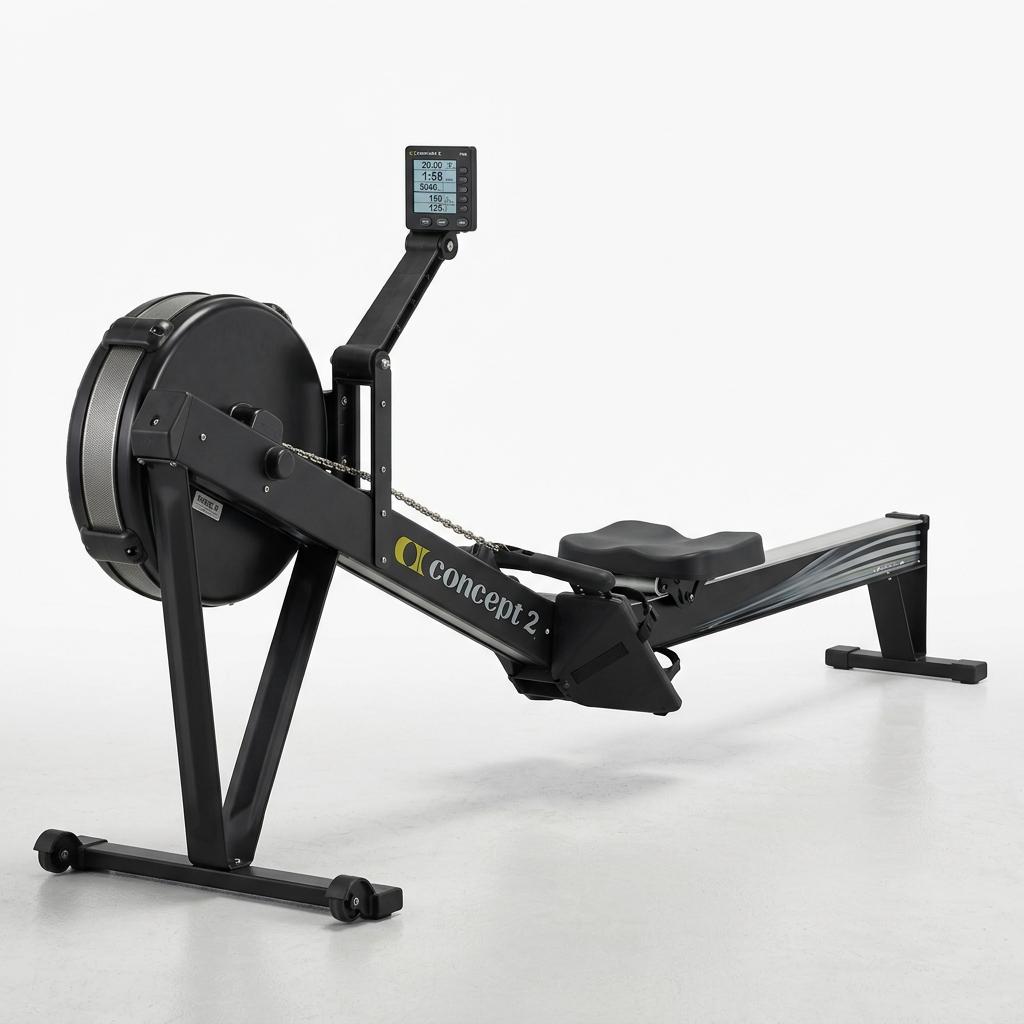 |
Concept2 Model D Indoor Rowing Machine | $945-$1,095 | Best Overall | Check Price |
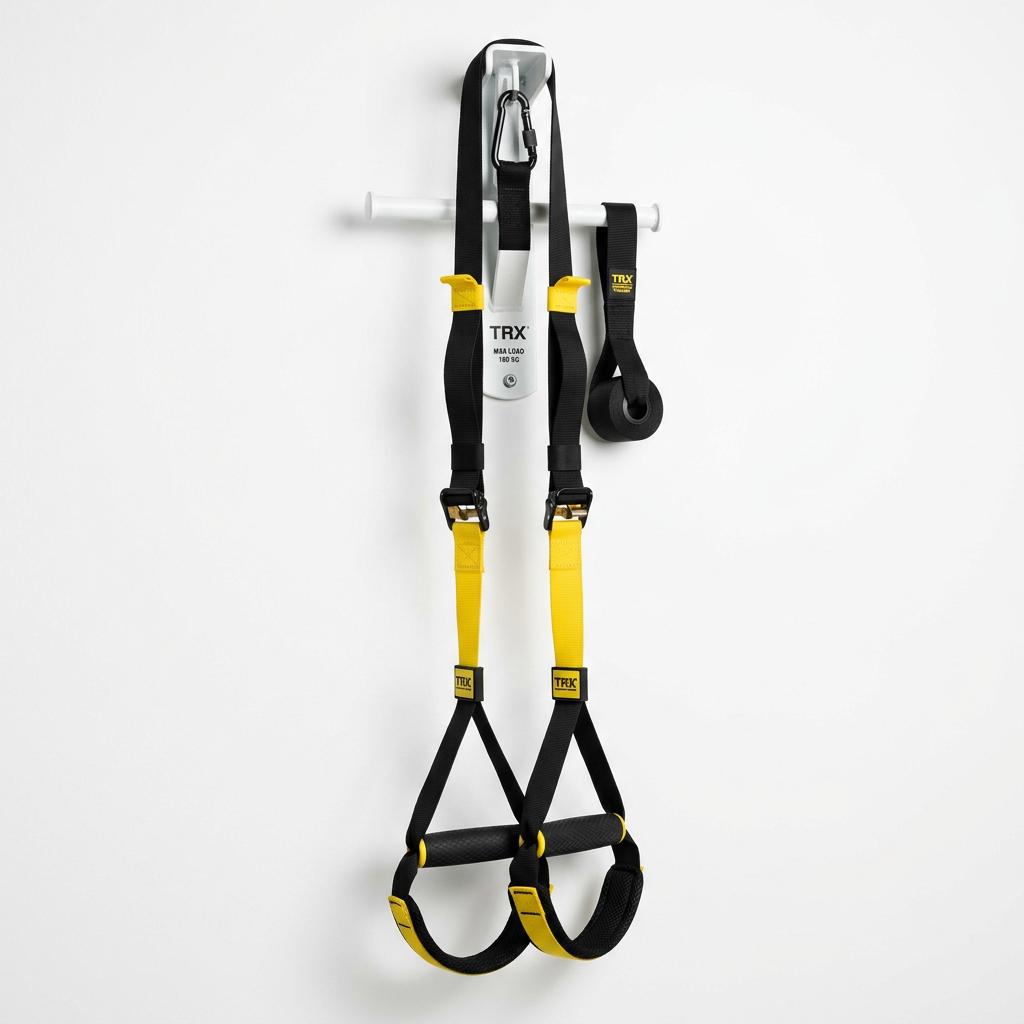 |
TRX GO Suspension Training Kit | $129-$159 | Best for Portability | Check Price |
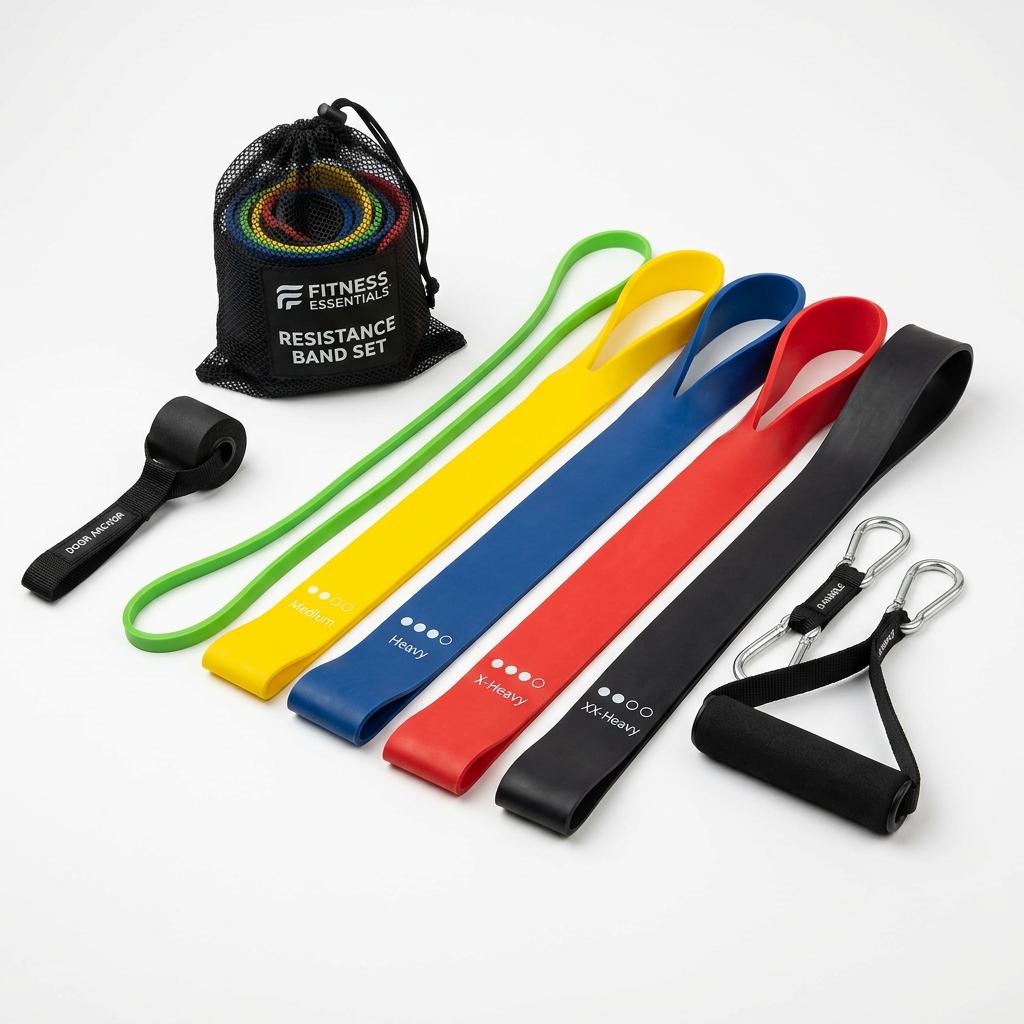 |
Fit Simplify Resistance Loop Bands | $8-$15 | Best Budget | Check Price |
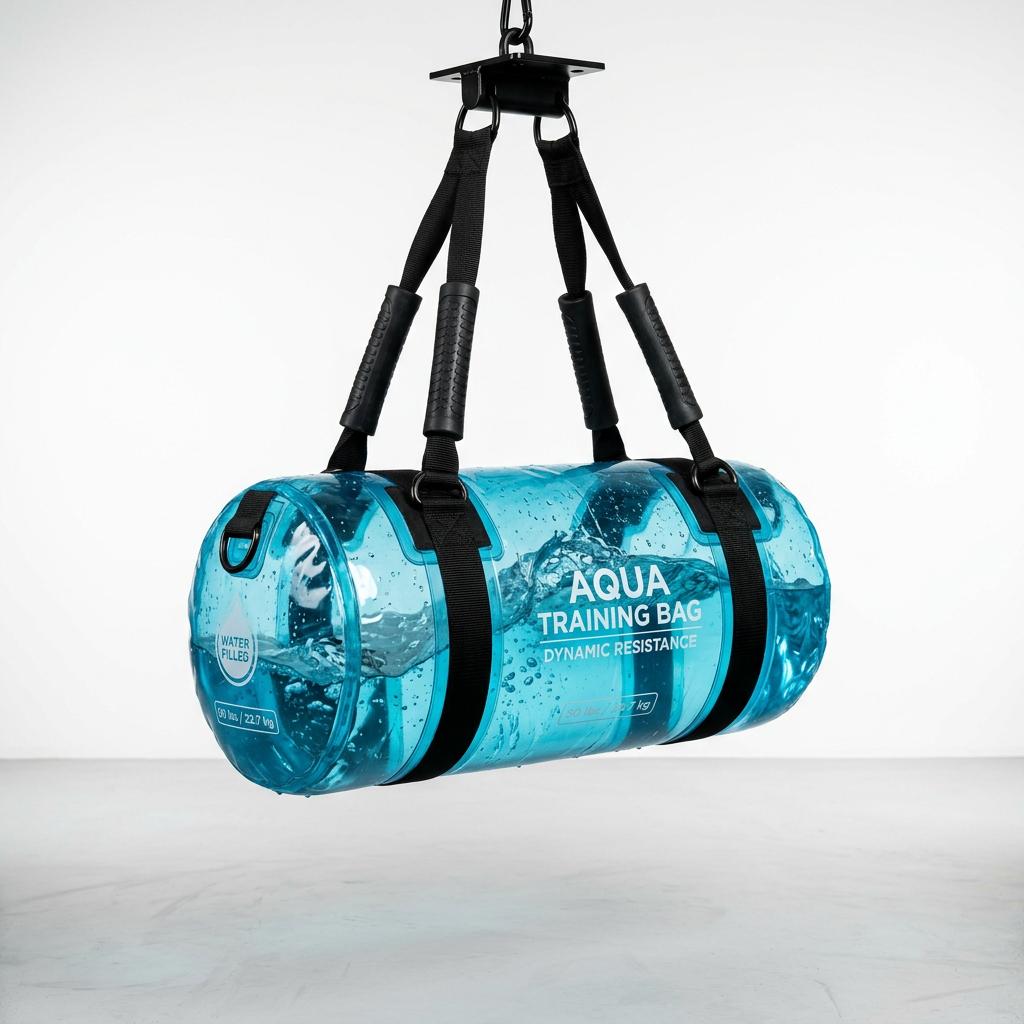 |
Aqua Training Bag (50 lbs) | $119-$149 | Best for Dynamic Resistance | Check Price |
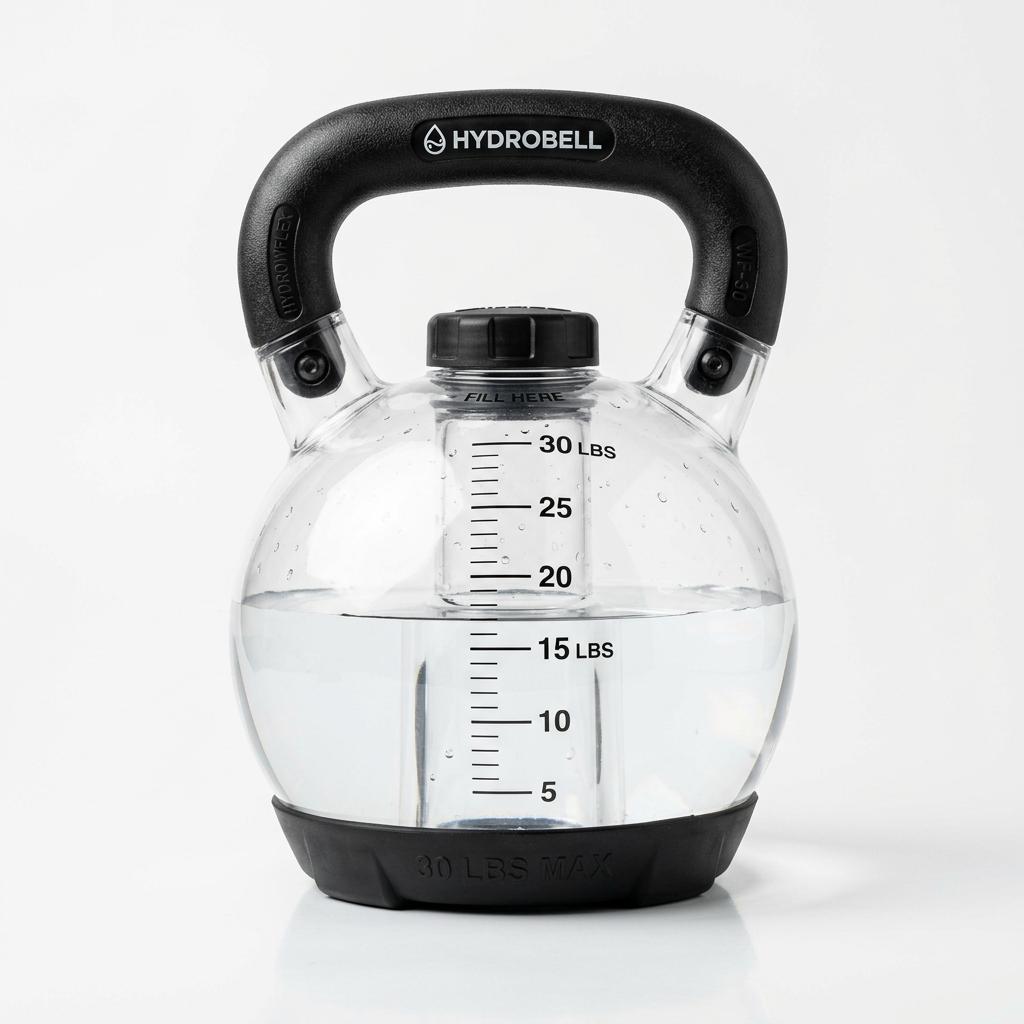 |
HydroBell Adjustable Water Kettlebell | $59-$79 | Most Versatile | Check Price |
The Concept2 Model D is the gold standard rowing machine that engages 86% of muscles for a true full-body swimming alternative workout.
A portable suspension trainer that replicates water's unstable resistance, engaging core muscles throughout every movement.
An ultra-affordable set of resistance bands perfect for swimming-specific strength training, warm-ups, and mobility exercises.
A water-filled training bag that creates dynamic, unstable resistance that closely mimics the feel of pushing against water.
A water-filled adjustable kettlebell that provides unstable, dynamic resistance ideal for building swim-specific strength and stability.
The Concept2 Model D is widely considered the best rowing machine ever made, and it's the closest you can get to a swimming workout on dry land. The rowing motion activates virtually the same muscle groups as swimming, engaging your legs, core, back, shoulders, and arms in a smooth, continuous stroke. The air-resistance flywheel responds naturally to your effort, the harder you pull, the more resistance you feel, just like water. The PM5 performance monitor is the industry benchmark for tracking splits, watts, and calories, and the active online community means you can compete in virtual races year-round. For swimmers seeking a land-based alternative, nothing else comes close.
Check Price on Amazon
The TRX GO suspension trainer is the most portable swimming alternative on the market, and it brings a unique benefit that other equipment can't match. Because you're constantly stabilizing against the suspended straps, your core works overtime on every exercise, much like the way water instability forces constant micro-adjustments while swimming. This instability training builds functional strength and balance that translates directly to better swimming performance. With the included door anchor, you can set up a full-body workout station in seconds, and the entire system weighs less than 2 pounds, making it perfect for travel. While it's more strength-oriented than pure cardio, TRX rounds out any swimmer's cross-training toolkit beautifully.
Check Price on Amazon
The Fit Simplify Resistance Loop Bands are the unsung heroes of swimming cross-training. These simple, colorful bands enable dozens of swimming-specific dryland exercises that target the exact muscles used in freestyle, backstroke, and butterfly. From band pull-aparts that strengthen your catch to shoulder external rotations that prevent swimmer's shoulder, these loops are an essential tool for any serious swimmer. At under $15 for a set of five resistance levels, they're also the most affordable swimming alternative you can buy. Use them for warm-ups before rowing sessions, cooldown stretches, or dedicated strength work on dryland days.
Check Price on Amazon
The Aqua Training Bag is one of the most innovative swimming alternatives we've encountered. Because it's filled with water rather than sand, the bag constantly shifts and moves with every strike, forcing your muscles to adapt on the fly, much like the way water resistance changes throughout a swimming stroke. This dynamic resistance engages stabilizer muscles that traditional weights completely miss, building functional strength that translates directly to the pool. The bag is surprisingly durable and the weight is easily adjustable by adding or draining water. While you'll need a solid mount point, the training experience is unlike anything else and delivers a fantastic upper body and core workout.
Check Price on Amazon
The HydroBell Adjustable Water Kettlebell brings the principles of aquatic resistance to dryland training in a compact, versatile package. Unlike traditional kettlebells with static weight, the HydroBell's water fill shifts and flows with every movement, forcing your core and stabilizer muscles to work continuously to maintain control. This dynamic resistance closely mimics the unstable environment of water and builds the kind of functional strength that transfers directly to swimming performance. The adjustable weight range from 5 to 30 pounds makes it suitable for everything from rehabilitation exercises to high-intensity interval training. For swimmers looking to build strength without losing that water-like feel, the HydroBell is a smart, space-efficient addition to any home gym.
Check Price on Amazon