Rowing & Bike Resistance Types: Air vs. Magnetic vs. Water Explained
Technical comparison of air, magnetic, and water resistance systems for rowing machines and stationary bikes. Noise, fee...
Research-backed analysis from SnugGym about Best Quiet Hiit Workout.
In This Article:
High-intensity interval training has earned its reputation as one of the most time-efficient and metabolically effective exercise modalities available. By alternating short bursts of near-maximal effort with brief recovery periods, HIIT produces cardiovascular adaptations, caloric expenditure, and metabolic disruption that would require significantly longer steady-state sessions to match. The problem for home gym owners, particularly those in apartments, townhomes, or houses with sleeping family members, is that traditional HIIT is loud.
Jumping exercises — box jumps, jump squats, burpees, jumping jacks — generate impact forces that transfer through flooring as structure-borne noise. A 180-pound person performing a box jump creates impact forces exceeding 3–4 times body weight, sending vibrations through floor joists that can be heard and felt rooms away. Treadmill sprint intervals produce foot strike noise and motor hum. Medicine ball slams, battle ropes, and even rapid footwork on hard surfaces all contribute to a noise profile that can disturb neighbors, wake children, or create household conflict.
The good news is that HIIT effectiveness is determined by intensity — the degree of physiological challenge — not by impact or noise. You can achieve identical cardiovascular and metabolic responses through low-impact exercise modalities that generate minimal noise. This guide provides comprehensive protocols for high-intensity training that respects shared walls, sleeping households, and noise-sensitive environments.
Research confirms that low-impact HIIT protocols produce adaptations comparable to high-impact alternatives when intensity is matched. A landmark 2016 study published in the Journal of Physiology demonstrated that low-impact cycling HIIT (4 × 4-minute intervals at 90–95% maximum heart rate) produced identical improvements in VO2 max, insulin sensitivity, and mitochondrial function compared to high-impact running intervals at the same heart rate targets.
The key variable is intensity, not impact. Your cardiovascular system responds to the oxygen and energy demands placed upon it — it does not distinguish between the metabolic stress of sprinting and the metabolic stress of cycling or rowing at equivalent heart rates. The critical requirement is driving your heart rate into the appropriate training zones (typically 80–95% of maximum heart rate during work intervals) and maintaining that intensity for the prescribed duration.
Low-impact HIIT offers additional benefits beyond noise reduction:
Reduced joint stress — Eliminating plyometric impact forces reduces cumulative stress on knees, hips, and ankles. This allows higher training frequencies and reduces injury risk, particularly for trainees over 35 or those with existing joint concerns.
Better recovery between sessions — Lower mechanical stress means less muscle damage and faster recovery, enabling more frequent HIIT sessions without overreaching.
Sustainable long-term programming — The reduced injury risk and recovery demands make low-impact HIIT more sustainable across months and years of training.
The structure of work-to-rest intervals defines the HIIT experience and determines the physiological adaptations stimulated. Here are proven protocols adaptable to low-impact, quiet execution:
Tabata Protocol (20/10) — 20 seconds of maximal effort followed by 10 seconds of complete rest, repeated for 8 rounds (4 minutes total). This classic protocol produces exceptional anaerobic and aerobic adaptations but is brutally intense. Best for advanced trainees with high pain tolerance.
Standard HIIT (30/30) — 30 seconds of hard effort at 85–90% maximum heart rate followed by 30 seconds of active recovery. Repeat for 10–20 rounds. This is the most accessible entry point for HIIT newcomers — long enough work periods to find a rhythm, equal rest periods to maintain quality.
Threshold Intervals (40/20) — 40 seconds of sustained effort at 80–85% maximum heart rate followed by 20 seconds of recovery. The longer work period emphasizes lactate threshold development and muscular endurance. Excellent for intermediate and advanced trainees.
Long Intervals (60/60) — 1 minute of hard effort followed by 1 minute of recovery, repeated 8–12 times. This protocol emphasizes aerobic power and VO2 max development. The 1:1 work-to-rest ratio allows partial recovery between efforts, maintaining intensity across all intervals.
Pyramid Protocol — Work intervals increase then decrease in duration: 20s work/10s rest, 30s/15s, 40s/20s, 50s/25s, 60s/30s, then back down. Total session time 12–15 minutes. The progressive structure helps with mental engagement.
These exercises generate high cardiovascular and muscular demand without impact noise:
Squat to Toe Reach — Stand with feet shoulder-width apart. Squat until thighs reach parallel, then stand and raise one leg while reaching the opposite hand toward the toe. Alternate legs. This combines lower-body strength with balance challenge and core activation. Perform at controlled speed to minimize any foot slap.
Step-Back Lunges — Step backward into a reverse lunge, lowering the back knee toward the ground, then return to standing. Alternate legs. Reverse lunges generate significantly less noise than forward lunges or jump lunges while delivering comparable muscular demand. The key is controlled, quiet foot placement.
Inchworms — From standing, hinge at the hips to place hands on the floor, walk hands forward to a plank position, perform one push-up, walk hands back, and stand. This provides full-body engagement with zero impact.
Plank Shoulder Taps — In a high plank position, alternately tap each hand to the opposite shoulder while maintaining stable hips. The anti-rotation demand creates significant core activation at moderate cardiovascular intensity.
Glute Bridges — Lie on your back with knees bent and feet flat. Lift hips until body forms a straight line from shoulders to knees, squeeze glutes at the top, and lower with control. For increased intensity, perform single-leg variations or add a resistance band.
Bird Dogs — From a hands-and-knees position, simultaneously extend one arm forward and the opposite leg backward, hold for a moment, and return. Alternate sides. This provides core stability challenge with minimal noise.
Slow Mountain Climbers — From a plank position, bring one knee toward the chest at a controlled pace, return, and alternate. The controlled tempo eliminates the foot-slap of traditional fast mountain climbers while maintaining continuous core and hip flexor engagement.
Standing March with High Knee Drive — March in place driving knees toward chest while swinging arms. Unlike high-impact high knees, the controlled march eliminates landing noise while maintaining substantial cardiovascular demand when performed at brisk tempo.
Adding simple equipment dramatically expands quiet HIIT exercise options:
Resistance Band Exercises:
Dumbbell Exercises (light-to-moderate weights):
Kettlebell Exercises:
Stationary Bike (if available):
Beyond exercise selection, additional strategies minimize training noise:
Rubber gym flooring — 3/8" to 3/4" rubber flooring absorbs impact and structure-borne vibration. High-density rubber (virgin or recycled) provides better sound dampening than foam tiles. Cover the entire training area, not just equipment zones.
Training location — Ground-floor rooms transmit less vibration than upper floors. Basements with concrete floors and underground walls are ideal. If you must train upstairs, position your training area over load-bearing walls rather than open spans.
Time of day — Train during hours when noise sensitivity is lowest. Midday and early evening are typically more forgiving than early morning or late night. Communicate with neighbors about your training schedule if possible.
Controlled movement tempo — The speed at which you lower into and rise from exercises affects noise generation. Emphasize the eccentric (lowering) phase with 2–3 second durations — this actually increases muscular demand while reducing noise.
Soft footwear — Barefoot or minimalist shoes on rubber flooring generate less noise than rigid-soled training shoes on hard surfaces. Avoid shoes with hard plastic heel counters that can click on the floor.
Door and window sealing — Weatherstripping around doors and acoustic seals around windows reduce noise transmission to adjacent spaces and outdoors. Heavy curtains over windows provide additional sound absorption.
Protocol: 30 seconds work / 15 seconds rest / 2 rounds
| Exercise | Focus |
|---|---|
| Squat to Toe Reach | Lower body + balance |
| Step-Back Lunges (alternate) | Lower body strength |
| Plank Shoulder Taps | Core stability |
| Glute Bridges | Posterior chain |
| Inchworms | Full body mobility |
| Standing March (high knees, brisk) | Cardiovascular drive |
| Slow Mountain Climbers | Core + hip flexors |
| Bird Dogs | Core stability |
Instructions: Perform each exercise for 30 seconds at maximum sustainable intensity. Rest 15 seconds between exercises. Complete 2 full rounds. Total time: 10 minutes (including rests). Warm up 3–5 minutes beforehand with light marching and dynamic stretching.
Protocol: 40 seconds work / 20 seconds rest / 3 rounds
| Exercise | Focus |
|---|---|
| Dumbbell Thrusters (light dumbbells) | Full body power |
| Renegade Rows (moderate dumbbells) | Upper body + core |
| Goblet Squats | Lower body strength |
| Plank Shoulder Taps | Core anti-rotation |
| Step-Back Lunges with Rotation | Lower body + thoracic |
| Band Pull-Aparts | Postural upper back |
Instructions: 40 seconds of work at 85% perceived effort, 20 seconds of rest. Complete 3 rounds with 60 seconds rest between rounds. If you do not have dumbbells or bands, substitute bodyweight squats, inchworms, and glute bridges. Total time: approximately 20 minutes including warm-up.
Protocol: 60 seconds work / 30 seconds rest / 3 rounds
| Exercise | Focus |
|---|---|
| Kettlebell Swings (controlled) | Posterior chain power |
| Goblet Squats | Quad-dominant strength |
| Single-Arm Dumbbell Snatch | Full body explosive |
| Pallof Press (band) | Core anti-rotation |
| Farmer's Carries (in-place march) | Grip + total body tension |
| Glute Bridge Walkouts | Posterior chain + core |
| Standing Band Rows | Upper body pulling |
| Bird Dogs | Core stability |
Instructions: 60 seconds of work at 80–85% effort — sustainable across all intervals. 30 seconds of rest between exercises. Complete 3 rounds with 90 seconds rest between rounds. This longer format emphasizes work capacity and metabolic conditioning over pure power output. Total time: approximately 30 minutes.
Objective tracking ensures your quiet HIIT sessions are genuinely producing adaptations:
Heart rate monitoring — A chest strap HRM or quality wrist-based monitor confirms you are reaching target intensity zones. During work intervals, aim for 80–95% of maximum heart rate (220 minus age). During recovery intervals, heart rate should drop to 60–70% maximum.
Rate of perceived exertion (RPE) — Use the 1–10 Borg scale. Work intervals should feel like 8–9/10 (hard to very hard). If you can hold a conversation during work intervals, intensity is too low.
Rep counting — For bodyweight exercises, track reps completed per interval. Progressive improvement (more reps in the same time at the same RPE) indicates fitness gains.
Recovery heart rate — Measure how quickly your heart rate drops in the first 60 seconds after the final interval. Faster recovery indicates improved cardiovascular fitness. Track this metric week-to-week.
Session density — As fitness improves, you can increase work-to-rest ratios (from 1:1 to 2:1), add rounds, or include more challenging exercise variations while maintaining the same work duration.
Beginner (0–6 months of regular training):
Intermediate (6–18 months of regular training):
Advanced (18+ months of regular training):
Quiet HIIT is not a compromise — it is a strategic adaptation that maintains all the physiological benefits of high-intensity interval training while eliminating the noise, impact, and household disruption of traditional plyometric-based protocols. The key insight is that intensity drives adaptation, not impact. By selecting appropriate exercises, controlling movement tempo, using timing protocols that sustain elevated heart rates, and implementing noise-reduction strategies, you can train at genuinely high intensity without waking the household or antagonizing neighbors.
Start with the 10-minute protocol and progress systematically through the 20- and 30-minute workouts as fitness improves. Track your heart rate and RPE to ensure intensity remains high enough to drive adaptation. With consistent application, quiet HIIT delivers results comparable to any high-impact alternative — while keeping the peace in your home and neighborhood.
FTC Disclosure: This article contains affiliate links. If you purchase through these links, we may earn a commission at no additional cost to you. Our recommendations are based on independent research and editorial judgment.
Evidence Mode: Research-Backed
Written by the SnugGym Editorial Team
| Image | Product | Price | Badge | Link |
|---|---|---|---|---|
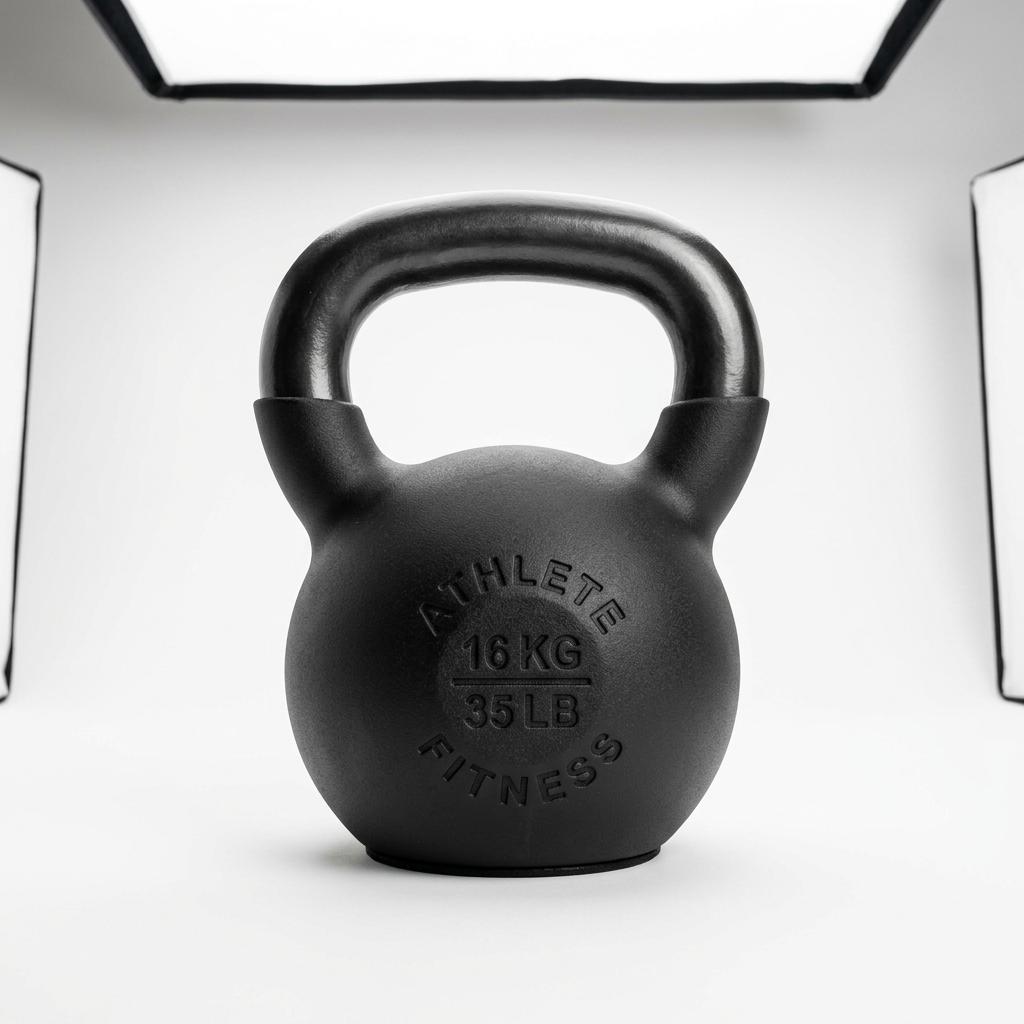 |
Yes4All Vinyl Coated Kettlebell | $25-$60 | Best Overall | Check Price |
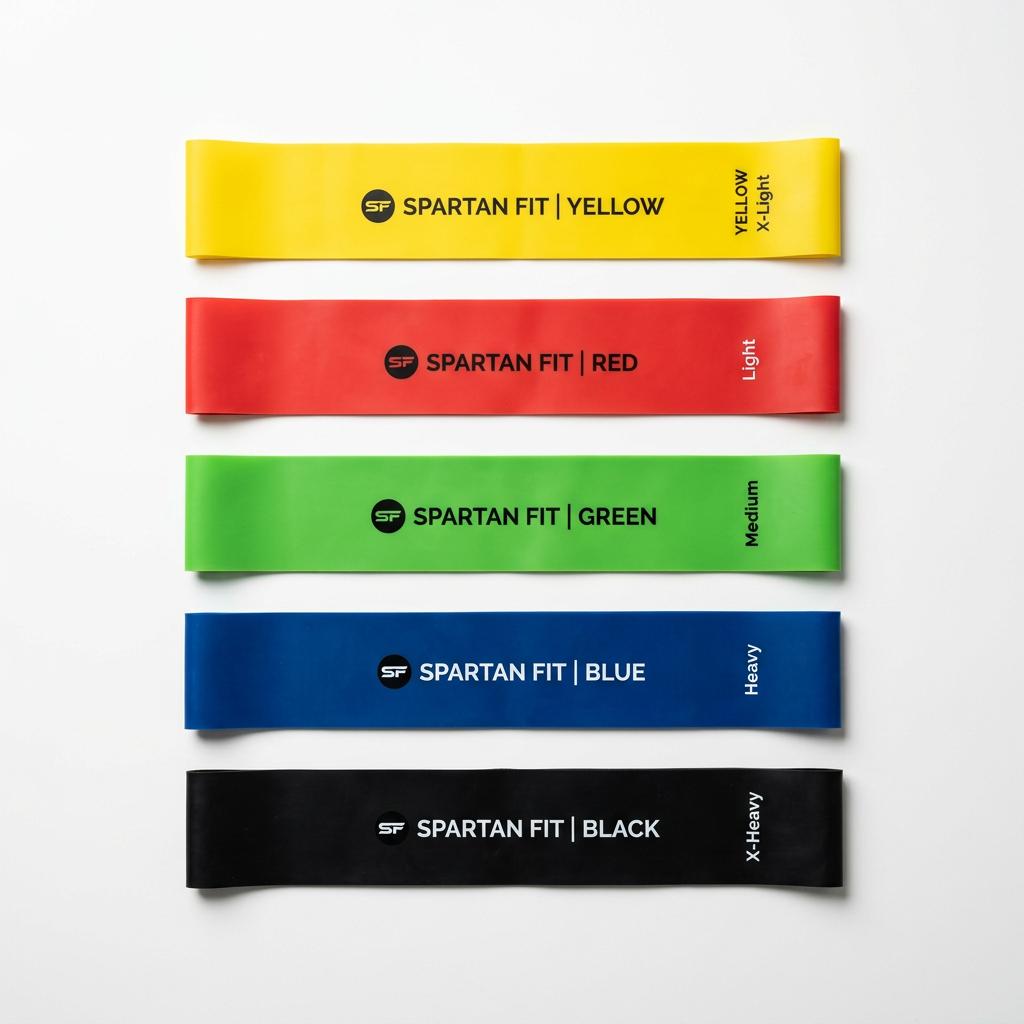 |
Fit Simplify Resistance Loop Exercise Bands | $8-$15 | Best Budget | Check Price |
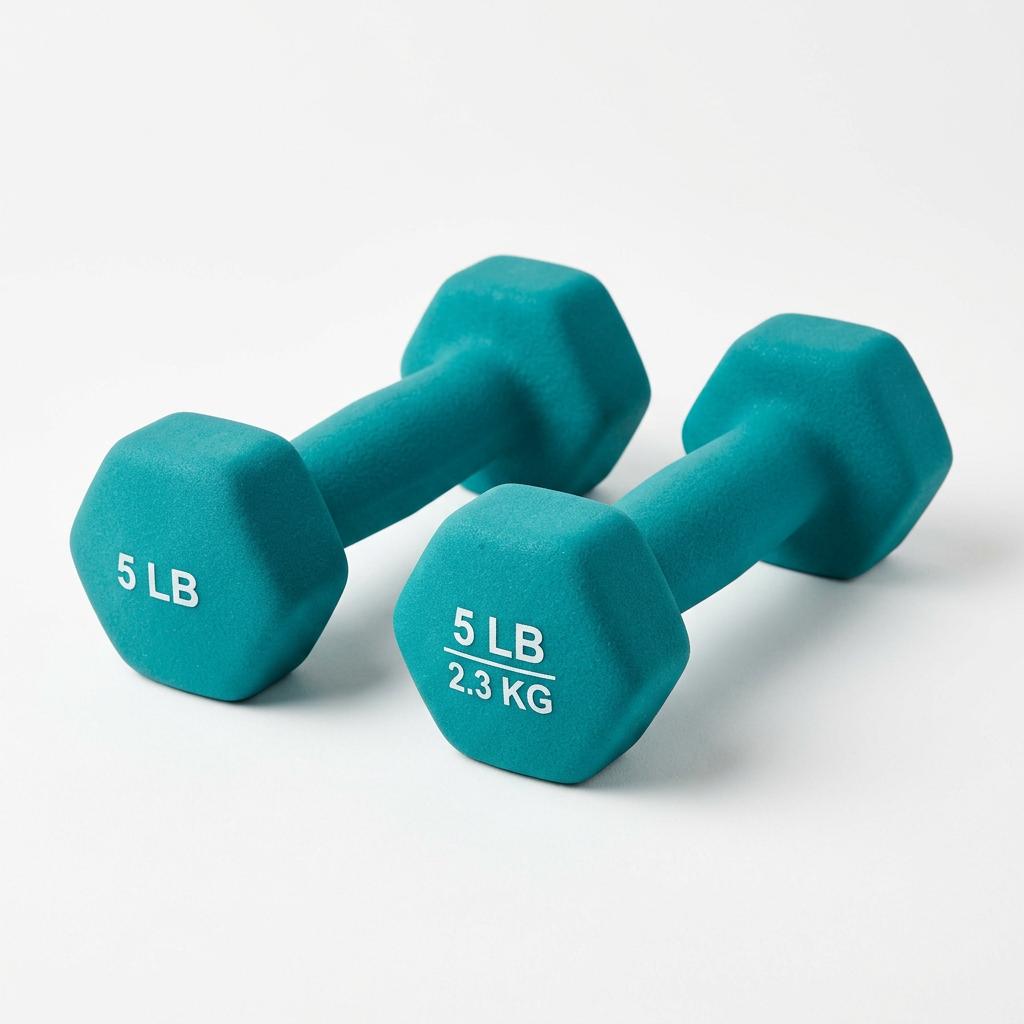 |
Amazon Basics Neoprene Dumbbell Pairs | $25-$50 | Most Versatile | Check Price |
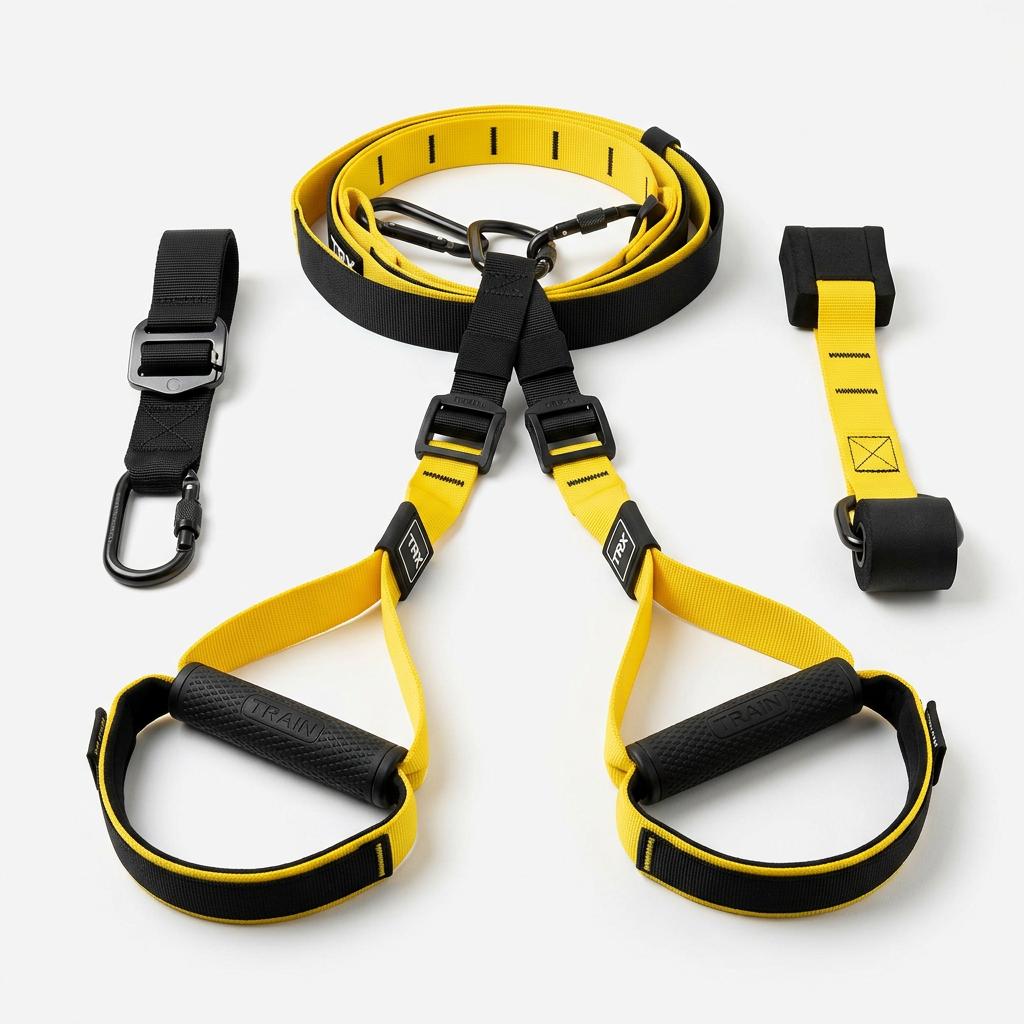 |
TRX GO Suspension Trainer System | $99-$129 | Best Bodyweight | Check Price |
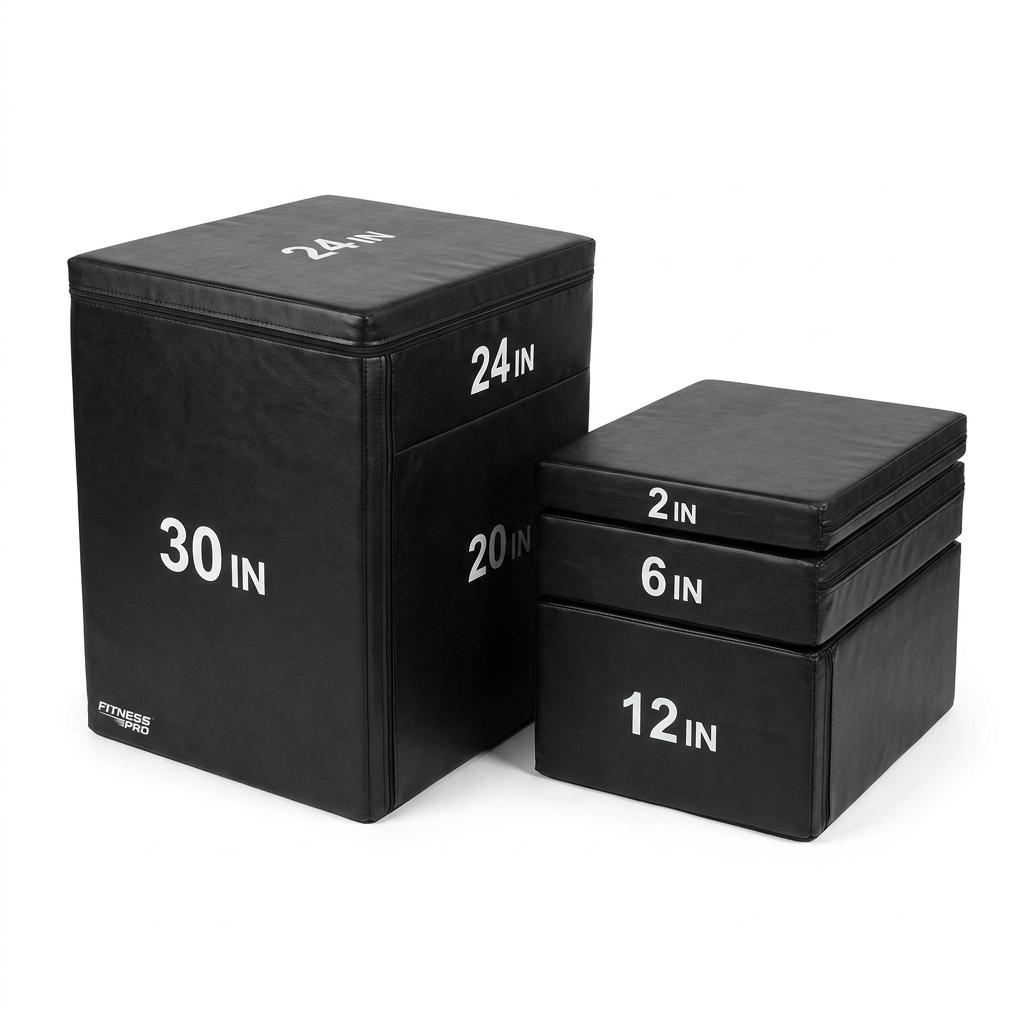 |
RitFit Adjustable Soft Plyometric Box | $70-$120 | Best for Low Impact | Check Price |
The ultimate quiet HIIT tool, enabling explosive full-body movements that drive heart rate into training zones without any impact noise.
The most affordable way to add scalable resistance to quiet HIIT workouts, with five bands providing progressive challenge as fitness improves.
Quiet, floor-friendly dumbbells that enable the compound exercises essential for effective low-impact HIIT circuits in any apartment.
A portable suspension training system that transforms any door into a full gym, enabling challenging HIIT workouts with zero noise and zero equipment storage.
A foam plyo box that enables elevated exercises and controlled step-ups for HIIT circuits while absorbing impact noise that would disturb neighbors.
The Yes4All Vinyl Coated Kettlebell is the cornerstone of any quiet HIIT program. Kettlebell swings, when performed with controlled technique, generate virtually no noise while delivering one of the most metabolically demanding exercises available. The vinyl coating prevents floor damage during controlled lowering, and the wide flat base ensures the kettlebell stays put between sets. A 25-to-35-pound kettlebell is sufficient for most trainees to perform swings, goblet squats, halos, and Turkish get-ups in circuit format, creating HIIT sessions that challenge the cardiovascular system as effectively as any plyometric routine, all without disturbing neighbors.
Check Price on Amazon
Fit Simplify Resistance Loop Bands deliver exceptional value for quiet HIIT training. These five latex bands, ranging from extra-light to extra-heavy resistance, enable hundreds of exercise variations that can be performed in circuit format for cardiovascular benefit. Band-resisted squats, lateral walks, glute bridges, and push-ups create muscular demand that elevates heart rate without any noise generation. The bands roll up to pocket size for storage and travel, making them the most space-efficient HIIT equipment available. For beginners building a home gym on a budget, these bands are the ideal starting point for effective quiet interval training.
Check Price on Amazon
Amazon Basics Neoprene Dumbbells are the workhorse of quiet HIIT training. Their hexagonal design prevents the annoying rolling and clanking of round dumbbells, while the neoprene coating absorbs impact noise when placed on floors. For HIIT circuits, a pair of 10-to-20-pound dumbbells enables dumbbell thrusters, renegade rows, goblet squats, and alternating snatches, all exercises that drive heart rate into the 80-to-90-percent zone without jumping or loud impacts. The progressive weight options allow trainees to increase load as fitness improves, making these dumbbells a long-term investment in quiet home fitness.
Check Price on Amazon
The TRX GO Suspension Trainer is the most versatile quiet HIIT tool available. By leveraging bodyweight against gravity, it creates resistance that can be adjusted instantly by changing body angle. TRX squats, rows, chest presses, and mountain climbers flow together in seamless circuits that elevate heart rate while generating virtually no noise. The included door anchor attaches securely to any standard door, and the entire system packs into a pouch smaller than a paperback book. For apartment dwellers who want gym-quality HIIT without the space commitment, the TRX GO is an outstanding solution.
Check Price on Amazon
The RitFit Adjustable Soft Plyo Box solves the noise problem of traditional plyometric training. Unlike wooden boxes that create loud thuds on landing, the dense foam core absorbs impact forces silently. The three-in-one design provides 16, 20, and 24-inch height options, enabling progressive challenge for step-ups, box squats, and Bulgarian split squats. While not suitable for high-impact box jumps in apartments, it excels at controlled step-up variations that build cardiovascular fitness and leg strength without noise. The durable vinyl cover resists wear and cleans easily after sweaty sessions.
Check Price on Amazon