Rowing & Bike Resistance Types: Air vs. Magnetic vs. Water Explained
Technical comparison of air, magnetic, and water resistance systems for rowing machines and stationary bikes. Noise, fee...
SnugGym is an Amazon Associate. We earn from qualifying purchases at no extra cost to you. Learn more
A comprehensive guide to choosing footwear that minimizes noise during home workouts, covering barefoot training, minimalist shoes, cross-training shoes, deadlift slippers, and shoe recommendations by exercise type.
SnugGym is reader-supported. When you buy through links on our site, we may earn an affiliate commission at no extra cost to you.
Footwear choice significantly impacts home gym noise levels—yet most athletes select shoes based on performance features without considering acoustic consequences. A traditional running shoe with thick EVA foam midsole generates markedly different noise signatures than a minimalist shoe or bare foot, particularly on hard flooring surfaces common in home gyms.
This guide examines how footwear affects workout noise, identifies the quietest options by exercise category, and provides actionable recommendations for home gym owners who share walls, floors, or ceilings with noise-sensitive neighbors.
Understanding noise sources enables informed footwear selection:
| Noise Source | Cause | Primary Factor | Typical dB Level |
|---|---|---|---|
| Impact slap | Foot striking floor | Sole hardness and tread pattern | 50--70 dB |
| Squeak | Friction between sole and floor | Rubber compound; floor material | 45--65 dB |
| Compression pop | Midsole air pockets collapsing | Foam density and construction | 40--55 dB |
| Lateral slide | Direction changes on smooth floors | Tread pattern; floor surface | 35--50 dB |
| Equipment contact | Shoe hitting equipment | Shoe shape and protection | 45--60 dB |
Impact slap—the sound of foot meeting floor—represents the dominant noise source for most home gym activities. This sound transmits through floor structures as both airborne noise (the sound you hear) and structure-borne vibration (what neighbors below feel). The key variable is sole material and thickness: softer, thinner soles compress on impact, extending deceleration time and reducing peak force—the same physics that makes running on sand quieter than running on concrete.
Training without footwear eliminates shoe-generated noise entirely, reducing impact sounds to the minimum physically possible for a given movement. Barefoot training also provides proprioceptive benefits: direct foot-floor contact enhances balance feedback and activates intrinsic foot muscles that shoes typically immobilize.
Noise reduction: Barefoot training reduces impact noise by 40--60% compared to cushioned running shoes on hard flooring, and by 20--35% compared to cross-training shoes. The foot's natural arch and heel fat pad provide organic shock absorption that, while less protective than foam for high impacts, spreads force over time rather than creating sharp peaks.
Best exercises for barefoot training:
| Exercise Category | Barefoot Suitability | Notes |
|---|---|---|
| Deadlifts | Excellent | Preferred by most strength coaches; maximizes force transfer |
| Squats (bodyweight) | Excellent | Enhances balance and foot engagement |
| Squats (loaded) | Good | Use caution above 1.5x bodyweight; consider shoes for spinal loading |
| Yoga and stretching | Excellent | Standard practice; grip mats better than shoes |
| Plyometrics (low) | Good | Box steps, controlled jumps; avoid repeated high impacts |
| Plyometrics (high) | Fair | Depth jumps, repeated bounding—risk without cushioning |
| Treadmill walking | Good | Low impact; natural gait |
| Treadmill running | Fair-Poor | High repetition impact accumulates without protection |
Barefoot training considerations:
The transition to barefoot training requires gradual adaptation. Feet accustomed to shoe support have weakened intrinsic muscles and reduced ankle mobility. Begin with 10--15 minutes of barefoot movement daily, progressing volume by no more than 10% weekly. Expect 4--8 weeks for full adaptation.
Hard home gym flooring (concrete, plywood, tile) increases barefoot impact compared to rubber gym flooring. Barefoot training on unprotected concrete risks bruising and, with repetition, stress reactions in the metatarsals. Minimum flooring: 3/8" rubber stall mats or EVA foam tiles.
Minimalist shoes provide a protective barrier while maintaining the low-profile, flexible characteristics that reduce noise. Defined by three features—zero heel-to-toe drop, thin flexible soles (under 10mm), and no arch support or motion control—minimalist shoes split the difference between barefoot and conventional footwear.
Noise characteristics:
Minimalist shoes reduce impact noise by 25--45% versus traditional training shoes. The thin sole (typically 3--8mm) compresses minimally, eliminating the "compression pop" of thick midsoles. Flexible soles allow natural foot deformation on landing, spreading impact over time rather than creating a single sharp peak.
Top minimalist options for home gyms:
| Shoe | Sole Thickness | Drop | Best Use | Noise Level |
|---|---|---|---|---|
| Vibram FiveFingers V-Train | 4mm | 0mm | Strength training; balance work | Very low |
| Xero Shoes HFS | 6.5mm | 0mm | Mixed training; light cardio | Low |
| Merrell Vapor Glove | 6mm | 0mm | Gym training; outdoor transition | Low |
| Vivobarefoot Primus Lite | 4mm | 0mm | All-purpose training | Very low |
The Xero Shoes HFS offers the best balance of noise reduction, versatility, and durability for home gym use. The 6.5mm sole provides enough protection for plyometrics and light running while maintaining the ground feel and low noise that defines minimalist training.
As an Amazon Associate, we earn from qualifying purchases. Learn more
For workouts combining strength, plyometrics, and short cardio intervals, cross-training shoes provide versatility that minimalist shoes cannot match. Modern cross-trainers increasingly prioritize low-profile, dense midsoles that benefit both stability and noise reduction.
Noise-reducing features to seek:
The Nike Metcon 9 (and the broader Metcon line) represents the best noise-to-performance ratio for versatile home gym training. The Hyperlift heel—dense TPU wrapped in rubber—provides stable weightlifting support while creating less noise than compressible foam alternatives.
| Feature | Noise Impact |
|---|---|
| 4mm drop | Lower impact force than 10mm+ running shoes |
| Rubber outsole wrap | Quieter floor contact than foam-exposed designs |
| Firm React foam | Minimal compression noise |
| Rope guard (TPU) | Prevents shoe damage that creates irregular noise |
The Nike Metcon 9 is the default recommendation for users who do mixed-modality training and want performance without excessive noise.
For pure strength training, dedicated weightlifting shoes provide the most stable platform while generating moderate noise levels.
Weightlifting shoes (Nike Romaleos, Adidas Adipower) feature elevated heels (0.75"), rigid TPU heels, and flat rubber outsoles. The rigid construction eliminates compression noise entirely—the shoe doesn't deform under load. However, the hard heel can create sharp impact sounds during walking between exercises.
Noise rating: Low during lifts; moderate during movement
Purpose-built deadlift slippers—thin fabric or leather soles with minimal cushioning—represent the quietest specialized footwear for home gyms. Used primarily for deadlifts (where proximity to the floor maximizes force transfer), they can serve any ground-based exercise.
| Feature | Benefit |
|---|---|
| 2--3mm sole | Minimal noise generation |
| Ankle height | Doesn't restrict ankle dorsiflexion |
| Lightweight | No foot fatigue during high-volume sessions |
| Inexpensive | $15--$30 vs. $100+ for training shoes |
The Deadlift Slippers by Nordic Lifting provide adequate foot protection for deadlifts and other floor-based strength work at minimal cost and noise.
As an Amazon Associate, we earn from qualifying purchases. Learn more
| Sole Category | Thickness | Drop | Impact Noise | Squeak Risk | Best For |
|---|---|---|---|---|---|
| Barefoot | N/A | 0mm | Lowest | None | Strength; balance; low-impact |
| Minimalist | 3--8mm | 0mm | Very low | Very low | Mixed training; natural movement |
| Deadlift slipper | 2--3mm | 0mm | Very low | None | Deadlifts; ground-based work |
| Cross-training (firm) | 10--15mm | 4--6mm | Low | Low | Versatile home gym use |
| Cross-training (soft) | 15--20mm | 6--8mm | Moderate | Moderate | High-impact cardio |
| Running shoe | 25--35mm | 8--12mm | High | Moderate-High | Running only—not recommended for home gym |
Footwear noise doesn't exist in isolation—floor material dramatically amplifies or attenuates whatever the shoe produces:
| Floor Type | Barefoot Noise | Shoe Noise | Mitigation Strategy |
|---|---|---|---|
| Bare concrete | High impact | High | Minimum 3/4" rubber matting essential |
| Plywood/OSB | Moderate | Moderate | 3/8" rubber or dense foam overlay |
| Rubber flooring | Low | Low | Optimal; minimal additional measures |
| Carpet over pad | Very low | Low | Thickest shoes may catch on fibers |
| Tile | High | Very high | Critical to use rubber mats; reverb risk |
| Vinyl/LVP | Moderate | Moderate | Use indoor-training shoes only |
For noise-sensitive environments (apartments, shared walls, sleeping family members), proper flooring matters more than shoe selection. A running shoe on 1" rubber flooring generates less noise than a minimalist shoe on bare concrete.
| Workout Style | Primary Recommendation | Secondary Option | Noise Level |
|---|---|---|---|
| Strength-focused | Barefoot or deadlift slippers | Vivobarefoot Primus Lite | Very low |
| Mixed strength + HIIT | Xero Shoes HFS | Nike Metcon 9 | Low |
| Plyometrics emphasis | Nike Metcon 9 (firm sole) | Vivobarefoot Primus Lite (on rubber) | Low-Moderate |
| Treadmill/cardio | Minimalist (walking) | Dedicated treadmill shoes (running) | Moderate |
| Yoga/mobility | Barefoot | Yoga socks with grip dots | Very low |
| Jump rope | Barefoot (on mat) | Xero Shoes HFS | Low |
Go barefoot or minimal when:
Use shoes when:
Q: Do I need different shoes for different home gym activities? A: Ideally, yes. A two-shoe system—minimalist shoes for strength work and cross-trainers for mixed/HIIT sessions—covers most home gym needs at reasonable cost. Adding deadlift slippers for heavy pulling is inexpensive and optimizes that specific lift.
Q: Can shoe choice eliminate the need for soundproofing? A: No. Shoe choice is one component of a comprehensive noise management strategy. Proper flooring, equipment selection, and workout timing matter equally or more. Think of footwear as reducing noise at the source—not replacing structural soundproofing.
Q: Are there shoes specifically designed for quiet training? A: No major brand markets "quiet training shoes" as a category. However, the attributes that make shoes good for home gyms—low profile, firm soles, flat outsoles—are increasingly common in cross-training and minimalist categories. This guide identifies specific models that happen to perform well acoustically.
Q: Do insoles affect shoe noise? A: Yes. Aftermarket insoles—particularly gel or thick foam varieties—can increase compression noise significantly. If using insoles for orthotic support, choose low-profile, firm options rather than cushioned varieties. Cork or dense EVA insoles generate less noise than gel alternatives.
Q: How do I test my shoe noise? A: Perform 10 bodyweight squat jumps in your normal training shoes on your gym flooring. Have a partner listen from an adjacent room or floor below. Repeat with barefoot, minimalist shoes, and any alternatives you own. The difference is immediately apparent and guides informed selection.
For most home gym owners, the optimal footwear strategy combines:
This three-tier system provides appropriate footwear for every home gym scenario while keeping noise generation well below levels that disturb neighbors or household members. Combined with proper rubber flooring, thoughtful shoe selection eliminates footwear as a significant noise source in home gym environments.
| Image | Product | Price | Badge | Link |
|---|---|---|---|---|
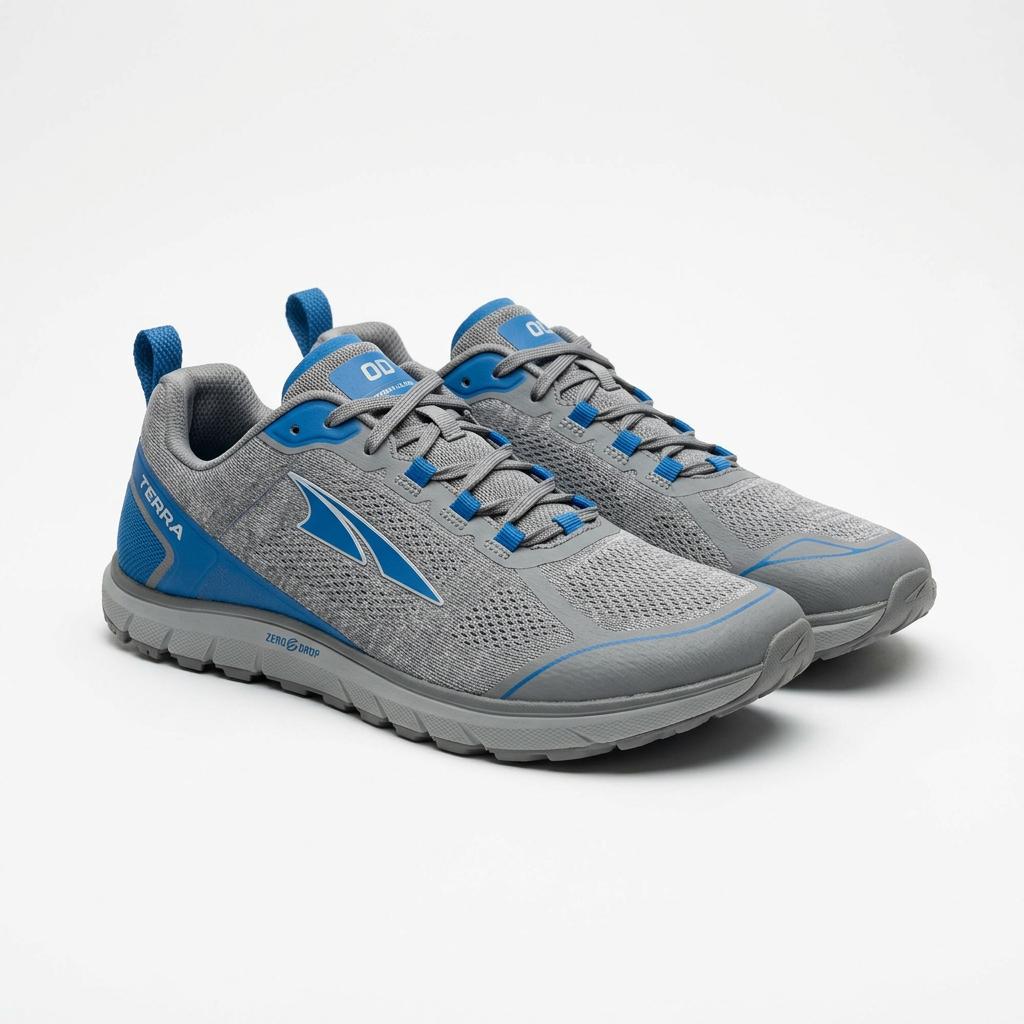 |
Xero Shoes HFS | $120-$140 | Best Overall | Check Price |
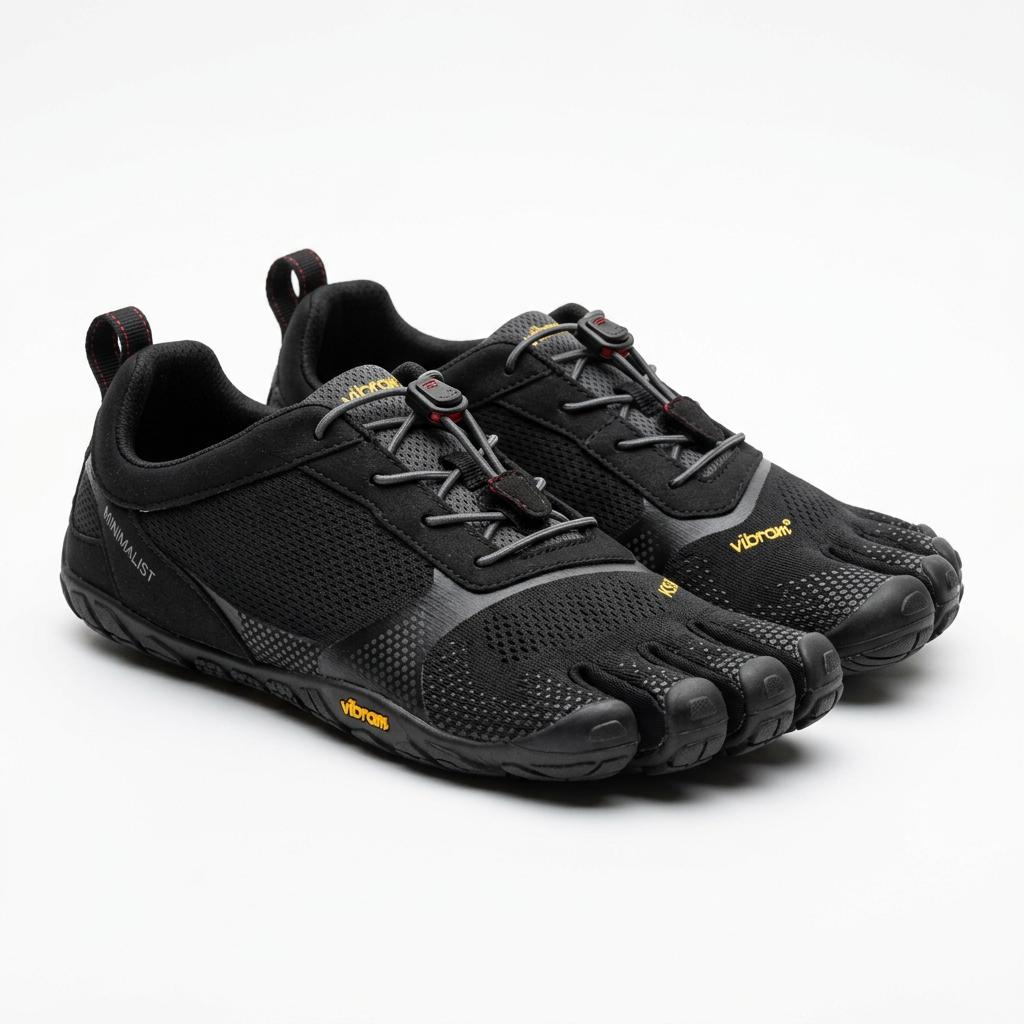 |
Vibram FiveFingers V-Train | $110-$140 | Best Barefoot Feel | Check Price |
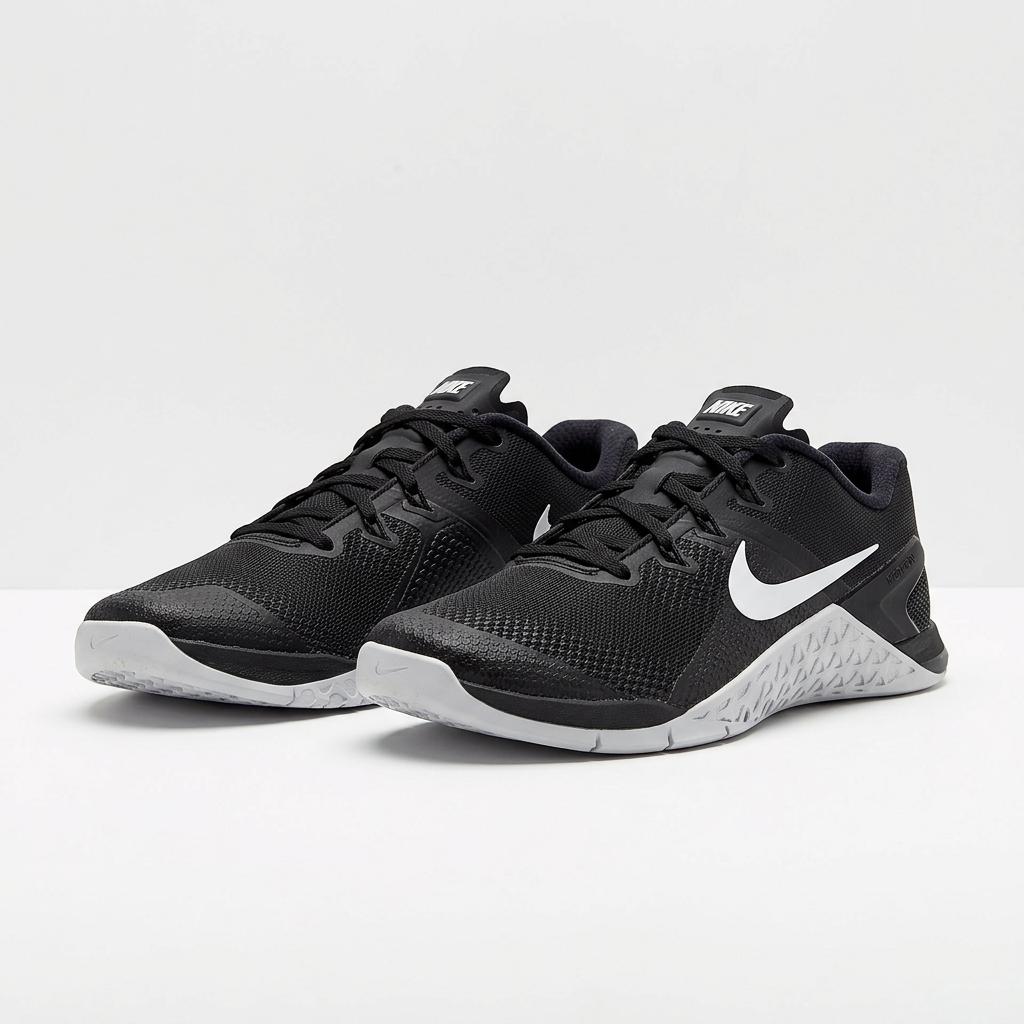 |
Nike Metcon 9 | $130-$160 | Best for Mixed Training | Check Price |
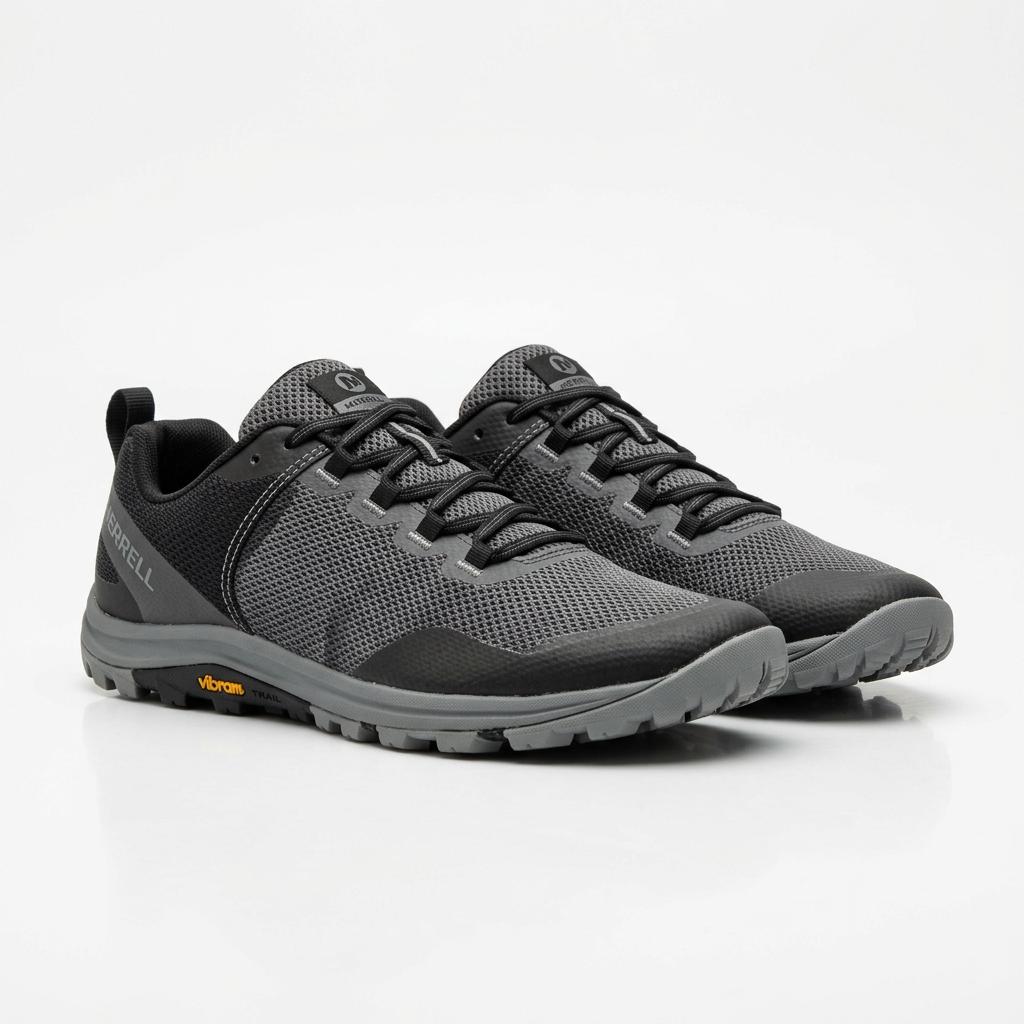 |
Merrell Vapor Glove 5 | $90-$120 | Best for Transition | Check Price |
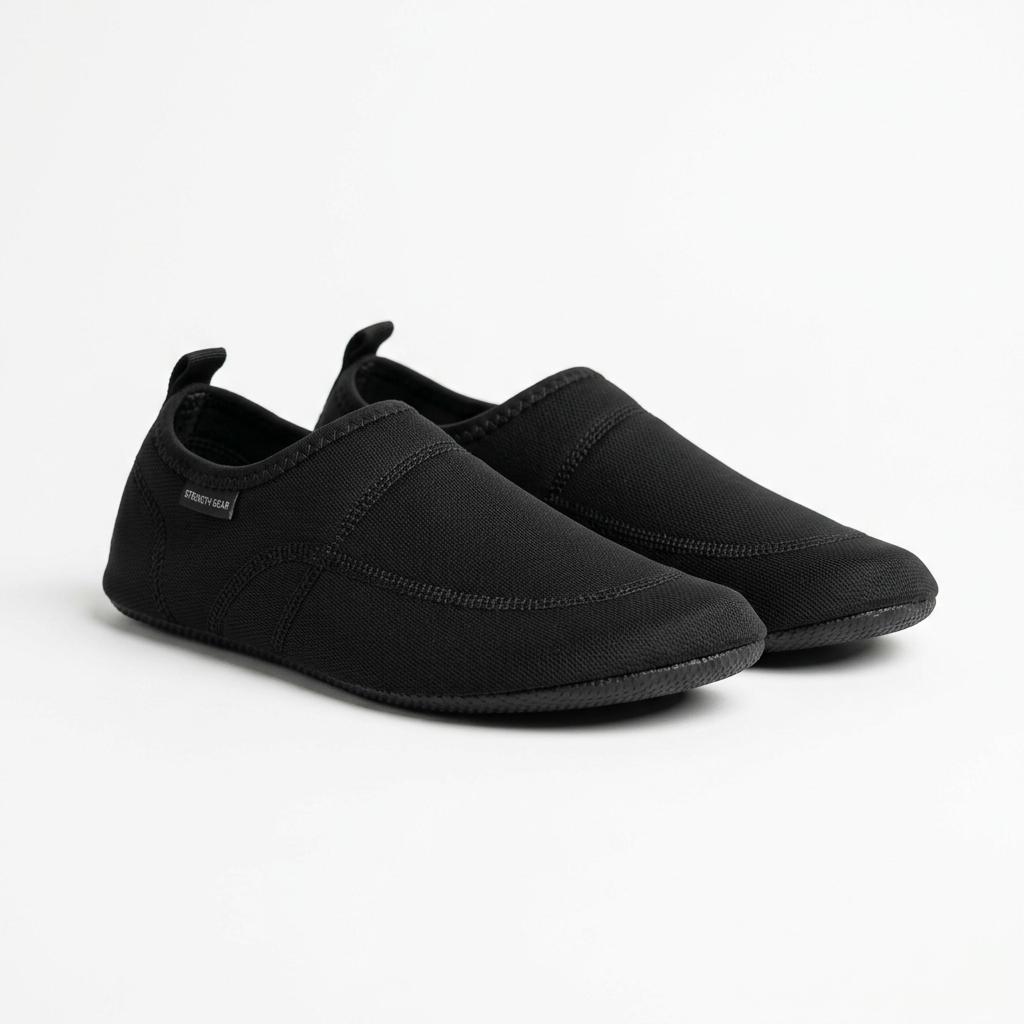 |
Nordic Lifting Deadlift Slippers | $15-$25 | Best Value | Check Price |
The best balance of noise reduction, versatility, and durability for home gym use.
Individual toe pockets provide maximum proprioception and the quietest possible foot strikes.
The default recommendation for users who do mixed-modality training and want performance without excessive noise.
An excellent entry point into minimalist training with a comfortable fit and low noise output.
Purpose-built deadlift slippers represent the quietest specialized footwear for home gyms at minimal cost.
The Xero Shoes HFS offers the best balance of noise reduction, versatility, and durability for home gym use. The 6.5mm sole provides enough protection for plyometrics and light running while maintaining the ground feel and low noise that defines minimalist training. Studies show minimalist shoes reduce impact noise by 25-45% versus traditional training shoes by eliminating the compression pop of thick midsoles. The flexible sole allows natural foot deformation on landing, spreading impact over time rather than creating a single sharp peak that neighbors can hear through the floor.
Check Price on Amazon
The Vibram FiveFingers V-Train takes minimalist footwear to its logical extreme with individual toe pockets that provide maximum ground feel and proprioception. The 4mm sole is among the thinnest available, virtually eliminating all compression noise and sole slap that makes traditional shoes loud on hard floors. Because there's no midsole to compress, the only sound generated comes from your actual foot strike, which proper technique can render virtually silent. The V-Train is ideal for strength training, balance work, and controlled bodyweight exercises where the barefoot feel enhances performance.
Check Price on Amazon
The Nike Metcon 9 represents the best noise-to-performance ratio for versatile home gym training. The firm React foam midsole compresses minimally, reducing the compression pop that makes cushioned running shoes loud. The 4mm heel-to-toe drop is significantly lower than running shoes, reducing the leverage effect that increases impact force. The rubber outsole wrap contacts the floor more quietly than foam-exposed designs, and the flat, non-lugged tread pattern is specifically designed for indoor training surfaces. While not as quiet as true minimalist shoes, the Metcon delivers far more versatility for HIIT, plyometrics, and circuit training.
Check Price on Amazon
The Merrell Vapor Glove 5 serves as an excellent entry point into minimalist training for those transitioning from traditional cushioned shoes. The 6mm sole provides substantial ground feel while offering enough protection for most home gym activities. The breathable mesh upper keeps feet cool during intense sessions, and the zero-drop platform encourages natural foot mechanics. Noise output is low thanks to the thin, flexible sole that eliminates compression pop. The Vapor Glove 5 is particularly well-suited for strength training, yoga, and low-impact cardio where the enhanced balance feedback from the thin sole actually improves performance.
Check Price on Amazon
Purpose-built deadlift slippers represent the quietest specialized footwear for home gyms. With just a 2-3mm fabric sole, they generate virtually zero noise on any surface, making them ideal for strength-focused workouts where minimum sole thickness matters. The lightweight design means zero foot fatigue during high-volume sessions, and the ankle-height cut doesn't restrict dorsiflexion during deep squat positions. At $15-$25, they're an inexpensive addition that optimizes heavy pulling and ground-based exercises. While they won't work for plyometrics or outdoor use, they're the ultimate noise-reduction choice for pure strength training sessions.
Check Price on Amazon