Best Adaptogen Supplements 2026: 5 Tested for Stress & Recovery
Tested 5 adaptogenic supplements for stress management and recovery. KSM-66 Ashwagandha wins for research backing and ef...
Optimize caffeine use for training and competition. Learn mechanisms, optimal dosage, timing, tolerance management, cycling strategies, and safety considerations for athletes.
FTC Disclosure: This article contains affiliate links. We may earn a commission if you purchase through these links at no additional cost to you. This helps support our independent research and testing.
Caffeine is the most widely used psychoactive substance in the world and the most comprehensively studied performance-enhancing supplement available without a prescription. For athletes and recreational trainees alike, strategic caffeine use can improve strength, power, endurance, and cognitive performance during training. This guide synthesizes decades of research into actionable protocols for home gym users who want to maximize caffeine's benefits while minimizing its risks.
Caffeine's primary performance-enhancing mechanism is adenosine receptor antagonism. To understand what this means and why it matters, we need to examine the relationship between adenosine and fatigue.
Adenosine is a neuromodulator that accumulates in your brain throughout the day. As adenosine binds to its receptors, it produces the subjective feelings we associate with fatigue: drowsiness, reduced alertness, decreased motivation, and impaired cognitive function. This is a normal, healthy process that ultimately drives sleep.
Caffeine has a molecular structure similar enough to adenosine that it can bind to adenosine receptors, effectively blocking adenosine from attaching. When caffeine occupies these receptors, the fatigue signals never reach your brain. You feel more alert, more motivated, and more capable of physical exertion—not because you've eliminated fatigue, but because you've prevented your brain from perceiving it.
Beyond adenosine antagonism, caffeine influences performance through several additional pathways:
Increased Catecholamine Release: Caffeine stimulates the release of adrenaline (epinephrine) and noradrenaline (norepinephrine), hormones that prepare the body for physical exertion. This "fight or flight" activation increases heart rate, blood flow to muscles, and the availability of free fatty acids for fuel.
Enhanced Calcium Handling: Caffeine affects calcium release from the sarcoplasmic reticulum in muscle cells, which may improve muscle contraction force, particularly in fast-twitch muscle fibers.
Reduced Perceived Exertion: Studies consistently show that caffeine lowers ratings of perceived exertion (RPE) during exercise. A set that feels like RPE 9 without caffeine might feel like RPE 8 with caffeine—allowing you to push harder or complete more volume.
Improved Cognitive Function: Caffeine enhances reaction time, vigilance, and decision-making speed—all valuable for complex training sessions and competitive performance.
Research consistently identifies a dosage range of 3-6 mg of caffeine per kilogram of body weight as optimal for performance enhancement.
| Body Weight | Low Dose (3 mg/kg) | Moderate Dose (5 mg/kg) | High Dose (6 mg/kg) |
|---|---|---|---|
| 120 lbs (54 kg) | 160 mg | 270 mg | 325 mg |
| 150 lbs (68 kg) | 200 mg | 340 mg | 410 mg |
| 180 lbs (82 kg) | 245 mg | 410 mg | 490 mg |
| 200 lbs (91 kg) | 275 mg | 455 mg | 545 mg |
| 220 lbs (100 kg) | 300 mg | 500 mg | 600 mg |
Caffeine reaches peak plasma concentration approximately 30-60 minutes after oral ingestion. This timing guides pre-workout consumption:
Consume caffeine 30-60 minutes before training. This window ensures peak blood levels coincide with your working sets. For sessions lasting longer than 90 minutes, the timing is less critical since caffeine's effects persist for several hours.
For training sessions exceeding 2 hours, consider splitting your dose:
This split-dose strategy maintains elevated plasma caffeine levels throughout longer workouts.
| Training Time | Recommendation | Rationale |
|---|---|---|
| Early morning (5-7 AM) | Standard dose acceptable | Cortisol already elevated; caffeine synergizes with natural alertness |
| Mid-morning (8-11 AM) | Standard dose | Optimal timing for most people |
| Afternoon (12-5 PM) | Reduce dose by 25-50% | Sleep impact increases with later consumption |
| Evening (6 PM+) | Avoid if possible, or use minimal dose | Caffeine's half-life of 5-6 hours disrupts sleep architecture |
A standard 8 oz cup of brewed coffee contains approximately 95 mg of caffeine (range: 70-140 mg depending on bean origin, roast level, and brewing method).
Pros: Widely available, contains beneficial polyphenols and antioxidants, enjoyable ritual Cons: Caffeine content varies significantly between batches, slower absorption than some alternatives, may cause digestive discomfort for some
Commercial pre-workout supplements typically contain 150-400 mg of caffeine per serving, often alongside other ingredients like beta-alanine, citrulline malate, and creatine.
Check price at Amazon for pre-workout supplements
Pros: Precise, consistent dosing; convenient; often includes complementary ingredients Cons: Expensive per serving; many contain proprietary blends with undisclosed dosing; some ingredients are under-dosed or unnecessary
Anhydrous caffeine in pill or tablet form provides 100-200 mg per pill with precise, consistent dosing.
Check price at Amazon for caffeine pills
Pros: Cheapest per-milligram option; exact dosing; no calories; portable; no digestive issues Cons: Lacks the polyphenols found in coffee; no ritual or enjoyment factor; easier to accidentally overdose
Black tea contains approximately 40-70 mg per 8 oz cup; green tea contains 20-45 mg.
Pros: Lower caffeine reduces side effect risk; contains L-theanine which may smooth caffeine's effects Cons: Lower total caffeine may be insufficient for performance goals; requires multiple cups
Popular energy drinks contain 80-300 mg of caffeine per can, often with added sugars, taurine, and B-vitamins.
Pros: Convenient; flavored; consistent dosing within brands Cons: Often high in sugar or artificial sweeteners; expensive; additional ingredients lack performance evidence; easy to over-consume
Chronic caffeine consumption leads to tolerance development—your body adapts by upregulating adenosine receptors, requiring more caffeine to achieve the same effect. For athletes, this creates a strategic dilemma: daily use maintains baseline function but diminishes the acute performance boost.
| Usage Pattern | Tolerance Development | Performance Impact |
|---|---|---|
| Occasional (1-2x/week) | Minimal | Full acute benefits maintained |
| Moderate (3-5x/week) | Moderate | Some attenuation of effects |
| Daily | Significant | Reduced acute boost; primarily maintains baseline |
| High daily (400+ mg) | Substantial | Minimal acute benefit; withdrawal symptoms if stopped |
The Strategic Reserve Protocol:
The Deload Week Abstinence Protocol:
The Competition Peak Protocol:
Complete Abstinence Reset:
| Side Effect | Typical Dose Threshold | Management Strategy |
|---|---|---|
| Jitters/Anxiety | 200+ mg in sensitive individuals | Reduce dose; combine with L-theanine (100-200 mg) |
| Increased Heart Rate | 150+ mg | Reduce dose; avoid if you have cardiac conditions |
| Gastrointestinal Distress | Variable; often with coffee specifically | Switch to pills; take with food; reduce dose |
| Insomnia | 100+ mg if taken after 2 PM | Move dose earlier; reduce afternoon intake |
| Headache (withdrawal) | Occurs when regular use stops | Taper rather than quit cold turkey |
| Increased Urination | 100+ mg | Hydrate adequately; timing matters less than total intake |
FDA General Limit: 400 mg per day for healthy adults Hard Upper Limit for Athletes: 6 mg/kg body weight in a single dose Contraindications:
Caffeine Toxicity: Doses above 10 mg/kg (approximately 700+ mg for a 150 lb person) risk serious adverse effects including cardiac events. Do not approach this threshold.
Caffeine's impact on sleep is its most significant limitation for athletes. Poor sleep undermines virtually every aspect of recovery and adaptation, potentially negating any performance benefit from caffeine use.
Research reveals enormous individual variation in caffeine response. Several factors explain this:
CYP1A2 Genotype: This gene encodes the primary enzyme responsible for caffeine metabolism.
ADORA2A Genotype: This gene affects adenosine receptor sensitivity and may influence anxiety response to caffeine.
The International Society of Sports Nutrition (ISSN) published a comprehensive position stand on caffeine and exercise performance in 2021. Key conclusions include:
Start with a low dose (100-150 mg or ~2 mg/kg) 45 minutes before a moderate training session. Assess your response: Do you feel more alert? Any jitters or anxiety? Improved performance? Use this information to calibrate your ideal dose.
Based on your sensitivity testing, set a standard pre-workout dose in the 3-5 mg/kg range. Choose your preferred source (pills for precision, coffee for enjoyment, pre-workout for convenience).
Use caffeine strategically rather than habitually. Reserve higher doses for demanding sessions, competitions, or days when you feel particularly fatigued. This preserves sensitivity and minimizes sleep disruption.
Track your caffeine intake, training performance, sleep quality, and any side effects. Adjust your protocol based on this data rather than following a rigid formula.
Caffeine is among the most effective, well-researched, and cost-efficient performance enhancers available to athletes. Its benefits are real, measurable, and relevant to virtually every type of physical performance. However, caffeine is not a substitute for proper training, nutrition, sleep, and recovery. It is a tool—powerful when used strategically, counterproductive when used carelessly.
Respect your individual response, time your consumption thoughtfully, cycle your intake to preserve sensitivity, and never allow caffeine to compromise your sleep. Used with intelligence, caffeine will enhance your training sessions for years to come.
For another well-researched performance supplement, see our Creatine Loading Guide.
| Image | Product | Price | Badge | Link |
|---|---|---|---|---|
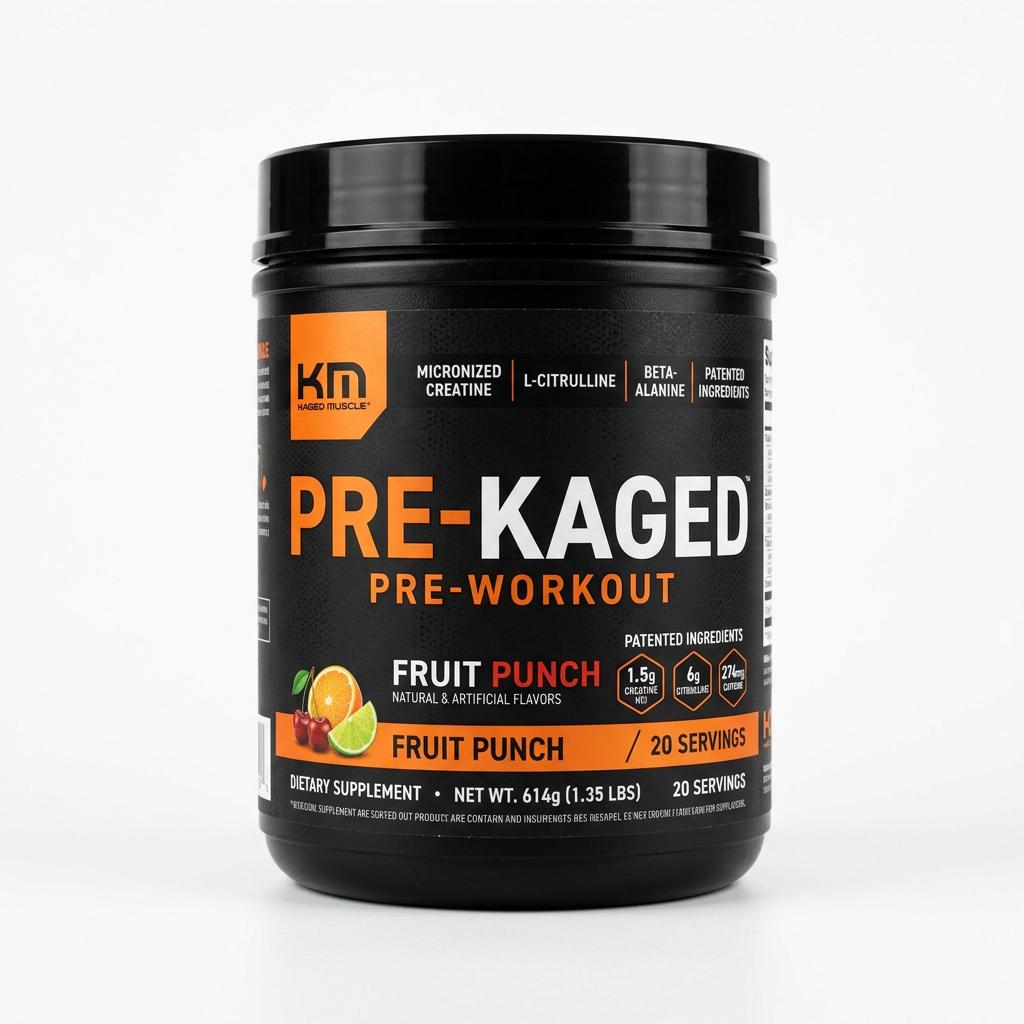 |
Kaged Muscle Pre-Kaged Pre-Workout | $30-$45 | Best Premium Pre-Workout | Check Price |
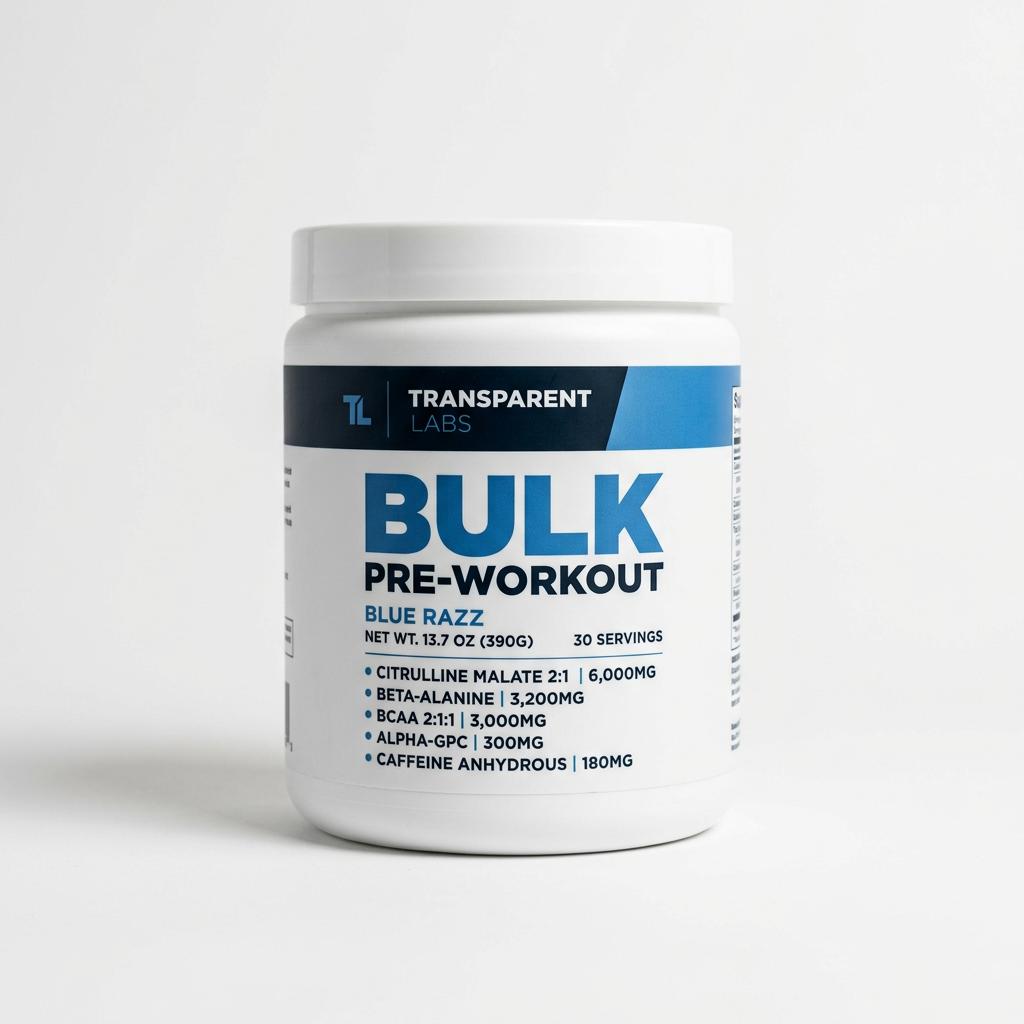 |
Transparent Labs Bulk Pre-Workout | $40-$50 | Best Transparent Label | Check Price |
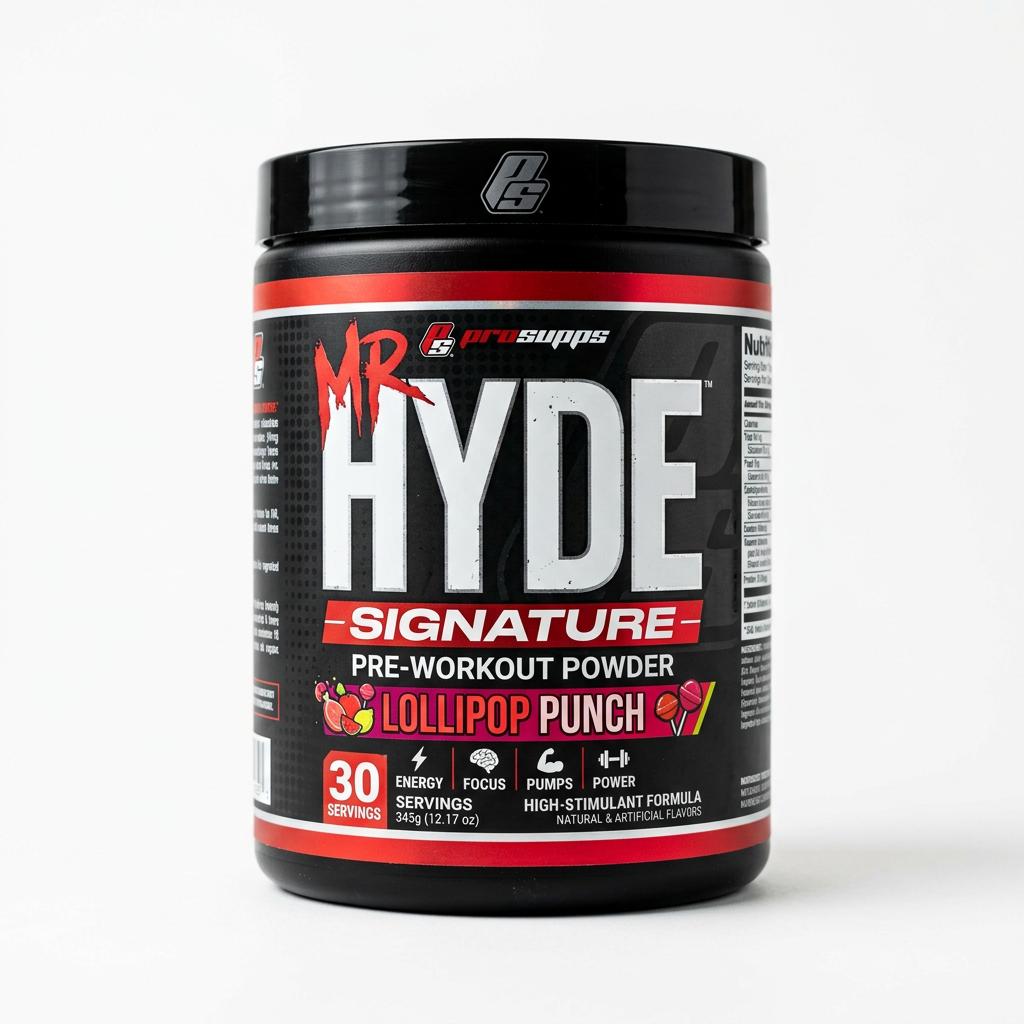 |
ProSupps Mr Hyde Signature Pre-Workout | $25-$35 | Best for Intense Workouts | Check Price |
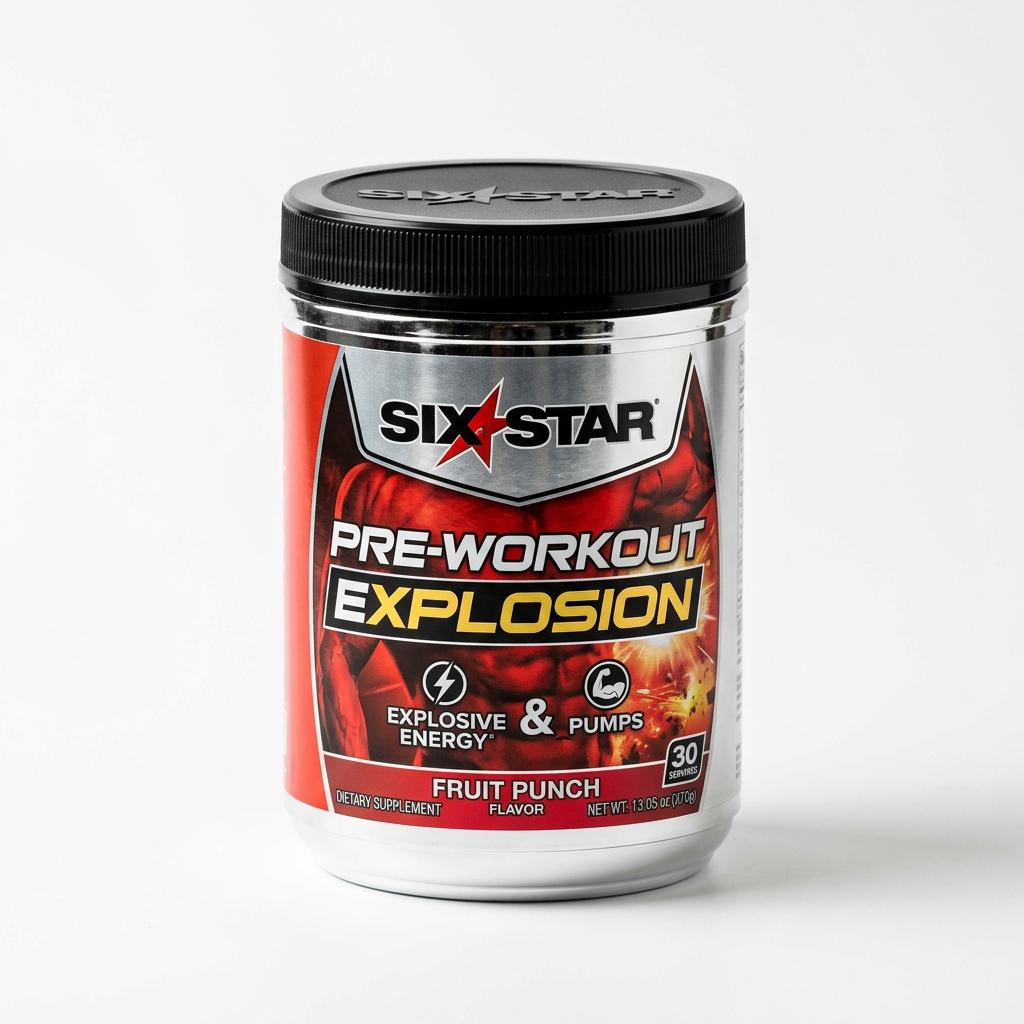 |
Six Star Pre-Workout Explosion | $12-$20 | Best Budget Pre-Workout | Check Price |
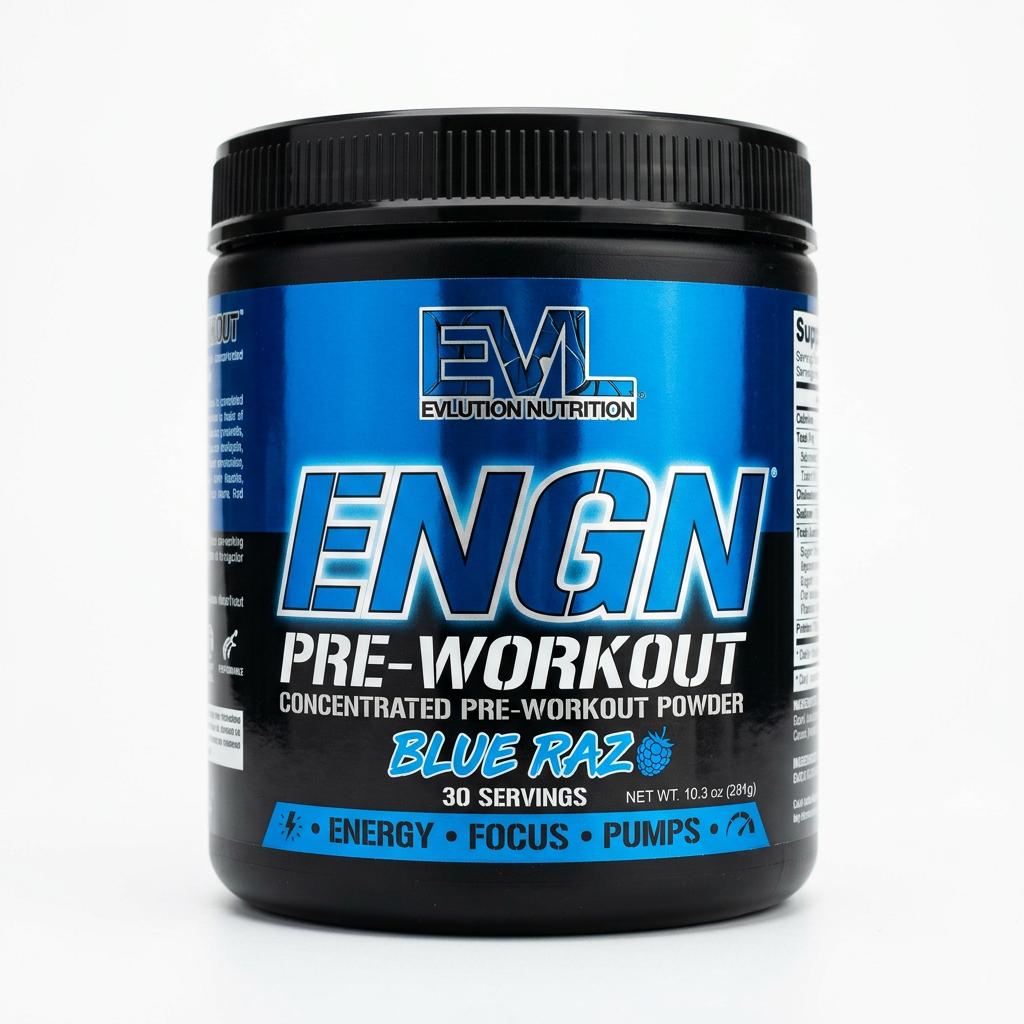 |
EVLution Nutrition ENGN Pre-Workout | $20-$30 | Best for Focus | Check Price |
A premium, fully transparent pre-workout featuring organic caffeine and patented performance ingredients.
A clean, fully transparent pre-workout with clinically dosed ingredients and zero artificial additives.
A hard-hitting pre-workout engineered for athletes who demand maximum intensity from every session.
A wallet-friendly pre-workout that delivers reliable energy and performance support at a fraction of the cost.
A focus-driven pre-workout that combines mental clarity with physical energy for dialed-in training sessions.
Kaged Muscle Pre-Kaged represents the gold standard in premium pre-workout supplementation, combining 274mg of organic caffeine from green coffee beans with a fully transparent formula that discloses every ingredient and its exact dose. The standout feature is the massive 6.5 grams of pure L-citrulline, far exceeding the doses found in most competitors and delivering exceptional muscle pumps and nutrient delivery. The patented CarnoSyn beta-alanine, Creatine HCl, and Betaine Anhydrous are all included at clinically effective doses, leaving no guesswork about effectiveness. Third-party testing through Informed Sport certification ensures that competitive athletes can use it with complete confidence. The Fruit Punch flavor tastes genuinely refreshing rather than artificially sweet, making it easy to drink even before intense training. For athletes who refuse to compromise on quality and demand complete transparency, Pre-Kaged is the clear choice.
Check Price on Amazon
Transparent Labs Bulk Pre-Workout lives up to its name by providing complete formula transparency with no proprietary blends, allowing users to see exactly what and how much of each ingredient they're consuming. The 180mg of caffeine provides a solid energy boost without overwhelming users, while the full clinical doses of citrulline malate, beta-alanine, and BCAAs support performance, endurance, and recovery. What sets Bulk apart is its commitment to clean ingredients, eliminating all artificial sweeteners, colors, and preservatives while including beneficial additions like vitamin D3 and zinc that support overall health and hormonal function. The natural flavors are surprisingly pleasant, with Blue Razz offering a refreshing taste without any chemical aftertaste. For athletes who value transparency and clean sourcing as much as performance, Transparent Labs Bulk represents the ideal pre-workout choice.
Check Price on Amazon
ProSupps Mr Hyde Signature is not for the faint of heart, delivering one of the most intense pre-workout experiences available. The Signature series combines a powerful stimulant complex with performance-enhancing ingredients including creatine, beta-alanine, and citrulline to create a comprehensive pre-workout that covers all bases. The energy delivery is aggressive and immediate, making it ideal for those brutal training sessions when motivation is low but performance demands are high. The Lollipop Punch flavor is surprisingly delicious, masking the potent ingredient stack behind a candy-like taste. What sets the Signature series apart is the use of premium ingredient forms that enhance absorption and effectiveness compared to standard versions. This is a pre-workout for serious athletes who have built up a tolerance to caffeine and need something stronger to feel the effects. For leg day, PR attempts, or any workout that demands everything you've got, Mr Hyde Signature delivers.
Check Price on Amazon
Six Star Pre-Workout Explosion proves that effective pre-workout supplementation doesn't have to break the bank. As a budget-friendly option from the makers of MuscleTech, it delivers a respectable 135mg of caffeine per serving alongside beta-alanine and L-citrulline to support endurance and pumps. While the doses of these performance ingredients are lower than premium competitors, the combination still provides noticeable benefits for casual to intermediate lifters. The Fruit Punch flavor is pleasant and mixes well, making it easy to drink consistently. The biggest limitation is the use of proprietary blends that prevent users from knowing exactly how much of each ingredient they're getting. However, for beginners exploring pre-workouts for the first time or anyone looking to maintain their supplement routine on a tight budget, Six Star Explosion offers solid value that punches above its price point.
Check Price on Amazon
EVLution Nutrition ENGN Pre-Workout takes a unique approach by prioritizing the mind-muscle connection through a dedicated cognitive enhancement complex that includes choline bitartrate, L-tyrosine, and huperzine A. This nootropic blend creates a state of intense focus and concentration that helps eliminate distractions and keeps you locked into every rep. The 260mg of caffeine provides strong energy without feeling overstimulated, while the inclusion of creatine and beta-alanine supports the physical side of performance with improved strength and muscular endurance. The Blue Raz flavor is consistently rated among the best-tasting pre-workouts on the market, making it something to look forward to rather than choke down. The mind-muscle connection enhancement is particularly valuable for bodybuilding-style training where controlled, intentional movements are crucial. For anyone who struggles with mental focus during workouts, ENGN offers a unique solution that traditional stimulant-only pre-workouts can't match.
Check Price on Amazon