Best Adaptogen Supplements 2026: 5 Tested for Stress & Recovery
Tested 5 adaptogenic supplements for stress management and recovery. KSM-66 Ashwagandha wins for research backing and ef...
Master creatine supplementation with this evidence-based guide. Learn loading vs slow loading protocols, maintenance dosing, forms, hydration, safety, and get a complete 30-day implementation plan.
FTC Disclosure: This article contains affiliate links. We may earn a commission if you purchase through these links at no additional cost to you. This helps support our independent research and testing.
Creatine monohydrate is the most thoroughly researched performance supplement in existence, with over 1,000 published studies supporting its efficacy and safety. It enhances strength, power, muscle mass, and cognitive function with virtually no side effects when used correctly. Despite this overwhelming evidence, confusion persists about how to take creatine: Should you load? What's the optimal dose? Which form is best? Does timing matter? This guide answers every question with the full weight of scientific research behind it, and provides a step-by-step 30-day implementation plan you can start today.
Creatine is a naturally occurring compound found primarily in skeletal muscle, where it exists as phosphocreatine (PCr) and free creatine. It plays a critical role in the phosphagen energy system—the fastest pathway for regenerating adenosine triphosphate (ATP), the primary energy currency of cells.
During high-intensity exercise lasting 0-10 seconds (heavy lifting, sprinting, jumping), your muscles demand ATP faster than aerobic metabolism can provide it. Phosphocreatine donates its phosphate group to ADP (adenosine diphosphate), rapidly regenerating ATP and sustaining maximal effort.
Supplementing with creatine increases phosphocreatine stores in muscle by 10-40%, depending on baseline levels. This enhanced reservoir allows for:
The average person obtains approximately 1-2 grams of creatine per day from dietary sources (primarily meat and fish) and synthesizes another ~1 gram internally in the liver, kidneys, and pancreas. However, muscle creatine stores are typically only 60-80% saturated through diet alone. Supplementation fills this gap, bringing stores to 100% saturation and producing measurable performance benefits.
The loading phase rapidly saturates muscle creatine stores over a short period, allowing you to experience benefits within days rather than weeks.
| Parameter | Specification |
|---|---|
| Dose | 20 grams per day |
| Duration | 5-7 days |
| Split | 4 doses of 5 grams each |
| Timing | Spread throughout the day with meals |
This protocol, established in research by Harris et al. (1992), increases muscle creatine stores by approximately 20% within 5 days. The divided dosing strategy maximizes absorption and minimizes any potential gastrointestinal discomfort.
For those who experience digestive issues with the standard 20g dose:
| Parameter | Specification |
|---|---|
| Dose | 10 grams per day |
| Duration | 10-14 days |
| Split | 2 doses of 5 grams each |
| Timing | Morning and evening with meals |
This gentler approach achieves the same total saturation but takes approximately twice as long. For most users, the trade-off is worthwhile if the standard loading dose causes discomfort.
An alternative to loading is to skip the loading phase entirely and begin with the maintenance dose.
| Parameter | Specification |
|---|---|
| Dose | 3-5 grams per day |
| Duration | Ongoing (no loading phase) |
| Timing | Any time, with or without food |
| Saturation timeline | 28-30 days to full muscle saturation |
Research by Hultman et al. (1996) demonstrated that 3 grams per day for 28 days produces the same muscle saturation as the 20g x 5-day loading protocol. The only difference is the timeline: slow loading takes approximately a month to reach full saturation, while fast loading achieves it in under a week.
| Factor | Fast Loading (20g x 5-7 days) | Slow Loading (3-5g daily) |
|---|---|---|
| Time to benefits | 5-7 days | 3-4 weeks |
| Daily convenience | Less (4 doses per day) | More (1 dose per day) |
| GI discomfort risk | Higher | Lower |
| Cost (first month) | Same | Same |
| Long-term results | Identical | Identical |
| Best for | Those wanting fast results | Those with sensitive digestion; patient individuals |
Bottom line: Choose the protocol that fits your timeline and digestive tolerance. The long-term results are identical.
Once muscle creatine stores are saturated (whether through fast or slow loading), a maintenance dose preserves those elevated levels.
| Parameter | Specification |
|---|---|
| Dose | 3-5 grams per day |
| Frequency | Once daily |
| Timing | Flexible (any time of day) |
| Duration | Indefinite (ongoing) |
Research indicates that 3 grams per day is sufficient to maintain elevated creatine stores in most individuals. Larger athletes (200+ lbs) may benefit from the higher end of the range (5 grams) due to greater total muscle mass.
No. There is no scientific evidence that cycling off creatine provides any benefit. Creatine does not downregulate its own transporters or lose effectiveness over time. Continuous maintenance dosing maintains saturation indefinitely.
Some athletes choose to discontinue creatine during deload weeks or extended rest periods for psychological reasons, but this is unnecessary from a physiological standpoint.
One of creatine's most convenient features is its flexible timing. Unlike caffeine or pre-workout supplements, creatine does not produce acute performance effects that require precise timing relative to training.
A 2013 study by Antonio and Ciccone suggested that post-workout creatine supplementation might produce slightly greater lean mass gains than pre-workout dosing. However, subsequent research has produced mixed results, and the difference (if any) is small.
| Timing | Rationale | Convenience |
|---|---|---|
| Post-workout | May have slight advantage for muscle uptake | High (part of post-workout routine) |
| Pre-workout | Combined with pre-workout drink | High (part of pre-workout routine) |
| With a meal | Insulin may enhance uptake; reduces GI issues | High |
| Any time (morning) | Easy to remember; builds habit | Highest |
| Any time (evening) | Works for non-training days | High |
Best practice: Take creatine at the same time every day, preferably with a meal or protein shake. Consistency matters more than precise timing.
The supplement industry has developed numerous creatine variants, each marketed as superior to standard monohydrate. The research tells a different story.
The original, most researched, and most cost-effective form of creatine.
Check price at Amazon for creatine monohydrate powder
Standard creatine monohydrate processed into smaller particles.
Marketed as requiring a lower dose due to superior solubility.
Creatine with added alkaline agents to increase pH and supposedly reduce conversion to creatinine.
Creatine with an added ester group for supposedly enhanced cell permeability.
Pre-dissolved creatine in liquid form.
Buy micronized creatine monohydrate. It has the most research support, is the most cost-effective, and has no demonstrated inferiority to any alternative form. Every other variant either lacks evidence of superiority or has been shown to be less effective.
Creatine draws water into muscle cells, which increases intramuscular water content by 2-4 pounds in the first week of supplementation. This requires adequate total body water to support the process.
| Parameter | Recommendation |
|---|---|
| Baseline daily intake | 0.5-1.0 oz per pound of body weight |
| During loading phase | Add 16-32 oz (2-4 cups) to baseline |
| During training | 16-24 oz per hour of exercise |
| Monitoring | Pale yellow urine indicates adequate hydration |
Important: The weight gain associated with creatine loading (2-5 lbs in the first week) is almost entirely water weight inside muscle cells. This is not fat gain and should not be a concern. It actually contributes to the muscle volumization effect that may trigger anabolic signaling.
Creatine is one of the safest supplements available, with a safety profile established across decades of research in populations ranging from children to the elderly.
| Side Effect | Frequency | Management |
|---|---|---|
| Gastrointestinal discomfort | 5-10% of users | Reduce single dose to 3-5g; take with meals; ensure adequate hydration |
| Weight gain (water) | Nearly universal during loading | Expected and temporary; stabilizes after 1-2 weeks |
| Muscle cramping | Rare | Ensure adequate hydration and electrolyte intake |
Myth: Creatine causes kidney damage. Fact: Comprehensive reviews by the ISSN, FDA, and numerous independent researchers have found no evidence that creatine harms kidney function in healthy individuals. Creatine does increase blood creatinine levels (a marker sometimes used to assess kidney function), but this is a benign effect of increased creatine metabolism, not kidney damage. Individuals with pre-existing kidney disease should consult their physician before using creatine.
Myth: Creatine causes hair loss. Fact: One 2009 study found that creatine supplementation increased DHT (dihydrotestosterone) levels in rugby players. DHT is associated with male pattern baldness. However, no study has directly linked creatine to hair loss, and the DHT increase observed was within normal physiological ranges. This concern remains theoretical.
Myth: Creatine is a steroid. Fact: Creatine is not a hormone, does not interact with androgen receptors, and works through entirely different mechanisms than anabolic steroids. It is legal in all sports organizations and not banned by any athletic federation.
Myth: You need to cycle creatine to maintain effectiveness. Fact: There is no physiological basis for cycling creatine. Continuous maintenance dosing maintains muscle saturation without tolerance development or receptor downregulation.
While creatine is broadly beneficial, certain populations see the greatest effects:
Approximately 20-30% of the population are considered "non-responders" to creatine supplementation. These individuals typically have naturally high baseline creatine stores (often due to high meat intake) and see minimal additional benefit from supplementation. There is no harm in trying creatine for 30 days to determine your response.
The longest creatine supplementation studies have tracked users for 5 years with no adverse effects on kidney function, liver function, blood markers, or muscle enzyme levels. The ISSN position stand (2017) concluded that creatine monohydrate is safe for long-term use at recommended doses in healthy populations.
Special populations requiring medical consultation before use:
| Time | Action |
|---|---|
| Morning (with breakfast) | 5g creatine monohydrate mixed in water, juice, or protein shake |
| Midday (with lunch) | 5g creatine monohydrate |
| Pre-workout or afternoon | 5g creatine monohydrate |
| Evening (with dinner) | 5g creatine monohydrate |
| Throughout day | Maintain elevated water intake (add 2-4 cups to normal intake) |
| Expected effect | Possible 2-5 lb weight gain (water); improved training performance by day 5-7 |
| Time | Action |
|---|---|
| Daily (any time, with food) | 3-5g creatine monohydrate |
| Expected effect | Sustained elevated muscle creatine; continued performance benefits; weight stabilizes |
| Timeline | Expected Effect |
|---|---|
| Days 1-3 | Possible slight GI adjustment; no performance changes yet |
| Days 4-7 | Performance improvements begin; water weight increases |
| Week 2 | Clear strength and endurance improvements in training |
| Week 3-4 | Continued improvement; lean mass may increase if training and nutrition support it |
| Month 3+ | Sustained benefits as long as supplementation continues |
Creatine monohydrate is the most effective, safest, and most affordable performance supplement available. Its benefits are supported by more research than any other supplement in existence, and its safety profile is established across decades of use in millions of people. For home gym users seeking to maximize their training results, creatine represents the highest return-on-investment supplement decision you can make.
Start with a 5-7 day loading phase at 20g per day (divided into 4 doses), transition to 3-5g daily maintenance, stay well hydrated, and train consistently. The results will compound over weeks and months, producing strength and muscle gains that exceed what training alone could achieve.
For another evidence-based performance supplement, read our Caffeine Guide for Athletes.
| Image | Product | Price | Badge | Link |
|---|---|---|---|---|
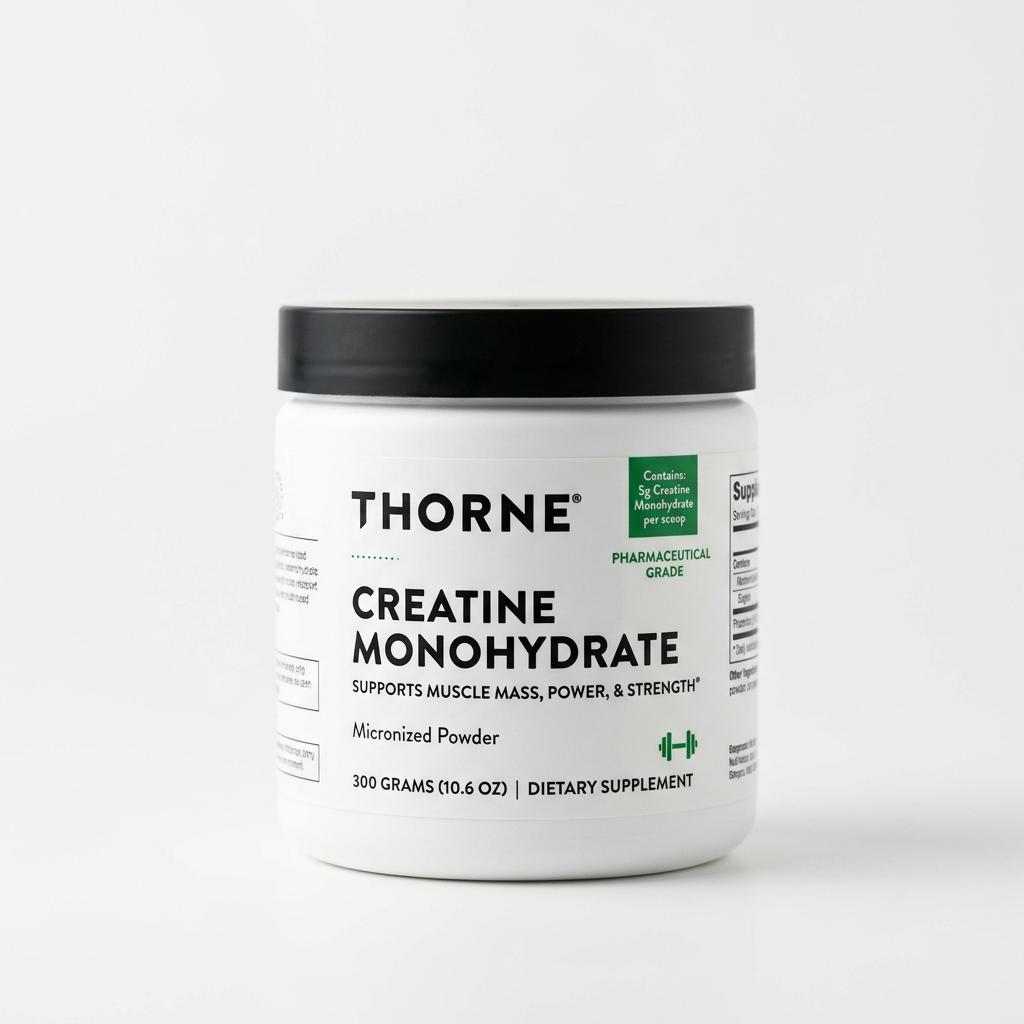 |
Thorne Creatine Monohydrate | $40-$55 | Premium Pick | Check Price |
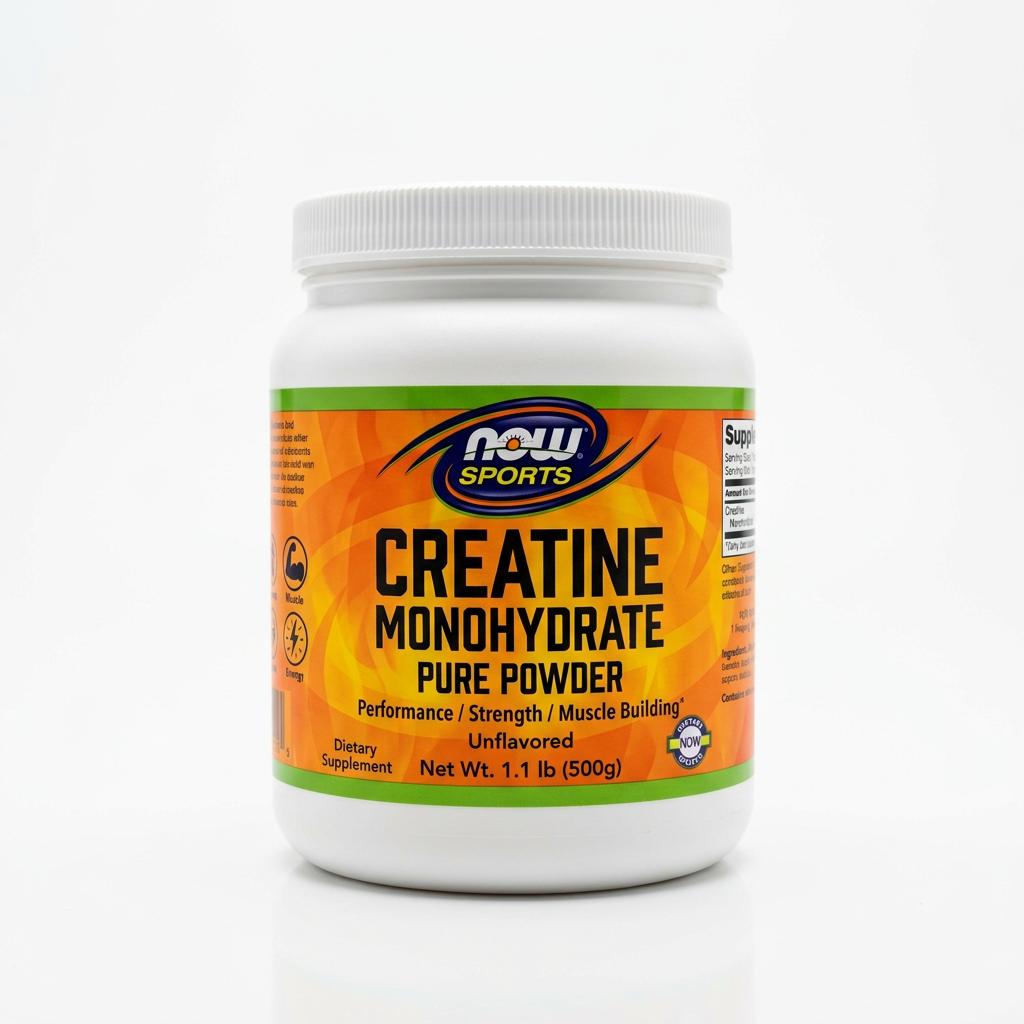 |
NOW Sports Creatine Monohydrate Powder | $20-$30 | Best Value | Check Price |
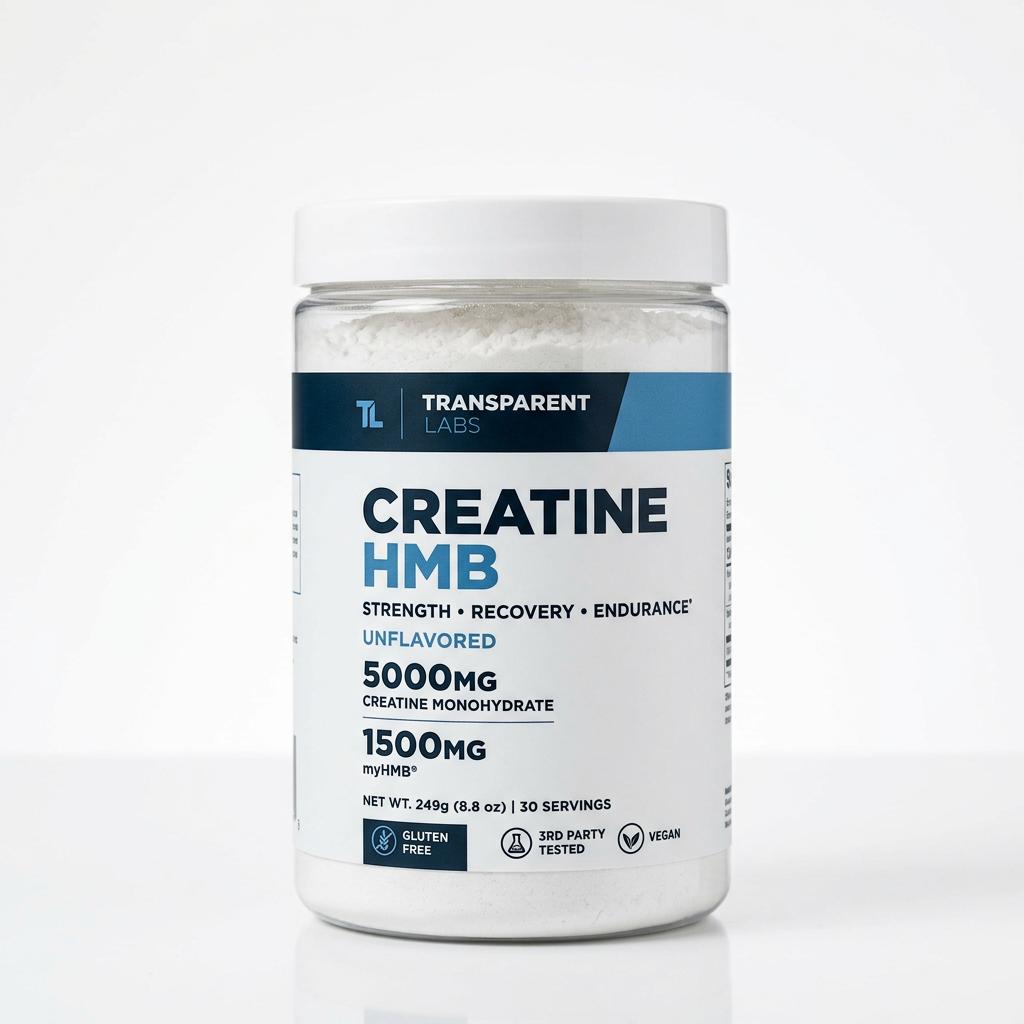 |
Transparent Labs Creatine HMB | $40-$50 | Best with HMB | Check Price |
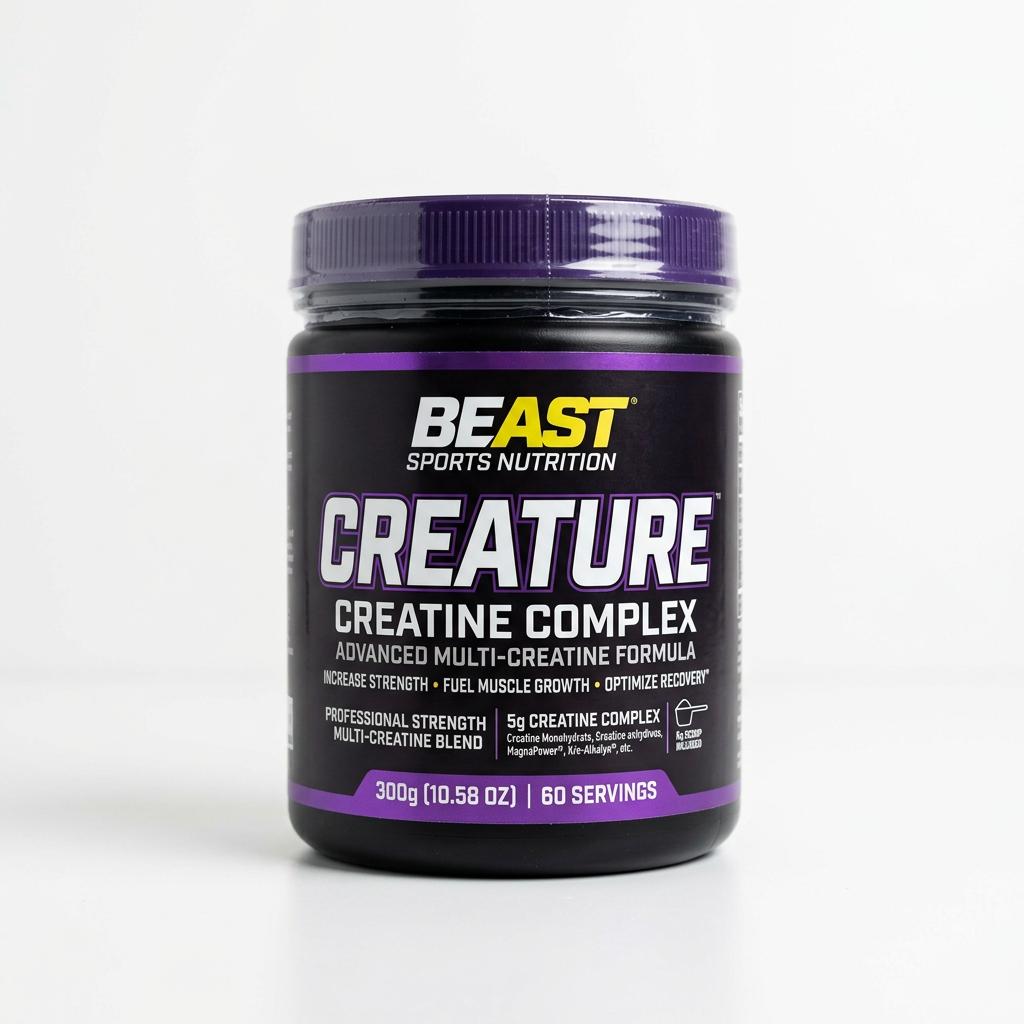 |
Beast Sports Nutrition Creature Creatine Complex | $25-$35 | Most Versatile | Check Price |
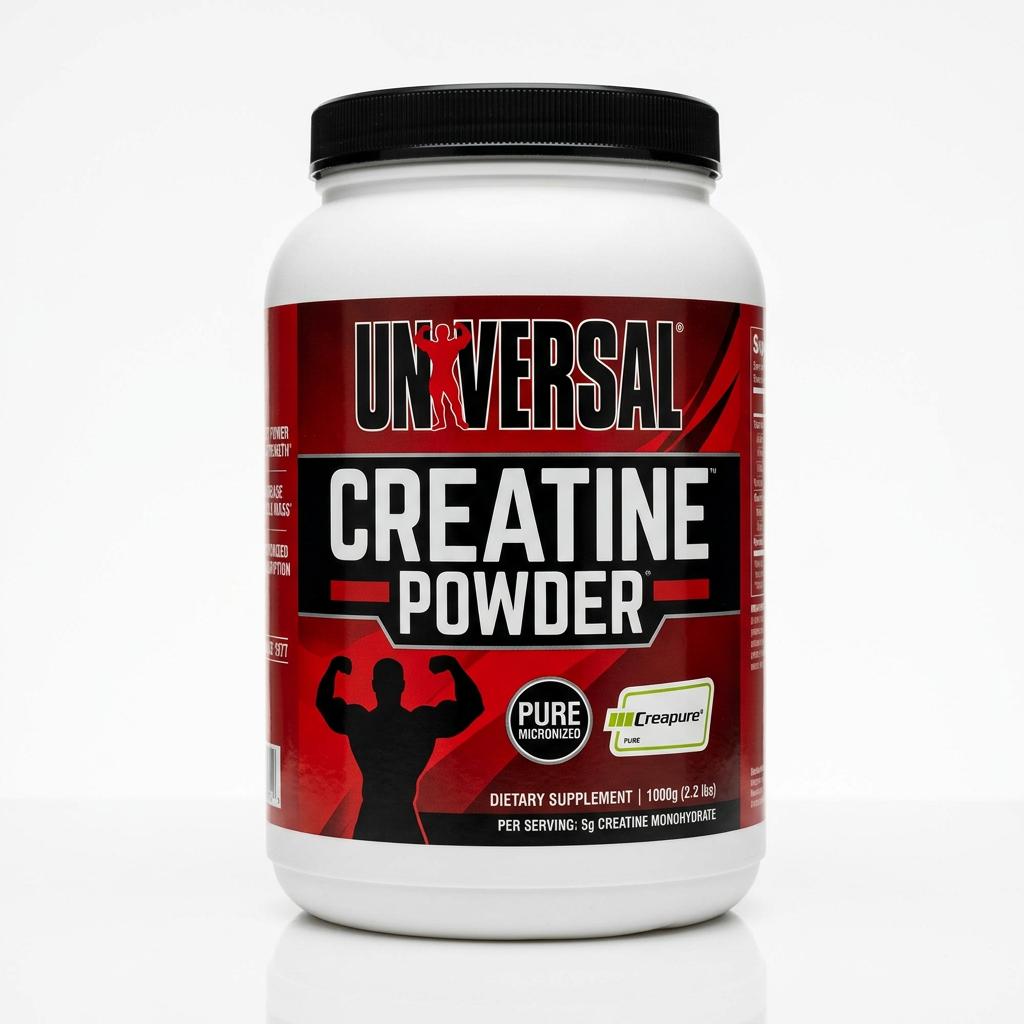 |
Universal Nutrition Creatine Powder | $25-$35 | Classic Choice | Check Price |
The most rigorously tested creatine on the market, with NSF for Sport certification and pharmaceutical-grade purity standards.
A reliable, well-priced creatine from a family-owned company with decades of manufacturing expertise and Informed Sport certification.
A research-backed combination of creatine monohydrate and HMB that may enhance muscle preservation during intense training phases.
A comprehensive creatine complex that combines five different creatine sources with absorption enhancers for athletes seeking variety.
Old-school Creapure creatine from a legendary bodybuilding brand, offering maximum purity in a large-format container perfect for long-term protocols.
Thorne Creatine Monohydrate represents the pinnacle of quality assurance in creatine supplementation. As an NSF Certified for Sport product, it undergoes the most rigorous testing protocol available, making it the choice of professional athletes, Olympic teams, and medical practitioners. Every batch is tested for over 200 banned substances and verified for label accuracy. The creatine is manufactured to pharmaceutical-grade standards with no gluten, dairy, soy, or artificial ingredients. While the price point is higher than most competitors at roughly $0.45 per serving, the unmatched testing and certification make it worthwhile for competitive athletes who cannot afford any risk of contamination. For those following strict loading and maintenance protocols, the quality assurance provides peace of mind that every 5-gram serving delivers exactly what it promises.
Check Price on Amazon
NOW Sports Creatine Monohydrate delivers exceptional value for athletes following structured loading and maintenance protocols. This 1.1-pound container provides 100 servings of pure micronized creatine monohydrate, enough to complete a full loading phase and transition into maintenance. NOW is a family-owned company with over 50 years of manufacturing experience, and their GMP Quality Assured facility ensures consistent potency and purity. The Informed Sport certification means every batch is tested for banned substances, making it suitable for competitive athletes. The unflavored powder mixes adequately in water, though it's not quite as fine as some premium micronized options. For athletes who want a cost-effective, certified creatine from a reputable manufacturer to support their loading protocol, NOW Sports is an excellent choice.
Check Price on Amazon
Transparent Labs Creatine HMB pairs 5 grams of pure creatine monohydrate with 1.5 grams of HMB (beta-hydroxy beta-methylbutyrate), a metabolite of leucine that has shown promise for reducing muscle protein breakdown. This combination makes it particularly interesting for athletes in high-volume training phases who want to maximize muscle preservation alongside creatine's performance benefits. True to their name, Transparent Labs publishes third-party Certificates of Analysis for every batch and uses no proprietary blends, artificial sweeteners, colors, or preservatives. The unflavored version has a clean taste profile, and the powder dissolves well in water. While the added HMB increases the cost compared to plain creatine, the potential synergistic benefit for muscle preservation during loading phases and intense training blocks makes it worth considering for serious athletes.
Check Price on Amazon
Beast Sports Creature Creatine Complex takes a different approach from pure monohydrate products by combining five different creatine sources: monohydrate, anhydrous, gluconate, citrate, and pyruvate. This multi-source formula is designed to maximize absorption through different transport pathways, and the addition of Astragin may enhance nutrient uptake. Each serving delivers 5 grams of total creatine complex, making it suitable for both loading and maintenance protocols. The fruit punch flavor is genuinely pleasant and masks the typical creatine taste well. While the research supporting multi-creatine blends is not as extensive as the overwhelming evidence for pure monohydrate, many users report good results and the variety of sources may benefit non-responders to standard monohydrate. For athletes who want to experiment beyond basic creatine monohydrate during their loading phase, Creature offers an interesting alternative.
Check Price on Amazon
Universal Nutrition Creatine Powder is a throwback to the early days of creatine supplementation, featuring pure Creapure creatine monohydrate sourced from Germany with a claimed 99.99% purity. This 1-kilogram container provides 200 servings, making it ideal for athletes who want to complete a full loading phase and maintain supplementation for months without reordering. Universal is a legendary name in bodybuilding, with roots dating back to 1977, and their creatine has been a staple in gyms for decades. The formula is completely bare-bones: nothing but pure creatine monohydrate. However, note that this is not a micronized product, so it requires more vigorous stirring or shaking to dissolve fully in water. For athletes who appreciate old-school purity and don't mind a bit of gritty texture, Universal Creapure creatine is a time-tested classic that works.
Check Price on Amazon