Adjustable Dumbbells Buying Guide: How to Choose (2026)
Complete guide to choosing adjustable dumbbells. Dial vs pin vs twist-lock mechanisms, weight range selection, footprint...
Science-based dumbbell shoulder workout targeting anterior, lateral, and posterior deltoids. Research-backed exercise selection with sets, reps, and progression strategies.
The deltoids present a unique training challenge: three distinct muscle heads with different fiber orientations, functions, and optimal training stimuli. The anterior (front) deltoid receives substantial indirect work from pressing movements. The lateral (side) deltoid requires direct, isolated stimulation for width. The posterior (rear) deltoid is chronically undertrained in most programs, contributing to the shoulder dysfunction epidemic.
This routine applies current research on deltoid biomechanics to create balanced, comprehensive shoulder development using only dumbbells.
Anterior Deltoid: Originates on the lateral clavicle. Functions in shoulder flexion and internal rotation. Already heavily involved in all pressing movements (bench press, overhead press, dips). Requires less direct volume than commonly assumed.
Lateral Deltoid: Originates on the acromion process. Functions in shoulder abduction. The primary contributor to shoulder width and the "capped" aesthetic. Requires direct abduction-focused work.
Posterior Deltoid: Originates on the spine of the scapula. Functions in shoulder extension, external rotation, and horizontal abduction. Critical for shoulder health, posture, and balanced development. Most trainees need 2-3× the posterior deltoid volume they currently perform.
Research on muscle fiber type distribution shows the deltoids are relatively balanced between Type I (endurance) and Type II (strength) fibers—approximately 50/50. This distribution supports a mixed-rep approach incorporating both moderate (8-12) and higher (12-20) rep ranges.
Target: Anterior deltoid, lateral deltoid, upper traps Rest: 2-3 minutes
Execution: Sit on an upright bench (85-90°) with dumbbells at shoulder height, palms facing forward. Press both dumbbells overhead in a slight arc, converging them at the top without clanking. Lower with control to shoulder level. Keep core engaged and avoid excessive lumbar arch.
Research Rationale: The seated overhead press is the foundational shoulder strength exercise. Research comparing standing versus seated pressing shows that the seated version allows 8-12% greater load due to eliminated lower body contribution, producing greater mechanical tension in the deltoids. The 85-90° back angle provides support while maintaining sufficient anterior deltoid involvement (vertical pressing with full back support shifts emphasis to middle delts).
The neutral-to-pronated grip rotation (palms forward) maximizes anterior deltoid recruitment while the arc path engages lateral fibers. The 6-8 rep range targets high-threshold motor units responsible for maximum strength and growth potential.
Progression: Add 2.5-5 lb per dumbbell when 4 × 8 is achieved with 1 rep in reserve.
Target: Lateral deltoid Rest: 90 seconds
Execution: Stand holding dumbbells at your sides with a slight elbow bend (fixed throughout). Raise both arms out to the sides until elbows reach shoulder height. The little finger should be slightly higher than the thumb at the top (external rotation). Hold for 1 second, then lower with a 3-second eccentric.
Research Rationale: The lateral raise remains the most effective isolation exercise for the lateral deltoid. EMG research confirms that the slight external rotation (thumb down, pinky up) increases lateral deltoid activation by approximately 10% compared to neutral rotation by aligning the muscle fibers with the movement resistance.
The fixed elbow bend (15-20°) reduces joint stress while maintaining consistent lever arms. The 3-second eccentric is critical—research on tempo training shows that controlled lowering phases produce greater muscle damage and subsequent adaptation, particularly in isolation movements.
A common error: using momentum to swing weights up. This recruits the traps and reduces lateral deltoid work. If you cannot lift the weight with strict form, reduce the load.
Progression: Add reps first (to 12), then increase weight by 2.5 lb per dumbbell.
Target: Posterior deltoid, rhomboids, middle traps Rest: 60-90 seconds
Execution: Bend at the hips until torso is nearly parallel to the floor. Hold dumbbells with palms facing each other. With a slight elbow bend, raise both arms out to the sides (perpendicular to torso) until elbows reach shoulder height. Squeeze the rear delts at the top for 2 seconds, then lower with control.
Research Rationale: The posterior deltoid is the most neglected of the three heads, yet it's crucial for both aesthetics and shoulder health. Research on shoulder impingement shows that posterior deltoid weakness correlates strongly with pain syndromes and movement dysfunction.
The bent-over reverse flye produces among the highest posterior deltoid EMG values of any exercise. The 12-15 rep range suits this muscle's fiber composition and the relatively lighter loads that proper form demands. The 2-second peak contraction increases time under tension where rear delt recruitment is maximal.
Progression: Increase hold duration to 3 seconds before adding weight. Target 4 × 15 with perfect form before load increases.
Target: All three deltoid heads, rotational strength Rest: 90 seconds
Execution: Sit on a bench with back support. Start with dumbbells at shoulder height, palms facing you (supinated). As you press overhead, rotate your palms to face forward (pronated) in a natural arc. Reverse the rotation on the way down. The movement combines a curl-like start with a press finish.
Research Rationale: Named for Arnold Schwarzenegger, this variation uniquely engages all three deltoid heads through the rotation component. The starting position (palms facing body) emphasizes anterior deltoids. The rotation recruits lateral fibers. The overhead finish engages the posterior deltoid through shoulder extension.
Biomechanical analysis shows that the Arnold press produces more uniform activation across all three deltoid heads compared to standard overhead pressing, making it an efficient choice for balanced development in limited-time workouts.
The 10-12 rep range accumulates metabolic stress while maintaining sufficient load for mechanical tension.
Progression: Increase weight when 3 × 12 is achieved with controlled rotation throughout.
Target: Lateral deltoid (lengthened position emphasis) Rest: 60 seconds
Execution: Hold a dumbbell rack or door frame with one hand and lean away from it, body angled approximately 15-20° from vertical. Hold a dumbbell in the free hand at your side. Perform a lateral raise, lifting the dumbbell to shoulder height. The lean creates a different resistance curve than the standard lateral raise.
Research Rationale: The leaning variation alters the resistance profile to increase tension in the stretched (bottom) position. Emerging research on stretch-mediated hypertrophy suggests that training at long muscle lengths produces superior growth compared to equivalent volume at short lengths.
This variation also allows slightly heavier loading than standard lateral raises due to improved leverage at the bottom position. For trainees who have plateaued on standard lateral raises, the leaning version provides a novel stimulus that can restart progress.
Perform all reps on one side before switching.
Progression: Increase range of motion and hold duration at the top before adding weight.
Target: Posterior deltoid, external rotators, lower traps Rest: 60 seconds
Execution: Lie face-down on an incline bench (30-45°) or stand bent at the hips. Hold dumbbells with arms extended toward the floor. Row the dumbbells toward your face, flaring elbows out to the sides and externally rotating the shoulders so that the backs of your hands move toward your temples. Squeeze the rear delts and hold for 2 seconds.
Research Rationale: The face pull combines horizontal abduction with external rotation—the two primary functions of the posterior deltoid. This dual-action produces comprehensive rear delt recruitment while strengthening the external rotators (infraspinatus, teres minor) that are frequently overpowered by internal rotators in modern lifestyles.
Research on shoulder health consistently identifies external rotator weakness as a primary contributor to impingement and instability. The face pull addresses this deficit while providing hypertrophy stimulus for the posterior deltoid.
The high rep range (15-20) suits the posterior deltoid's endurance-oriented fiber characteristics and the relatively light loads that proper form requires.
Progression: Focus on squeeze quality and external rotation range. Add weight only when 3 × 20 with 2-second peak holds is achieved.
| Exercise | Sets × Reps | Rest | Target |
|---|---|---|---|
| Seated Overhead Press | 4 × 6-8 | 2-3 min | Overall deltoid mass |
| Standing Lateral Raise | 4 × 10-12 | 90 sec | Lateral deltoid width |
| Bent-Over Reverse Flye | 4 × 12-15 | 60-90 sec | Posterior deltoid |
| Arnold Press | 3 × 10-12 | 90 sec | All three heads |
| Leaning Lateral Raise | 3 × 12-15 | 60 sec | Lateral deltoid stretch |
| Dumbbell Face Pull | 3 × 15-20 | 60 sec | Posterior deltoid, rotators |
Total sets: 21 Duration: 45-55 minutes Frequency: 1-2× per week with 48 hours minimum recovery
| Deltoid Head | Sets per Week | Emphasis |
|---|---|---|
| Anterior | 6-8 direct + pressing volume | Moderate (already worked in pressing) |
| Lateral | 10-12 direct sets | High (primary width driver) |
| Posterior | 10-14 direct sets | High (most neglected, health-critical) |
This distribution corrects the common error of anterior-dominant shoulder training that creates strength imbalances and impingement risk.
Excessive weight on lateral raises: Using body English and momentum recruits traps and reduces lateral deltoid work. Use weights that allow strict form.
Neglecting posterior deltoids: Most shoulder routines are anterior-heavy. This workout deliberately prioritizes rear delt volume. Do not skip the reverse flyes and face pulls.
Overhead pressing with excessive arch: Lumbar hyperextension during overhead pressing indicates insufficient shoulder mobility or excessive weight. Reduce load and maintain neutral spine.
Inadequate warm-up: The shoulder is the most mobile and consequently most unstable joint. The warm-up is not optional.
Last updated: January 2025. Programming based on peer-reviewed shoulder biomechanics and hypertrophy research.
| Image | Product | Price | Badge | Link |
|---|---|---|---|---|
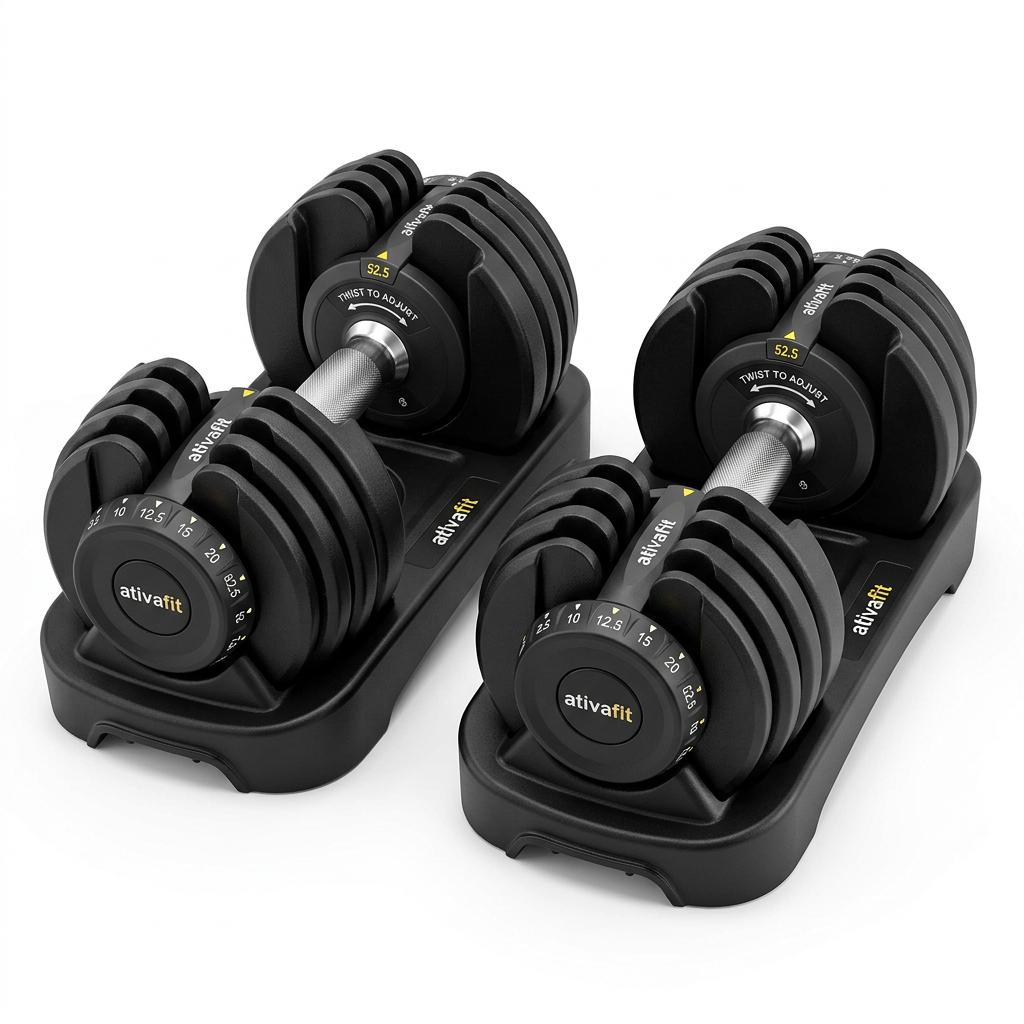 |
ATIVAFIT Adjustable Dumbbells | $249-$329 | Best Value Adjustable | Check Price |
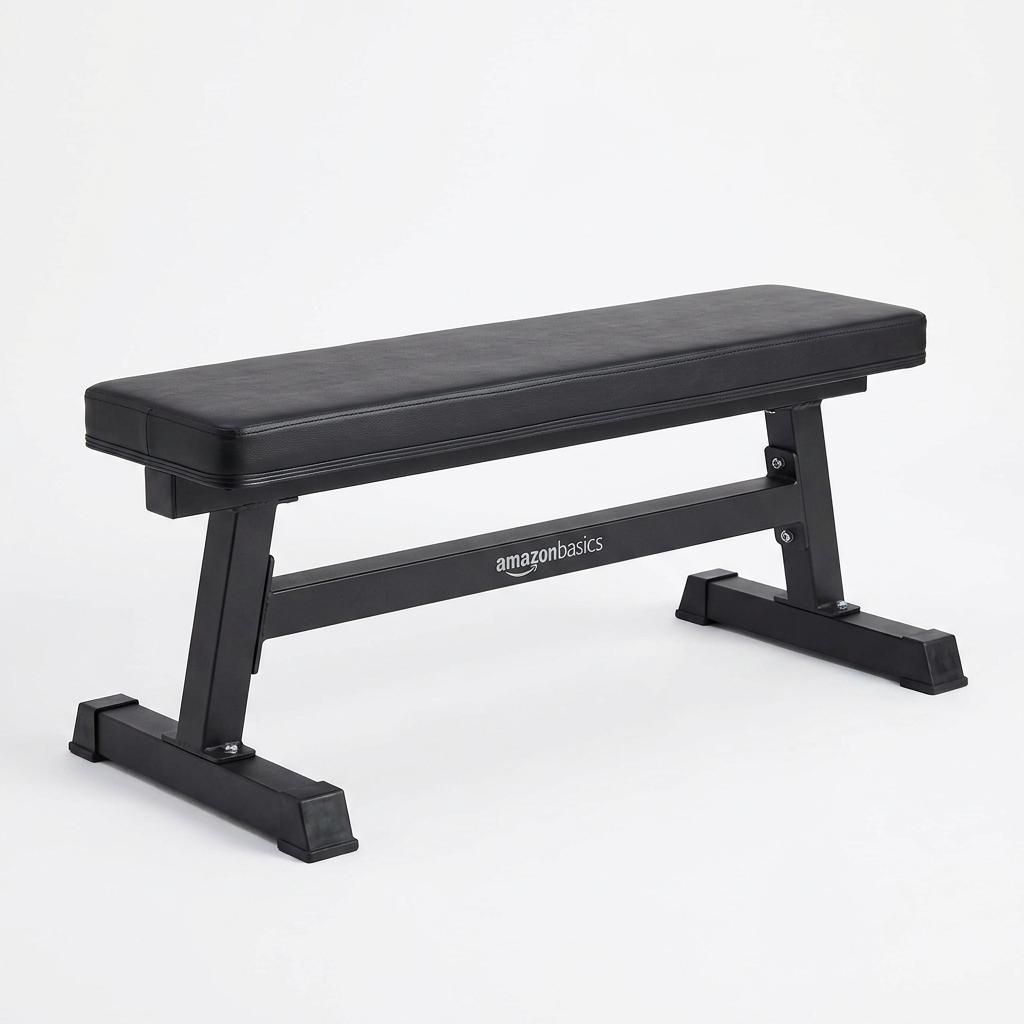 |
AmazonBasics Flat Weight Bench | $49-$69 | Best Budget Flat Bench | Check Price |
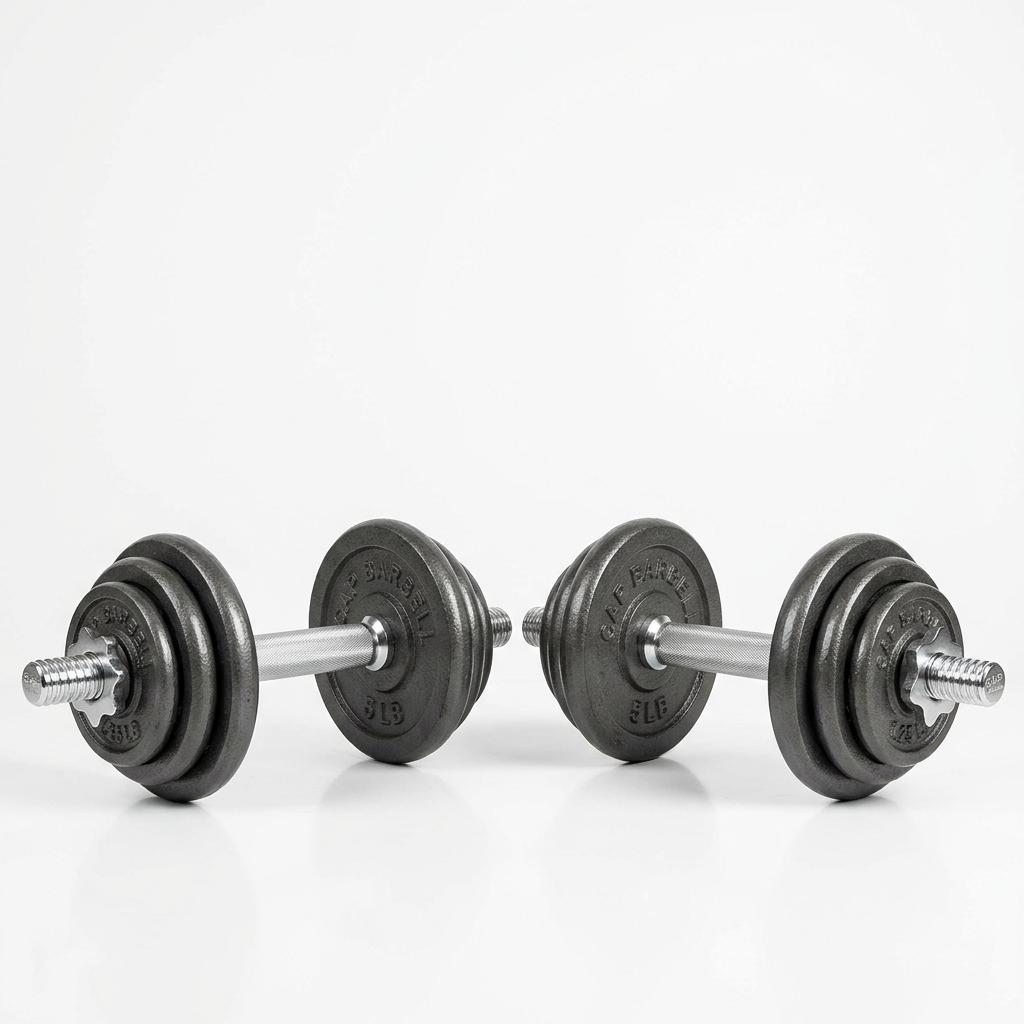 |
CAP Barbell 40-Pound Adjustable Dumbbell Set | $49-$65 | Best Entry-Level Adjustable | Check Price |
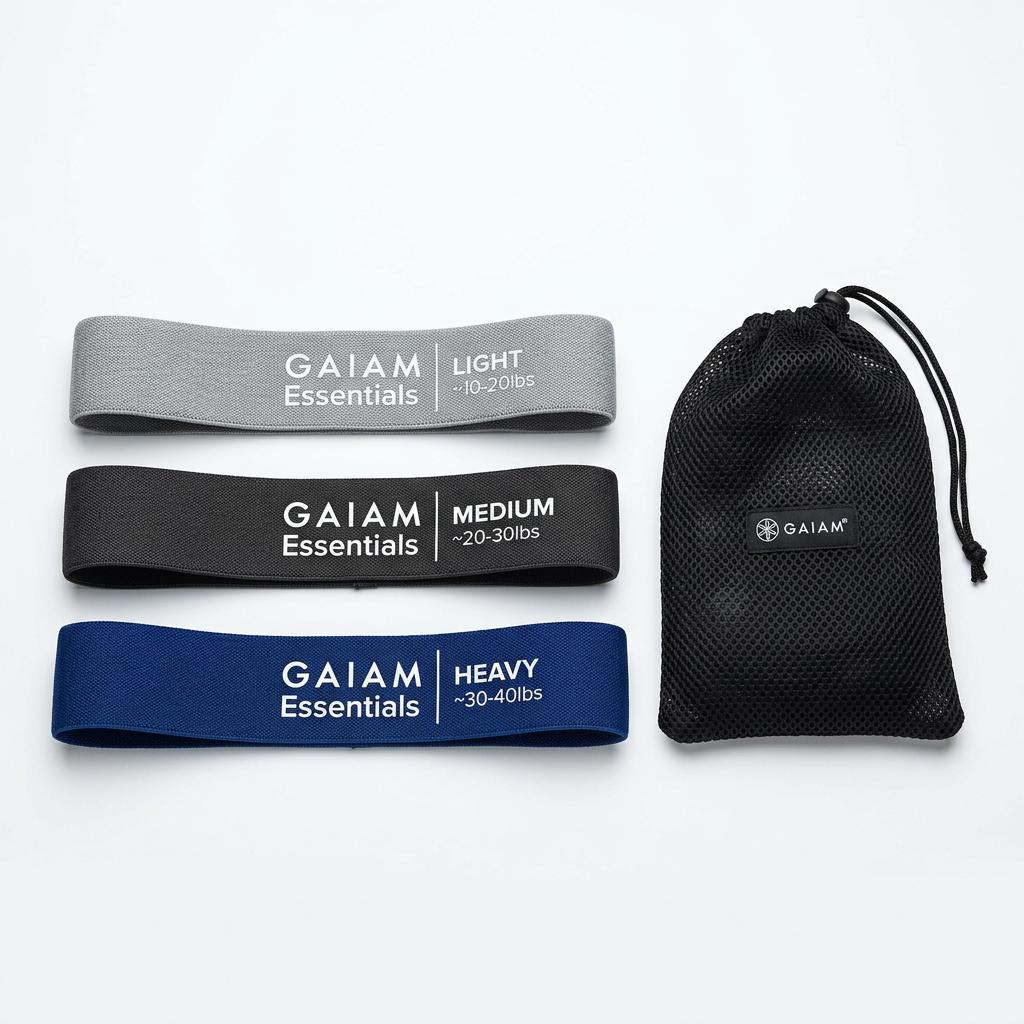 |
Gaiam Essentials Resistance Band Set | $12-$19 | Best for Rear Delt Work | Check Price |
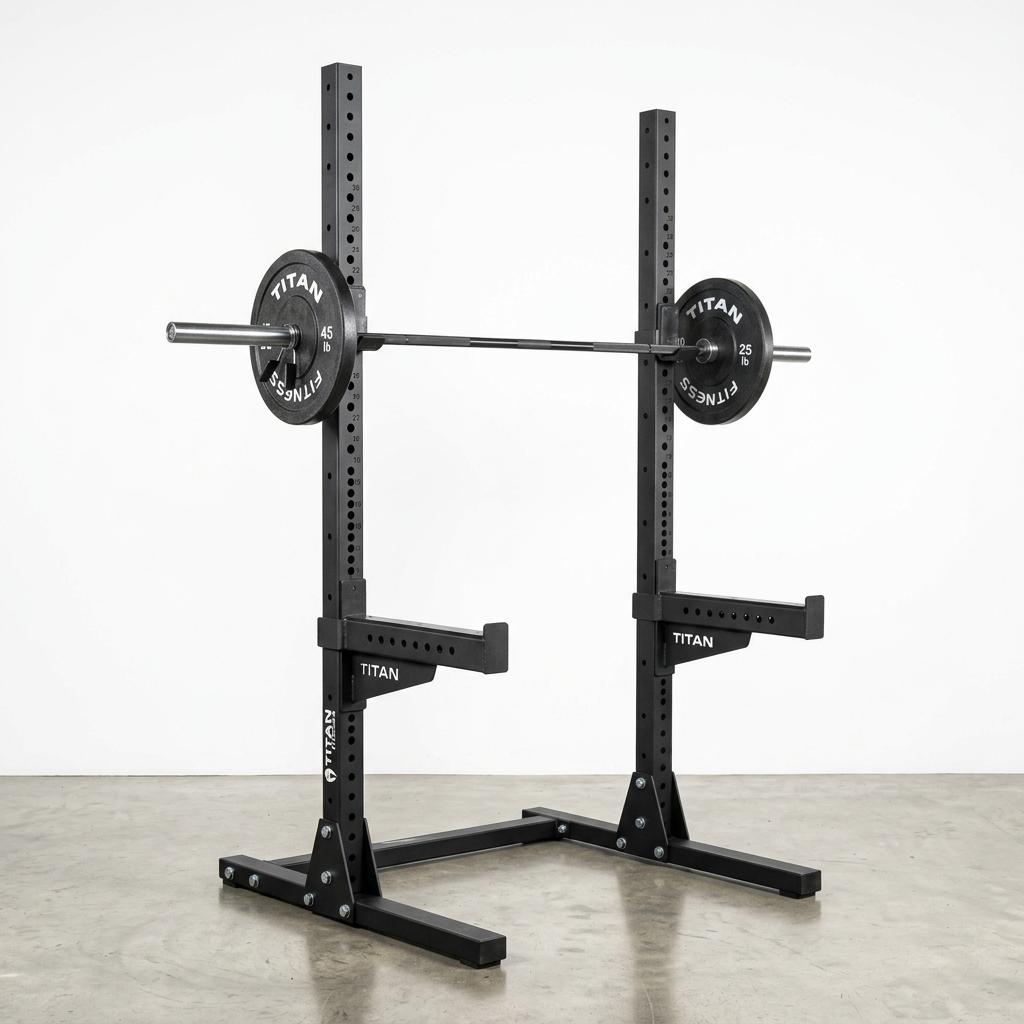 |
Titan Fitness Squat Rack with Pull-Up Bar | $299-$399 | Premium Pick | Check Price |
An excellent mid-range adjustable dumbbell that offers heavier maximum weight than many competitors, perfect for progressive overhead pressing and lateral raises.
A no-nonsense flat bench that provides stable support for seated shoulder presses and rear delt exercises at an unbeatable price point.
A traditional spinlock dumbbell set that provides an affordable entry point to shoulder training with precise weight customization.
Fabric resistance bands that excel at rear delt activation, shoulder warm-ups, and adding variable resistance to dumbbell shoulder movements.
A compact squat rack that transforms your dumbbell shoulder program by enabling rack-supported presses, heavy dumbbell loading from an elevated position, and pull-up variations.
Shoulder training benefits enormously from the ability to make small weight jumps, and the ATIVAFIT adjustable dumbbells make this easy with their twist-handle selection system. The 5 to 71.5 lb range covers everything from light rear delt flyes to heavy seated overhead presses as you build strength. The dumbbells feel secure during dynamic shoulder movements like Arnold presses, and the included storage trays keep your workout area tidy. The 5.5 lb increments are slightly larger than ideal but manageable for most trainees.
Check Price on Amazon
For shoulder training, you primarily need a stable flat surface for seated overhead pressing and support during rear delt flyes. The AmazonBasics flat bench delivers exactly that at a price that leaves room in your budget for better dumbbells. Its 400 lb capacity handles even heavy overhead press sessions, and the compact footprint means it won't dominate your living room. The lack of incline adjustment is less limiting for shoulder work than for chest training, since most shoulder exercises are performed either standing or seated upright.
Check Price on Amazon
The CAP Barbell adjustable set is the time-tested solution for budget-conscious lifters starting their shoulder training journey. The included plates let you create dumbbells from 5 to 40 lbs per hand, covering the full range needed for deltoid development. The chrome handles with knurled grips provide secure hold during lateral raises and overhead presses. The trade-off is speed: changing weights requires unscrewing collars, swapping plates, and re-tightening, which adds rest time between exercises. For dedicated shoulder sessions where you're not rushing between movements, this is perfectly acceptable.
Check Price on Amazon
The Gaiam fabric bands are a shoulder training secret weapon. Use them for band pull-aparts to activate rear delts before your main workout, lateral band walks to fire up the medial delts, or wrap them around your wrists during dumbbell movements to increase time under tension. The fabric construction is a significant upgrade over latex loops: it stays flat against your skin, never rolls up mid-exercise, and feels more comfortable during high-rep sets. The three resistance levels let you progress from gray (light) to black (heavy) as your shoulder strength improves.
Check Price on Amazon
While not strictly a dumbbell product, the Titan Fitness squat rack elevates your entire shoulder training program. Set the safety catches at shoulder height and press dumbbells from a seated or standing position without having to clean them to your shoulders first. The integrated pull-up bar adds vertical pulling for lat and rear delt development. The safety catches mean you can train heavy overhead presses without a spotter, simply set the catches at chin height and let the dumbbells down if you fail. For serious lifters with the space, this is a game-changing addition.
Check Price on Amazon