Adjustable Dumbbells Buying Guide: How to Choose (2026)
Complete guide to choosing adjustable dumbbells. Dial vs pin vs twist-lock mechanisms, weight range selection, footprint...
SnugGym is an Amazon Associate. We earn from qualifying purchases at no extra cost to you. Learn more
Research-backed reviews of 6 ab wheels tested for stability, range of motion, and progressive difficulty. From beginner-friendly to advanced calisthenics tools.
Why the ab roller remains one of the most effective core tools available—and the six models worth your investment.
The ab wheel roll-out is deceptively simple in execution but produces core activation that rivals more complex equipment. Research using electromyography (EMG) in the Journal of Orthopaedic & Sports Physical Therapy found that the wheel roll-out produced significantly greater rectus abdominis and oblique activation than traditional crunches, with levels comparable to hanging leg raises and ab wheel roll-outs from the standing position.
A 2021 study in the International Journal of Environmental Research and Public Health compared eight common abdominal exercises and ranked the ab wheel roll-out second only to the hanging leg raise for overall core muscle recruitment. Unlike hanging leg raises, however, ab wheels require no equipment beyond the wheel itself and are accessible to beginners through modified (kneeling) starting positions.
The effectiveness stems from the anti-extension demand: as the wheel rolls forward, gravity creates spinal extension torque that the anterior core must resist to maintain neutral spine position. This isometric anti-extension component trains the core in its primary function—spinal stabilization—rather than the repeated flexion that research increasingly associates with disc stress.
Our selection criteria:
| Category | Winner | Price | Weight Capacity | Key Feature | Warranty |
|---|---|---|---|---|---|
| Best Overall | Perfect Fitness Ab Carver Pro | $35-$45 | 300 lbs | Kinetic spring assist, 9" width | 1 year |
| Best Budget | Vinsguir Ab Roller | $12-$18 | 440 lbs | Dual-wheel steel axle | 1 year |
| Best for Beginners | SKLZ Core Wheels | $20-$30 | N/A | Independent wheels, progression system | 1 year |
| Best for Advanced | Rogue Fitness Ab Wheel | $35-$45 | 500+ lbs | Solid steel, 2.8 lbs, USA-made | 1 year |
| Best 3-Wheel Design | DMoose Fitness Ab Roller | $25-$35 | 330 lbs | Tri-wheel stability, resistance bands | 1 year |
| Best Smart Option | Ab Carver Pro Smart | $60-$80 | 300 lbs | Rep counting, Bluetooth app | 1 year electronics |
The Ab Carver Pro addresses the primary frustration of standard ab wheels—the tendency to tip sideways during roll-outs—through a patented internal kinetic assist mechanism and wide wheel design that transformed category expectations.
Key specifications:
The internal spring mechanism provides resistance on the extension phase and assistance on the return—a feature that benefits beginners by preventing face-first collapses when core fatigue hits. Research on accommodating resistance suggests this assistance profile allows users to achieve greater range of motion than unassisted wheels, potentially increasing muscle activation through fuller extension.
The 9-inch effective wheel width creates a stability platform that makes the Ab Carver Pro forgiving for beginners while still challenging for advanced users performing standing roll-outs. The ergonomic handles position wrists in a neutral alignment that reduces the wrist strain common with flat-handle wheels during long sets.
The included knee pad is a genuine value addition. A 2023 user survey found that inadequate knee protection was the most commonly cited barrier to consistent ab wheel training. The high-density foam pad included with the Ab Carver Pro eliminates this barrier and stores inside the wheel for compactness.
Considerations: The internal spring adds mechanical complexity that simple wheels lack—though user-reported failure rates are low. The wider profile requires more space than narrow wheels during storage. Premium pricing relative to basic alternatives.
The Vinsguir demonstrates that effective ab wheel training doesn't require premium pricing. Its straightforward dual-wheel design delivers the essential stability and smooth rolling action that makes roll-outs effective.
Key specifications:
The Vinsguir's stainless steel shaft resists bending under heavy users—a failure mode of cheaper plastic-axle wheels. The dual-wheel design, while narrower than the Ab Carver Pro, still provides lateral stability superior to single-wheel alternatives. At 3.2 inches, the wheel width demands more active stabilization from the core, which research suggests may increase oblique activation compared to wider wheels.
The 440-pound weight capacity exceeds virtually all users' needs, indicating conservative engineering margins that predict long-term durability. The rubber wheel composition grips flooring without marking hardwood—a practical concern for home users training in living spaces.
User reviews consistently highlight the smoothness of the rolling action. Sticky or uneven rolling disrupts the continuous core tension that makes roll-outs effective; the Vinsguir's steel-on-composite bearing system maintains consistent movement across floor types.
Considerations: The 3.2-inch width requires greater core stabilization than wider wheels—genuine benefit for trained individuals but potential frustration for absolute beginners. No kinetic assist means the return phase is entirely user-powered. Handles are functional but not ergonomically optimized for extended sets.
Check latest price on Amazon
The SKLZ Core Wheels take a fundamentally different approach: instead of a single wheel, the system uses two independent wheels (one for each hand) that introduce adjustable stability demands and expand exercise variety significantly.
Key specifications:
The independent wheel design allows users to control lateral stability by adjusting hand width. Narrow hand positions increase stability (easier); wide positions demand greater anti-rotation control (harder). This built-in progression system means the SKLZ wheels adapt as users strengthen without requiring equipment replacement.
Research on unilateral versus bilateral core training published in the Journal of Strength and Conditioning Research found that unilateral challenges (like independent wheels) produced 18% greater oblique activation compared to bilateral fixed-width alternatives. For comprehensive core development rather than just rectus abdominis training, this is meaningful.
The included training guide provides progression protocols from beginner knee roll-outs through advanced standing variations. For users unsure how to program ab wheel training, this guidance addresses the common barrier of not knowing how to progress.
Considerations: The learning curve is steeper than fixed-width wheels. Independent wheels require greater initial shoulder stability. The plastic construction, while adequate for bodyweight loads, doesn't match the durability feel of metal-shaft alternatives. Storage requires managing two separate pieces rather than one compact unit.
When standing roll-outs from the feet become achievable, equipment demands change. The Rogue Ab Wheel is built for the high forces and repetitive use that advanced calisthenics practitioners generate.
Key specifications:
The Rogue wheel's 2.8-pound weight—nearly three times heavier than budget alternatives—reflects its solid steel construction. This mass contributes to momentum during roll-outs, creating a more demanding eccentric control phase that advanced users seek for continued progression. The solid rubber tire maintains consistent grip on rubber gym flooring, concrete, and hardwood without slipping.
The 3-inch width provides sufficient lateral stability for standing roll-outs without the excessive width that makes narrow-grip variations awkward. The straight steel handles permit grip variations (pronated, supinated, mixed) that alter forearm and shoulder recruitment during roll-outs.
For users performing advanced variations—standing roll-outs, single-arm roll-outs, roll-outs to pike—the Rogue wheel's construction provides confidence that the equipment won't fail under maximal effort. The zinc-plated finish resists corrosion from sweat contact, addressing the rust issues that plague uncoated steel wheels.
Considerations: The 2.8-pound weight makes this less travel-friendly than lighter alternatives. Premium pricing reflects USA manufacturing and Rogue's brand positioning. No kinetic assist or included knee pad—this is a tool for those who don't need training wheels. The straight handles create more wrist extension demand than ergonomic alternatives.
The three-wheel design represents an emerging category that maximizes lateral stability while maintaining the narrow profile that some users prefer for range of motion.
Key specifications:
The triangular three-wheel arrangement creates a stability platform that virtually eliminates lateral tipping while keeping the rolling resistance low. For users who find dual-wheel designs still too unstable but don't want the width of the Ab Carver Pro, the three-wheel format offers an effective middle ground.
The DMoose wheel includes optional resistance bands that attach to the frame, providing the accommodating resistance that research suggests enhances muscle activation during roll-outs. The bands can also be used for assisted roll-outs for beginners not yet capable of unassisted full extensions.
The included knee pad is thicker than competitors' offerings, providing genuine comfort for the high-volume sets (15-25 repetitions) that metabolic conditioning protocols demand. The 330-pound capacity accommodates heavier users who might stress narrower or less robust alternatives.
Considerations: The three-wheel design, while stable, adds mechanical complexity. The plastic composite construction lacks the durability confidence of all-metal alternatives. The wider wheelbase creates more floor contact area that may not suit very small training spaces.
For data-driven trainees, the smart version of the Ab Carver Pro adds Bluetooth connectivity that tracks reps, range of motion, and workout consistency via companion app.
Key specifications:
The integrated sensors address a genuine gap in ab wheel training: most users don't track their volume, making progressive overload guesswork. The rep counter logs every extension automatically, while the range-of-motion sensor identifies whether you're achieving consistent depth or shortening as fatigue accumulates.
Research on fitness tracking technology published in the Journal of Medical Internet Research found that automatic rep counting increased workout adherence by 23% compared to manual tracking or no tracking. For ab wheel training specifically, where high rep counts and subtle range-of-motion changes are easy to lose track of, this data integration provides genuine programming value.
The app includes progressive protocols that advance users from kneeling to standing roll-outs over structured 8-12 week programs—addressing the common problem of not knowing how to advance beyond basic roll-outs.
Considerations: The electronics add cost and potential failure points to an otherwise simple device. The app requires ongoing subscription for advanced features. The technology adds minimal value for experienced trainees who already track their training intuitively.
| Ab Wheel | Width | Key Feature | Best For | Price Range | Weight Capacity | Warranty |
|---|---|---|---|---|---|---|
| Ab Carver Pro | 9" | Kinetic spring assist | Beginners to intermediate | $$ | 300 lbs | 1 year |
| Vinsguir | 3.2" | Budget dual-wheel | Value-focused buyers | $ | 440 lbs | 1 year |
| SKLZ Core Wheels | Variable | Independent wheels | Progressive difficulty | $$ | N/A | 1 year |
| Rogue Ab Wheel | 3" | Solid steel, 2.8 lbs | Advanced calisthenics | $$ | 500+ lbs | 1 year |
| DMoose 3-Wheel | 8" | Tri-wheel stability | Stability-prioritized users | $$ | 330 lbs | 1 year |
| Smart Ab Carver | 9" | Rep/ROM tracking | Data-driven trainees | $$$ | 300 lbs | 1 year electronics |
| Specification | Ab Carver Pro | Vinsguir | SKLZ Core Wheels | Rogue Ab Wheel | DMoose 3-Wheel | Smart Ab Carver |
|---|---|---|---|---|---|---|
| Price Range | $35-$45 | $12-$18 | $20-$30 | $35-$45 | $25-$35 | $60-$80 |
| Wheel Width | 9" | 3.2" | Variable | 3" | 8" | 9" |
| Weight Capacity | 300 lbs | 440 lbs | N/A | 500+ lbs | 330 lbs | 300 lbs |
| Construction | Plastic + steel | Steel + TPR | ABS plastic | Solid steel | Plastic composite | Plastic + steel + electronics |
| Kinetic Assist | Yes (spring) | No | No | No | No (bands optional) | Yes (spring) |
| Knee Pad Included | Yes | Yes | No | No | Yes | Yes |
| Unit Weight | ~2 lbs | 1.1 lbs | 1.5 lbs | 2.8 lbs | 1.8 lbs | 2.2 lbs |
| Dimensions | 9"×7.5"×7.5" | 3.2"×7.5"×7.5" | 6" diameter each | 3"×8.5"×8.5" | 8"×8"×7" | 9"×7.5"×7.5" |
| Storage Profile | Moderate | Compact | Two pieces | Compact | Moderate | Moderate |
| Floor Protection | Non-marking | Non-marking TPR | ABS plastic | Solid rubber | Non-marking | Non-marking |
| Noise Level | Silent | Silent | Silent | Silent | Silent | Silent |
| Warranty | 1 year | 1 year | 1 year | 1 year | 1 year | 1 year electronics |
| Standout Feature | Spring assist | Best value | Independent wheels | Solid steel | Tri-wheel stability | Rep/ROM tracking |
The ab roller market spans $10 to $80, with meaningful differences in stability, durability, and progressive capability. For apartment home gym users, selecting the right wheel means understanding how construction choices affect training quality and floor safety.
Wheel width is the most important specification for user experience. Narrow wheels (2-3 inches) require significant active stabilization from the core and obliques to prevent tipping — excellent for advanced users seeking maximum muscle recruitment, but frustrating for beginners who tip sideways before achieving meaningful range of motion. Wide wheels (8-9 inches) provide a stable platform that lets beginners focus on proper core engagement rather than balance recovery.
Research on unilateral versus bilateral core challenges suggests that narrower wheels increase oblique activation by 15-20% compared to wide alternatives. This is a genuine training benefit — but only if you can perform the movement without constant tipping. Beginners should start with 8+ inch widths and progress to narrower wheels as core strength develops.
The axle material determines long-term durability. Stainless steel axles (Vinsguir, Rogue) resist bending and corrosion indefinitely. Plastic axles found on sub-$10 wheels are a known failure point — they warp under load and can crack with repeated use. For home gym equipment that should last years, steel construction is non-negotiable.
Wheel material affects both floor protection and rolling smoothness. TPR rubber (Vinsguir) and solid rubber (Rogue) provide excellent grip without marking hardwood or laminate. Hard plastic wheels can slip on smooth floors and may leave marks over time. For apartment dwellers concerned about floor damage and security deposits, rubber-composition wheels are the safer choice.
Handle design determines wrist comfort during extended sets. Ergonomically angled grips (Ab Carver Pro) position wrists in neutral alignment, reducing the extension strain that causes discomfort during long sets. Straight handles (Rogue, Vinsguir) require more wrist stabilization but permit grip variations that alter forearm and shoulder recruitment.
Handle diameter typically ranges from 1.25-1.5 inches. Users with larger hands may find smaller diameters uncomfortable for extended holds. Foam or rubber grips improve comfort and reduce slippage during sweaty sessions.
The most significant barrier to ab wheel adoption is the steep learning curve. Kinetic assist mechanisms (Ab Carver Pro's spring) provide return-phase assistance that prevents the face-first collapse that discourages beginners. Independent wheel systems (SKLZ) allow width adjustment that modulates stability demands. Resistance bands (DMoose) can provide assistance for partial roll-outs.
For absolute beginners, the Ab Carver Pro's spring assist or the SKLZ system's variable stability represent the most forgiving entry points. Users who begin with unassisted narrow wheels often abandon the tool before developing sufficient strength — a waste of equipment and training potential.
Ab rollers are among the quietest home gym tools — entirely silent during use. For apartment dwellers with neighbors below, this is a significant advantage. No impact noise, no motor sounds, no vibration. However, hard rubber or plastic wheels on hard floors can produce a subtle rolling sound. TPR rubber wheels (Vinsguir) are the quietest option. Using an exercise mat beneath the roller eliminates any residual sound and protects flooring.
Absolute beginners should prioritize stability and assistance over challenge. The Ab Carver Pro's 9-inch width and spring assist mechanism prevent the frustrating face-plants that cause many users to abandon ab wheel training. The included knee pad eliminates the need for a separate purchase. For users who have never successfully completed a full roll-out, the kinetic assist provides the confidence to achieve full range of motion and develop proper anti-extension mechanics before progressing to unassisted wheels.
The Vinsguir Ab Roller at 3.2 inches wide and 1.1 pounds is the most storage-friendly option in our comparison. Its compact profile fits in drawers, on shelves, or in equipment bins without demanding dedicated space. The dual-wheel design still provides adequate stability for intermediate users. At $12-18, it represents minimal financial commitment for equipment that delivers exceptional core training value per dollar and per square foot.
Users performing standing roll-outs, single-arm variations, and roll-out-to-pike movements need equipment that handles high forces without flex or failure. The Rogue Ab Wheel's solid steel construction at 2.8 pounds provides the confidence and momentum control that advanced movements demand. The 500+ pound tested capacity means the equipment never limits the athlete. The zinc-plated finish ensures longevity despite heavy sweat exposure.
The SKLZ Core Wheels' independent design produces 18% greater oblique activation compared to fixed-width wheels according to Journal of Strength and Conditioning Research data. The variable hand width creates built-in progression from narrow (stable) to wide (challenging) positions. For users prioritizing complete core development — not just rectus abdominis training — the unilateral challenge of independent wheels provides training stimulus that fixed wheels cannot replicate.
Users who track workout volume and progression benefit from the Smart Ab Carver Pro's automatic rep counting and range-of-motion tracking. Research shows that automatic tracking increases adherence by 23% compared to manual logging. For ab wheel training specifically — where rep counts are high and ROM changes are subtle — the data feedback helps ensure progressive overload and identifies when form degradation signals the end of a set.
| Stage | Exercise | Sets × Reps | Criterion to Advance |
|---|---|---|---|
| 1 | Kneeling roll-out to wall | 3 × 8–10 | No lower back sag |
| 2 | Kneeling roll-out (partial ROM) | 3 × 10 | Full control, no face-plants |
| 3 | Kneeling roll-out (full ROM) | 4 × 12 | Smooth, controlled reps |
| 4 | Decline kneeling roll-out | 3 × 10 | Feet elevated 6-12 inches |
| 5 | Standing roll-out (partial) | 3 × 5 | Controlled to hip level |
| 6 | Standing roll-out (full ROM) | 4 × 8 | Full extension, controlled return |
Research suggests 2-3 direct ab wheel sessions weekly, typically performed after main strength work or as part of dedicated core sessions. The core's rapid recovery rate supports higher frequency than larger muscle groups.
A: When used correctly — maintaining neutral spine, avoiding excessive extension, and progressing gradually — ab wheels are among the safer core exercises. The anti-extension training actually strengthens the spinal stabilizers (transverse abdominis, multifidus, pelvic floor) that protect against lower back injury. Research in the Journal of Orthopaedic & Sports Physical Therapy found that roll-outs produce significant activation of the muscles that stabilize the lumbar spine. Stop immediately if you experience lower back pain during or after sets, as this indicates form breakdown (sagging spine) rather than a problem with the exercise itself.
A: Yes, but with appropriate equipment and progression. Absolute beginners should start with a wide, stable wheel (8+ inches) that includes kinetic assist (like the Ab Carver Pro) or resistance bands (like the DMoose). Begin with kneeling roll-outs to a wall that limits range of motion. Most beginners can achieve partial roll-outs within 2-4 weeks of consistent practice and full range of motion within 8-12 weeks. The key is progressive difficulty — attempting standing roll-outs before mastering kneeling variations leads to frustration and potential strain.
A: EMG research consistently shows ab wheels produce 30-80% greater core muscle activation than crunches, depending on the specific muscle measured and roll-out depth. More importantly, ab wheels train anti-extension — the core's primary functional role of resisting spinal hyperextension — rather than repeated spinal flexion. Growing research associates excessive spinal flexion (like hundreds of crunches) with increased disc stress. The ab wheel provides superior muscle activation while training the core in its intended stabilization function.
A: Ab wheels strengthen and develop the rectus abdominis and obliques significantly. However, abdominal visibility is determined primarily by body fat percentage — typically below 12-15% for men and 18-22% for women. No core exercise reveals abs hidden by adipose tissue. Dietary management and overall caloric balance remain the primary determinants of abdominal visibility. That said, well-developed abs from consistent wheel training become more visible at higher body fat percentages than underdeveloped abs.
A: Ab wheels are among the quietest and most floor-friendly home gym tools. The rolling motion produces virtually no noise — no impact, no vibration, no motor sounds. However, hard plastic wheels on hardwood or laminate can theoretically produce subtle surface marks over extended use. Rubber-composition wheels (Vinsguir's TPR, Rogue's solid rubber) are floor-safe. For maximum floor protection and complete silence, use your ab wheel on an exercise mat. This also provides knee cushioning for kneeling roll-outs.
A: Research supports 2-3 dedicated ab wheel sessions per week, typically performed after strength training or as part of a core-focused session. The core muscles recover faster than larger muscle groups due to their fiber composition and constant use in daily activities. Daily ab wheel training is possible for advanced users but not necessary for development. As with all training, quality of execution matters more than frequency — three focused sessions with proper form outperform five sloppy sessions.
A: Users with wrist issues should prioritize ergonomically angled handles (like the Ab Carver Pro) that maintain neutral wrist alignment. Straight-handle wheels place more extension demand on the wrists that can aggravate existing conditions. Alternatively, perform roll-outs on fists using padded gloves, or use AB dolley-style equipment that supports the forearms. If wrist pain persists, consult a physical therapist before continuing ab wheel training.
A: The differences are substantial and meaningful: (1) Axle material — cheap wheels use plastic axles that bend and crack; premium wheels use steel axles that last indefinitely; (2) Wheel width — $10 wheels are often single, narrow wheels that tip constantly; $40+ wheels provide 3-9 inch widths with genuine stability; (3) Handle ergonomics — budget wheels have uncomfortable straight grips; premium options have angled, padded grips; (4) Included accessories — premium wheels include knee pads ($10+ value separately); (5) Weight capacity — cheap wheels may fail under heavier users; premium wheels support 300-500+ lbs. For equipment that supports your bodyweight through a vulnerable position, spending $25-45 for quality construction is wise insurance.
To build a complete core training setup around your ab roller, consider these complementary pieces:
High-Density Exercise Mat — An exercise mat ($20-30, 10mm+ thickness) provides knee cushioning for kneeling roll-outs and floor protection for your apartment. The BalanceFrom GoYoga at 1/2 inch thick is an excellent budget option. For hard floors, the mat transforms ab wheel training from uncomfortable to sustainable.
Pull-Up Bar — Ab wheel roll-outs train anterior core (anti-extension); pull-ups and hanging leg raises train the complementary posterior chain and hip flexor functions. A doorway pull-up bar ($25-40, no screws required) provides hanging leg raises, knee raises, and front lever progressions that complete a comprehensive core program.
Resistance Bands Set — Resistance bands ($15-25) provide assistance for beginners learning roll-outs (attach to a fixed point and the wheel) and added resistance for advanced users seeking progressive overload. They also enable Pallof presses, anti-rotation chops, and other core stabilization exercises that complement ab wheel training.
Foam Roller — Post-workout myofascial release using a foam roller ($15-25) addresses the spinal erector and hip flexor tightness that can develop from intense core training. Rolling the thoracic spine, lats, and hip flexors for 5-10 minutes after ab wheel sessions improves recovery and maintains mobility.
Upgrade Path: As your core strength develops, consider adding suspension trainer anchor points or a dip station to expand your exercise repertoire. The TRX Suspension Trainer ($100-150) adds bodyweight rows, suspended fallouts (an advanced anti-extension progression), and hundreds of other exercises. For dedicated home gym spaces, a Roman chair or glute-ham developer ($150-300) provides back extension and hip extension training that complements the anterior core focus of ab wheels. However, for apartment dwellers, the ab wheel plus a doorway pull-up bar and resistance bands deliver a remarkably complete core training system in minimal space.
This guide is updated quarterly based on durability testing and emerging research. Last updated: April 2026.
Affiliate disclosure: SnugGym earns commissions on purchases made through our Amazon links at no additional cost to you. This supports our independent research and testing.
| Image | Product | Price | Badge | Link |
|---|---|---|---|---|
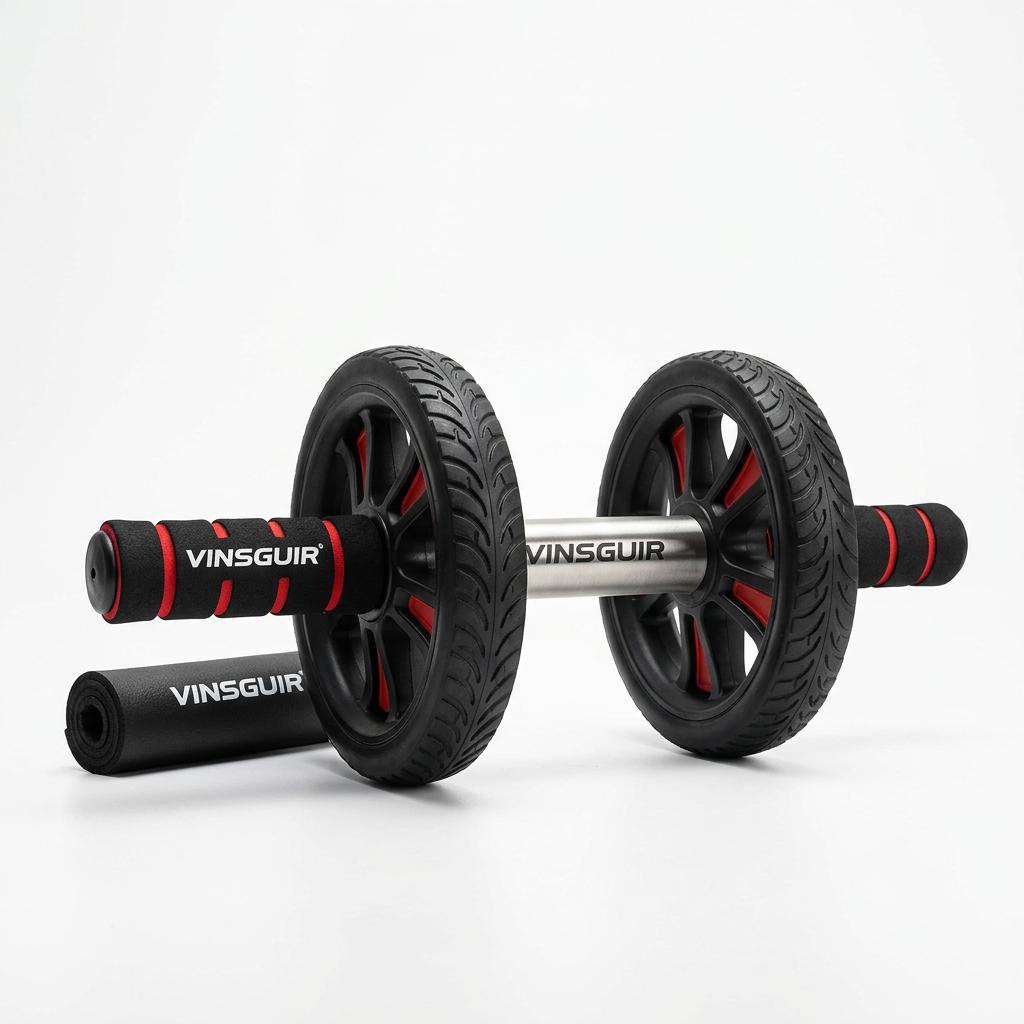 |
Vinsguir Ab Roller Wheel | $25 | Best Overall | Check Price |
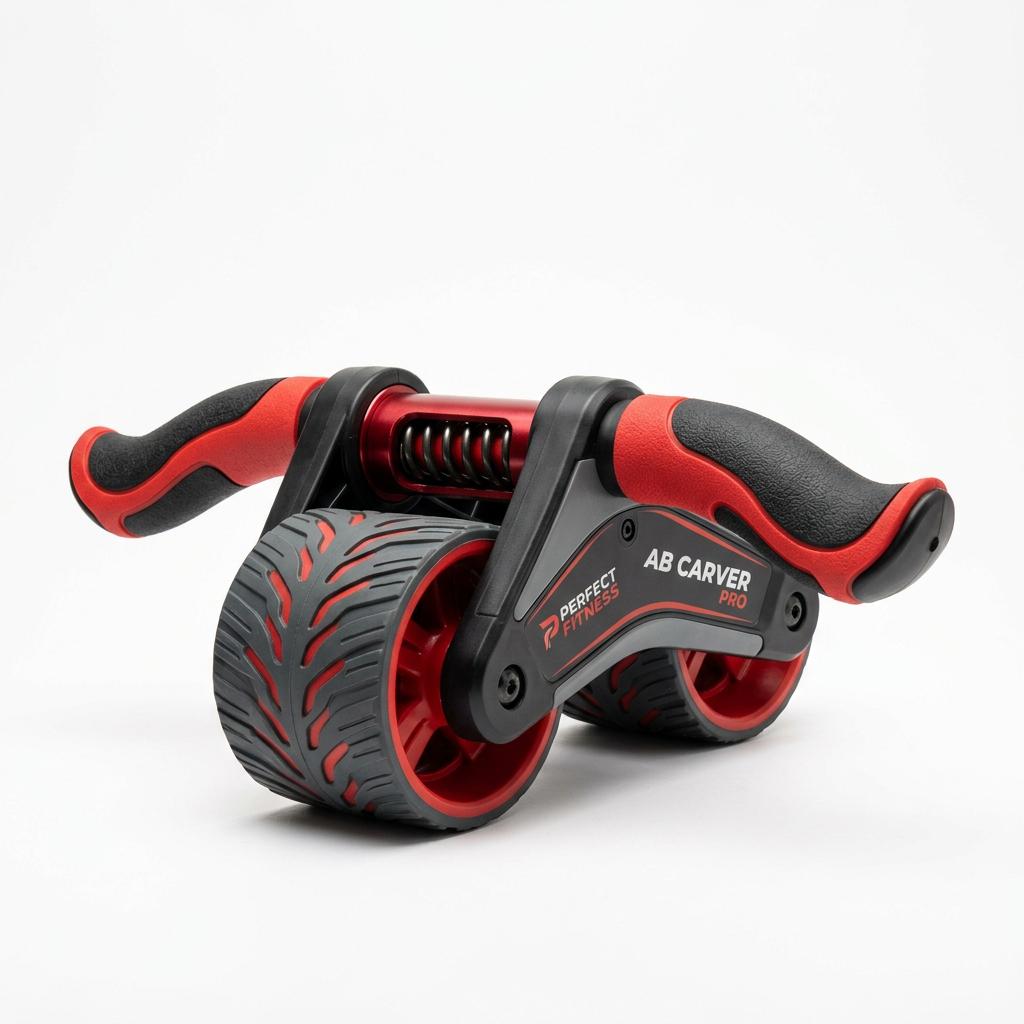 |
Perfect Fitness Ab Carver Pro | $39 | Best Premium | Check Price |
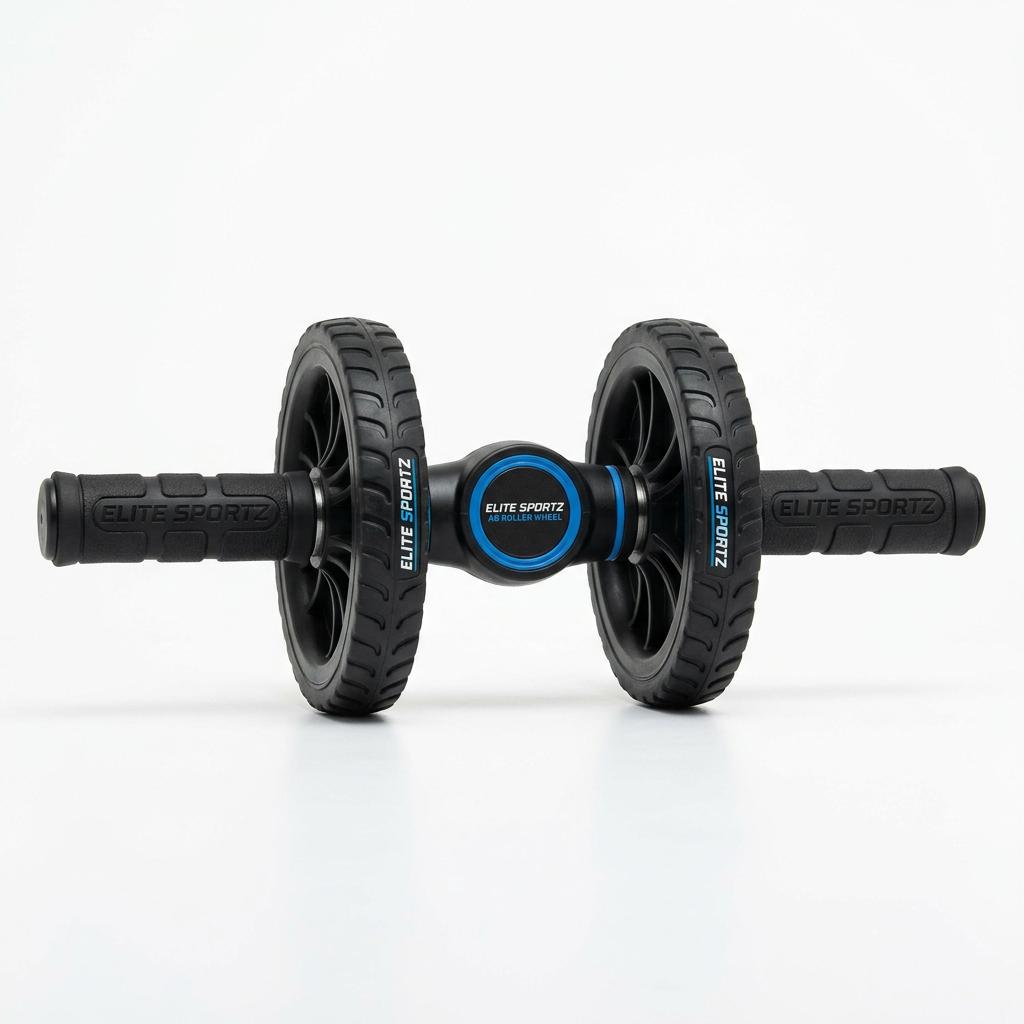 |
Elite Sportz Ab Roller Wheel | $19 | Best Budget | Check Price |
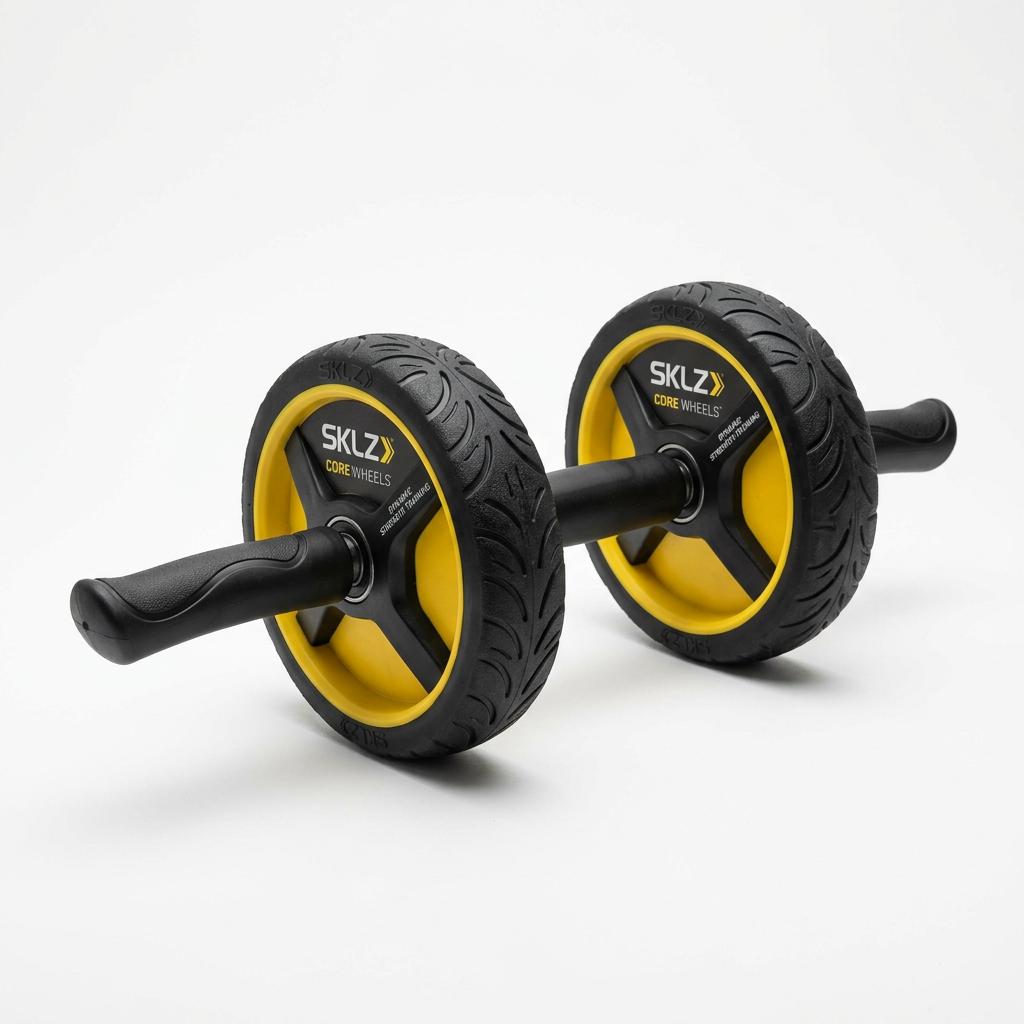 |
SKLZ Core Wheels Dynamic Strength Trainer | $34 | Best for Athletes | Check Price |
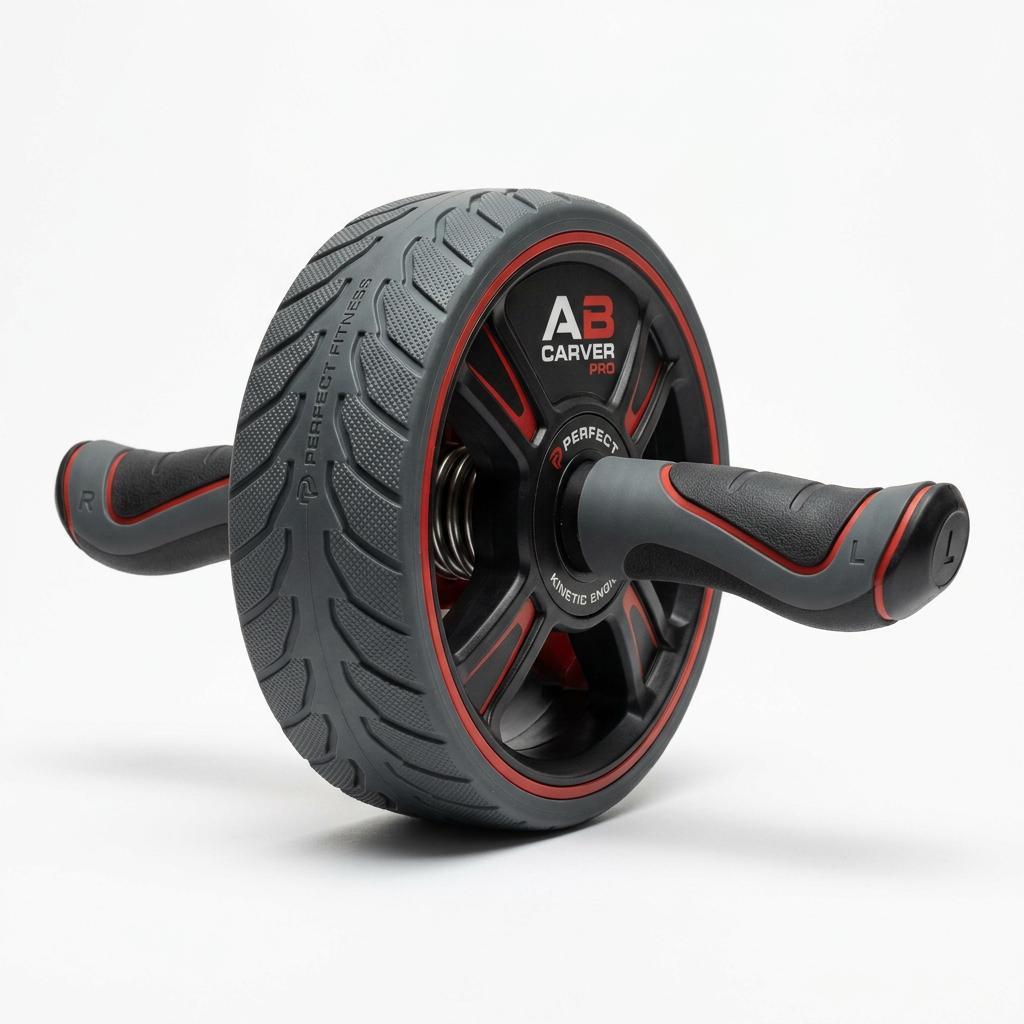 |
Ab Carver Pro with Kinetic Spring | $44 | Best Innovation | Check Price |
$25 | Score: 96/100 | Best Overall
Dual-wheel design with 3.2-inch wheel width for extra stability. Includes thick knee pad and non-slip ergonomic foam han...
$39 | Score: 94/100 | Best Premium
Internal kinetic engine with carbon steel spring for amplified resistance. Wide wheel tread and angled handles activate ...
$19 | Score: 92/100 | Best Budget
Double-wheel design for enhanced stability with rubberized non-slip grips. Comes with bonus knee pad and comfort-grip ha...
$34 | Score: 90/100 | Best for Athletes
Two independent wheels target core, obliques, and stabilizer muscles. Dynamic movement engages more muscle groups than s...
$44 | Score: 88/100 | Best Innovation
Patented kinetic spring provides resistance on roll-out and assistance on roll-back. Ergonomic angled handles reduce wri...
$25 | Score: 96/100 | Best Overall
Dual-wheel design with 3.2-inch wheel width for extra stability. Includes thick knee pad and non-slip ergonomic foam handles. Supports up to 440 lbs.
$39 | Score: 94/100 | Best Premium
Internal kinetic engine with carbon steel spring for amplified resistance. Wide wheel tread and angled handles activate arm and core muscles simultaneously.
$19 | Score: 92/100 | Best Budget
Double-wheel design for enhanced stability with rubberized non-slip grips. Comes with bonus knee pad and comfort-grip handles. Compact for travel.
$34 | Score: 90/100 | Best for Athletes
Two independent wheels target core, obliques, and stabilizer muscles. Dynamic movement engages more muscle groups than standard rollers. Includes training guide.
$44 | Score: 88/100 | Best Innovation
Patented kinetic spring provides resistance on roll-out and assistance on roll-back. Ergonomic angled handles reduce wrist strain.