Adjustable Dumbbells Buying Guide: How to Choose (2026)
Complete guide to choosing adjustable dumbbells. Dial vs pin vs twist-lock mechanisms, weight range selection, footprint...
Science-based dumbbell leg workout targeting quads, hamstrings, glutes, and calves. Research-backed exercise selection with progressive overload strategies for home training.
Lower body training with dumbbells faces an obvious challenge: the legs contain the body's largest and strongest muscle groups, capable of moving loads that exceed most dumbbell collections. However, strategic exercise selection, unilateral loading, and tempo manipulation can create sufficient training stimulus for substantial strength and hypertrophy development without barbells.
This routine applies biomechanical research to overcome the loading limitations of dumbbell leg training, targeting the quadriceps, hamstrings, glutes, and calves through movements that maximize mechanical tension and metabolic stress within practical weight ranges.
Quadriceps: Four muscles (rectus femoris, vastus lateralis, vastus medialis, vastus intermedius) responsible for knee extension. The rectus femoris also performs hip flexion, meaning hip position affects its recruitment. The quadriceps contain a high proportion of fast-twitch fibers, responding well to moderate-to-heavy loads and explosive movements.
Hamstrings: Three muscles (biceps femoris long and short heads, semitendinosus, semimembranosus) responsible for knee flexion and hip extension. The hamstrings are biarticular (crossing both hip and knee), making them trainable through both hip-hinge and leg curl patterns.
Gluteus Maximus: The body's largest muscle, responsible for hip extension, external rotation, and abduction. Research on glute activation shows that hip-dominant movements (hinges, bridges) produce greater recruitment than knee-dominant movements (squats, lunges), though both contribute.
Calves: Two muscles (gastrocnemius and soleus) responsible for plantarflexion. The gastrocnemius is fast-twitch dominant and responds to heavy loading; the soleus is slow-twitch dominant and responds to higher rep ranges.
Adductors and Hip Rotators: Often neglected, these muscles contribute to hip stability and force transfer. Single-leg movements inherently train these stabilizers.
Lower body training demands thorough preparation due to the loads involved and the complexity of hip, knee, and ankle coordination:
Target: Quadriceps, glutes, adductors Rest: 2 minutes
Execution: Hold a single heavy dumbbell vertically at chest level, cupping the top end with both hands. Stand with feet shoulder-width apart, toes slightly outward. Squat down by pushing hips back and bending knees, keeping the dumbbell close to your chest. Descend until elbows touch the inside of your knees (indicating adequate depth). Drive through the heels to stand, squeezing glutes at the top.
Research Rationale: The goblet squat is the foundational dumbbell leg exercise. Holding the weight anteriorly creates a counterbalance that encourages upright torso positioning, reducing shear stress on the lumbar spine and allowing greater squat depth. Research comparing goblet squats to back squats shows comparable quadriceps activation when loads are normalized to effort level.
The dumbbell position also creates continuous core engagement, training the anterior core and upper back isometrically throughout the set.
Progression: Increase weight when 4 × 12 is achieved. When you exhaust your heaviest dumbbell, slow the eccentric to 4 seconds to increase effective stimulus.
Target: Quadriceps, glutes, hamstrings, hip stabilizers Rest: 90 seconds between legs
Execution: Stand approximately 2 feet in front of a bench. Place the top of your rear foot on the bench behind you. Hold dumbbells at your sides. Lower your body by bending the front knee until the rear knee nearly touches the floor. The front knee should track over the toes without excessive inward collapse. Drive through the front heel to return to standing.
Research Rationale: The Bulgarian split squat is the most effective dumbbell leg exercise for overcoming loading limitations. By isolating loading to a single leg, effective resistance doubles while using the same dumbbell weight. Research shows that Bulgarian split squats produce quadriceps activation comparable to barbell back squats when relative effort is equated.
The elevated rear foot increases hip flexion on the front leg, enhancing glute and hamstring recruitment compared to standard split squats. The unstable nature of the position also recruits hip rotators and adductors as stabilizers, providing comprehensive lower-body development.
Progression: Add weight when 4 × 10 each leg is achieved with controlled tempo. Focus on eliminating the forward lean that reduces quad stimulus.
Target: Hamstrings, glutes, erector spinae Rest: 2 minutes
Execution: Stand holding dumbbells at your sides with palms facing your body. With a slight knee bend (15-20°), hinge at the hips by pushing your butt backward. Maintain a neutral spine as the dumbbells travel down the front of your legs. Descend until you feel a deep stretch in the hamstrings (typically when dumbbells reach mid-shin). Drive hips forward to stand, squeezing glutes forcefully at the top.
Research Rationale: The Romanian deadlift (RDL) is the premier hip-hinge exercise for hamstring and glute development. EMG research consistently shows that RDLs produce among the highest hamstring activation values of any exercise. The fixed knee angle prevents the quadriceps from assisting, isolating the posterior chain.
The dumbbell variation allows a more natural hand position than barbell RDLs, reducing grip and upper back fatigue that often limits barbell performance. The weights traveling at your sides (rather than in front) also reduce lumbar moment arms, decreasing lower back stress.
Progression: Increase weight when 4 × 10 is achieved with hamstring stretch felt at the bottom. Do not sacrifice range of motion for heavier loads.
Target: Quadriceps, glutes, calves Rest: 90 seconds
Execution: Stand facing a sturdy bench or plyo box (height approximately at mid-thigh when standing beside it). Hold dumbbells at your sides. Step onto the bench with one foot, driving through the heel to lift your body until the working leg is straight. Control the descent back to the floor. Complete all reps on one leg before switching.
Research Rationale: Step-ups produce high quadriceps and glute activation while minimizing the spinal compression present in bilateral squatting movements. Research on step-up height shows that higher boxes (knee at approximately 90° when foot is on the box) maximize glute recruitment, while lower boxes emphasize quadriceps.
The unilateral nature addresses strength asymmetries common in bilateral movements. Many trainees have a dominant leg that compensates during squats; step-ups force each leg to work independently.
The controlled eccentric step-down also develops deceleration strength and proprioception—athletic qualities often neglected in standard resistance training.
Progression: Increase box height before adding weight. When using your highest available surface, add weight and work back up in reps.
Target: Quadriceps, glutes, hamstrings, adductors Rest: 2 minutes
Execution: Hold dumbbells at your sides. Step forward into a lunge, lowering the back knee toward the floor. The front knee should reach approximately 90° flexion. Drive through the front heel to bring the back foot forward into the next step. Continue walking, alternating legs for the prescribed reps.
Research Rationale: Walking lunges create continuous tension through the lower body with minimal rest between reps, accumulating significant metabolic stress. The forward momentum increases the eccentric demand on the lead leg compared to stationary lunges, potentially enhancing the muscle damage response that contributes to hypertrophy.
The walking pattern also develops single-leg stability and coordination with greater specificity to athletic movements than bilateral exercises.
Progression: Increase weight when 3 × 12 each leg is achieved without balance loss. Alternatively, increase step length to emphasize glutes, or decrease step length to emphasize quads.
Target: Gluteus maximus Rest: 90 seconds
Execution: Sit on the floor with upper back against a bench. Place a dumbbell across your hips (use a pad or towel for comfort). Drive through your heels, extending your hips until your body forms a straight line from shoulders to knees. Squeeze glutes forcefully at the top for 2 seconds. Lower with control.
Research Rationale: Research by Bret Contreras and colleagues demonstrated that hip thrusts produce greater gluteus maximus activation than back squats, despite using significantly lighter loads. The horizontally-directed resistance and bent-knee position optimize the glute's mechanical advantage.
The 12-15 rep range with 2-second peak contraction accumulates metabolic stress in the glutes, which respond well to higher-rep, squeeze-focused work. The hip thrust also trains the glutes in their shortened position, complementing the stretched-position work from RDLs.
Progression: Add weight when 3 × 15 with 2-second holds is achieved. For advanced trainees, single-leg hip thrusts with bodyweight may provide greater stimulus than bilateral dumbbell versions.
Target: Gastrocnemius, soleus Rest: 60 seconds
Execution: Stand on an elevated surface (step, block, or weight plate) with the balls of your feet on the edge and heels hanging off. Hold dumbbells at your sides. Lower heels below the platform level to achieve a full stretch. Drive up onto the balls of your feet, pausing at the top for 2 seconds. Lower with control.
Research Rationale: The calves require specific programming due to their unique fiber composition. The gastrocnemius is approximately 60% fast-twitch and responds to moderate-to-heavy loads with full range of motion. The soleus (the deeper, flat muscle visible only from the sides) is approximately 80% slow-twitch and responds to higher rep ranges.
The 15-20 rep range with 2-second peak contraction addresses both muscles effectively. The full range of motion (stretch at bottom, pause at top) is critical—partial-range calf raises produce minimal results according to both research and practical observation.
Progression: Increase weight when 4 × 20 with full range is achieved. Alternatively, perform single-leg calf raises to double the effective load.
| Exercise | Sets × Reps | Rest | Target |
|---|---|---|---|
| Goblet Squat | 4 × 10-12 | 2 min | Quads, glutes |
| Bulgarian Split Squat | 4 × 8-10/leg | 90 sec | Quads, glutes, stabilizers |
| Romanian Deadlift | 4 × 8-10 | 2 min | Hamstrings, glutes |
| Step-Up | 3 × 10-12/leg | 90 sec | Quads, glutes |
| Walking Lunge | 3 × 12/leg | 2 min | Overall legs, metabolic stress |
| Hip Thrust | 3 × 12-15 | 90 sec | Glutes |
| Calf Raise | 4 × 15-20 | 60 sec | Calves |
Total sets: 25 Duration: 55-65 minutes Frequency: 1-2× per week with 48-72 hours recovery
When your heaviest dumbbells no longer provide sufficient challenge:
| Strategy | Application | Effectiveness |
|---|---|---|
| Unilateral exercises | Bulgarian split squats, single-leg RDLs | Doubles effective load |
| Tempo manipulation | 4-second eccentrics, 2-second pauses | Increases TUT 50-100% |
| Pre-exhaustion | Leg extensions (if available) before squats | Redplicates heavy loading |
| Mechanical drop sets | Start deep, reduce ROM as fatigued | Extends set intensity |
| Paused reps | 2-second pause at most difficult point | Increases time at peak tension |
Can I build big legs with only dumbbells? Yes, with strategic exercise selection and progressive overload. Unilateral exercises effectively double available resistance. Focus on range of motion, tempo control, and rep ranges rather than absolute load.
How do I know if I'm squatting deep enough? In goblet squats, your elbows should touch the inside of your knees at the bottom—this indicates adequate depth. In split squats, the rear knee should nearly touch the floor.
My grip gives out before my legs. What should I do? Use lifting straps for RDLs and lunges. For goblet squats, hold the dumbbell against your chest rather than suspended. Consider a dumbbell weight vest for exercises where grip limits leg loading.
Should I train legs before or after upper body? Train larger muscle groups first when combining upper and lower body in a single session. If splitting, either order works—legs before upper body may slightly reduce upper body performance due to systemic fatigue, but the difference is minimal for most trainees.
Best Hex Dumbbell Sets for Heavy Leg Training »
Last updated: January 2025. Exercise programming based on peer-reviewed lower body biomechanics and hypertrophy research.
| Image | Product | Price | Badge | Link |
|---|---|---|---|---|
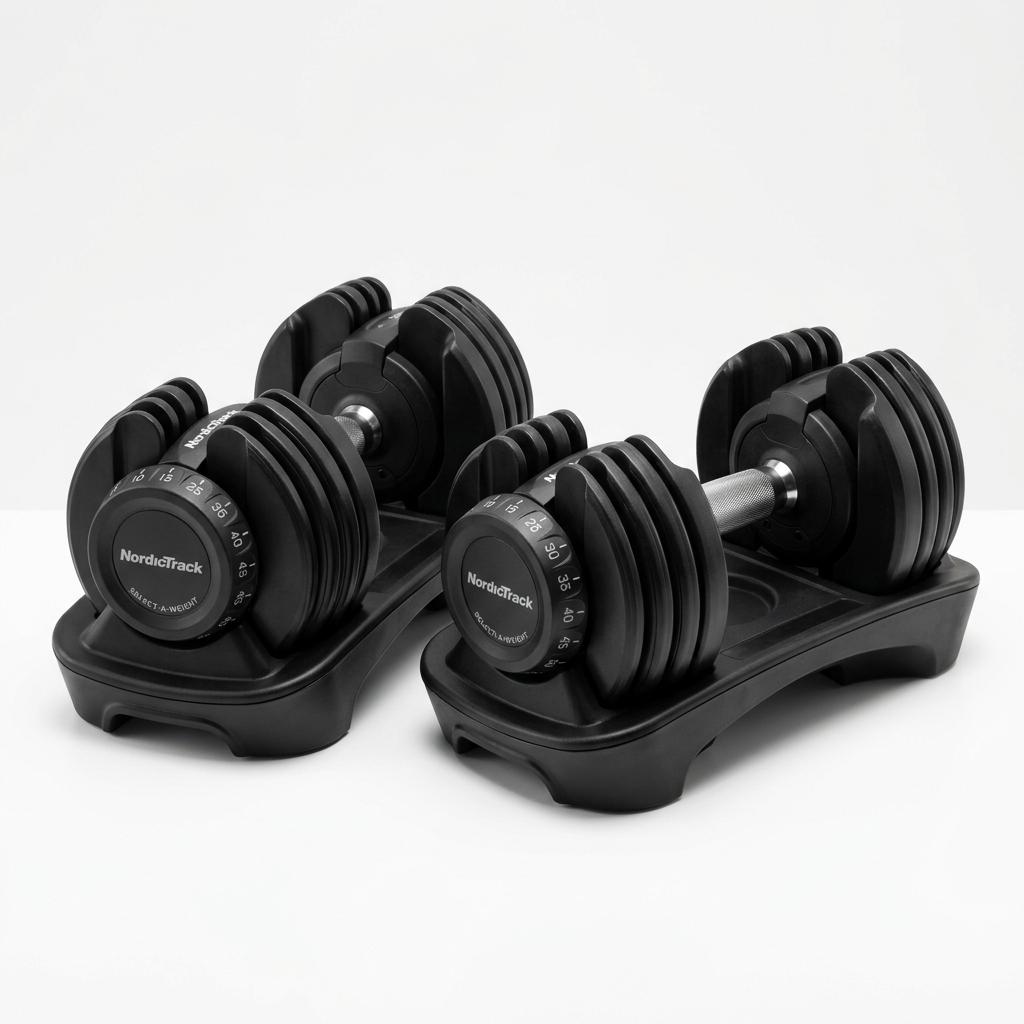 |
NordicTrack Select-a-Weight Adjustable Dumbbells | $299-$379 | Best for Heavy Leg Training | Check Price |
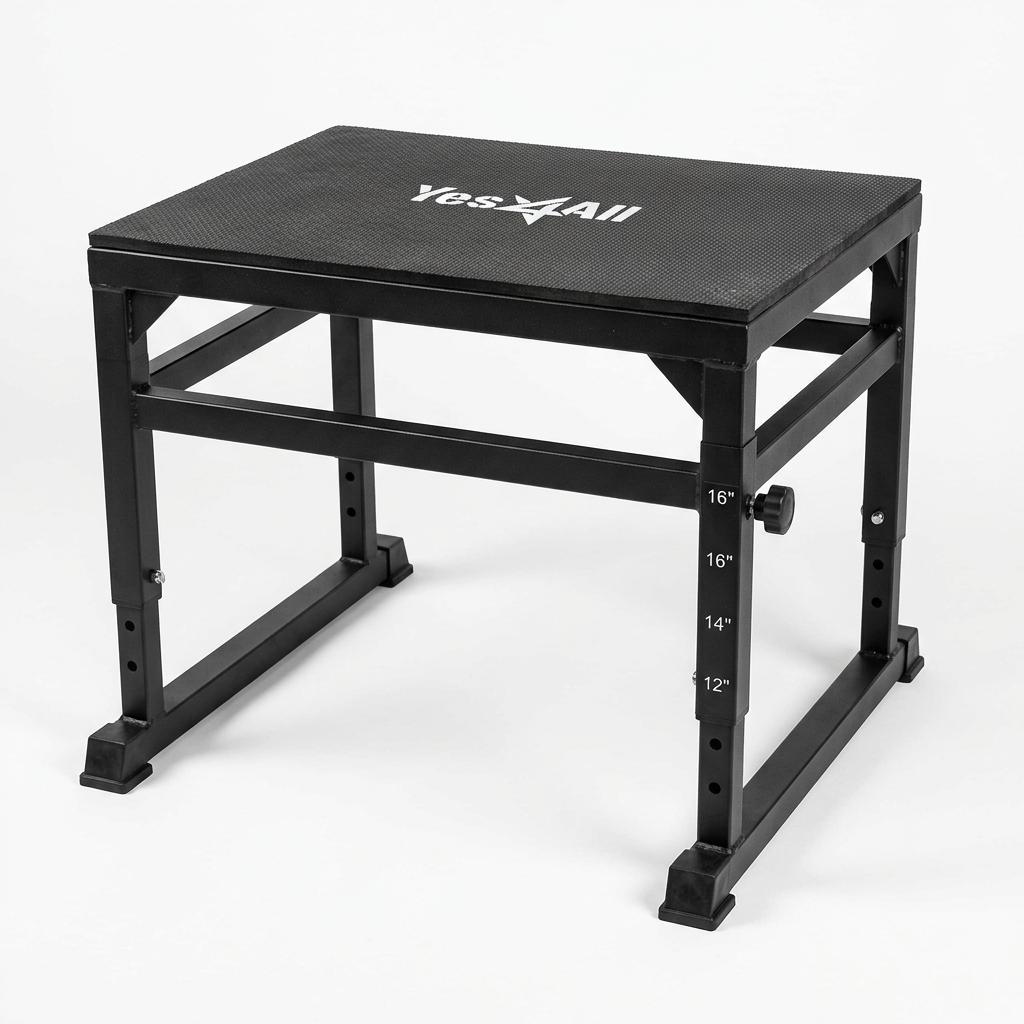 |
Yes4All Adjustable Plyometric Box | $79-$129 | Best for Step-Ups | Check Price |
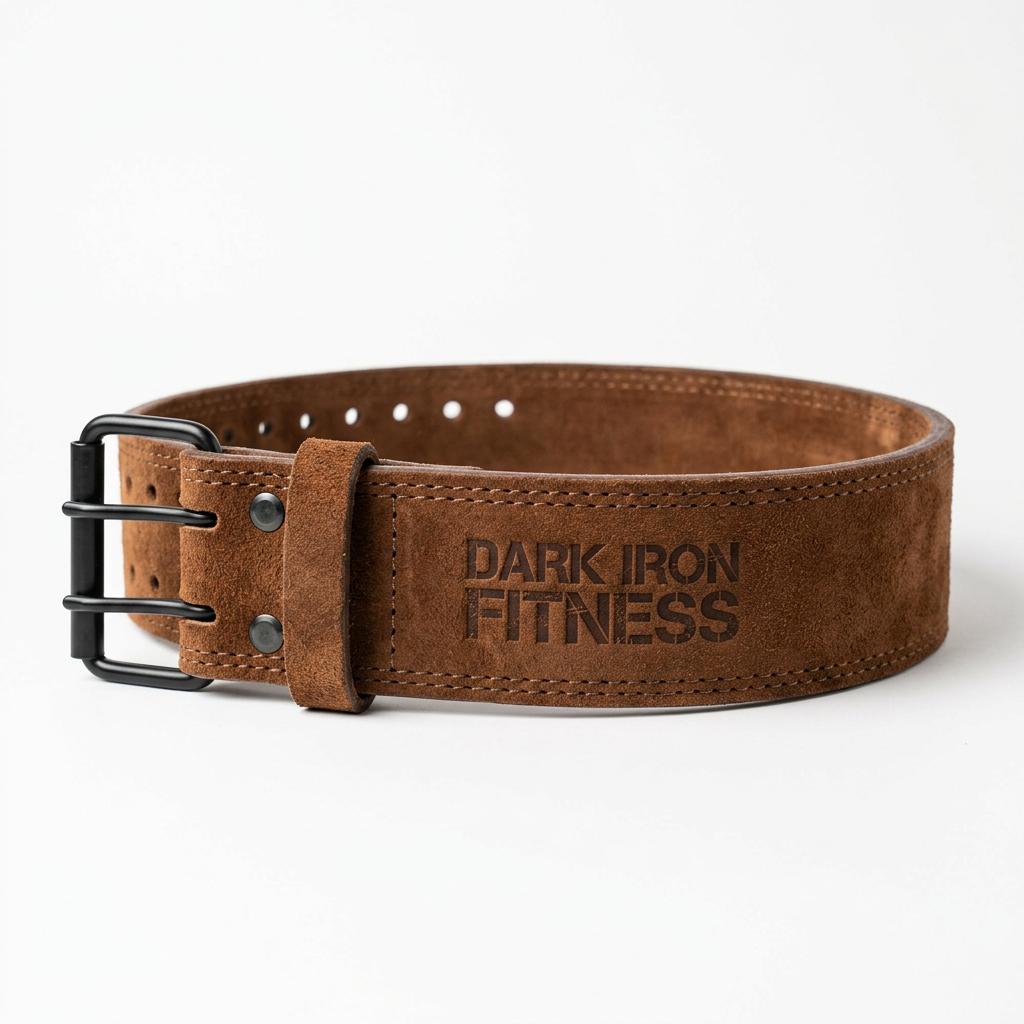 |
Dark Iron Fitness Genuine Leather Weightlifting Belt | $39-$49 | Best for Back Support | Check Price |
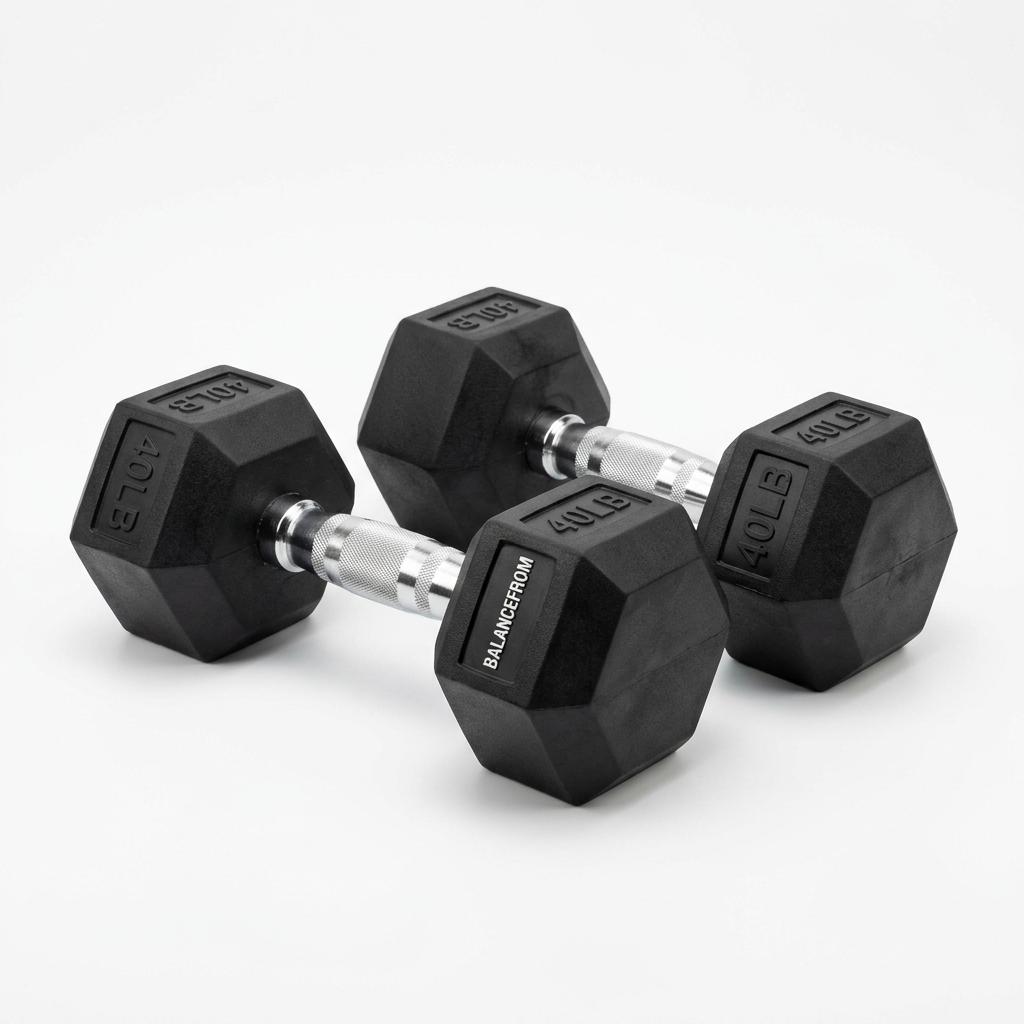 |
BalanceFrom Rubber Encased Hex Dumbbells | $49-$89 per pair | Best Fixed Hex Dumbbells | Check Price |
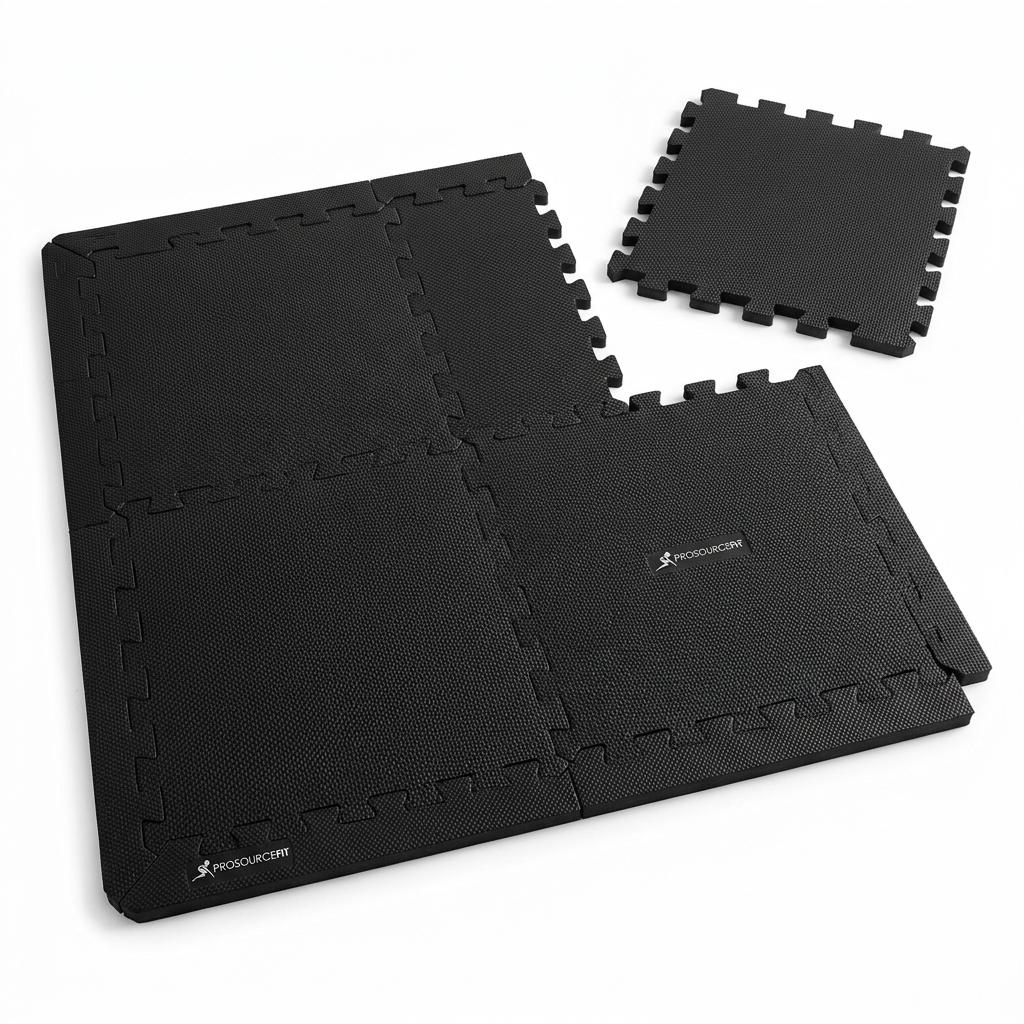 |
ProsourceFit Puzzle Exercise Mat | $29-$49 | Best Floor Protection | Check Price |
A high-capacity adjustable dumbbell that delivers the heavy loads needed for effective dumbbell leg training, with a sleek modern design and easy weight selection.
A versatile, height-adjustable plyo box that transforms basic step-ups into a serious quad and glute exercise while supporting box jumps and elevated split squats.
A premium leather weightlifting belt that protects your lower back during heavy dumbbell leg exercises like goblet squats, deadlifts, and hip thrusts.
Individual pairs of rubber hex dumbbells available in a wide weight range, perfect for buying specific weights for your heaviest leg exercises.
Essential floor protection for apartment leg training, covering your workout area with interlocking foam tiles that absorb impact and deaden sound.
Leg training demands heavier loads than upper body work, and the NordicTrack Select-a-Weight delivers up to 55 lbs per hand in a compact, easy-to-adjust package. The smooth selector dial lets you rapidly increase weight between warm-up and working sets of goblet squats, Bulgarian split squats, and Romanian deadlilts. The dumbbells feel secure and well-balanced even at maximum weight, and the included storage trays keep your workout area organized. For most trainees, the 55 lb maximum per hand is sufficient when combined with unilateral exercises that effectively double the load.
Check Price on Amazon
The Yes4All plyometric box is a leg-training force multiplier for home gyms. By adjusting the height from 12 to 24 inches, you can progress step-ups from a beginner-friendly movement to an advanced quad and glute builder that rivals barbell squats in effectiveness. The non-slip rubber surface provides confident footing even when holding heavy dumbbells, and the 550 lb capacity means you never need to worry about stability. Beyond step-ups, use it for Bulgarian split squat rear foot elevation, box jumps, and deficit Romanian deadlifts.
Check Price on Amazon
When goblet squatting and deadlifting with heavy dumbbells, proper core bracing is essential for spinal safety. The Dark Iron Fitness belt provides the rigid support you need to maintain proper intra-abdominal pressure during heavy sets. The 4-inch width covers the full lumbar region without digging into your ribs or hips, and the suede leather grips your shirt to prevent shifting between reps. Unlike cheaper nylon belts, genuine leather conforms to your body over time, becoming increasingly comfortable with each session.
Check Price on Amazon
For leg training, many lifters prefer to buy specific heavy dumbbell pairs rather than constantly adjusting selectors. The BalanceFrom rubber hex dumbbells are our recommendation because the full rubber encasement protects your floors when you inevitably drop a heavy dumbbell after a brutal set of Bulgarian split squats. The contoured chrome handle provides a secure grip even with sweaty hands, and the hexagonal shape prevents rolling. Buy a pair of 40s, 50s, or 60s for your heavy leg work and never worry about adjustment mechanisms again.
Check Price on Amazon
Leg training in an apartment without proper floor protection is asking for trouble. The ProsourceFit puzzle mat creates a dedicated workout zone that protects your floor from dropped dumbbells, deadens the sound of jump squats and lunges, and provides cushioning for floor-based exercises like hip thrusts and glute bridges. The interlocking design means you can configure the exact dimensions of your workout space, and edge pieces give it a clean, finished look. Your downstairs neighbors will thank you.
Check Price on Amazon