Adjustable Dumbbells Buying Guide: How to Choose (2026)
Complete guide to choosing adjustable dumbbells. Dial vs pin vs twist-lock mechanisms, weight range selection, footprint...
A complete dumbbell chest workout guide with research-backed exercise selection, set/rep protocols, and progression strategies for effective home chest training.
Building an impressive chest with dumbbells alone is not only possible—it's potentially superior to barbell training for certain goals. The greater range of motion, independent arm movement, and enhanced stabilization demands of dumbbell pressing create muscle recruitment patterns that barbell work cannot replicate.
This guide presents a complete chest training system based on peer-reviewed exercise science. Each movement selection, rep scheme, and progression method is grounded in published research on hypertrophy mechanisms and motor unit recruitment.
Research on chest training reveals several principles that should inform exercise selection:
Muscle Fiber Composition: The pectoralis major comprises approximately 65% fast-twitch (Type II) and 35% slow-twitch (Type I) fibers. This distribution suggests a training emphasis on moderate-to-heavy loads (70-85% of one-rep maximum) with sufficient volume in the 6-12 rep range, while including some higher-rep work for complete fiber recruitment.
Motor Unit Recruitment Patterns: EMG research consistently shows that dumbbell presses produce comparable or greater pectoralis major activation compared to barbell presses, with significantly greater anterior deltoid and biceps brachii co-activation due to stabilization demands. This increased muscular coordination develops functional strength alongside aesthetic improvement.
Range of Motion Advantage: Dumbbells allow approximately 15-20% greater horizontal adduction range compared to barbell presses at the bottom position. This extended stretch under load increases mechanotransduction signaling—the cellular process that initiates muscle protein synthesis.
Stretch-Mediated Hypertrophy: Recent research (2023-2024) demonstrates that training in the lengthened (stretched) position produces 1.5-2× greater hypertrophy than equivalent volume in shortened positions. This finding elevates the importance of full-range dumbbell movements that maximize pec stretch at the bottom.
Before loading the chest, prepare the shoulder complex and thoracic spine:
Research on warm-up efficacy shows that specific movement preparation (mimicking the training movement at submaximal load) produces superior performance outcomes compared to general cardio warm-ups alone.
Target: Mid-pec, triceps, anterior deltoid Rest: 2-3 minutes between sets
Execution: Lie on the floor with knees bent and feet flat. Start with dumbbells at full arm extension above the chest. Lower until your upper arms contact the floor, pause briefly, then press to lockout. The floor eliminates leg drive and limits range of motion to the effective pressing zone.
Research Rationale: The floor press eliminates the bottom portion of the range where shoulder stress peaks while maintaining the mechanically advantageous mid-to-top range. This exercise allows heavier loading than full-range presses, providing the high-threshold motor unit recruitment that drives fast-twitch fiber adaptation. The forced pause on the floor eliminates stretch-shortening cycle contribution, increasing pure pressing strength.
Progression: Add 2.5-5 lb per dumbbell when you complete 4 × 8 with controlled tempo.
Target: Upper pec (clavicular head), anterior deltoid Rest: 2 minutes between sets Bench Angle: 30-45°
Execution: Set an adjustable bench to 30-45° incline. With dumbbells at shoulder level and palms facing forward, press upward and slightly inward, converging the dumbbells at the top. Lower with control, allowing a deep stretch at the bottom position.
Research Rationale: EMG studies confirm that incline pressing at 30-45° produces maximum upper pec activation. Angles above 45° shift emphasis to anterior deltoids, reducing the training stimulus for the intended target. The 30-45° range represents the "sweet spot" for clavicular pectoralis development.
The converging dumbbell path at the top increases peak contraction intensity compared to barbell incline presses where the fixed grip width limits adduction.
Progression: Increase weight when 4 × 10 is achieved with 1-2 reps in reserve.
Target: Overall pectoralis major (sternal head) Rest: 90 seconds between sets
Execution: Lie flat on a bench with dumbbells at chest level. Press upward with a natural arc, allowing the dumbbells to converge slightly at the top. Lower with a controlled 3-second eccentric, feeling the pec stretch at the bottom. Do not bounce—maintain muscle tension throughout.
Research Rationale: The flat dumbbell press serves as the volume driver of this workout. The higher rep range (10-12) accumulates metabolic stress—a secondary hypertrophy mechanism involving lactate accumulation, hydrogen ion concentration, and subsequent growth factor release. The 3-second eccentric emphasizes time under tension, another established hypertrophy driver.
The flat position maximizes recruitment of the sternal (mid and lower) pec fibers that create chest width and thickness.
Progression: Add reps first (up to 12), then add weight and work back up.
Target: Pectoralis major (isolated stretch and contraction) Rest: 60-90 seconds between sets
Execution: Lie flat on a bench holding dumbbells above the chest with slight elbow bend (fixed angle—do not straighten or bend further). Open the arms in a wide arc, feeling the chest stretch at the bottom. Squeeze the pecs to return to the starting position, maintaining the same elbow angle throughout.
Research Rationale: Flyes prioritize horizontal adduction—the primary function of the pectoralis major—without the triceps contribution that limits pure chest stimulus in pressing movements. The deep stretch position at the bottom capitalizes on emerging research showing stretch-mediated hypertrophy superiority.
The higher rep range (12-15) and shorter rest periods increase metabolic stress, creating a hypertrophy stimulus complementary to the mechanical tension emphasis of the earlier heavy presses.
Progression: Focus on increased stretch depth and peak contraction quality rather than pure weight increases. When 3 × 15 is comfortable, add 2.5 lb per dumbbell.
Target: Inner chest, peak contraction Rest: 45-60 seconds between sets
Execution: Stand upright holding a single dumbbell plate or two dumbbells pressed together at chest level. Squeeze inward with maximum force while pressing the weight forward to full extension. Return to the chest and repeat. The inward squeeze is the primary action—the press simply extends the contraction.
Research Rationale: The Svend press creates peak isometric contraction in the shortened position, a stimulus profile distinct from the stretched-position emphasis of flyes. Research on training at different muscle lengths suggests that combining lengthened and shortened position work produces superior overall development compared to either alone.
The very high rep range creates a metabolic "finisher" effect, maximizing blood flow and growth factor delivery to the trained tissue.
Progression: Increase squeeze intensity and duration. Add weight only when 3 × 20 with 3-second peak contractions is achieved.
| Exercise | Sets × Reps | Rest | Primary Mechanism |
|---|---|---|---|
| Floor Press | 4 × 6-8 | 2-3 min | Mechanical tension |
| Incline Press | 4 × 8-10 | 2 min | Mechanical tension + upper pec |
| Flat Bench Press | 3 × 10-12 | 90 sec | Metabolic stress + volume |
| Chest Flye | 3 × 12-15 | 60-90 sec | Stretch-mediated + metabolic |
| Svend Press | 3 × 15-20 | 45-60 sec | Peak contraction + metabolic |
Total sets: 17 direct sets Estimated workout duration: 45-55 minutes Recommended frequency: 1-2× per week (allow 48-72 hours recovery)
Research on training frequency suggests that 10-20 direct sets per muscle group per week optimize hypertrophy for most trainees. This workout provides 17 sets in a single session—appropriate for once-weekly chest emphasis, or split across two sessions (9 and 8 sets) for twice-weekly training.
Recovery research indicates that muscle protein synthesis remains elevated for 48-72 hours following resistance training in trained individuals. Training chest more frequently than twice weekly with this volume likely produces diminishing returns and increases overuse injury risk, particularly for the anterior shoulder capsule.
Long-term progress requires systematic overload increases:
| Method | Application | Timeline |
|---|---|---|
| Load increase | Add 2.5-5 lb when rep targets achieved | Weekly to bi-weekly |
| Rep increase | Add 1-2 reps within target range | Every 1-2 sessions |
| Set increase | Add a set to one exercise | Monthly |
| Tempo manipulation | Slow eccentric from 3 to 4 seconds | When load stalls |
| Range expansion | Increase flye stretch depth | Ongoing focus |
Pressing instead of flying: The most common flye error is bending and extending the elbow, turning the movement into a press. Maintain a fixed elbow angle of 15-25° throughout.
Excessive incline angle: Benches set above 45° shift emphasis to shoulders. Verify angle with a smartphone inclinometer—many adjustable benches angle higher than their detent indicators suggest.
Insufficient range of motion: Partial reps reduce the stretch-mediated hypertrophy stimulus that makes dumbbell training effective. Use a weight that allows full range with control.
Neglecting the eccentric: Research consistently shows that controlled lowering phases (2-4 seconds) produce greater hypertrophy than fast eccentrics. The " lowering doesn't matter" myth is definitively debunked.
Best Adjustable Weight Benches (FID) for Home Gyms »
Best Hex Dumbbell Sets for Strength Training »
Last updated: January 2025. Exercise recommendations based on peer-reviewed research through 2024. Consult a physician before beginning any exercise program.
| Image | Product | Price | Badge | Link |
|---|---|---|---|---|
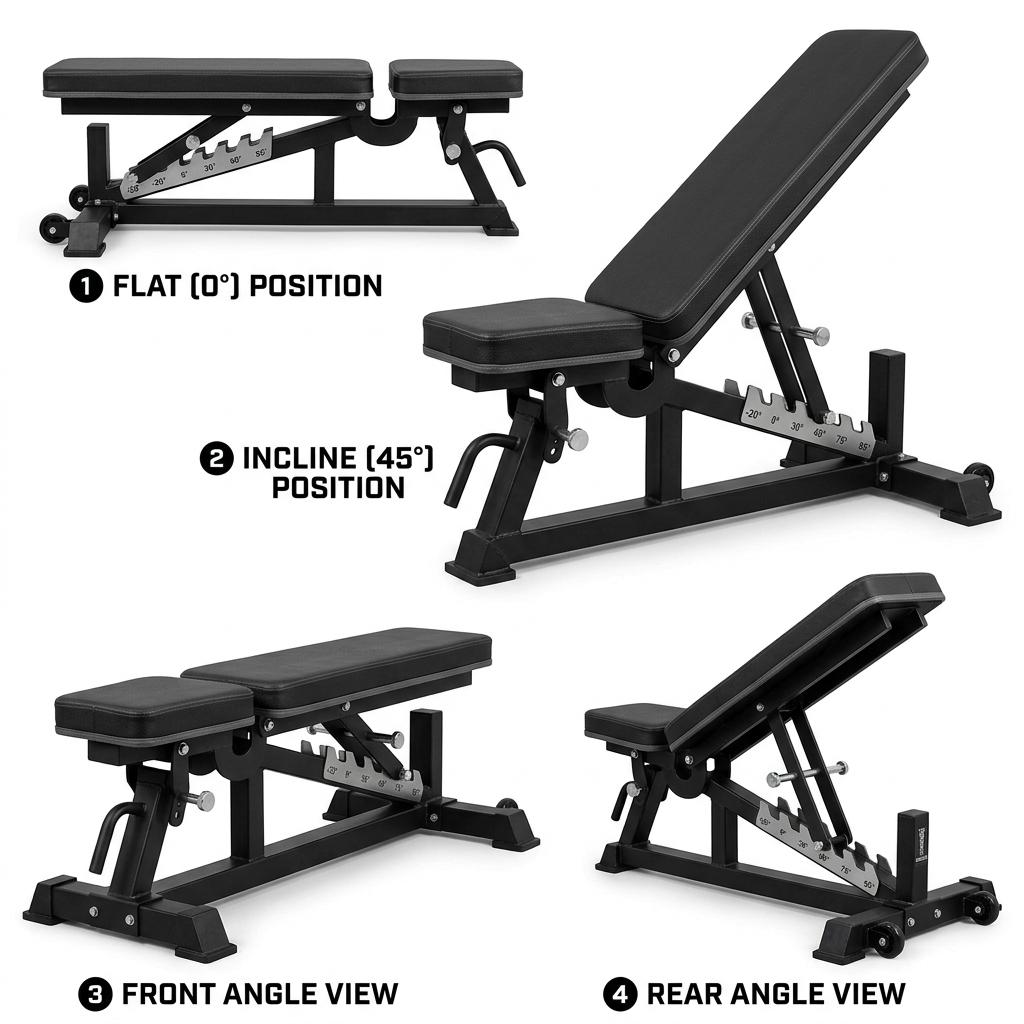 |
FLYBIRD Adjustable Weight Bench (FID) | $100-$150 | Best Overall Bench | Check Price |
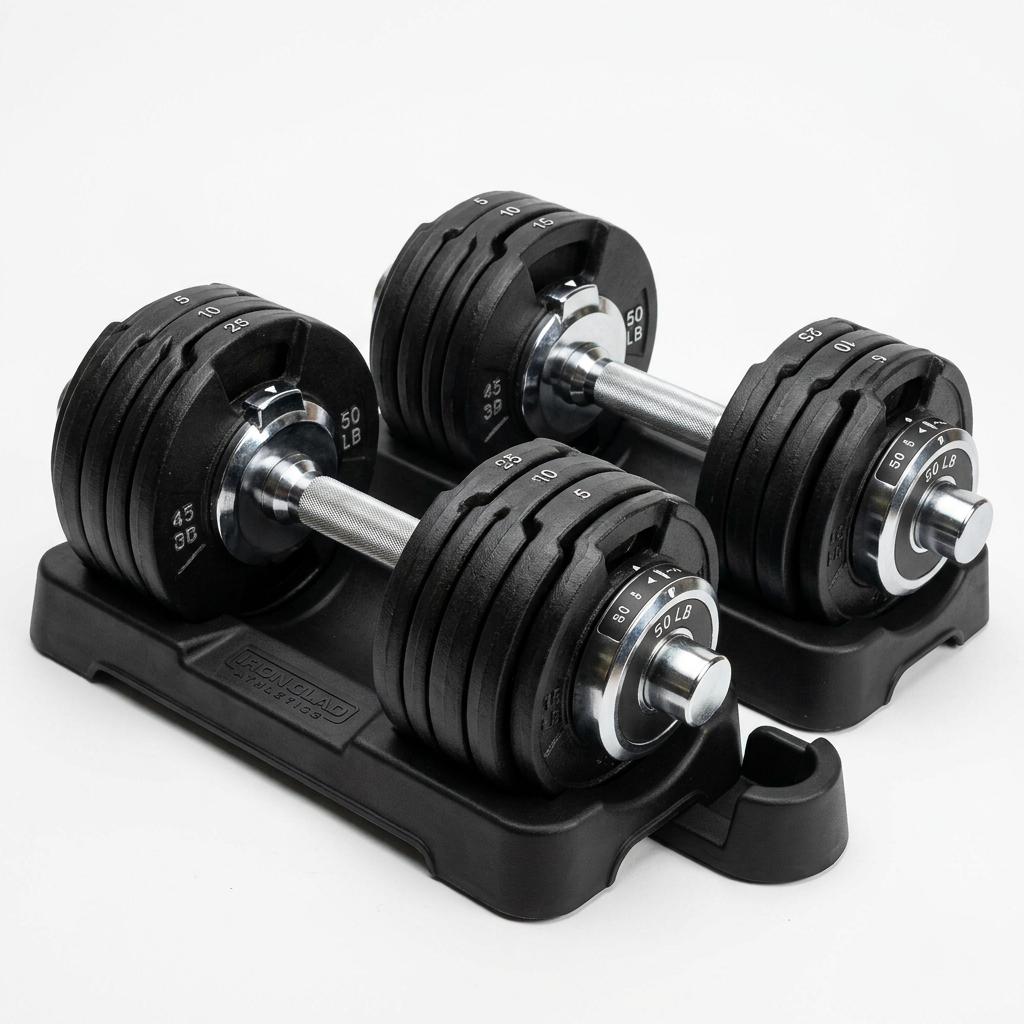 |
FEIERDUN Adjustable Dumbbells (Pair, 5-50 lbs) | $100-$180 | Best for Chest Pressing | Check Price |
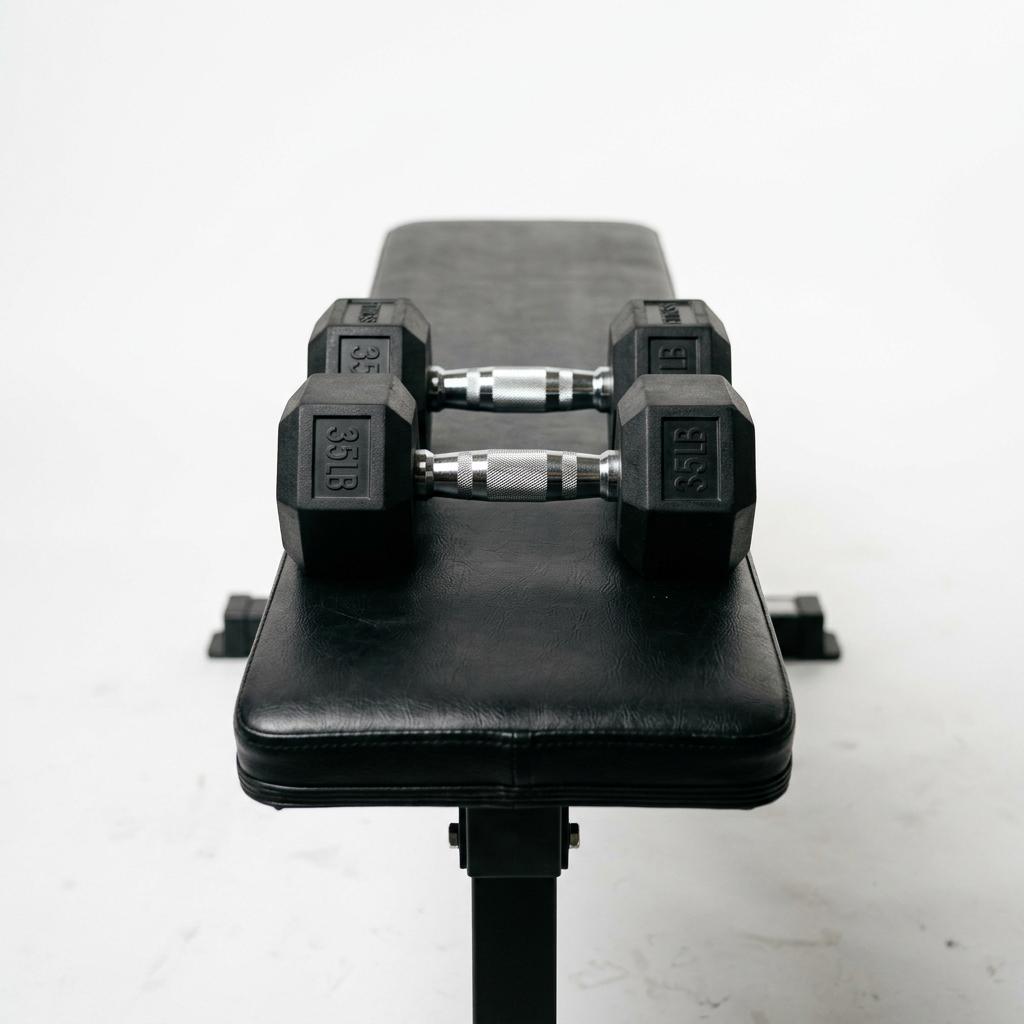 |
CAP Barbell 35 lb Rubber Hex Dumbbells (Pair) | $60-$100 | Best Fixed Weight for Chest | Check Price |
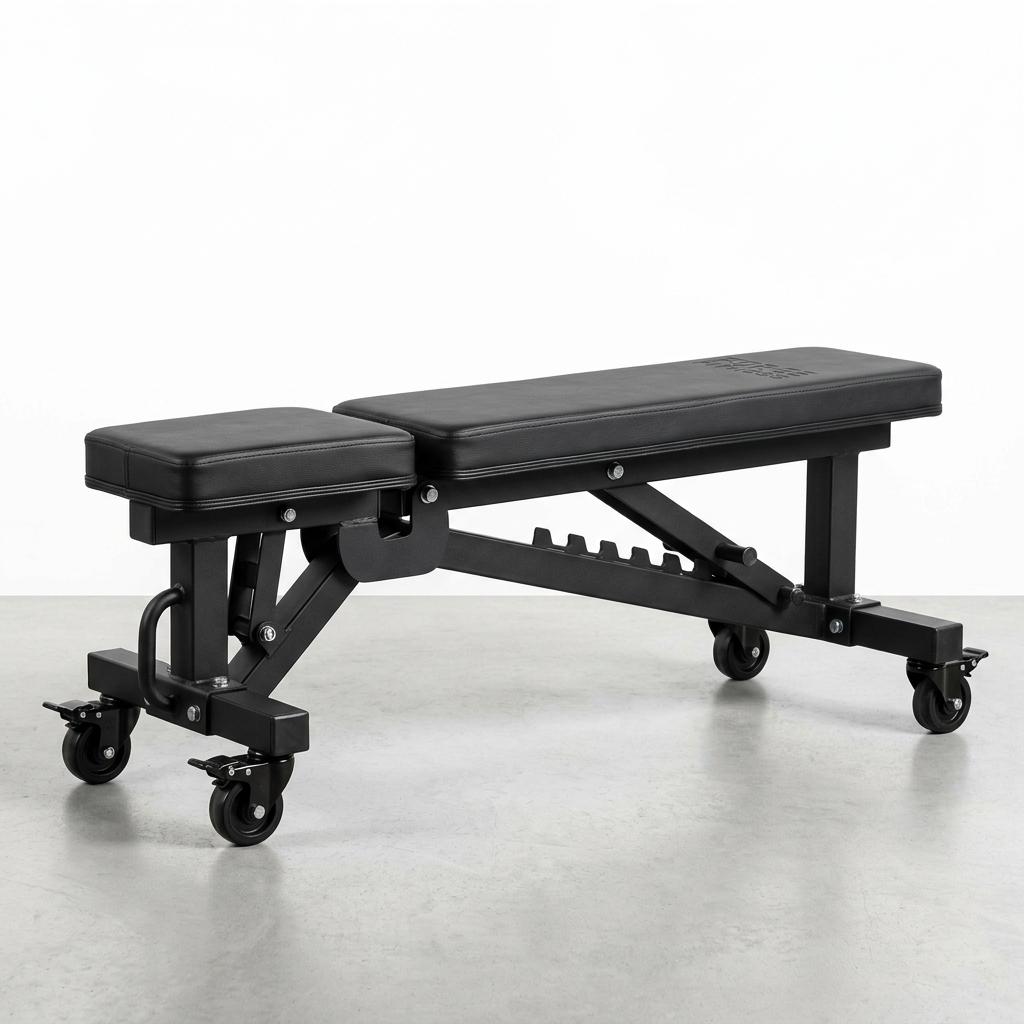 |
SogesPower Adjustable Weight Bench | $80-$130 | Best Budget FID Bench | Check Price |
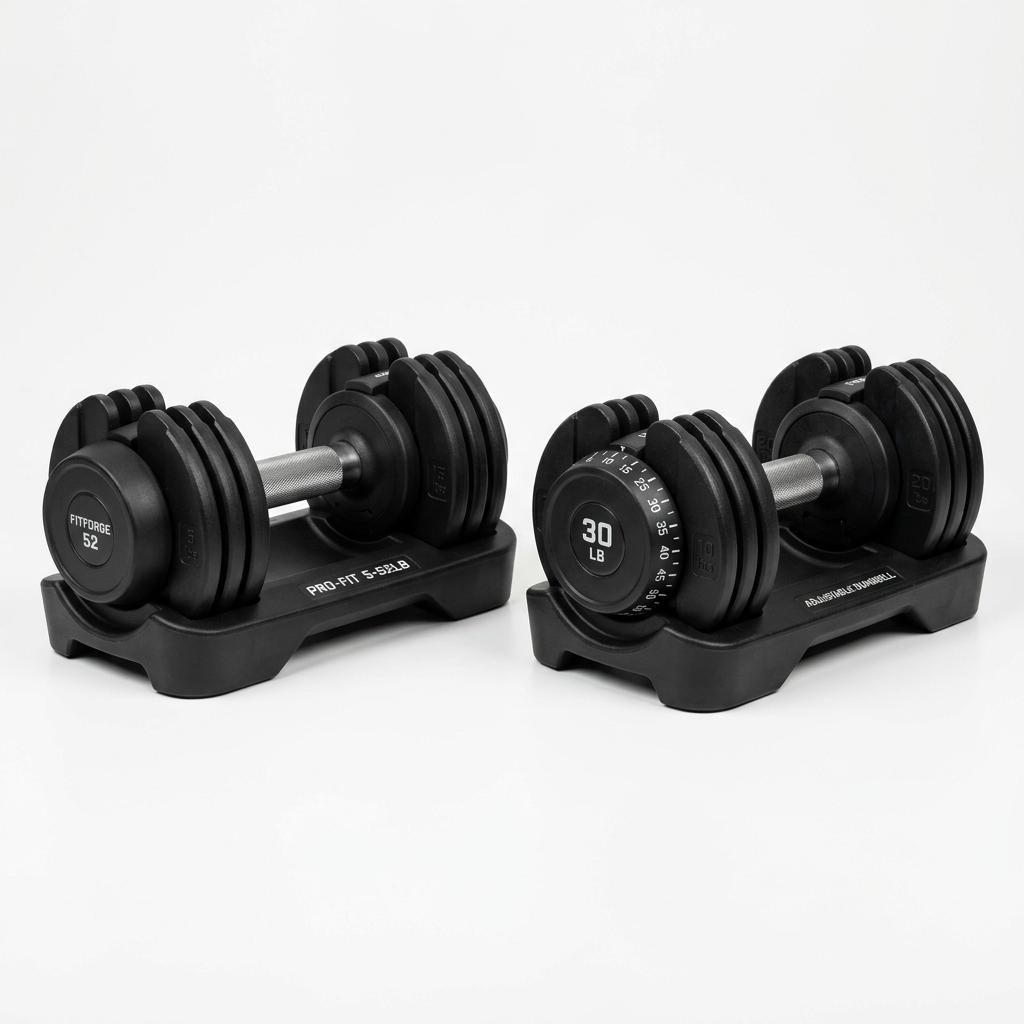 |
FitForge Pro Adjustable Dumbbells (5-52 lbs) | $200-$300 | Premium Pick | Check Price |
A versatile FID bench with flat, incline, and decline positions, 620 lb capacity, and fold-flat storage for complete chest development.
A pair of dial-adjustable dumbbells from 5-50 lbs with storage trays, ideal for progressing through flat, incline, and flye chest movements.
A pair of 35 lb rubber hex dumbbells perfect for flat and incline chest presses, offering durable floor-friendly construction.
A foldable FID bench with 800 lb capacity and wheeled mobility, offering flat, incline, and decline positions at a budget-friendly price.
Premium dial-adjustable dumbbells from 5-52 lbs with metal plates, ideal for serious chest training with quick weight transitions.
The FLYBIRD FID Bench is the cornerstone of an effective dumbbell chest program. The flat position enables floor presses and flyes, the 30-45 degree incline targets the upper chest (clavicular head), and the decline position hits the lower chest fibers. Seven back positions let you fine-tune your pressing angle for optimal muscle recruitment. The 620 lb capacity means you can press heavy without worrying about stability. For small spaces, the folding mechanism stores the bench against a wall or under furniture. If you're serious about chest training with dumbbells, this bench provides the positions and stability you need.
Check Price on Amazon
The FEIERDUN Adjustable Dumbbells are well-suited for chest training because the 5-50 lb range covers the weights most people use for presses and flyes. The dial adjustment system lets you change weights quickly when moving from heavy floor presses to lighter incline presses or flyes within the same workout. The included storage trays keep your workout area organized and provide a stable platform for re-racking between sets. The handle shape feels natural during pressing movements, and the balanced weight distribution reduces wrist strain. For intermediate lifters pressing under 50 lbs per hand, these provide excellent value and space savings.
Check Price on Amazon
A 35 lb pair of rubber hex dumbbells hits the sweet spot for chest pressing: heavy enough to challenge most intermediate lifters for 8-12 reps, but not so heavy that form breaks down. The rubber coating means you can safely set them down after a tough set of presses without damaging your floor, and the hex shape keeps them from rolling away during supersets. The knurled chrome handle provides a secure grip even as your hands get sweaty. While having only one weight pair limits exercise variety compared to adjustable dumbbells, the convenience of no weight changes and the durability of solid construction make this a reliable chest training staple.
Check Price on Amazon
The SogesPower Adjustable Bench brings FID functionality to budget-conscious home gym builders. The 800 lb capacity handles virtually any dumbbell chest press, and the flat, incline, and decline positions provide the angles needed for complete pectoral development. The folding mechanism with transport wheels makes it easy to move and store, which is essential for apartment gyms. The thick padding provides adequate comfort for 45-60 minute chest sessions. Some wobble occurs at extreme incline settings, but this doesn't affect safety or performance for most users. For under $130, this bench delivers the essential features for chest training without the premium price tag.
Check Price on Amazon
The FitForge Pro Adjustable Dumbbells represent the premium tier of home chest training equipment. The 5-52 lb range with 2.5 lb increments provides the granular progression needed for consistent chest development, and the metal weight plates give these a more authentic feel than plastic plate alternatives. The dial-adjustment system enables rapid weight changes for drop sets and supersets, a key technique for advanced chest training. The included storage trays protect your floors and provide a stable base. At $200-300, this is a significant investment, but for serious trainees who want the versatility of a full dumbbell rack in a compact package, the quality and convenience justify the price.
Check Price on Amazon