Adjustable Dumbbells Buying Guide: How to Choose (2026)
Complete guide to choosing adjustable dumbbells. Dial vs pin vs twist-lock mechanisms, weight range selection, footprint...
A science-backed dumbbell back workout targeting lats, rhomboids, traps, and lower back. Complete exercise guide with sets, reps, and progression for home training.
The back presents unique training challenges for dumbbell-only practitioners. Unlike the chest or shoulders where pressing movements naturally dominate, back training requires pulling patterns that demand creative exercise selection when barbells and cables are unavailable. However, with strategic movement choices, dumbbells can effectively target every back muscle—from latissimus dorsi width to erector spinae thickness.
This routine is built on biomechanical research analyzing muscle activation patterns across pulling movements. Each exercise is selected to maximize recruitment of specific back regions while minimizing the biceps substitution that often robs back exercises of their intended stimulus.
Understanding the back's muscular architecture informs exercise selection:
Latissimus Dorsi: The largest back muscle, responsible for shoulder extension, adduction, and internal rotation. Optimal training requires vertical pulling (emphasizing shoulder extension) and horizontal pulling (emphasizing shoulder extension from a flexed position).
Trapezius (Upper, Middle, Lower): The diamond-shaped muscle spanning from the skull to mid-back. Each fiber direction requires different movement patterns: shrugs for upper traps, rows for middle traps, and depression movements for lower traps.
Rhomboids (Major and Minor): Deep muscles connecting the scapula to the spine, responsible for scapular retraction. These respond best to rowing movements with emphasis on the fully contracted position.
Erector Spinae: The column of muscles flanking the spine, responsible for spinal extension and anti-flexion. Training requires extension movements or isometric holds under load.
Teres Major and Infraspinatus: Rotator cuff and shoulder stabilizers that contribute to pulling strength and shoulder health. Targeted through rowing variations with specific arm paths.
Target: Middle traps, rhomboids, lats Rest: 2 minutes
Execution: Set an adjustable bench to 30-45° incline. Lie face-down with chest supported and a dumbbell in each hand. Allow arms to hang straight, then row both dumbbells toward your lower ribs, driving elbows back and slightly up. Squeeze the shoulder blades together at the top, hold for one second, then lower with control.
Research Rationale: The chest-supported position eliminates momentum and lower back fatigue, allowing complete focus on the target musculature. Research comparing supported versus unsupported rows shows 15-20% greater middle trap and rhomboid activation when torso support removes the need for spinal erector contribution.
The prone position also eliminates the biceps-substitution common in standing rows, where trainees unconsciously curl the weight rather than rowing it. The 1-second isometric hold at peak contraction increases time under tension in the shortened position, where rhomboid activation peaks.
Progression: Add weight when 4 × 10 is completed with 2 reps in reserve.
Target: Lats, middle traps, rhomboids Rest: 90 seconds between arms
Execution: Place one knee and the same-side hand on a flat bench. Maintain a flat back with the supporting arm directly under the shoulder. Hold a heavy dumbbell in the free hand with arm fully extended. Row the dumbbell toward your hip (not your armpit), driving the elbow back and keeping it close to the body. Lower with a controlled 3-second eccentric.
Research Rationale: The single-arm row allows heavier loading than bilateral alternatives due to the braced position and reduced stability demands. The hip-directed pulling angle (elbow close to body, pulling toward the hip rather than straight up) maximizes latissimus dorsi activation. EMG research shows 20% greater lat activation when rowing toward the hip versus the shoulder.
The unilateral nature also addresses strength asymmetries common in bilateral pulling movements. Training each side independently prevents the dominant arm from compensating—a frequent issue in barbell rowing.
Progression: Focus on increasing the weight used by the weaker arm first. Match the stronger arm to this weight until symmetry improves.
Target: Latissimus dorsi (lengthened position), serratus anterior Rest: 90 seconds
Execution: Lie perpendicular across a flat bench with only your upper back supported. Hold a single heavy dumbbell with both hands above your chest. Keeping a slight elbow bend, lower the dumbbell behind your head in a wide arc until you feel a deep stretch through the lats. Pull the dumbbell back to the starting position using lat strength rather than momentum.
Research Rationale: The pullover uniquely trains the lats in the lengthened (stretched) position—a stimulus profile distinct from rowing movements that emphasize the contracted position. Recent research on stretch-mediated hypertrophy demonstrates that training at long muscle lengths produces significantly greater growth than equivalent volume at short lengths.
The serratus anterior activation during the pullover also contributes to scapular health and shoulder stability. Many trainees with shoulder impingement issues show serratus underactivity; pullovers provide direct strengthening in a shoulder-friendly position.
Progression: Increase range of motion (deeper stretch) before adding weight. When 3 × 12 with full stretch is comfortable, add 5 lb.
Target: Lats, lower back, glutes, hamstrings Rest: 2 minutes
Execution: Stand with feet hip-width apart, dumbbells at your sides. Hinge at the hips, maintaining a neutral spine, until dumbbells reach mid-shin. From this position, row both dumbbells toward your lower ribs while maintaining the hip hinge. Lower the dumbbells, then return to standing by extending the hips.
Research Rationale: This compound movement combines the posterior chain loading of a Romanian deadlift with the lat recruitment of a row. The hip-hinge position places the lats under stretch while the row contracts them—creating a full-range stimulus in a single movement.
The isometric erector spinae work required to maintain spinal position during the row provides substantial lower back strengthening without the spinal compression of axial loaded movements. For trainees seeking back thickness without heavy barbell deadlifts, this exercise delivers significant value.
Progression: Increase dumbbell weight when 3 × 10 is achieved with flat back maintained throughout.
Target: Lats, rhomboids, anti-rotation core Rest: 90 seconds
Execution: Assume a push-up position with hands gripping dumbbells on the floor. Feet should be wider than standard push-ups for stability. Row one dumbbell toward your hip while preventing torso rotation. Lower with control, then repeat on the other side. Alternate arms for the prescribed reps.
Research Rationale: The renegade row uniquely combines horizontal pulling with anti-rotation core demands. The requirement to resist torso rotation during the row recruits the obliques, quadratus lumborum, and deep spinal stabilizers with an intensity that dedicated core exercises rarely match.
For the back musculature, the instability of the push-up position increases motor unit recruitment due to greater stabilization demands. Research on unstable surface training shows increased muscle activation of 10-25% compared to stable alternatives—though at reduced load capacity.
The push-up position also creates a closed-chain environment for the scapula, promoting natural scapulohumeral rhythm that supports shoulder health.
Progression: Reduce base width (feet closer together) to increase stability demands before adding weight. When 3 × 10 each arm is achieved with feet together, increase dumbbell weight.
Target: Upper trapezius Rest: 60 seconds
Execution: Stand holding heavy dumbbells at your sides. Shrug shoulders straight up toward your ears, hold the peak contraction for 2 seconds, then lower with control. Avoid rolling the shoulders—the elevation-only path maximizes upper trap activation while minimizing impingement risk.
Research Rationale: The upper traps respond best to moderate-to-high rep ranges with controlled tempo. The 2-second isometric hold at peak contraction increases time under tension and addresses the postural weakness common in desk-based workers. Research on shrug mechanics confirms that straight vertical elevation produces greater upper trap activation than the backward roll often taught.
Progression: Use straps if grip limits trap loading. Increase weight when 3 × 15 with 2-second holds is achieved.
Target: Lower trapezius, posterior deltoid Rest: 60 seconds
Execution: Lie face-down on a flat bench or the floor with light dumbbells in each hand. With thumbs pointing up, raise arms in a Y pattern (approximately 30-45° from overhead) until thumbs reach shoulder height. Hold for 2 seconds at the top, then lower with control.
Research Rationale: The lower traps are frequently underdeveloped relative to upper traps, contributing to the forward shoulder posture epidemic. Research on scapular dyskinesis shows that lower trap strengthening improves shoulder mechanics and reduces impingement risk.
The Y-raise specifically targets lower trap fibers through the upward rotation and depression movement pattern. The prone position eliminates momentum, and the light weight requirement ensures proper muscle recruitment rather than compensation from stronger surrounding muscles.
Progression: Focus on hold duration and mind-muscle connection rather than weight increases. When 3 × 15 with 3-second holds is achieved, increase by 2.5 lb.
| Exercise | Sets × Reps | Rest | Target Area |
|---|---|---|---|
| Chest-Supported Row | 4 × 8-10 | 2 min | Middle traps, rhomboids |
| Single-Arm Row | 4 × 8-10/ea | 90 sec | Lats, overall back |
| Dumbbell Pullover | 3 × 10-12 | 90 sec | Lats (stretched position) |
| Dead Row | 3 × 8-10 | 2 min | Posterior chain, lats |
| Renegade Row | 3 × 8-10/ea | 90 sec | Lats, anti-rotation core |
| Dumbbell Shrug | 3 × 12-15 | 60 sec | Upper traps |
| Prone Y-Raise | 3 × 12-15 | 60 sec | Lower traps |
Total sets: 23 Duration: 50-60 minutes Frequency: 1-2× per week with 48-72 hours recovery
Grip Considerations: Heavy dumbbell rowing challenges grip endurance. Use chalk for sessions above 60 lb per hand. Consider lifting straps for the shrugs and rows if grip limits back loading.
Scapular Control: Every rowing movement should begin with scapular retraction (pulling the shoulder blade back) before elbow flexion. This sequencing ensures back musculature rather than biceps dominance. If you feel rows primarily in your arms, your sequencing needs correction.
Lower Back Safety: The dead row requires sufficient hip hinge mobility and spinal awareness. If you cannot maintain a neutral spine during the hinge, substitute with additional chest-supported rows until hip mobility and core strength improve.
Best Adjustable Weight Benches for Back Support »
Best Hex Dumbbell Sets for Heavy Rowing »
Last updated: January 2025. Exercise prescriptions based on peer-reviewed hypertrophy research through 2024.
| Image | Product | Price | Badge | Link |
|---|---|---|---|---|
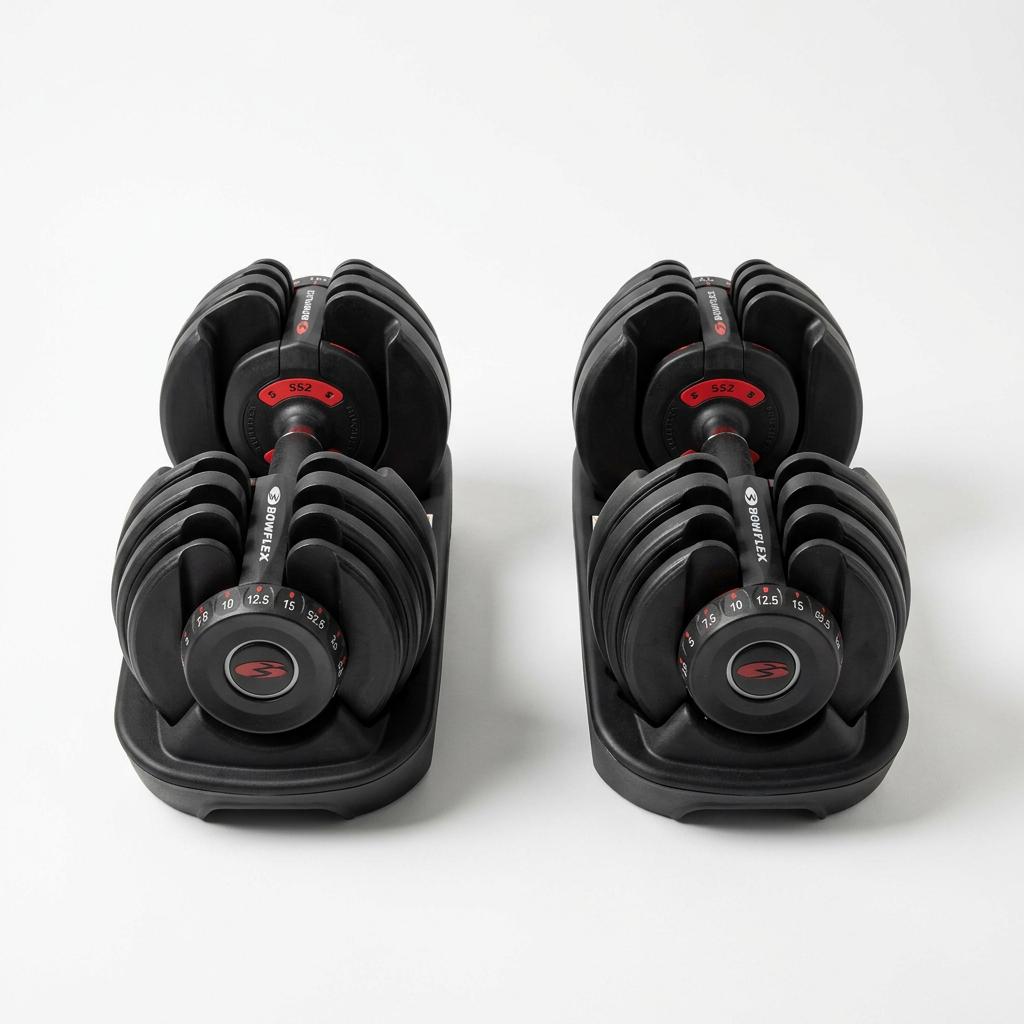 |
Bowflex SelectTech 552 Adjustable Dumbbells | $349-$429 | Best Overall | Check Price |
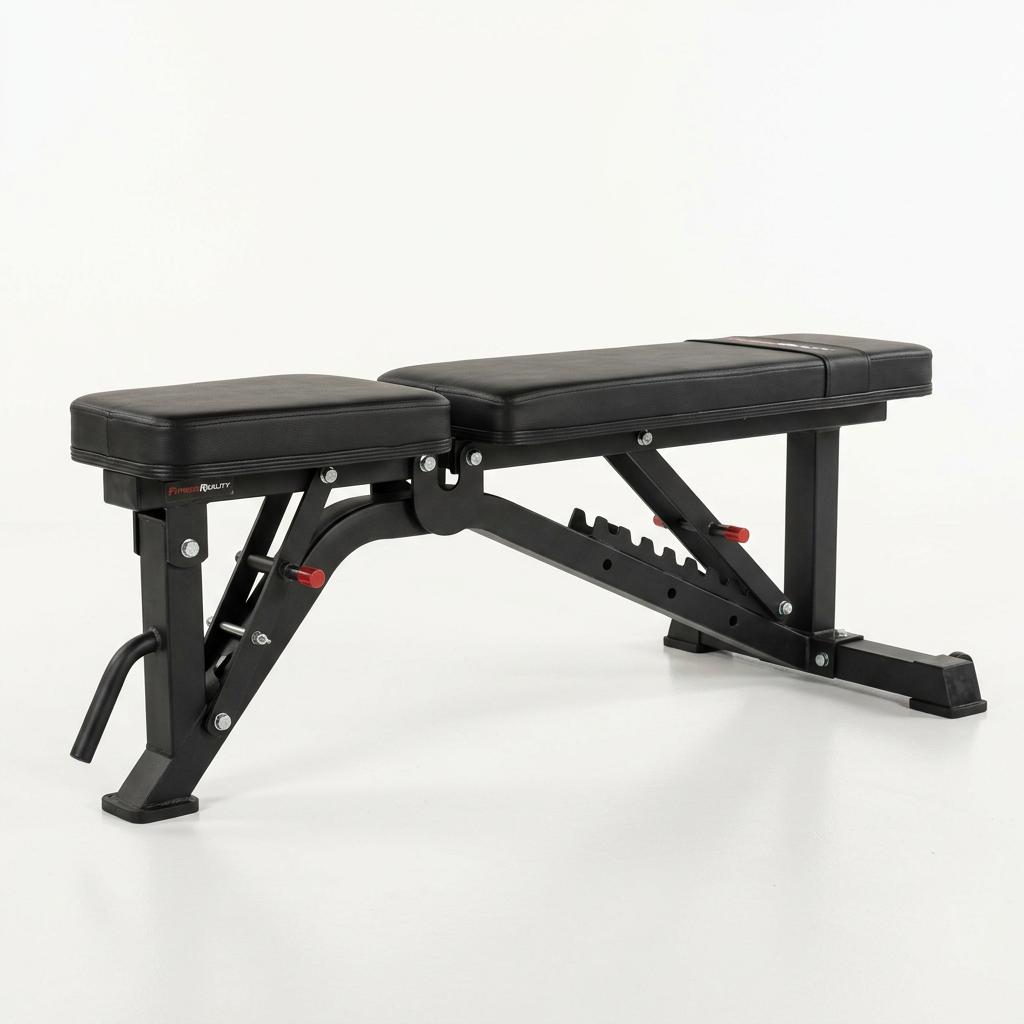 |
Fitness Reality 1000 Super Max Weight Bench | $120-$160 | Best Budget Bench | Check Price |
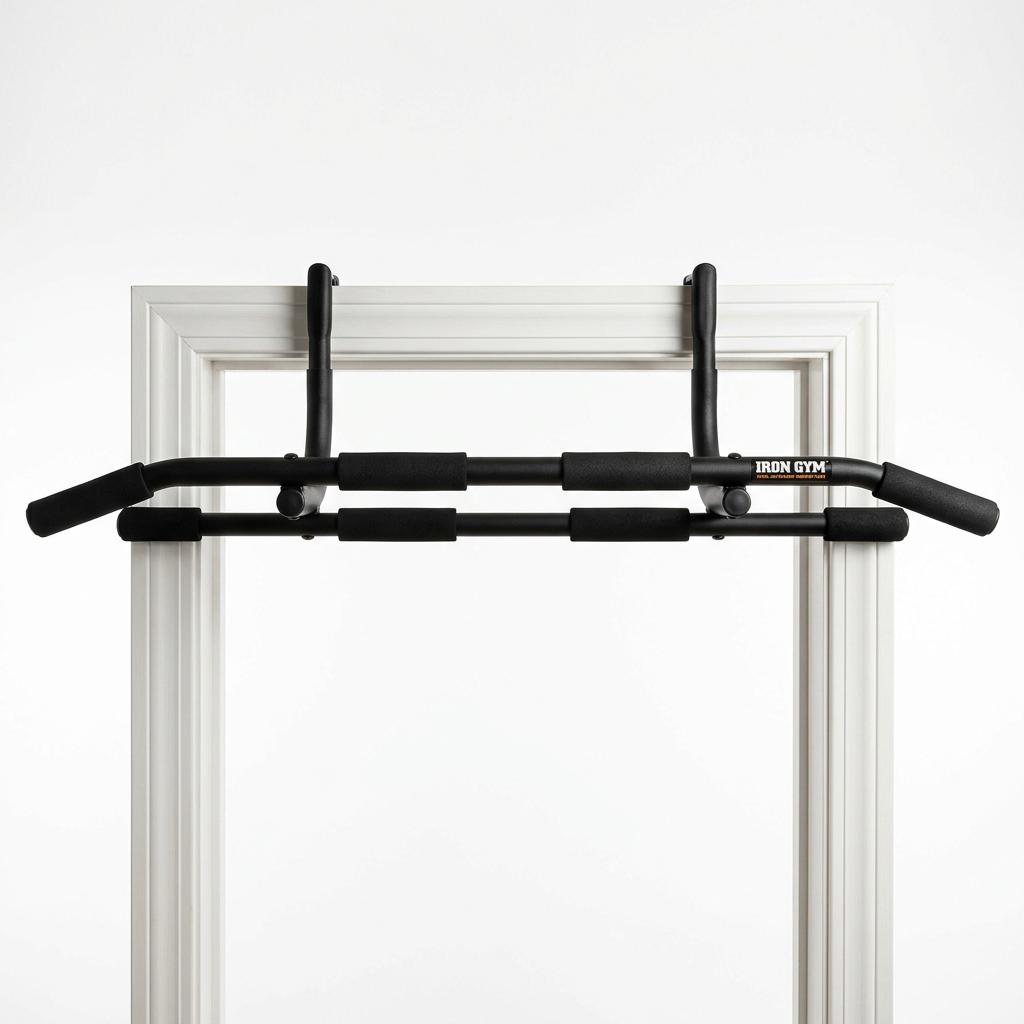 |
Iron Gym Total Upper Body Workout Pull-Up Bar | $29-$39 | Best for Pull-Ups | Check Price |
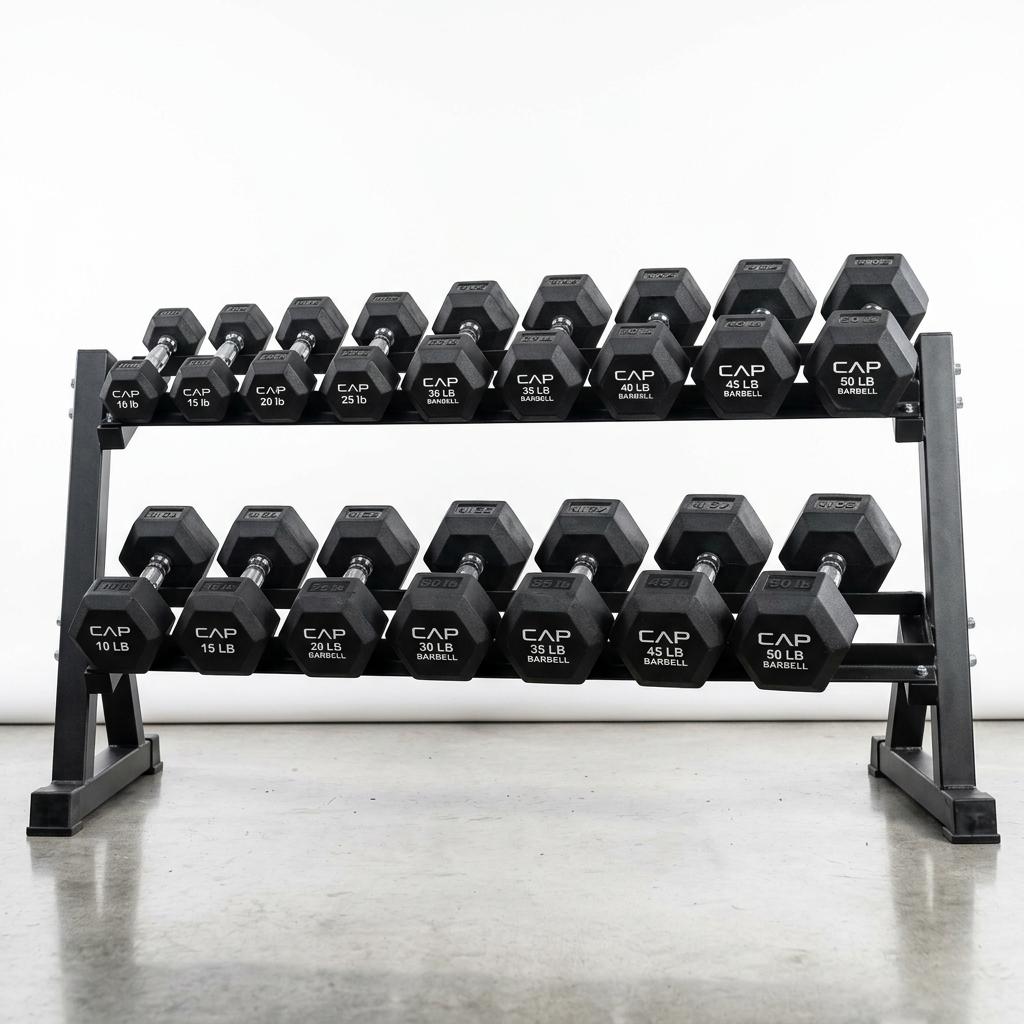 |
CAP Barbell Rubber Hex Dumbbell Set with Rack | $299-$499 | Best Fixed Dumbbell Set | Check Price |
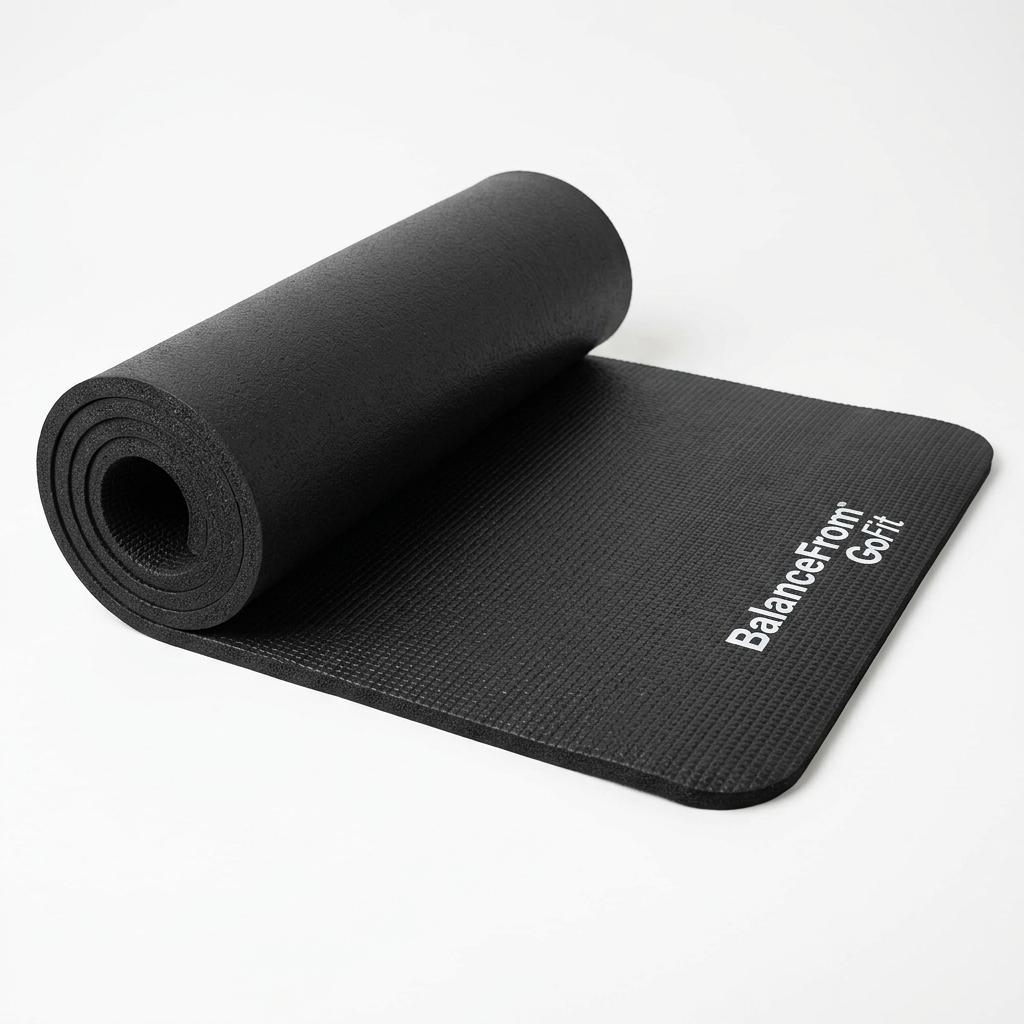 |
BalanceFrom GoFit All-Purpose Exercise Mat | $24-$35 | Best Value Mat | Check Price |
The gold standard for home dumbbell back workouts, offering 15 weight settings in a space-saving design perfect for rows, pullovers, and shrugs.
An exceptional value adjustable bench that delivers commercial-grade capacity at a budget price, with a fold-flat design ideal for apartment living.
The perfect complement to dumbbell back training, this doorway pull-up bar adds vertical pulling movements without any permanent installation.
A comprehensive fixed dumbbell set that eliminates weight-changing downtime between exercises, with rubber hex design perfect for apartment-friendly back training.
An affordable, thick exercise mat that provides essential floor protection and comfort for floor-based back exercises like renegade rows and dumbbell pullovers.
The Bowflex SelectTech 552 is our top pick for dumbbell back workouts because its rapid weight-changing dial system lets you seamlessly progress from light warm-up rows to heavy 50+ lb single-arm rows. The dumbbells' compact storage trays take up minimal floor space in apartments, and the durable molding keeps noise down for neighbor-friendly early morning or late evening sessions. While the length can feel slightly bulky during renegade rows, the convenience of having a full weight range in one pair far outweighs this minor trade-off.
Check Price on Amazon
The Fitness Reality 1000 Super Max is the backbone of any effective dumbbell back routine, providing stable support for chest-supported rows, single-arm rows, and prone Y-raises. Its 800-pound capacity gives you confidence to load heavy without worry, and the fold-flat design means you can tuck it under a bed or behind a sofa when not in use. The pad gap in decline position is a minor inconvenience for back training since most back exercises use flat or incline positions where the gap is barely noticeable.
Check Price on Amazon
While dumbbells excel at horizontal pulling, vertical pulling with pull-ups targets the lats through a different movement plane for complete back development. The Iron Gym leverage-mounted design requires zero drilling, making it ideal for renters who cannot modify their space. Its multiple grip positions allow you to emphasize different back regions: wide grip for lat width, close grip for lower lats, and neutral grip for rhomboids. Use it as a finisher after your dumbbell routine for comprehensive back stimulation.
Check Price on Amazon
For serious back training, having a full range of fixed dumbbells eliminates the time spent changing weights between exercises like chest-supported rows, single-arm rows, and shrugs. The CAP Barbell rubber hex set is our pick because the rubber coating keeps noise to a minimum on hard floors, and the hex shape means dumbbells stay put when you set them down between sets. The included vertical rack keeps everything organized in a compact footprint, though it still requires more space than a single pair of adjustables.
Check Price on Amazon
A quality mat is non-negotiable for apartment dumbbell training, protecting your floors from dropped weights and providing cushioning for floor-based back movements. The BalanceFrom GoFit mat offers exceptional value with its half-inch thick foam that absorbs impact during renegade rows and provides comfort during dumbbell pullovers. The non-slip surface ensures the mat stays in place during dynamic movements, while the water-resistant coating makes cleanup simple after sweaty sessions.
Check Price on Amazon