Adjustable Dumbbells Buying Guide: How to Choose (2026)
Complete guide to choosing adjustable dumbbells. Dial vs pin vs twist-lock mechanisms, weight range selection, footprint...
Research-backed dumbbell arm workout targeting biceps and triceps. Complete guide with exercise selection, set/rep schemes, and progression for maximal arm development.
Arm development represents the most commonly sought training outcome—and the most frequently misunderstood. The biceps and triceps respond to the same hypertrophy mechanisms as larger muscle groups: mechanical tension, metabolic stress, and muscle damage. However, their smaller size, higher proportion of fast-twitch fibers, and the joint structures they cross require specific programming considerations.
This workout applies the latest research on elbow flexor and extensor training to maximize arm development with dumbbells alone.
Biceps Brachii: Two-headed muscle (long head and short head) crossing both the shoulder and elbow joints. Primary function: elbow flexion and forearm supination. The long head originates on the supraglenoid tubercle of the scapula, meaning shoulder position affects its length and contribution.
Brachialis: A deep muscle beneath the biceps, solely an elbow flexor. Research suggests the brachialis may contribute more to elbow flexion strength than the biceps, particularly in pronated (palms-down) positions. Its development pushes the biceps outward, increasing peak height.
Brachioradialis: The prominent forearm muscle that assists in elbow flexion, especially in neutral grip (hammer) positions.
Triceps Brachii: Three-headed muscle (long, lateral, and medial heads) responsible for elbow extension. The long head crosses the shoulder joint, making it trainable through overhead positioning. The triceps constitute approximately two-thirds of upper arm mass—neglecting them in favor of biceps produces disproportionately small arms.
Key findings from recent exercise science literature:
Research on training order shows that muscles trained first in a session receive greater neural drive and growth stimulus. Alternating biceps and triceps prevents the cardiovascular limitation that can occur when training the same muscle continuously.
Target: Biceps brachii (both heads) Rest: 90 seconds
Execution: Stand holding dumbbells at your sides with palms facing your body (neutral/hammer grip). Curl both dumbbells upward, rotating your forearms so that palms face upward (supinated) at the top. Squeeze the biceps at peak contraction for 1 second. Lower with a 3-second eccentric, rotating back to neutral at the bottom.
Research Rationale: The supinating curl maximizes biceps activation by combining the muscle's two primary functions: elbow flexion and forearm supination. EMG research shows 15-20% greater biceps brachii activity in supinating curls compared to fixed-supination (palms-up) or hammer curls.
The 3-second eccentric increases time under tension and produces the micro-trauma that initiates the repair and growth cascade. The controlled lowering also eliminates momentum, ensuring the biceps perform the work rather than the anterior deltoids and lower back.
Progression: Add 2.5 lb per dumbbell when 4 × 10 is achieved with strict form.
Target: Biceps brachii (long head emphasis), brachialis Rest: 90 seconds Bench Angle: 45-60°
Execution: Sit on an incline bench set to 45-60°. Hold dumbbells with arms fully extended toward the floor—this creates a deep stretch at the shoulder. Curl both dumbbells with supinated grip, squeezing at the top. Lower with control to full extension.
Research Rationale: The incline curl places the biceps under stretch at the shoulder, emphasizing the long head (which crosses the shoulder joint). Research on muscle length and hypertrophy shows that training in the lengthened position may produce superior growth compared to equivalent volume at shorter lengths.
The 45-60° incline angle creates sufficient stretch without shifting excessive load to the anterior deltoids. Angles above 60° reduce biceps tension as the shoulders take over.
Progression: Increase range of motion (deeper stretch at bottom) before adding weight.
Target: Brachialis, brachioradialis, biceps brachii Rest: 60 seconds
Execution: Stand or sit holding dumbbells with neutral grip (palms facing each other). Curl both dumbbells maintaining the neutral grip throughout—do not rotate. The brachialis and brachioradialis are the primary movers in this position.
Research Rationale: The brachialis is a major contributor to elbow flexion strength and upper arm thickness. Its development pushes the biceps outward, creating greater arm circumference and peak. Research on muscle activation patterns shows that neutral-grip curls produce 25-30% greater brachialis recruitment compared to supinated curls.
The brachioradialis development also contributes to forearm aesthetics and functional grip strength.
Progression: Use a slower eccentric (4 seconds) to increase time under tension before adding weight.
Target: Biceps brachii (short head emphasis), peak contraction Rest: 60 seconds between arms
Execution: Sit on a bench with legs spread. Hold a dumbbell in one hand with elbow braced against the inner thigh. Curl the dumbbell toward the opposite shoulder, squeezing the biceps at the top for 2 seconds. Lower with control to full extension. Complete all reps on one arm before switching.
Research Rationale: The concentration curl eliminates momentum and shoulder involvement through the leg-brace position. Research comparing various curl variations shows that concentration curls produce among the highest biceps EMG values, likely due to the strict isolation and the ability to focus neural drive on a single limb.
The 12-15 rep range with 2-second peak squeeze accumulates metabolic stress and maximizes the mind-muscle connection that isolation work facilitates.
Progression: Focus on peak contraction intensity and eccentric control. Add weight only when 3 × 15 with perfect form is achieved.
Target: Triceps brachii (long head emphasis) Rest: 2 minutes
Execution: Sit upright on a bench holding a single heavy dumbbell with both hands overhead. Lower the dumbbell behind your head by bending at the elbows—keep upper arms stationary and close to your ears. Extend to full lockout, contracting the triceps forcefully at the top. Lower with control.
Research Rationale: The overhead position places the long head of the triceps under stretch, potentially enhancing its hypertrophic response based on length-mediated signaling research. The long head constitutes the inner "horseshoe" of the triceps visible from the side—its development is essential for complete arm aesthetics.
Using a single heavy dumbbell allows greater load than dual-dumbbell alternatives. The 8-10 rep range targets high-threshold motor units in the triceps' predominantly fast-twitch fiber population.
Progression: Add 5 lb when 4 × 10 is achieved with full range of motion.
Target: Triceps brachii (lateral and medial heads) Rest: 90 seconds
Execution: Lie flat on a bench holding dumbbells with arms extended above your chest. Palms should face each other (neutral grip) or face forward. Keeping upper arms perpendicular to the floor, bend at the elbows to lower the dumbbells toward your temples. Stop when you feel a deep triceps stretch, then extend to lockout.
Research Rationale: The skull crusher (lying triceps extension) emphasizes the lateral and medial heads through the fixed shoulder position. The stretch at the bottom position—when the dumbbells approach the bench beside your head—creates the lengthened-position stimulus associated with enhanced hypertrophy.
The neutral grip reduces wrist strain compared to pronated (palms-forward) positioning while maintaining equivalent triceps activation.
Progression: Increase range of motion (deeper stretch) before adding weight.
Target: Triceps brachii (peak contraction emphasis) Rest: 60 seconds
Execution: Stand bent at the hips (approximately 45° angle) holding dumbbells with elbows tucked at your sides and bent at 90°. Extend both arms straight back, squeezing the triceps at peak contraction for 2 seconds. Return to the 90° position with control.
Research Rationale: The kickback produces peak triceps activation at full extension—the point where the muscle is fully shortened. Research on training at different muscle lengths suggests that combining lengthened-position work (skull crushers, overhead extensions) with shortened-position work (kickbacks) produces more complete development than either alone.
The high rep range (12-15) suits the kickback's relatively limited loading capacity and emphasizes metabolic stress accumulation.
Form note: The elbow must remain stationary—swinging the upper arm recruits the posterior deltoid and lats, reducing triceps work.
Progression: Focus on peak contraction hold duration before adding weight.
Target: Triceps brachii (all heads), anterior deltoid, chest Rest: 90 seconds
Execution: Assume a push-up position with hands on dumbbells placed close together (inside shoulder width). Lower your chest to the dumbbells, keeping elbows tucked close to your body. Push to full extension, focusing on triceps contraction.
Research Rationale: The close-grip push-up with dumbbell handles provides wrist neutrality and increased range of motion compared to floor push-ups. The narrow hand position shifts emphasis from the chest to the triceps, with EMG research showing 30-40% greater triceps activation compared to standard push-ups.
Performing this to failure (maximum reps possible with good form) as the final exercise creates a metabolic "finisher" that maximizes growth factor release and blood flow to the trained musculature.
Progression: When 3 × 20+ reps is achieved, add a weighted vest or place a plate on your back.
| Exercise | Sets × Reps | Rest | Target |
|---|---|---|---|
| Supinating Curl | 4 × 8-10 | 90 sec | Biceps (overall) |
| Incline Curl | 3 × 10-12 | 90 sec | Biceps long head |
| Hammer Curl | 3 × 10-12 | 60 sec | Brachialis |
| Concentration Curl | 3 × 12-15/ea | 60 sec | Biceps peak |
| Overhead Extension | 4 × 8-10 | 2 min | Triceps long head |
| Skull Crusher | 3 × 10-12 | 90 sec | Triceps lateral/medial |
| Kickback | 3 × 12-15 | 60 sec | Triceps peak contraction |
| Close-Grip Push-Up | 3 × failure | 90 sec | Triceps (finisher) |
Total sets: 23 Duration: 50-60 minutes Frequency: 1-2× per week (can be added after other workouts as a "finisher")
| Experience Level | Weekly Frequency | Sets per Session | Notes |
|---|---|---|---|
| Beginner | 1× direct + compound work | 12-15 | Focus on form and mind-muscle connection |
| Intermediate | 2× direct | 18-22 | Split bicep/tricep emphasis between sessions |
| Advanced | 2-3× direct | 20-25 | Vary rep ranges and exercise selection |
Swinging and momentum: The most common arm training error. If you cannot perform the movement with strict form, reduce the weight. Momentum recruits stronger muscle groups (delts, back) and reduces arm stimulus.
Neglecting the eccentric: The lowering phase of curls and extensions is where significant muscle damage occurs. A 2-4 second eccentric should be standard.
Insufficient triceps volume: Many trainees perform 2-3 bicep exercises for every triceps movement. Given that triceps comprise two-thirds of arm mass, this is backwards. This workout corrects that imbalance.
Training arms too heavy: Arms respond to tension and metabolic stress, not maximal loads. Using weights you can barely curl recruits everything except the biceps.
Best Hex Dumbbell Sets for Arm Training »
Best Adjustable Weight Benches for Lying Tricep Work »
Last updated: January 2025. Programming based on peer-reviewed electromyography and hypertrophy research through 2024.
| Image | Product | Price | Badge | Link |
|---|---|---|---|---|
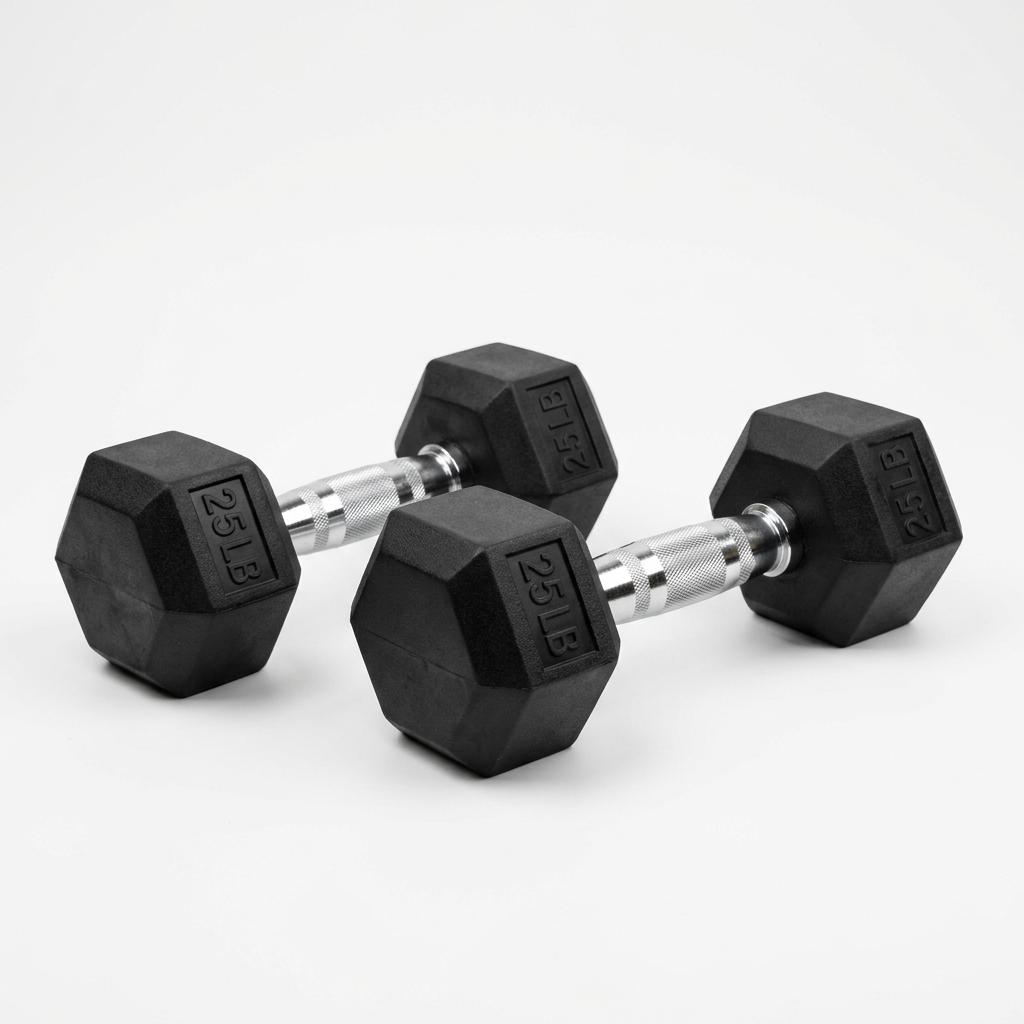 |
CAP Barbell Rubber Coated Hex Dumbbells (Pair) | $30-$70 | Best Overall | Check Price |
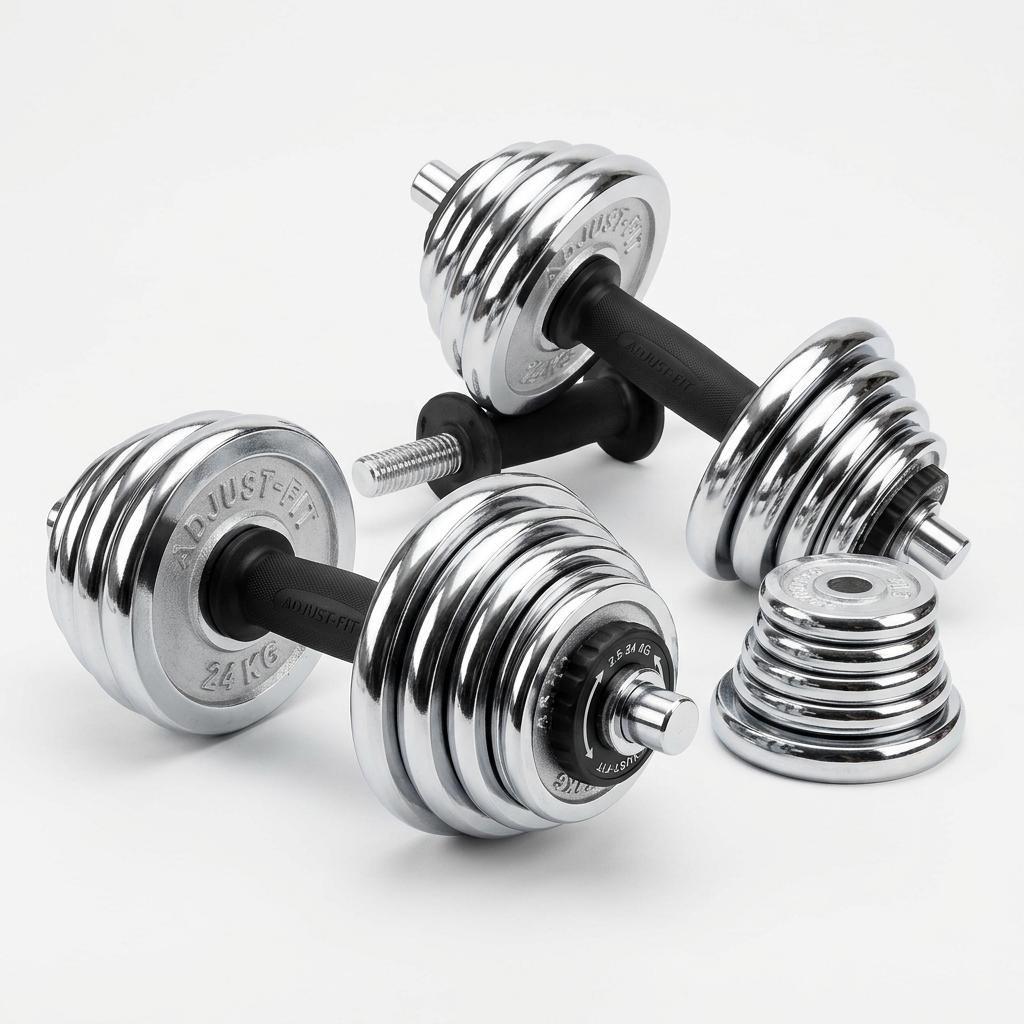 |
Amazon Basics Rubber Hex Dumbbell | $20-$60 | Best Budget | Check Price |
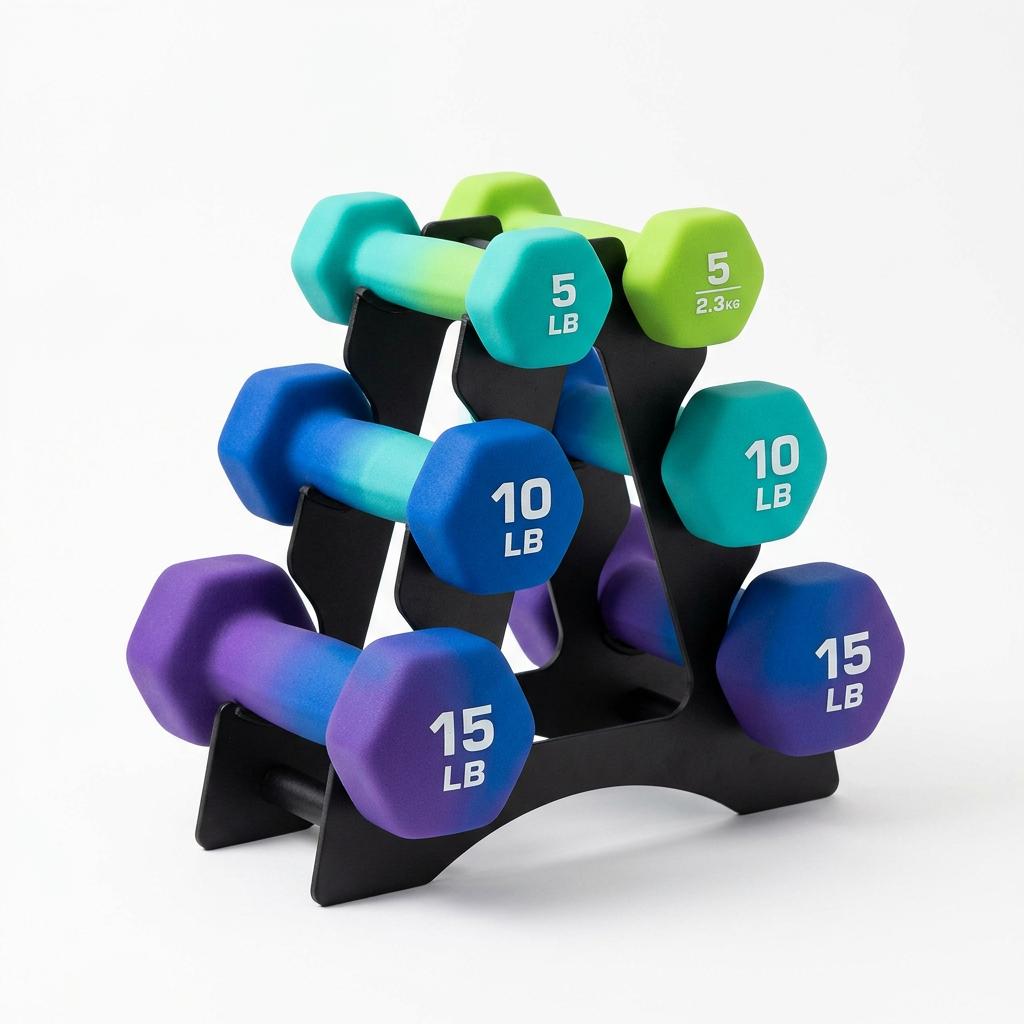 |
Yes4All Neoprene Dumbbell Set with Stand | $40-$80 | Best for Light Arm Work | Check Price |
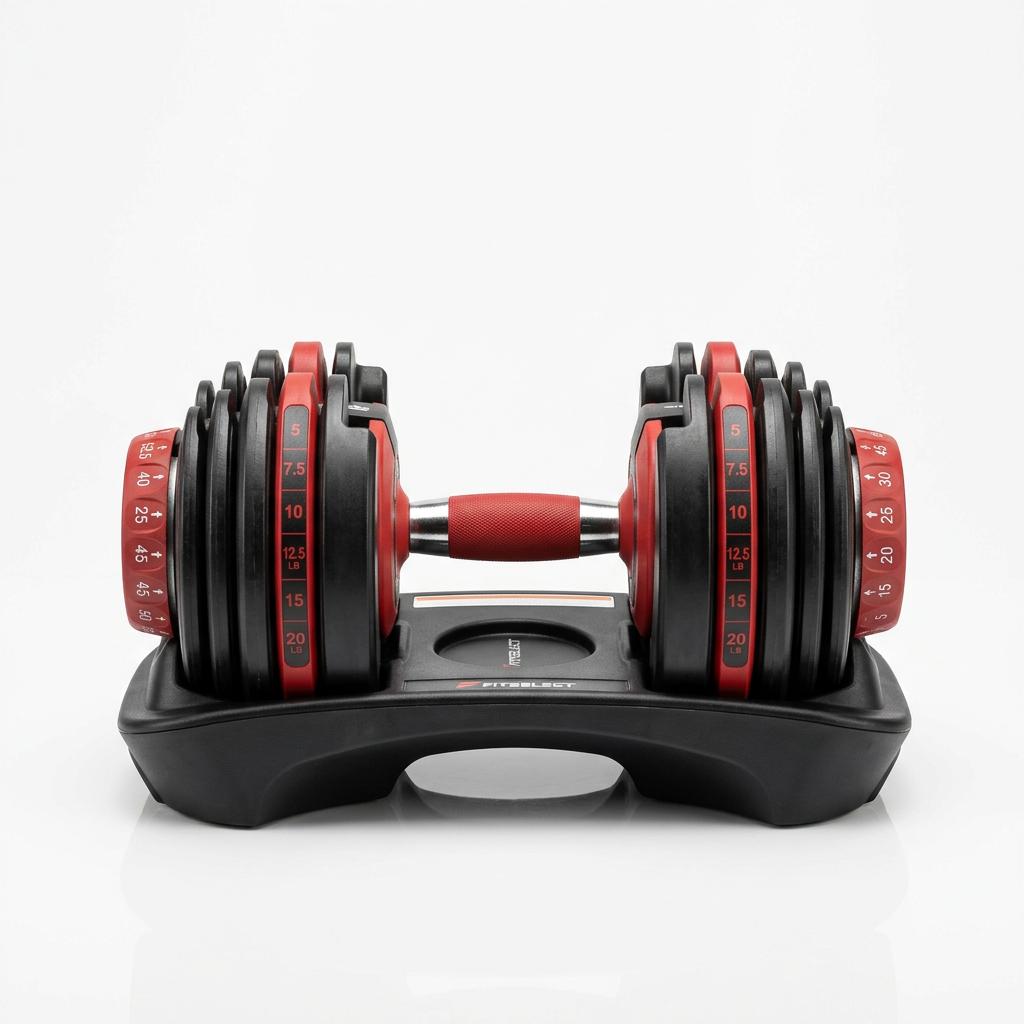 |
ATIVAFIT Adjustable Dumbbell (Single) | $120-$180 | Best Adjustable for Arms | Check Price |
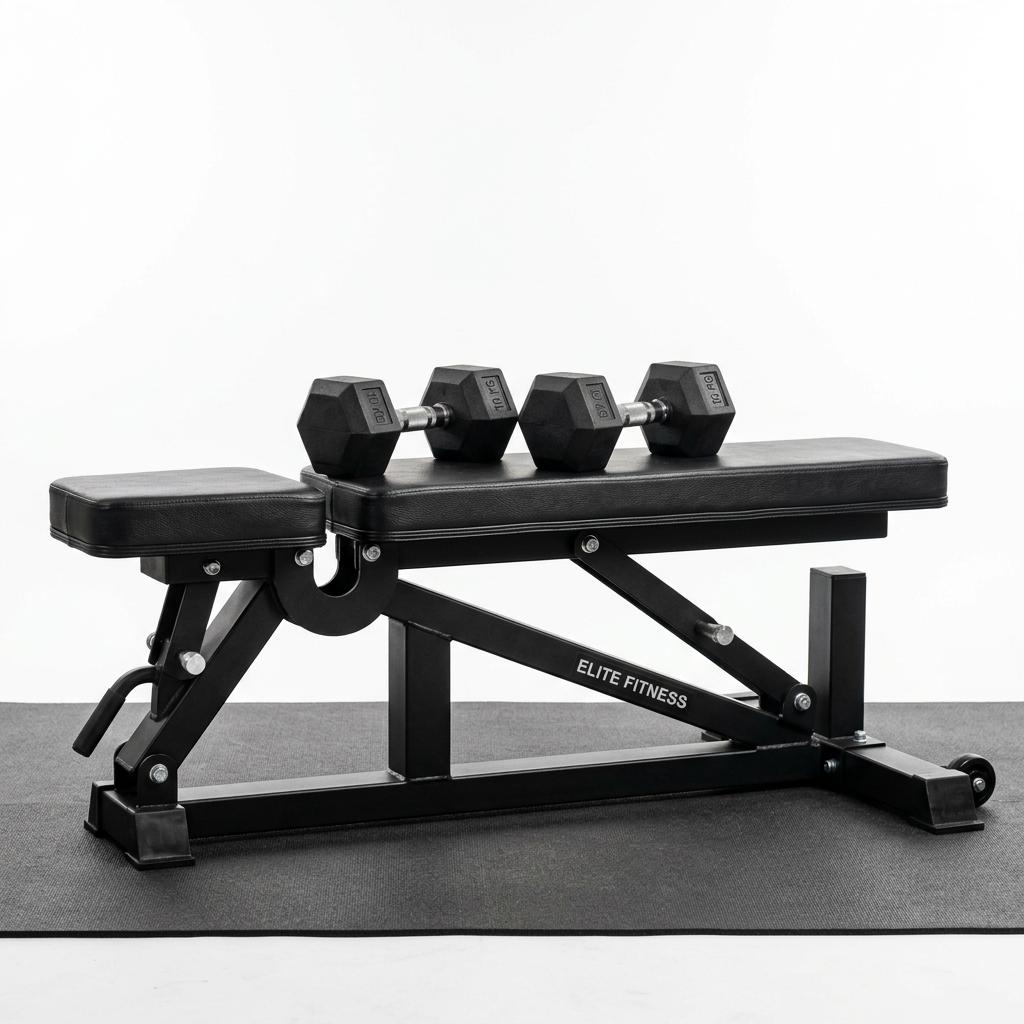 |
FLYBIRD Adjustable Weight Bench | $100-$150 | Best Bench for Arm Work | Check Price |
Durable rubber hex dumbbells with non-rolling design and comfortable knurled handles, available in a wide weight range for arm training.
A budget-friendly rubber hex dumbbell with solid cast iron construction, sold individually for flexible home gym building.
A colorful neoprene dumbbell set with storage stand, ideal for high-rep arm toning and beginner strength training.
A compact adjustable dumbbell adjusting from 5 to 55 lbs, replacing an entire rack of fixed weights for arm training variety.
A versatile FID weight bench with 7 positions, 620 lb capacity, and fold-flat storage, essential for lying tricep and incline curl exercises.
CAP Barbell Rubber Hex Dumbbells are the go-to choice for home gym arm training. The hexagonal shape prevents the frustrating roll-away between sets, and the rubber coating protects your floor when setting down after curls or skull crushers. The chrome handle with medium knurling provides a secure grip without tearing up your hands during high-rep arm work. For arm training specifically, having a range from 10-35 lbs covers most exercises from concentration curls to overhead extensions. The rubber smell dissipates after a few days of airing out.
Check Price on Amazon
The Amazon Basics Rubber Hex Dumbbell offers surprising quality for its price. The cast iron core maintains consistent weight distribution, and the rubber coating provides floor protection comparable to premium brands. For arm workouts, the contoured handle feels comfortable during curls, extensions, and kickbacks. Being sold individually lets you build your collection progressively, starting with the weights you need most. Weight accuracy is within 3% of stated weight. For home gym owners building an arm-training setup on a budget, this is the smartest starting point.
Check Price on Amazon
The Yes4All Neoprene Dumbbell Set is perfect for lighter arm work, circuit training, and high-rep toning exercises. The color-coded design makes it easy to identify weights at a glance, and the neoprene coating provides a comfortable, non-slip grip that feels great during arm workouts. The included storage stand keeps your workout area tidy. This set is best suited for lateral raises, light curls, and tricep kickbacks. For heavier compound movements, you'll want to supplement with heavier hex dumbbells. A great addition for anyone focusing on arm definition and endurance.
Check Price on Amazon
The ATIVAFIT Adjustable Dumbbell brings commercial-grade adjustability to home arm training. The single-hand weight adjustment allows you to change loads between exercises in seconds, making it perfect for supersets that pair bicep curls with tricep extensions. The 5-55 lb range covers virtually all arm exercises from light kickbacks to heavy hammer curls. The tray system keeps unused plates organized and makes re-racking effortless. For dedicated arm days where you want to hit multiple exercises at varying weights, this single dumbbell replaces an entire rack, saving significant space and cost.
Check Price on Amazon
The FLYBIRD Adjustable Bench transforms arm training by enabling lying tricep extensions (skull crushers), incline curls, and seated concentration curls that are impossible to perform standing. Seven adjustment positions from flat through 90 degrees give you the angles needed for complete arm development. The 2-inch padding provides comfort during long arm sessions, and the 620 lb capacity handles heavy dumbbells without issue. The bench folds nearly flat for storage under a bed or in a closet, making it ideal for apartment home gyms. For serious arm training, an adjustable bench is as essential as the dumbbells themselves.
Check Price on Amazon