Adjustable Dumbbells Buying Guide: How to Choose (2026)
Complete guide to choosing adjustable dumbbells. Dial vs pin vs twist-lock mechanisms, weight range selection, footprint...
SnugGym is an Amazon Associate. We earn from qualifying purchases at no extra cost to you. Learn more

Technical comparison of adjustable dumbbell adjustment mechanisms. Dial-select, pin-selector, and spin-lock systems explained with pros, cons, and selection guidance.
Adjustable dumbbells all serve the same purpose—replacing a rack of fixed-weight dumbbells with a single pair. But how you change the weight differs dramatically between systems. The mechanism determines adjustment speed, maximum weight, durability, and long-term user satisfaction.
Our analysis categorizes adjustable dumbbells into three adjustment systems: dial-select, pin-selector, and spin-lock. Each has distinct engineering tradeoffs.
Mechanism: A rotating dial on each end of the dumbbell engages with a series of weight plates nested in a cradle. Turning the dial selects the desired weight. Lifting the handle extracts only the plates corresponding to that setting. Unused plates remain in the cradle.
Representative products: Bowflex SelectTech series, Core Home Fitness adjustable dumbbells, NordicTrack iSelect.
Published specifications (Bowflex 552, as an example):
Mechanism: A metal pin inserts into one of several aligned holes along the dumbbell's length, determining how many plates attach to the handle. When lifted, plates on one side of the pin come with the handle; plates on the other side remain on the storage base. Some systems use a sliding lever instead of a removable pin.
Representative products: PowerBlock series (pin + magnetic adder), Ironmaster Quick-Lock (threaded pin system), MX Select (lever system).
Published specifications (PowerBlock Elite EXP, as an example):
Mechanism: The most traditional system. Round plates slide onto a threaded handle (like a mini barbell). Spin-on collars with threaded inserts tighten against the plates to secure them. No storage cradle—plates store on a separate rack or tree.
Representative products: CAP Barbell spin-lock sets, Yes4All adjustable sets, generic cast iron plate-and-handle systems.
Published specifications (typical 200 lb set):
| Feature | Dial-Select | Pin-Selector | Spin-Lock |
|---|---|---|---|
| Adjustment speed | Fast (3–5 sec) | Moderate (2–10 sec) | Slow (15–45 sec) |
| Max weight (standard) | 50–90 lb | 50–175 lb | Unlimited (plate-dependent) |
| Max weight (compact models) | 25–50 lb | 50–70 lb | Same as above |
| Weight increments | 2.5–5 lb | 2.5–5 lb | As low as 1.25 lb |
| Durability (mechanism) | Moderate | High | Very High |
| Drop tolerance | Low | Moderate–High | Very High |
| Compactness (in use) | Wide (plate nesting) | Compact (square/block) | Compact (standard shape) |
| Compactness (stored) | Moderate (needs cradle) | Moderate (needs base) | Requires separate plate rack |
| Price range (pair) | $150–600 | $300–800 | $100–400 |
| Learning curve | Low | Low–Moderate | Low |
| Plate rattle in use | Some models | Minimal | None (when tight) |
| Repairability | Low (proprietary parts) | Moderate | High (standard parts) |
What works well:
Adjustment speed is the primary advantage. A single dial turn selects weight in seconds. For circuit training, drop sets, or any protocol requiring rapid weight changes, dial-select systems save significant time over a workout.
The cradle system is intuitive. Novice users understand the mechanism immediately. Weight markings are typically large and visible.
Storage is integrated. The cradle serves as both storage rack and adjustment mechanism. No separate plate tree needed.
Limitations and concerns:
The mechanism contains small plastic and metal components that wear with use. Our analysis of user-reported issues indicates that dial systems show degradation after 2–4 years of regular use. The internal gear that engages plates can fail, rendering the dumbbell unusable without manufacturer repair parts.
Drop tolerance is low. Setting a dial-select dumbbell down hard—or worse, dropping it—can damage the engagement mechanism or misalign plates in the cradle. These dumbbells must be set down gently in their cradles.
Width is a common complaint. Because plates nest on both sides of the handle and extend outward, dial-select dumbbells at lower weights are wider than equivalent fixed dumbbells. A 10 lb Bowflex SelectTech 552 is substantially wider than a 10 lb fixed dumbbell. This affects exercise feel during curls, overhead press, and some chest press variations.
Our assessment: Dial-select systems are optimized for convenience and user experience. They suit users who prioritize fast adjustment over absolute durability and don't plan to train beyond ~50 lb per hand. The 2–4 year functional lifespan is acceptable for many home users but represents a durability tradeoff.
What works well:
Durability is significantly higher than dial systems. The pin mechanism has fewer moving parts. PowerBlock's Urethane-coated steel design, for example, has a reputation for longevity exceeding 5–10 years with regular use.
Compact shape is an ergonomic advantage. The square or hexagonal block shape keeps the dumbbell close to the body during use. This improves feel for exercises like curls, lateral raises, and overhead press compared to wide dial-select designs.
Expandability matters for strong lifters. The PowerBlock Elite EXP starts at 5–50 lb and expands to 70, 90, or 125 lb per hand with add-on kits. No other mechanism matches this ceiling in a compact footprint.
Drop tolerance is moderate. PowerBlocks in particular can withstand controlled setting-down from reasonable heights. They are not designed for Olympic-style drops but tolerate normal gym use.
Limitations and concerns:
The unconventional shape requires adaptation. The rectangular cross-section feels different from round dumbbells in certain positions. Wrist position during curls and presses may need adjustment.
Adder weights (the 2.5 lb micro-adjustment plates) insert manually into the handle cavity. This adds 5–10 seconds per adjustment when micro-loading. For users who never need 2.5 lb increments, this is irrelevant. For progressive overload purists, it's a meaningful friction point.
The wrist wrap enclosure (on PowerBlock models) can contact the forearm during some exercises. Users with larger wrists may find the fit tight.
Our assessment: Pin-selector systems strike the best balance between durability, expandability, and adjustment speed for serious home gym users. The higher upfront cost pays for longevity. The compact shape is superior for most exercises. The 2.5 lb adder weight system is a minor inconvenience.
What works well:
Durability is unmatched. A threaded handle and metal collars have no failure-prone mechanism. Cast iron plates last decades. This is the only system that can be passed down.
Weight granularity is precise. With 1.25, 2.5, 5, and 10 lb plates, you can achieve any weight combination in small increments. This matters for progressive overload protocols where 2.5 lb jumps are too large.
Maximum weight is unlimited. Add more plates. Buy more plates. The system scales to any load a human can lift. This is the only practical home system for very strong lifters needing 100+ lb per hand.
Cost per pound is lowest. A 200 lb spin-lock set typically costs $0.50–1.00 per pound of weight. Dial and pin systems cost $3.00–8.00 per pound of effective capacity.
Standardized parts mean easy replacement. Lost a collar? Buy a standard 1-inch threaded collar for $5. Cracked a plate? Standard cast iron plates are widely available.
Limitations and concerns:
Adjustment speed is the primary drawback. Changing from 20 lb to 45 lb requires removing the current plates, selecting new plates, sliding them on, and threading both collars. This takes 20–45 seconds per dumbbell. For circuits or drop sets, this is impractical.
Storage footprint is larger. Plates require a separate rack or tree. A full 200 lb set with storage consumes significantly more floor space than a dial or pin system with integrated cradles.
Setup is more demanding. Spin-lock dumbbells require more attention to collar tightness. A loose collar during overhead press is a safety hazard. The user must develop the habit of checking tightness before each set.
Our assessment: Spin-lock systems are the right choice for budget-conscious buyers, very strong lifters, and those who value durability and repairability over convenience. The slow adjustment speed makes them poorly suited to circuit training but entirely adequate for standard strength training where rest periods between sets are 60–120 seconds anyway.
| Mechanism | In-Use Rattle | Plate Contact Noise | Storage Noise | Overall |
|---|---|---|---|---|
| Dial-select | Low–Moderate (some plate movement) | Moderate (metal plates in cradle) | Low | Moderate |
| Pin-selector | Very Low (secure fit) | Low (rubber coating on many models) | Low | Low |
| Spin-lock | None (when collars tight) | Moderate (cast iron contact) | Moderate (plate handling) | Moderate |
For noise-sensitive environments, pin-selector systems with rubber-coated plates produce the least acoustic footprint. Spin-lock systems with rubber-encased plates (available from some manufacturers) are comparable. Dial-select cradles can produce clanking when plates settle after setting down.
See our equipment noise levels chart for broader acoustic guidance.
The three mechanisms represent different optimization points on the convenience-durability-cost triangle. Dial-select prioritizes speed. Spin-lock prioritizes longevity and flexibility. Pin-selector occupies the middle ground with the best overall balance for most serious home gym users.
Your selection should be driven by your training style (circuit vs. straight sets), your strength ceiling, your noise constraints, and your time horizon for equipment ownership. There is no universally "best" system—only the system that best matches your specific requirements.
As an Amazon Associate we earn from qualifying purchases.
Last updated: 2025-07-21
| Image | Product | Price | Badge | Link |
|---|---|---|---|---|
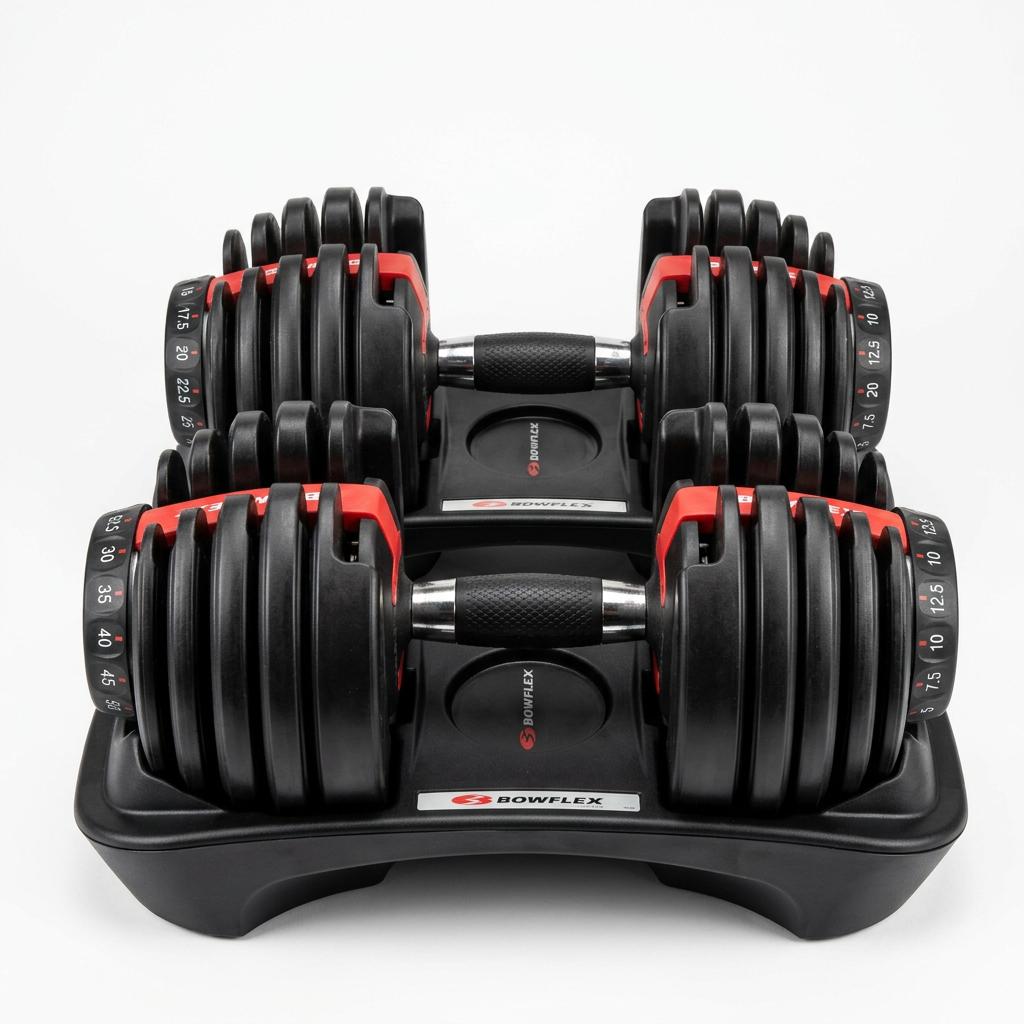 |
Bowflex SelectTech 552 Adjustable Dumbbells | $349-$429 | Best Dial-Select System | Check Price |
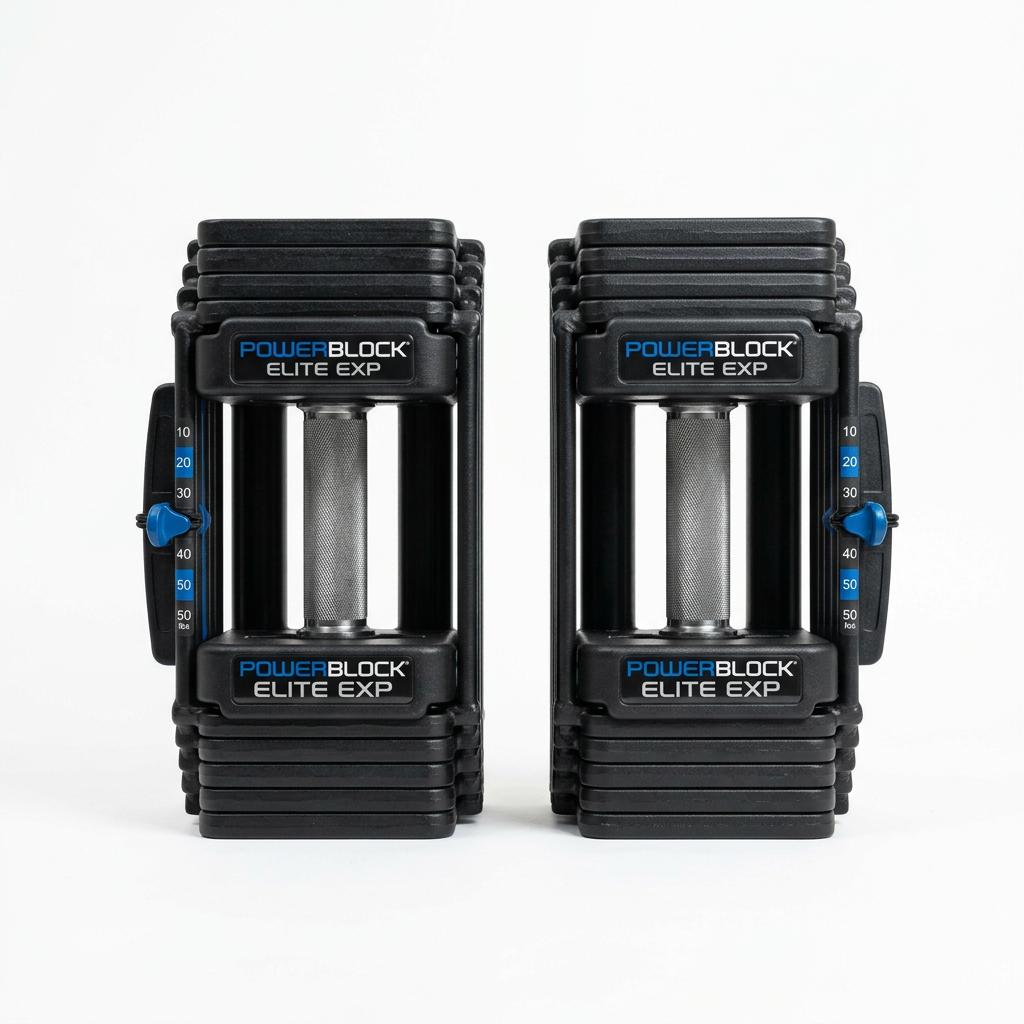 |
PowerBlock Elite EXP Adjustable Dumbbells | $399-$549 | Best Pin-Selector System | Check Price |
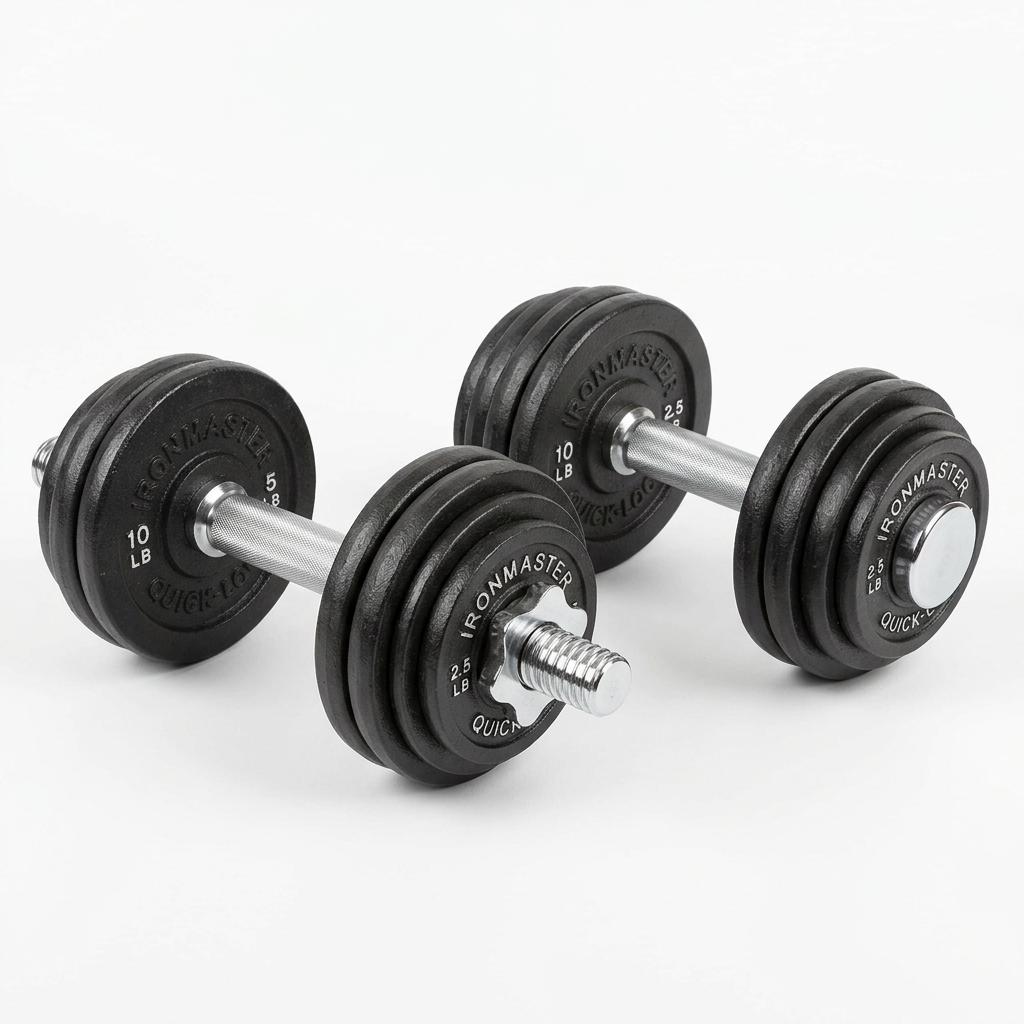 |
Ironmaster Quick-Lock Adjustable Dumbbells | $599-$749 | Most Durable Adjustable | Check Price |
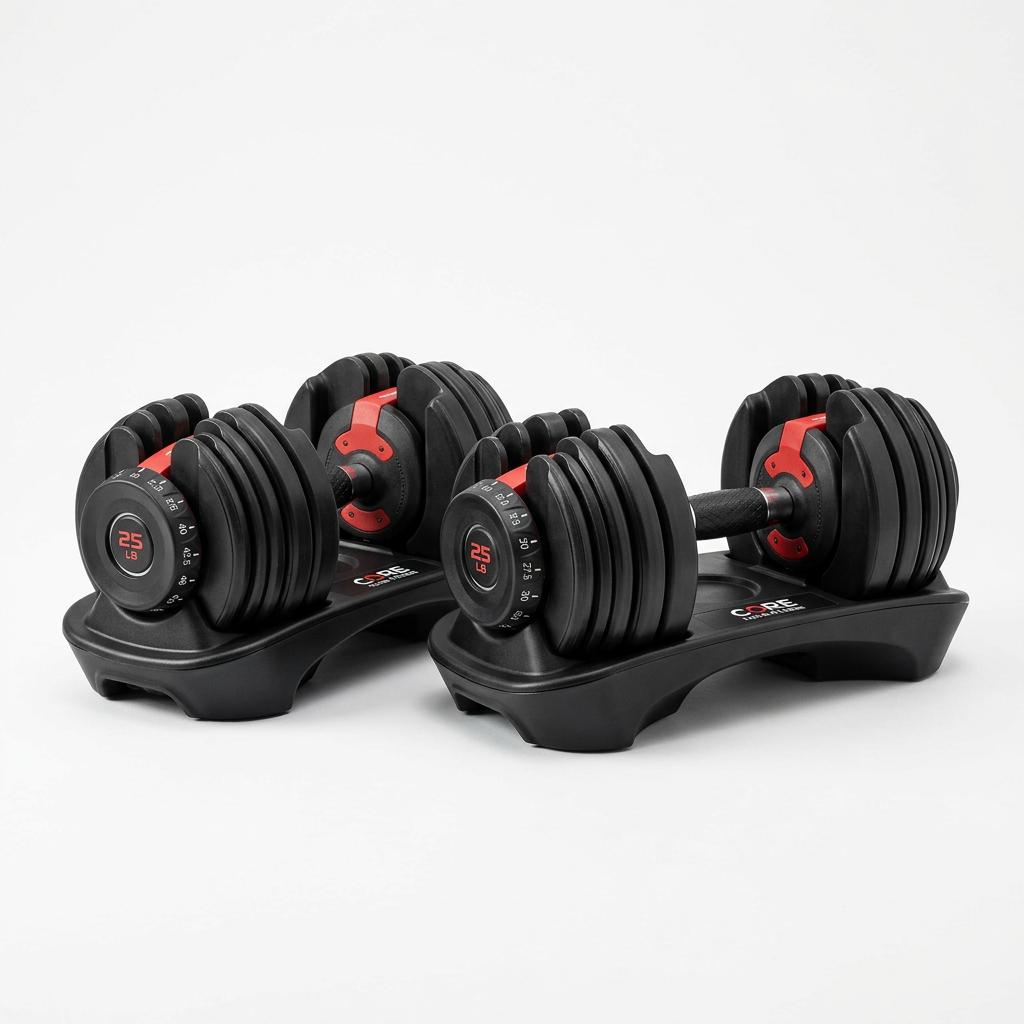 |
Core Home Fitness Adjustable Dumbbells | $299-$379 | Best Budget Dial-Select | Check Price |
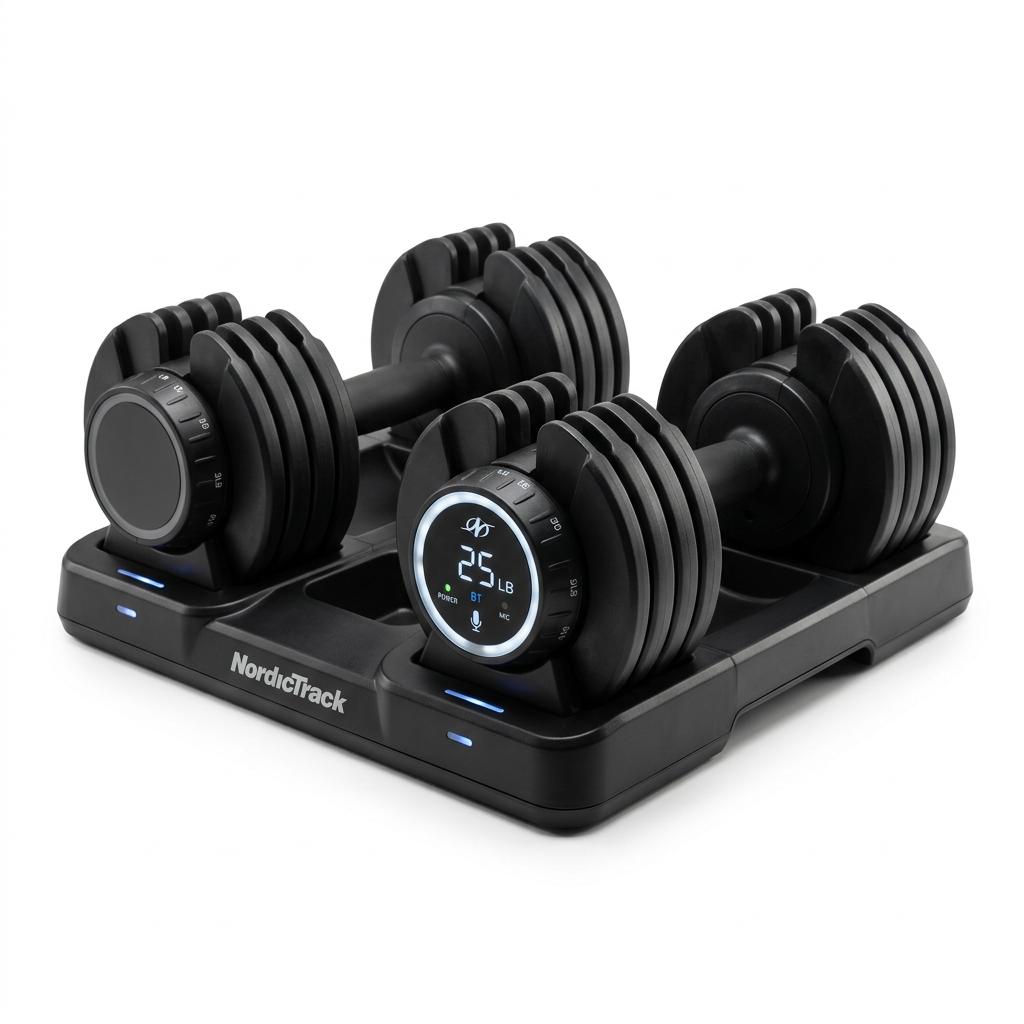 |
NordicTrack iSelect Voice-Controlled Dumbbells | $299-$429 | Most Tech-Forward | Check Price |
The Bowflex SelectTech 552 is the most popular dial-select adjustable dumbbell, offering rapid weight changes and space-saving design perfect for circuit training.
The PowerBlock Elite EXP offers the best balance of durability, expandability, and compact design, making it the top choice for serious lifters.
The Ironmaster Quick-Lock is the most durable adjustable dumbbell system available, built like traditional dumbbells with a lifetime warranty to match.
Core Home Fitness delivers dial-select convenience at a more accessible price point, with a compact footprint perfect for apartment home gyms.
The NordicTrack iSelect brings smart home technology to adjustable dumbbells with voice control and digital integration for tech-savvy fitness enthusiasts.
The Bowflex SelectTech 552 represents the gold standard for dial-select adjustable dumbbells. With a simple twist of the rotating dial at each end, you can select weights from 5 to 52.5 pounds in increments as small as 2.5 pounds. This system excels for circuit training and drop sets where speed matters. The integrated storage cradle doubles as the adjustment mechanism, keeping your workout area tidy. While not as durable as all-metal systems, the convenience factor is unmatched for home gym users who prioritize quick transitions between exercises.
Check Price on Amazon
The PowerBlock Elite EXP is the pin-selector system that serious home gym users gravitate toward. Its unique rectangular block shape keeps the dumbbell compact and close to the body during exercises, improving feel over wider dial-select alternatives. The pinned selector system is simple and virtually failure-proof, while the expandability means your dumbbells can grow with your strength. The 2.5 lb adder weight system requires a few extra seconds but enables precise progressive overload. With proper care, these dumbbells can last over a decade.
Check Price on Amazon
The Ironmaster Quick-Lock system prioritizes durability and traditional feel over speed. Using a threaded lock collar similar to barbells, these dumbbells can be loaded to 165 pounds per hand — the highest capacity of any adjustable system. The all-metal construction means they're genuinely drop-safe, and the threaded Quick-Lock collars are faster than traditional spin-lock systems. While weight changes take 15-45 seconds, the peace of mind knowing these will last a lifetime makes them ideal for serious strength trainers who don't need rapid transitions between exercises.
Check Price on Amazon
The Core Home Fitness Adjustable Dumbbells offer an excellent entry point into dial-select systems without the premium price tag of better-known brands. The twist-handle adjustment mechanism allows quick weight changes from 5 to 50 pounds, and the compact cradle base takes up less than two square feet of floor space. For beginners and intermediate lifters who won't exceed 50 pounds per hand, these represent outstanding value. The build quality is solid, though the long-term durability of the internal mechanism hasn't been tested over the same timeframe as Bowflex or PowerBlock systems.
Check Price on Amazon
The NordicTrack iSelect represents the cutting edge of dumbbell technology, integrating Alexa voice control that lets you change weights hands-free during workouts. The digital display on each dumbbell shows your selected weight clearly, and Bluetooth connectivity enables workout tracking through the iFIT app. The underlying dial-select mechanism is solid, providing adjustments from 5 to 50 pounds. While the tech features are genuinely useful — especially during follow-along workouts where the weights auto-adjust — they do add complexity and require power. For tech-forward home gym owners, this is an exciting option, though traditionalists may prefer simpler systems.
Check Price on Amazon