Amazon Basics vs Yes4All Fitness Equipment: Budget Gear Comparison
Comprehensive comparison of Amazon Basics vs Yes4All fitness equipment covering dumbbells, kettlebells, resistance bands...
SnugGym is an Amazon Associate. We earn from qualifying purchases at no extra cost to you. Learn more

Compare renting and buying gym equipment. We analyze cost, flexibility, equipment types suited for rental, and the break-even math to help apartment dwellers decide.
The decision to rent or buy gym equipment depends on how long you'll use it, how certain you are about your fitness commitment, and whether you need flexibility more than ownership equity. For apartment dwellers—who move more frequently, have less storage space, and may face changing circumstances—rental can be a strategically sound choice that pure cost comparisons often miss.
In short: Buying is the better long-term financial decision for anyone committed to a home gym for 18+ months. Renting makes sense for short-term situations (3–12 months), uncertainty about fitness commitment, or specific high-value equipment that depreciates rapidly. The break-even point for most equipment falls between 8–18 months of rental payments.
| Factor | Buying | Renting |
|---|---|---|
| Upfront cost | High ($300–$3,000+ for a full setup) | Low ($30–$150 first month + delivery) |
| Monthly cost | $0 after purchase | $30–$300/month depending on equipment |
| Long-term cost (2+ years) | Lower | Higher (rental fees accumulate) |
| Ownership | You own the asset; can resell | No equity; return when done |
| Flexibility | Low (must sell or move heavy items) | High (swap, upgrade, or return anytime) |
| Maintenance responsibility | Yours | Usually the rental company's |
| Equipment selection | Unlimited (any brand/model) | Limited to rental company inventory |
| Commitment required | High | Low |
Gym equipment rental companies deliver equipment to your home, assemble it if needed, and charge a monthly fee. Most offer:
| Equipment Type | Common Rental Availability | Typical Monthly Cost |
|---|---|---|
| Treadmills | High | $60–$200/month |
| Exercise bikes (upright/recumbent) | High | $40–$120/month |
| Ellipticals | High | $60–$180/month |
| Rowing machines | Moderate | $40–$100/month |
| Home gyms (multi-station) | Moderate | $80–$250/month |
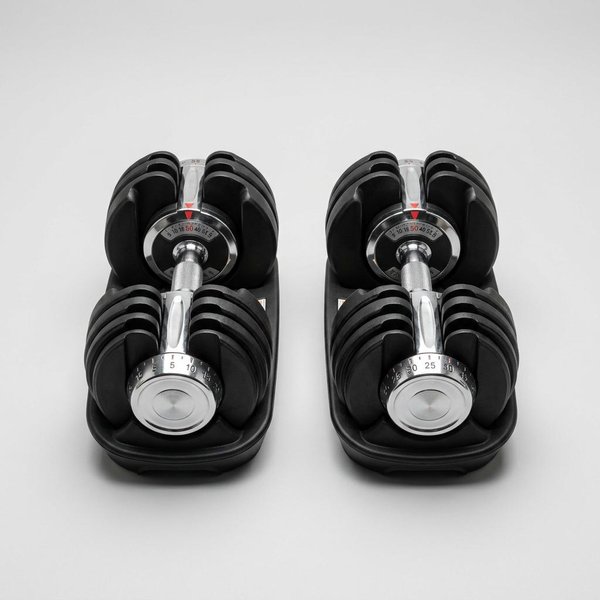
| Adjustable dumbbells | Low | $20–$50/month |
| Weight benches | Low | $15–$40/month |
| Power racks | Very low | Rarely available |
| Barbells and plates | Very low | Rarely available |
Our analysis: Cardio machines dominate the rental market because they are high-value items with higher failure rates—exactly the profile where rental (with included maintenance) provides the most value. Strength equipment (racks, bars, plates) is rarely rented because it is durable, low-maintenance, and holds resale value well.
The mathematical question is simple: at what point do rental payments exceed the purchase price minus resale value?
| Scenario | Cost |
|---|---|
| Purchase price (mid-range treadmill) | $1,200 |
| Estimated resale value after 2 years | $400–$600 |
| Net cost of ownership (2 years) | $600–$800 |
| Rental cost ($100/month × 24 months) | $2,400 |
| Break-even point | 6–8 months |
At 6–8 months, buying becomes cheaper than renting. Every month beyond that, the buyer saves money.
| Scenario | Cost |
|---|---|
| Purchase price (quality upright bike) | $400 |
| Estimated resale value after 1 year | $200–$250 |
| Net cost of ownership (1 year) | $150–$200 |
| Rental cost ($50/month × 12 months) | $600 |
| Break-even point | 3–4 months |
For lower-priced equipment, the break-even comes quickly.
| Scenario | Cost |
|---|---|
| Purchase price (Concept2 Model D) | $1,000 |
| Estimated resale value after 2 years | $700–$800 |
| Net cost of ownership (2 years) | $200–$300 |
| Rental cost ($75/month × 24 months) | $1,800 |
| Break-even point | 4–6 months |
Concept2 rowers hold value exceptionally well, making purchase the clear winner for any commitment beyond a few months.
If you are on a temporary work assignment, subletting, or planning a move within a year, renting eliminates the logistics of selling, moving, or storing heavy equipment. The premium paid for rental months is offset by avoided hassle.
For individuals new to exercise or returning after a long hiatus, rental provides a low-commitment trial. If the equipment goes unused, you return it. If you develop a consistent habit, you can purchase with confidence—or transition to a gym membership.
Treadmills have the highest failure rate of common home gym equipment. Motor failures, belt issues, and electronics problems are expensive to repair ($200–$500 per incident). Rental shifts this risk to the rental company. Our analysis indicates that rental makes more financial sense for treadmills than for any other category.
Some rental companies apply a portion of rental payments toward purchase if you decide to keep the equipment. This "rent-to-own" model lets you evaluate a specific model in your space before committing to the full purchase price.
Beyond the break-even point, buying is unequivocally cheaper. A $1,200 treadmill owned for 3 years costs approximately $400/year (net of resale). The same treadmill rented at $100/month costs $3,600 over 3 years—a $3,200 difference.
Weights, racks, and barbells rarely make sense to rent because:
A $600 power rack purchased and resold for $400 after 2 years costs $100/year. Rental at $80/month would cost $960/year—nearly 10× more.
Rental companies stock mainstream models. If you want a specific barbell, a particular rack configuration, or a specialty piece of equipment, purchasing is the only option.
Rental companies typically require credit checks and contracts. Buying outright with cash or a standard credit card purchase avoids these requirements.
Some rental companies offer rent-to-own programs where a percentage of each rental payment (typically 50–100% of the first 3–6 months, then 10–20% thereafter) applies to the purchase price.
Our analysis: Treat rent-to-own as a financing arrangement, not a cost-saving strategy. Calculate the total out-of-pocket cost and compare it to the retail price plus any credit card interest you would pay on a direct purchase.
| Cost | Typical Amount | Notes |
|---|---|---|
| Delivery fee | $50–$150 | Often waived for multi-month commitments |
| Setup fee | $0–$100 | Varies by company and equipment complexity |
| Pickup fee | $50–$150 | Charged when returning equipment |
| Damage/wear fees | Variable | Charged for damage beyond "normal wear" |
| Late/missed payment fees | $25–$50 per incident | Standard rental agreement terms |
| Insurance | $10–$30/month | Optional but recommended |
Factor these costs into your total rental expenditure. A $75/month treadmill with $100 delivery and $100 pickup costs $1,100 over 12 months—not $900.
| Cost | Typical Amount | Notes |
|---|---|---|
| Assembly | $0–$200 | DIY or professional |
| Maintenance and repairs | $50–$300/year | Higher for cardio machines |
| Flooring/protection | $50–$200 | Mats, platforms, carpet protection |
| Resale effort | Time + shipping/platform fees | Facebook Marketplace, Craigslist, eBay |
| Moving costs | $100–$500 | Professional movers for heavy equipment |
Use this flowchart logic:
| Situation | Recommendation |
|---|---|
| Temporary housing (< 6 months) | Rental or gym membership |
| Uncertain commitment | Short-term rental (3–6 months) |
| Want a treadmill | Rental for short-term; buy for long-term |
| Want a bike/rower | Buy (reliable, great resale) |
| Want strength equipment | Buy (rental rarely available or cost-effective) |
| Try-before-committing | Rental with rent-to-own option |
| Moving frequently | Buy lightweight equipment; rent heavy cardio |
| Budget-constrained short-term | Rental spreads cost over time |
| Budget-constrained long-term | Buy used; still cheaper than rental |
As an Amazon Associate we earn from qualifying purchases.