Amazon Basics vs Yes4All Fitness Equipment: Budget Gear Comparison
Comprehensive comparison of Amazon Basics vs Yes4All fitness equipment covering dumbbells, kettlebells, resistance bands...
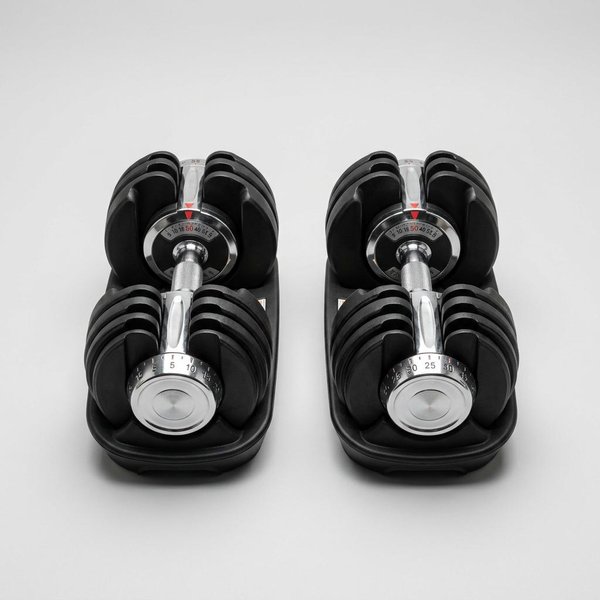
Comprehensive guide to renter's insurance coverage for home gym equipment. Learn about policy types, coverage limits, claim scenarios, and how to protect your fitness investment as a tenant.
Home gym equipment represents a significant financial investment. A well-equipped compact home gym can easily exceed $2,000 in value — and comprehensive setups often reach $5,000–$10,000. For renters, this investment exists in a space they don't own, subject to risks they don't fully control. Our guide examines how renter's insurance applies to gym equipment, coverage gaps to address, documentation requirements, and practical protection strategies.
Key Takeaway: Standard renter's insurance policies typically cover personal property including gym equipment against named perils (theft, fire, water damage, vandalism) up to the policy's personal property limit, subject to the deductible. However, coverage limits, exclusions, and claim documentation requirements vary significantly between policies. Home gym owners should verify their specific coverage, document equipment thoroughly, and consider scheduled personal property endorsements for high-value items.
A typical renter's insurance policy (HO-4 form) contains four primary coverage components:
| Coverage Component | Typical Limit | Gym Equipment Relevance |
|---|---|---|
| Personal Property (Coverage C) | $15,000–$50,000 | Primary coverage for gym equipment |
| Loss of Use (Coverage D) | 20–30% of Coverage C | Pays for temporary housing if unit becomes uninhabitable |
| Personal Liability (Coverage E) | $100,000–$500,000 | Critical if someone is injured using your gym equipment |
| Medical Payments to Others (Coverage F) | $1,000–$5,000 | Covers minor medical expenses for guest injuries regardless of fault |
Named perils policies (most common, more affordable) cover only the specific perils listed in the policy. Standard named perils typically include:
| Covered Peril | Gym Equipment Scenario |
|---|---|
| Fire and smoke | Building fire damages or destroys equipment |
| Lightning | Power surge damages electronics (treadmill console, smart equipment) |
| Windstorm/hail | Storm damage through windows or structural failure |
| Explosion | Rare but covered |
| Riot or civil commotion | Vandalism or theft during civil unrest |
| Aircraft/vehicle impact | Structural damage to rental unit |
| Smoke damage | Kitchen fire or neighbor's fire causes soot damage |
| Vandalism or malicious mischief | Intentional damage by third parties |
| Theft | Equipment stolen from rental unit |
| Falling objects | Ceiling collapse, tree through roof |
| Weight of ice, snow, sleet | Structural damage causing equipment damage |
| Accidental water discharge (from plumbing, HVAC, appliances) | Burst pipe floods training area |
| Electrical current damage | Surge damages connected equipment |
All-risk (open perils) policies cover all causes of loss except those specifically excluded. These are less common for renter's insurance but offer broader protection.
| Exclusion | Gym Equipment Implication |
|---|---|
| Flood (surface water, storm surge) | Basement gym flooded by heavy rain — not covered without separate flood policy |
| Earthquake | Equipment damaged in seismic event — requires separate rider |
| Normal wear and tear | Barbell rust from humidity, worn bench padding — maintenance, not insurance |
| Mechanical breakdown | Treadlift motor failure, bike electronics malfunction — equipment warranty issue |
| Intentional damage | Self-inflicted damage |
| Insects, vermin, rodents | Pest damage to upholstery or cables |
| Mold (unless from covered water damage) | Humidity-related mold on equipment in garage/basement |
| Equipment used for business purposes | Personal training clients using equipment — may void coverage |
While your policy may offer $30,000 in personal property coverage overall, sublimits often apply to specific categories:
| Category | Typical Sublimit | Gym Equipment Affected |
|---|---|---|
| Electronics/computers | $2,500–$5,000 | Smart treadmills, bikes with screens, fitness technology |
| Sporting equipment | $500–$2,500 | All gym equipment may fall under this sublimit |
| Business property | $2,500 (on premises) | Equipment used for any commercial purpose |
| Property in storage elsewhere | 10% of Coverage C | Equipment stored off-site |
Critical action: Request a copy of your policy declarations page and review all sublimits. If your sporting equipment sublimit is $1,000 and your power rack alone cost $800, you have minimal remaining coverage for dumbbells, cardio equipment, and accessories.
| Valuation Method | How Claims Are Paid | Impact on Gym Equipment |
|---|---|---|
| Actual Cash Value (ACV) | Replacement cost minus depreciation | 5-year-old $2,000 treadmill might be valued at $400–$600 |
| Replacement Cost Value (RCV) | Full cost to replace with comparable new item | $2,000 treadmill replaced with equivalent new model |
Recommendation: Upgrade to RCV coverage if your policy uses ACV. The premium increase is typically modest (10–20%) and the claim payout difference for gym equipment is substantial.
This is arguably the most important and underappreciated coverage component for home gym owners:
| Scenario | Liability Risk | Coverage |
|---|---|---|
| Guest injures themselves using your equipment | High — premises liability claim | Personal Liability (Coverage E) |
| Guest trips over equipment in your apartment | Moderate — negligence claim | Personal Liability (Coverage E) |
| Equipment falls and damages neighbor's property below | Moderate to high | Personal Liability (Coverage E) |
| You injure yourself using equipment | Not applicable — no liability to self | Health insurance covers personal injury |
| Personal training client injured (paid session) | Very high — professional liability | Standard renter's policy likely excludes business activities |
The business use exclusion deserves special attention. If you earn any income from your home gym — personal training, filming content, selling equipment reviews — your renter's personal liability coverage may not apply to injuries occurring during business use. A home business rider or separate professional liability policy may be necessary.
For individual items or collections exceeding policy sublimits, a Scheduled Personal Property endorsement (also called a "rider" or "floater") provides specific coverage:
| Aspect | Standard Coverage | Scheduled Coverage |
|---|---|---|
| Coverage limit | Subject to category sublimits | Agreed value up to item's appraised worth |
| Deductible | Policy deductible applies ($250–$1,000) | Typically $0 deductible |
| Valuation | ACV or RCV depending on policy | Agreed value or replacement cost |
| Perils covered | Named perils only | Often broader, sometimes all-risk |
| Proof of value at claim | Receipts helpful but not required at policy inception | Appraisal or receipt required at scheduling |
| Premium cost | Included in base premium | 1–2% of scheduled value annually |
Example: A $3,500 Peloton bike scheduled at 1.5% annual premium costs approximately $52/year for specific coverage with no deductible and broader protection.
Equipment worth considering for scheduling:
Proper documentation determines whether a claim is paid fully, partially, or denied. Create and maintain the following records:
| Document Type | Method | Update Frequency |
|---|---|---|
| Detailed inventory list | Spreadsheet: item, purchase date, cost, serial number, model | At purchase and annually |
| Photographs/video | Walk-through video showing all equipment in place | At setup and after significant additions |
| Receipts and warranties | Digital scans stored in cloud; physical copies in fireproof container | At purchase |
| Serial numbers | Photographed and recorded separately from equipment | At purchase |
| Appraisals (high-value items) | Professional appraisal for collections over $5,000 | Every 3–5 years |
| Column | Example Entry |
|---|---|
| Item description | Rogue R-3 Power Rack (shorty, 90") |
| Manufacturer/Model | Rogue Fitness R-3W |
| Serial number | R3-2025-XXXXXX |
| Purchase date | 2025-03-15 |
| Purchase price | $695.00 |
| Purchase location | Rogue Fitness direct |
| Receipt filename | Rogue_R3_receipt_20240315.pdf |
| Current replacement cost | $745.00 (price increase) |
| Photo filename | gym_rack_20240315.jpg |
| Scheduled on policy? | No |
Store documentation in three locations:
Beyond insurance, proactive risk reduction protects your equipment and reduces claim likelihood:
| Risk | Mitigation | Cost |
|---|---|---|
| Water damage (basement/garage gyms) | Elevate equipment on pallets or platforms; use dehumidifier | $0–$300 |
| Humidity/rust | Climate control; silica gel packets in storage; regular maintenance | $20–$200/year |
| Power surge damage | Surge protector on all electronic equipment; consider whole-unit surge protection | $30–$200 |
| Sun damage/fading | Position equipment away from direct sunlight; cover when not in use | $0–$50 |
| Strategy | Implementation |
|---|---|
| Secure entry points | Quality deadbolts, window locks, security system |
| Document serial numbers | Police recovery of stolen gym equipment is possible with serials recorded |
| Engrave identification | Discreet marking makes resale difficult; aids recovery |
| Renters in houses/garages | Motion-sensor lighting; security cameras (Ring, Nest); visible deterrence |
| Apartment/condo | Building access control; package delivery to secure location; know your neighbors |
| Strategy | Implementation |
|---|---|
| Equipment maintenance | Regular inspection; immediate repair of damaged items |
| Clear training space | Adequate clearance around all equipment; no trip hazards |
| Guest supervision | Never allow unsupervised use by inexperienced individuals |
| Alcohol prohibition | No equipment use after alcohol consumption (by anyone) |
| Waiver consideration | For regular training partners, a liability waiver provides limited protection but demonstrates risk awareness |
| Step | Action | Timeline |
|---|---|---|
| 1. Ensure safety | Address immediate hazards; seek medical attention if needed | Immediate |
| 2. Document the scene | Photograph/video all damage before moving anything | Same day |
| 3. Prevent further damage | Reasonable mitigation (cover exposed equipment, move from water) | Same day |
| 4. File police report (theft/vandalism) | Required for theft claims; obtain report number | Within 24 hours |
| 5. Contact insurance company | Report claim; obtain claim number and adjuster contact | Within 24–72 hours |
| 6. Submit documentation | Inventory, receipts, photos, police report, repair estimates | Within 5–10 days |
| 7. Cooperate with adjuster | Provide access for inspection; answer questions; submit requested documents | Ongoing |
| 8. Review settlement offer | Compare to your documentation; negotiate if inadequate | Upon receipt |
| 9. Appeal if necessary | Formal appeal with additional documentation or independent appraisal | If offer is inadequate |
| Coverage Option | Annual Cost | Claim Scenario | Outcome |
|---|---|---|---|
| Standard renter's insurance ($30K property, $1K deductible) | $180–$300 | Theft of all equipment | Pays $3,500 − $1,000 deductible = $2,500 (if under sporting goods sublimit) |
| Renter's + scheduled Peloton ($3,500, $0 deductible) | $180–$300 + $52 = $232–$352 | Theft of bike | Pays full $3,500 replacement; other equipment subject to base policy |
| Renter's + full gym scheduled ($5,000 total scheduled) | $180–$300 + $75 = $255–$375 | Total loss | Pays full scheduled amount; no deductible; broader peril coverage |
| No additional coverage | $0 | Total loss | $0 recovery beyond base policy limits and deductibles |
Analysis: For a $3,500+ gym investment, scheduling high-value items or increasing personal property limits with a lower deductible provides meaningful protection for a modest annual premium ($50–$150 additional). Given that equipment theft or total loss, while unlikely, would be financially painful, the insurance expenditure represents reasonable risk transfer.
As an Amazon Associate we earn from qualifying purchases. Insurance information is for educational purposes and does not constitute professional insurance advice. Consult a licensed insurance agent for policy-specific guidance. Affiliate links on this page use the tag snuggym0626-20.