Amazon Basics vs Yes4All Fitness Equipment: Budget Gear Comparison
Comprehensive comparison of Amazon Basics vs Yes4All fitness equipment covering dumbbells, kettlebells, resistance bands...
SnugGym is an Amazon Associate. We earn from qualifying purchases at no extra cost to you. Learn more

Detailed financial comparison of building a home gym versus maintaining a commercial gym membership. We analyze upfront costs, ongoing expenses, hidden fees, and intangible factors over a 5-year ownership period.
The decision between building a home gym and maintaining a commercial gym membership involves more than monthly dues versus equipment price tags. Our comprehensive financial analysis examines all cost categories — upfront, ongoing, hidden, and opportunity costs — projected over a five-year horizon to determine which option delivers better value under different scenarios.
Quick Verdict: A basic home gym breaks even versus a mid-tier commercial gym membership at approximately 18–24 months. A fully equipped home gym breaks even at 3–4 years. Beyond the break-even point, the home gym generates substantial savings. However, gym memberships offer social motivation, professional instruction, equipment variety, and zero maintenance responsibility — factors that don't appear on spreadsheets but significantly affect adherence and results.
| Gym Tier | Monthly Dues | Annual Fee | Initiation Fee | 5-Year Total |
|---|---|---|---|---|
| Budget (Planet Fitness, Crunch Basic) | $10–$25 | $39–$49 | $1–$49 | $660–$1,740 |
| Mid-range (LA Fitness, 24 Hour Fitness, Anytime Fitness) | $35–$55 | $0–$59 | $0–$99 | $2,100–$3,459 |
| Premium (Equinox, Life Time, SoulCycle) | $150–$300 | $0–$200 | $0–$300 | $9,000–$18,500 |
| Boutique/specialty (CrossFit, F45, Barry's) | $150–$350 | $0–$100 | $0–$200 | $9,000–$21,500 |
Sources: International Health, Racquet & Sportsclub Association (IHRSA) 2024 report; direct gym pricing research.
| Cost Category | Typical Annual Amount | Notes |
|---|---|---|
| Transportation (gas/public transit) | $100–$800 | Varies by distance; average 3.5-mile commute |
| Parking | $50–$600 | Urban premium gyms often charge parking |
| Locker rental | $0–$200 | Required at some facilities |
| Towel service | $0–$120 | Premium gym add-on |
| Guest passes for family | $0–$300 | Bringing partners or children |
| Workout apparel (additional sets) | $50–$200 | Social gym environment increases apparel spending |
| Pre/post-workout food/drinks | $100–$600 | Smoothie bars, protein shakes near gym |
| Time cost (travel + wait) | 30–90 min/session | Valued at $10–$30/hr opportunity cost |
Time cost deserves special attention. At 4 workouts per week:
This time cost, while not a cash expense, represents the largest economic difference between home and commercial gyms for busy professionals.
| Equipment | Purpose | Estimated Cost |
|---|---|---|
| Adjustable dumbbells (PowerBlock or Bowflex) | Full-body resistance training | $200–$350 |
| Adjustable bench | Flat/incline pressing, rows, step-ups | $100–$200 |
| Resistance band set | Assistance, isolation, warm-up | $20–$40 |
| Jump rope | Cardio | $10–$20 |
| Yoga mat | Floor work, stretching, core | $20–$30 |
| Total | $350–$640 |
Capabilities: Comprehensive strength training, basic cardio, mobility work. Limited heavy leg training and no sustained indoor cardio.
Check price at Amazon — adjustable dumbbells set
| Equipment | Purpose | Estimated Cost |
|---|---|---|
| Everything from Tier 1 | $350–$640 | |
| Power rack or half rack | Safe heavy barbell training | $400–$800 |
| Olympic barbell + weight set (300 lb) | Compound lifts | $300–$600 |
| Adjustable bench (upgraded) | Decline, multiple angles | $200–$400 |
| Pull-up bar | Vertical pulling | $30–$100 |
| Flooring (rubber stall mats or tiles) | Equipment protection, noise reduction | $100–$300 |
| Cardio equipment (spin bike or rower) | Sustained aerobic training | $300–$800 |
| Total | $1,680–$3,640 |
Capabilities: Near-commercial gym capability for strength and cardio. Supports powerlifting, bodybuilding, and metabolic conditioning programs.
| Equipment | Purpose | Estimated Cost |
|---|---|---|
| Everything from Tier 2 | $1,680–$3,640 | |
| Cable machine or functional trainer | Isolation movements, cable crossovers | $800–$2,500 |
| Dumbbell set (5–75 lb fixed) | Rapid weight changes, drop sets | $500–$1,500 |
| Leg press/hack squat machine | Heavy quad training without spinal load | $500–$1,200 |
| Treadmill or elliptical | Weather-independent cardio | $800–$2,500 |
| Additional specialty equipment | Kettlebells, specialty bars, strongman implements | $200–$700 |
| Total | $4,480–$10,040 |
Capabilities: Equivalent or superior to most commercial gyms for individualized training. Supports any training modality except those requiring specialized facilities (swimming, basketball, etc.).
Check price at Amazon — power rack home gym
| Cost Category | Annual Amount | Notes |
|---|---|---|
| Maintenance and repairs | $50–$200 | Lubrication, cable replacement, worn padding |
| Additional equipment (progression) | $100–$500 | More weight plates, new accessories, upgrades |
| Electricity (cardio equipment, lights, HVAC) | $50–$300 | Depends on climate control and equipment type |
| Flooring replacement | $0–$100 | Every 3–5 years for foam; rubber lasts 10+ years |
| Insurance rider (equipment coverage) | $0–$150 | Optional; see our renter's insurance guide |
| Cleaning supplies | $20–$50 | Disinfectant, towels, equipment wipes |
Total ongoing annual costs: $220–$1,300 depending on gym tier and maintenance approach.
| Cost Component | Planet Fitness (Basic) | Home Gym Tier 1 |
|---|---|---|
| Membership/equipment | $600 (5 years at $10/mo) | $500 upfront |
| Annual fees | $200 | $0 |
| Transportation | $1,500 | $0 |
| Time cost (conservative) | $12,450 | $0 |
| Hidden costs | $750 | $200 maintenance |
| 5-Year Total (excluding time) | $3,050 | $700 |
| 5-Year Total (including time) | $15,500 | $700 |
Break-even: Month 8 (excluding time); immediate (including time)
| Cost Component | LA Fitness | Home Gym Tier 2 |
|---|---|---|
| Membership/equipment | $2,700 (5 years at $45/mo) | $2,500 upfront |
| Annual/initiation fees | $300 | $0 |
| Transportation | $2,500 | $0 |
| Time cost (conservative) | $12,450 | $0 |
| Hidden costs | $1,200 | $750 maintenance |
| 5-Year Total (excluding time) | $6,700 | $3,250 |
| 5-Year Total (including time) | $19,150 | $3,250 |
Break-even: Month 32 (excluding time); immediate (including time)
| Cost Component | CrossFit Box | Home Gym Tier 3 |
|---|---|---|
| Membership/equipment | $10,500 (5 years at $175/mo) | $6,000 upfront |
| Annual fees | $250 | $0 |
| Transportation | $2,500 | $0 |
| Time cost | $12,450 | $0 |
| Hidden costs | $1,500 | $1,500 maintenance |
| 5-Year Total (excluding time) | $14,750 | $7,500 |
| 5-Year Total (including time) | $27,200 | $7,500 |
Break-even: Month 24 (excluding time); immediate (including time)
| Factor | Impact |
|---|---|
| Zero commute time | Greatest practical advantage; converts to more training time or life time |
| No waiting for equipment | Uninterrupted workout flow; reduces session time 15–30% |
| No gym hours constraints | Train at 5 AM or 11 PM without limitation |
| No social anxiety or intimidation | Significant for beginners; removes comparison pressure |
| Hygiene control | Personal equipment; no shared sweat exposure |
| Music and environment control | Personal playlist, temperature, ventilation preferences |
| No dress code | Train in whatever is comfortable |
| Family inclusion | Children and partners can share space; modeling healthy behavior |
| Long-term asset value | Equipment retains 40–70% resale value |
| Factor | Impact |
|---|---|
| Social motivation and accountability | Training partners, class communities, staff recognition |
| Professional instruction | Personal trainers, class instructors, form feedback |
| Equipment variety | Access to machines, cables, specialty equipment you wouldn't own |
| No maintenance responsibility | Broken equipment is someone else's problem and cost |
| Climate-controlled environment | Professional HVAC regardless of season |
| Separation of spaces | Psychological transition to "workout mode" leaving home |
| Pool, sauna, spa amenities | Wellness amenities rarely feasible at home |
| Competitive atmosphere | Lifting among strong people elevates effort |
| Legal liability protection | Gym insurance covers accidents; home injuries are personal |
Gym membership economics rely on a fundamental industry dynamic: most members don't attend consistently.
| Statistic | Source |
|---|---|
| Average gym member attends 4.8 times per month | IHRSA 2023 data |
| 67% of gym memberships go unused after 3 months | Statistic Brain Research Institute |
| January sign-ups drop 50% by March | Industry-wide pattern |
| Average membership lifetime: 4.7 years | IHRSA, but heavily skewed by non-cancellations |
| Home gym equipment abandonment rate: ~40% within 2 years | Limited data; estimated from resale volume |
Implication: The financial comparison only matters if you actually train consistently. A $50/month unused gym membership costs $600/year for nothing. A $2,000 home gym used 3× per week for 5 years costs $0.77 per session. The location matters less than the behavioral commitment.
Many experienced trainees use a hybrid model:
| Hybrid Model | Home Equipment | Gym Use | Monthly Cost | Best For |
|---|---|---|---|---|
| Cardio at home, lift at gym | Treadmill/bike + mat | Gym membership | $10–$50/mo gym | Lifters wanting heavy equipment variety |
| Lift at home, classes at studio | Rack, barbell, bench | Yoga/CrossFit/spin classes | $50–$150/mo classes | Class enthusiasts with space for basics |
| Summer outdoors, winter home | Full home gym | None (running/cycling outdoors) | $0 seasonal | Climate-dependent athletes |
| Home primary, gym monthly drop-in | Full home gym | Day passes 1–2×/month | $20–$40/mo | Occasional equipment variety need |
Build a home gym if:
Keep a gym membership if:
The financially optimal path for most committed trainees: Start with a Tier 1 or Tier 2 home gym. If after 12–18 months you're training consistently and missing specific equipment or social elements, add a budget gym membership or class package for the elements your home gym cannot provide. This approach minimizes sunk costs while maximizing training quality and adherence.
As an Amazon Associate we earn from qualifying purchases. Cost data sourced from IHRSA industry reports, manufacturer MSRP, and regional gym pricing surveys. Affiliate links on this page use the tag snuggym0626-20.
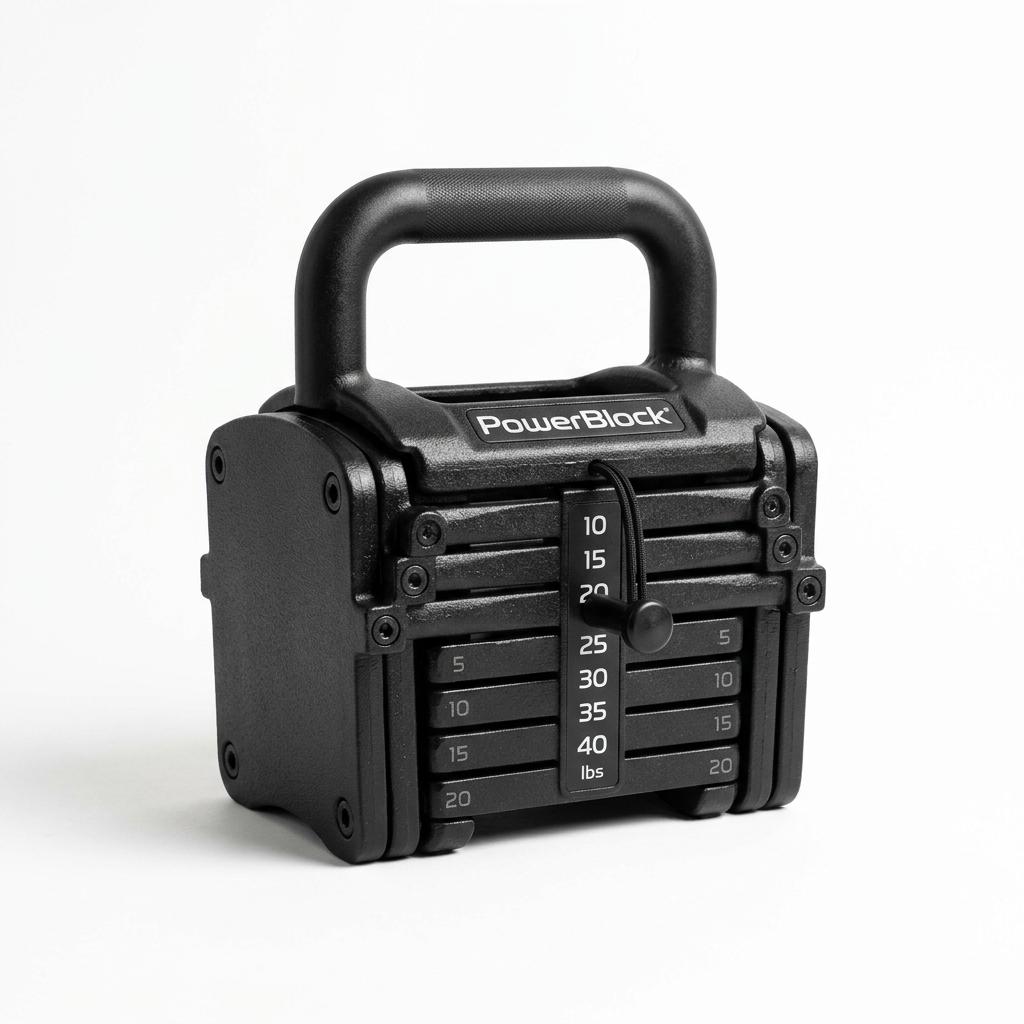
Official stand for PowerBlock dumbbells, holds pairs up to 90 lbs each.
83/100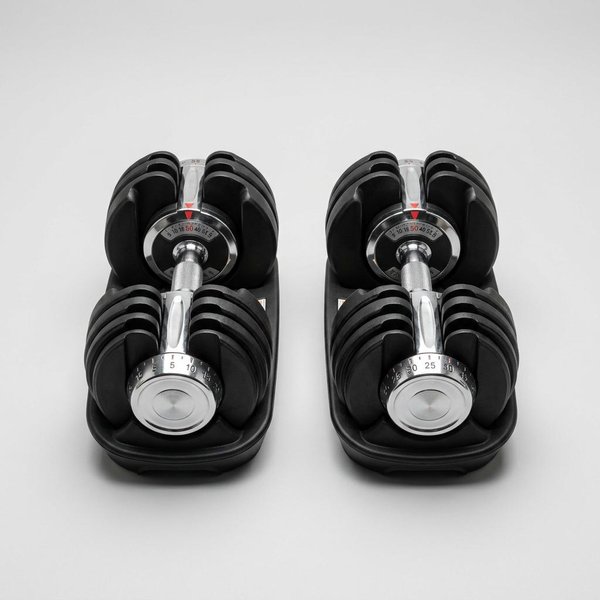
Compact 3-tier dumbbell rack holding up to 400 lbs of free weights.
85/100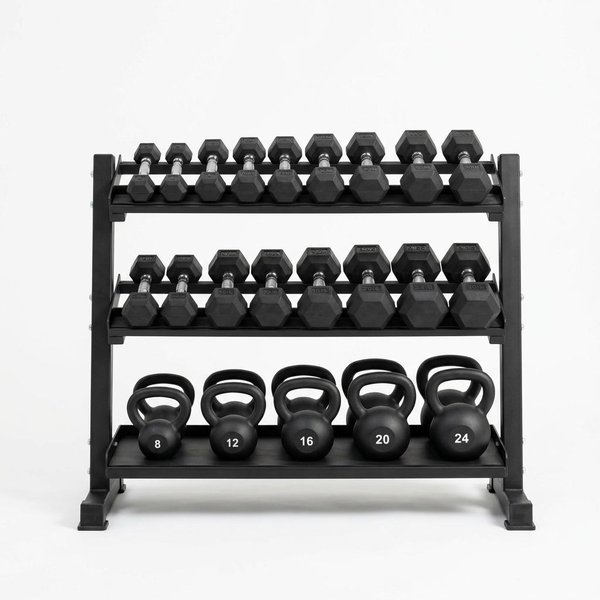
Wall-mounted gym organizer with hooks for resistance bands, jump ropes, and accessories.
83/100
Wall-mounted yoga mat and foam roller storage rack, holds multiple mats.
83/100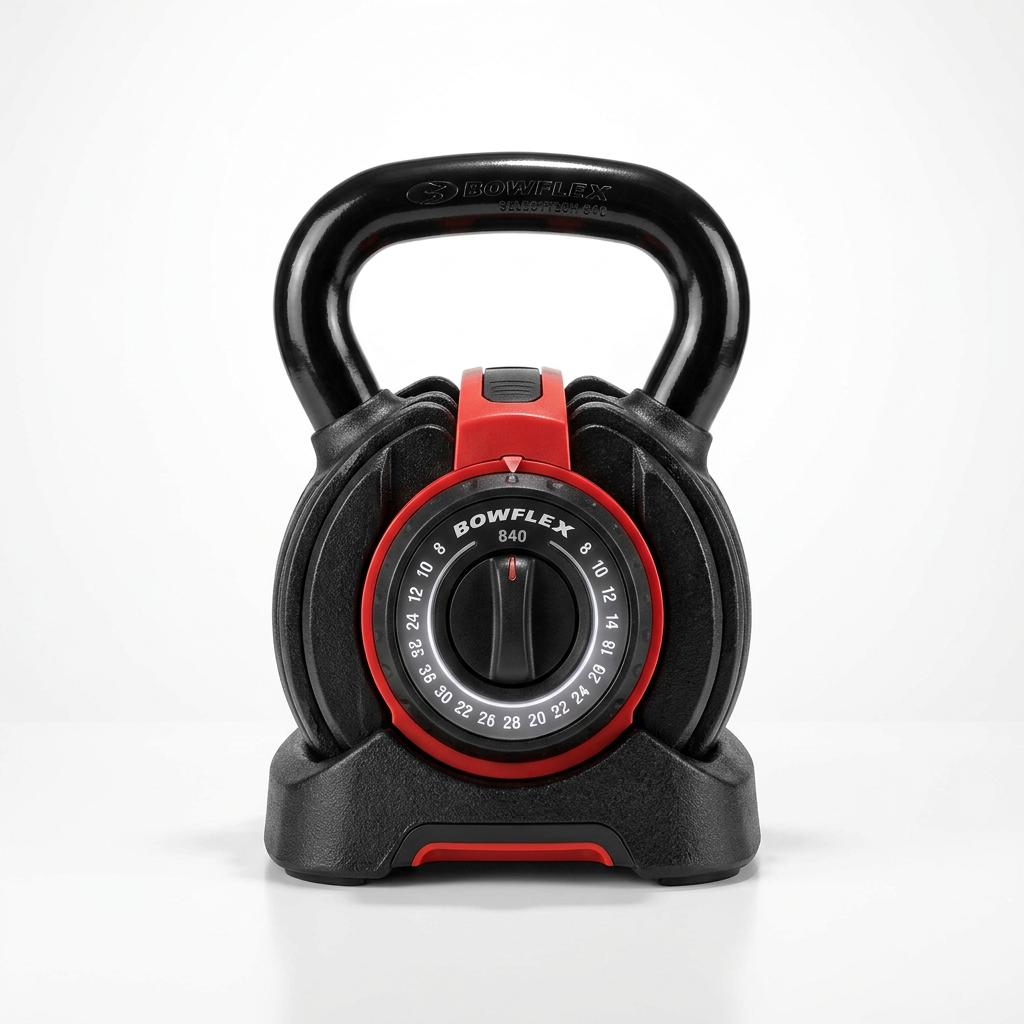
Official stand for Bowflex SelectTech dumbbells with integrated media rack.
83/100