How to Build a Home Gym Under $50: A Practical Guide
The belief that effective home fitness requires expensive equipment is one of the most pervasive myths in the exercise industry. The reality is that a thoughtfully assembled home gym under $50 can deliver remarkable results, especially when paired with proper programming and consistency. For apartment dwellers with limited space and budgets, this approach isn't just economical — it's strategically optimal.
The Under-$50 Philosophy
Research in exercise science consistently demonstrates that equipment quality matters far less than movement quality and program consistency. A meta-analysis published in Sports Medicine found that resistance training with elastic bands produces strength gains comparable to conventional weight training when volume and intensity are matched. Your body doesn't distinguish between a $200 kettlebell and a well-designed bodyweight exercise — it responds to progressive overload, regardless of the source.
Building a budget home gym is about selecting versatile, multi-purpose tools that maximize training options per dollar spent. Every item in your $50 budget should serve multiple functions and require minimal storage space.
Essential Equipment Under $50
Resistance Bands Set ($15–$25)
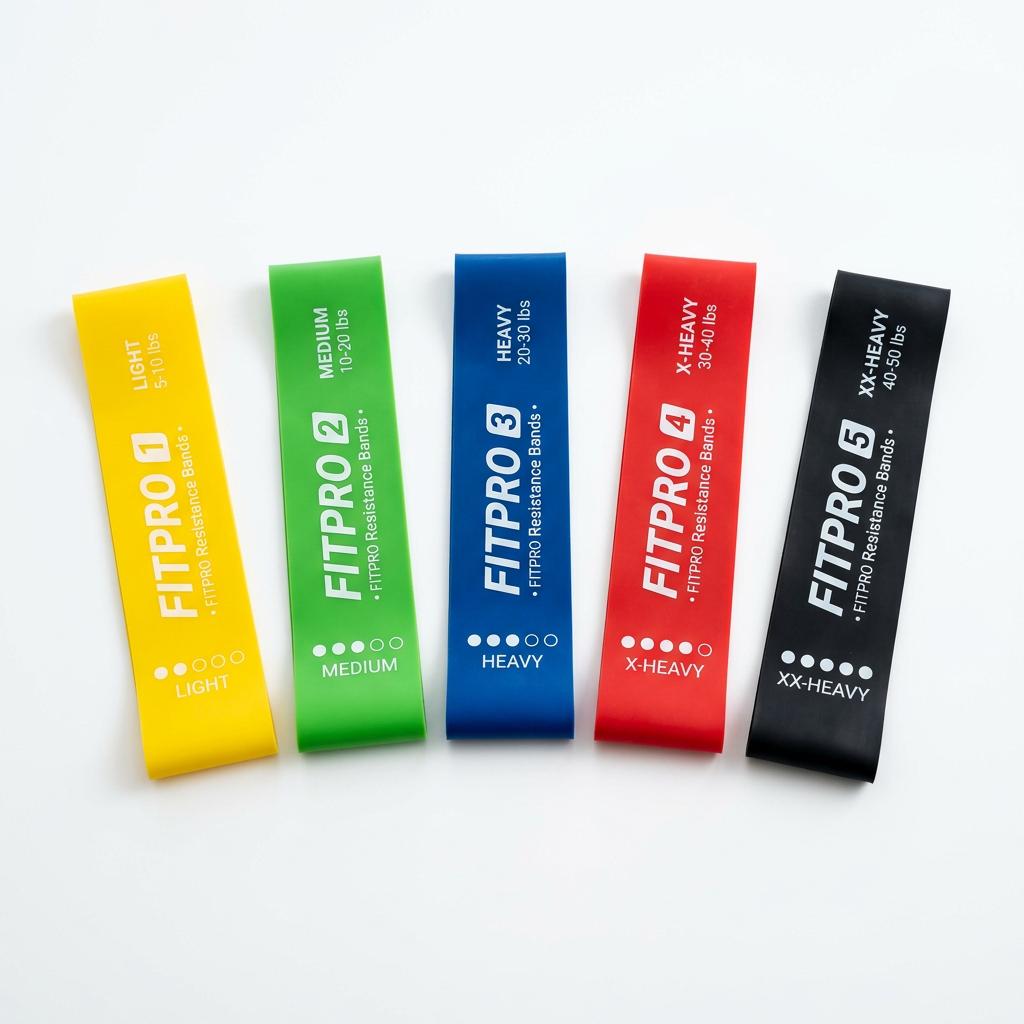
A set of loop resistance bands with varying tension levels is the single most valuable investment for a budget home gym. Quality sets include 3 to 5 bands ranging from light to extra-heavy resistance, enabling progressive overload for every major muscle group. Bands can replicate most machine-based exercises — chest presses, rows, shoulder presses, leg curls, and lateral raises — while taking up less drawer space than a pair of socks.
Look for fabric bands if your budget allows; they resist rolling and provide more consistent tension than latex bands. The Fit Simplify Resistance Loop Bands offer excellent durability at entry-level pricing.
Available on Amazon: Fit Simplify Resistance Loop Bands Set
Suspension Trainer Alternative ($15–$25)
While premium suspension trainers cost $150 or more, affordable alternatives that attach to doors provide the same functional training benefits. Suspension training leverages your body weight against gravity, creating an inherently scalable resistance system. The ability to perform rows, chest presses, pistol squat progressions, and core exercises with a single piece of equipment makes this an essential budget purchase.
For apartment use, door-mounted systems are ideal because they install in seconds and store in a drawer when not in use. Ensure the door anchor is rated for your body weight and that the door closes securely.
Available on Amazon: RITFIT Bodyweight Resistance Trainer Kit
Jump Rope ($8–$15)
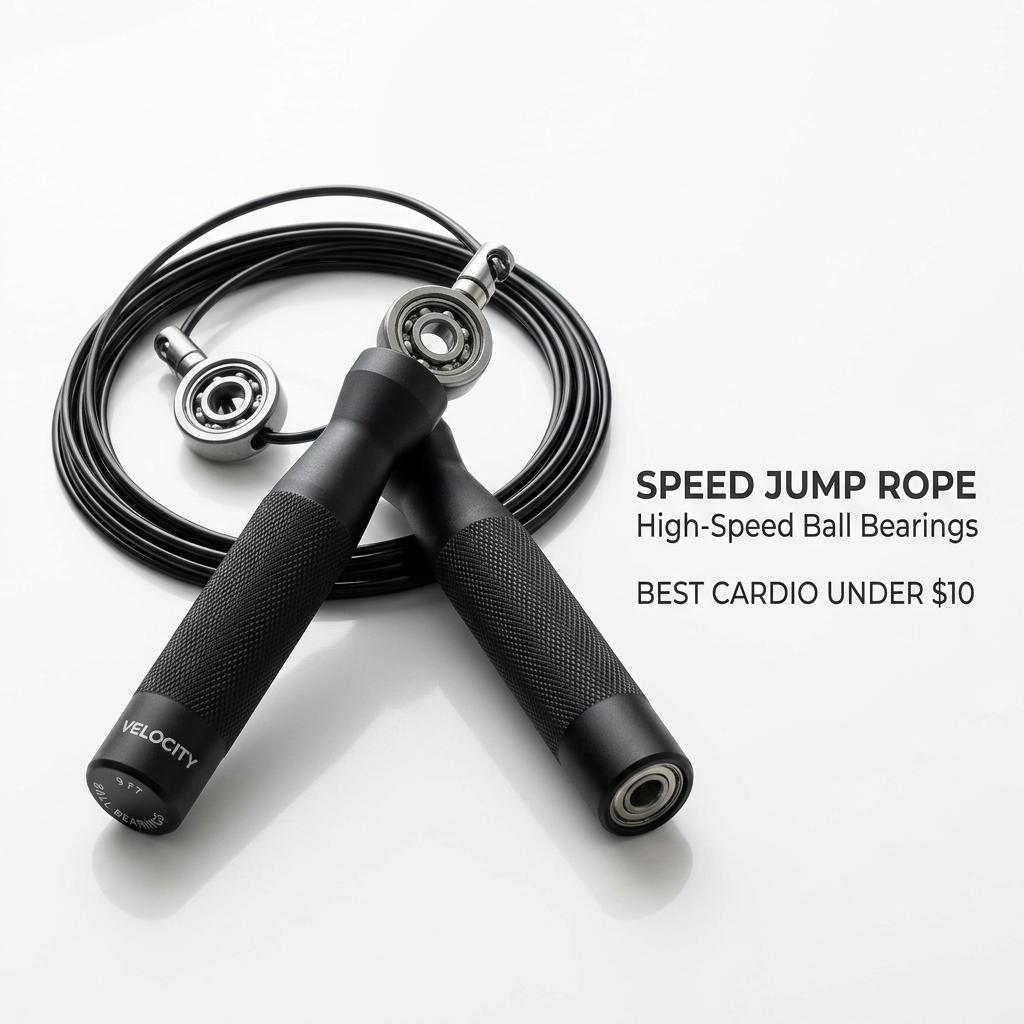
A jump rope is the most space-efficient cardio tool available. A 10-minute jump rope session can burn as many calories as 30 minutes of jogging, according to research from the American College of Sports Medicine. For apartment use, select a cordless or beaded rope to minimize noise, or use a standard rope on a yoga mat to dampen impact. A quality adjustable rope accommodates different user heights and stores in seconds.
Available on Amazon: DEGOL Skipping Rope with Ball Bearings
Yoga Mat ($10–$20)
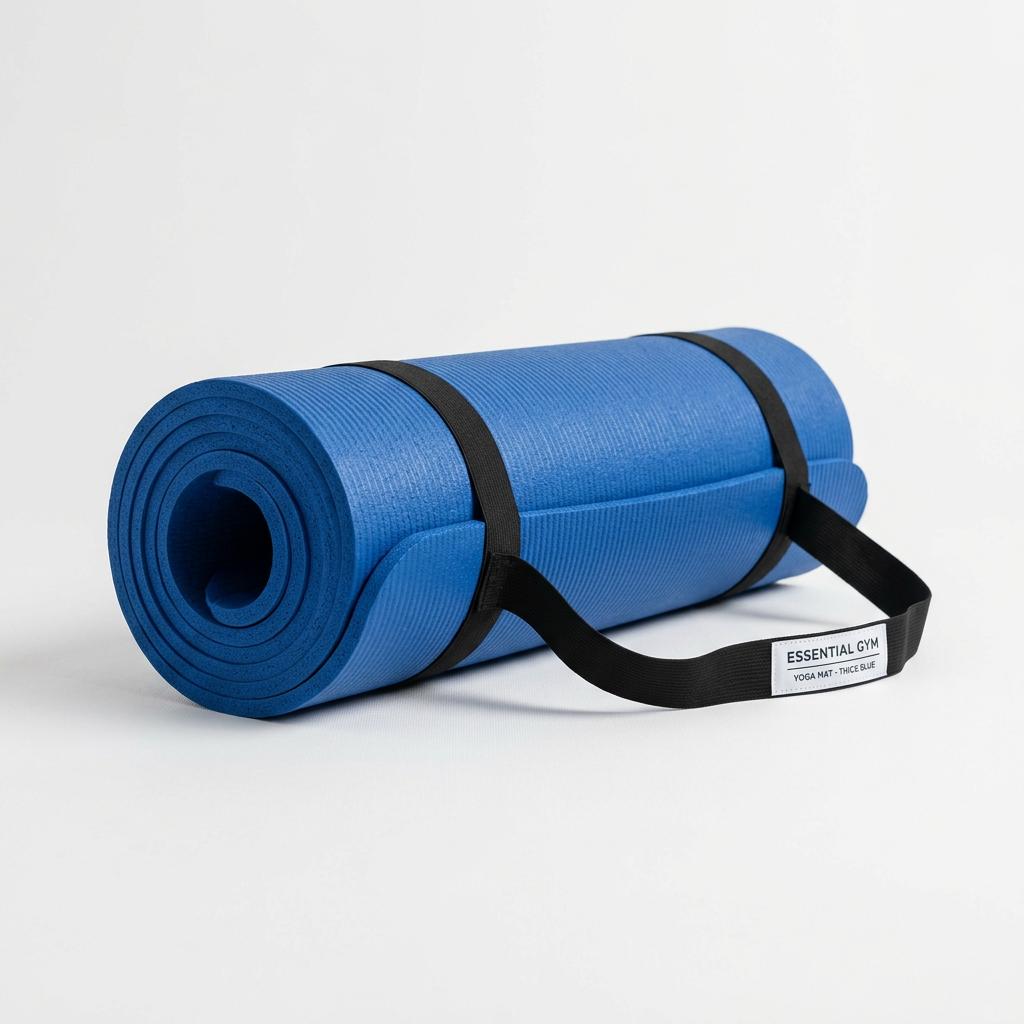
Even if you never practice yoga, a mat provides essential cushioning for floor exercises, stretching, and plyometrics. It also protects apartment floors and reduces noise for neighbors below. A 6mm TPE or PVC mat offers the best balance of cushioning, grip, and affordability. Choose a mat that rolls up tightly and can slide under a bed or behind furniture.
Available on Amazon: BalanceFrom GoYoga All-Purpose Yoga Mat
Sample Budget Breakdown
| Item |
Estimated Cost |
| Resistance bands set |
$18 |
| Door suspension trainer |
$20 |
| Jump rope |
$10 |
| Total |
$48 |
This configuration leaves $2 from a strict $50 budget and provides comprehensive training capabilities for strength, cardio, and flexibility.
Free Additions That Complete Your Gym
Your body is the most sophisticated piece of exercise equipment ever designed. These zero-cost additions round out your $50 investment:
Bodyweight Progressions: Push-up variations, squat progressions, lunges, planks, and burpees require no equipment and can be scaled infinitely by adjusting leverage, tempo, and volume.
Furniture as Equipment: A sturdy chair enables tricep dips and step-ups. A backpack filled with books becomes an adjustable weight. Towels can substitute for sliders on hardwood floors.
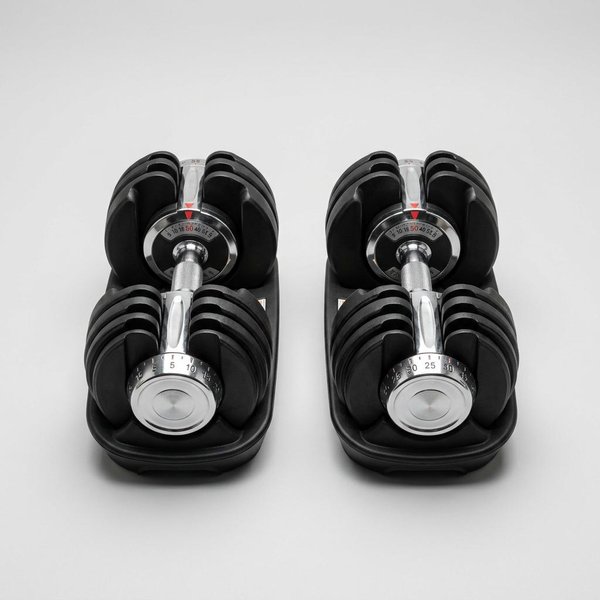
Water Filled Weights: Large water bottles or milk jugs filled to your desired weight provide adjustable dumbbells that cost nothing. A gallon of water weighs approximately 8.3 pounds.
Programming Your Budget Gym
Equipment alone produces no results — programming does. Structure your training around full-body sessions performed 3 to 4 times weekly. Alternate between strength-focused days using bands and the suspension trainer, and conditioning days using the jump rope and bodyweight circuits. For workout programming guidance, see our workout programming resources.
Storage in Small Spaces
Every item in your $50 gym fits in a shoebox or small drawer. Store bands coiled neatly, roll the jump rope and mat tightly, and hang the suspension trainer over the back of a closet door. For more storage strategies, explore our storage and organization guide.
Bottom Line
A $50 home gym is not a compromise — it's a smart, space-efficient approach to fitness that eliminates every excuse between you and consistent training. The resistance bands, suspension trainer alternative, jump rope, and yoga mat provide the foundation for virtually unlimited exercise variation. Invest your $50 wisely, follow a structured program, and you will achieve results that rival members of $200-per-month commercial gyms.
 Amazon Basics 1/2" Exerci
 DEGOL Skipping Rope
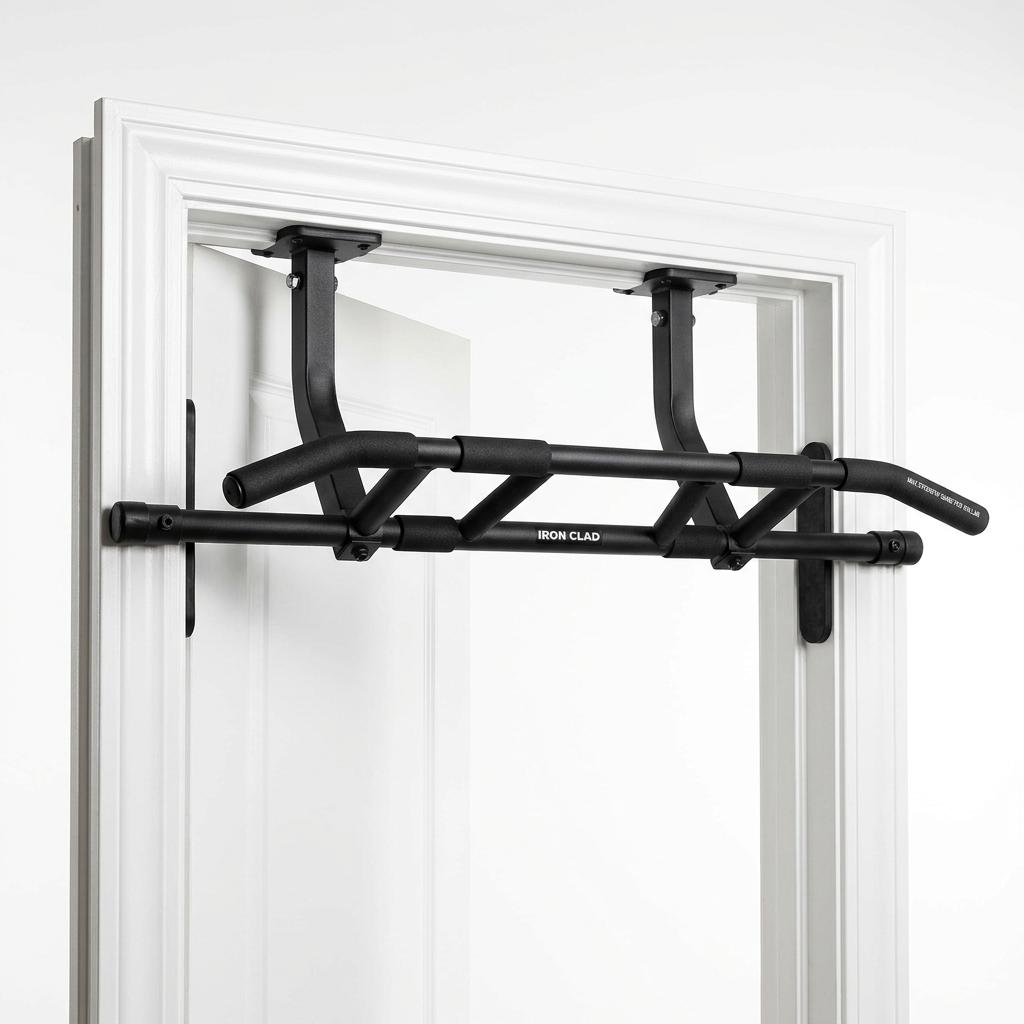 Iron Gym Pull-Up Bar
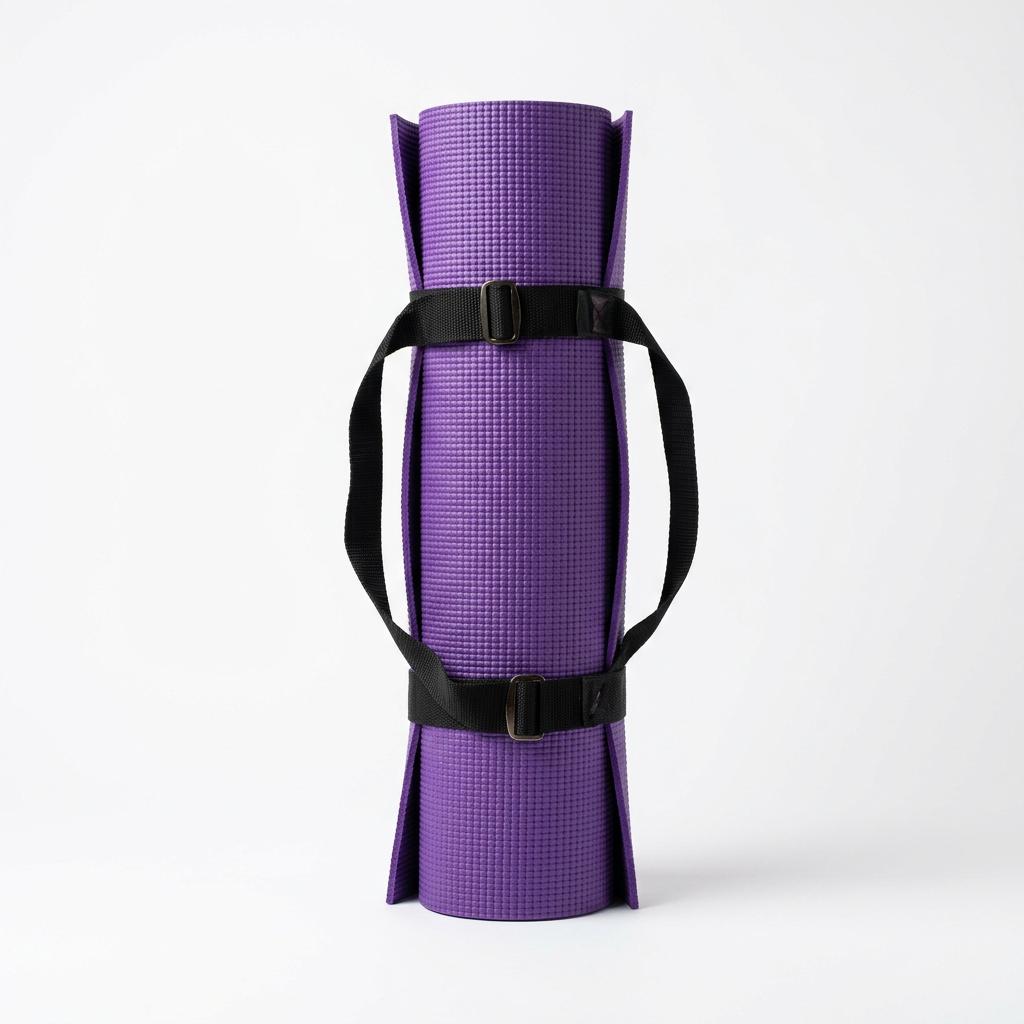 Gaiam Essentials Thick Yo