Amazon Basics vs Yes4All Fitness Equipment: Budget Gear Comparison
Comprehensive comparison of Amazon Basics vs Yes4All fitness equipment covering dumbbells, kettlebells, resistance bands...
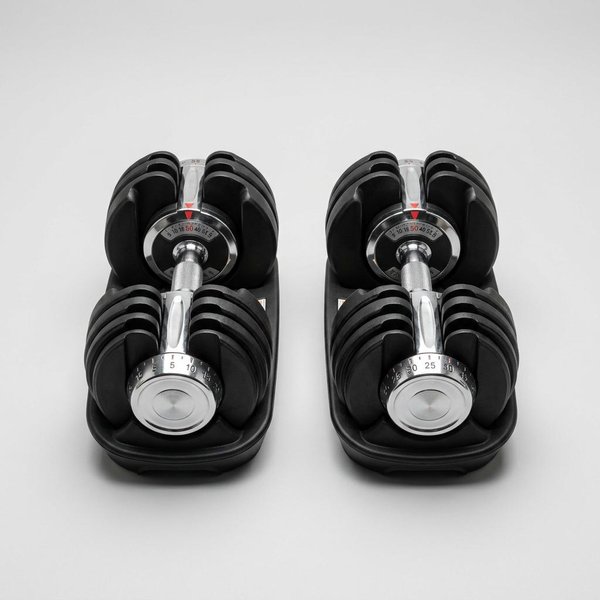
Avoid the 10 most common home gym setup mistakes beginners make including buying too much too soon, neglecting flooring, ignoring noise, and poor equipment placement. Includes practical solutions for each.
Our analysis of community discussions, product return data, and published setup guides reveals consistent patterns in how beginners approach building home gyms. Most mistakes are avoidable with modest planning. This guide identifies the ten most common errors, explains why they matter, and provides practical solutions for each.
The error: Purchasing a full gym's worth of equipment before establishing a consistent workout habit. The result: expensive equipment serving as clothing racks within three months.
Why it happens: Enthusiasm peaks at the start. Marketing presents complete gym packages as convenient. The belief that "having the equipment will motivate me" overestimates the power of possession over habit.
The solution:
| Phase | Timeline | Equipment | Purpose |
|---|---|---|---|
| Foundation | Weeks 1–4 | Bodyweight only; resistance bands ($30–$50) | Establish consistency without financial risk |
| Addition | Months 2–3 | Add adjustable dumbbells ($150–$400) | Add load to established movement patterns |
| Expansion | Months 4–6 | Add bench, cardio machine, or rack as needed | Address specific gaps in your training |
Practical test: If you cannot complete 12 workouts in 30 days with bodyweight and bands alone, you are not ready for a large equipment investment. Consistency must precede complexity.
The error: Placing equipment directly on hardwood, tile, or carpet without protective flooring. The result: floor damage, equipment instability, noise complaints, and potential injury from slipping.
Why it matters: A dropped 30 lb dumbbell from waist height generates approximately 100–150 lb of peak impact force. Hardwood and tile crack or dent under this load. Carpet compresses, creating unstable footing for heavy lifts.
The solution: Purchase flooring before or simultaneously with your first weight equipment. Minimum: 3/8" rubber matting covering the entire workout area. Preferred: 3/4" rubber stall mats for any weight training.
| Budget | Flooring Solution | Coverage |
|---|---|---|
| Under $50 | 3/8" interlocking foam tiles | 6×6 ft area |
| $50–$150 | 3/4" horse stall mats (2× 4×6 ft) | 8×6 ft area |
| $150–$400 | Rolled rubber or rubber tiles | Full room coverage |
The error: Failing to evaluate how workout noise affects household members and neighbors before purchasing equipment. The result: complaints, restricted workout times, and eventual equipment sale.
Why it happens: First-time buyers test equipment in stores or watch videos where noise seems acceptable. They do not account for how sound transmits through residential building structures — especially wood-framed floors and shared walls.
The solution: Before buying, test noise levels in your space:
| Noise Source | Approximate dB | Typical Transmission |
|---|---|---|
| Dropped 25 lb dumbbell on hardwood | 80–90 dB | Audible throughout most homes and apartments |
| Same drop on 3/4" rubber | 60–70 dB | Reduced to room-adjacent only |
| Air rower at moderate pace | 65–75 dB | Audible through walls in wood-framed buildings |
| Magnetic bike at moderate pace | 45–55 dB | Typically contained to the room |
| Jumping jacks on hardwood | 70–80 dB | Impact noise transmits through floors efficiently |
The error: Arranging equipment based on available space rather than workout flow. The result: inefficient workouts, tripping hazards, and the need to rearrange equipment mid-session.
Why it matters: Every transition between exercises costs time and disrupts focus. A poorly arranged gym adds 10–20% more time to each workout and increases the cognitive load of session planning.
The solution: Plan your layout by workout flow, not just space availability.
Step-by-step layout planning:
Common layout errors to avoid:
| Error | Problem | Fix |
|---|---|---|
| Bench facing a wall | Cannot use the bench for exercises requiring head clearance (overhead press) | Rotate 90 degrees or move away from wall |
| Dumbbells stored far from bench | Constant walking between rack and bench | Place rack within one step of the bench |
| Cardio machine blocking equipment access | Must navigate around the machine mid-workout | Position cardio against a wall or in a dedicated corner |
| No open floor space | Cannot perform bodyweight exercises or stretching | Reserve a 4×4 ft minimum open area |
The error: Selecting the cheapest option in every category. The result: equipment failure within months, safety hazards, and the eventual need to repurchase.
Why it happens: Budget constraints are real. However, the total cost of ownership for two cheap benches (one failed, one replacement) often exceeds the cost of one quality bench that lasts a decade.
The solution: Prioritize spending on items that bear the most load and risk:
| Priority | Equipment | Why Quality Matters | Minimum Quality Indicator |
|---|---|---|---|
| Highest | Adjustable bench | Supports your bodyweight plus lifted loads; failure is dangerous | 600+ lb capacity; 11-gauge steel |
| Highest | Power rack / squat stand | Catches failed lifts; structural integrity is safety-critical | 700+ lb capacity; 2×2" or 2×3" uprights |
| High | Barbell | Bends under load; sleeve bearings fail | 1,000+ lb capacity; known manufacturer |
| Medium | Dumbbells / adjustable system | Mechanism failure drops weights | Positive long-term reviews; warranty |
| Medium | Cardio machine | Motor and frame longevity | Brand reputation; parts availability |
| Lower | Accessories | Bands, mats, foam rollers | Functional; replaceable if needed |
Budget strategy: If funds are limited, buy fewer pieces at higher quality rather than a full set of budget equipment. A quality bench and a pair of adjustable dumbbells support more effective training than a full budget package with a wobbling bench and a barbell that bends.
The error: Failing to measure ceiling height before purchasing equipment that requires overhead clearance. The result: cannot perform overhead presses, pull-ups, or jumps safely.
Minimum ceiling height requirements:
| Activity | Minimum Ceiling Height | Comfortable Height |
|---|---|---|
| Standing overhead press | 7.5 ft (91") | 8 ft+ |
| Jump rope | 8 ft | 9 ft+ |
| Pull-ups (full extension) | User height + 18" | User height + 24" |
| Jumping jacks | 7.5 ft | 8 ft+ |
| Box jumps (12" box) | User height + 24" | User height + 30" |
| Kettlebell swings (overhead) | 8 ft | 9 ft+ |
Solution: Measure your ceiling height before purchasing any equipment. Subtract 2–3 inches for flooring. If your ceiling is under 7.5 feet, avoid exercises requiring full arm extension overhead and skip pull-up bars entirely.
The error: Setting up a gym in a room with poor airflow and no temperature control. The result: workouts cut short by heat; equipment rust; unpleasant training environment.
Why it matters: Exercise generates significant heat. A 30-minute moderate workout can raise body temperature by 2–3°F. In an enclosed space without ventilation, ambient temperature rises, reducing workout capacity and increasing discomfort.
The solution:
| Environment | Ventilation Strategy |
|---|---|
| Garage (no HVAC) | Box fan + open door/window; consider portable AC in summer; dehumidifier in humid climates |
| Basement | Dehumidifier essential; box fan for air circulation; portable heater for winter |
| Spare room | Use ceiling fan or box fan; keep door open; add small window AC unit if needed |
| Attic | Most challenging; portable AC and strong ventilation required; monitor summer temperatures |
Equipment protection: Metal equipment rusts in humid environments. If your gym area exceeds 60% humidity regularly, a dehumidifier protects your investment.
The error: Purchasing equipment based on listed dimensions without accounting for the actual usable space, including clearance for movement, door swings, and storage.
Why it happens: Manufacturer dimensions list the equipment footprint only. They do not account for the space you need around the equipment to actually use it.
The solution: Calculate functional space requirements:
| Equipment | Listed Footprint | Functional Space Needed | Why |
|---|---|---|---|
| Treadmill | 7×3 ft | 10×5 ft | Fall clearance, entry/exit, console access |
| Power rack | 4×4 ft | 8×8 ft | Barbell loading/unloading, movement around rack |
| Adjustable bench | 4×2 ft | 6×4 ft | Dumbbell access, movement during exercises |
| Rowing machine | 8×2 ft | 9×4 ft | Slide clearance, entry/exit |
| Stationary bike | 4×2 ft | 5×3 ft | Mounting/dismounting, console access |
Measurement rule: Add at least 2 feet to every dimension of your equipment to determine the functional space required. If the equipment folds, measure both the in-use and stored dimensions.
The error: Purchasing equipment without a storage strategy. The result: a cluttered, disorganized space that discourages use and increases injury risk.
The solution: Budget 10–15% of your total equipment spend on storage. Before your equipment arrives, decide where each item lives when not in use.
| Storage Need | Solution | Price Range |
|---|---|---|
| Dumbbells | Rack or vertical tree | $40–$200 |
| Resistance bands | Hooks, bin, or band pegs | $10–$30 |
| Barbell | Wall rack or vertical stand | $30–$80 |
| Weight plates | Plate tree or storage post | $50–$150 |
| Foam roller, yoga mat | Wall hooks or corner bin | $10–$30 |
| Jump rope, accessories | Storage bin or pegboard | $15–$40 |
The error: Working out in dim light. The result: poor form visibility (you cannot see yourself in a mirror), increased accident risk, and reduced workout quality.
The solution: Aim for 300–500 lux of illumination in your workout area — roughly equivalent to bright office lighting.
| Lighting Source | Approximate Output | Best For |
|---|---|---|
| Overhead room light (single fixture) | 100–200 lux | Not sufficient alone |
| Added floor lamp | 200–400 lux at source | Supplemental lighting |
| LED shop lights (garage) | 300–800 lux per fixture | Excellent for garage gyms |
| Natural window light | Variable; 500–1,000+ lux daytime | Supplement to artificial; not reliable at all hours |
Mirrors: A full-length mirror helps you monitor form during exercises. Position it where you can see your primary workout positions. Acrylic mirrors are safer than glass in a gym environment.
As an Amazon Associate we earn from qualifying purchases.