Home Gym on a Tight Budget: Maximum Results with Minimum Spending ($50–$100)
A limited budget is not a barrier to effective training. The fitness industry profits from convincing people that expensive equipment is necessary, but the physiological requirements for strength, muscle growth, and cardiovascular health are simple: resistance, progressive overload, and consistency.
This guide provides complete workout systems at three price points within the $50–$100 range. Each system supports full-body training with genuine progressive overload pathways—not just "making do" until you can afford better equipment.
The $50 Setup
At $50, every dollar must work. This setup prioritizes versatility, durability, and exercise variety over load magnitude.
Equipment List
| Item |
Cost |
Why It Matters |
| Resistance tube set with door anchor |
$18–25 |
Replaces a cable machine for pulling, pressing, and leg exercises |
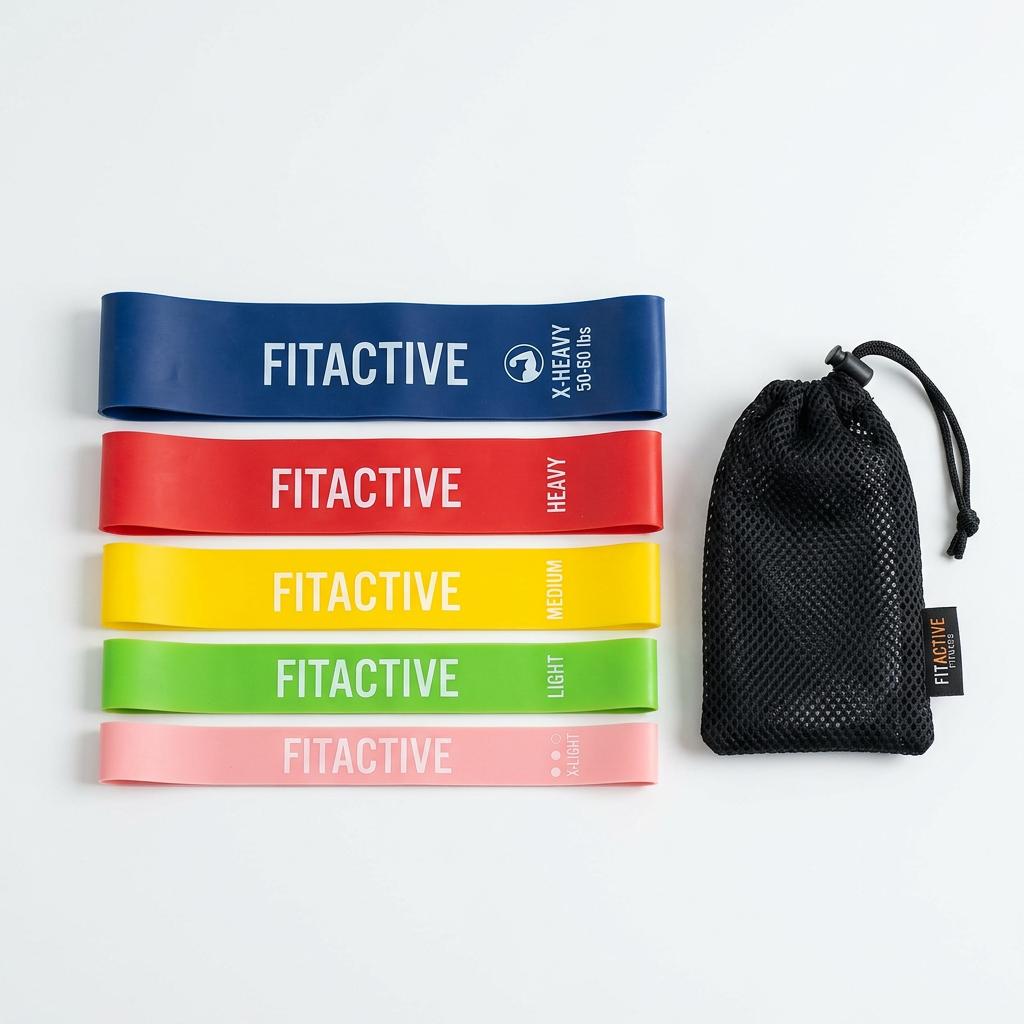
| Set of 3 loop resistance bands (light/medium/heavy) |
$10–15 |
Glute activation, banded walks, assisted pull-ups, added resistance |
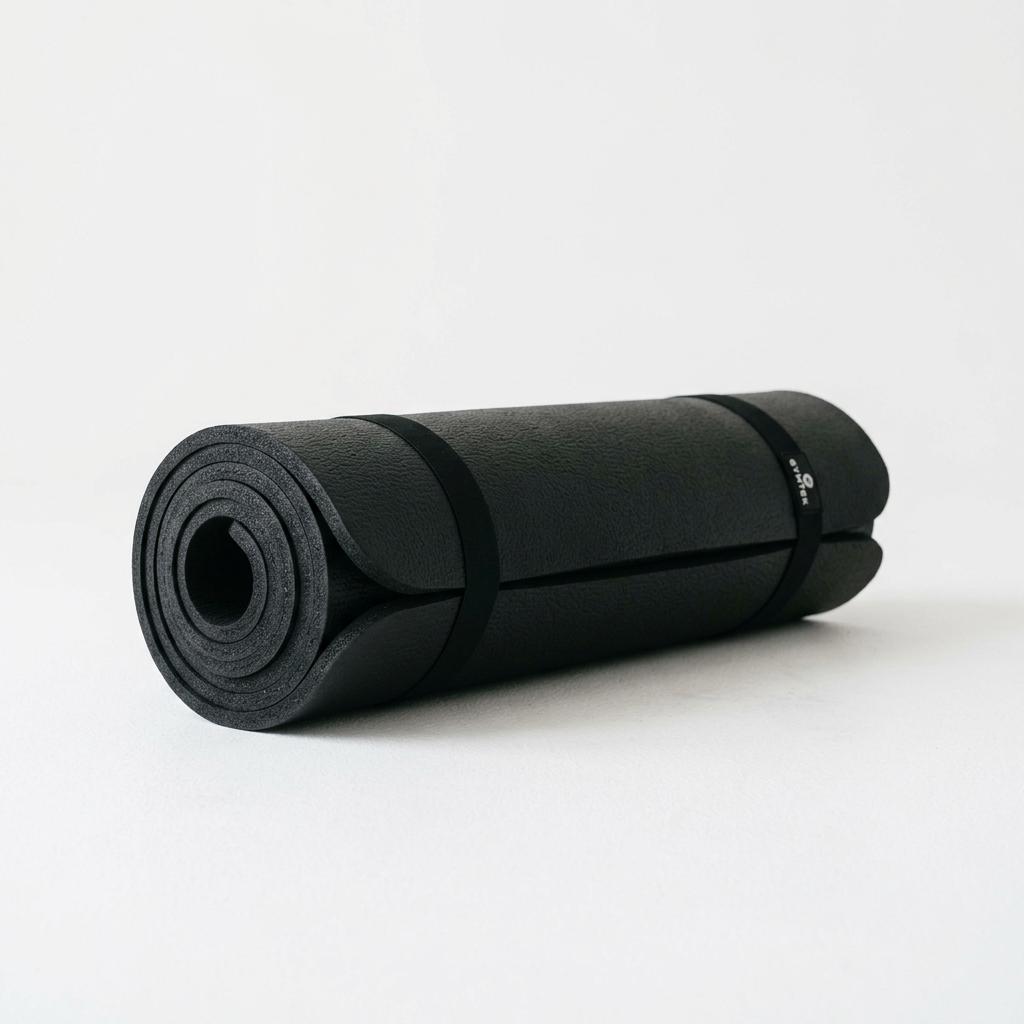
| Yoga mat (PVC, 4–6 mm) |
$12–18 |
Comfortable floor work; protects joints on hard surfaces |
| Total |
$40–58 |
|
What This Setup Enables
Pulling exercises: Tube rows (door anchor at chest height), face pulls, lat pulldowns (anchor above door), bicep curls, straight-arm pulldowns.
Pushing exercises: Tube chest press (anchor behind door), overhead press (step on tube), tricep pushdowns, lateral raises.
Leg exercises: Tube squats (stand on tube, hold handles at shoulders), Romanian deadlifts, leg curls (anchor low, prone on floor), glute kickbacks.
Core exercises: Pallof press (anti-rotation), woodchops, band-resisted crunches, planks, dead bugs.
Bodyweight additions (no equipment needed): Push-ups (incline → flat → decline → archer → one-arm progressions), squats (split squats → Bulgarian split squats → pistol squat progressions), lunges, glute bridges (single-leg progression), inverted rows (under a sturdy table), handstand holds (wall-supported).
$50 Workout Program
3 days per week, full body, 35–45 minutes:
| Exercise |
Sets × Reps |
Progression Path |
| Tube chest press |
3 × 10–15 |
Step farther from anchor; upgrade to heavier band |
| Tube row |
3 × 12–15 |
Step farther from anchor; slower eccentric |
| Bodyweight squat or split squat |
3 × 12–20 |
Progress to Bulgarian split squat; add band resistance |
| Push-up variation |
3 × 8–15 |
Progress from incline → flat → feet elevated |
| Tube Romanian deadlift |
3 × 12–15 |
Step farther from anchor; add loop band around hips |
| Tube face pull |
3 × 15–20 |
Squeeze shoulder blades; add external rotation |
| Plank |
3 × 30–60 sec |
Progress to side plank, single-arm, or feet elevated |
Limitations of the $50 Setup
- Maximum resistance is moderate. Even heavy resistance tubes top out around 50–70 lb of resistance. Strong individuals will outgrow this setup for lower-body pressing movements within 3–6 months of consistent training.
- Resistance curve is non-linear. Tubes provide minimal resistance at the start of a movement and maximum at full extension. This differs from free weights and limits strength development in the stretched position.
- Anchor point dependency. Door anchors require a sturdy door frame. Not all apartment doors support heavy pulling. Test anchor security before each session.
Bottom line for $50: This is a legitimate starting point. It supports full-body training with progressive overload through rep increases, band upgrades, and bodyweight progression. It will carry a beginner through 3–6 months of productive training. The primary limitation is absolute resistance for strong lifters.
The $75 Setup
Adding $25 to the budget addresses the primary limitation of the $50 setup: lower-body loading and back training.
Equipment List
| Item |
Cost |
Why It Matters |
| Resistance tube set with door anchor |
$18–25 |
Same pulling/pressing versatility |
| Set of 3 loop resistance bands |
$10–15 |
Same activation and assistance uses |
| Yoga mat |
$12–18 |
Same floor protection |
| Push-up bars |
$10–15 |
Deeper push-up ROM; better wrist position; enables L-sit progressions |
| Suspension trainer (budget version) |
$20–30 |
Bodyweight rows, incline press variations, single-leg work, core instability training |
| Total |
$70–103 |
|
Note: The suspension trainer pushes the upper boundary. If budget is strict, prioritize push-up bars ($12) and stay at ~$62 total, or choose between suspension trainer and push-up bars.
What the $75 Setup Adds
Horizontal pulling: Suspension trainer inverted rows at multiple angles (feet on floor → feet elevated). This is a critical addition—horizontal pulling is difficult with tubes alone and is essential for shoulder health and back development.
Progressive instability: Suspension trainer push-ups, single-leg squats, and atomic push-ups add instability that increases core and stabilizer recruitment at any load level.
Deeper push-up range of motion: Push-up bars enable 3–4 inches of additional ROM, increasing chest stretch and tricep engagement.
$75 Workout Program
| Exercise |
Sets × Reps |
Progression Path |
| Suspension trainer row |
3 × 8–12 |
Lower angle (more horizontal) as strength improves |
| Push-up on bars |
3 × 8–15 |
Feet elevated → archer → suspension trainer push-up |
| Bulgarian split squat |
3 × 10–12/leg |
Add loop band resistance; slow eccentric |
| Suspension trainer chest press |
3 × 10–12 |
Lower angle (more horizontal) |
| Suspension trainer single-leg RDL |
3 × 8–10/leg |
Balance challenge + posterior chain loading |
| Tube face pull |
3 × 15–20 |
Squeeze and externally rotate |
| Tube bicep curl |
2 × 12–15 |
Step farther from anchor |
| Plank or suspension fall-out |
3 × 30–45 sec |
Progress to fall-outs for dynamic core challenge |
The $100 Setup
At $100, we add genuine external load for the lower body and increase upper-body resistance capacity.
Equipment List
| Item |
Cost |
Why It Matters |
| Resistance tube set with door anchor |
$18–25 |
Maintain pulling/pressing variety |
| Set of 3 loop resistance bands |
$10–15 |
Activation, assistance, added resistance |
| Yoga mat |
$12–18 |
Floor protection |
| 2× 20–25 lb dumbbells (vinyl or neoprene) |
$25–40 |
Genuine external load for squats, RDLs, rows, presses |
| Push-up bars |
$10–15 |
Deeper ROM, wrist health |
| Total |
$75–113 |
|
Budget tip: Vinyl and neoprene dumbbells cost less than iron but have fixed weight. Check used marketplaces for iron hex dumbbells at $0.50–1.00/lb.
What the $100 Setup Adds
Genuine lower-body loading: A pair of 25 lb dumbbells enables goblet squats, Romanian deadlifts, and lunges at loads sufficient to challenge most beginners and many intermediate trainees. The 20–25 lb range is the sweet spot—heavy enough to produce strength and muscle adaptations, light enough to learn proper form.
Increased upper-body options: Dumbbell rows, overhead press, lateral raises, curls, and skull crushers at fixed but meaningful loads.
Years of progression: Even after upgrading to adjustable dumbbells, the 20–25 lb fixed pair remains useful for high-rep work, drop sets, and exercises where lighter loads are appropriate (lateral raises, curls, tricep extensions).
$100 Workout Program
| Exercise |
Sets × Reps |
Progression Path |
| Dumbbell Romanian deadlift |
3 × 10–12 |
Add reps to 15; then upgrade weight |
| Push-up variation |
3 × 8–15 |
Progress from incline → flat → feet elevated |
| Dumbbell goblet squat |
3 × 10–12 |
Add reps to 15; slower tempo; pause at bottom |
| One-arm dumbbell row (use bench or chair) |
3 × 10–12/arm |
Add reps; slower eccentric |
| Dumbbell overhead press |
3 × 8–12 |
Add reps; stricter form |
| Walking lunge (hold dumbbells) |
3 × 10–12/leg |
Add reps; longer steps |
| Tube face pull |
3 × 15–20 |
Squeeze and hold |
| Plank |
3 × 45–60 sec |
Add movement (mountain climber, shoulder tap) |
Long-Term Progression from $100
Month 1–3: Master form. Add reps within the target range. Learn movement patterns.
Month 4–6: Reach the top of rep ranges on all exercises. Add slower tempos (3-second eccentrics). Add loop band resistance to squats and lunges.
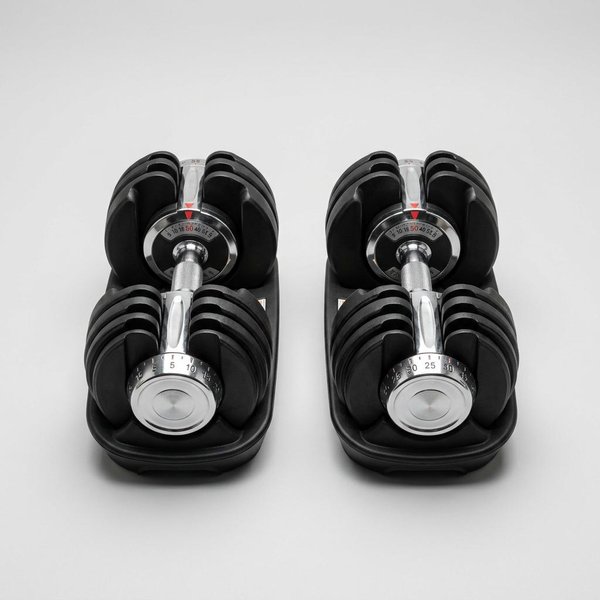
Month 7–12: Outgrow the 25 lb dumbbells on some movements. At this point, the next purchase is clear: a set of adjustable dumbbells (5–50 lb) at $150–350. The tubes, bands, mat, and push-up bars all remain in use. The $100 investment compounds rather than being replaced.
Where to Find Budget Equipment
| Source |
What to Look For |
Expected Savings |
| Facebook Marketplace / Craigslist |
Dumbbells, benches, cardio equipment |
40–70% off retail |
| Garage sales |
Vintage iron dumbbells, plates, benches |
50–80% off |
| Amazon Warehouse / open box |
Returned items with cosmetic damage |
15–30% off |
| Play It Again Sports |
Used fitness equipment, trade-ins |
30–50% off |
| Corporate gym liquidations |
Commercial-grade home equipment |
40–60% off |
| Dick's Sporting Goods clearance |
End-of-season, discontinued models |
25–40% off |
Used dumbbell pricing guide (our research indicates):
- Cast iron: $0.50–1.00/lb (fair market used)
- Rubber hex: $0.75–1.25/lb (fair market used)
- Urethane commercial: $1.00–1.75/lb (if available used)
- Vinyl/neoprene fixed pairs: $1.00–2.00/lb (new, retail)
DIY Equipment Options
| Item |
DIY Approach |
Cost |
Safety Notes |
| Sandbag |
Contractor bag + duct tape + play sand |
$8–15 |
Double-bag; test seams before lifting overhead |
| Kettlebell substitute |
Duffle bag loaded with books/sand |
$0–10 |
Ensure handle is secure; start light |
| Parallettes |
PVC pipe construction (online plans) |
$15–25 |
Check joint cement; test before loading |
| Weight vest |
Backpack with books/water bottles |
$0 |
Adjust load gradually; secure straps |
| Pull-up bar |
Sturdy doorway trim + pipe (if permitted) |
$10–20 |
Must support bodyweight + dynamic forces; test thoroughly |
The Honest Truth About Budget Home Gyms
What $50–$100 equipment CAN do:
- Build genuine strength for beginners and early intermediates
- Develop muscle mass through progressive bodyweight and band resistance
- Improve cardiovascular fitness through bodyweight circuits and HIIT
- Establish a consistent training habit that outlasts any equipment
- Support 6–18 months of productive training depending on starting strength
What $50–$100 equipment CANNOT do:
- Provide the heavy compound loading of barbell squats, deadlifts, and bench presses
- Challenge advanced lifters (2+ years of consistent training) on lower-body movements
- Support powerlifting or Olympic lifting training
- Replicate the exercise variety of a commercial gym
The transition point: Most trainees reach the limit of band-and-bodyweight training for lower body within 6–12 months. Upper body can progress longer through advanced push-up variations, suspension training, and dumbbell work. The first equipment upgrade should be adjustable dumbbells (5–50 lb minimum), which extends home gym viability for several years.
Programming Principles That Cost Nothing
Regardless of budget, these principles determine results:
- Progressive overload. Every week, do slightly more than last week. More reps. Slower tempo. Harder variation. This costs nothing and determines everything.
- Consistency over intensity. Three moderate sessions every week beats one brutal session. Budget equipment used consistently outperforms expensive equipment used sporadically.
- Full-body frequency. Train each muscle group 2–3 times per week. Higher frequency produces better results than marathon single-body-part sessions.
- Near-failure training. Stop 1–3 reps before you cannot complete another rep with good form. This intensity threshold triggers adaptation.
- Record every session. A $2 notebook from a drugstore enables progressive overload. Without records, you're guessing.
See our gym equipment priority list for the optimal upgrade path as budget allows.
Who This Is For
- People who want to start training but believe they can't afford equipment
- Students, renters, and anyone on a constrained budget
- Beginners who want to establish a habit before investing heavily
- Travelers needing a portable, disposable gym setup
Who This Is NOT For
- Intermediate-to-advanced lifters who have outgrown bodyweight and band resistance
- Anyone who can afford $300+ for a proper adjustable dumbbell setup (the upgrade is worth it)
- People with specific sport-training requirements requiring specialized equipment
Bottom Line
A $50 investment in resistance tubes, loop bands, and a yoga mat supports months of productive full-body training. A $100 investment that adds a pair of 20–25 lb dumbbells extends that viability to 12–18 months for most beginners. The limiting factor is never the equipment budget—it's the consistency of training, the quality of programming, and the discipline of progressive overload.
Start with what you can afford. Upgrade when you've outgrown what you own. The best home gym is the one you use today, not the one you plan to build someday.
As an Amazon Associate we earn from qualifying purchases.
Last updated: 2025-07-21
 Amazon Basics 1/2" Exerci
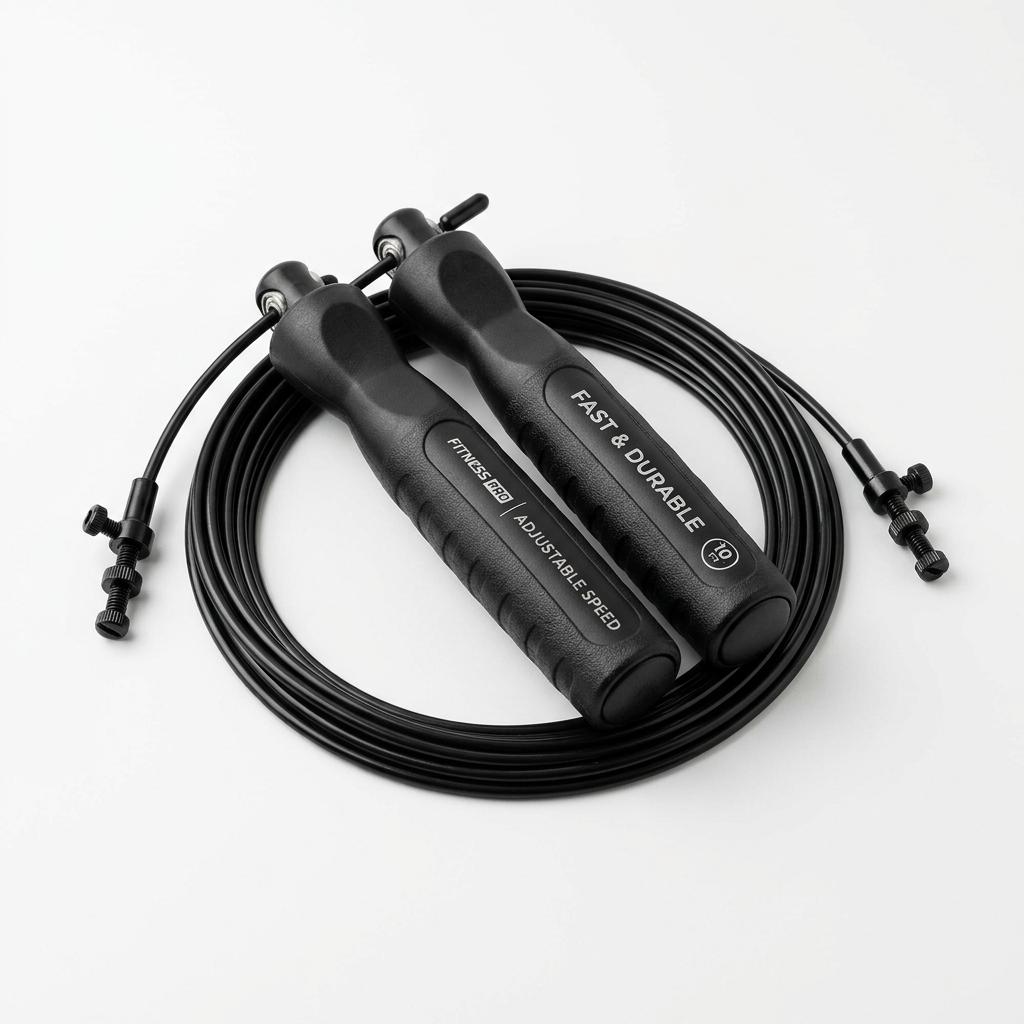 DEGOL Speed Jump Rope
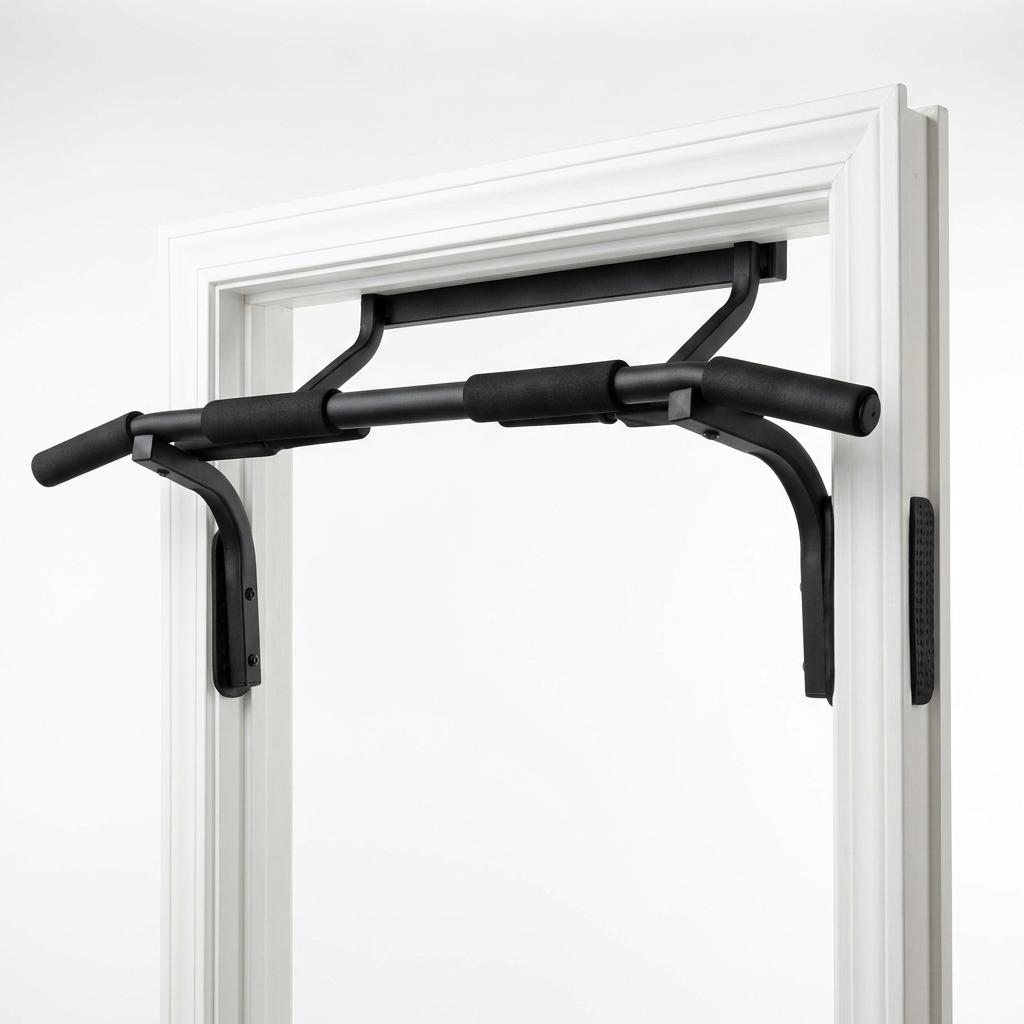 Iron Gym Pull-Up Bar
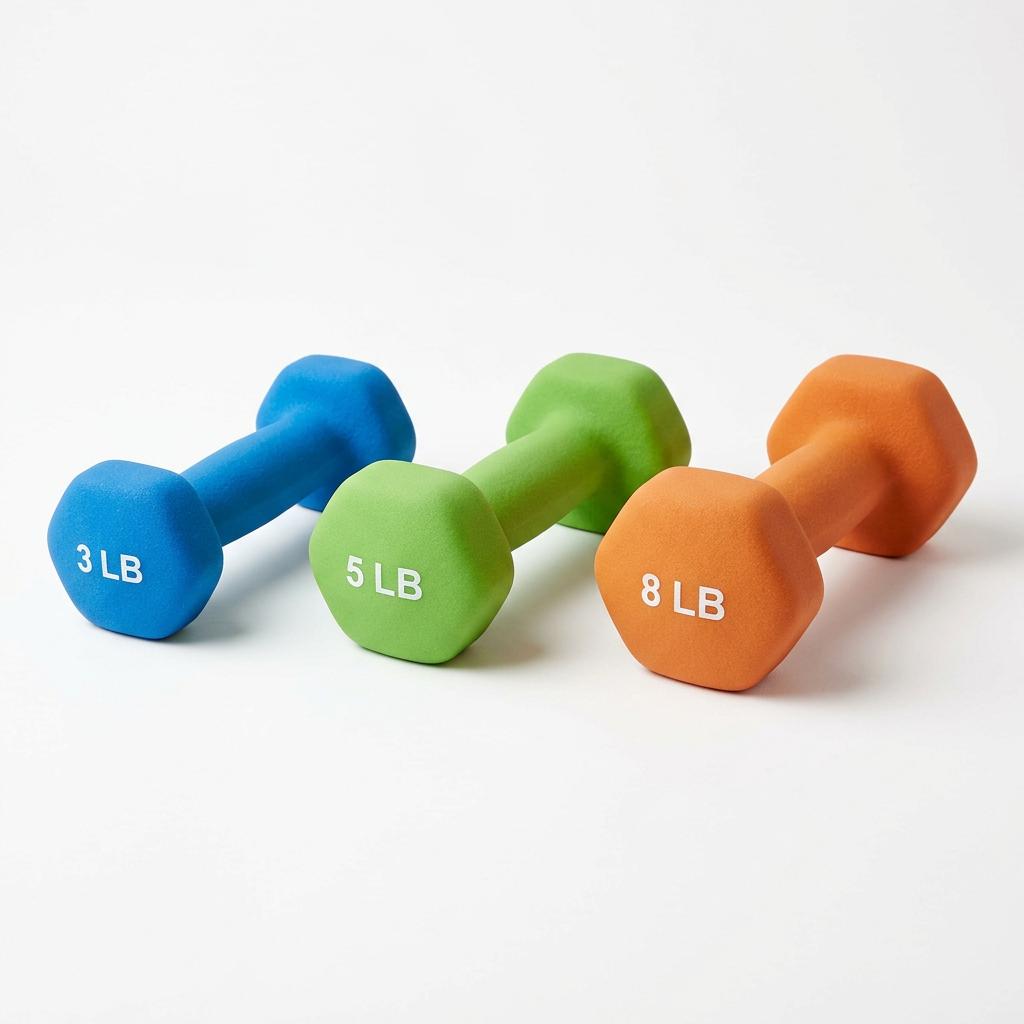 Amazon Basics Neoprene Du