Home Gym Guide for Pregnancy: Safe Exercise Through Every Trimester
SnugGym.com's prenatal fitness specialists created this evidence-based guide for maintaining strength and fitness throughout pregnancy using home gym equipment. All recommendations align with ACOG guidelines and current obstetric exercise research. Every pregnancy is unique — always obtain medical clearance before beginning or continuing an exercise program during pregnancy.
Evidence Mode: Research-Backed
FTC Disclosure: SnugGym participates in affiliate programs. We may earn commissions from qualifying Amazon purchases at no cost to you. Editorial opinions remain independent.
Introduction: Why Exercise During Pregnancy Matters
The American College of Obstetricians and Gynecologists (ACOG) now explicitly recommends that pregnant women without contraindications engage in at least 150 minutes of moderate-intensity aerobic activity weekly, supplemented with strength training targeting all major muscle groups. This represents a dramatic reversal from earlier decades when pregnant women were advised to minimize physical exertion.
Research demonstrates that regular exercise during pregnancy reduces the risk of gestational diabetes by approximately 30%, decreases the likelihood of preeclampsia, reduces low back pain severity, improves mental health outcomes including depression and anxiety symptoms, shortens labor duration, and reduces the need for operative delivery. Offspring of exercising mothers show improved neurodevelopmental outcomes and healthier birth weights.
For home gym users, maintaining a well-equipped training space during pregnancy provides continuity of fitness habits, eliminates the intimidation of modifying routines in public gym environments, allows immediate access to bathrooms and rest areas, and enables exercise timing around pregnancy symptoms like morning sickness and fatigue. The convenience advantage of home training becomes even more pronounced when energy levels fluctuate unpredictably and travel to commercial facilities feels overwhelming.
Critical prerequisite: Obtain written clearance from your obstetric provider before continuing or beginning any exercise program during pregnancy. Certain conditions including placenta previa, persistent bleeding, preeclampsia, severe anemia, and certain cardiac and pulmonary conditions contraindicate exercise and require individualized medical guidance.
First Trimester (Weeks 1-12): Establishing the Foundation
Physiological Changes and Exercise Implications
The first trimester brings dramatic hormonal changes including rapid increases in progesterone, estrogen, and human chorionic gonadotropin (hCG). These hormones trigger cardiovascular changes including increased heart rate and stroke volume, thermoregulatory changes that make overheating a concern, and metabolic shifts that can cause fatigue and nausea.
The embryo is most vulnerable during this period, making thermoregulation the primary exercise safety consideration. Core body temperature exceeding 102.6°F (39.2°C) during the first trimester has been associated with neural tube defects. While this threshold requires sustained, intense exertion in hot environments, the precautionary principle suggests conservative intensity management.
Exercise Modifications
Intensity management: Use the "talk test" as your primary intensity guide. You should be able to maintain conversation throughout exercise. Target 60-70% of pre-pregnancy working capacity rather than percentage of maximum heart rate, which becomes unreliable due to pregnancy-induced heart rate changes.
Temperature regulation: Exercise in well-ventilated, cool environments. Use fans aggressively. Hydrate before, during, and after training. Avoid hot yoga, saunas, steam rooms, and outdoor exercise in hot, humid conditions. Stop immediately if you feel overheated, dizzy, or nauseated beyond normal morning sickness.
Supine positions: While still generally safe in the first trimester, begin minimizing prolonged supine exercise (crunches, bench press, prolonged floor exercises) to prepare for second-trimester restrictions. Incline bench positions above 15 degrees eliminate the supine hypotensive concern entirely.
Recommended First Trimester Exercises
Strength training: Continue all major compound movements that feel comfortable — squats, deadlifts, rows, presses — using 70-80% of pre-pregnancy working weights. The ligament-loosening effects of relaxin are not yet pronounced, so joint stability remains near baseline. Prioritize posterior chain work to support the postural changes that will accelerate in coming trimesters.
Cardiovascular training: Continue preferred modalities — rowing, cycling, elliptical, walking — at conversational intensity. Swimming and water aerobics are particularly excellent due to thermoregulation benefits and buoyancy that reduces joint stress.
Core training: Transition from traditional crunches and sit-ups to anti-extension and anti-rotation exercises — planks (with modifications as pregnancy progresses), Pallof presses, dead bugs, and bird dogs. These patterns build core stability through the functional patterns needed during pregnancy and postpartum recovery rather than training the rectus abdominis through shortening ranges that may contribute to diastasis recti.
First Trimester Sample Workout
| Exercise |
Sets x Reps |
Notes |
| Goblet Squat |
3 x 10 |
Use moderate weight, full depth if comfortable |
| Romanian Deadlift |
3 x 10 |
Emphasize hamstring and glute engagement |
| Incline Dumbbell Press |
3 x 10 |
30-degree incline avoids supine position |
| Supported Single-Leg RDL |
3 x 8/leg |
Light weight, balance support as needed |
| Seated Cable Row |
3 x 12 |
Maintain neutral spine |
| Modified Plank |
3 x 30 seconds |
Elevate hands on bench if needed |
| Lateral Band Walk |
3 x 12/direction |
Glute medius activation for pelvic stability |
| Stationary Bike |
15-20 minutes |
Conversational intensity |
Second Trimester (Weeks 13-27): Adapting to the Bump
Physiological Changes and Exercise Implications
The second trimester typically brings renewed energy, subsiding nausea, and the visible emergence of the baby bump. Cardiovascular adaptations continue with a 30-50% increase in blood volume. The hormone relaxin increases substantially, loosening ligaments throughout the body to prepare for delivery — this creates joint laxity that increases injury risk during high-impact activities and deep stretching.
The growing uterus begins compressing the inferior vena cava when lying flat on the back, potentially reducing venous return and causing dizziness or nausea. This supine hypotensive syndrome necessitates position modifications for previously standard exercises.
Exercise Modifications
Eliminate supine positions: No exercises lying flat on the back for more than brief moments. Replace bench press with incline press (30+ degrees) or seated press. Replace floor core work with standing or side-lying alternatives. Use a wedge or pillows to elevate the upper body for any necessary supine positioning.
Reduce impact: The combination of increased body weight, shifted center of gravity, and ligamentous laxity makes high-impact activities (running, jumping, box jumps) increasingly risky. Transition to low-impact cardio — rowing, cycling, swimming, walking, elliptical. If continuing running, reduce volume and intensity significantly, and stop immediately if experiencing pelvic girdle pain, leakage, or discomfort.
Widen stance: The expanding belly changes squat and deadlift mechanics. Adopt a wider stance and more upright torso angle. Consider sumo deadlift variations, goblet squats, and front-loaded squat patterns that accommodate the shifted center of mass. Avoid barbell back squats if the bar position becomes uncomfortable — switch to safety bar squats, goblet squats, or leg press.
Eliminate valsalva maneuver: Avoid heavy lifting that requires breath-holding and straining. Reduce loads to 60-70% of pre-pregnancy maximums and exhale through the exertion phase of each repetition. The valsalva maneuver dramatically increases blood pressure and intra-abdominal pressure — effects that are undesirable during pregnancy.
Deep stretch caution: Relaxin-induced ligament laxity means you can stretch further than usual, but this increased range does not reflect genuine tissue lengthening and can lead to overstretching and joint instability. Maintain pre-pregnancy flexibility ranges rather than pursuing new flexibility goals.
Recommended Second Trimester Exercises
Lower body: Goblet squats, Bulgarian split squats (with support), step-ups (low height), leg press (if available), Romanian deadlifts (reduced load), clamshells, glute bridges (single-leg progression), lateral band walks.
Upper body: Incline dumbbell press, seated overhead press, cable or band rows, lat pulldowns, bicep curls, tricep extensions. All upper body work remains largely unrestricted — take advantage of this to maintain strength.
Core: Side planks, Pallof presses (cable or band), dead bugs (on bench or elevated surface), bird dogs, farmer's carries, standing anti-rotation presses.
Cardio: Rowing (with modified finish position to avoid abdominal compression), recumbent or upright cycling, swimming, walking on incline treadmill.
Second Trimester Sample Workout
| Exercise |
Sets x Reps |
Notes |
| Goblet Squat (wide stance) |
3 x 12 |
Moderate weight, controlled tempo |
| Romanian Deadlift |
3 x 10 |
60-70% pre-pregnancy load |
| Incline Dumbbell Press |
3 x 12 |
30-45 degree incline |
| Supported Bulgarian Split Squat |
3 x 8/leg |
Hold support rack, reduced range if needed |
| Seated Band Row |
3 x 12 |
Maintain neutral posture |
| Side Plank |
3 x 20 sec/side |
From knees if full version uncomfortable |
| Standing Pallof Press |
3 x 10/side |
Anti-rotation core work |
| Clamshell with Band |
3 x 15/side |
Glute medius for pelvic stability |
| Rowing Machine |
15 minutes |
Modified finish — avoid abdominal compression |
Third Trimester (Weeks 28-40): Preparing for Delivery
Physiological Changes and Exercise Implications
The third trimester brings the most significant physical challenges to continued exercise. The uterus reaches maximum size, compressing the diaphragm and reducing lung capacity — many women experience breathlessness at lower exertion levels. The center of gravity shifts dramatically forward, altering balance and movement mechanics. Weight gain accelerates, increasing joint stress and cardiovascular demand.
However, research shows that women who maintain exercise through the third trimester experience shorter first and second stages of labor, reduced need for epidural anesthesia, lower rates of operative delivery, and faster postpartum recovery. The goal shifts from fitness maintenance to movement preservation, pelvic floor preparation, and positioning optimization for delivery.
Exercise Modifications
Further reduce intensity and impact: Exercise at 50-60% of pre-pregnancy capacity. Eliminate all high-impact activity. Focus on maintaining movement patterns rather than pursuing strength or fitness gains. The talk test becomes even more critical — if you cannot speak in full sentences, reduce intensity immediately.
Balance modifications: The shifted center of gravity and ligamentous laxity create genuine fall risk. Eliminate unsupported single-leg exercises. Use walls, racks, or sturdy furniture for balance support during standing movements. Consider seated or lying-side exercises for lower body work if standing balance feels compromised.
Pelvic floor integration: Integrate dedicated pelvic floor training into every session. Kegel exercises (both contraction and conscious relaxation — the ability to release is as important as the ability to contract for delivery) should be performed daily. Consider working with a pelvic floor physical therapist for individualized assessment and programming.
Diastasis recti awareness: Monitor for separation of the rectus abdominis muscles. Avoid exercises that create abdominal doming or coning — visible ridge or peak along the midline during core engagement. If doming occurs, stop the exercise immediately and switch to diastasis-safe alternatives.
Listen aggressively to your body: The third trimester is not the time to push through discomfort. Any pain, dizziness, shortness of breath beyond mild exertional breathing, vaginal bleeding, fluid leakage, or contractions are immediate stop signals requiring medical consultation.
Recommended Third Trimester Exercises
Lower body: Supported squats (to chair or bench), wall sits (short duration), side-lying clamshells, side-lying leg lifts, seated leg extensions (light), glute bridges (if supine comfortable — elevate upper body), standing calf raises (supported).
Upper body: Seated overhead press, seated row, chest press (incline or seated), bicep curls, tricep work, face pulls for posterior shoulder. Upper body training remains valuable and largely unrestricted.
Core and pelvic floor: Side planks (from knees), modified bird dogs, seated marches, pelvic tilts (seated or standing), dedicated Kegel sequences, diaphragmatic breathing practice.
Cardio: Walking (primary), recumbent cycling, swimming or water walking, gentle rowing with drastically reduced intensity.
Third Trimester Sample Workout
| Exercise |
Sets x Reps |
Notes |
| Supported Bodyweight Squat |
3 x 10 |
To bench or chair, use support |
| Incline Chest Press |
3 x 12 |
Light to moderate load |
| Seated Overhead Press |
3 x 10 |
Dumbbells or bands |
| Side-Lying Clamshell |
3 x 15/side |
Band optional, focus on glute medius |
| Supported Standing Calf Raise |
3 x 15 |
Hold wall or counter |
| Side Plank (from knees) |
3 x 15 sec/side |
Stop if any coning |
| Pelvic Floor Sequence |
3 x 10 contractions |
Hold 5 seconds, fully release |
| Diaphragmatic Breathing |
5 minutes |
Foundation for labor breathing |
| Walking |
20-30 minutes |
Flat surface, comfortable pace |
Pelvic Floor Training: The Foundation of Pregnancy and Postpartum Fitness
The pelvic floor — the muscular sling supporting the bladder, uterus, and bowel — undergoes tremendous stress during pregnancy and delivery. Dedicated training is not optional; it is essential preparation for delivery and the foundation of postpartum recovery.
Pelvic Floor Anatomy and Function
The pelvic floor consists of the levator ani muscle group (pubococcygeus, puborectalis, and iliococcygeus) and the coccygeus muscles. These muscles support pelvic organs, maintain continence, contribute to sexual function, and work as part of the deep core stabilizing system alongside the diaphragm, multifidus, and transversus abdominis.
During pregnancy, the combined weight of the uterus, amniotic fluid, and baby places sustained loading on these muscles. During vaginal delivery, the pelvic floor stretches dramatically — sometimes exceeding 250% of resting length. This stretching can damage muscle tissue and the connective tissue supports, leading to weakness that manifests as urinary incontinence, pelvic organ prolapse, and core instability.
Prenatal Pelvic Floor Programming
Concentric training (Kegels): Contract the pelvic floor muscles as if stopping urine flow (but do not practice during actual urination, which can cause voiding dysfunction). Hold contractions for 5-10 seconds, performing 10 repetitions, 3 sets daily. Progress to quick contractions — 1-second holds, 10 repetitions — to train fast-twitch fiber recruitment needed for cough and sneeze stress protection.
Eccentric training (controlled release): The ability to fully relax and lengthen the pelvic floor is equally important — a hypertonic pelvic floor that cannot release contributes to painful delivery and postpartum dysfunction. Practice conscious relaxation: inhale deeply, visualize the pelvic floor gently descending and widening, maintain for 5 seconds. This release practice is essential preparation for delivery.
Integration with movement: Progress from isolated Kegels to integrating pelvic floor engagement with breathing and movement — exhale and gently lift the pelvic floor during exertion phases, inhale and release during recovery phases. This coordination becomes automatic with practice and supports all exercise movements during and after pregnancy.
Equipment Adjustments for Pregnancy Training
Cardio Equipment
Treadmill: Reduce speed, eliminate incline running, use handrails for balance support as needed. Consider walking outdoors on even surfaces as an alternative.
Rowing machine: Shorten the finish position to avoid abdominal compression. Reduce damper setting and intensity. Stop if any discomfort occurs.
Exercise bike: Recumbent bikes become more comfortable than upright as pregnancy progresses due to back support and reduced abdominal compression. Upright bikes remain viable with handlebar position adjustments.
Elliptical: Reduce stride length setting and resistance. Use handles for upper body involvement and balance support.
Strength Equipment
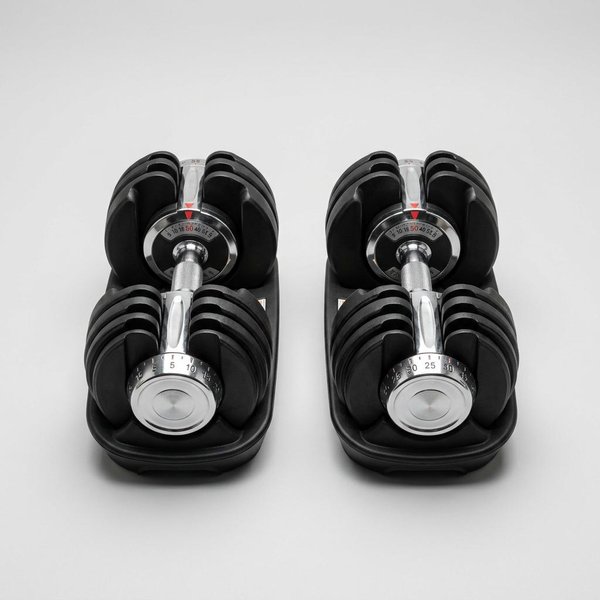
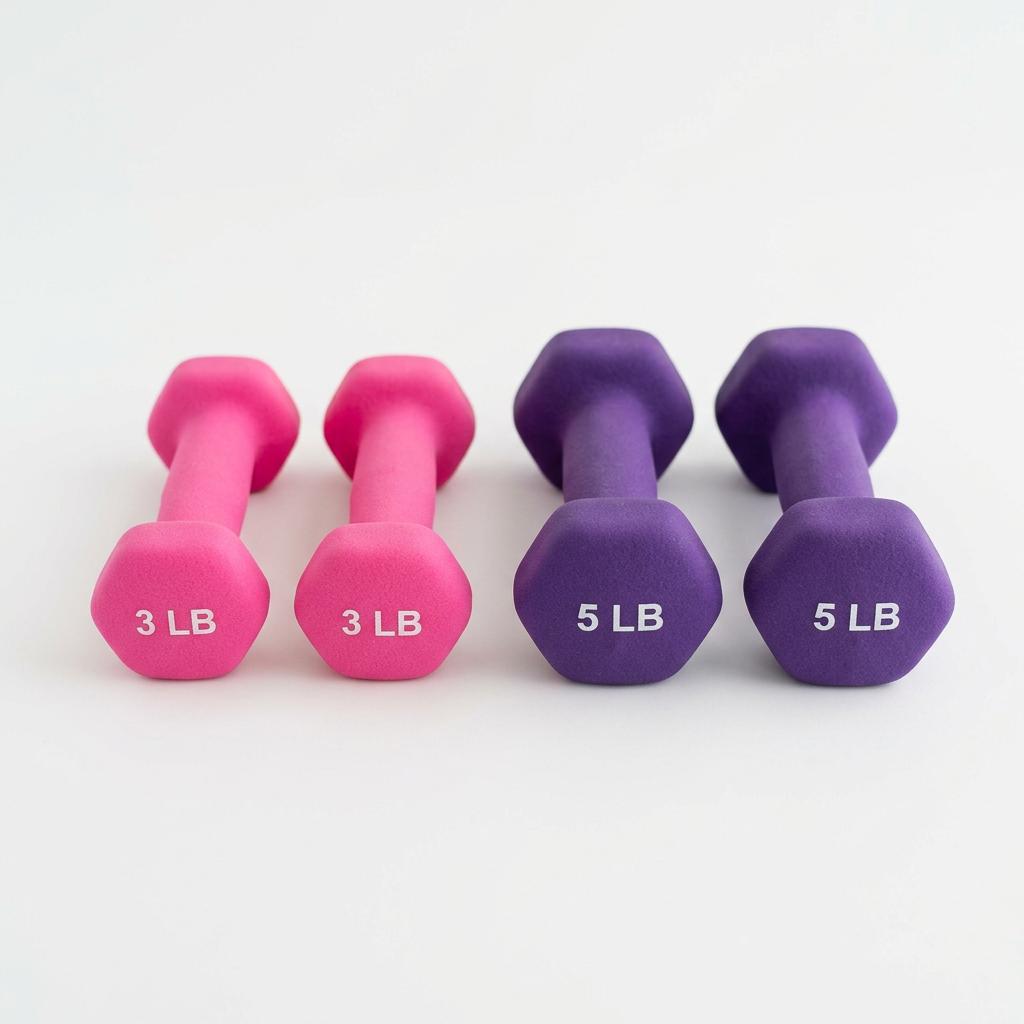
Dumbbells: Generally preferred over barbells due to independent arm movement and easier bail-out if needed. Adjust weight selection conservatively.
Resistance bands: Excellent for pregnancy training due to accommodating resistance and joint-friendly loading. Fabric hip bands are particularly valuable for glute activation work.
Kettlebells: Kettlebell work can continue with appropriate movement selection. Avoid ballistic movements (swings, snatches) in the third trimester. Goblet squats, suitcase deadlifts, and farmer's carries remain excellent choices.
Suspension trainers: TRX and similar systems support bodyweight exercise with adjustable difficulty and excellent stability challenge. Row variations, squat variations, and plank progressions are all pregnancy-appropriate.
Postpartum Transition
The immediate postpartum period (first 6 weeks) requires complete rest from structured exercise except for walking and pelvic floor rehabilitation. Recovery from vaginal delivery typically requires 6 weeks before gradual return to exercise; cesarean delivery typically requires 8-12 weeks. Always obtain medical clearance before resuming exercise postpartum.
When cleared, transition gradually through walking, pelvic floor restoration, gentle core reconnection (focusing on deep core muscles rather than rectus abdominis), and progressive return to pre-pregnancy movement patterns. Rushing this transition increases risk of prolonged diastasis recti, pelvic floor dysfunction, and injury that can compromise long-term fitness.
Frequently Asked Questions
When should I stop exercising during pregnancy?
Stop exercising and contact your healthcare provider if you experience vaginal bleeding, regular painful contractions, amniotic fluid leakage, dizziness or faintness, chest pain, calf pain or swelling, shortness of breath at rest, or severe headache. Otherwise, exercise can continue through delivery if comfortable.
Can I start a new exercise program during pregnancy?
ACOG guidelines indicate that previously sedentary women can begin exercise during pregnancy, starting conservatively at 10-15 minutes of walking and gradually progressing. Obtain medical clearance first, and consider working with a prenatal-certified trainer for program design.
Is weight lifting safe during pregnancy?
Yes, with modifications. ACOG explicitly states that strength training is safe and beneficial during pregnancy. Reduce loads to 60-80% of pre-pregnancy maximums, avoid breath-holding, eliminate supine positions after the first trimester, and stop any exercise that causes pain or discomfort.
How do I know if I'm exercising too intensely?
The talk test is the most reliable guide — you should be able to maintain conversation throughout exercise. The "rate of perceived exertion" should stay at 5-6 out of 10. Heart rate targets are unreliable during pregnancy due to cardiovascular changes.
Will exercise harm my baby?
For pregnancies without contraindications, regular moderate exercise is not only safe but beneficial for fetal development. Research shows improved cardiovascular function, healthier birth weight, and better neurodevelopmental outcomes in babies of exercising mothers.
Last Updated: 2025 | Evidence Mode: Research-Backed | Author: SnugGym Editorial Team
Medical Disclaimer: This guide is for educational purposes only and does not constitute medical advice. Always consult with your obstetric healthcare provider before beginning, continuing, or modifying any exercise program during pregnancy. Individual medical conditions may require specific modifications or contraindications not covered in this general guide.
 Gaiam Essentials Thick Yo
 Amazon Basics Neoprene Du
 Amazon Basics 1/2" Exerci
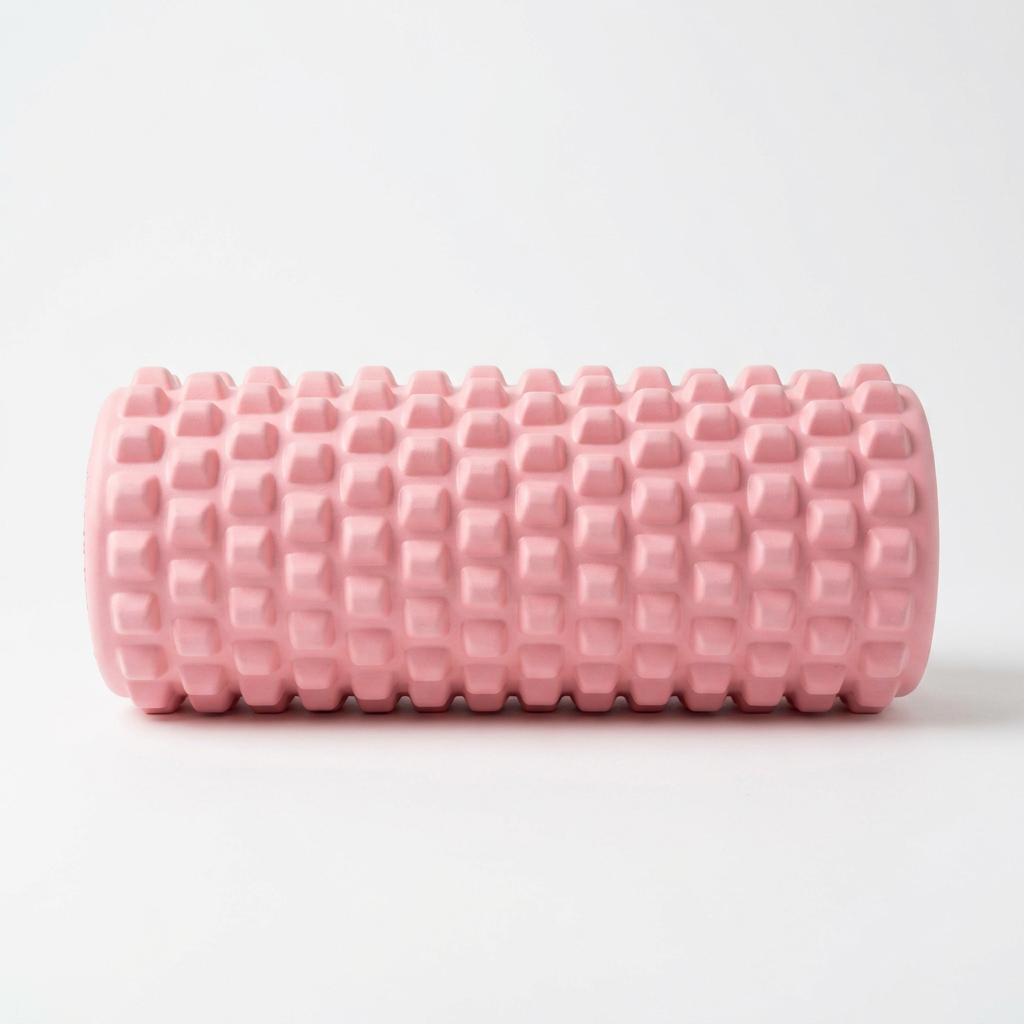 TriggerPoint GRID Foam Ro