Home Gym Guide for Postpartum Recovery: Rebuilding Fitness Safely
SnugGym.com's postpartum fitness team developed this evidence-based guide for progressive return to exercise after pregnancy and delivery. We cover recovery timeline expectations, diastasis recti assessment and management, pelvic floor rehabilitation, equipment selection for low-impact training, and a complete 12-week progressive return program. This guide complements prenatal exercise resources to support the full pregnancy-to-performance journey.
Evidence Mode: Research-Backed
FTC Disclosure: SnugGym participates in affiliate programs. We may earn commissions from qualifying Amazon purchases at no cost to you. Editorial opinions remain independent.
Introduction: The Postpartum Reality
The postpartum period — defined medically as the first 12 weeks after delivery but functionally extending much longer for fitness purposes — represents one of the most significant physical transitions a woman experiences. After nine months of progressive physiological adaptation to pregnancy, the body must recover from delivery, support breastfeeding if applicable, adapt to dramatic hormonal shifts, and eventually return to pre-pregnancy movement patterns.
Cultural messaging often frames postpartum fitness as a race to "bounce back" — a phrase that implies the goal is returning to a pre-pregnancy state rather than progressing forward to a new, strong, capable version of oneself. This guide rejects that framing. The postpartum period is not about getting your old body back; it is about building a new foundation of strength, function, and resilience that may ultimately exceed pre-pregnancy fitness levels.
Research increasingly supports that thoughtful, progressive postpartum training produces better long-term outcomes than aggressive early return to high-intensity exercise. Women who rush the process often experience pelvic floor dysfunction, prolonged diastasis recti, chronic back pain, and exercise intolerance that limits them for months or years. Women who respect the recovery timeline and rebuild systematically typically achieve superior fitness within 6-12 months while avoiding the complications that derail progress.
Critical prerequisite: Obtain written clearance from your obstetric provider before resuming exercise. Recovery timelines vary dramatically between individuals and between vaginal and cesarean deliveries. This guide provides general frameworks that must be individualized to your specific recovery status.
Understanding the Recovery Timeline
Regardless of delivery mode, the first two weeks are dedicated to healing, bonding, and basic physiological recovery. Structured exercise is contraindicated. Walking to the extent comfortable is encouraged — even short walks to the mailbox support circulation, mood regulation, and digestive function. Pelvic floor exercises may begin within days of delivery if comfortable, but should be gentle and pain-free.
Early Recovery (Weeks 2-6)
After vaginal delivery without complications, walking can progressively increase in duration and pace. Pelvic floor rehabilitation begins in earnest — gentle Kegel contractions focusing on both the ability to contract and, critically, the ability to fully release. Deep core reconnection exercises (diaphragmatic breathing, gentle pelvic tilts) can begin if they do not cause pain, pressure, or abdominal doming.
After cesarean delivery, the timeline extends. The abdominal incision requires 6-8 weeks for superficial healing and 3-6 months for full tissue remodeling. Walking remains the primary activity. Pelvic floor work can begin once catheter removal and initial healing allow. Any exercise involving abdominal engagement must be approved by the surgical team and approached with extreme conservatism.
Medical Clearance (Week 6-12)
The standard 6-week postpartum checkup is the gateway to structured exercise return. However, "cleared for exercise" does not mean "cleared for pre-pregnancy training." It means you can begin a gradual, supervised return to movement. Key clearance criteria include: incision healing (cesarean or perineal), cessation of lochia (postpartum bleeding), stable blood pressure, absence of infection signs, and basic pelvic floor function.
Extended Recovery (Months 3-12)
The period from medical clearance through 12 months postpartum is where systematic rebuilding occurs. This guide focuses primarily on this window, providing the progressive framework that transforms "cleared for exercise" into genuinely restored fitness.
Diastasis Recti: Assessment and Management
Diastasis recti abdominis (DRA) — the separation of the rectus abdominis muscles along the linea alba — affects up to 60% of postpartum women at six weeks, with 30-40% experiencing persistent separation at six months. Understanding and addressing DRA is essential for safe return to exercise.
Self-Assessment Protocol
Lie on your back with knees bent and feet flat. Place fingers horizontally at the navel. Gently lift your head and shoulders while pressing fingers into the abdominal midline. Assess:
- Width: How many finger widths fit between the muscle borders? Two finger widths (approximately 2.5 cm) or more indicates clinically significant DRA.
- Depth: How deep do your fingers sink? Significant depth suggests poor tissue tension and core instability.
- Tension: Is there palpable resistance when you press, or does the tissue feel soft and yielding? Good tension indicates functional connective tissue despite separation width.
Test at the navel, three inches above, and three inches below, as DRA severity varies along the abdominal length.
Exercise Modifications for DRA
Avoid: Traditional crunches, sit-ups, planks (initially), Russian twists, V-ups, leg lowers, and any movement that causes abdominal doming or coning — the visible ridge or tenting along the midline during exertion.
Emphasize: Diaphragmatic breathing, pelvic tilts, heel slides, dead bugs (modified), bird dogs, side planks (from knees), and movements that engage the transversus abdominis (deep core muscle) without stressing the linea alba.
The goal is not merely closing the gap — research shows that functional improvement (tension generation, core stability, absence of symptoms) matters more than inter-recti distance. Some women maintain a small gap permanently while achieving full functional recovery.
When to Seek Professional Help
Consult a pelvic floor physical therapist or physiotherapist specializing in DRA if: separation exceeds three finger widths at any point, significant depth remains at three months postpartum, doming occurs during daily activities (not just exercise), low back or pelvic pain is present, or progress stalls despite consistent appropriate exercise.
Pelvic Floor Rebuilding
The pelvic floor muscles are stretched, strained, and potentially torn during vaginal delivery. Even cesarean deliveries affect pelvic floor function through pregnancy loading. Systematic rehabilitation is non-negotiable for safe return to exercise.
Phase 1: Connection and Awareness (Weeks 2-6)
Begin with simple pelvic floor awareness exercises. Lie comfortably and practice isolating the pelvic floor contraction — the sensation of lifting and squeezing around the vagina and anus. Hold for 3-5 seconds, fully release for 5 seconds. 10 repetitions, 3 times daily.
The release phase is as important as the contraction. A hypertonic pelvic floor that cannot relax contributes to pain, urinary urgency, constipation, and painful intercourse. Practice conscious release: inhale deeply, visualize the pelvic floor softening, widening, and descending.
Phase 2: Strength Building (Weeks 6-12)
Progress to longer holds (8-10 seconds) and more repetitions. Add quick contractions — 1-second maximal squeeze, 1-second full release, repeated 10 times — to train fast-twitch fibers needed for stress protection during coughing, sneezing, and impact activities.
Integrate pelvic floor engagement with movement: exhale and gently lift during exertion, inhale and release during recovery. Begin with gentle movements and progress as coordination improves.
Phase 3: Functional Integration (Months 3-6)
By three months, pelvic floor engagement should be automatic during daily movements and gentle exercise. Before progressing to running, jumping, or heavy lifting, confirm:
- No urinary leakage during coughing, sneezing, or exercise
- No pelvic heaviness, pressure, or bulging sensation
- Ability to perform 10-second pelvic floor holds with good quality
- Ability to maintain engagement during functional movements
Phase 4: Impact Return (Months 6+)
High-impact activities like running should not resume before three months postpartum at minimum, and only after passing the functional tests above. A graduated return protocol might look like: walking with 30-second jog intervals, progressing to continuous 5-minute jogging, then 10 minutes, then 15, over 6-8 weeks. Any leakage, heaviness, or pain indicates insufficient pelvic floor readiness — return to lower-impact activities and continue rehabilitation.
Equipment Selection for Postpartum Training
The postpartum home gym should prioritize low-impact, joint-friendly, core-supportive equipment that facilitates gradual progressive loading without excessive strain on healing tissues.
Essential Equipment
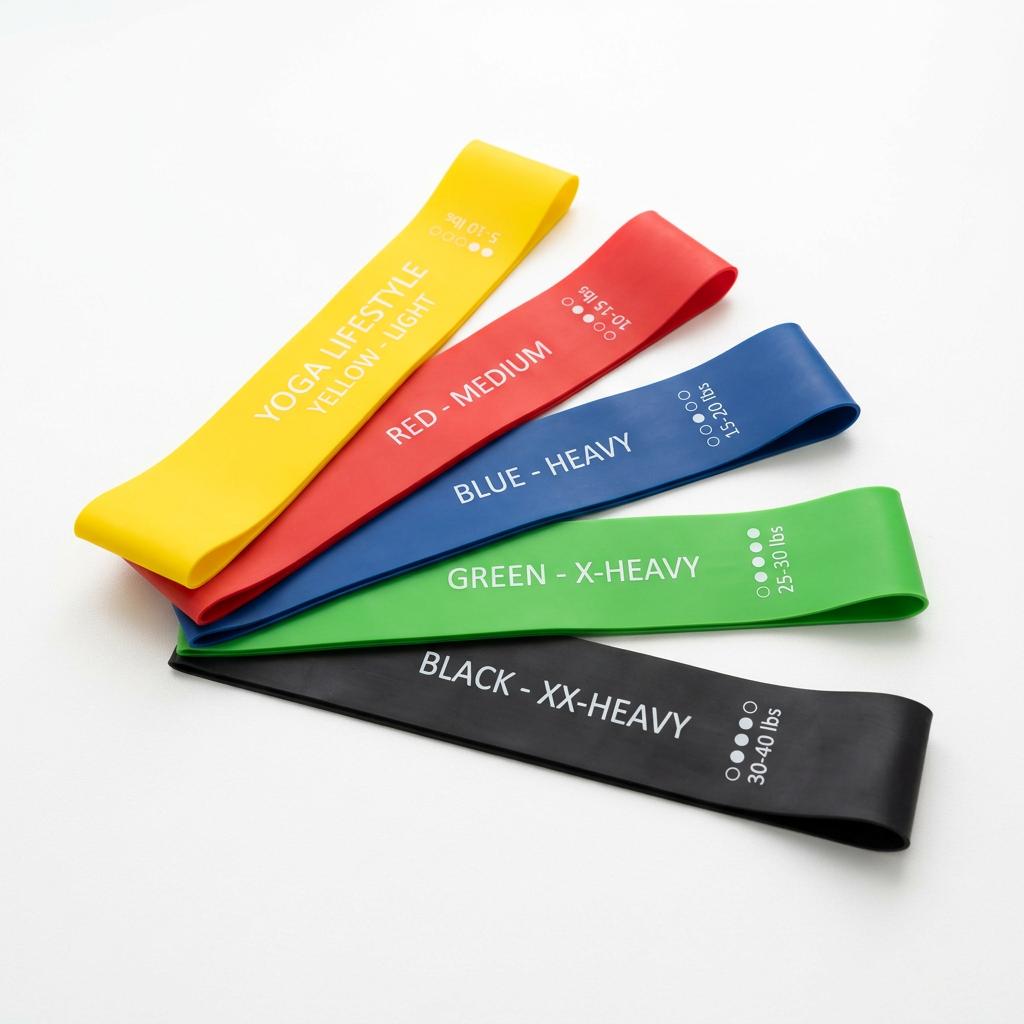
Resistance bands: Fabric hip bands and tube-style resistance bands provide accommodating resistance that is joint-friendly and infinitely adjustable. Essential for glute activation, core work, and upper body strength. Bands require minimal space and budget.
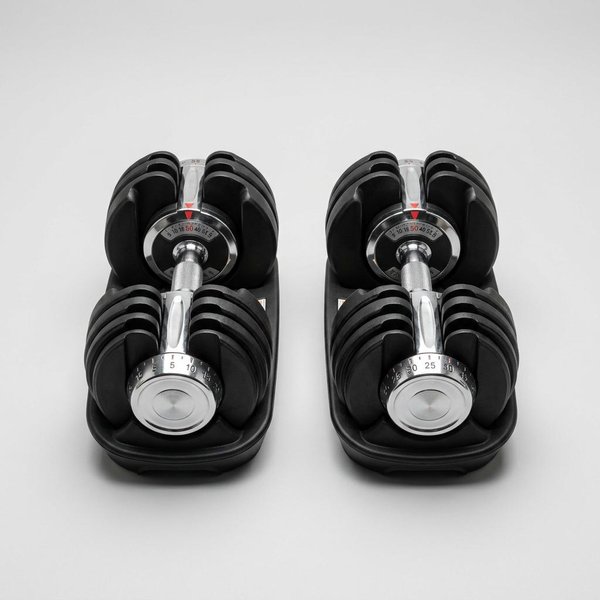
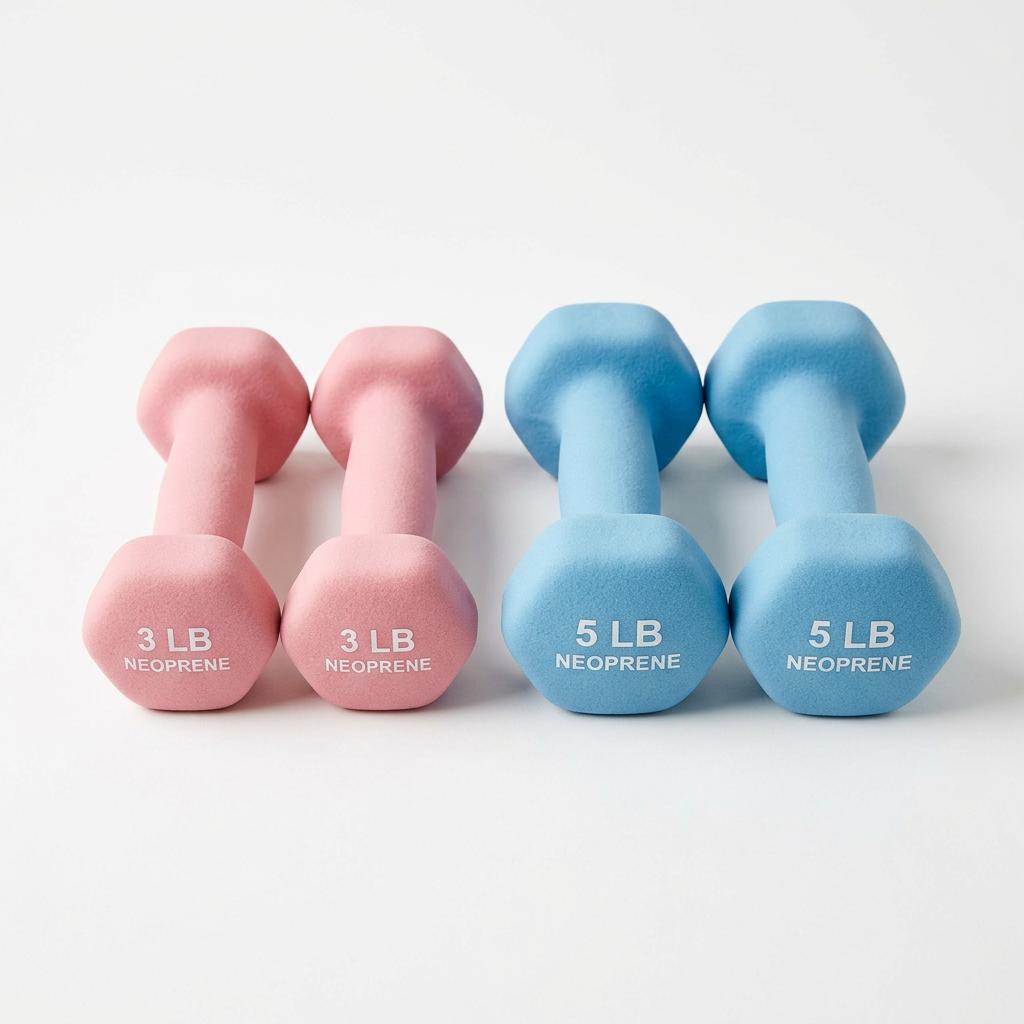
Dumbbells: A set of light-to-moderate dumbbells (5-20 pounds) enables progressive strength training for all major muscle groups. Adjustable dumbbells provide the most weight range in minimal space.
Stability ball: A 65cm stability ball provides support for core exercises, enables modified push-ups and planks, supports gentle spinal mobility, and serves as a birth ball during late pregnancy. Select burst-resistant construction rated for 500+ pounds.
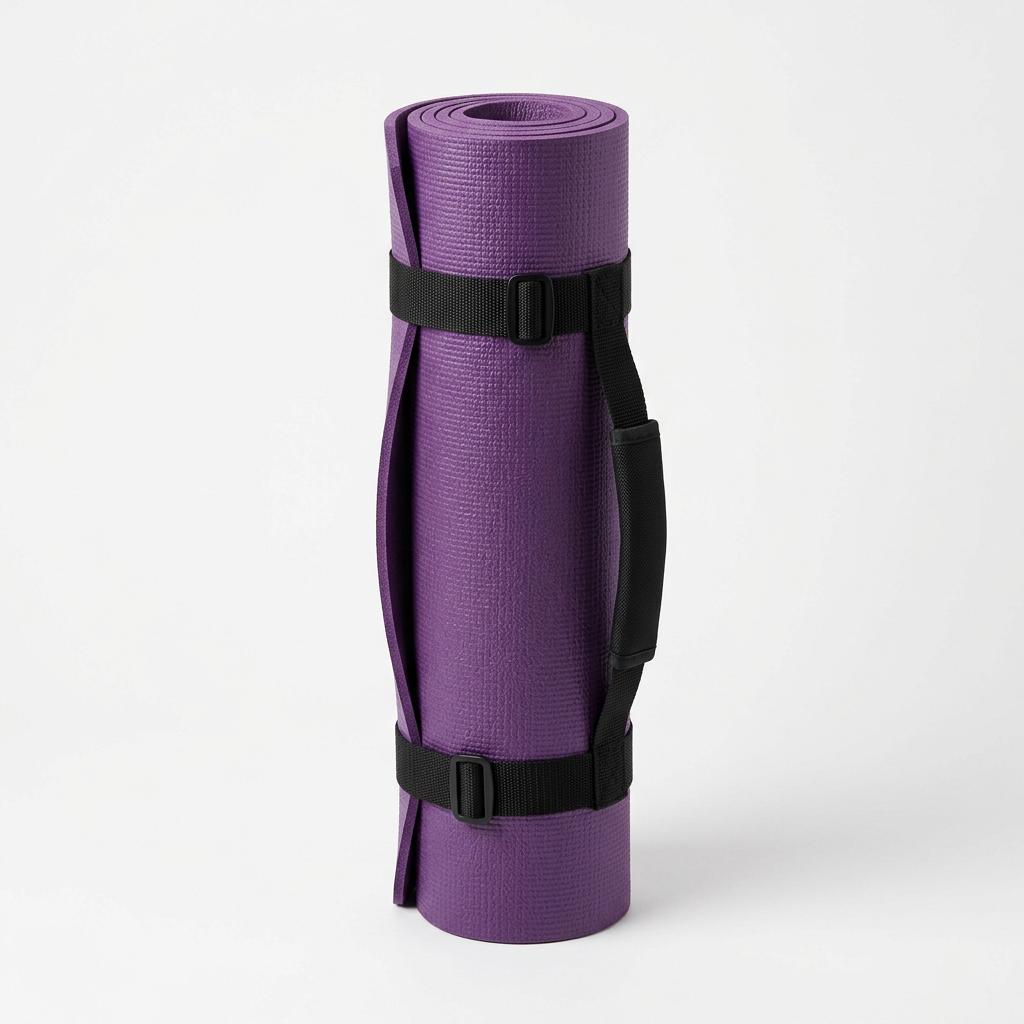
Yoga mat: Essential for floor work, stretching, and any exercise requiring cushioning. A thick mat (6mm+) provides comfort for sensitive areas during the early postpartum period.
Valuable Additions
Recumbent exercise bike: Provides cardiovascular training with back support, no impact, and adjustable intensity. Ideal for early postpartum cardio when walking tolerance is limited by fatigue or weather.
Suspension trainer (TRX): Enables bodyweight exercise with adjustable difficulty and excellent core engagement. Row variations, squat variations, and plank progressions are all postpartum-appropriate when progressed gradually.
Foam roller: Supports myofascial release for tight areas (upper back, hip flexors, calves) that develop from feeding positions and changed movement patterns. Avoid abdominal rolling if DRA is present.
Equipment to Delay
Barbells and heavy weights: Delay until core function and pelvic floor support are confirmed adequate for loaded compound movements. Typically month 4-6 earliest.
High-impact equipment (jump rope, plyo boxes): Delay until pelvic floor function is fully restored and high-impact clearance is obtained. Typically month 6+ earliest.
12-Week Progressive Postpartum Return Program
This program assumes medical clearance at 6 weeks postpartum. Adjust timeline based on individual recovery progress. The program progresses through four phases, each building systematically on the previous.
Phase 1: Reconnection (Weeks 6-8)
Goals: Restore mind-muscle connection to deep core and pelvic floor. Reestablish basic movement patterns. Build walking tolerance.
| Exercise |
Sets x Reps/Duration |
Notes |
| Diaphragmatic Breathing |
5 minutes |
Supine or seated, focus on 360-degree rib expansion |
| Pelvic Floor Contractions |
3 x 10 (5 sec hold) |
Quality over quantity, full release between |
| Pelvic Tilts |
3 x 10 |
Supine or seated, small range of motion |
| Heel Slides |
3 x 8/leg |
Supine, maintain neutral pelvis throughout |
| Glute Bridge |
3 x 10 |
Small range, focus on glute engagement not height |
| Clamshell |
3 x 12/side |
Side-lying, no band initially |
| Standing March |
3 x 10/leg |
Hold support if needed, maintain pelvic alignment |
| Wall Push-Up |
2 x 10 |
Focus on scapular control |
| Supported Row (band) |
2 x 12 |
Standing, single-arm or double-arm |
| Walking |
15-20 minutes daily |
Comfortable pace, flat surfaces |
Phase 2: Foundation Building (Weeks 9-12)
Goals: Increase exercise volume and complexity. Introduce light resistance. Progress walking to brisk pace or gentle incline.
| Exercise |
Sets x Reps/Duration |
Notes |
| Dead Bug |
3 x 8/side |
Supine or on bench, maintain neutral spine |
| Bird Dog |
3 x 8/side |
Focus on stability, no rotation |
| Glute Bridge (full range) |
3 x 12 |
Add band across hips for resistance if ready |
| Bodyweight Squat |
3 x 10 |
To comfortable depth, emphasize form |
| Incline Push-Up |
3 x 10 |
Progressively lower incline as strength returns |
| Band Row |
3 x 12 |
Standing or seated, focus on scapular retraction |
| Overhead Press (light DB) |
3 x 10 |
Seated, avoid excessive lumbar arch |
| Side Plank (from knees) |
3 x 15 sec/side |
Stop if any doming |
| Standing Pallof Press |
3 x 10/side |
Anti-rotation core engagement |
| Step-Up (low height) |
3 x 8/leg |
6-8 inch step, use support as needed |
| Walking / Gentle Cycling |
20-30 minutes |
4-5 days weekly |
Phase 3: Strength Restoration (Weeks 13-16)
Goals: Return to moderate resistance training. Progress core exercises. Introduce balance challenges. Evaluate readiness for impact.
| Exercise |
Sets x Reps |
Notes |
| Goblet Squat (light) |
3 x 10 |
10-20 lbs, full depth if comfortable |
| Romanian Deadlift (light) |
3 x 10 |
Dumbbells or kettlebell, focus on hamstring |
| Push-Up (modified or full) |
3 x 8-12 |
Progress to floor when incline feels easy |
| Single-Leg Glute Bridge |
3 x 8/leg |
Advance from bilateral when strong |
| Dumbbell Row |
3 x 10/arm |
Moderate weight, stable torso |
| Overhead Press (standing) |
3 x 10 |
Light to moderate dumbbells |
| Lunges (static or reverse) |
3 x 8/leg |
Reduced range initially, progress as stable |
| Side Plank (full) |
3 x 20 sec/side |
Only if knee version is strong and symptom-free |
| Farmer's Carry |
3 x 30 yards |
Moderate weight, focus on posture |
| Pelvic Floor Impact Test |
Weekly assessment |
10 jumping jacks — any leakage indicates not ready |
| Cardio (bike/row/walk) |
25-35 minutes |
4-5 days weekly, moderate intensity |
Goals: Approach pre-pregnancy training levels. Introduce running or impact if cleared. Progress to heavier resistance. Address remaining asymmetries or weaknesses.
| Exercise |
Sets x Reps |
Notes |
| Barbell or Heavy Goblet Squat |
3-4 x 8-10 |
Progress load weekly as tolerated |
| Deadlift (light to moderate) |
3 x 8 |
Focus on form, consider trap bar initially |
| Bench or Floor Press |
3-4 x 8-10 |
Dumbbells or barbell as appropriate |
| Bulgarian Split Squat |
3 x 8/leg |
Light to moderate load |
| Pull-Up or Assisted Pull-Up |
3 x 5-8 |
Band-assisted if needed |
| Full Plank Variations |
3 x 30-45 sec |
Only if DRA is functionally resolved |
| Running or Impact Intro |
Graduated protocol |
See pelvic floor section for progression criteria |
| HIIT Intervals (low-impact) |
20 minutes |
Bike, rower, or elliptical intervals |
| Pelvic Floor Maintenance |
Daily |
Continue Kegels and release work indefinitely |
Nutrition Considerations for Postpartum Recovery
Proper nutrition supports tissue healing, energy levels, milk production (if breastfeeding), and healthy body composition change. Key principles include:
If Breastfeeding
- Maintain a moderate caloric intake — approximately 300-500 calories above pre-pregnancy needs to support milk production
- Prioritize protein at 1.1-1.3 grams per kilogram of body weight
- Stay well-hydrated — thirst increases during lactation
- Avoid rapid weight loss (more than 1 pound weekly) as it may reduce milk supply
- Continue prenatal vitamins or transition to postnatal formulation
General Postpartum Nutrition
- Emphasize whole foods: lean proteins, vegetables, fruits, whole grains, healthy fats
- Protein intake of 1.0-1.2 g/kg supports tissue repair and muscle preservation
- Omega-3 fatty acids (from fish or supplements) may support mood regulation
- Iron-rich foods address potential postpartum anemia
- Fiber and hydration support digestive function during a period of potential disruption
Avoiding Disordered Patterns
The postpartum period carries elevated risk for disordered eating as women navigate body changes, cultural pressure, and hormonal fluctuations. Focus on nourishment and performance rather than weight or appearance. If obsessive thoughts about food, exercise, or body image emerge, seek support from a healthcare provider or mental health professional specializing in perinatal mental health.
Mental Health Aspects
The postpartum period involves significant mental health vulnerability. Up to 20% of women experience postpartum depression, and postpartum anxiety affects a similar proportion. Exercise is a well-documented protective factor and intervention for perinatal mood disorders.
Exercise and Mood Regulation
Physical activity during the postpartum period reduces depression and anxiety symptoms through mechanisms including endorphin release, cortisol regulation, improved sleep quality, increased self-efficacy, and social connection if exercise includes group components. Even modest walking produces meaningful mood benefits.
Setting Realistic Expectations
Progress during the postpartum period is rarely linear. Sleep deprivation affects recovery capacity, hormonal fluctuations influence energy and strength, and the demands of caring for an infant constrain training time. Some weeks will feel strong and productive; others will feel like survival mode. Both are normal. The goal is consistency over intensity — maintaining the exercise habit through challenging periods creates the foundation for accelerated progress when circumstances allow.
When to Seek Professional Support
Contact a healthcare provider if you experience: persistent sadness or hopelessness, loss of interest in activities previously enjoyed, excessive worry or anxiety, intrusive thoughts, difficulty sleeping beyond normal infant-related disruption, or any thoughts of harming yourself or your baby. These symptoms are common, treatable, and seeking help is a sign of strength, not weakness.
Frequently Asked Questions
When can I start doing planks again?
Planks should be delayed until diastasis recti is assessed and core reconnection is established — typically 8-12 weeks for uncomplicated vaginal deliveries, 12-16 weeks for cesarean. Begin with modified side planks from the knees and progress to full planks only if no doming occurs and pelvic floor symptoms are absent.
Can I do ab workouts postpartum?
Traditional "ab workouts" (crunches, sit-ups, leg raises) should be avoided initially. Instead, focus on deep core exercises — diaphragmatic breathing, dead bugs, bird dogs, and Pallof presses — that engage the transversus abdominis without stressing the linea alba. Progress to more demanding exercises only as DRA resolves and core function restores.
How long does it take to get back to pre-pregnancy fitness?
Most women can approach pre-pregnancy strength levels by 6-12 months with consistent, progressive training. Cardiovascular fitness often returns faster (3-6 months). However, "pre-pregnancy fitness" is not necessarily the endpoint — many women achieve superior fitness postpartum through the discipline and body awareness developed during recovery.
Is it safe to lift heavy weights postpartum?
Heavy lifting should be delayed until pelvic floor function, core stability, and healing are confirmed adequate — typically 4-6 months at earliest. When cleared, progressive overload can resume following the same principles as any strength training program, with continued attention to intra-abdominal pressure management and pelvic floor symptoms.
Can I exercise while breastfeeding?
Yes, moderate exercise does not negatively affect milk supply or composition. Feed or pump before exercise for comfort. Stay well-hydrated. Some babies refuse to feed immediately post-exercise due to taste changes from lactic acid — if this occurs, feed before exercise or wait 30 minutes after intense sessions.
Last Updated: 2025 | Evidence Mode: Research-Backed | Author: SnugGym Editorial Team
Medical Disclaimer: This guide is for educational purposes only and does not constitute medical advice. Always obtain clearance from your healthcare provider before resuming exercise postpartum. Individual recovery timelines vary significantly based on delivery mode, complications, pre-pregnancy fitness, and other factors.
 Gaiam Essentials Thick Yo
 Amazon Basics Neoprene Du
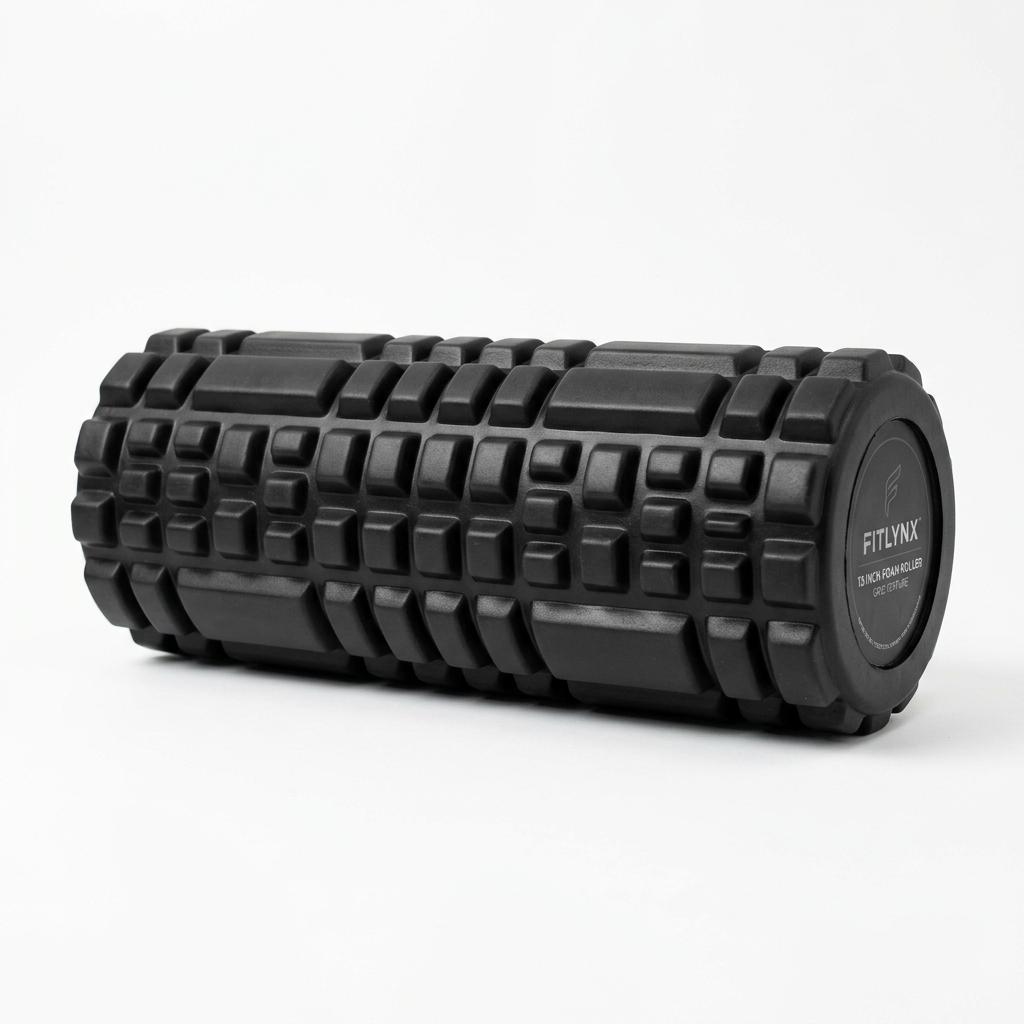 TriggerPoint GRID Foam Ro
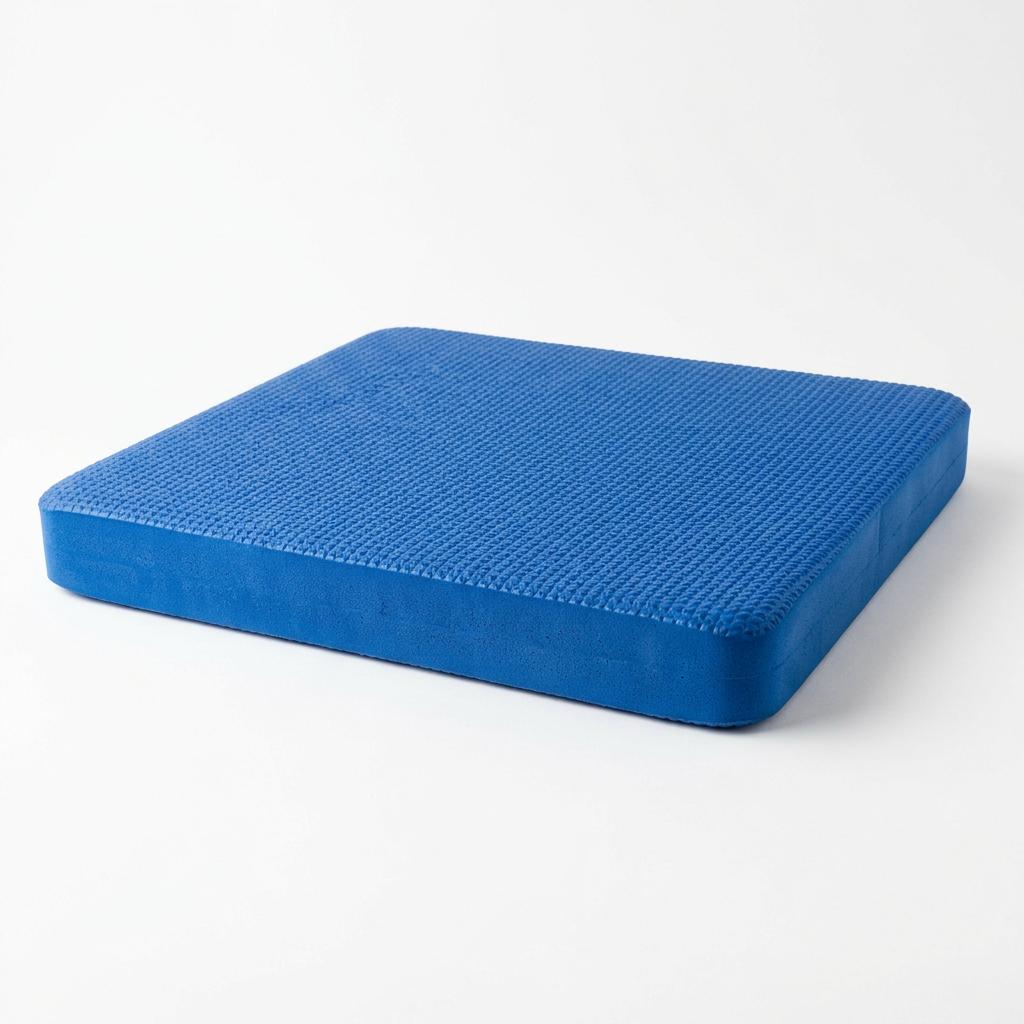 ProsourceFit Exercise Bal