Amazon Basics vs Yes4All Fitness Equipment: Budget Gear Comparison
Comprehensive comparison of Amazon Basics vs Yes4All fitness equipment covering dumbbells, kettlebells, resistance bands...
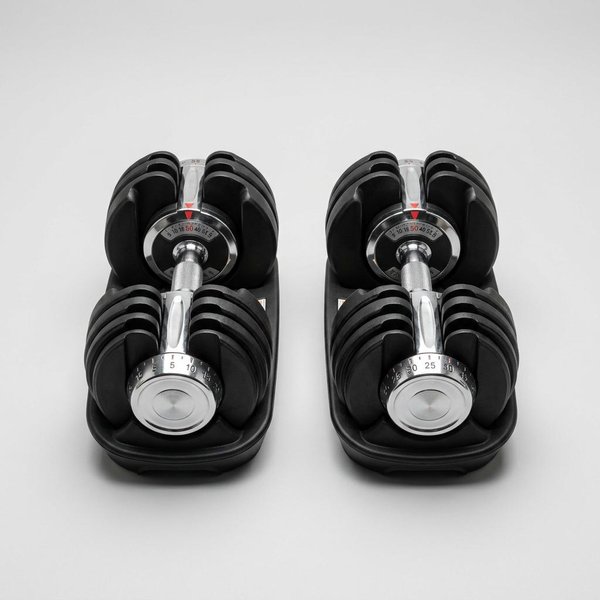
Complete guide for intermediate lifters upgrading their home gym. Covers equipment upgrades, compound movements, progressive overload tools, programming, and budget $500-$1500 recommendations.
FTC Disclosure: SnugGym participates in affiliate programs. We earn a commission when you purchase through our links, at no extra cost to you. Our evaluations remain independent and research-backed.
You have trained consistently for 6-18 months. Your beginner gains have slowed. The dumbbells that once challenged you now feel light. You can perform multiple pull-ups, squat your bodyweight, and deadlift 1.5x your bodyweight. You have outgrown your starting equipment—and your starting approach.
This is the intermediate phase: where training becomes systematic, equipment becomes specialized, and results require increasingly sophisticated stimulus. A 2020 review in Sports Medicine found that intermediate trainees require periodized programming, varied exercise selection, and progressive overload mechanisms that beginners can ignore. Your gym must evolve to support these demands.
This guide covers the equipment upgrades, programming considerations, and space optimization strategies that transition your home gym from "beginner-friendly" to "intermediate-capable." Budget range: $500-$1,500, often spread over 6-12 months of progressive upgrades.
Most intermediate trainees begin with some combination of: adjustable dumbbells or a basic 200-300 lb weight set; a flat bench or no bench; a doorway pull-up bar; resistance bands; and basic floor protection. This equipment served you well. Now it limits you.
Each limitation represents an upgrade opportunity prioritized below.
If you make only one upgrade as an intermediate lifter, it must be a power rack (also called a power cage or squat rack). No single piece of equipment transforms home gym capability more dramatically.
A power rack provides: safe solo barbell squatting with adjustable safety spotter arms; barbell bench press with built-in safety catches; overhead press with a secure starting position; pull-up bar integration (most racks include one); band and chain anchor points for accommodating resistance; dip attachment compatibility; and landmine attachment compatibility for rows and rotational work.
Before the power rack, your lower-body barbell work was limited by what you could clean to your shoulders. The rack eliminates this constraint, allowing you to squat and bench press at true maximum effort without fear of failed reps.
| Feature | Minimum Standard | Notes |
|---|---|---|
| Weight capacity | 700+ lbs | Your lifts will grow faster than you expect |
| Hole spacing | 2-inch or less | Enables precise safety arm positioning |
| Pull-up bar | Included | Eliminates need for separate pull-up equipment |
| Dip attachment | Compatible | Valuable for chest/tricep development |
| Dimensions | Fit your space with 6-inch clearance all sides | Safety requires room to bail |
Budget options ($250-400): Titan Fitness T-2, REP Fitness PR-1000, Rogue SML-1 (half rack). Mid-range options ($400-700): Titan Fitness T-3, REP Fitness PR-4000, Rogue R-3. Premium options ($700-1,500+): Rogue RML-390F, REP Fitness PR-5000.
For most intermediate lifters, a $300-500 rack provides lifetime-capable performance. The $700+ premium racks offer thicker steel, more attachment options, and superior resale value—but functionally equivalent safety and performance for standard training.
Your 200-300 lb beginner set is no longer sufficient. Intermediate squat and deadlift training regularly exceeds 300 pounds, and having insufficient plates forces suboptimal loading.
Rather than replacing your existing plates, supplement them:
Total expansion cost: $150-400 depending on plate type and source. Buy iron plates used; buy bumper plates new (used bumpers may have hidden cracks).
Bumper plates—rubber-coated plates designed to be dropped from overhead—enable: Olympic lifting practice (cleans, snatches, jerks); deadlift work where lowering under control becomes limiting; and safer failed rep management in the power rack. They are not essential for all intermediate lifters, but they significantly expand training options.
Your flat bench served beginner pressing well. Intermediate programming requires angle variation for complete chest and shoulder development.
| Feature | Why It Matters |
|---|---|
| 0-90 degree adjustability | Enables flat, incline, and shoulder pressing |
| Decline capability (-15 degrees) | Optional but valuable for lower chest emphasis |
| 700+ lb capacity | You'll bench heavy with safety margin |
| Leg attachment | Stability during heavy incline presses |
| Wheels + handle | Mobility for space-flexible gyms |
Budget pick: Fitness Reality 1000 ($150-200). Mid-range pick: REP Fitness AB-3100 ($250-300). Premium pick: Rogue Adjustable Bench 2.0 ($500+).
Intermediate programming demands precise load progression. These tools enable micro-adjustments that drive continued strength gains.
Standard gym plates jump in 5 lb increments (10 lbs total when added to a barbell). Fractional plates enable 2.5 lb jumps—or even 1.25 lb jumps for upper-body lifts where smaller progression is necessary. These small plates are disproportionately valuable for intermediate strength development.
Magnetic add-on plates attach to existing iron plates, creating custom intermediate weights without buying additional full plates. Particularly useful for dumbbell progression where standard jumps are 5 lbs per hand.
Bands attached to the barbell create accommodating resistance—increasing load as the lifter moves through the stronger portion of the range of motion. This technique, popularized by Westside Barbell, develops explosive strength and addresses sticking points. A quality band set with multiple resistances enables band-resisted squats, bench presses, and deadlifts.
As loads increase, a properly used lifting belt provides: increased intra-abdominal pressure for spinal stability; 5-15% performance improvement on maximal squat and deadlift attempts; and reduced injury risk during near-maximal efforts. A 10mm thick, 4-inch wide leather belt is the versatile standard for intermediate lifters.
Intermediate gyms accumulate equipment. Without intentional organization, chaos follows—reducing training efficiency and gym appeal.
| Item | Purpose | Cost |
|---|---|---|
| Vertical plate tree | Plate organization, floor space efficiency | $50-100 |
| Barbell gun rack or wall mounts | Horizontal barbell storage | $30-80 |
| Dumbbell rack | Organization for growing dumbbell collection | $100-200 |
| Wall-mounted resistance band hooks | Band organization, accessibility | $10-20 |
| Whiteboard or chalkboard | Workout logging, motivation | $15-30 |
If you have been training on thin yoga mats or puzzle mats, intermediate loading demands better protection. A 4x8 foot deadlift platform (two layers of 3/4-inch plywood topped with rubber stall mats) provides: dedicated heavy-lifting surface that protects floor and equipment; defined lifting zone that improves setup consistency; and sound dampening that reduces noise transmission to other rooms or neighbors.
Platform construction cost: $80-150 in materials. See our companion guide on gym floor mats for noise reduction for detailed flooring recommendations.
Beginner full-body workouts 3x weekly produce excellent results. Intermediates benefit from increased volume and specialization. Common effective splits include:
Upper/Lower Split (4 days/week)
Push/Pull/Legs (PPL) Split (6 days/week)
Beginners can add weight every session. Intermediates require planned progression:
Use an RPE (Rate of Perceived Exertion) scale of 1-10 to autoregulate training intensity. An RPE of 8 means you could complete 2 more reps. Most intermediate training should occur at RPE 7-9, with periodic RPE 9-10 testing to establish new strength baselines.
Combine the rack and bench from strength priorities with dumbbell expansion and a cable system from hypertrophy priorities. Most intermediate home gyms trend toward this balanced approach.
Spread over 6-12 months of progressive purchases:
| Month | Purchase | Cost | Cumulative |
|---|---|---|---|
| 1 | Power rack (Titan T-2 or equivalent) | $350 | $350 |
| 2 | Additional plates (used 45s, 35s) | $150 | $500 |
| 3 | Adjustable bench | $200 | $700 |
| 4 | Fractional plates + band set + belt | $100 | $800 |
| 5-6 | Storage solutions + flooring upgrade | $150 | $950 |
| Ongoing | Accessories as needed | $50-150 | $1,000-1,100 |
The intermediate phase is where home gym training transforms from a convenience into a genuine competitive advantage over commercial gym training. The power rack enables movements and loading that dumbbell-only training cannot replicate. The expanded weight inventory supports progression for years to come. The organizational systems keep your training environment efficient and inviting.
The $500-1,500 investment described in this guide, spread over months of confirmed training, creates a gym that supports strength and muscle development well into advanced training levels. Many lifters never outgrow a well-equipped intermediate setup. Those who do have the experience, the strength, and the commitment to justify the premium equipment that follows.
Your beginner gym proved you would train consistently. Your intermediate gym proves you are serious about the results.
Last updated: January 2025. Equipment recommendations and pricing subject to change. Programming guidance is educational in nature; consult a qualified coach for personalized programming. The SnugGym Editorial Team advises consulting a healthcare professional before significantly increasing training intensity.