Amazon Basics vs Yes4All Fitness Equipment: Budget Gear Comparison
Comprehensive comparison of Amazon Basics vs Yes4All fitness equipment covering dumbbells, kettlebells, resistance bands...
The ultimate beginner's guide to starting a home gym. Covers goal setting, space assessment, essential equipment, budget breakdowns ($100/$300/$500), common mistakes, workout plans, and progression strategies.
FTC Disclosure: SnugGym participates in affiliate programs. We earn a commission when you purchase through our links, at no extra cost to you. Our evaluations remain independent and research-backed.
The average American spends $58 per month on a gym membership—$696 annually, according to 2023 data from the International Health, Racquet & Sportsclub Association (IHRSA). Over a decade, that totals nearly $7,000 in membership fees alone, not counting transportation costs, time spent commuting, or the psychological friction of publicly visible training during the vulnerable beginner phase.
A thoughtfully constructed home gym eliminates these costs and barriers permanently. Research published in the Journal of Sport and Health Science (2021) found that individuals training at home demonstrated significantly higher exercise adherence rates compared to gym members—primarily due to reduced time barriers and elimination of social physique anxiety that discourages many beginners from consistent gym attendance.
Building your first home gym is not about buying everything at once. It is about making strategic, progressive investments that compound over time into a training environment perfectly tailored to your goals, preferences, and available space. This guide provides the complete roadmap.
Before purchasing a single piece of equipment, you must answer three fundamental questions that will determine every subsequent decision.
Different goals require different equipment priorities. The most common beginner objectives include:
Be specific. "Get in shape" is not a goal; "lose 20 pounds of body fat while maintaining muscle mass over 8 months" is. Specific goals enable specific equipment decisions.
Measure your available space precisely—length, width, and ceiling height. Consider:
Common beginner spaces include: corner of a bedroom (25-40 sq ft), dedicated spare room (80-120 sq ft), garage section (100-200 sq ft), or basement area (varies widely).
We recommend three budget tiers that align with typical beginner situations. Each tier below provides complete, functional training capability—not partial setups that require immediate upgrades.
This tier proves that effective home training requires minimal investment. It prioritizes versatile, space-efficient tools that deliver full-body workouts.
| Equipment | Purpose | Est. Cost |
|---|---|---|
| Resistance band set (5 bands + handles/door anchor) | Full-body strength training | $25-35 |
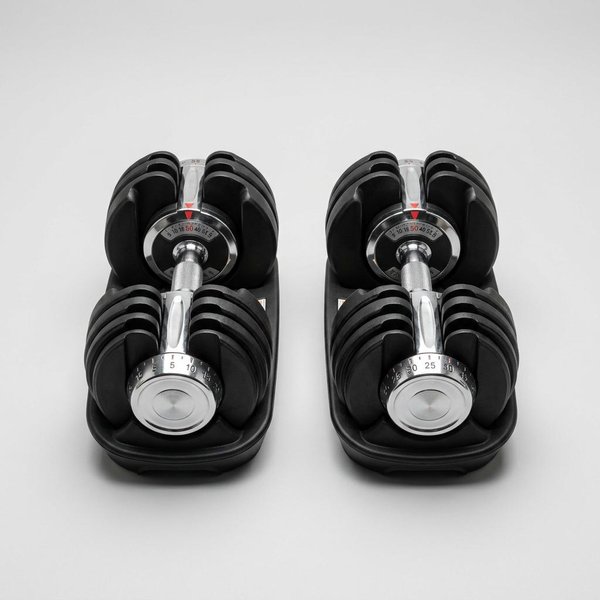
| Adjustable dumbbells (2x 25-40 lb) or single pair | Strength and hypertrophy work | $40-60 |
| Jump rope | Cardio, coordination | $10-15 |
| Yoga/exercise mat | Floor work, stretching, plyometrics | $15-25 |
| Total | ~$100 |
The $100 setup enables: resistance band rows, presses, curls, extensions, and pull-aparts; dumbbell squats, lunges, presses, rows, curls, and deadlifts; jump rope cardio intervals; floor-based core work, stretching, and mobility; and bodyweight exercises (push-ups, air squats, planks) with band-assisted variations.
Limitations: Maximum resistance is capped by dumbbell weight and band strength. Barbell movements (squats, deadlifts, bench press) are not possible. Leg training is lighter than optimal for maximum muscle development.
Best for: Absolute beginners testing home training, apartment dwellers with severe space constraints, temporary living situations, and budget-locked individuals who refuse to let financial constraints prevent fitness progress.
This tier adds a barbell and weight set—transforming training capability from "good" to "comprehensive." The barbell is the single most important equipment addition in home gym development.
| Equipment | Purpose | Est. Cost |
|---|---|---|
| Everything from Tier 1 | Foundation maintained | $100 |
| 7-foot Olympic barbell (standard 45 lb) | Compound movements | $100-150 |
| 260-300 lb weight plate set (pairs: 45, 35, 25, 10, 5, 2.5 lb) | Progressive overload | $200-300 |
| Total (new, with Tier 1) | ~$400-500 | |
| Total (used plates, with Tier 1) | ~$300 |
Critical insight: Weight plates depreciate minimally and are frequently available used on Facebook Marketplace, Craigslist, and OfferUp at 50-70% below retail. A patient buyer can assemble a 300-pound used set for $150-200. The barbell should be purchased new unless you can verify a used bar's straightness and sleeve rotation.
The $300 setup enables everything in Tier 1 plus: barbell back squats, front squats, and goblet squats; barbell deadlifts, Romanian deadlifts, and deficit deadlifts; barbell bench press (floor press until you add a bench); barbell overhead press and push press; barbell rows and power cleans; and weighted carries and farmer's walks.
Limitations: No bench for horizontal pressing (floor press works temporarily). No pull-up capability without a bar. Leg development is excellent; upper body vertical pulling is missing.
Best for: Beginners committed to long-term strength training, individuals who have confirmed they will train consistently at home, and anyone seeking maximum training capability per dollar invested.
This tier adds the final foundational pieces: a bench, pull-up bar, and storage. It represents a complete home gym that can support progression well into the intermediate and advanced training stages.
| Equipment | Purpose | Est. Cost |
|---|---|---|
| Everything from Tier 2 | Foundation maintained | $300 |
| Flat/incline adjustable bench | Horizontal pressing, support exercises | $100-200 |
| Doorway pull-up bar or power tower | Vertical pulling, hanging work | $30-100 |
| Equipment mat (4x6 ft rubber) | Floor protection, noise reduction | $40-60 |
| Storage solution (horizontal plate rack or vertical tree) | Organization, safety | $50-100 |
| Total (mix of new and used) | ~$500-600 |
The $500 setup enables everything in previous tiers plus: barbell bench press (flat and incline if bench adjusts); pull-ups, chin-ups, and hanging leg raises; barbell hip thrusts and glute bridges; supported single-leg work (Bulgarian split squats, step-ups); dedicated chest-supported rows if bench is adjustable; and a protected, organized training space that feels like a real gym.
Best for: Beginners who have confirmed 6+ months of consistent training and want a permanent, organized setup; individuals with dedicated space who want to eliminate any remaining equipment-based limitations; and anyone who values the psychological impact of a complete, organized training environment on workout consistency.
The most expensive home gym is the one you don't use. Start with Tier 1, confirm 8-12 weeks of consistent training, then add equipment progressively. Unused equipment represents wasted money and guilt-inducing clutter.
That matching colored bumper plate set looks incredible on Instagram. Standard iron plates at half the price deliver identical training stimulus. Invest in function first; upgrade aesthetics when your budget allows after core needs are met.
A dropped dumbbell or barbell can crack tile, dent hardwood, and destroy concrete surfaces. A $50 rubber mat prevents thousands in floor repair. This is not optional—it is essential infrastructure.
The barbell is the most mechanically complex and safety-critical piece in your gym. A bent barbell with seized sleeves is dangerous and useless. Budget at least $100-150 for a new barbell from a reputable manufacturer.
Overhead pressing and pull-ups require adequate vertical clearance. Measure before ordering equipment that won't fit. A pull-up bar that hits the ceiling is an expensive disappointment.
Equipment enables training; programming produces results. See Phase 5 below for a complete beginner workout plan.
This full-body program requires only the Tier 1 equipment and bodyweight. Perform 3 days per week (Monday/Wednesday/Friday or Tuesday/Thursday/Saturday) with at least one rest day between sessions.
| Exercise | Sets x Reps | Notes |
|---|---|---|
| Goblet squats (dumbbell) | 3 x 10-12 | Hold dumbbell at chest |
| Push-ups (or knee push-ups) | 3 x 8-12 | Full range of motion |
| Resistance band rows | 3 x 12-15 | Door anchor at chest height |
| Dumbbell Romanian deadlifts | 3 x 10-12 | Light weight, feel hamstrings |
| Resistance band face pulls | 3 x 15-20 | Pull to face level |
| Plank | 3 x 30-45 seconds | Maintain straight line |
| Exercise | Sets x Reps | Notes |
|---|---|---|
| Dumbbell lunges | 3 x 10 each leg | Controlled descent |
| Dumbbell overhead press | 3 x 10-12 | Standing or seated |
| Resistance band pull-aparts | 3 x 15-20 | Control the return |
| Dumbbell floor press | 3 x 10-12 | Lying on mat |
| Jump rope | 3 x 60 seconds | Rest 60s between sets |
| Dead bug | 3 x 8 each side | Lower back pressed to floor |
Progression: When you can complete all sets at the top of the rep range with good form, increase dumbbell weight by the smallest increment available (typically 2.5-5 pounds).
Never miss two consecutive scheduled training days. One missed session is life; two is the beginning of a pattern. This simple rule has kept more people consistent than any sophisticated periodization scheme.
Log every workout: exercises, sets, reps, and weight. Progress visible in your training log is the most powerful motivation available. Free apps like Strong, FitNotes, or even a simple notebook work perfectly.
Make your gym space visually inviting. Good lighting, a speaker for music, and a clean, organized layout remove psychological barriers to starting sessions. The best gym is the one you want to enter.
Strength increases, energy levels, sleep quality, mood, and how your clothes fit all matter more than bodyweight. The scale is a poor single metric; use multiple progress indicators.
Building a beginner home gym is not about spending the most money or filling the most space. It is about creating an environment that removes barriers between your intention to train and your actual training. Start with $100 of resistance bands, dumbbells, and a jump rope. Confirm your consistency. Add a barbell and weights. Confirm continued consistency. Add a bench and pull-up bar. Build progressively.
The $500 complete setup described in Tier 3, assembled over 3-6 months of confirmed training, produces results that rival any commercial gym membership at a fraction of the lifetime cost—with the priceless addition of zero commute time, zero waiting for equipment, zero social anxiety, and the freedom to train on your schedule, in your space, exactly as you prefer.
That freedom is what the SnugGym promise is all about.
Last updated: January 2025. Equipment recommendations and pricing subject to change. All programs should be started with appropriate medical clearance. The SnugGym Editorial Team advises consulting a healthcare professional before beginning any new exercise program.