Amazon Basics vs Yes4All Fitness Equipment: Budget Gear Comparison
Comprehensive comparison of Amazon Basics vs Yes4All fitness equipment covering dumbbells, kettlebells, resistance bands...
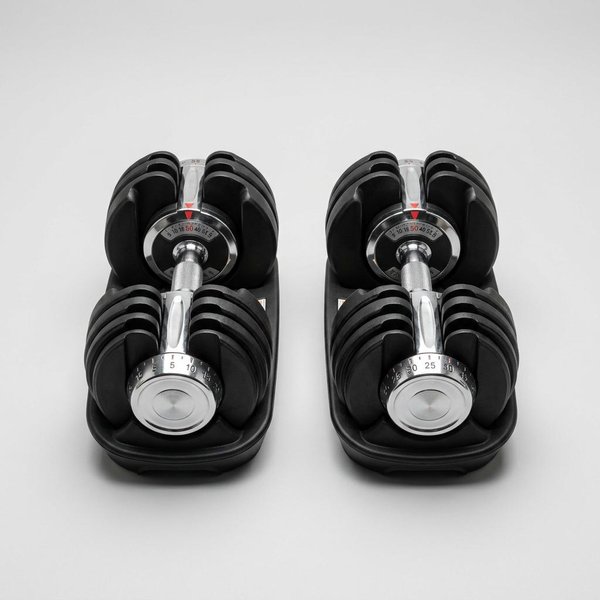
Our research-backed maintenance schedule and guide for home gym equipment, covering barbells, dumbbells, cardio machines, flooring, and cable systems to maximize equipment lifespan.
Our comprehensive maintenance guide provides evidence-based schedules and procedures for preserving home gym equipment functionality, safety, and appearance — preventing costly replacements and workout interruptions.
Home gym equipment represents a significant financial investment: a modest setup with barbell, plates, rack, and bench typically exceeds $1,000, while comprehensive configurations reach $5,000-10,000. Yet many owners neglect basic maintenance, accelerating wear that reduces equipment lifespan by 30-50%. A barbell that should last 20+ years with proper care may develop rust, sleeve looseness, and knurl degradation within 5 years in a humid garage environment.
This guide provides actionable maintenance schedules organized by equipment category, with specific procedures, product recommendations, and time requirements. Following these protocols protects your investment and ensures consistent training quality.
Every minute of preventive maintenance saves approximately 10 minutes of corrective work — and often prevents irreversible damage. Wiping chalk from a barbell after each session takes 30 seconds; removing caked chalk corrosion requires 30 minutes of brushing, chemical treatment, and oiling.
Equipment stored in climate-controlled, low-humidity environments requires dramatically less maintenance than identical equipment in damp garages or uninsulated sheds. If you control nothing else, control humidity (target <60% RH) and temperature stability.
Maintain a simple log of maintenance activities: dates, procedures performed, observations. This creates accountability and helps identify patterns — if your barbell needs oiling every 3 weeks in summer but every 8 weeks in winter, you can adjust schedules seasonally.
Barbells are the most maintenance-sensitive equipment in most home gyms. They combine precision bearings/bushings, high-grade steel, and chrome or zinc coatings — all vulnerable to sweat, chalk, humidity, and impact.
Brush the shaft: Use a nylon bristle brush to remove chalk residue from the knurling. Chalk absorbs moisture from sweat and air, creating a paste that accelerates oxidation. Nylon Bristle Brush Set — $8-12.
Wipe the shaft: Apply a microfiber towel with light pressure to remove sweat and skin oils. Pay special attention to the center section (where the bar contacts your upper back during squats) and the knurling where hands grip.
Store vertically or on rack: Never leave loaded bars on the floor. Weight on the sleeves stresses bearings unevenly; floor contact exposes the shaft to moisture and impacts.
Inspect sleeves: Spin sleeves by hand. They should rotate smoothly with minimal lateral play. Grabbing or uneven rotation indicates debris in bearings/bushings or lubrication breakdown.
Inspect knurling: Check for rust spots, particularly in the center and under the outermost knurl rings. Early surface rust (orange powder) brushes off easily; left untreated, it progresses to pitting.
Clean sleeves: Wuke sleeves with a dry cloth to remove dust and debris that can enter bearing assemblies.
Deep clean the shaft: Use a brass bristle brush (for chrome bars) or stiff nylon brush (for cerakote/zinc bars) along the knurling grain. This removes embedded chalk and oxidation without damaging the finish. Brass Bristle Brush — $6-10.
Apply protectant: Use 3-in-1 oil or specialized barbell oil on a microfiber cloth, wipe along the shaft, and let sit for 10 minutes. Wipe excess — a thin film remains for protection. HOPPE'S No. 9 Lubricating Oil — $5-8, or Bar Shield Barbell Oil — $12-15.
Inspect and tighten end caps: Push-fit end caps can loosen over time. Ensure they seat fully; loose caps allow debris into sleeves.
Deep sleeve service (bushing bars): Remove end caps if possible, brush visible debris from bushings, apply light machine oil to bushing surfaces. Reassemble and test sleeve rotation.
Deep sleeve service (bearing bars): This requires manufacturer-specific procedures. Generally: remove snap rings, extract bearings, clean with degreaser, repack with high-pressure bearing grease, reassemble. Consider professional service for premium bearing bars ($100-200) unless you're mechanically confident.
Inspect shaft straightness: Roll the bar on a flat surface. Any wobble indicates bending from drops or failed lifts. Minor bends may be correctable; significant bends require replacement.
Full disassembly and inspection: Remove all removable components. Inspect for cracks, deformation, or abnormal wear patterns. Deep clean all surfaces. Reapply protective coatings as needed.
Professional calibration: For calibrated competition bars, consider professional inspection for weight tolerance, straightness, and sleeve runout.
Monthly: Wipe handles with damp cloth and dry immediately. Inspect rubber coating for tears or separation from the iron core — exposed metal rusts quickly. Apply light oil to any exposed metal surfaces.
Quarterly: Check handle knurling for oxidation. Brush and oil as with barbells. Ensure rubber ends are not cracking or separating — cracked rubber traps moisture against the iron.
Weekly (5 minutes): Inspect adjustment mechanisms for debris. Dial systems (Bowflex, NordicTrack) can trap chalk and dust in selector grooves, causing misalignment and difficult rotation. Blow out debris with compressed air or brush clean.
Monthly (15 minutes): Apply silicone lubricant to moving parts. Check that all weight plates seat firmly — loose plates rattle, wear adjustment mechanisms, and create safety hazards. 3-IN-ONE Silicone Spray Lubricant — $7-10.
Quarterly (30 minutes): Deep clean adjustment mechanisms. Remove plates if design permits; brush and wipe contact surfaces. Inspect cradle/stand for wear. Tighten any loose fasteners.
Per-use: Remove collars, wipe handles and sleeves. Store unloaded with collars attached to prevent loss.
Monthly: Oil handle surfaces to prevent rust. Check collar threads for damage. Inspect sleeves for burrs that could damage plates or hands.
Monthly: Wipe with oiled cloth to prevent surface rust. Check for paint chips — exposed iron surfaces oxidize within days in humid environments. Touch up with rust-inhibiting paint: Rust-Oleum Stops Rust Spray Paint — $8-10.
Quarterly: Inspect center holes for burrs or damage that could scratch barbell sleeves. File smooth if necessary. Check plate faces for cracks — cracked cast iron plates can fail catastrophically under load.
Weekly: Wipe rubber surfaces with damp cloth. Remove chalk, sweat, and debris that degrade rubber over time. Dry thoroughly — wet rubber attracts mold in humid environments.
Monthly: Inspect steel insert hubs for looseness. Premium bumpers (Rogue, Eleiko) use hooked inserts that rarely loosen; budget plates may develop rotation or separation. Loose hubs accelerate sleeve wear and create dangerous loading conditions.
Quarterly: Apply rubber conditioner to prevent drying and cracking, particularly in hot, dry climates or heated indoor environments. 303 UV Protectant Spray — $12-15.
Monthly: Inspect all bolts, nuts, and fasteners. Vibration from racking weights loosens connections over time. Tighten to manufacturer torque specifications — typically 30-50 ft-lbs for rack frame bolts.
Quarterly: Touch up paint chips and scratches with matching spray paint or nail polish. Exposed steel frames rust from the inside out in humid environments; surface protection is structural protection.
Annually: Disassemble major bolted joints if possible, inspect for internal rust or corrosion. Reassemble with anti-seize compound on threads to prevent galling.
Monthly: Inspect UHMW plastic liners for wear, cracking, or separation. These liners protect both your barbell knurling and the rack's powder coat. Replace when worn through to metal — continued use damages both bar and rack.
Quarterly: Check that J-hooks sit level and securely in rack holes. Test safety spotter arms with light drops (empty bar) to verify they catch properly and don't deform. Inspect welds for cracks.
Weekly: Wipe vinyl covers with disinfectant. Sweat degrades vinyl over time and creates odor. Lysol Disinfectant Spray — $5-7.
Monthly: Inspect stitching and seams for separation. Check foam firmness — compressed foam reduces stability and comfort. Quality bench foam lasts 5-10 years; budget foam may compress significantly within 2-3 years.
Weekly: Wipe down console, handrails, and belt edges. Vacuum under and around the machine to prevent debris ingestion.
Monthly: Lubricate the belt per manufacturer specifications — typically 100% silicone lubricant applied between belt and deck every 3-6 months or 150 miles. IMPRESA Treadmill Lubricant — $12-15. Check belt tension and alignment; adjust per manual. Inspect power cord for damage.
Quarterly: Vacuum motor compartment after unplugging. Dust accumulation causes overheating and premature motor failure. Check drive belt tension.
Weekly: Wipe rail and seat rollers. Clean handle grip. Inspect chain or strap for wear.
Monthly: Lubricate chain (Concept2 and similar) with clean motor oil. Wipe excess. Check foot straps for fraying. Inspect seat rollers for smooth travel — replace when worn or noisy.
Quarterly: Tighten all fasteners. Clean flywheel fan blades (vacuum or compressed air). Check damper mechanism for smooth operation.
Monthly: Wipe down all surfaces. Inspect pedal straps or clip mechanisms. Tighten crank bolts and seat post clamps. Lubricate chain or belt drive per manufacturer instructions.
Quarterly: Check brake pad wear (friction bikes) or magnetic resistance function. Tighten handlebar and seat adjustments. Test emergency stop function.
Monthly: Inspect cables for fraying, kinking, or corrosion. Frayed cables are catastrophic failure hazards — replace immediately if any strands are broken. Wipe cables with dry cloth; oil lightly if manufacturer recommends.
Quarterly: Lubricate pulley bearings with light machine oil. Check pulley alignment — misaligned pulleys accelerate cable wear. Inspect attachment points and carabiners for deformation or cracks.
Annually: Replace cables as preventive maintenance if visible wear is present, even if not yet frayed. Cable failure under load causes serious injury. Replacement cost ($20-50) is trivial compared to injury or machine damage.
Weekly: Sweep or vacuum to remove grit that acts as abrasive. Spot-clean sweat and spills with mild detergent.
Monthly: Deep clean with pH-neutral floor cleaner. Avoid harsh chemicals that degrade rubber binders. Inspect for separation at seams, lifting at edges, or significant wear patterns under heavy equipment.
Weekly: Vacuum or wipe tiles. Inspect interlocking edges for tearing — torn edges don't lock properly and create trip hazards. Replace individual tiles as needed.
Monthly: Disassemble and clean under tiles if moisture accumulation is suspected. Foam trapped against concrete in humid environments can mold.
| Equipment | Daily | Weekly | Monthly | Quarterly | Annual |
|---|---|---|---|---|---|
| Barbell | Brush, wipe | Inspect sleeves | Deep clean, oil | Sleeve service | Full inspection |
| Dumbbells | Wipe (adj.) | Inspect adj. mech. | Clean, lube | Deep clean | Replace worn parts |
| Plates | — | Wipe bumpers | Oil iron plates | Inspect inserts/hubs | Inventory check |
| Rack/Bench | — | Wipe bench pad | Tighten bolts | Touch up paint | Disassemble inspect |
| Treadmill | Wipe console | Vacuum around | Lube belt | Clean motor | Professional service |
| Rowing Machine | Wipe rail | Inspect chain/strap | Lube chain | Tighten, clean | Replace wear parts |
| Flooring | Sweep | Spot clean | Deep clean | Inspect edges/seams | Evaluate replacement |
Assemble this kit for approximately $50-75 and handle 90% of home gym maintenance:
| Item | Purpose | Cost |
|---|---|---|
| Nylon bristle brush set | Barbell cleaning, general scrubbing | $10-15 |
| Brass bristle brush | Chrome barbell deep cleaning | $6-10 |
| Microfiber towels (6-pack) | Wiping, oiling, drying | $10-12 |
| 3-in-1 oil or barbell oil | Metal protection | $5-15 |
| Silicone spray lubricant | Adjustable mechanisms | $7-10 |
| pH-neutral floor cleaner | Flooring maintenance | $8-12 |
| Touch-up spray paint | Frame chip repair | $5-8 |
| Adjustable wrench set | Bolt tightening | $15-25 |
Equipment maintenance is the boring but essential discipline that separates functional home gyms from neglected storage rooms. The time investment is modest — 15-30 minutes weekly for most setups — and the return is measured in years of extended equipment life, reduced replacement costs, and safer training conditions.
Our recommendation: Start with the per-use barbell care (2 minutes) and weekly bolt-checking routine. Add monthly and quarterly tasks as habits solidify. The best maintenance schedule is the one you actually follow consistently, not the most comprehensive one.
| Image | Product | Price | Badge | Link |
|---|---|---|---|---|
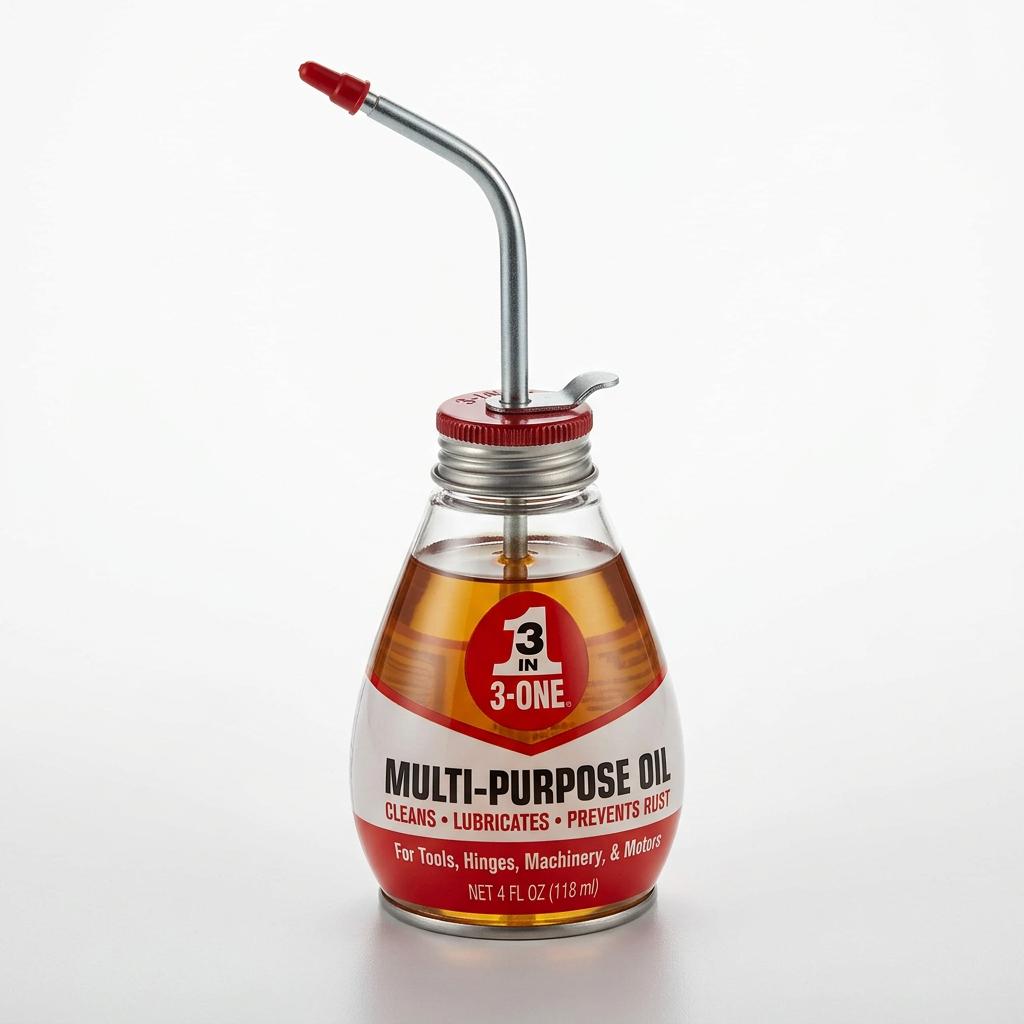 |
3-IN-ONE Multi-Purpose Oil | $5-$8 | Best Overall | Check Price |
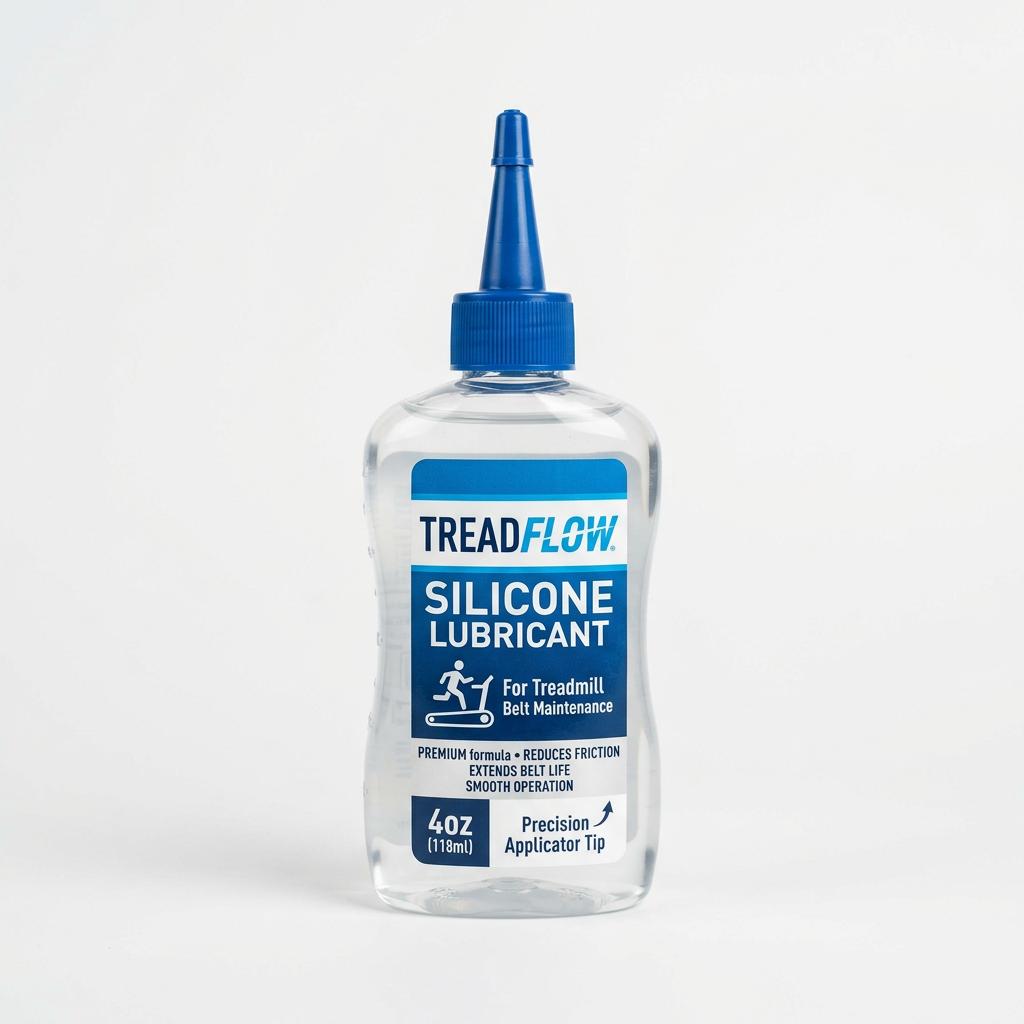 |
IMPRESA 100% Silicone Treadmill Lubricant | $10-$15 | Best for Cardio | Check Price |
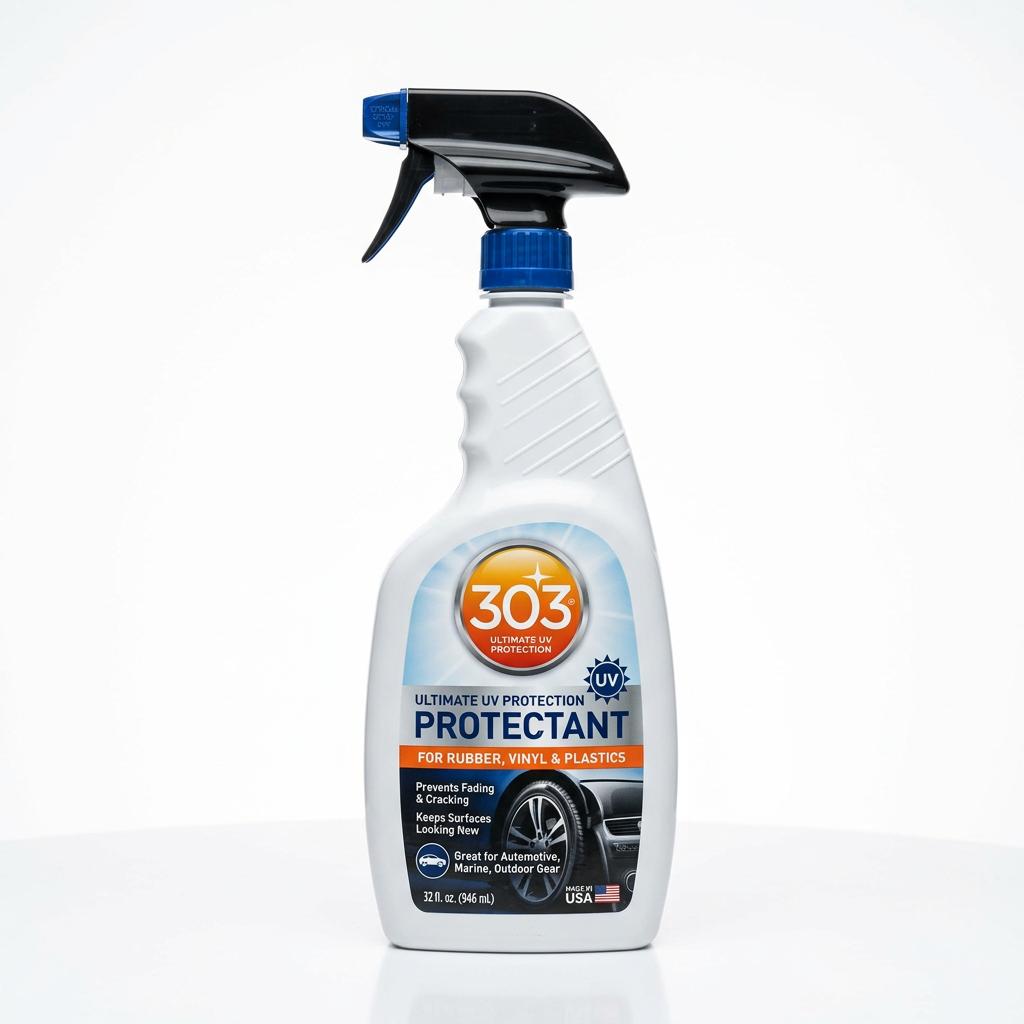 |
303 Products UV Protectant Spray | $12-$18 | Best for Rubber/Flooring | Check Price |
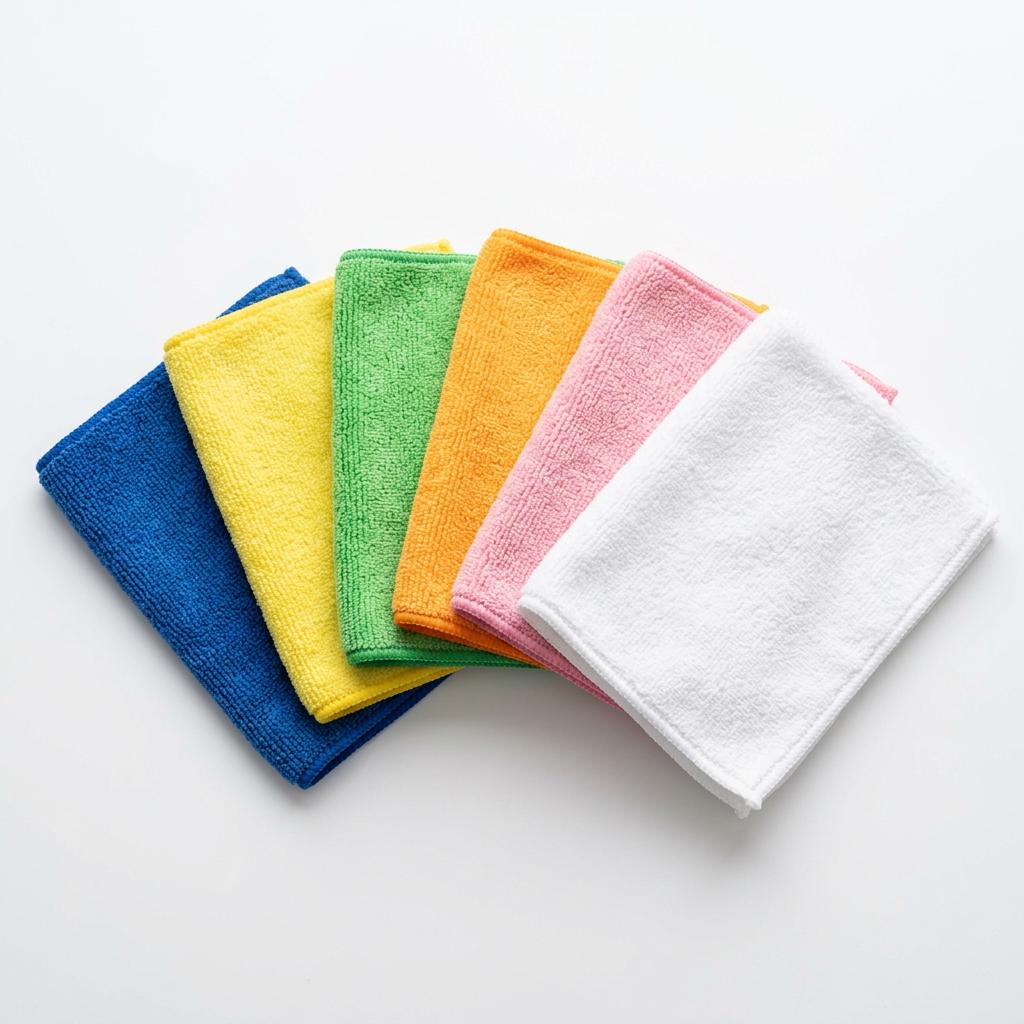 |
Amazon Basics Microfiber Cleaning Cloths | $8-$12 | Best Budget | Check Price |
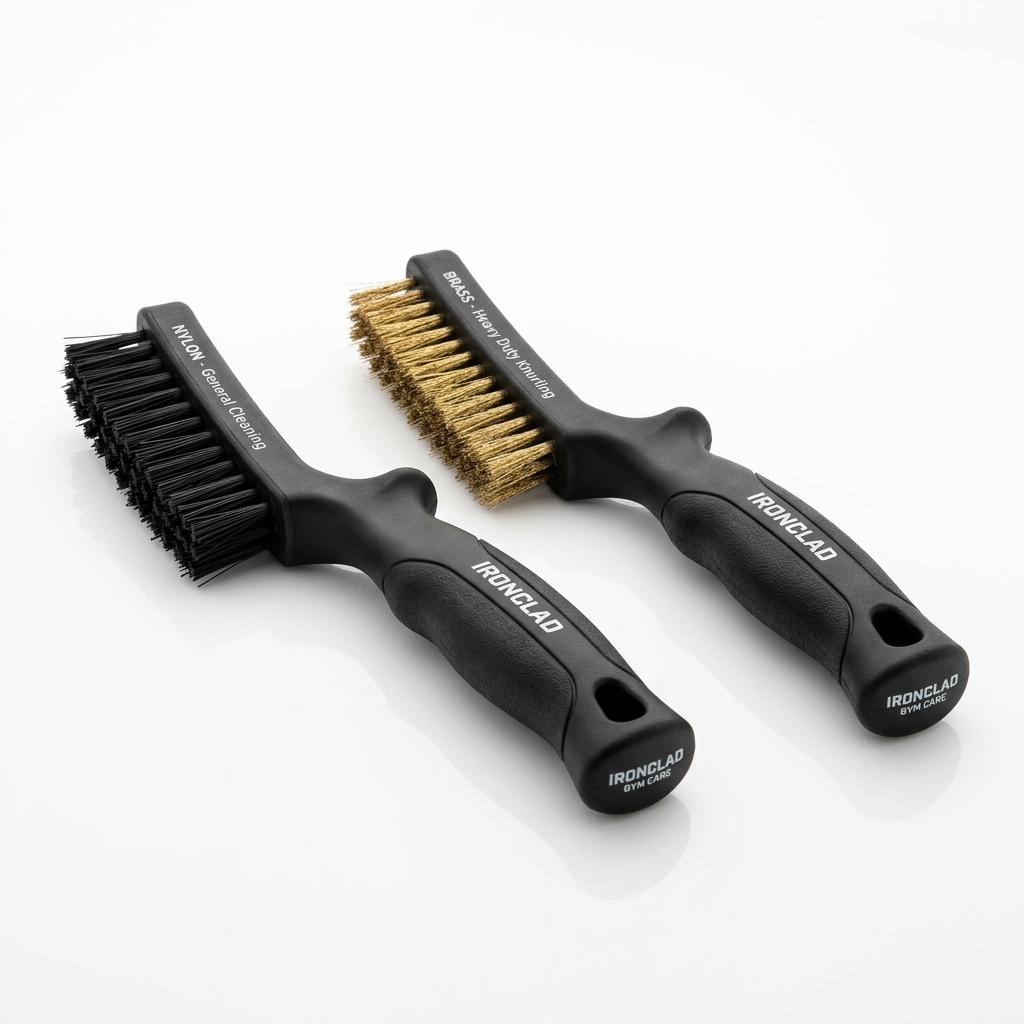 |
Rogue Nylon and Brass Barbell Brush Set | $12-$18 | Premium Pick | Check Price |
The essential all-in-one oil for protecting and maintaining every metal surface in your home gym.
A specialized silicone lubricant that keeps treadmill belts running smoothly while extending motor and deck life.
A specialized UV protectant that keeps rubber gym flooring, bumper plates, and accessories looking and performing like new.
An essential, color-coded microfiber cloth set for keeping every piece of gym equipment clean and protected.
A specialized two-brush set designed specifically for keeping barbell knurling clean and corrosion-free.
3-IN-ONE oil is the unsung hero of gym maintenance. A thin film applied monthly to barbell shafts, dumbbell handles, and rack bolts prevents rust and keeps metal surfaces moving smoothly. The classic teardrop can with its long spout lets you apply precisely the right amount exactly where you need it. For barbell owners, this single product handles 90% of your maintenance needs. The four-ounce can lasts most home gym owners well over a year.
Check Price on Amazon
Treadmill lubrication is the maintenance task most home gym owners neglect - and it's the most important. The IMPRESA silicone lubricant reduces friction between the belt and deck, which not only creates a smoother running surface but significantly reduces motor strain. An unlubricated treadmill belt can burn out a motor in months. This 4-ounce bottle with its precision applicator tip makes the quarterly lubrication task simple and mess-free, and it's compatible with virtually every residential treadmill on the market.
Check Price on Amazon
The 303 UV Protectant is the secret weapon for gym owners with rubber flooring or equipment near windows. Sunlight degrades rubber over time, causing it to fade, crack, and lose elasticity. A monthly application of 303 creates an invisible barrier that blocks harmful UV rays while restoring the original color and sheen of rubber, vinyl, and plastic surfaces. It's particularly valuable for bumper plates, rubber flooring tiles, and exercise mats that see daily use.
Check Price on Amazon
Microfiber cloths are the workhorse of gym maintenance, and this 24-pack from Amazon Basics ensures you always have a clean one ready. Use one color for barbell oiling, another for wiping down benches, and a third for cardio equipment. The ultra-soft fibers trap dust and moisture without scratching chrome, cerakote, or powder-coated surfaces. Toss them in the washing machine when dirty and they're ready for hundreds more uses. At roughly 50 cents per cloth, this is the best value in gym maintenance.
Check Price on Amazon
The Rogue Barbell Brush Set is purpose-built for the most maintenance-sensitive piece of equipment in your gym. The nylon brush is for daily use - a quick scrub after each session removes chalk and sweat before they can cause oxidation. The brass brush is for monthly deep-cleaning of chrome bars, restoring knurling to its original sharpness by removing embedded chalk and surface rust. The ergonomic handles make the task comfortable, and the compact size stores easily in any gym bag or maintenance kit.
Check Price on Amazon