Build a home gym the whole family can use safely. Covers kid-proofing, equipment by age, shared space design, storage, family workouts, budget for multi-user, and durability considerations.
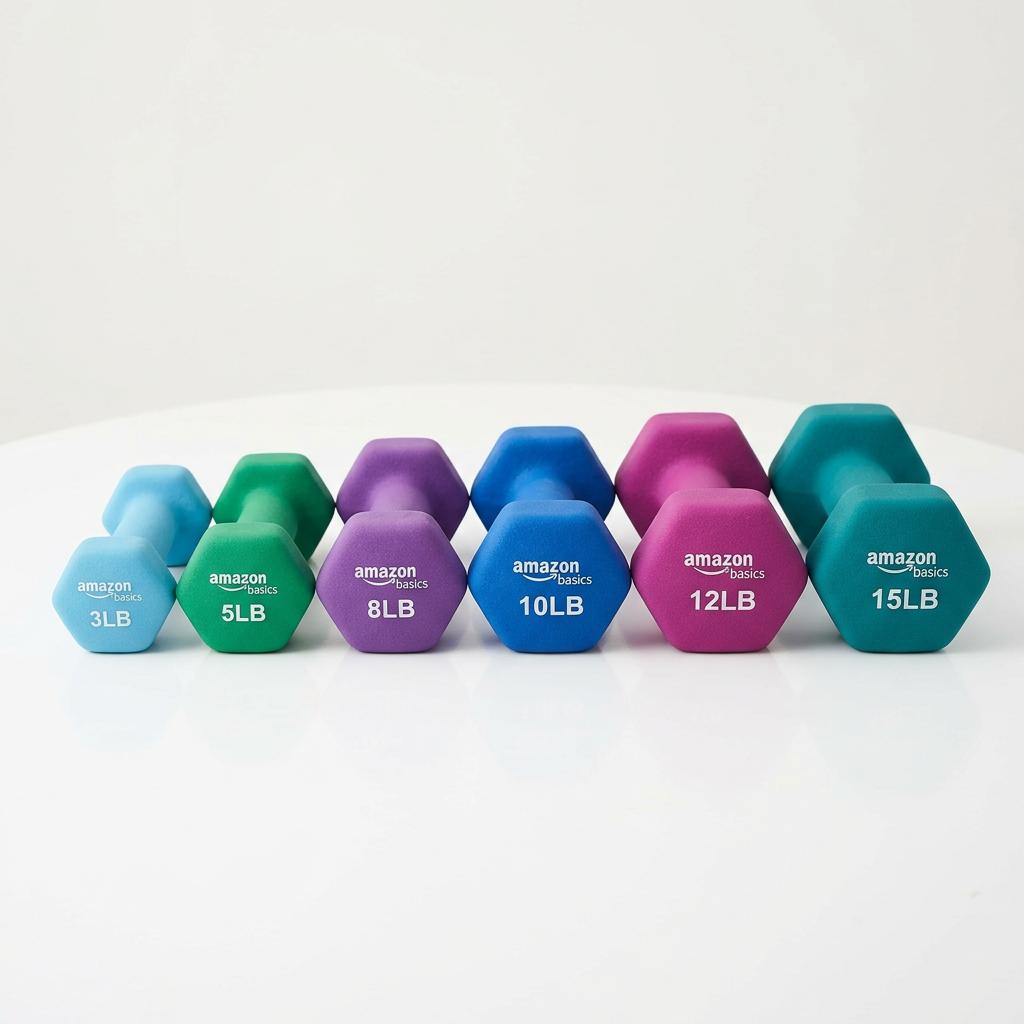
The neoprene coating on these dumbbells makes them comfortable and safe for teen users while the hexagonal shape prevents dangerous rolling when little ones are nearby. The weight range (3-15 lbs) covers everyone from pre-teens doing their first bicep curls to adults doing light accessory work. The color coding helps kids identify weights and adds a fun element that encourages participation.
Best For
Safe strength training for kids, teens, and adults
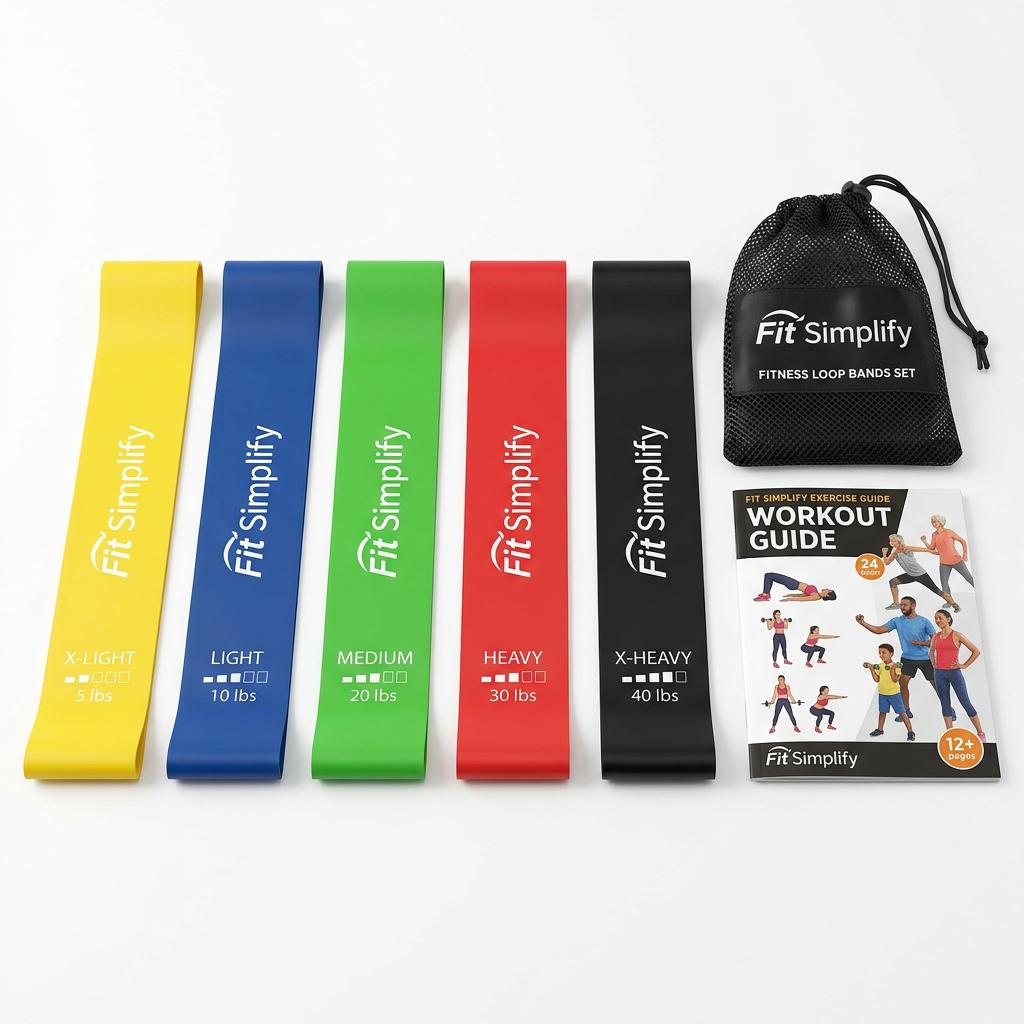
Resistance bands are the safest way to introduce children to resistance training — there are no heavy weights to drop, no crushing risk, and the resistance naturally matches the user's strength. The X-Light (5 lb) and Light (10 lb) bands are perfect for kids and pre-teens. The included exercise guide shows proper form for fundamental movements. Adults can use the heavier bands for their own training.
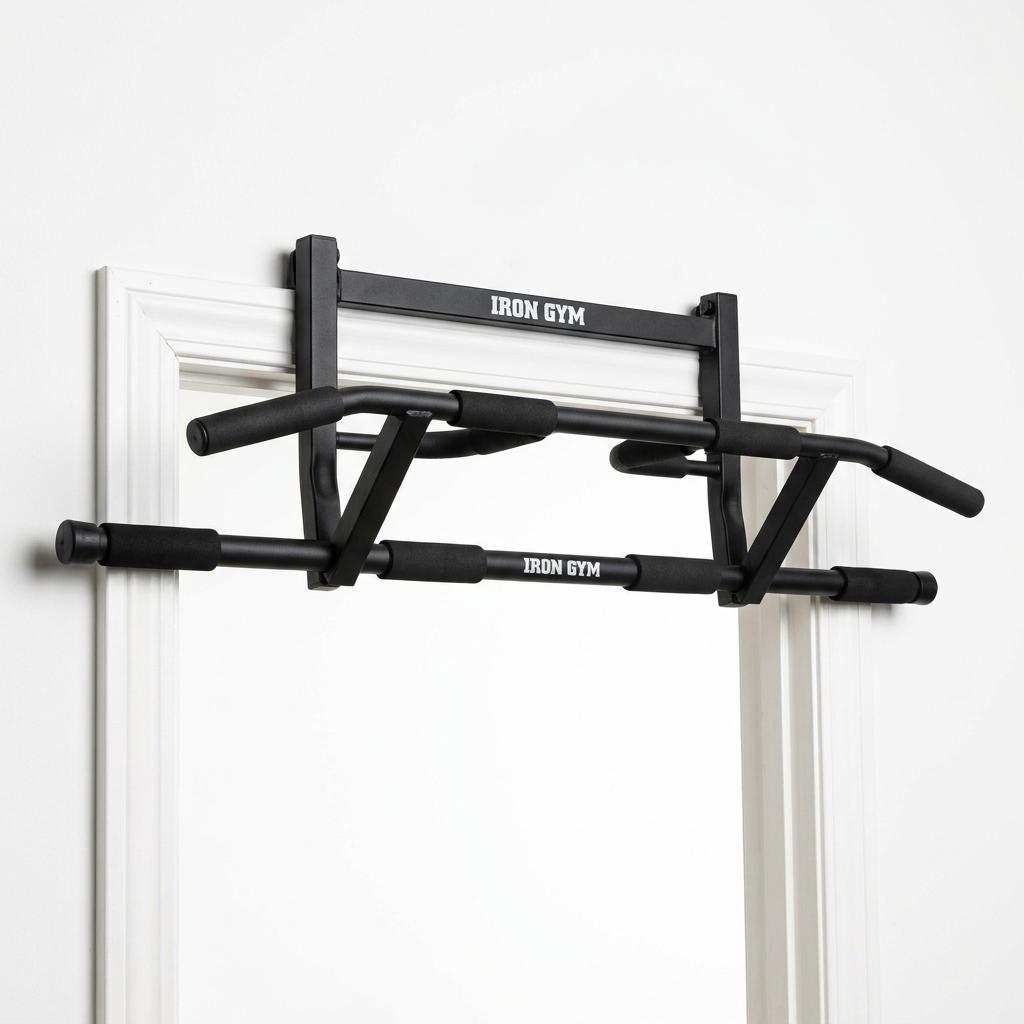
The Iron Gym uses leverage to secure itself in a doorway frame — no drilling or permanent installation required. This means it can be removed when not in use (keeping it away from young children) or moved between doorways. The multi-grip design (narrow, wide, neutral) provides progression options from assisted pull-ups to advanced variations. Teens can start with hangs and negatives while adults do full pull-ups.
Best For
Teen and adult upper body strength — removable for safety
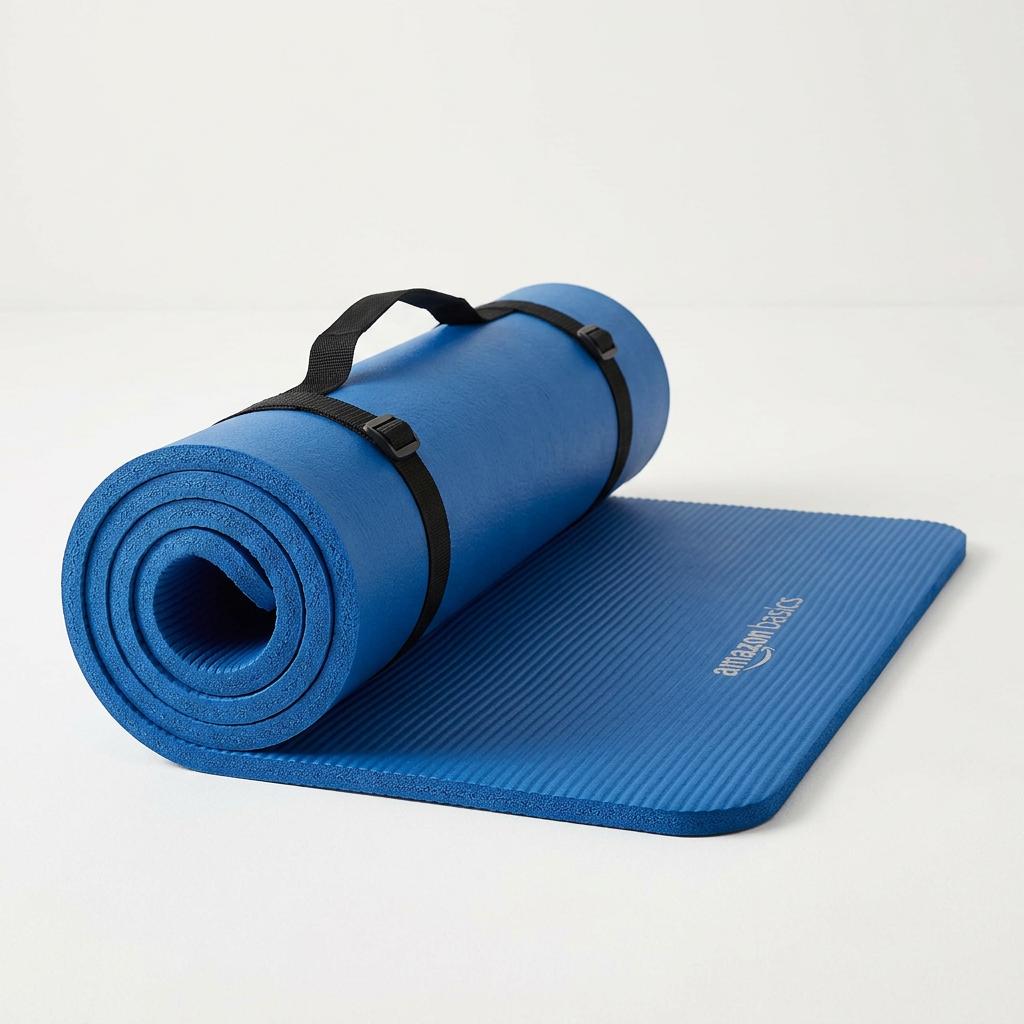
This 1/2-inch thick NBR foam mat serves dual purposes in a family gym: it protects floors from dropped dumbbells and provides a comfortable surface for kids' tumbling, yoga, stretching, and core work. The non-slip texture keeps it in place even when kids are running around. Easy to wipe clean after sweaty sessions. At under $20, buy multiple to create designated zones.
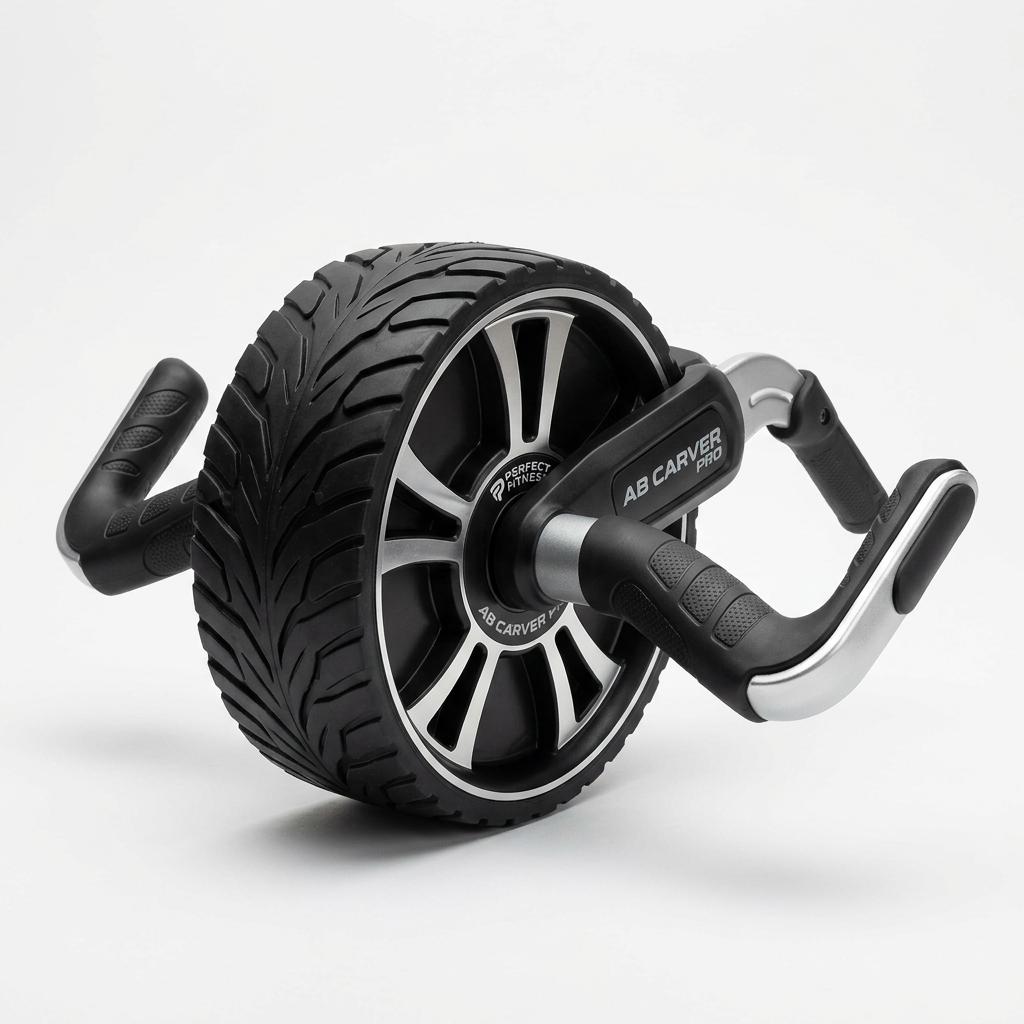
The Ab Carver Pro's wide wheel and internal spring mechanism make it more forgiving than traditional ab rollers, which means teens and fitness-curious family members can use it without face-planting. The ergonomic handles reduce wrist strain. The wide tread grips most surfaces without slipping. Turn core work into a family challenge — who can hold the plank position longest?
This post contains affiliate links. As an Amazon Associate, SnugGym earns from qualifying purchases. This comes at no extra cost to you and helps support our independent research. We only recommend products our editorial team has personally vetted.
Introduction: A Gym That Grows With Your Family
Childhood physical activity patterns established before age 12 strongly predict adult fitness levels and health outcomes, according to longitudinal research published in the International Journal of Behavioral Nutrition and Physical Activity. Children who see their parents exercising regularly are significantly more likely to maintain active lifestyles into adulthood—a phenomenon researchers call "observational learning" or simply, modeling.
A family home gym isn't just a convenience for parents trying to fit workouts into busy schedules. It's an investment in your children's lifelong relationship with physical activity. When fitness is woven into the fabric of home life—when kids see deadlifts between homework sessions and yoga mats rolled out after dinner—exercise becomes normalized, not exceptional.
But family gyms require unique considerations: safety for curious toddlers, equipment appropriate for growing bodies, space that accommodates multiple users simultaneously, storage that prevents accidents, and durability that withstands the enthusiasm (and occasional misuse) of young users. This guide addresses every consideration.
Safety First: Kid-Proofing Your Home Gym
Safety is the non-negotiable foundation of any family gym. The following rules should be established before any equipment enters your home.
The Safety Rules (Display Prominently)
Rule
Rationale
No children under 12 use equipment without adult supervision
Prevent misuse and injury
Always re-rack weights and secure collars
Prevent falling weights and tripping hazards
No climbing on racks, benches, or storage
Prevent tipping and falls
No running in the gym area
Prevent collisions with equipment and users
Ask before touching any equipment
Ensure adult awareness of children's activities
Wear closed-toe shoes when weights are in use
Protect feet from dropped items
Physical Safety Measures
Measure
Implementation
Cost
Safety spotter arms on rack
Always set at appropriate height
Included with rack
Weight plate collars
Always use on loaded barbells
$10-20
Rubber gym flooring
Cover entire training area
$50-150
Equipment storage with locking
Locking cabinet or high shelf for small items
$30-100
Pinch-point guards
Foam padding on rack uprights at child height
$10-20
Mirror
Full-length mirror for form checking and spatial awareness
$30-100
First aid kit
Mounted on wall, easily accessible
$15-25
Fire extinguisher
Near gym area ( Class B or ABC )
$20-30
Our Top Pick for Family Safety:ProsourceFit Extra Thick Puzzle Exercise Mat (12 tiles, 48 sq ft coverage, 3/4-inch thick). The interlocking edges create a seamless surface that cushions falls, reduces noise, and defines the "gym zone" visually for children.
As an Amazon Associate, we earn from qualifying purchases. Learn more
Equipment Selection by Age
Ages 3-5: Movement Foundations
At this age, the goal isn't "exercise"—it's movement exploration. The home gym space becomes a movement playground.
Equipment
Use
Cost
Foam balance beam (floor level)
Balance, coordination
$15-25
Soft foam blocks
Climbing, building, safe landing
$20-30
Hula hoops
Hip mobility, coordination
$10-15
Soft medicine ball (2-4 lbs)
Throwing, catching, light carrying
$15-20
Mini cones
Agility games, movement patterns
$10-15
Yoga mat (their own)
Designated "their" space
$10-15
Our Top Pick:We Sell Mats Gymnastics Incline Mat provides a safe, soft surface for climbing, rolling, and tumbling. The vinyl cover wipes clean easily.
As an Amazon Associate, we earn from qualifying purchases. Learn more
Parent's Role: Demonstrate exercises. Let children "mirror" your movements. Keep sessions playful (5-10 minutes). Never force participation.
Ages 6-8: Skill Development
Children this age can begin following simple exercise routines with light equipment.
Equipment
Use
Cost
Light resistance bands (yellow/red)
Pull-aparts, assisted movements
$10-15
1-3 lb dumbbells (or water bottles)
Light pressing, rowing
$10-20
Jump rope (shortened)
Coordination, cardio
$8-12
Foam roller (small)
Introduction to recovery
$15-20
Agility ladder
Footwork, coordination
$15-25
Our Top Pick:Gaiam Kids Yoga Mat (3mm, 60x24 inches, fun patterns) gives children their own designated fitness space.
Key Principle: Focus on movement quality, not weight. Teach proper form with bodyweight before adding any external load. Make it fun—create obstacle courses, timed challenges, and movement games.
Ages 9-12: Structured Training Introduction
Pre-teens can begin more structured strength training with appropriate supervision and loads.
Equipment
Use
Cost
5-10 lb dumbbells
Presses, rows, lunges
$15-30
Resistance band set
Full-body circuits
$20-30
Light kettlebell (5-15 lbs)
Swings (with proper form), goblet squats
$20-40
Adjustable bench (shared, supervised)
Incline press, rows
Shared with adults
Pull-up bar (assisted with band)
Pull-up and chin-up development
Shared with adults
Research Note: The Journal of Strength and Conditioning Research published a comprehensive review concluding that supervised strength training is safe and beneficial for children as young as 7-8 years old, with documented improvements in bone density, motor performance, and body composition.
Ages 13+: Adolescent Training
Teenagers can follow adult training programs with appropriate load management. The family gym becomes fully shared space.
As an Amazon Associate, we earn from qualifying purchases. Learn more
Storage and Locking Solutions
The Lockable Cabinet
A locking cabinet or storage unit keeps dangerous equipment away from young children while keeping accessible items available for supervised use.
Storage Item
Lock Required?
Height Requirement
Barbells with plates
Yes
High wall mount or locked cabinet
Heavy dumbbells (25+ lbs)
Yes
High shelf or locked cabinet
Light dumbbells (under 15 lbs)
No
Low shelf, supervised access
Resistance bands
No
Hooks at child height
Jump ropes
No
Hooks at child height
Yoga mats
No
Floor rack or rolled in corner
Kettlebells
Yes
High shelf or locked cabinet
Our Top Pick:Suncast BMC3000 Cabinet (resin construction, lockable doors, adjustable shelves) stores plates, heavy dumbbells, and dangerous items securely. The resin construction won't rust and wipes clean easily.
The "Ask First" System
For children old enough to understand (6+), implement a simple permission system:
Green items (bands, mats, light jump ropes): Free access, any time
Yellow items (light dumbbells, foam roller): Ask first, usually approved
Red items (barbells, heavy dumbbells, kettlebells, rack): Adult use only
Label storage areas with colored tape or tags.
Family Workout Ideas
The Family Fitness Circuit (20 minutes)
Everyone participates at their own level:
Station
Adult Version
Child Version (6+)
Duration
1
Push-ups
Wall push-ups or plank
30 sec
2
Bodyweight squats
Air squats (focus on form)
30 sec
3
Jump rope (or high knees)
Jumping jacks
30 sec
4
Resistance band rows
Superhero flies (band pull-aparts)
30 sec
5
Plank
Dead bug or bear crawl
30 sec
6
Lunges
Walking in place with high knees
30 sec
Rest 30 seconds between stations. Complete 2-3 rounds.
The Fitness scavenger Hunt
Hide exercises written on cards around the gym area. Children draw cards and complete the exercise:
"Do 10 frog jumps"
"Hold a tree pose for 20 seconds"
"Bear crawl across the mat"
"Do 5 superhero pushes (push-ups)"
Parent-Child Partner Exercises
Exercise
How To Do It
Wheelbarrow walks
Child holds plank position on hands; parent holds ankles. Walk across room.
Partner squats
Face each other, hold hands. Squat simultaneously.
Leg throw-downs
Child lies on back; parent stands at head. Child raises legs; parent gently pushes them down. Child resists.
Piggyback squats
Parent squats with child on back (lightweight children only)
Mirror me
Parent leads movement sequence; child copies exactly
Budget for a Multi-User Family Gym
Starter Family Gym ($300-400)
Item
Cost
Rubber gym flooring (48 sq ft)
$50-80
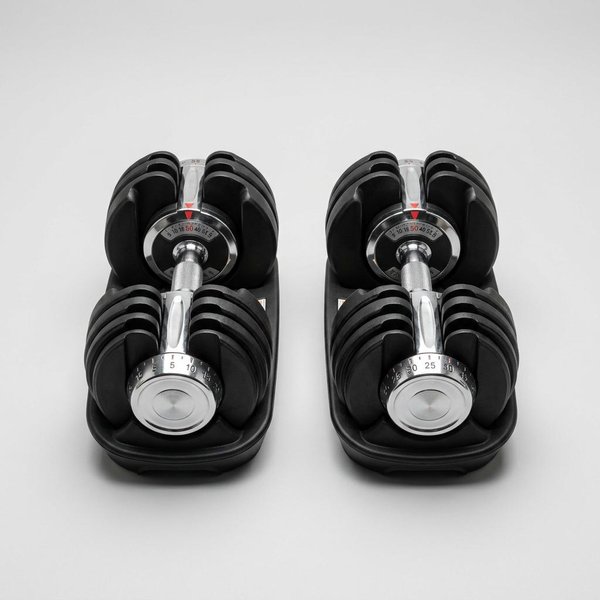
Adult adjustable dumbbells (shared)
$100-150
Resistance band set (shared)
$25-35
Kids yoga mats (x2)
$20-30
Light kids dumbbells/water bottles
$10-15
Agility ladder
$15-20
Jump ropes (x2)
$15-25
Foam blocks/balance beam
$20-30
Storage bin for kids equipment
$15-25
Safety items (collars, first aid)
$25-35
TOTAL
~$315-445
Complete Family Gym ($700-1,000)
Add to the starter gym:
Item
Cost
Compact squat rack
$150-250
Olympic barbell + starter plates
$150-250
Adjustable bench
$80-120
Pull-up bar
$25-35
Lockable storage cabinet
$50-100
Additional flooring
$30-50
Kids kettlebell (light)
$20-30
Additional bands (kids set)
$15-25
TOTAL (including starter)
~$710-1,295
Equipment Durability for Heavy Family Use
Family gyms see more use—and more abuse—than single-user setups. Prioritize durability:
Equipment Type
Family-Grade Features
Our Pick
Dumbbells
Rubber-coated, hex-shaped (won't roll)
CAP Rubber Hex Dumbbells
Rack
14-gauge steel minimum, bolted construction
HulkFit 1000-lb Power Cage
Bench
Vinyl upholstery (wipes clean), high weight capacity
FLYBIRD Adjustable Bench
Flooring
3/4-inch rubber, interlocking (replaceable tiles)
ProsourceFit Puzzle Mats
Barbell
Black oxide or cerakote finish (corrosion-resistant)
CAP Barbell The Beast
Frequently Asked Questions
At what age can kids start lifting weights?
According to the American Academy of Pediatrics and NSCA, children can begin supervised strength training as early as 7-8 years old. The key is supervision, light loads, emphasis on form, and making it fun. There's no evidence that properly supervised strength training stunts growth.
How do I keep my toddler safe while I work out?
Work out during nap time when possible
Use a playpen or gated area in view of the gym
Work out with a partner who can supervise children
Schedule workouts when another caregiver is present
Include older children in your workout to model safe behavior
Will my equipment last with kids using it?
Rubber-coated dumbbells, quality racks, and thick flooring withstand family use well. The bigger risk is lost or damaged small items (bands, jump ropes, collars). Implement the "ask first" system and designated storage to minimize issues.
How do I motivate my kids to use the gym?
Never force it. Model consistent exercise yourself. Make the kids' zone inviting with bright colors and age-appropriate equipment. Turn exercise into games. Celebrate effort, not performance. When exercise is simply "what our family does," motivation becomes unnecessary.
Conclusion: A Legacy of Movement
A family home gym is an investment that pays dividends across generations. The equipment you buy today serves your fitness goals while simultaneously shaping your children's relationship with physical activity. The safety systems you implement protect your family while teaching responsibility and respect for physical training.
Build it safely. Use it consistently. Share it generously. Your family's health is worth every dollar and every square foot.
Last updated: June 2025. Prices and availability subject to change. Always supervise children using fitness equipment. Consult a pediatrician before children begin structured exercise programs.
At a Glance
Feature
Amazon Basics Neoprene Du
Fit Simplify Resistance B
Iron Gym Pull-Up Bar
Amazon Basics 1/2" Exerci
Perfect Fitness Ab Carver
Price
$55-65
$10-15
$25-35
$15-20
$25-35
Score
92/100
90/100
87/100
85/100
84/100
Best For
Best Overall
All Ages
Teen/Adult
Protection
Fun
Prime
Yes
Yes
Yes
Yes
Yes
Our Picks
#1. Amazon Basics Neoprene Dumbbells 3-15lb
$55-65 | Score: 92/100 | Best Overall
Safe, color-coded dumbbells suitable for teens and adults. Neoprene coating protects floors and prevents rolling if dropped.
 Fit Simplify Resistance B
 Iron Gym Pull-Up Bar
 Amazon Basics 1/2" Exerci
 Perfect Fitness Ab Carver