Amazon Basics vs Yes4All Fitness Equipment: Budget Gear Comparison
Comprehensive comparison of Amazon Basics vs Yes4All fitness equipment covering dumbbells, kettlebells, resistance bands...
Rust can destroy home gym equipment. Learn the science of corrosion, prevention strategies by material type (steel, iron, chrome, cast iron), cleaning protocols, and environmental controls to keep your gear rust-free for years.
Rust — iron oxide — is the gradual destruction of ferrous metals by electrochemical reaction with moisture and oxygen. In a home gym context, rust isn't merely cosmetic: it degrades structural integrity, increases friction in moving parts, creates staining, and can pose health risks if rust particles contact skin or are inhaled during grinding movements. Our research indicates that rust-related equipment degradation accounts for a significant portion of preventable home gym equipment failure.
This guide covers the causes of rust in home gym environments, material-specific prevention strategies, cleaning protocols, and environmental controls.
Rust forms when iron or steel is exposed to both oxygen and moisture. The electrochemical reaction requires:
Remove any one factor, and rust cannot form. This principle underlies all prevention strategies.
Home gym environments create rust-friendly conditions:
Cast iron is the most rust-vulnerable material in home gyms. It lacks protective coatings in many products and has a porous surface that traps moisture.
Prevention:
Removing surface rust from cast iron:
Steel varies widely in rust resistance depending on alloy and protective coating.
| Steel Type | Rust Resistance | Common Applications |
|---|---|---|
| Carbon steel | Low (requires coating) | Budget racks, plates, some barbells |
| Stainless steel | High (not immune) | Premium barbell shafts, hardware |
| Chrome-plated steel | Very high | Barbell sleeves, some rack attachments |
| Powder-coated steel | High (if coating intact) | Racks, benches, most framed equipment |
Table: Steel types and inherent rust resistance
For powder-coated equipment:
For chrome-plated surfaces (barbell sleeves, etc.):
For bare carbon steel:
Stainless steel resists rust through chromium content (typically 10.5%+) that forms a passive oxide layer. However, "stainless" does not mean "stain-proof."
Maintenance requirements:
Rubber coating protects the metal core but creates its own maintenance considerations:
No amount of equipment-level care compensates for a poor storage environment. These environmental controls are the highest-impact prevention measures.
The 60% rule: Keep relative humidity below 60% year-round. Above this threshold, rust formation accelerates exponentially.
Methods:
| Method | Cost | Effectiveness | Best For |
|---|---|---|---|
| Dehumidifier | $150–$400 | High | Basements, humid climates |
| Air conditioning | Variable (existing) | Moderate | Cooled spaces in summer |
| Desiccant containers | $10–$30 | Low–Moderate | Small enclosed spaces |
| Ventilation fan | $20–$100 | Moderate | Garages, enclosed rooms |
| Heating (in winter) | Variable | Moderate | Preventing condensation |
Table: Humidity control methods ranked by effectiveness
Practical tip: A basic hygrometer ($10–$15) provides real-time humidity readings. Place it at equipment height, not on a high shelf where readings may differ.
Temperature swings cause condensation — the "dew point" effect. When warm, moist air contacts a cold metal surface, water droplets form directly on your equipment.
Prevention:
Stagnant air allows moisture to accumulate. Even basic airflow helps:
Basement gyms:
Garage gyms:
Indoor room gyms:
Essential items for your maintenance kit:
Is rust dangerous to touch? Light surface rust is not acutely dangerous, but rust particles can irritate skin and should not enter cuts or abrasions. More importantly, rust indicates structural degradation that can make equipment unsafe under load.
Can I prevent rust in a garage gym without climate control? Yes, but it requires more active maintenance: frequent oiling, protective covers, desiccant use, and diligent post-workout cleaning. A dehumidifier is the single highest-impact investment for garage gyms in humid climates.
Does rubber flooring prevent rust? Rubber flooring prevents direct floor contact (reducing condensation transfer) and catches sweat, but it doesn't address airborne humidity. It's one component of a comprehensive strategy, not a complete solution.
Should I oil my barbell after every use? For stainless steel or chrome barbells in climate-controlled rooms: weekly is sufficient. For bare steel or carbon barbells, or in humid environments: after every use is recommended. When in doubt, a light oil coat is better than none.
Can I use coconut oil or other household oils? Coconut oil can work but tends to solidify at room temperature, creating a gummy residue. Mineral oil, 3-in-1 oil, or dedicated barbell oil (like Bar Shield) are formulated for this purpose and perform better long-term.
As an Amazon Associate we earn from qualifying purchases. Product links on this page include our affiliate tag — purchases made through these links support our research at no additional cost to you.
Last updated: January 2025. Information based on materials science principles of electrochemical corrosion, manufacturer care guidelines, and industry standards for fitness equipment maintenance. Material specifications referenced from ASTM and equipment manufacturer documentation.
| Image | Product | Price | Badge | Link |
|---|---|---|---|---|
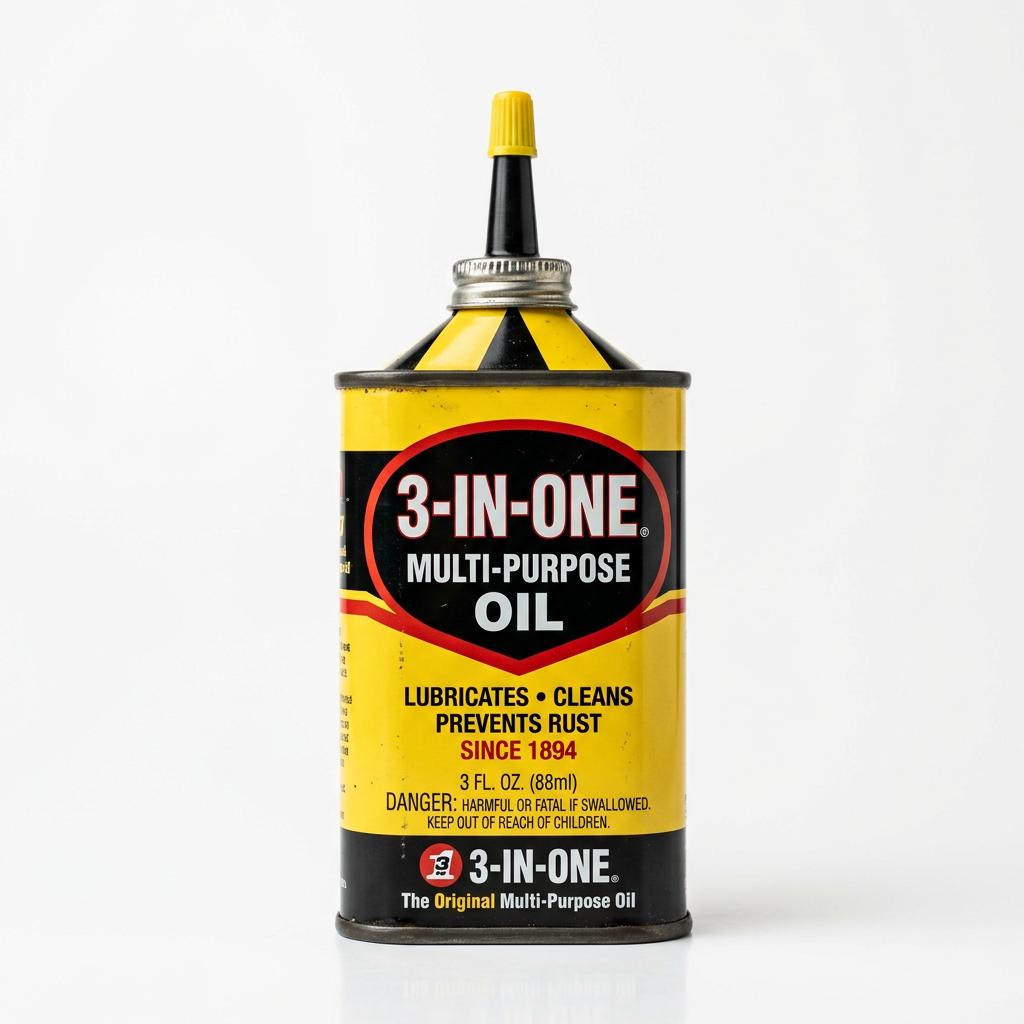 |
3-IN-ONE Multi-Purpose Oil | $5-$8 | Best Overall | Check Price |
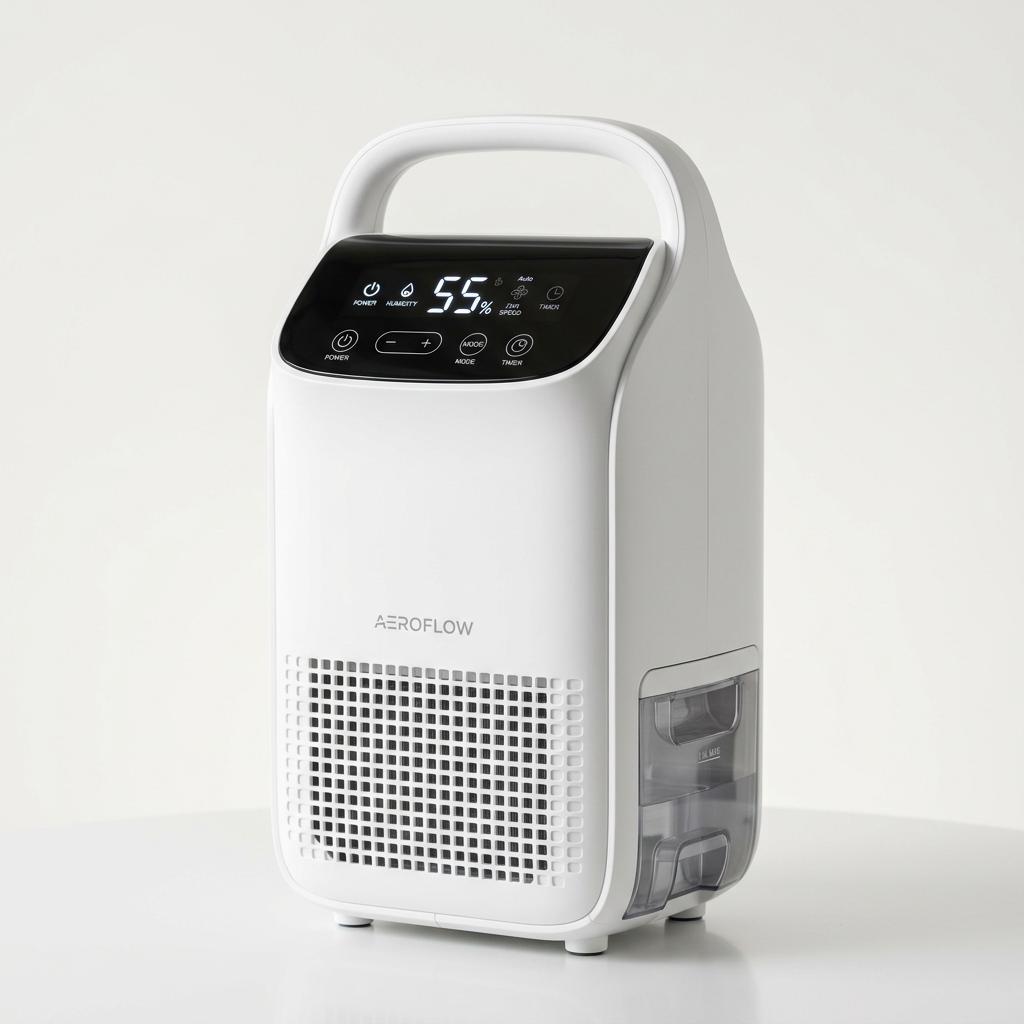 |
hOmeLabs Small Dehumidifier | $35-$50 | Best for Humidity Control | Check Price |
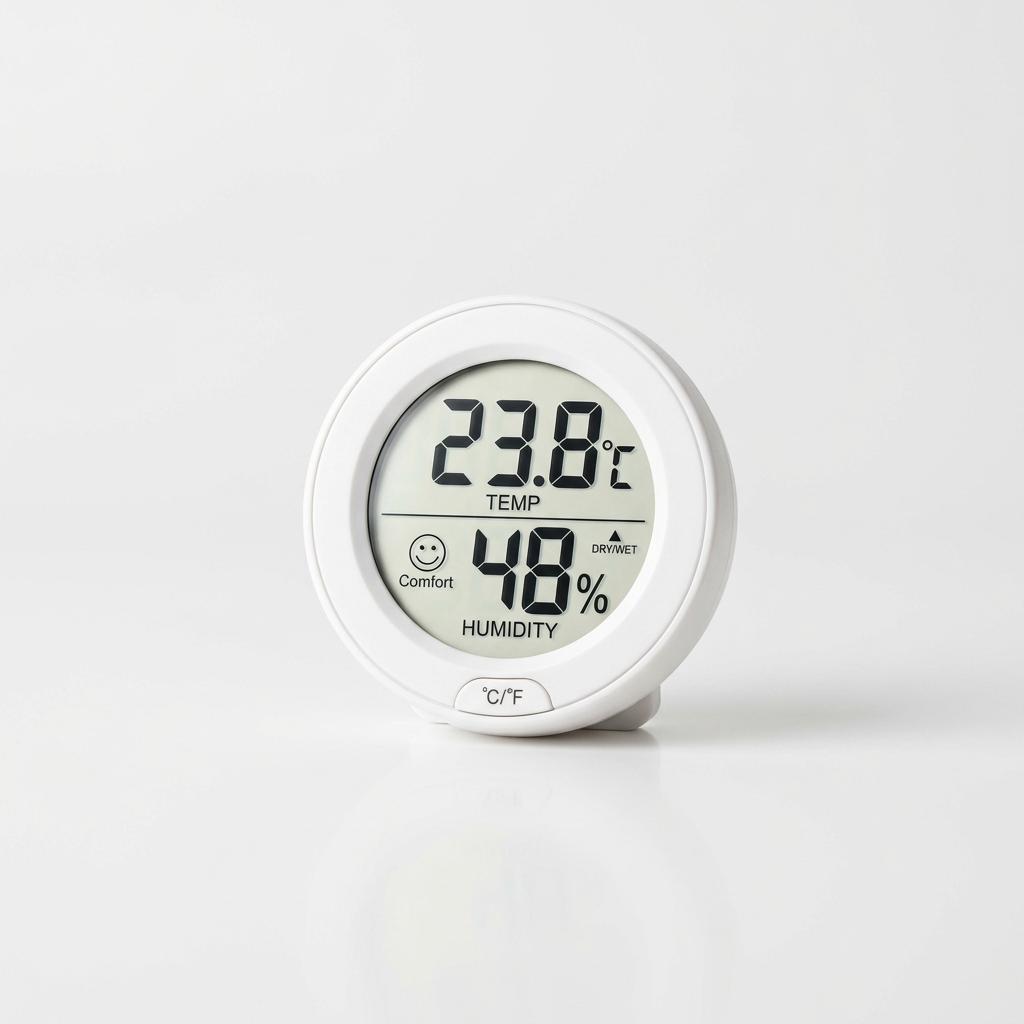 |
ThermoPro TP50 Digital Hygrometer | $10-$15 | Best Budget | Check Price |
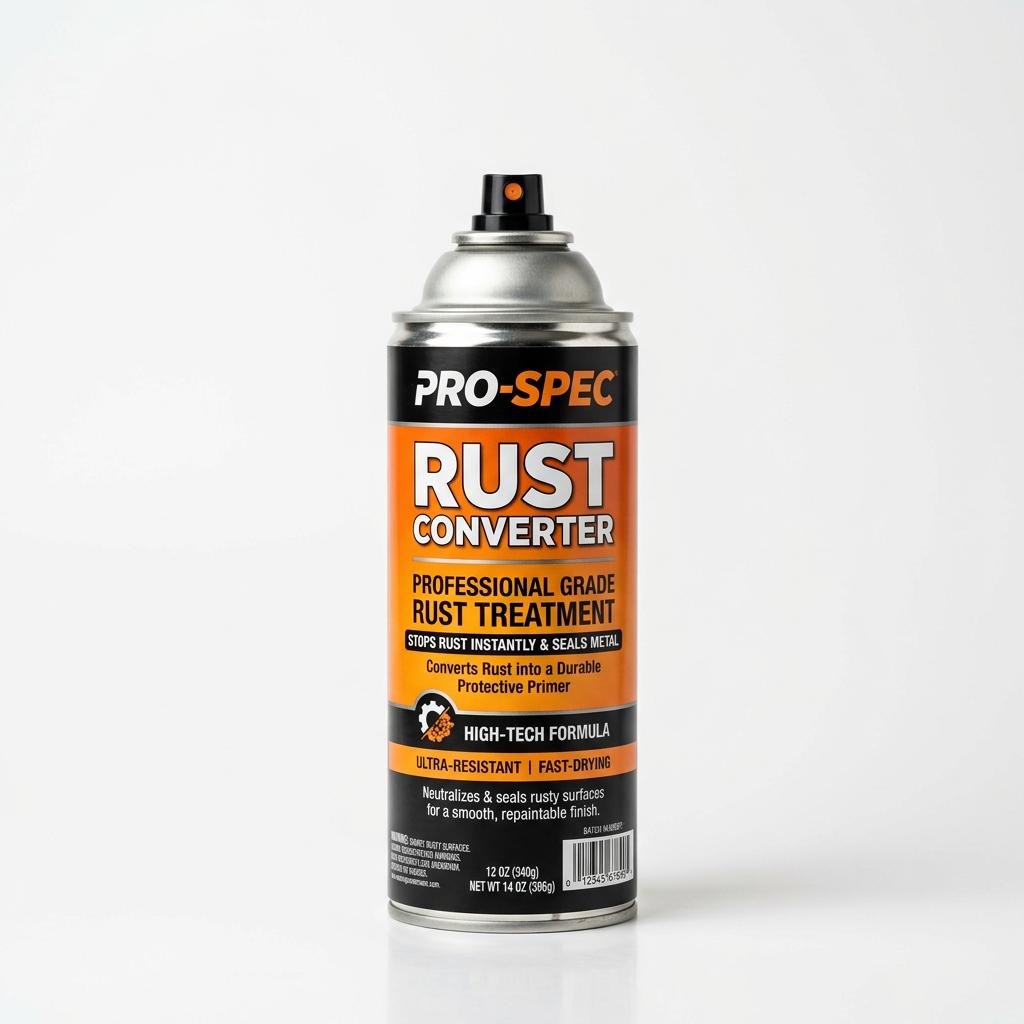 |
Rust-Oleum Rust Converter Spray | $8-$12 | Best for Rust Treatment | Check Price |
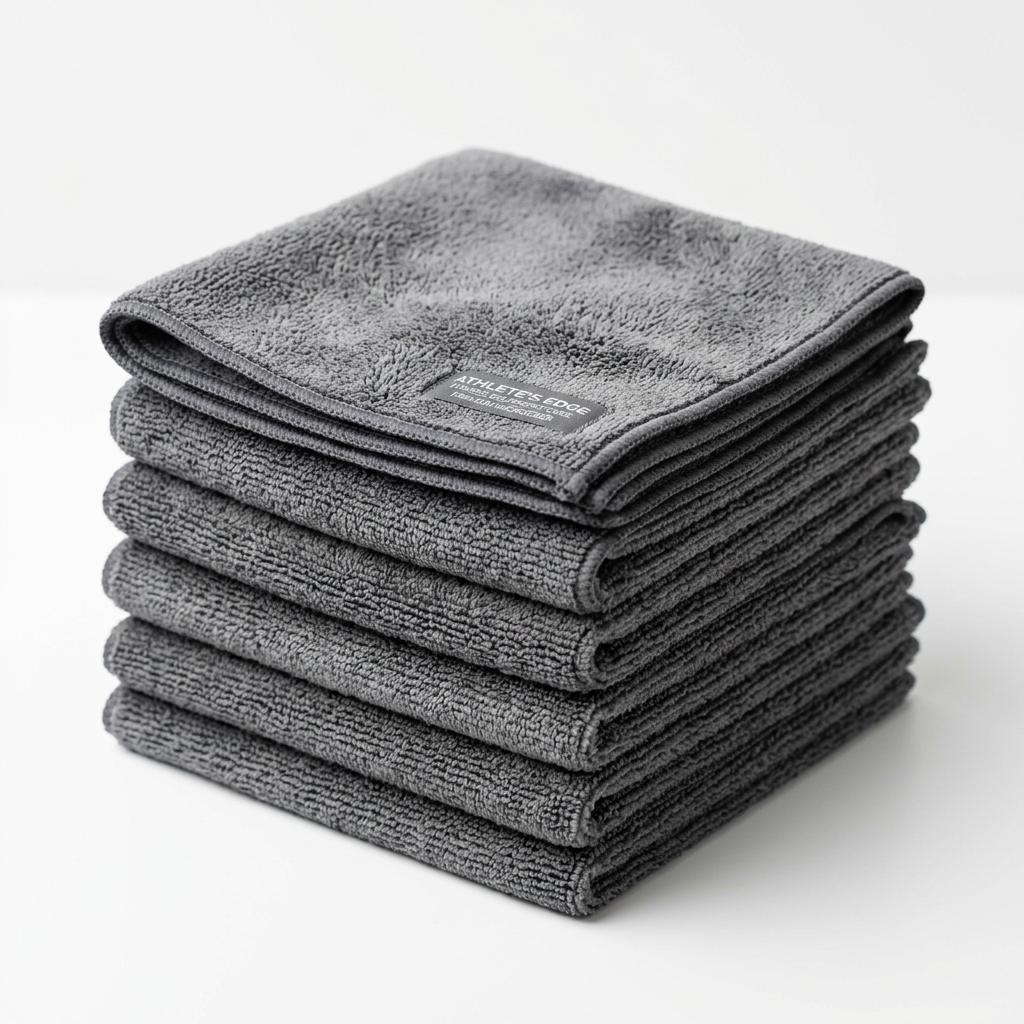 |
AIDEA Microfiber Cleaning Cloths (12-Pack) | $10-$14 | Best for Daily Cleaning | Check Price |
The classic all-in-one oil for protecting gym equipment from rust, lubricating moving parts, and maintaining metal surfaces.
An affordable, compact dehumidifier that keeps small gym spaces below the 60% humidity threshold where rust forms.
An affordable digital hygrometer that monitors the humidity levels critical to preventing rust on gym equipment.
A spray-on rust converter that chemically transforms existing rust into a protected surface, stopping further corrosion.
A 12-pack of lint-free microfiber cloths that make daily equipment wiping effortless and effective at preventing rust.
3-IN-ONE Multi-Purpose Oil is the cornerstone of any equipment maintenance kit. A thin coat applied to barbell shafts, dumbbell handles, and weight plate edges after workouts creates a protective barrier against moisture and sweat. The precision drip spout allows targeted application without waste, and the small can stores in any drawer. For cast iron kettlebells and plates, regular oiling is essential for rust prevention, and this product has been the standard for over 125 years.
Check Price on Amazon
The hOmeLabs Small Dehumidifier is the single most effective rust prevention tool for apartment gyms. By maintaining relative humidity below 60%, it eliminates the moisture that enables rust to form on steel and iron equipment. The 0.5-liter daily capacity is sufficient for rooms up to 150 sq ft, and the auto shut-off prevents overflow. At just 33 dB, it runs quietly enough to leave on during workouts. For basement and garage gyms, this is an essential investment.
Check Price on Amazon
You cannot prevent rust without knowing your humidity levels, and the ThermoPro TP50 is the most affordable accurate way to monitor them. The large LCD display shows both temperature and humidity at a glance, while the comfort level indicator provides immediate visual feedback on whether conditions promote rust. Place it at equipment height (not on a high shelf) for the most accurate readings. At under $15, it pays for itself by preventing a single rusted barbell.
Check Price on Amazon
When you discover rust on your equipment, Rust-Oleum Rust Converter is your first line of defense. The phosphoric acid-based formula chemically converts iron oxide (rust) into iron phosphate — a stable, black surface that prevents further corrosion. It sprays on evenly to cover large areas like rack uprights or plate edges, and the converted surface can be painted for additional protection. Use it at the first sign of rust; it cannot restore metal that has already pitied deeply.
Check Price on Amazon
Daily wiping is the simplest and most effective rust prevention habit, and the AIDEA Microfiber Cloths make it easy. The ultra-soft fibers absorb sweat and oils without scratching chrome plating or powder coating, while the 12-pack lets you dedicate specific colors to different equipment zones. They are machine washable and last for hundreds of cycles. Keep one on your rack, one by your bench, and one with your barbell — the 30 seconds it takes to wipe down after a workout prevents rust that would cost hundreds to repair.
Check Price on Amazon