Amazon Basics vs Yes4All Fitness Equipment: Budget Gear Comparison
Comprehensive comparison of Amazon Basics vs Yes4All fitness equipment covering dumbbells, kettlebells, resistance bands...
SnugGym is an Amazon Associate. We earn from qualifying purchases at no extra cost to you. Learn more
Create a DIY home gym in your apartment with creative storage solutions, improvised equipment, and renter-friendly modifications. Safety tips included.
A home gym does not require a dedicated room, permanent installation, or a large equipment budget. Our analysis of space optimization, load-bearing structures, and safety factors indicates that creative improvisation — using existing apartment features and affordable modifications — can produce an effective training environment in spaces as small as a closet or corner.
This guide covers DIY setup strategies, creative storage and improvisation ideas, safety considerations specific to apartment structures, and renter-friendly modifications that do not jeopardize a security deposit.
Before selecting equipment or planning layout, three principles guide every decision in a DIY apartment gym:
These principles underlie every recommendation in this guide.
When adjustable dumbbells or kettlebells exceed the budget, these alternatives provide meaningful resistance:
Backpack loading: A standard backpack filled with books, water bottles, or bags of rice creates an adjustable weight. A full gallon jug of water weighs approximately 8.3 lb. Four gallons = 33 lb. A fully loaded college textbook averages 3–5 lb.
Safety note: Distribute weight evenly and use both straps. Avoid sudden movements. Do not exceed 30–40 lb to prevent back strain.
Water jug weights: Filled gallon jugs serve as impromptu dumbbells for light exercises (lateral raises, curls, rows). Laundry detergent bottles with handles work similarly.
Furniture as equipment:
Doorway resistance: A sturdy bath towel looped around a door handle (door closed, anchored from the other side) creates a fixed point for rows, face pulls, and tricep pushdowns. Always verify the handle is secure before loading.
If a doorway pull-up bar is incompatible with your door frames, these alternatives exist:
Stairwell overhang: Many apartment stairwells have exposed beams or overhangs between floors. If structurally sound and permitted, these support pull-ups. Verify with your building manager first.
Playground equipment: Nearby parks with pull-up bars, monkey bars, or sturdy horizontal rails provide free alternatives. A 10-minute walk to the park for pull-up work is a viable strategy.
Tree branches: Thick, live branches (minimum 6-inch diameter) at appropriate height can support pull-ups. Test gradually — place weight carefully before committing full body weight.
Towel door rows: As described above, a towel over a closed door creates a horizontal pulling point at chest height when you sit on the floor and pull toward you.
Safety note: Never perform inverted movements (skin the cat, toes-to-bar) on improvised anchors. Use rated equipment only for inverted work.
Stair climbing: The most space-efficient cardio available. Walk or jog your building's stairwell (check with management for policies). A 10-story climb burns approximately 70–100 calories for a 150 lb person.
Jump rope: Requires 6 × 3 feet of space and a reasonably high ceiling (minimum 9 inches above your head with arms extended). A $10–$20 rope delivers cardio sessions comparable to jogging.
Bodyweight circuits: High-intensity interval training using only bodyweight (burpees, mountain climbers, jump squats, high knees) requires zero equipment and minimal space. A 6 × 6 foot area is sufficient.
Hallway or outdoor sprints: If your apartment has a long hallway or you have access to a nearby track, sprint intervals provide intense cardio in minimal time.
The space under a typical bed frame (6–12 inches of clearance) accommodates:
DIY bed risers: Commercial bed risers ($10–$20) add 3–8 inches of clearance, expanding under-bed storage significantly. Ensure the bed frame remains stable on the risers.
Recommended: Check price at Amazon — Utopia Bedding Bed Risers
A standard closet (approximately 24 inches deep, 48–72 inches wide) converted partially or fully for gym storage:
See our full closet gym conversion guide for detailed plans.
Command strip hooks: 3M Command strips rated for 5–15 lb hold resistance bands, jump ropes, and light accessories on walls without damage. Do not use for load-bearing equipment.
Over-the-door organizers: Shoe organizers with pockets store bands, gloves, straps, and small items on the back of any door.
Tension-mounted storage: Tension rods between walls (no drilling) create hanging points for bands and light bags. Not suitable for heavy weights.
Freestanding coat rack: A sturdy coat rack ($20–$40) in a corner holds resistance bands, jump ropes, towels, and even a light backpack. Easily moved when not in use.
Pegboard (freestanding): A freestanding pegboard on a wooden frame leans against a wall without installation. Hooks hold bands, small equipment, and accessories. The frame can be built for $30–$50 in lumber.
See our vertical storage ideas guide for more options.
Ottoman with storage: A storage ottoman ($40–$80) holds bands, jump rope, and small items inside, serves as a bench for seated exercises, and functions as normal furniture.
Bookshelf adaptation: A sturdy bookshelf ($30–$60) stores weights on lower shelves and accessories on upper shelves. Place heaviest items on bottom shelves for stability.
TV stand or console table: The surface supports a laptop for workout videos. Lower shelves hold equipment.
Floor load limits: Standard residential floors support 40 lb per square foot. A 6 × 6 foot workout area = 36 sq ft = 1,440 lb capacity. A single person with dumbbells (200–300 lb total) is well within limits. However, concentrated point loads — dropping a heavy dumbbell on a small area — can damage flooring or subflooring. Always use protective mats under heavy equipment.
Wall anchoring: Most apartment walls are drywall over studs (16 inches on center) or concrete. Drywall alone supports virtually no weight. If wall-mounting anything beyond picture hooks, you must anchor into studs. In concrete walls, appropriate masonry anchors are required. When in doubt, do not wall-mount.
Ceiling considerations: Never mount anything to a drop ceiling or ceiling tiles. Solid ceiling mounts require anchoring into joists or concrete — difficult to identify and execute safely in rental units. Avoid ceiling-mounted equipment (punching bags, TRX permanent anchors) unless explicitly permitted and professionally installed.
Door frame limits: Doorway pull-up bars place outward pressure on door trim. Most residential trim molding can support this, but older or poorly installed trim may crack. Verify your trim is securely nailed and at least 0.75 inches thick. If the door frame flexes visibly, do not use it.
Improvised weight loading: When using backpacks, water jugs, or furniture as resistance, start with lighter loads than you think you need. Improvised weights are less stable than designed equipment.
Surface stability: Verify that chairs, ottomans, and tables can support your full weight plus dynamic loading before using them for exercises. A dining chair may hold 250 lb statically but fail under the dynamic load of a step-up.
Slip hazards: Yoga mats on carpet can slide during explosive movements. Place a non-slip rug pad ($10–$20) under the mat for grip.
Ventilation: Working out in a closet or small enclosed room requires airflow. Leave the door open, use a fan, or limit workout duration in poorly ventilated spaces.
| Modification | Security Deposit Risk | Alternative |
|---|---|---|
| Drilling into walls | High — holes must be patched | Tension rods, freestanding units |
| Wall-mounted pull-up bar | Medium — if properly patched | Doorway leverage bar |
| Flooring installation | High — may violate lease | Interlocking foam tiles (removable) |
| Ceiling mounts | Very high — structural damage risk | Doorway or freestanding alternatives |
| Adhesive hooks (Command strips) | Very low — designed for removal | None needed — renter standard |
| Doorway pull-up bar | Very low — no modifications | None needed |
| Interlocking floor tiles | None — fully removable | None needed |
| Item | DIY Solution | Estimated Cost |
|---|---|---|
| Resistance | Resistance band set | $20–$30 |
| Heavy resistance | Backpack + water jugs | $0 (on hand) |
| Pulling | Towel over door handle | $0 |
| Pull-ups | Playground or park | $0 |
| Cardio | Jump rope + stairs | $10–$15 |
| Floor work | Yoga mat | $15–$25 |
| Recovery | Foam roller | $15–$20 |
| Storage | Shoe organizer + under bed | $10–$15 |
| Total | $70–$125 |
This setup enables full-body strength training, cardiovascular conditioning, flexibility work, and recovery — all without permanent installation or significant spending.
A DIY apartment gym succeeds when improvisation respects safety limits and creativity works within structural constraints. Our analysis indicates that the most effective DIY setups prioritize vertical storage, multi-use furniture, and bodyweight movements supplemented by minimal affordable equipment. The limiting factor is rarely budget or space — it is the willingness to adapt exercises and storage to the environment available.
For equipment recommendations across budget tiers, see our guides for under $200, under $500, and under $1000 builds. For storage-specific solutions, see our equipment storage guide.
As an Amazon Associate we earn from qualifying purchases.
| Image | Product | Price | Badge | Link |
|---|---|---|---|---|
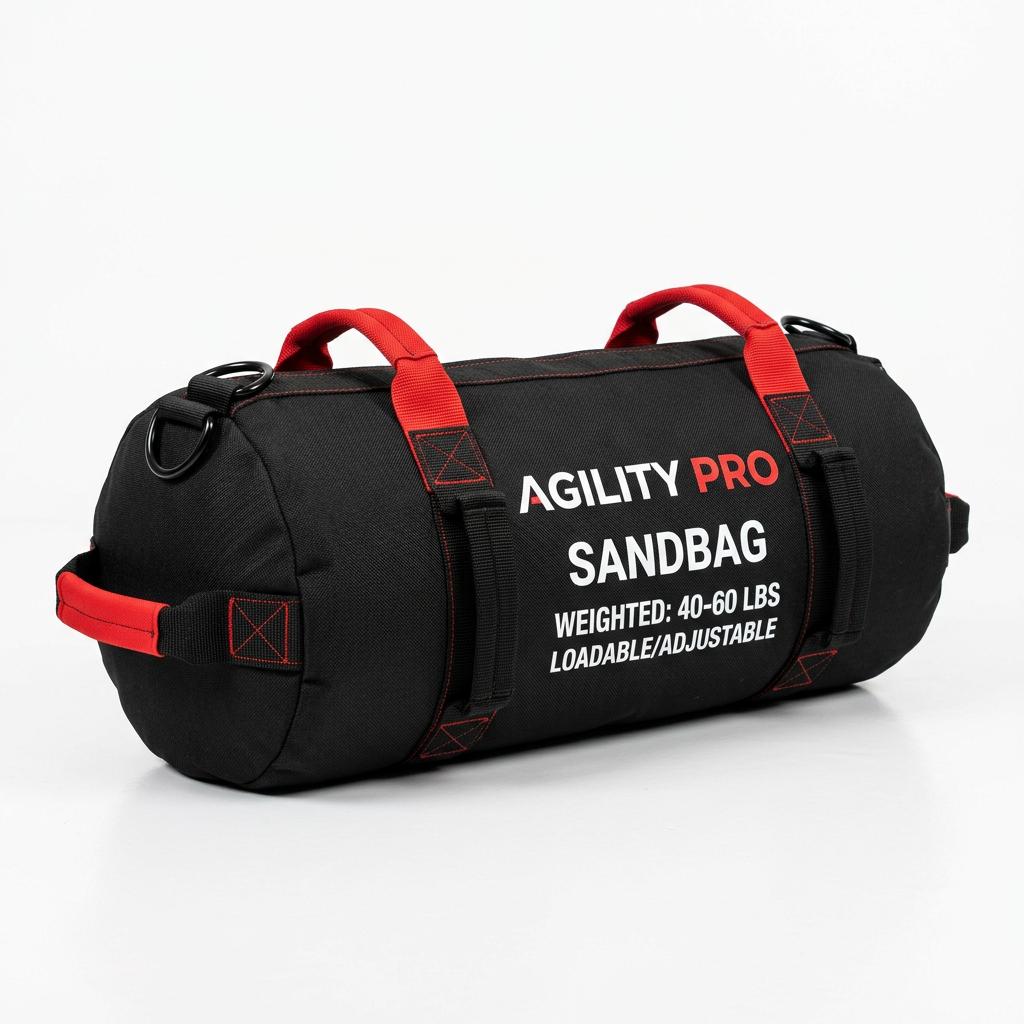 |
Garage Fit Sandbag | $35-$55 | Best for DIY Training | Check Price |
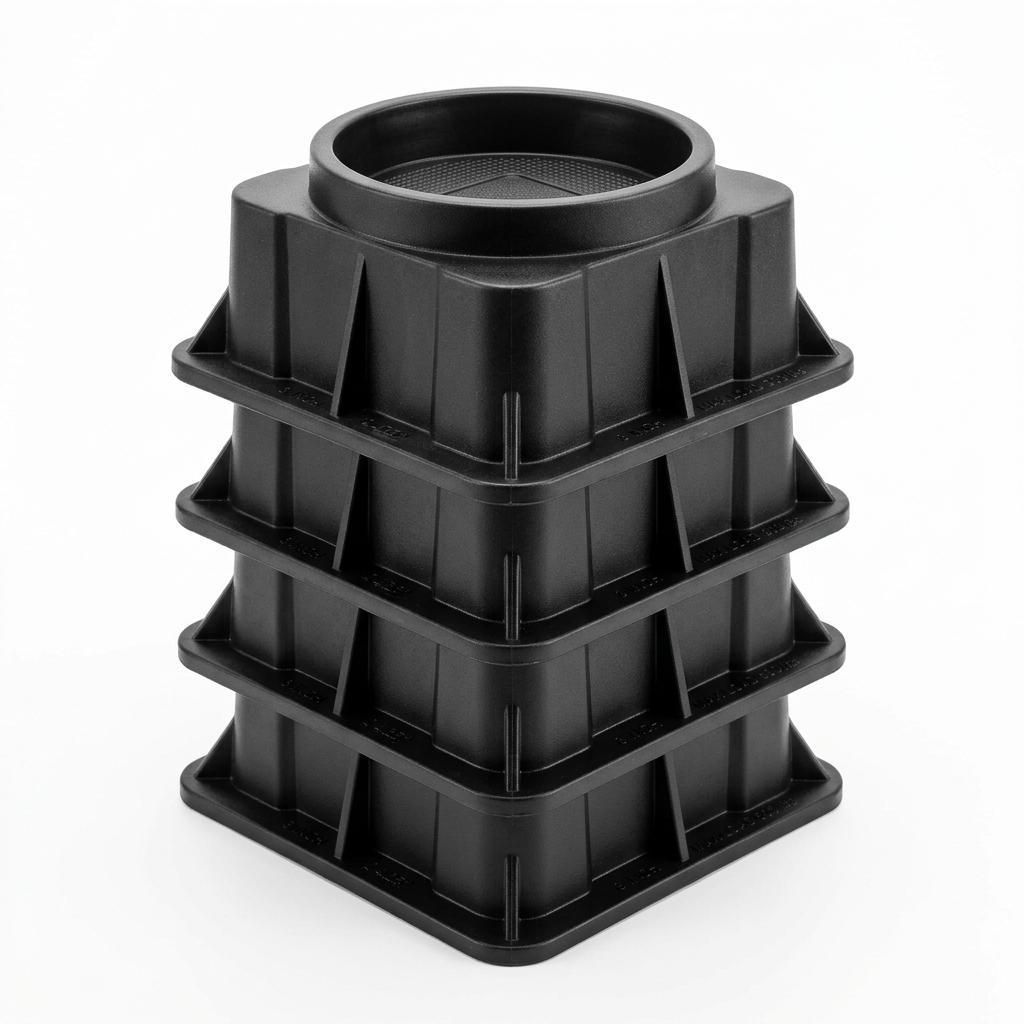 |
Utopia Bedding Bed Risers | $12-$18 | Best Storage Hack | Check Price |
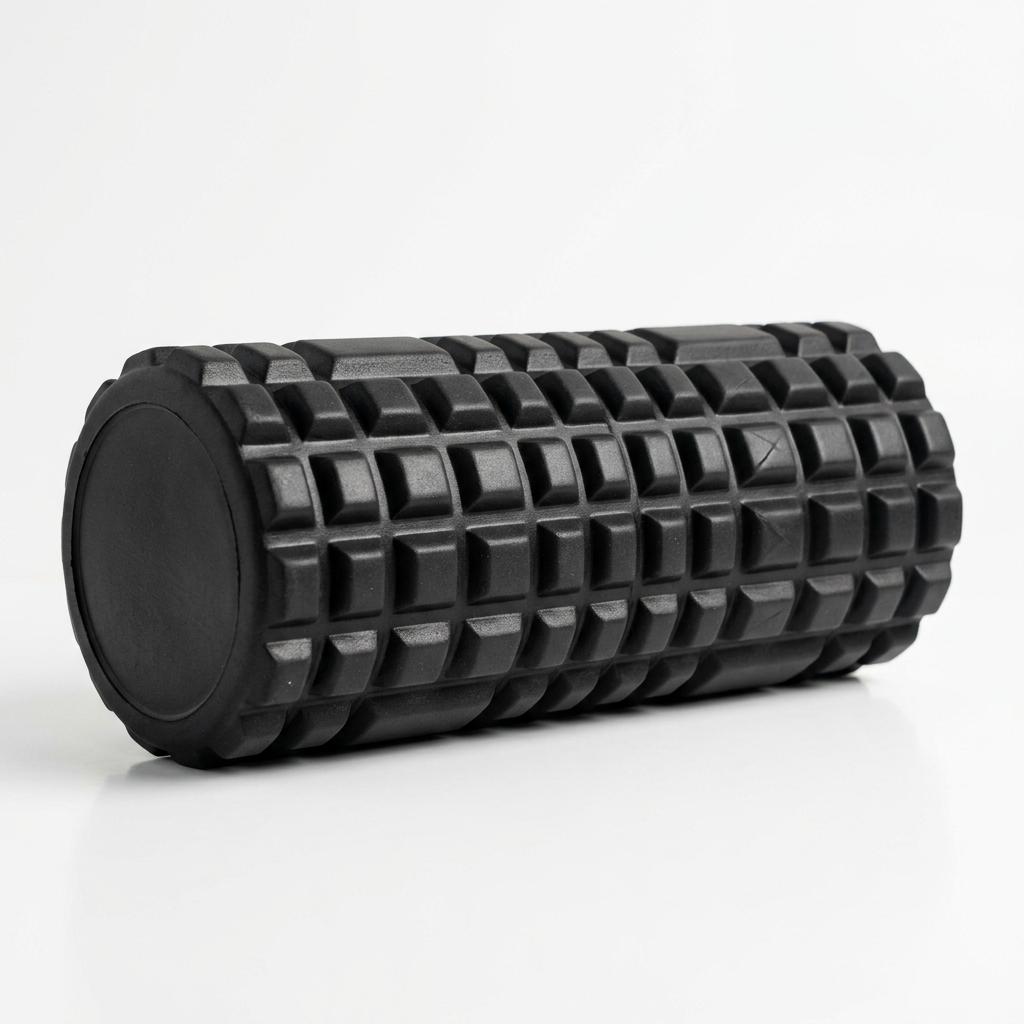 |
TriggerPoint GRID Foam Roller | $25-$40 | Best for Recovery | Check Price |
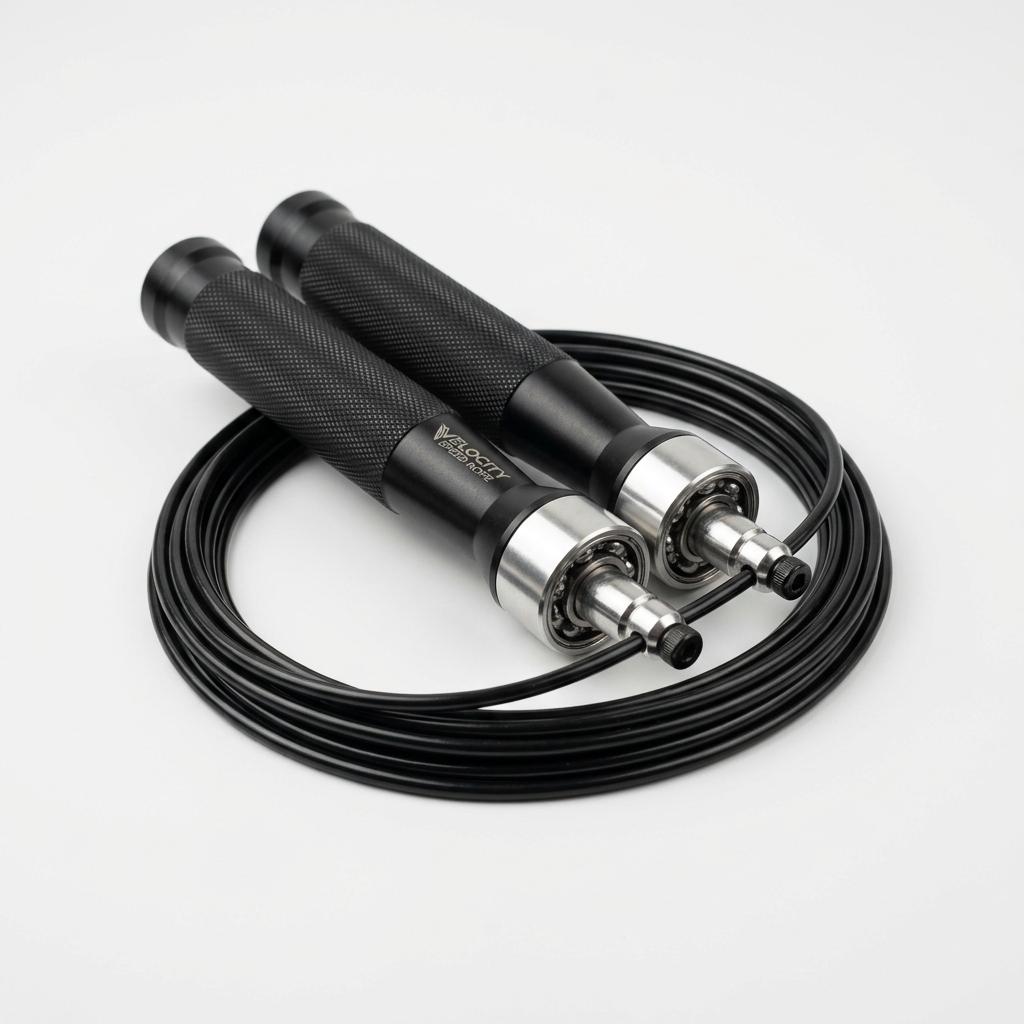 |
WOD Nation Speed Jump Rope | $15-$25 | Best for Cardio | Check Price |
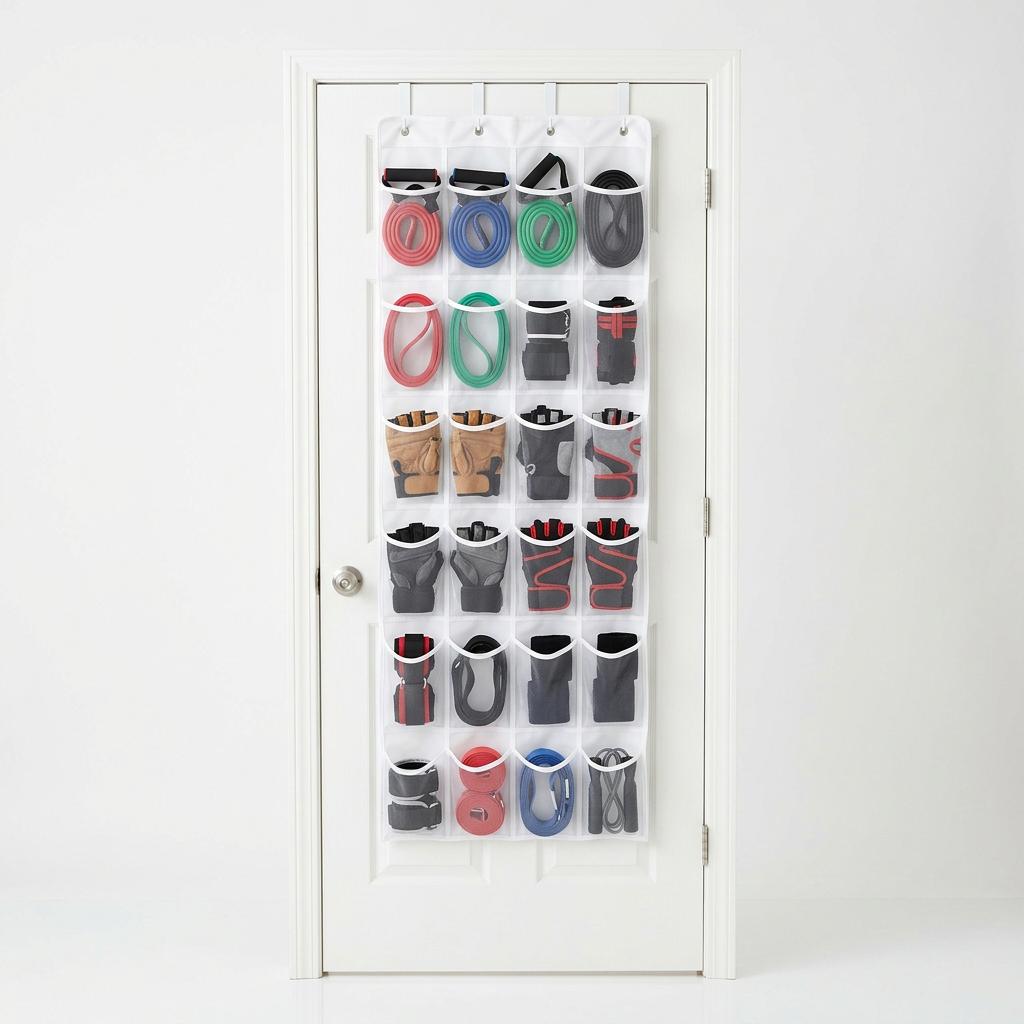 |
SimpleHouseware Over Door Organizer | $10-$15 | Best Budget | Check Price |
A loadable sandbag that delivers functional strength training in a package that stores on a closet shelf.
The easiest way to double your gym equipment storage by reclaiming the unused space under your bed.
The best foam roller for apartment gyms, with a durable rigid core and targeted grid texture for effective self-myofascial release.
A professional-grade speed rope that delivers high-intensity cardio in a package that fits in a drawer.
The most affordable vertical storage solution, turning any door into organized gym equipment storage.
The Garage Fit Sandbag is the ultimate DIY training tool for apartment gyms. Unlike fixed weights, the shifting sand creates an unstable load that engages more muscle fibers and builds real-world functional strength. The multiple handles enable bear-hug carries, shouldering, overhead presses, and drags. It is adjustable from 10 to 60 pounds, making it suitable for beginners through advanced users. When training is done, it sits quietly on a closet shelf.
Check Price on Amazon
Utopia Bedding Bed Risers are the simplest and most effective storage hack for apartment gyms. By raising your bed just 3-8 inches, you create enough clearance to slide foam rollers, resistance bands, yoga mats, and even folded benches underneath. The heavy-duty plastic construction supports over 1,300 lbs combined, so stability is never a concern. For under $15, this is the highest-return storage investment you can make.
Check Price on Amazon
The TriggerPoint GRID is our top recovery pick for apartment gyms because it actually works — the multi-density foam and rigid hollow core provide the pressure needed to release tight muscles, unlike soft foam rollers that compress too easily. The grid pattern targets knots effectively, and the 13-inch length stores vertically in a closet corner. Its 500-lb weight capacity means anyone can use it for full-bodyweight release work.
Check Price on Amazon
The WOD Nation Speed Jump Rope is the best cardio tool for apartment gyms with limited space. The ball bearing system produces a smooth, fast spin that makes double-unders achievable for intermediate users, while the adjustable cable accommodates virtually any height. It stores in a drawer and takes up zero floor space. A 10-minute jump rope session burns as many calories as a 30-minute jog, making it incredibly time-efficient.
Check Price on Amazon
The SimpleHouseware Over Door Organizer is a brilliant repurposing of a common household item for gym storage. The 24 clear pockets hold resistance bands, lifting gloves, wrist straps, jump ropes, and other small accessories that would otherwise clutter floors or get lost in drawers. It hangs over any standard door and takes zero floor space. For under $15, it eliminates equipment clutter entirely.
Check Price on Amazon