Cheap Home Gym Equipment Worth Buying: Best Budget Picks Under $50
Not every piece of home gym equipment requires a significant investment. Our analysis of specifications, material quality, and long-term user reports indicates that several categories perform nearly as well at $20–$50 as they do at premium price points. Others, however, show clear quality thresholds where spending more yields meaningful improvements in safety, durability, or function.
This guide separates the two. Each entry below includes: what the budget version actually delivers, where it falls short of premium alternatives, and our recommendation on whether to save or spend more.
Budget Equipment Roundup
| Equipment |
Budget Price Range |
Premium Price Range |
Verdict |
| Resistance bands (set) |
$15–$35 |
$40–$80 |
Save — budget sets are nearly equivalent |
| Jump rope |
$8–$18 |
$20–$50 |
Save — basic models perform well |
| Exercise mat |
$15–$35 |
$40–$100 |
Save for basic use; spend for heavy use |
| Foam roller |
$12–$25 |
$35–$60 |
Save — density matters more than brand |
| Ab wheel |
$10–$20 |
$25–$40 |
Save — simple device, hard to improve |
| Push-up bars |
$10–$20 |
$25–$45 |
Save — basic function, minimal failure points |
| Doorway pull-up bar |
$20–$35 |
$45–$80 |
Spend cautiously — weight capacity matters |
| Yoga ball (stability ball) |
$12–$25 |
$30–$60 |
Save — burst-rated budget balls are sufficient |
Detailed Analysis
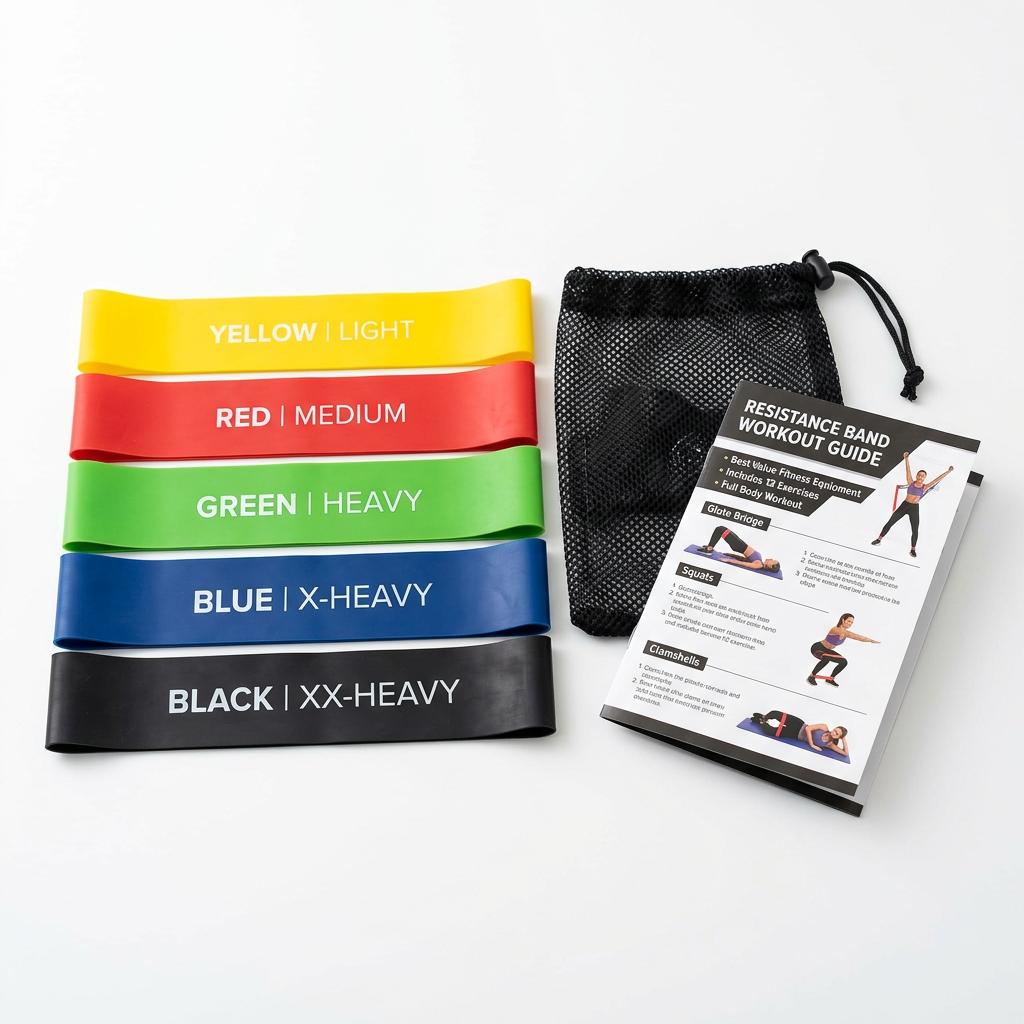
1. Resistance Bands — Budget: $15–$35
What you get: A set of 5 latex or TPE bands with resistance levels from approximately 10 lb to 50 lb. Most sets include handles, door anchor, and ankle straps. Brands at this price point include Fit Simplify, WODFitters, and Sportbit.
Where budget falls short: Slightly less consistent resistance calibration. Handles may use plastic rather than foam-covered metal. Bands may lose elasticity 10–15% faster than premium sets with heavy use. Door anchors are typically simpler webbing straps.
Where it's equivalent: Exercise variety, functional resistance, and workout experience are virtually identical to premium sets costing $50–$80. The bands themselves are typically the same material.
Our verdict: Save. The primary failure mode for all resistance bands is snapping from overextension or aging — this happens regardless of price tier. Replace budget bands every 12–18 months with heavy use. The cost of two budget sets over three years still costs less than one premium set.
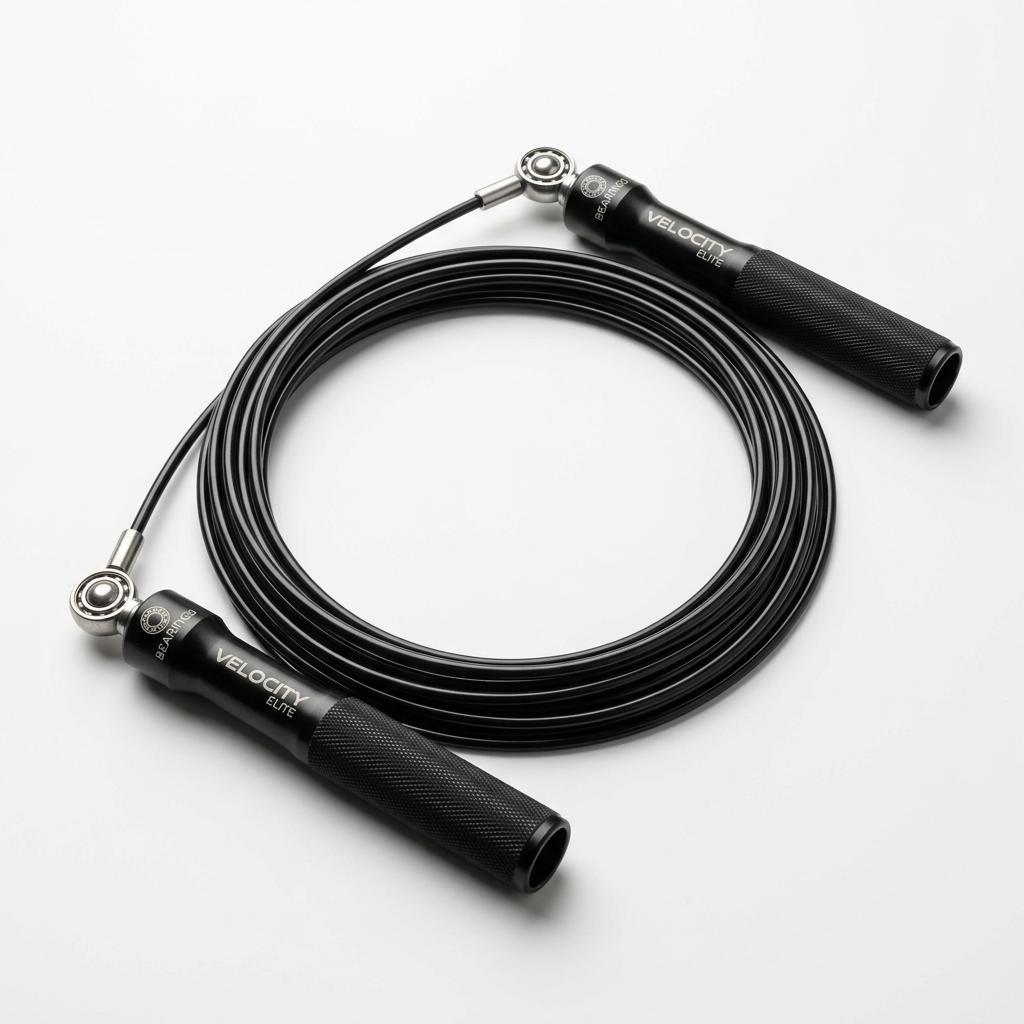
2. Jump Rope — Budget: $8–$18
What you get: An adjustable-length PVC or licorice-style rope with basic handles. Some include ball bearings for smoother rotation.
Where budget falls short: Less smooth rotation, slightly shorter lifespan of the rope material. Handles may be less ergonomic for extended sessions. Rarely includes weighted rope options.
Where it's equivalent: Functionally, a $12 jump rope performs the same basic task as a $40 model. The limiting factor for most users is skill, not equipment quality.
Our verdict: Save. Upgrade only if you advance to double-unders or freestyle jumping, where rope speed and handle precision matter. For basic cardio and conditioning, budget models are sufficient.
Recommended: — DEGOL or WOD Nation speed rope
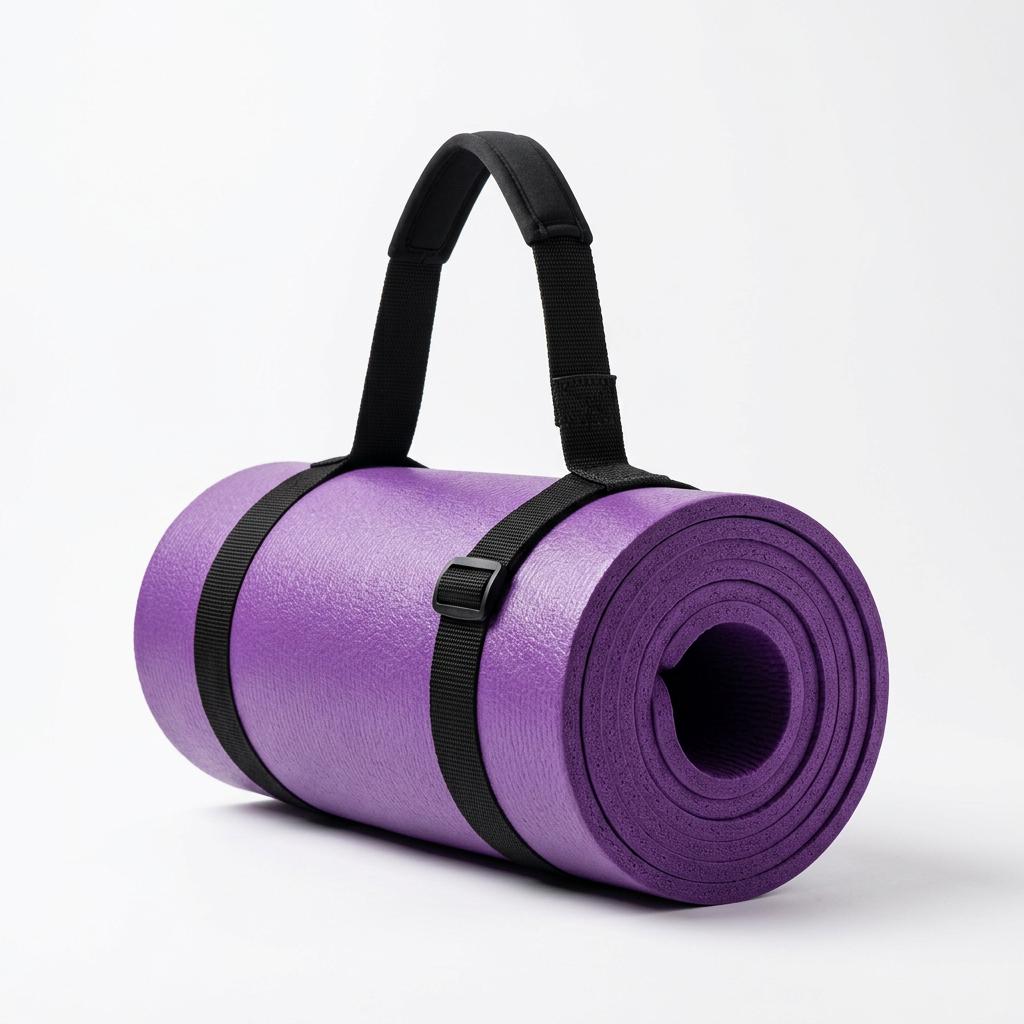
3. Exercise Mat — Budget: $15–$35
What you get: A 6–10 mm PVC, NBR, or TPE mat, typically 68–72 inches long and 24 inches wide. Budget mats provide adequate cushioning and a non-slip surface.
Where budget falls short: PVC mats may off-gas initially and degrade faster (6–12 months vs. 2–3 years for premium TPE). Less dense foam compresses permanently under heavy weight. Fewer size and color options.
Where it's equivalent: Grip quality, basic cushioning, and workout functionality are comparable for light to moderate use.
Our verdict: Save for yoga, stretching, and bodyweight work. Spend more ($40–$80) if you plan to use dumbbells or kettlebells on the mat regularly — thicker, denser material resists compression and damage better.
Recommended (budget): — BalanceFrom GoYoga mat
4. Foam Roller — Budget: $12–$25
What you get: A high-density EVA foam cylinder, 12–18 inches long, with either smooth or textured ("trigger point") surface.
Where budget falls short: Less consistent density. Some budget rollers are too soft to provide meaningful myofascial release. Textured patterns are less refined.
Where it's equivalent: A basic high-density foam roller is a simple device. The material matters more than the brand. Look for "high density" or "firm" in the description.
Our verdict: Save. Focus on density (firm or extra-firm) rather than brand. A $15 high-density roller from Amazon Basics performs the same function as a $45 name-brand model. The one exception: if you want a vibrating foam roller, budget options ($30–$50) exist but are less reliable than premium models ($80–$120).
Recommended: — Amazon Basics High-Density Foam Roller
5. Ab Wheel — Budget: $10–$20
What you get: A single or dual-wheel roller with handles, used for abdominal rollouts. Budget models include basic plastic or metal construction.
Where budget falls short: Less stable wheel design (single vs. dual wheel), thinner handles, no knee pad included. Some models have rough wheel edges that mark floors.
Where it's equivalent: The exercise itself is unchanged. An ab wheel is fundamentally a wheel on an axle — difficult to meaningfully improve beyond basic functionality.
Our verdict: Save. Look for a dual-wheel design for stability and ensure the wheel has a smooth, floor-friendly surface. Most budget ab wheels include a knee pad, but verify before purchase or use a folded towel.
Recommended: — Vinsguir or Fitnessery Ab Roller
6. Push-Up Bars — Budget: $10–$20
What you get: A pair of rotating or fixed handles that elevate the hands during push-ups, reducing wrist strain and increasing range of motion.
Where budget falls short: Less stable base design. Rotating mechanisms may be less smooth. Lower weight capacity (typically 250–300 lb vs. 400+ lb for premium).
Where it's equivalent: The functional benefit — wrist comfort and increased ROM — is identical across price points.
Our verdict: Save unless you weigh over 220 lb or perform explosive push-up variations (where stability becomes critical). Fixed-handle models are more reliable at budget prices than rotating mechanisms.
Recommended: — Perfect Fitness Push-Up Bars
7. Doorway Pull-Up Bar — Budget: $20–$35
What you get: A telescoping steel bar with foam grips that installs via leverage in a standard doorway. Budget models typically support 220–250 lb.
Where budget falls short: Lower stated weight capacity. Less secure grip on door frames — more tendency to shift under load. Foam grips may compress or tear faster. Fewer grip position options.
Where it's equivalent: Basic pull-ups and chin-ups are equally possible. The fundamental leverage mechanism is the same.
Our verdict: Spend cautiously. If you weigh under 180 lb and perform standard pull-ups only, a budget bar is adequate. If you weigh over 200 lb, perform explosive movements (muscle-ups, kipping), or plan heavy daily use, the extra $15–$30 for a higher-capacity bar with better grip security is worthwhile. Safety matters here more than with other budget categories.
Upgrade pick: — ProsourceFit Multi-Grip Chin-Up Bar
8. Yoga / Stability Ball — Budget: $12–$25
What you get: An inflatable PVC ball, 55–75 cm diameter, with a hand pump. Used for core exercises, stability training, and as a desk chair alternative.
Where budget falls short: Less durable PVC material. Slower leak-down over weeks. Less consistent sizing. Fewer texture options for grip.
Where it's equivalent: The core exercises are identical. Any properly inflated burst-rated ball performs the same function.
Our verdict: Save. Look for "anti-burst" or "burst-resistant" rating (typically 300–500 lb). The critical factor is correct sizing: 55 cm for users under 5'6", 65 cm for 5'6"–6'0", 75 cm for over 6'0". Budget or premium, sizing matters more than brand.
Budget vs. Premium: Where the Line Matters
| Category |
Budget Is Fine |
Consider Spending More |
| Items used lightly (< 3×/week) |
All items above |
Pull-up bar if heavy |
| Items used heavily (5+ ×/week) |
Bands, jump rope, ab wheel |
Mat, foam roller, pull-up bar |
| Items under high load (bodyweight+) |
Ab wheel, push-up bars |
Pull-up bar, stability ball |
| Items affecting safety |
— |
Pull-up bar (primary) |
Red Flags in Ultra-Cheap Equipment
Our research indicates these warning signs suggest a product is too cheap to be reliable:
- No stated weight capacity on load-bearing equipment (pull-up bars, push-up bars, stability balls)
- Single-wheel ab rollers without a smooth wheel surface — floor damage risk
- Non-adjustable jump ropes — one size rarely fits all users
- PVC exercise mats under $10 — likely too thin (< 4 mm) to provide meaningful cushioning
- Resistance bands without a stated resistance range — unpredictable loading
Bottom Line
Budget home gym equipment under $50 covers the majority of accessories and bodyweight training tools effectively. Our analysis indicates that material quality and stated specifications matter more than brand name in this price range. The one category where we recommend spending more is load-bearing equipment used at height — primarily doorway pull-up bars — where the cost difference is small but the safety margin is meaningful.
For the core of your home gym, see our complete budget build guides: under $200, under $500, and under $1000.
As an Amazon Associate we earn from qualifying purchases.
 Amazon Basics 1/2" Exerci
 DEGOL Jump Rope
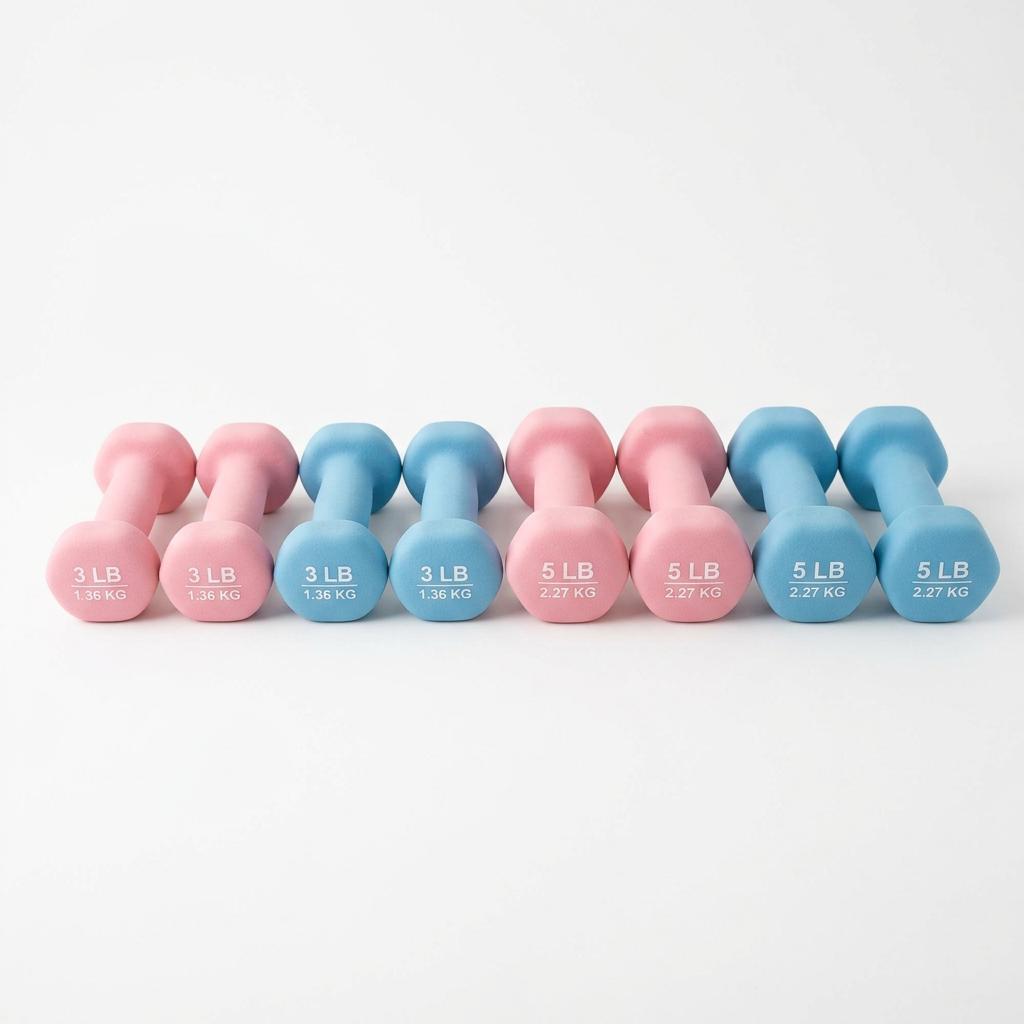 Amazon Basics Neoprene Du
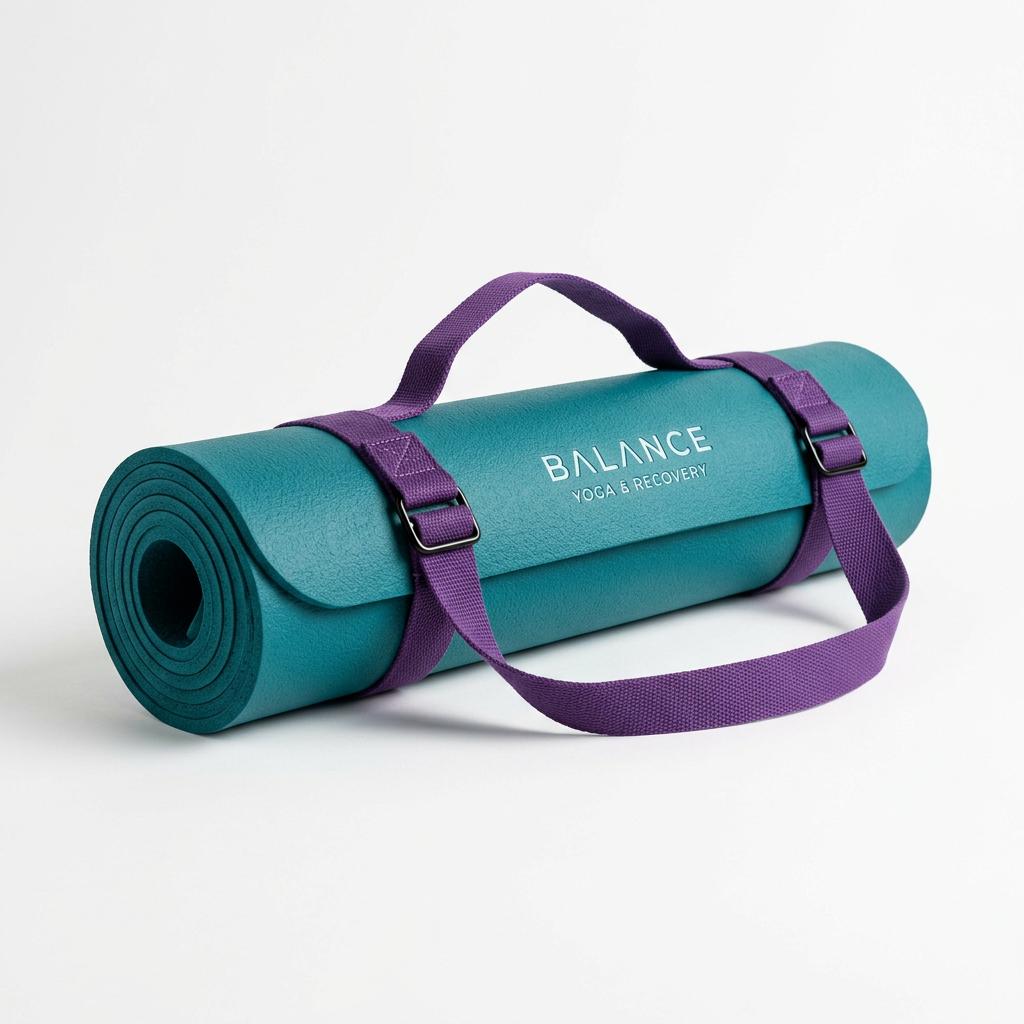 Gaiam Essentials Yoga Mat