Amazon Basics vs Yes4All Fitness Equipment: Budget Gear Comparison
Comprehensive comparison of Amazon Basics vs Yes4All fitness equipment covering dumbbells, kettlebells, resistance bands...
Learn where to buy used gym equipment, what to inspect before purchasing, red flags to avoid, and how to negotiate prices. Research-backed guide for budget home gym builders.
New gym equipment carries a significant premium. Used weights, racks, and cardio machines sell for 40–70% below retail when sourced correctly. But the used market also carries risks: worn bearings, cracked welds, hidden rust, and outright misrepresented products. This guide provides a systematic approach to buying pre-owned equipment safely and economically.
In short: The best used gym equipment deals come from local sellers on Facebook Marketplace and Craigslist, where you can inspect before paying. Expect to pay 40–60% of retail for weights and strength equipment in good condition, and 30–50% for cardio machines. Never buy what you cannot inspect in person or return.
Facebook Marketplace
Craigslist
OfferUp / Letgo
eBay
Rogue Fitness Boneyard
Rep Fitness Scratch and Dent
Play It Again Sports
Commercial gym closures, hotel renovations, and corporate fitness center upgrades produce large quantities of used equipment sold at auction. Sites like Equip-Bid, LocalAuctions, and Proxibid list gym liquidation auctions.
Subreddits like r/homegym have weekly "For Sale" threads and active communities that self-police scammers. Members often sell high-quality equipment when upgrading.
| Item | Fair Used Price | Excellent Condition | High Demand Period |
|---|---|---|---|
| Olympic weight plates (per lb) | $0.80–$1.20/lb | $1.00–$1.50/lb | $1.50–$2.50/lb (peak demand) |
| Standard cast iron plates | $0.50–$0.80/lb | $0.70–$1.00/lb | Higher in winter |
| Bumper plates (per lb) | $1.00–$1.50/lb | $1.50–$2.00/lb | $2.00–$3.00/lb |
| Adjustable dumbbells (pair) | 40–60% of retail | 60–70% of retail | Little seasonal variation |
| Olympic barbell | 50–70% of retail | 70–80% of retail | Stable |
| Power rack | 40–60% of retail | 60–75% of retail | Higher in January |
| Bench (adjustable) | 40–60% of retail | 60–70% of retail | Stable |
| Kettlebells (per lb) | $0.80–$1.20/lb | $1.00–$1.50/lb | Higher |
| Item | Fair Used Price | Excellent Condition | Notes |
|---|---|---|---|
| Treadmill | 25–40% of retail | 40–50% of retail | High failure risk; inspect thoroughly |
| Exercise bike (upright) | 30–45% of retail | 45–55% of retail | Lower failure rate than treadmills |
| Elliptical | 25–40% of retail | 40–50% of retail | Complex mechanics; higher risk |
| Rowing machine (air) | 50–65% of retail | 65–75% of retail | Concept2 holds value exceptionally well |
| Rowing machine (water) | 40–55% of retail | 55–65% of retail | Check water tank integrity |
Used cardio equipment carries the highest risk of hidden problems:
Treadmills:
Exercise Bikes:
Rowing Machines:
| Red Flag | Why It Matters |
|---|---|
| Seller refuses in-person inspection | Likely hiding damage or selling stolen goods |
| Price significantly below market | Probably a scam, broken equipment, or stolen property |
| Bent barbell shaft | Permanent damage; unsafe for heavy lifting |
| Cracked welds on rack or bench | Structural failure risk; welding repair costs $50–$150+ |
| Non-functional cardio electronics | May indicate larger electrical/motor problems |
| Smell of burnt electronics | Motor or control board damage; expensive repair |
| Missing hardware on rack/bench | Replacement may be unavailable for discontinued models |
| Deep rust pitting on structural components | Structural integrity compromised |
| Seller pressure to pay before meeting | Common scam pattern |
| Request for unusual payment methods | Gift cards, wire transfers, cryptocurrency = scam |
| No photos or only stock images | Seller may not have the item |
| Equipment Type | Cleaning Method |
|---|---|
| Metal (bars, racks, plates) | Steel wool for rust, then mineral oil or 3-in-1 oil. Wipe with degreaser, then re-oil moving parts |
| Rubber (bumper plates, mats) | Warm soapy water, scrub brush, air dry. Avoid petroleum-based cleaners that degrade rubber |
| Upholstery (bench pads) | Disinfectant spray, then upholstery cleaner for stains. Replace if heavily degraded |
| Electronics (cardio consoles) | Electronics-safe wipes. Never spray liquid directly |
Used gym equipment from private sellers is almost always sold as-is with no warranty. The exceptions:
Our analysis indicates that weights, bars, and racks are low-risk used purchases because they rarely contain components that fail unpredictably. Cardio machines are high-risk because motors, electronics, and bearings fail without warning and are expensive to repair.
| Buy Used | Buy New |
|---|---|
| Weight plates (iron or bumper) | Adjustable dumbbells (mechanism warranty) |
| Barbells (inspectable, durable) | Cardio machines (warranty essential) |
| Power racks (structurally simple) | Resistance bands (they're cheap new) |
| Benches (if frame is sound) | Suspension trainers (safety-critical) |
| Kettlebells | Anything with electronics you rely on |
| Weight vests and belts | Foam rollers (hygiene) |
Q: Is it safe to buy used weights?
Yes. Cast iron and steel weight plates are functionally indestructible under normal use. The only concerns are cracks (rare) and rust (cosmetic). A used iron plate performs identically to a new one.
Q: How much should I pay for used Olympic plates?
Based on our research of current marketplace listings, expect $0.80–$1.50 per pound for standard used Olympic plates in good condition. Bumper plates run $1.00–$2.00 per pound. Prices spike during high-demand periods (January, gym closure periods).
Q: Should I buy a used treadmill?
Generally no—unless it's a commercial-grade model at a steep discount, you can inspect it running under load, and you're prepared for potential repair costs. Residential treadmills have high failure rates, and used units carry no warranty.
Q: How do I spot a fake or counterfeit product?
Counterfeit gym equipment is less common than in other product categories. For bars, verify the brand markings and knurling pattern against manufacturer photos. For plates, knockoffs are usually obvious from casting quality and weight inaccuracy. Buy from sellers who can show purchase receipts when possible.
Before Contacting a Seller:
During Inspection:
Before Paying:
As an Amazon Associate we earn from qualifying purchases.
| Image | Product | Price | Badge | Link |
|---|---|---|---|---|
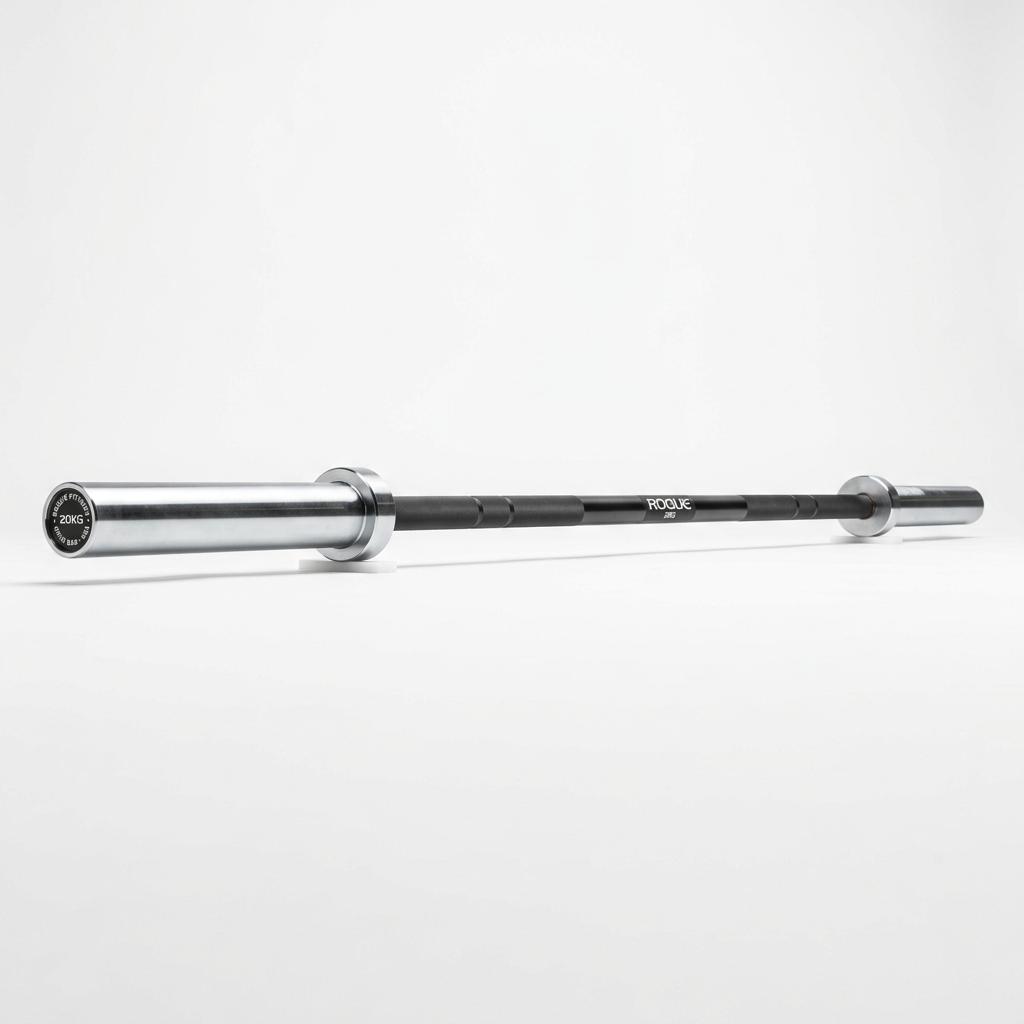 |
Rogue Ohio Bar | $200-$300 | Best Used Barbell | Check Price |
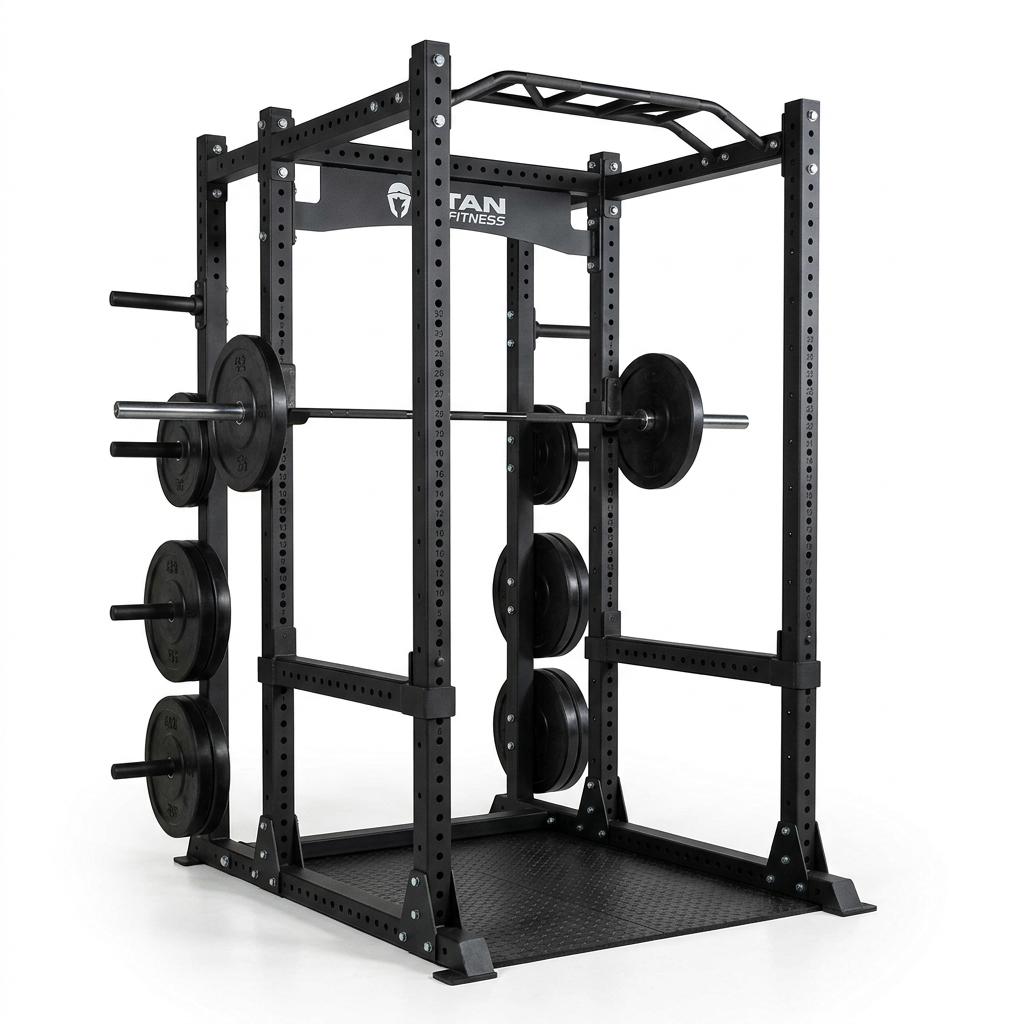 |
Titan Fitness T-3 Power Rack | $300-$500 | Best Used Power Rack | Check Price |
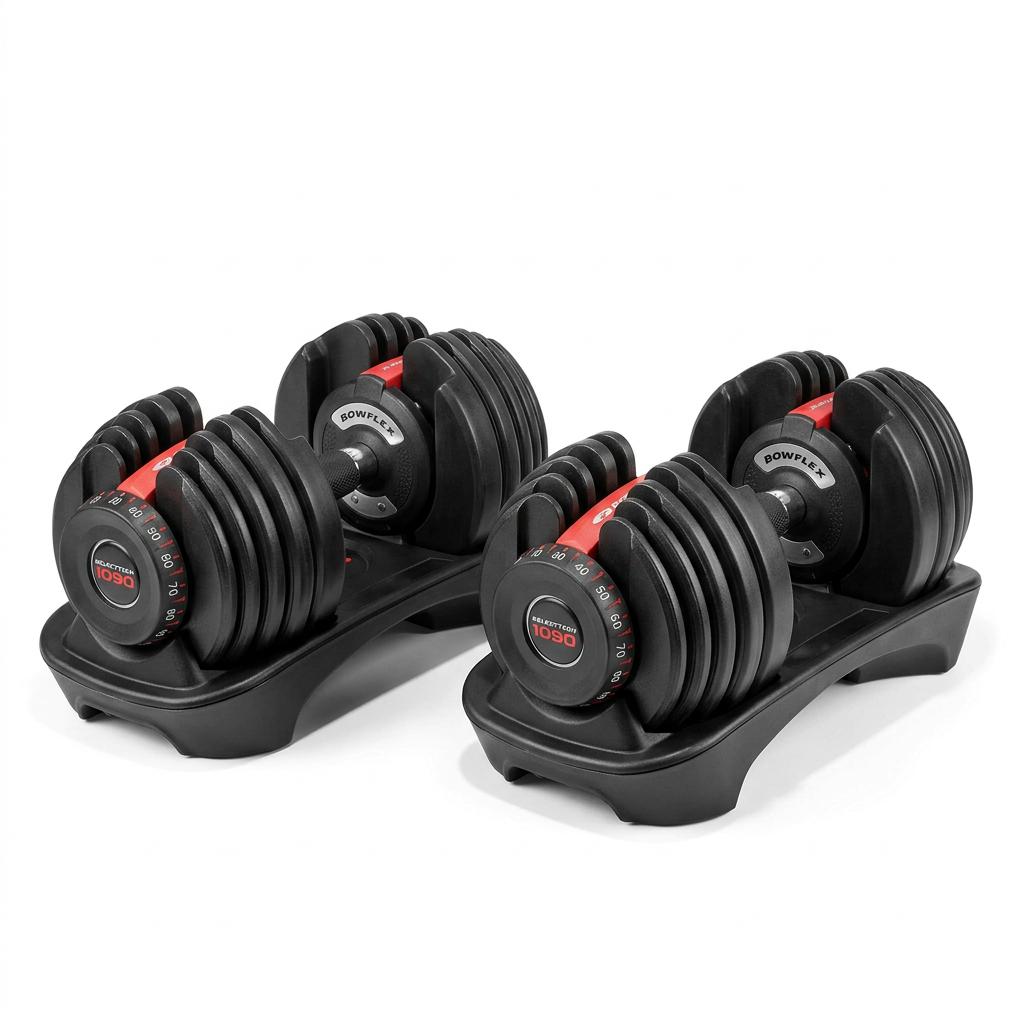 |
Bowflex SelectTech 1090 Adjustable Dumbbells | $400-$600 | Best Used Adjustable Dumbbells | Check Price |
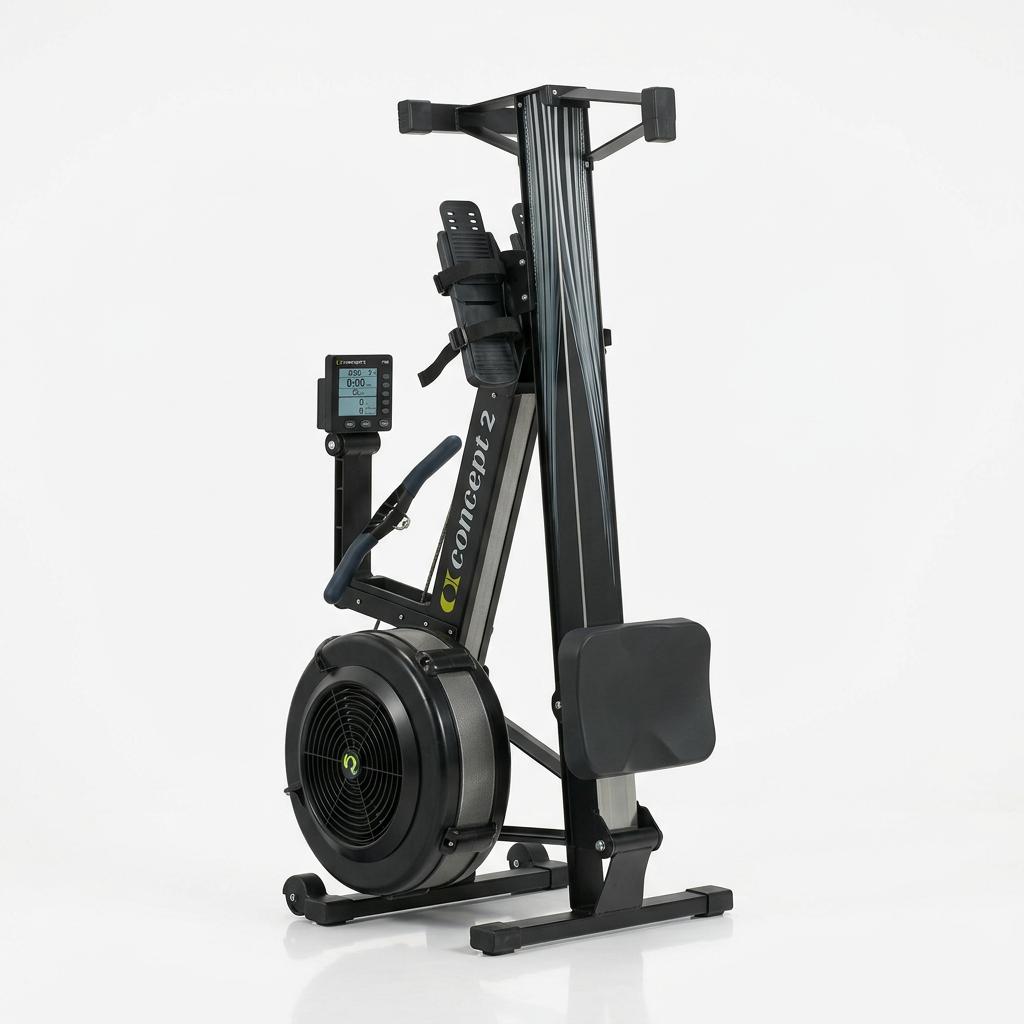 |
Concept2 Model D Rowing Machine | $650-$900 | Best Used Cardio Machine | Check Price |
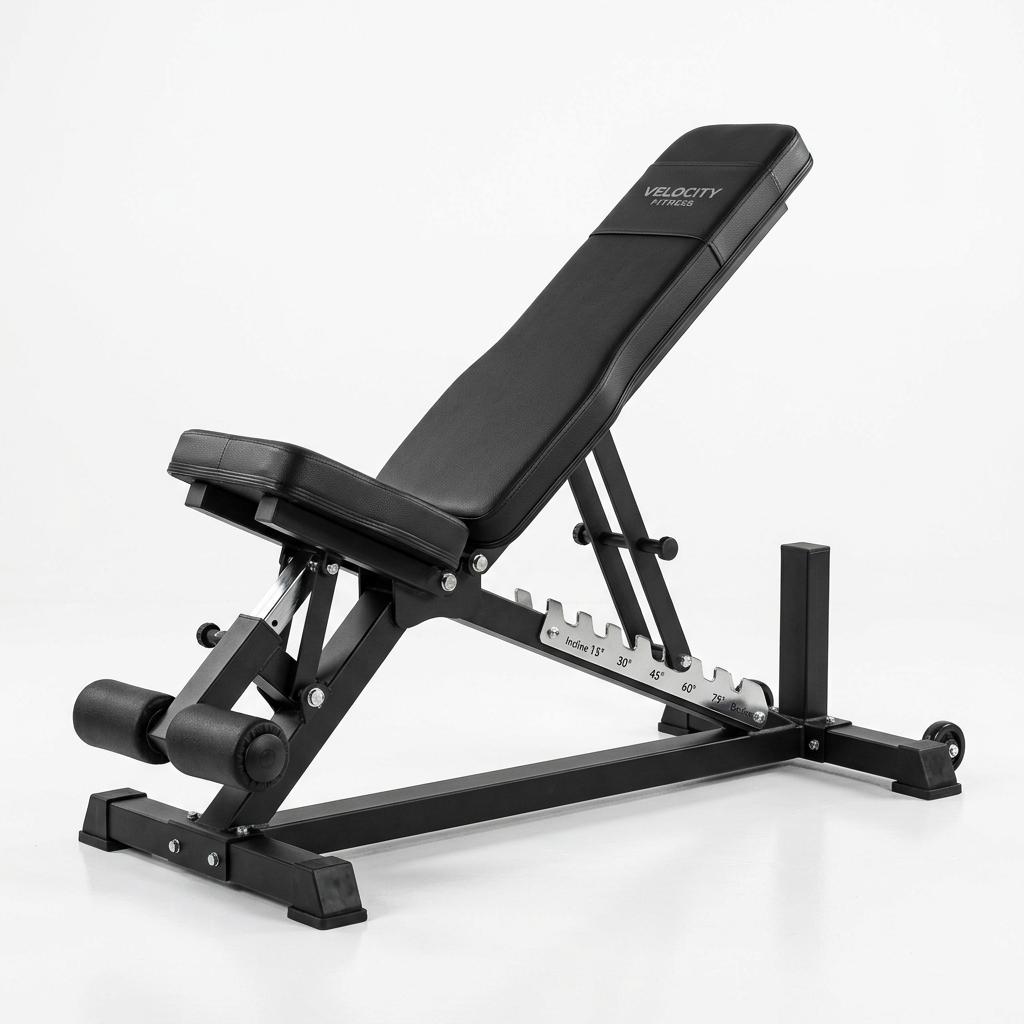 |
Rep Fitness AB-3100 Adjustable Bench | $150-$250 | Best Used Bench | Check Price |
The Rogue Ohio Bar is the gold standard of multi-purpose barbells and holds its value exceptionally well on the used market.
The Titan Fitness T-3 Power Rack delivers commercial-grade safety and versatility at a used price that beats budget new racks.
The Bowflex SelectTech 1090 extends the 552's concept to serious weight levels, offering massive space savings when purchased used at a discount.
The Concept2 Model D is the smartest used cardio purchase available, combining bulletproof construction with the industry's best performance monitor.
The Rep Fitness AB-3100 offers commercial-grade adjustability and capacity at a used price that makes it accessible to any home gym builder.
The Rogue Ohio Bar is arguably the safest and smartest used gym equipment purchase you can make. With a 190,000 PSI tensile strength rating, composite bushings for smooth rotation, and a variety of finish options including chrome, black zinc, and cerakote, this barbell handles everything from Olympic lifts to heavy deadlifts. Rogue's lifetime warranty transfers to second owners, giving you peace of mind that isn't available with most used purchases. When inspecting a used Ohio Bar, check the sleeve spin, knurling sharpness, and any signs of bending or rust on the shaft.
Check Price on Amazon
A power rack is the centerpiece of any serious home gym, and the Titan Fitness T-3 is the best value on the used market. Built from 2x3-inch 11-gauge steel with 1,000+ pound weight capacity, it provides the safety and stability needed for heavy barbell training. The Westside hole spacing through the bench zone allows for precise safety pin and J-cup positioning. When buying used, inspect the uprights for any bending, check that the J-cups and safety pins move freely, and verify all hardware is included. The modular design means you can add pull-up bars, dip attachments, and weight plate storage over time.
Check Price on Amazon
If the SelectTech 552's 52.5-pound maximum isn't enough, the 1090 model extends the range all the way to 90 pounds per dumbbell. This makes them viable for heavy bench press, rows, and even lighter leg exercises. When shopping used, test the adjustment dial on both ends of each dumbbell to ensure smooth operation and proper weight engagement. Check that the storage trays aren't cracked and that the dumbbells seat properly. Because these are premium-priced when new, the used market offers substantial savings, often 30-40% off retail.
Check Price on Amazon
No cardio machine holds its value better than the Concept2 Model D. These rowers are built to withstand commercial gym usage for decades, meaning a used unit from a home gym likely has decades of life remaining. When inspecting a used Model D, check the chain for rust and proper lubrication, test the PM5 monitor for display clarity and button response, and verify the seat rolls smoothly along the monorail without wobbling. Replacement parts are affordable and widely available from Concept2 directly. A used Model D from a reputable seller is virtually indistinguishable from new in performance.
Check Price on Amazon
An adjustable bench is essential for any well-rounded home gym, and the Rep Fitness AB-3100 is the best value on the used market. With seven back pad positions from flat to 90 degrees and a 1,000-pound weight capacity, it handles everything from dumbbell flies to heavy incline bench press. When buying used, inspect the vinyl upholstery for tears or excessive wear, test all adjustment positions to ensure the locking mechanism engages securely, and check that the frame shows no signs of bending or weld cracks. Rep Fitness benches are known for their solid construction, making them a safe bet for used purchases.
Check Price on Amazon