The 5 Best Ab Benches for Home Gyms in 2025: Decline & Adjustable Benches Tested
Research-backed guide to best ab benches home for small-space home gyms....
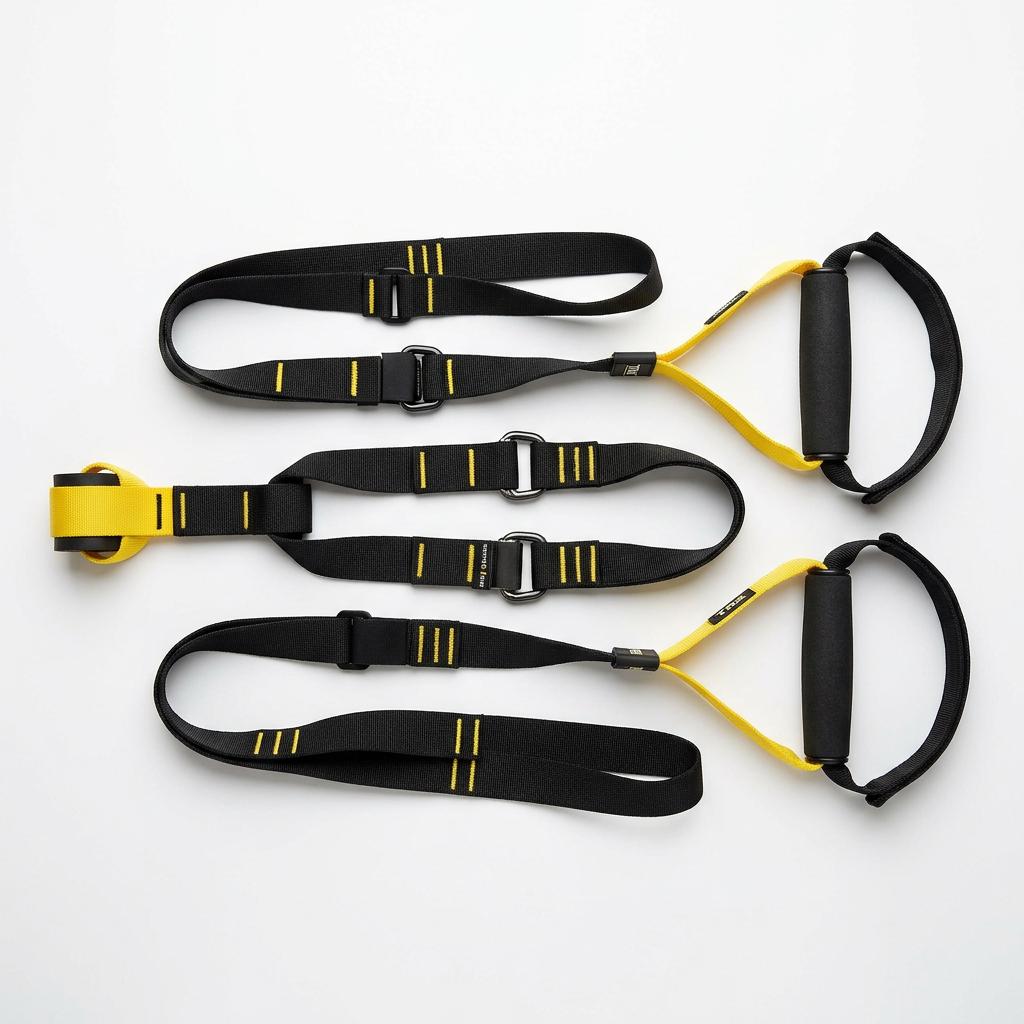
Learn how to add weight to bodyweight exercises safely and effectively. Master weighted pull-ups, dips, push-ups, and pistol squats with this comprehensive programming guide for home gym training.
FTC Disclosure: This article contains affiliate links. We may earn a commission if you purchase through these links at no additional cost to you. This helps support our independent research and testing.
Once you've mastered the foundational bodyweight progressions—performing 15+ pull-ups, 20+ dips, and multiple pistol squats—adding external load becomes the logical next step for continued strength development. Weighted calisthenics bridges the gap between pure bodyweight training and external resistance training, preserving the movement patterns and core engagement that make calisthenics effective while introducing the progressive overload necessary for long-term gains. This comprehensive guide covers every aspect of implementing weighted calisthenics in your home gym.
Bodyweight training has a fundamental limitation: your bodyweight is relatively fixed. While progression through leverage changes (archer pushups, one-arm pull-ups) provides a path forward, it comes with significant technical demands that may not align with your goals. Adding external load offers several advantages:
Precise Progressive Overload: Weighted vests, belts, and backpacks allow you to increase load in small, measurable increments—2.5 lbs at a time rather than jumping to an entirely new movement pattern.
Strength-Focused Rep Ranges: Weighted calisthenics enables training in the 3-8 rep range, which research consistently shows is optimal for maximal strength development.
Maintained Movement Patterns: You continue training the same basic movements (pull-ups, dips, push-ups) that you've already mastered, avoiding the learning curve of advanced bodyweight variations.
Measurable Progress: Tracking added weight provides clear, objective data about strength improvements. A pull-up with 45 lbs is unambiguously stronger than a pull-up with 25 lbs.
Scalable Difficulty: Weighted calisthenics works for trainees at virtually every strength level, from beginners adding 5 lbs to advanced athletes loading 100+ lbs.
The weighted pull-up is arguably the most effective upper-body pulling exercise available. It develops the lats, biceps, rear delts, and grip simultaneously while engaging the core for stabilization.
Dip Belt (Preferred): A dip belt wraps around your waist with a chain or strap in front. Weight plates thread onto the chain, hanging between your legs. This method keeps the load centered and doesn't restrict upper body movement.
Check price at Amazon for dip belts
Weight Vest: A weight vest distributes load across your torso, which some find more comfortable than a belt. Vests typically hold 20-80 lbs and adjust in 1-2 lb increments.
As an Amazon Associate, we earn from qualifying purchases. Learn more
Backpack Method: Fill a sturdy backpack with weight plates, books, or water bottles. Wear it on your back during pull-ups. This method is less comfortable and stable than a belt or vest but works in a pinch.
Dumbbell Between Feet: For lighter loads (5-20 lbs), grip a dumbbell between your crossed ankles. This is the least preferred method due to stability challenges and the grip strength required to hold the dumbbell.
| Goal | Sets x Reps | Loading Strategy | Frequency |
|---|---|---|---|
| Strength | 5 x 3-5 | Heavy (3-8RM), 3-5 min rest | 2x/week |
| Hypertrophy | 4 x 6-10 | Moderate (8-12RM), 2-3 min rest | 2x/week |
| Endurance | 3 x 12-15+ | Light or bodyweight, 90 sec rest | 1-2x/week |
Progression Model: Add 2.5-5 lbs when you can complete all prescribed sets at the top of the rep range with good form. If you fail to hit the target reps on the final set, maintain the current weight until you succeed.
Weighted dips are the premier calisthenics pushing exercise for building chest, shoulder, and tricep mass and strength. The movement pattern closely mimics the decline bench press while requiring significant core and scapular stabilization.
Dip Belt: The same belt used for pull-ups works perfectly for dips. The load hangs between your legs, staying clear of the movement path.
Weight Vest: An excellent alternative that keeps the load close to your center of gravity. Some find vests more comfortable for dips than belts.
Dumbbell Between Knees: Cross your ankles and grip a dumbbell between your knees. Best for lighter loads (5-25 lbs).
Chains: Drape chains over your shoulders and neck for accommodating resistance that increases as you press up. This is an advanced technique typically used after mastering standard weighted dips.
| Goal | Sets x Reps | Loading Strategy | Rest |
|---|---|---|---|
| Strength | 5 x 3-6 | Heavy, 3 min rest | 3 min |
| Hypertrophy | 4 x 6-12 | Moderate, 2 min rest | 2 min |
| Strength-Endurance | 3 x 10-15 | Light, 90 sec rest | 90 sec |
Critical Safety Note: Weighted dips place significant stress on the shoulder joint, particularly in the bottom position. Stop your descent when your upper arms reach parallel to the floor—going deeper increases injury risk without meaningful benefit for most trainees.
The weighted push-up is an underutilized exercise that combines the accessibility of push-ups with the progressive overload of bench pressing. Research suggests that weighted push-ups may actually exceed the bench press in core activation while matching chest and tricep recruitment.
Weight Vest (Preferred): A weight vest distributes load evenly across your torso, maintaining the natural push-up mechanics. Adjustable vests allow precise loading from 5 to 80+ lbs.
As an Amazon Associate, we earn from qualifying purchases. Learn more
Backpack: Place a loaded backpack on your upper back. Have a training partner place it carefully, or put it on while in the top push-up position. This is less stable than a vest but effective for moderate loads.
Weight Plate on Back: Have a partner place a weight plate on your upper back. This works for heavier loads (25-45 lbs) but requires a partner and careful placement to prevent the plate from sliding.
Resistance Band: Loop a band across your upper back and anchor it under your hands on the floor. The resistance increases as you press up, creating accommodating resistance. This is an advanced technique that changes the strength curve of the movement.
| Goal | Sets x Reps | Loading Strategy | Rest |
|---|---|---|---|
| Strength | 5 x 4-6 | Heavy vest or plate, 2-3 min | 2-3 min |
| Hypertrophy | 4 x 8-12 | Moderate vest, 90 sec | 90 sec |
| Power | 5 x 3 | Moderate load, explosive concentric | 2 min |
The pistol squat—single-leg squat to full depth—represents one of the most demanding lower-body exercises in existence. Adding weight transforms it from a balance and mobility challenge into a legitimate strength builder that rivals barbell squatting for leg development.
Goblet-Style (Dumbbell or Kettlebell): Hold a single dumbbell or kettlebell at chest level with both hands. This front-loaded position actually assists balance by providing a counterweight, making it the ideal starting point for weighted pistols.
As an Amazon Associate, we earn from qualifying purchases. Learn more
Weight Vest: A vest provides even loading without occupying your hands. Best for moderate loads (10-40 lbs) where balance is already established.
Dumbbell in Each Hand: Hold dumbbells at your sides. This allows for heavier loading but increases the balance challenge since the weights can swing. Best for advanced practitioners.
Barbell Back or Front Squat Position: For very strong trainees, a barbell in back squat or front squat position allows the heaviest loading. This requires excellent pistol squat balance and should only be attempted after mastering vest-loaded variations.
| Goal | Sets x Reps | Loading Strategy | Rest |
|---|---|---|---|
| Strength | 5 x 3-5 per leg | Heavy goblet load, 2-3 min | 2-3 min |
| Hypertrophy | 4 x 6-8 per leg | Moderate load, 90 sec | 90 sec |
| Skill/Balance | 3 x 5 per leg | Light load or bodyweight, 60 sec | 60 sec |
The most reliable progression strategy for weighted calisthenics:
Add a small amount of weight (2.5-5 lbs) every 2-3 weeks while maintaining the same rep targets. This works well for beginners but eventually stalls as you approach your limits.
Alternate between heavier and lighter weeks:
For long-term planning, integrate weighted calisthenics into a periodization framework:
| Equipment | Primary Use | Price Range | Priority |
|---|---|---|---|
| Dip Belt | Pull-ups, dips | $20-50 | Essential |
| Adjustable Weight Vest | Pull-ups, dips, push-ups, pistols | $40-150 | Essential |
| Weight Plates | Loading belt/vest | $1-2 per lb | Essential |
| Backpack | Budget alternative | Free | Low |
| Kettlebells | Goblet pistol squats | $1-2 per lb | High |
As an Amazon Associate, we earn from qualifying purchases. Learn more
Joint Health: Weighted calisthenics places significant stress on shoulders (dips), elbows (pull-ups), and knees (pistols). Stop immediately if you experience sharp or shooting pain.
Progressive Loading: Never add more than 5 lbs at a time. The small increment prevents form breakdown and reduces injury risk.
Grip Strength: Your grip may limit pull-up loading before your back does. Consider grip-specific training or straps for back-focused sets.
Warm-Up Thoroughly: Perform 2-3 sets of bodyweight-only reps before adding load. The added weight increases injury risk if tissues aren't prepared.
Have a Bail Plan: For weighted pistols, practice bailing safely (stepping forward). For pull-ups and dips, ensure you can safely drop from the top position if failure occurs.
| Exercise | Sets x Reps | Rest | Notes |
|---|---|---|---|
| Weighted Pull-Up | 5 x 3-5 | 3 min | Dip belt, progressive loading |
| Weighted Chin-Up | 4 x 5-6 | 2-3 min | Supinated grip, bicep emphasis |
| Bodyweight Row (feet elevated) | 3 x 12-15 | 90 sec | Volume work |
| Bicep Curl (bodyweight or band) | 3 x 10-12 | 60 sec | Accessory |
| Exercise | Sets x Reps | Rest | Notes |
|---|---|---|---|
| Weighted Dip | 5 x 4-6 | 3 min | Dip belt, progressive loading |
| Weighted Push-Up | 4 x 6-8 | 2 min | Weight vest |
| Pike Push-Up or HSPU progression | 4 x 5-8 | 2 min | Shoulder emphasis |
| Ring Fly or Band Fly | 3 x 12-15 | 60 sec | Chest isolation |
| Exercise | Sets x Reps | Rest | Notes |
|---|---|---|---|
| Weighted Pistol Squat | 5 x 3-5 per leg | 2-3 min | Gobbell kettlebell |
| Weighted Bulgarian Split Squat | 3 x 8 per leg | 90 sec | Dumbbells at sides |
| Glute-Ham Raise or Nordic Curl | 3 x 5-8 | 2 min | Posterior chain |
| Calf Raise (single leg) | 4 x 12 per leg | 60 sec | Bodyweight or loaded |
| Exercise | Sets x Reps | Rest | Notes |
|---|---|---|---|
| Bodyweight Pull-Up | 4 x max | 2 min | Technical practice |
| Bodyweight Dip | 4 x max | 2 min | Technical practice |
| L-Sit | 5 x max hold | 90 sec | Core strength |
| Handstand Hold | 5 x 20-30 sec | 90 sec | Skill work |
Weighted calisthenics represents the natural evolution of bodyweight training for those who have mastered foundational movements. It preserves the full-body integration, core engagement, and joint-friendly nature of calisthenics while introducing the precise progressive overload that drives long-term strength development. Whether your goal is a 100-lb pull-up, a 45-lb dip, or a kettlebell-loaded pistol squat, the methods outlined in this guide provide the roadmap.
Invest in a quality dip belt and weight vest, start conservatively with your loading, progress systematically, and maintain the movement quality that made your unweighted reps successful. The combination of calisthenics mastery and strategic loading produces a level of functional strength that pure barbell training alone cannot replicate.
Build your foundation first with our Progressive Calisthenics Program, then return to this guide to continue your strength journey.