321 STRONG Foam Roller Review: Textured Myofascial Release for Home Recovery
Our research-backed review of the 321 STRONG Foam Roller examines texture pattern, foam density, durability, and pain-pr...
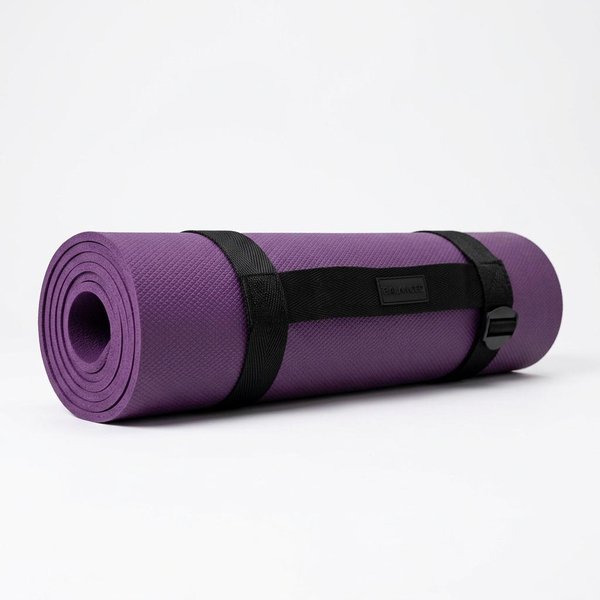
A research-backed guide to active recovery—what it is, how it works, proven benefits for performance and soreness, and practical implementation strategies.
Active recovery refers to low-intensity physical activity performed after strenuous exercise or during rest days, with the specific purpose of facilitating physiological recovery rather than building fitness. Unlike passive recovery (complete rest), active recovery involves moving at approximately 30-50% of maximum heart rate or 30-40% of VO2max—think easy walking, gentle cycling, light swimming, or relaxed yoga flows.
The concept has gained substantial research support over the past decade, with studies demonstrating benefits for reducing muscle soreness, clearing metabolic waste, and in some cases, improving subsequent performance compared to complete rest.
| Factor | Active Recovery | Passive Recovery |
|---|---|---|
| Intensity | 30-50% max heart rate | None |
| Examples | Walking, easy cycling, yoga, swimming | Sitting, lying down, sleeping |
| Primary mechanism | Enhanced circulation, metabolic clearance | Complete physiological rest |
| Muscle soreness | Generally reduced | May persist longer |
| Performance next day | Sometimes improved | Sometimes decreased |
| Psychological effect | Maintains routine, mood boost | Full mental disengagement |
During intense exercise, muscles accumulate metabolic byproducts including lactate, hydrogen ions, and creatine kinase. While lactate itself is not the cause of muscle soreness (a common misconception), its accumulation correlates with muscle fatigue and metabolic disturbance.
Research published in the Journal of Sports Sciences (2022) found that active recovery at 30% VO2max significantly accelerated lactate clearance compared to passive rest. The mechanism is straightforward: low-intensity muscle contractions act as a "muscle pump," driving venous and lymphatic return without creating additional metabolic stress.
A 2023 meta-analysis in the Cochrane Database of Systematic Reviews examined 99 studies on recovery interventions and found that:
After intense eccentric exercise (the lengthening phase of muscle contractions, like downhill running or lowering weights), muscles can become stiff and range of motion decreases. A 2022 study in the Journal of Strength and Conditioning Research found that 20 minutes of low-intensity cycling immediately after eccentric exercise preserved knee flexion range of motion significantly better than passive rest over the following 48 hours.
Research in Psychology of Sport and Exercise (2023) identified significant psychological benefits of active recovery:
Many sports inherently include active recovery between high-intensity efforts:
Research supports this practice. A 2021 study in the International Journal of Sports Physiology and Performance found that athletes who performed active recovery between high-intensity cycling intervals maintained power output 8% better across subsequent intervals compared to those who passively rested.
The 10-20 minutes following intense exercise represent a key window for active recovery. A 2022 systematic review in Sports Medicine found that post-exercise active recovery:
Dedicating entire days to active recovery has become popular in fitness culture. Common approaches include:
The key principle is that active recovery should feel easy. If you're breathing hard, accumulating significant fatigue, or reaching anywhere near discomfort, the intensity is too high. Valid active recovery activities include:
Zone 1 Cardio (30-50% max heart rate):
Mobility and Flexibility:
Soft Tissue Work:
These activities are too intense to qualify as active recovery and should be considered light training instead:
Research suggests:
Longer is not necessarily better. A 2021 study in the European Journal of Applied Physiology found no additional benefit from 60 minutes versus 30 minutes of active recovery cycling at 30% VO2max, suggesting a diminishing returns threshold.
The performance effects of active recovery are nuanced:
The primary value of active recovery appears to be reducing soreness and maintaining movement quality during heavy training blocks—not directly improving fitness.
Myth: "Active recovery speeds up muscle repair" The evidence does not support that active recovery accelerates actual tissue repair. Satellite cell activation, protein synthesis, and collagen remodeling proceed on their own timelines. What active recovery does is reduce the symptoms (soreness, stiffness) associated with the repair process and potentially create a more favorable environment for recovery by enhancing circulation.
Myth: "You should do active recovery every rest day" Complete rest days are still valuable, particularly during deload weeks or when psychological fatigue is high. Forcing active recovery when your body genuinely needs stillness can increase overall stress and impair adaptation. The best athletes alternate between active recovery days and true rest days depending on training load and life stress.
Myth: "The more active recovery, the better" Research shows diminishing returns beyond 30-45 minutes, and potentially negative effects if intensity creeps too high. Active recovery should feel effortless—not like a light workout. If you're breathing harder than a casual conversational pace, you've crossed into training territory.
Myth: "Active recovery replaces sleep and nutrition" Nothing replaces 7-9 hours of quality sleep and adequate protein intake. Active recovery is a supplement to—not a substitute for—the fundamentals of rest and nutrition. Prioritize sleep over active recovery every time.
To ensure your active recovery stays in the appropriate intensity range, use these objective measures:
Wearing a heart rate monitor or fitness tracker during active recovery sessions helps prevent the common mistake of creeping into moderate-intensity territory, which defeats the purpose of recovery.
Active recovery—low-intensity movement at 30-50% of maximum effort—is a research-supported tool for reducing muscle soreness, clearing metabolic byproducts, maintaining range of motion, and supporting psychological well-being during demanding training periods. It is not, however, a substitute for complete rest when the body truly needs it. The most effective approach combines strategic active recovery sessions with genuine passive rest days, listening to your body's signals and adjusting accordingly.
References: Cochrane Database of Systematic Reviews (2023); Sports Medicine (2022); Journal of Strength and Conditioning Research (2022); European Journal of Applied Physiology (2021).