321 STRONG Foam Roller Review: Textured Myofascial Release for Home Recovery
Our research-backed review of the 321 STRONG Foam Roller examines texture pattern, foam density, durability, and pain-pr...
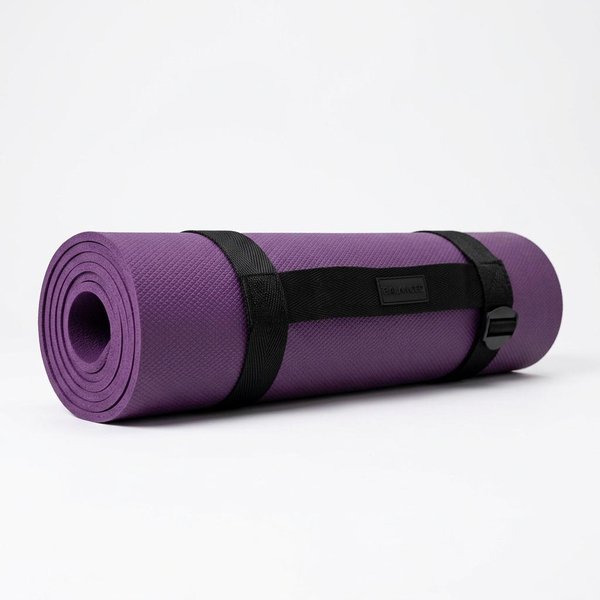
Learn the most common stretching mistakes that lead to injury including bouncing, overstretching, and cold stretching. Evidence-based guidelines on proper hold times, breathing techniques, and when stretching can be harmful.
Stretching is widely recommended for flexibility, recovery, and injury prevention. However, the way stretching is performed determines whether it provides benefit or causes harm. Our analysis examines the most common stretching errors, the evidence behind proper technique, and the specific conditions under which stretching can be counterproductive.
Conservative safety note: This guide synthesizes published research on stretching and flexibility. If you have an existing injury, joint condition, or are recovering from surgery, consult a physical therapist or qualified healthcare provider for individualized guidance.
The error: Using a bouncing or jerking motion to push a stretch further, particularly in seated hamstring stretches or standing toe touches.
Why it is problematic: Ballistic stretching triggers the stretch reflex — a protective neuromuscular response that contracts the muscle being stretched. When you bounce, the muscle alternately stretches and contracts against the momentum. This produces a tug-of-war between your intent (lengthening) and your nervous system's protective response (shortening). The result: increased risk of muscle strain and no meaningful improvement in flexibility.
What the research indicates: Multiple published studies have demonstrated that ballistic stretching produces inferior flexibility gains compared to static stretching and carries a higher injury risk, particularly when performed without adequate warm-up.
The correct approach: Move into a stretch position slowly and smoothly. When you reach the point of mild tension, hold the position without movement. If the tension decreases after 15–20 seconds, you may increase the stretch range slightly — again, slowly and without bouncing.
The error: Pushing a stretch to the point of pain or significant discomfort, believing that more intense stretching produces faster results.
Why it is problematic: Pain during stretching indicates that tissue is being loaded beyond its capacity. The body responds to excessive stretch stress by initiating an inflammatory response and increasing protective muscle tone. Chronic overstretching can lead to:
The correct approach: Stretch to the point of mild tension — a 3–4 out of 10 on a discomfort scale. You should feel a gentle pull, not pain, burning, or sharp sensation. If you cannot breathe normally and hold a conversation, you are stretching too intensely.
| Sign | Meaning | Action |
|---|---|---|
| Sharp or stabbing pain | Potential tissue damage | Reduce intensity immediately; stop if pain persists |
| Burning sensation | Nerve involvement or excessive tissue stress | Back off the stretch range |
| Inability to breathe normally | Excessive tension triggers sympathetic response | Reduce intensity until breathing is comfortable |
| Shaking or trembling | Neuromuscular overload; protective contraction | Reduce intensity; shaking indicates your nervous system is fighting the stretch |
| Pain that persists after stretching | Tissue irritation | Discontinue that stretch; consult professional if it persists 48+ hours |
The error: Performing static stretching as the first activity of a workout session, before any warm-up or movement preparation.
Why it is problematic: Cold muscles and connective tissue are less elastic and more susceptible to tearing. Published research indicates that static stretching performed without prior warm-up does not effectively increase range of motion and may increase injury risk compared to stretching after a warm-up.
The correct approach:
| Timing | Stretch Type | Duration | Purpose |
|---|---|---|---|
| Pre-workout (after 3–5 min light warm-up) | Dynamic stretching | 5–10 minutes | Prepare tissues for movement; activate nervous system |
| During workout | Brief movement breaks | 10–15 seconds | Maintain range of motion between sets |
| Post-workout | Static stretching | 10–15 minutes total | Improve chronic flexibility; promote recovery |
| Separate session (non-workout day) | Static or PNF stretching | 15–30 minutes | Dedicated flexibility development |
Dynamic stretching examples: leg swings, arm circles, hip circles, walking lunges with rotation, high knees, butt kicks. These involve controlled movement through an increasing range of motion.
The error: Unintentionally holding your breath during static stretches, particularly during intense or uncomfortable stretches.
Why it is problematic: Holding your breath (the Valsalva maneuver) increases blood pressure and triggers a sympathetic nervous system response — the "fight or flight" state. Effective stretching requires parasympathetic activation — the "rest and digest" state — which promotes muscle relaxation and tissue elongation. Breath-holding directly counteracts this.
The correct approach: Breathe slowly and deeply throughout each stretch. A common effective pattern:
The longer exhalation promotes parasympathetic activation and helps the muscle relax into the stretch.
The error: Stretching muscles that are already flexible while neglecting genuinely tight areas. This creates or exacerbates muscle imbalances.
Why it happens: People tend to stretch what feels easy or what they know. A comfortable seated forward fold may not be the stretch your body needs. Conversely, a genuinely tight hip flexor or chest stretch feels uncomfortable and is therefore avoided.
The correct approach: Assess your actual flexibility needs rather than performing a generic routine.
| Common Tight Area | Why It Tightens | Common Sign |
|---|---|---|
| Hip flexors (iliopsoas) | Prolonged sitting | Lower back arches when standing; anterior pelvic tilt |
| Chest / pecs | Forward posture; pressing exercises | Rounded shoulders; difficulty clasping hands behind back |
| Hamstrings | Sitting; poor glute activation | Inability to touch toes; lower back rounds during forward fold |
| Calves / ankles | Heel-wearing; limited ankle dorsiflexion | Heels lift during squats; tight feeling when flexing foot up |
| Upper traps / neck | Stress; desk posture | Shoulders creep toward ears; tension headaches |
Assessment method: Before each stretching session, perform 2–3 fundamental movements (overhead squat, toe touch, shoulder flexion test). Note where you feel restriction. Spend extra time on those areas, not on areas that already move freely.
The error: Stretching for 10 seconds here and there, or performing a full routine once every two weeks.
What the research indicates on hold times:
| Hold Duration | Effect | Best Application |
|---|---|---|
| 10–15 seconds | Minimal chronic flexibility improvement | Pre-workout dynamic preparation |
| 15–30 seconds | Acute range-of-motion increase | Post-workout cool-down |
| 30–60 seconds | Significant flexibility improvement with consistent practice | Dedicated flexibility sessions |
| 60+ seconds | Maximum flexibility stimulus | Problematic tight areas; yoga practice |
Frequency: Published guidelines suggest 2–3 stretching sessions per week minimum for chronic flexibility improvement. Daily stretching produces faster and more sustained results. A single weekly stretching session maintains flexibility but does not significantly improve it.
The correct approach: For flexibility development, perform static stretches for 30–60 seconds per muscle group, 3–5 days per week, after a brief warm-up or at the end of a workout. For maintenance, 15–30 seconds per stretch, 2–3 days per week, is sufficient.
The error: Continuing to stretch a muscle or joint that is actively painful, swollen, or recently injured, believing that stretching promotes healing.
Why it is problematic: Stretching an acutely injured muscle or joint can worsen tissue damage, delay healing, and convert a minor strain into a chronic problem. The inflammatory response in acute injuries requires protection, not additional mechanical stress.
| Condition | Reason | Alternative |
|---|---|---|
| Acute muscle strain (first 48–72 hours) | Tissue is actively healing; stretching disrupts repair | Rest; ice; compression; elevation; gentle pain-free movement only |
| Joint sprain (first 1–2 weeks) | Ligaments are compromised; stretching stresses damaged tissue | Follow medical guidance; protective bracing if prescribed |
| Acute inflammation or swelling | Stretching increases fluid accumulation in the area | Address inflammation first; consult healthcare provider |
| Nerve pain (sciatica, radiculopathy) | Stretching may compress or irritate the nerve | Consult physical therapist; nerve glides may be appropriate under guidance |
| Hypermobile joints | Already excessive range; stretching increases instability | Focus on stability and strength, not flexibility |
| After certain surgeries | Tissue healing protocols supersede general stretching | Follow surgeon's or physical therapist's specific protocol |
The correct approach: If you have acute pain (less than 2 weeks), swelling, or a known injury, consult a healthcare provider before stretching the affected area. Gentle range-of-motion movements may be appropriate, but static stretching of injured tissue is generally contraindicated in the acute phase.
| Parameter | Recommendation | Evidence Basis |
|---|---|---|
| Warm-up before stretching | 3–5 minutes of light activity | Reduced injury risk; improved tissue elasticity |
| Stretch type for flexibility | Static stretching | Proven chronic range-of-motion improvement |
| Hold duration | 30–60 seconds per stretch | Dose-response relationship in published literature |
| Intensity | Mild tension (3–4/10 discomfort) | Effective stimulus without tissue damage |
| Breathing | Slow, diaphragmatic; longer exhale | Promotes relaxation; reduces protective muscle tone |
| Frequency | Minimum 2–3 times per week; daily optimal | Frequency correlates with rate of improvement |
| Duration per session | 10–15 minutes for maintenance; 15–30 minutes for development | Sufficient volume for stimulus without overuse |
| Bouncing | Avoid | Higher injury risk; inferior outcomes vs. static |
| Pain during stretching | Stop; reduce intensity | Pain indicates potential tissue damage |
As an Amazon Associate we earn from qualifying purchases.