321 STRONG Foam Roller Review: Textured Myofascial Release for Home Recovery
Our research-backed review of the 321 STRONG Foam Roller examines texture pattern, foam density, durability, and pain-pr...
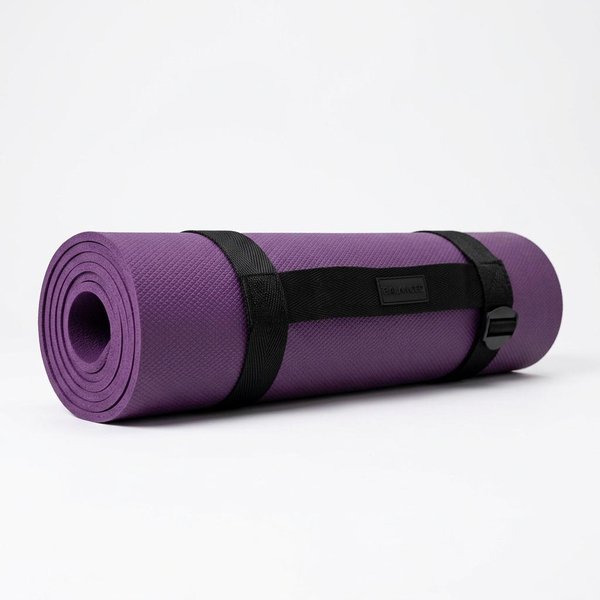
A research-backed 10-15 minute morning mobility routine to improve joint health, reduce stiffness, and set your body up for better movement all day long.
Waking up with stiffness and restricted movement is one of the most common complaints among adults who work desk jobs or engage in regular exercise. A structured morning mobility routine can transform how your body feels and performs throughout the day, requiring nothing more than a small patch of floor space and 10 to 15 minutes of your time.
Research published in the Journal of Physical Therapy Science demonstrates that consistent morning mobility work significantly improves range of motion, reduces perceived stiffness, and enhances proprioception — your body's awareness of its position in space. Morning is the ideal time for mobility work because your body's core temperature is naturally lower upon waking, and gentle movement helps increase blood flow to tissues that have been relatively still for hours.
Unlike intense stretching, which can temporarily reduce muscle strength when performed before activity, mobility work focuses on controlled movement through a joint's full range of motion. This distinction matters: mobility training prepares your nervous system and joints for the demands of the day without the performance decrements associated with passive static stretching.
This routine targets the major joint complexes that tend to stiffen overnight: the hips, thoracic spine, shoulders, and ankles. Perform each movement deliberately, prioritizing control over speed.
Start on all fours with your hands beneath your shoulders and knees beneath your hips. As you inhale, arch your spine downward while lifting your chin and tailbone. As you exhale, round your spine upward while tucking your chin to your chest. This classic yoga-inspired movement gently mobilizes the entire spine and encourages deep breathing, which helps shift your nervous system into a calmer, more focused state.
Step your right foot forward into a lunge position. Place your left hand on the floor and reach your right arm toward the ceiling, rotating your thoracic spine. Return your right hand to the floor, then bring your right elbow toward your right instep for a deep hip stretch. Repeat on each side. This multi-planar movement addresses hip flexors, hamstrings, and thoracic rotation simultaneously — three areas that suffer most from prolonged sitting.
Sit on the floor with both legs bent at 90 degrees — your right leg in front, left leg behind. Keeping your spine tall, lift your knees and rotate to bring your left leg forward and right leg back. Continue switching smoothly between positions. This movement specifically targets hip internal and external rotation, which are essential for pain-free walking, squatting, and athletic movement.
Lie on your side with your bottom leg straight and top leg bent at 90 degrees resting on a foam roller or pillow. Extend both arms in front of you, then slowly rotate your top arm open toward the floor behind you, following the movement with your eyes. Return to the starting position and repeat for 45 seconds on each side. This exercise directly combats the forward-hunched posture that develops from sleeping and desk work.
Place one foot on a yoga block or a rolled towel so your heel is on the floor and the ball of your foot is elevated. Rock your knee forward over your toes while keeping your heel down, then return to the starting position. Perform 30 seconds on each ankle. Healthy ankle dorsiflexion is crucial for proper squat mechanics and walking gait.
Stand tall and slowly rotate one arm in the largest possible circle, focusing on moving the shoulder joint through its complete range of motion — flexion, abduction, extension, and internal rotation. Perform three slow rotations on each arm. CARs maintain the health of your shoulder joint capsule and help prevent the impingement issues common in adults over 30.
Finish your routine with standing deep breathing. Inhale deeply while reaching both arms overhead, then exhale slowly while lowering your arms. Perform 5 to 8 breaths, focusing on expanding your ribcage fully in all directions. This final step integrates the mobility work with parasympathetic activation, setting a calm yet energized tone for your morning.
Consistency delivers far greater benefits than intensity. Start with just five minutes if fifteen feels overwhelming, and build from there. Many people find success by linking their mobility routine to an existing morning habit — performing the sequence immediately after brushing their teeth, for example. Keep a yoga mat unrolled next to your bed as a visual cue, and track your streak in a simple habit app to build momentum.
While this routine requires no equipment, a few affordable tools can enhance your practice. A quality yoga mat provides cushioning and grip. A foam roller supports thoracic mobility work. For guided routines, consider exploring our yoga and mobility recovery resources.
A 10-minute morning mobility routine is one of the highest-return investments you can make in your physical wellbeing. The movements require minimal space — making them perfect for apartment living — and the benefits compound over time: reduced stiffness, improved posture, better movement quality, and fewer injuries. Start tomorrow morning, move deliberately through each exercise, and notice how your body feels different by the end of the first week.