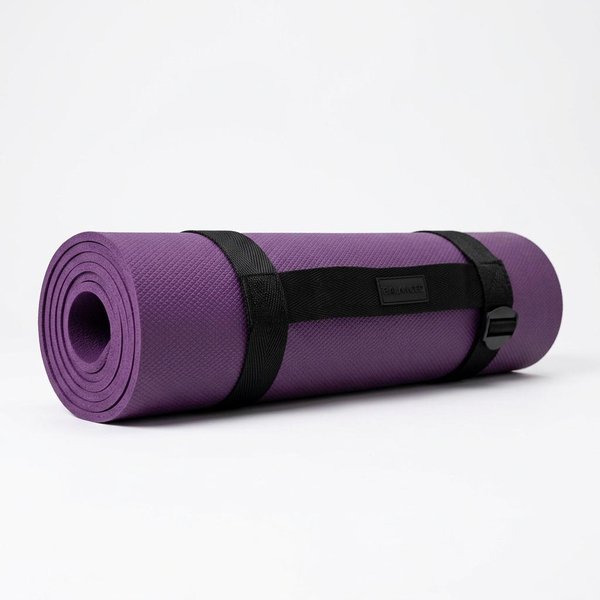
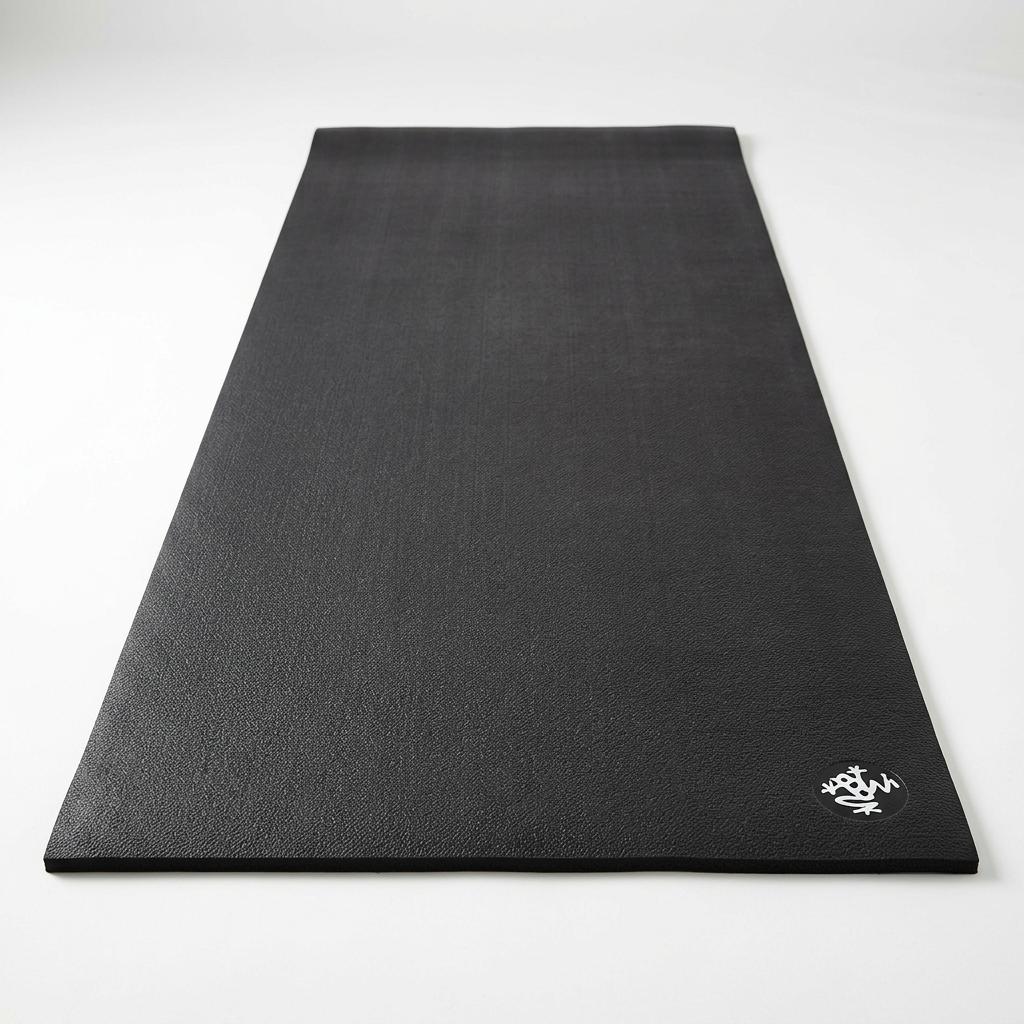
Manduka PRO Yoga Mat Review
The Manduka PRO occupies a singular position in the yoga mat market: a premium-priced, closed-cell PVC mat backed by a literal lifetime guarantee. At approximately 6mm thick, 71" or 85" long, and $128-$138, it costs 4-6x entry-level PVC or TPE alternatives. The manufacturer does not merely suggest durability — they guarantee it for life, a commitment virtually unmatched in the fitness equipment category.
Our analysis examines whether the PRO's construction, performance characteristics, and warranty justify the premium, and whether its well-known break-in period is a acceptable tradeoff for long-term performance.
Direct Answer: Is the Manduka PRO Worth It
The Manduka PRO is worth the premium for practitioners who practice yoga 3+ times per week, intend to maintain a consistent practice for years, and value equipment that does not require replacement. The lifetime warranty effectively amortizes the purchase cost to near-zero over a multi-year horizon. For occasional practitioners, those who prioritize immediate out-of-package grip over long-term durability, or practitioners of hot yoga specifically, the PRO is less clearly optimal. It is a mat designed for longevity and density, not instant gratification.
Construction and Material Analysis
Closed-Cell PVC Engineering
The Manduka PRO is constructed from closed-cell PVC (polyvinyl chloride) foam. The "closed-cell" designation is functionally important: unlike open-cell mats (natural rubber, most TPE formulations), closed-cell construction does not absorb moisture. Sweat, moisture, and bacteria remain on the surface rather than penetrating the mat interior.
Practical implications of closed-cell construction:
| Characteristic |
Closed-Cell (Manduka PRO) |
Open-Cell (Natural Rubber) |
| Sweat absorption |
None (surface only) |
High (absorbs into material) |
| Hygiene |
Easy surface cleaning |
Requires deeper cleaning/drying |
| Grip when dry |
Moderate (improves with break-in) |
Excellent (immediately) |
| Grip when wet |
Slippery without towel |
Excellent (absorbs moisture) |
| Durability |
Exceptional (decades) |
Moderate (3-8 years typical) |
| Weight |
Heavier |
Lighter |
| Odor |
Minimal outgassing |
Strong rubber smell initially |
The closed-cell construction explains both the PRO's greatest strengths (durability, hygiene, lifetime warranty feasibility) and its most frequently cited weakness (grip requires break-in, poor performance in very sweaty conditions without a towel).
Published Specifications
| Specification |
Value |
| Material |
Closed-cell PVC, Oeko-Tex certified, emissions-free manufacturing |
| Thickness |
6mm (1/4") |
| Standard length |
71" |
| Long length (PROlite also available) |
85" |
| Standard width |
26" |
| Weight |
7.5 lbs (71"), 9.5 lbs (85") |
| Warranty |
Lifetime (manufacturer guarantees mat for life of practice) |
Density and Cushioning
At 6mm thickness with high-density PVC formulation, the PRO offers firm, stable cushioning. This is a denser, more supportive feel than thinner 3-4mm mats but lacks the plush sink-in sensation of thick 8-10mm sponge mats. The density serves active yoga practice: standing poses, balances, and transitions feel stable because the mat does not compress significantly under weight.
For practitioners with sensitive knees, the 6mm thickness provides adequate but not generous protection for kneeling poses. Users requiring substantial joint cushioning may prefer the 8mm Manduka PROlite or supplemental knee pads.
The Break-In Period: What to Expect
Documented Phenomenon
The Manduka PRO has a well-documented break-in period. New mats have a smooth, slightly slick surface that many practitioners find inadequate for vigorous practice, particularly for poses requiring significant grip (downward dog, plank variations, standing balances).
Accelerated Break-In Methods
The manufacturer suggests a salt scrub method to accelerate surface texturing: coarse sea salt spread across the mat surface, left in direct sunlight for 24 hours, then wiped clean. This process accelerates the micro-abrasion that naturally occurs over weeks of practice.
Our analysis of aggregated user reports suggests:
- Natural break-in: 10-20 practice sessions for noticeable grip improvement; 2-3 months for full maturation
- Salt scrub method: Single treatment produces meaningful improvement; some users repeat once
- Post break-in grip: Excellent — the PRO develops what users describe as "perfect" grip that does not degrade with continued use
This break-in requirement is a genuine barrier for practitioners who want optimal performance immediately. It is not a flaw in manufacturing — it is an inherent characteristic of the dense, closed-cell surface that ultimately produces the PRO's exceptional longevity.
Dry Grip
Post break-in, the PRO's dry grip is excellent. The micro-textured surface provides secure hand and foot placement without the aggressive stickiness of some rubber mats. The grip is "secure" rather than "tacky" — a distinction many experienced practitioners prefer.
Wet Grip
In high-sweat conditions (vinyasa flow, hot yoga, power yoga without towel), the PRO's closed-cell surface becomes slippery. Sweat pools rather than absorbs, creating a lubricated interface between skin and mat. For these practice styles, a yoga towel is functionally required.
The Manduka eQua towel is designed to partner with the PRO, with silicone nubs on the underside that grip the mat surface. Generic microfiber towels work adequately but shift more during practice.
Lifetime Warranty Analysis
The Manduka lifetime warranty covers the PRO mat for the lifetime of the practitioner's yoga practice. Coverage includes:
- Material defects
- Surface degradation that affects practice
- Manufacturing flaws
The warranty does not cover normal cosmetic wear, damage from improper cleaning chemicals, or mats used in commercial studio settings (a separate commercial warranty applies).
Our analysis of warranty claim processes indicates Manduka honors the warranty consistently, typically requiring photo documentation and a brief description of the issue. Replacement mats are shipped upon claim approval. This warranty integrity is central to the PRO's value proposition — it transforms a premium one-time purchase into a permanent equipment solution.
8-Criterion Scorecard
| Criterion |
Rating |
Analysis |
| Durability and Longevity |
10/10 |
Lifetime warranty backed by a track record of multi-decade mat lifespan. No competitor matches this guarantee. The mat is engineered to outlast its owner. |
| Cushioning and Support |
8.5/10 |
6mm high-density PVC provides firm, stable support. Excellent for balance and standing poses. Slightly firm for extended kneeling. |
| Grip (Post Break-In) |
9.0/10 |
Once broken in, dry grip is excellent — secure without excessive tackiness. Break-in period is a prerequisite. |
| Grip (Out of Package) |
5.0/10 |
New surface is noticeably slick. Salt scrub or 2-3 weeks of practice required. This is the PRO's most significant usability barrier. |
| Hygiene and Maintenance |
9.0/10 |
Closed-cell surface does not absorb sweat or bacteria. Simple wipe-clean maintenance. Exceptionally hygienic long-term. |
| Environmental Claims |
7.5/10 |
Oeko-Tex certified, emissions-free manufacturing. PVC is not biodegradable (necessary for durability). Tradeoff is honest. |
| Weight and Portability |
6.5/10 |
At 7.5 lbs, it is among the heavier yoga mats. Fine for home practice; noticeable for walking/cycling to studio. |
| Value Over Time |
9.0/10 |
At $128-$138 with lifetime replacement, cost-per-year approaches zero over a decade. Mathematically superior to replacing budget mats every 1-2 years. |
Overall Score: 8.1/10
Pros and Cons (Evidence-Based)
Pros
- Genuine lifetime warranty — Not marketing language. Manduka replaces defective PRO mats. This is a verifiable, distinct guarantee in the yoga equipment market.
- Exceptional durability — The physical mat outlasts budget alternatives by factors of 5-10x. Surface integrity, density, and edge construction do not degrade with normal use.
- Closed-cell hygiene — Non-absorbent surface prevents sweat, bacteria, and odor accumulation that ruins open-cell mats over time. Cleaning is trivial.
- Superior cushioning-to-density ratio — 6mm provides meaningful joint protection without the instability of softer, thicker mats. Balance poses benefit from the firm platform.
- Grip matures with use — Post break-in grip is preferred by many long-term practitioners over the immediate stickiness of rubber alternatives. The mat improves with age.
- Wide practice surface — 26" width (1" wider than standard 24-25" mats) provides appreciated extra space for broader-shouldered practitioners.
Cons
- Break-in period is non-negotiable — New PRO mats are genuinely slippery for the first several sessions. This disappoints buyers expecting premium performance immediately.
- Poor wet grip without towel — Closed-cell surface is unsuitable for hot yoga or very sweaty practice without a yoga towel. Additional purchase required.
- Premium upfront cost — $128-$138 is a significant single purchase for a yoga mat. The lifetime value proposition requires belief in the warranty and commitment to long-term practice.
- Heavy for transport — 7.5 lbs matters if you carry your mat to class on foot or by bicycle. Studio practitioners may prefer lighter alternatives.
- PVC material — Despite Oeko-Tex certification, PVC is a synthetic material that environmentally conscious buyers may prefer to avoid, even when manufactured responsibly.
Who This Is For
- Dedicated practitioners with a consistent 3+ times per week practice who will amortize the cost over years
- Users prioritizing hygiene and easy maintenance (closed-cell surface is unmatched here)
- Practitioners of hatha, alignment-based, gentle, and moderate vinyasa styles where extreme sweat is not typical
- Buyers who value "buy once" philosophy and warranty-backed permanence
- Anyone who has replaced multiple budget mats due to surface degradation, flaking, or odor accumulation
Who This Is NOT For
- Beginners uncertain about long-term yoga commitment (the upfront cost only makes sense with sustained practice)
- Hot yoga practitioners (the PRO is genuinely unsuitable without a towel; the PROlite or eKO lines are better Manduka options for hot practice)
- Users requiring immediate maximum grip out of the package (the break-in period cannot be bypassed)
- Travel-focused practitioners who prioritize light weight (7.5 lbs is substantial for air travel)
- Budget-focused buyers for whom the $130 price point is a barrier regardless of lifetime value
Comparison: Manduka PRO vs. Key Alternatives
| Feature |
Manduka PRO |
Liforme Yoga Mat |
Jade Harmony |
Gaiam Premium |
| Price Range |
$128-$138 |
$140-$155 |
$80-$95 |
$30-$50 |
| Material |
Closed-cell PVC |
PVC with polyurethane |
Natural rubber |
PVC / TPE |
| Thickness |
6mm |
4.2mm |
4.7mm |
5-6mm |
| Weight |
7.5 lbs |
5.5 lbs |
4.8 lbs |
3-4 lbs |
| Grip (New) |
Moderate (breaks in) |
Excellent |
Excellent |
Moderate |
| Grip (Wet) |
Poor (towel needed) |
Good |
Excellent |
Poor |
| Warranty |
Lifetime |
1 year |
1 year |
Limited |
| Durability |
10-20+ years |
3-5 years |
3-5 years |
1-3 years |
The Liforme offers superior immediate grip and alignment markings but at comparable or higher cost with a fraction of the warranty. The Jade Harmony excels in grip and is lighter but degrades faster and has a strong rubber odor. The Gaiam is a budget entry point that requires regular replacement.
Bottom Line
The Manduka PRO is not the best yoga mat for every practitioner. It is the best yoga mat for a specific practitioner: one who values durability above all else, maintains a regular practice, and accepts the break-in period as the price of a mat that will not need replacement.
The lifetime warranty transforms the economics. A practitioner who replaces a $40 mat every two years spends $200 over a decade — more than the PRO's purchase price, with inferior performance throughout. The PRO buyer spends once and practices on a mat that improves with age.
The break-in period and wet-grip limitations are real constraints, not minor caveats. But for the PRO's target user — a dedicated home practitioner of moderate-intensity yoga styles — these constraints are acceptable tradeoffs for permanence, hygiene, and the knowledge that this mat will never need replacement.
Last updated: January 2025. Warranty terms based on Manduka published policy; claim process based on aggregated user reports. Material analysis uses published engineering specifications for closed-cell PVC.