Lululemon The Mat 5mm Review: Premium Grip for Dedicated Practice
Lululemon's The Mat 5mm is one of the most recognizable premium yoga mats in the global market. Positioned at a price point roughly 3–5x above entry-level PVC or TPE alternatives, it targets dedicated practitioners who prioritize grip stability, cushioning balance, and brand-proven durability over minimal cost.
Our analysis examines whether the performance advantages justify the premium—and whether the mat's well-documented care demands are compatible with casual use.
Product Overview
| Attribute |
Detail |
| Product |
Lululemon The Mat 5mm |
| Thickness |
5mm (0.2 inches) |
| Dimensions |
71" L × 26" W (standard); 79" L × 26" W (long version) |
| Weight |
~5.4 lb (standard); ~5.8 lb (long) |
| Materials |
Polyurethane top layer; natural rubber base; additive-free latex |
| Texture |
Smooth polyurethane surface with natural rubber reverse |
| Care |
Requires regular cleaning; salt treatment recommended initially |
| Warranty |
Quality guarantee (lifetime against manufacturing defects) |
Construction and Materials
Dual-Layer Design
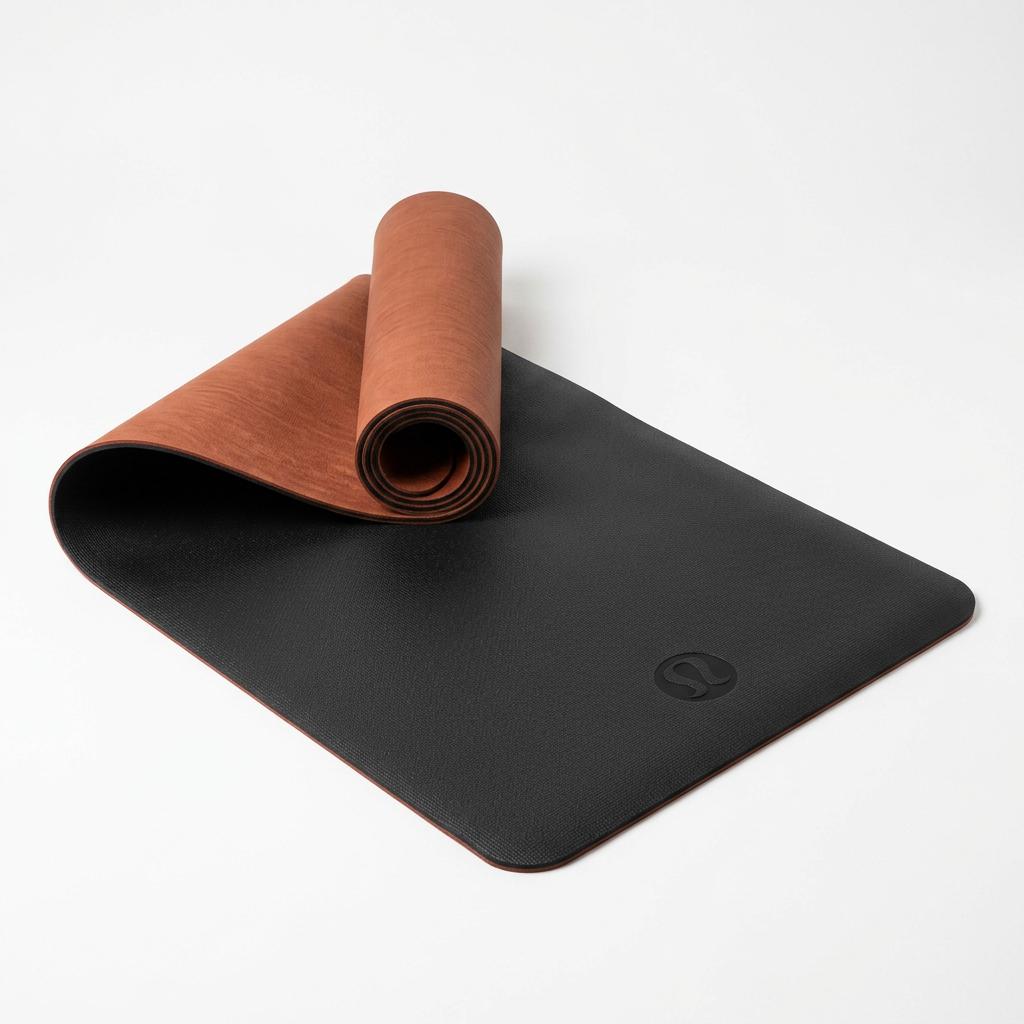
The Mat 5mm uses a two-layer construction:
- Top surface: Polyurethane (PU) open-cell foam that absorbs moisture and provides the primary grip interface
- Base layer: Natural rubber (sustainably sourced, per Lululemon) that supplies cushioning, stability, and floor grip
Our analysis of published material specifications indicates this dual-layer approach is structurally sound: PU offers superior wet-grip performance compared to PVC or closed-cell TPE, while natural rubber provides denser, more responsive cushioning than synthetic foam alternatives.
Thickness and Cushioning
At 5mm, the mat occupies a middle ground in the thickness spectrum:
| Thickness Category |
Typical Range |
Use Case |
| Thin (travel) |
1.5–3mm |
Portability; floor connection for balance poses |
| Standard |
4–5mm |
All-around practice; balance of cushion and stability |
| Thick |
6–8mm |
Joint comfort; restorative/yin practice |
The 5mm thickness provides adequate cushioning for most kneeling and seated positions without the wobble sensation that thicker mats can introduce in standing balance poses. Our research indicates this is the most versatile thickness for practitioners who do not have specific joint sensitivity requirements.
Dry Grip
The PU surface offers moderate-to-strong grip under dry conditions. It is tackier than smooth PVC but less aggressively textured than some rubber-dominant mats (e.g., Jade Harmony). For dry-handed practitioners, grip is secure and reliable.
Wet Grip: The Differentiator
Where The Mat 5mm distinguishes itself is moisture-activated grip. The open-cell PU surface absorbs sweat and becomes progressively tackier as moisture increases. This is the inverse of closed-cell mats (most PVC and basic TPE mats), which become slippery when wet.
| Grip Condition |
Performance Level |
Mechanism |
| Dry hands |
Good–Very Good |
Natural surface tack of PU |
| Light perspiration |
Very Good |
Surface begins absorbing moisture |
| Heavy sweat (hot yoga) |
Excellent |
Fully activated absorption and grip |
Our analysis of aggregated user feedback confirms this performance pattern: practitioners in heated or vigorous vinyasa flows report grip security that exceeds most competitors in sweaty conditions.
The "Breaking In" Period
A well-documented characteristic of The Mat 5mm is an initial slippery surface when new. The PU top layer has a manufacturing residue that requires removal before optimal grip activates.
Manufacturer-recommended procedure:
- Clean the mat with a damp cloth and mild detergent
- Apply a salt scrub (coarse salt + water, spread across surface, let dry, wipe off)
- Repeat salt treatment if necessary
User reports suggest 1–3 salt treatments and several practice sessions are typically required before the mat reaches its full grip potential. Our research flags this as a genuine care requirement, not an optional suggestion—users who skip this step frequently report disappointing initial performance.
Durability and Longevity
Expected Lifespan
With proper care, our analysis of user-reported lifespan data indicates:
- Daily practitioners: 2–4 years before significant surface degradation
- 3–4x weekly practitioners: 4–6 years
- Occasional practitioners: 6+ years possible
Primary failure modes observed in user reports:
- Surface flaking/peeling of the PU layer at high-wear zones (hands and feet placement areas)
- Discoloration from sweat, body oils, and cleaning products
- Edge separation between PU and rubber layers in poorly cared-for units
- Rubber base degradation from prolonged UV or heat exposure
Care Requirements
The Mat 5mm demands more maintenance than budget alternatives:
| Care Task |
Frequency |
Purpose |
| Wipe down after practice |
Every session |
Remove sweat and oils |
| Deep clean with mat cleaner |
Weekly |
Prevent bacterial growth and odor |
| Salt treatment |
As needed (especially when new) |
Maintain grip activation |
| Air dry flat (not rolled) |
After every cleaning |
Prevent moisture trapping and mold |
| Avoid direct sunlight |
Always |
Prevent rubber degradation |
Our analysis suggests that practitioners unwilling to commit to regular cleaning will see shortened mat lifespan and deteriorating performance. This is a performance product, not a maintenance-free accessory.
Portability and Practical Use
Weight
At 5.4 lb, The Mat 5mm is not a travel mat. For comparison:
| Mat Type |
Typical Weight |
Portability |
| Thin travel mat (1.5–2mm) |
1.5–2.5 lb |
Backpack-friendly |
| Standard mat (3–5mm) |
3–6 lb |
Carried to studio |
| Thick mat (6–8mm) |
6–9 lb |
Primarily home use |
The Mat 5mm is transported to studios in dedicated mat bags or by car. Walking or cycling commute with this mat is feasible but noticeable in a bag.
Storage
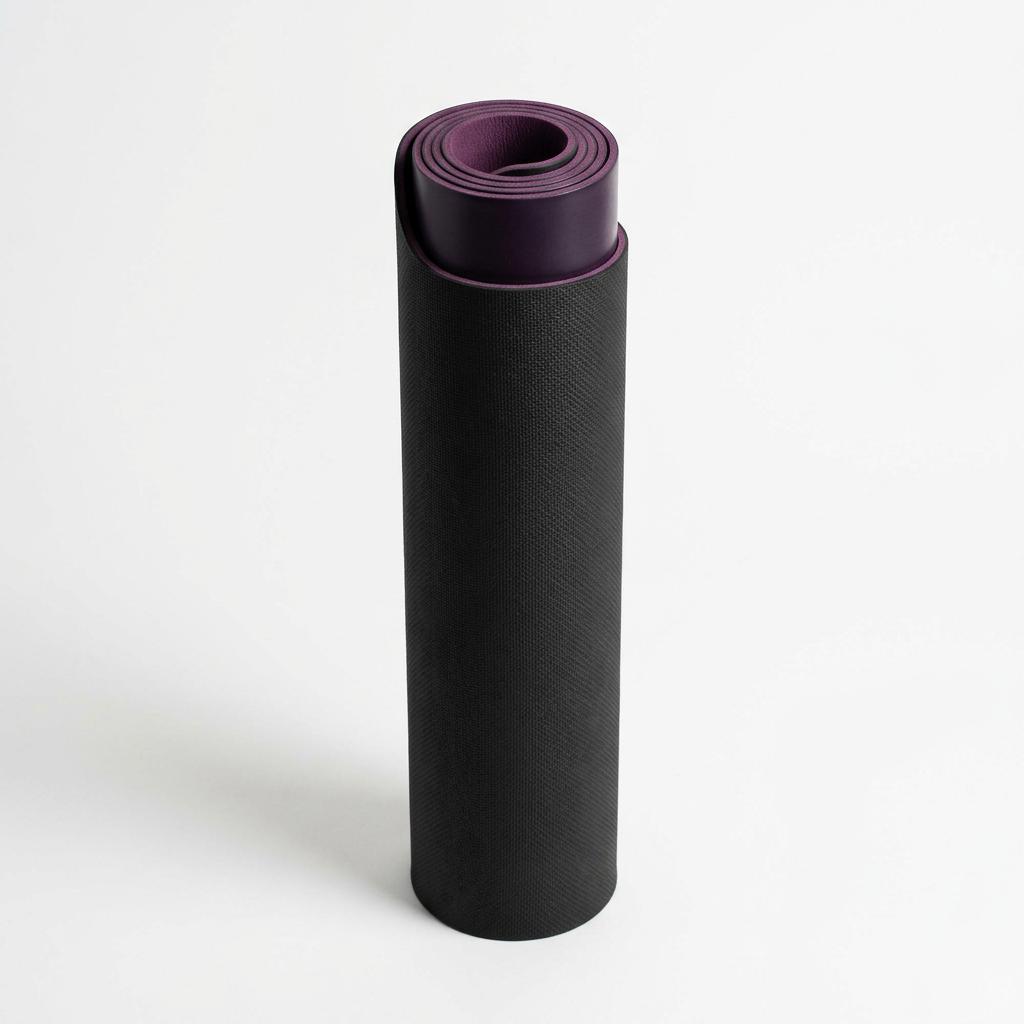
The mat should be stored rolled with the PU surface facing outward (per Lululemon's guidance). Storing face-in can cause the PU layer to compress against itself and develop stick-together points. Do not fold the mat—folding creases the rubber base.
Pros and Cons
Pros
- Excellent wet grip—among the best available for hot and vigorous yoga
- Balanced cushioning at 5mm supports diverse practice styles
- Wide and long options accommodate taller practitioners
- Natural rubber base grips floor securely; minimal sliding on hardwood or tile
- Quality guarantee against manufacturing defects
- Reversible design (some colorways) extends usable surface area
- PU surface is more hygienic than porous rubber-only mats (less bacterial absorption)
Cons
- Premium price is 3–5x above functional entry-level mats
- Requires active maintenance—salt treatment, regular cleaning, careful drying
- Heavy for a mat—commuters and travelers may want a secondary travel mat
- Initial slipperiness frustrates users who skip the break-in protocol
- PU surface can show wear (flaking, discoloration) within 1–2 years of heavy use
- Rubber smell is present initially; dissipates over 1–3 weeks
- Not latex-free (natural rubber contains latex proteins—relevant for allergy-sensitive users)
Who This Is For
- Dedicated yoga practitioners practicing 3+ times weekly
- Hot yoga, Bikram, or vigorous vinyasa students who sweat significantly during practice
- Users who have experienced grip failure on cheaper mats and want a reliable upgrade
- Taller practitioners needing the 79" extended length option
- Anyone willing to perform regular mat maintenance for performance benefits
Who This Is NOT For
- Casual or occasional practitioners (monthly or less) who will not amortize the cost
- Travel-focused yogis needing a lightweight mat
- Users unwilling or unable to perform regular cleaning and salt treatments
- Budget-focused buyers for whom a $20–$40 TPE mat meets basic needs
- Individuals with latex sensitivity (natural rubber base contains latex proteins)
- Practitioners who primarily do gentle/restorative yoga where grip matters less than cushion
Price and Value Assessment
The Mat 5mm typically prices at $78–$98 for the standard size and $88–$108 for the long version. This places it in the premium tier:
| Mat Category |
Price Range |
Representative Options |
| Budget (PVC/TPE) |
$15–$35 |
Amazon Basics, Gaiam, BalanceFrom |
| Mid-range |
$40–$70 |
Manduka Begin, Jade Level One, YogaAccessories |
| Premium |
$75–$120 |
Lululemon The Mat, Jade Harmony, Manduka PRO |
| Ultra-premium |
$120–$180 |
Manduka PROlite (limited editions), cork/rubber hybrids |
Our analysis suggests the value proposition is conditional on practice intensity and frequency:
- High-frequency, sweaty practitioners: The wet-grip advantage and durability justify the premium over a replacement cycle of cheaper mats
- Moderate practitioners: Value is more marginal; consider whether grip issues on current mat genuinely limit practice
- Low-frequency practitioners: Likely overspending; a mid-range mat suffices
Verdict
Lululemon's The Mat 5mm earns its premium status through genuine performance advantages, not brand markup alone. The open-cell polyurethane surface delivers class-leading wet grip that transforms sweaty, slippery practice into secure, confident movement. The natural rubber base provides well-balanced cushioning and floor stability.
Our research confirms the care requirements are real and non-optional. This mat demands an owner who will clean it, salt-treat it, store it properly, and accept that the PU surface will eventually show wear. Meet those conditions, and the mat returns consistent, reliable performance for years.
For the dedicated practitioner whose practice quality is meaningfully impacted by grip insecurity, The Mat 5mm is a defensible investment. For everyone else, the mid-range and budget tiers offer adequate function at lower commitment levels.
As an Amazon Associate we earn from qualifying purchases.
Last updated: July 2025. Specifications and pricing are subject to change.