321 STRONG Foam Roller Review: Textured Myofascial Release for Home Recovery
Our research-backed review of the 321 STRONG Foam Roller examines texture pattern, foam density, durability, and pain-pr...
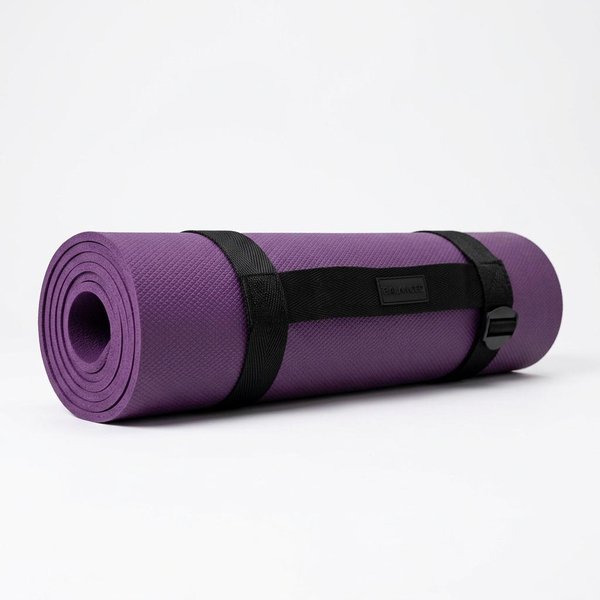
Your foam roller absorbs sweat, skin cells, and bacteria. Learn proper cleaning protocols by material type (EVA, EPP, cork, vibrating), sanitation best practices, and clear signs it's time for a replacement.
A foam roller is one of the most intimately used pieces of fitness equipment — it contacts your skin directly, often across large surface areas, and typically in positions where the body is warm and pores are open. Despite this close contact, foam rollers are frequently neglected in cleaning routines. Our research indicates that used foam rollers harbor bacteria, fungi, and accumulated skin cells at levels that raise legitimate hygiene concerns, particularly for shared or studio environments.
This guide covers cleaning protocols by foam roller material, sanitation methods, deep cleaning procedures, and evidence-based criteria for replacement.
Different foam roller materials respond differently to cleaning agents and methods. Using the wrong approach can damage the roller or leave harmful residues.
| Material | Density | Cleaning Compatibility | Durability |
|---|---|---|---|
| EVA (ethylene-vinyl acetate) | Low to medium | Soap and water; mild disinfectants | Moderate; compresses over time |
| EPP (expanded polypropylene) | High | Soap and water; most disinfectants | High; resilient |
| Molded PU (polyurethane) | Medium | Soap and water; mild disinfectants | High; closed-cell resists absorption |
| Cork | Firm | Damp cloth only; no soaking | Very high; antimicrobial naturally |
| Vibrating (electronics) | Varies by model | Surface wipe only; no liquids near motor | Moderate; electronics vulnerability |
Table: Foam roller material properties and cleaning considerations
Key distinction: Open-cell foams (some EVA, standard foam) absorb moisture and are harder to sanitize thoroughly. Closed-cell foams (EPP, molded PU, cork) resist absorption and clean more effectively.
The most important cleaning step is also the quickest. Immediate post-use cleaning prevents sweat and oils from setting into the material.
If multiple people use the same roller (home gym with family, studio setting):
⚠️ Important: Never submerge or soak EVA foam rollers. Open-cell foam absorbs water, which promotes internal bacterial growth and extends drying time to 24+ hours.
EPP is closed-cell and more water-resistant than standard EVA.
Cork has natural antimicrobial properties but requires gentle care.
These require the most care due to electronic components.
Monthly deep cleaning addresses accumulated buildup that routine wiping doesn't remove.
| Disinfectant Type | EVA | EPP | Cork | Electronic |
|---|---|---|---|---|
| Diluted bleach (1:10) | No — degrades foam | Acceptable | No — stains and degrades | No |
| Isopropyl alcohol (70%) | Acceptable — brief contact | Yes | No — dries out cork | Surface only; no ports |
| Hydrogen peroxide (3%) | Acceptable | Yes | No | Surface only |
| Quaternary ammonium (Lysol, etc.) | Check label; many are foam-safe | Yes | No | No — corrosive to electronics |
| Tea tree oil solution | Acceptable | Acceptable | No | No |
| White vinegar solution | Acceptable | Acceptable | No | No |
Table: Disinfectant compatibility by foam roller material
General guidance: When in doubt, soap and water is safe for all materials. For electronic rollers, stick to soap-and-water surface wipes only.
Studio foam rollers see significantly more use and require stricter protocols:
Proper drying prevents bacterial and fungal growth. A damp roller stored in a dark gym bag is an ideal environment for microbes.
Foam rollers don't last forever. Material degradation reduces effectiveness and creates hygiene risks.
| Sign | What It Means | Action |
|---|---|---|
| Visible permanent compression/flattening | Core foam has collapsed; no longer provides effective pressure | Replace |
| Cracks or splits in the surface | Material fatigue; foam is breaking down | Replace immediately — sharp edges can cut skin |
| Chunks missing or severe surface pitting | Foam disintegration | Replace |
| Loss of structural rigidity | Roller flexes excessively under moderate body weight | Replace — effectiveness compromised |
| Persistent odor after thorough cleaning | Bacterial colonization in foam interior | Replace — cannot sanitize internal contamination |
| Discoloration that doesn't clean off | Deep-set staining; often indicates absorbed oils and bacteria | Evaluate; replace if accompanied by texture changes |
| Material | Personal Use (3–4x weekly) | Studio/Shared Use | Heavy Use (Daily) |
|---|---|---|---|
| EVA (low-density) | 1–2 years | 3–6 months | 6–12 months |
| EVA (medium-density) | 2–3 years | 6–12 months | 1–2 years |
| EPP (high-density) | 3–5 years | 1–2 years | 2–3 years |
| Molded PU | 3–5 years | 1–2 years | 2–3 years |
| Cork | 5+ years | 2–3 years | 3–5 years |
Table: Foam roller lifespan estimates based on material properties and usage frequency
Replacement roller options:
Rollers with aggressive surface textures (Rumble Roller, TriggerPoint Grid, etc.) have additional cleaning challenges:
Heated foam rollers incorporate heating elements:
These smaller mobility tools follow the same material-based cleaning protocols:
Can I put my foam roller in the washing machine? No. Washing machine agitation tears foam, and the spin cycle compresses and deforms the structure. Even "closed-cell" foam is not designed for this level of mechanical stress.
Can I use disinfectant wipes on my foam roller? Yes, for most materials. Ensure the wipe isn't dripping wet — squeeze out excess liquid first. Avoid bleach-based wipes on colored foam (causes fading) and all electronic rollers.
Why does my foam roller smell even after cleaning? Persistent odor indicates bacteria or fungi have colonized the foam interior — particularly in open-cell EVA that has absorbed sweat over time. This cannot be fully remedied with surface cleaning. Replacement is the hygienic solution.
How do I know if my roller has lost effectiveness? If you can compress the roller to more than 50% of its diameter with moderate body weight, or if the surface no longer provides the "productive discomfort" of myofascial release, the foam has degraded. A fresh roller of the same model should feel noticeably firmer.
Is cork really antimicrobial? Cork contains suberin, a waxy substance that resists bacterial and fungal growth. However, this resistance is not absolute — cork rollers still require regular cleaning. The advantage is slower contamination buildup, not immunity to it.
As an Amazon Associate we earn from qualifying purchases. Product links on this page include our affiliate tag — purchases made through these links support our research at no additional cost to you.
Last updated: January 2025. Information based on materials science for foam polymers, CDC guidelines for fitness equipment sanitation, and manufacturer care instructions from TriggerPoint, Rumble Roller, Hyperice, and other major brands.