321 STRONG Foam Roller Review: Textured Myofascial Release for Home Recovery
Our research-backed review of the 321 STRONG Foam Roller examines texture pattern, foam density, durability, and pain-pr...
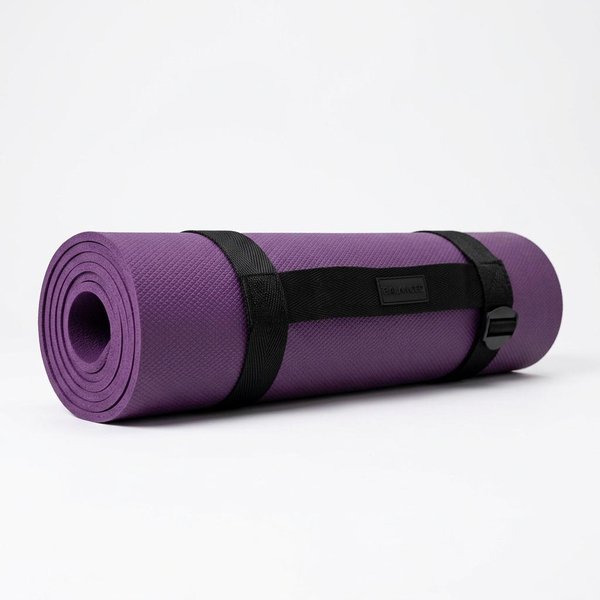
A gentle evening recovery routine combining stretching, breathing, and relaxation techniques to improve sleep quality and accelerate muscle recovery.
The hours before bed present a unique opportunity to shift your body from a state of activity to one of restoration. An evening recovery routine combining gentle stretching, breathwork, and relaxation techniques can improve sleep quality, reduce next-day soreness, and support the body's natural repair processes that occur during rest.
Research published in the Journal of Sports Sciences indicates that evening-based recovery protocols significantly improve markers of muscle recovery and sleep quality compared to passive rest alone. When you engage in gentle movement and controlled breathing before bed, you activate the parasympathetic nervous system — often called the "rest and digest" branch — which promotes the physiological conditions necessary for deep, restorative sleep.
The key distinction between morning and evening routines is intensity. Where morning mobility focuses on activating the body, evening recovery emphasizes downregulation. Movements should be slow, sustained, and performed at a comfortable intensity that never feels strenuous.
Perform this routine 30 to 60 minutes before your intended sleep time. Dim the lights, put your phone on silent, and create an environment that signals relaxation to your nervous system.
Sit sideways next to a wall and swing your legs up so they rest against it while your back lies flat on the floor. Extend your arms comfortably to your sides with palms facing up. This inverted position promotes venous return — the flow of blood back toward the heart — which helps reduce leg fatigue and swelling from standing or sitting throughout the day. Research on inversion-based recovery shows measurable improvements in perceived fatigue and muscle recovery markers.
Lie on your back and bring both knees toward your chest. Extend your left leg straight along the floor and guide your right knee across your body to the left. Extend your right arm out to the side and turn your head toward your right arm. Hold for 60 seconds, breathing deeply into any areas of tension. Switch sides and repeat. This gentle twist releases tension through the lower back and stretches the glutes and piriformis — muscles that commonly tighten from prolonged sitting.
From a kneeling position, sit back on your heels and fold forward, resting your forehead on a yoga block, pillow, or the floor. Extend your arms forward or rest them alongside your body. Placing a pillow or folded blanket under your hips can reduce strain on the knees. This pose gently stretches the lower back, hips, and shoulders while the forward-folded position has a naturally calming effect on the nervous system.
Lie on your back and bring the soles of your feet together, letting your knees fall open to the sides. Place pillows or folded blankets under each knee for support. This restorative hip opener targets the adductors and hip flexors without requiring active engagement. The supported nature of the pose allows your muscles to release gradually rather than fighting against gravity.
Sit comfortably on a cushion or folded blanket with your spine tall. Tilt your right ear toward your right shoulder and hold for 30 seconds, breathing into the stretch along the left side of your neck. Repeat on the other side. Then, perform 10 slow shoulder rolls in each direction, deliberately releasing any held tension. The neck and shoulders are primary storage areas for daily stress, and targeted release here can prevent tension headaches and improve sleep comfort.
Finish your routine with a structured breathing exercise. Inhale through your nose for a count of 4, hold the breath for a count of 7, then exhale completely through your mouth for a count of 8. Perform 8 to 12 cycles. Research by Dr. Andrew Weil and others has demonstrated that this specific breathing pattern activates the parasympathetic response, reduces heart rate, and prepares the body for sleep more effectively than unstructured breathing.
Lie still in a comfortable position and mentally scan your body from toes to head. Notice any areas of lingering tension and consciously release them with each exhale. This final step bridges the gap between physical recovery work and the transition into sleep.
The effectiveness of any recovery routine depends on consistency. Create an environment that supports the habit: keep a yoga mat visible in your bedroom, set a gentle alarm as a reminder, and treat the routine as non-negotiable self-care rather than an optional extra. Even 10 minutes delivers meaningful benefits when practiced regularly.
This routine requires minimal equipment. A comfortable yoga mat provides cushioning on hard floors. A yoga block, bolster, or firm pillow supports restorative poses. For a supportive mat recommendation, see our yoga and mobility recovery essentials. If your apartment tends to be cool in the evening, keep a light blanket nearby to stay warm during static positions.
An evening recovery routine is a powerful tool for anyone training regularly or dealing with the physical demands of daily life. The combination of gentle movement, supported stretching, and structured breathing creates the ideal conditions for restorative sleep and accelerated recovery. Start with just 10 minutes tonight, perform the movements slowly and mindfully, and notice how your sleep quality and morning energy levels improve within the first week.