321 STRONG Foam Roller Review: Textured Myofascial Release for Home Recovery
Our research-backed review of the 321 STRONG Foam Roller examines texture pattern, foam density, durability, and pain-pr...
SnugGym is an Amazon Associate. We earn from qualifying purchases at no extra cost to you. Learn more
Compare lacrosse balls, spiky balls, peanut tools, and heated massage balls for trigger point therapy. Find the best tool for your apartment recovery routine.
FTC Disclosure: SnugGym.com participates in the Amazon Associates Program. We earn commissions from purchases made through our links at no cost to you. Our reviews are independently researched and not influenced by affiliate partnerships.
Massage balls are the most underrated recovery tool in home fitness. They cost under $15, require no electricity, make zero noise, and fit in a drawer. Yet they provide targeted trigger point release that rivals professional massage for managing muscle tension, improving range of motion, and reducing post-workout soreness. For apartment gym users concerned about noise, space, and budget, massage balls represent the single best recovery investment available.
Trigger points — commonly called "knots" — are hyperirritable spots in skeletal muscle associated with palpable nodules in taut bands of muscle fibers. The mechanism is debated, but the practical effect is clear: sustained pressure on these points reduces local tension and often relieves referred pain patterns.
Research on self-myofascial release with massage balls demonstrates:
| Effect | Evidence Level | Typical Outcome |
|---|---|---|
| Increased local range of motion | Moderate-Strong | 5-15 degrees improvement |
| Reduced perceived soreness | Moderate | 20-30% reduction in DOMS ratings |
| Temporary pain relief | Strong | Immediate reduction in local tenderness |
| Improved tissue tolerance | Emerging | Gradual reduction in trigger point sensitivity |
The mechanism likely involves a combination of mechanoreceptor stimulation, local blood flow increase, and neurological modulation of pain signals rather than mechanical breakdown of tissue.
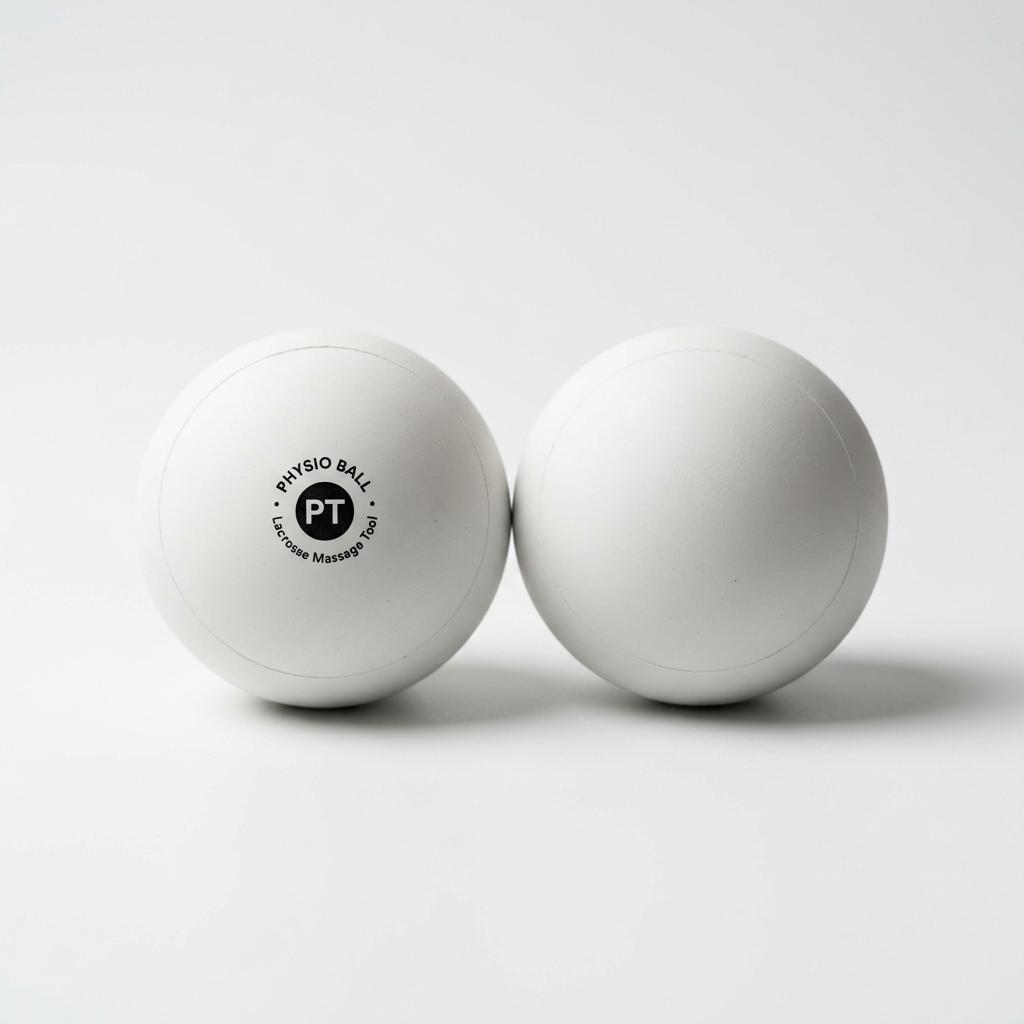
Hard, dense rubber balls approximately 2.5" in diameter. The gold standard for trigger point therapy due to their firmness, consistent density, and ideal size for most muscle groups.
Best Overall: Champion Sports Lacrosse Balls (2-Pack)
| Specification | Detail |
|---|---|
| Diameter | 2.5" |
| Material | Solid rubber |
| Hardness | Firm (no give) |
| Weight | ~5 oz each |
| Price | $6-10 for 2 |
Our analysis: Lacrosse balls provide the ideal combination of size, hardness, and glide for most trigger point work. The firm rubber doesn't compress under body weight, delivering sustained pressure to deep tissue. The smooth surface glides on skin and clothing without catching. At $3-5 each, they're disposable and replaceable.
Best for: General trigger point work, glutes, pecs, shoulders, feet, TFL
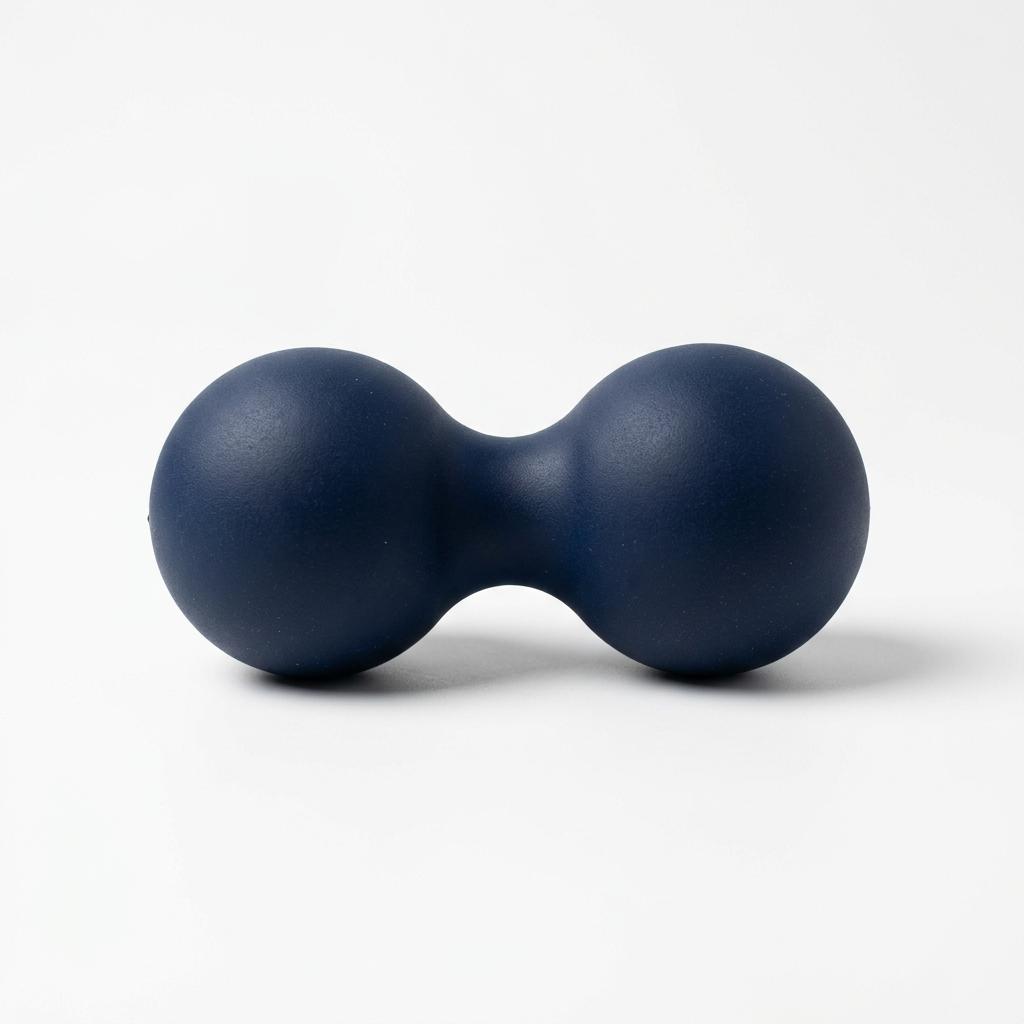
Two balls connected by a narrow bridge, shaped like a peanut. Designed specifically for spinal muscles and parallel muscle groups.
Best Peanut Tool: Kieba Peanut Massage Ball
| Specification | Detail |
|---|---|
| Dimensions | 5" × 2.5" (each ball 2.5" diameter) |
| Material | Silicone-covered firm rubber |
| Hardness | Firm with slight give from silicone |
| Price | $12-16 |
Our analysis: The peanut shape straddles the spine, applying pressure to the erector spinae and other paraspinal muscles without pressing directly on vertebrae. The bridge gap is approximately 1" — adequate for most users' spinal processes. The silicone cover provides grip that prevents slipping on hardwood or tile floors.
Best for: Thoracic spine, lumbar spine, neck (gentle), parallel muscle groups
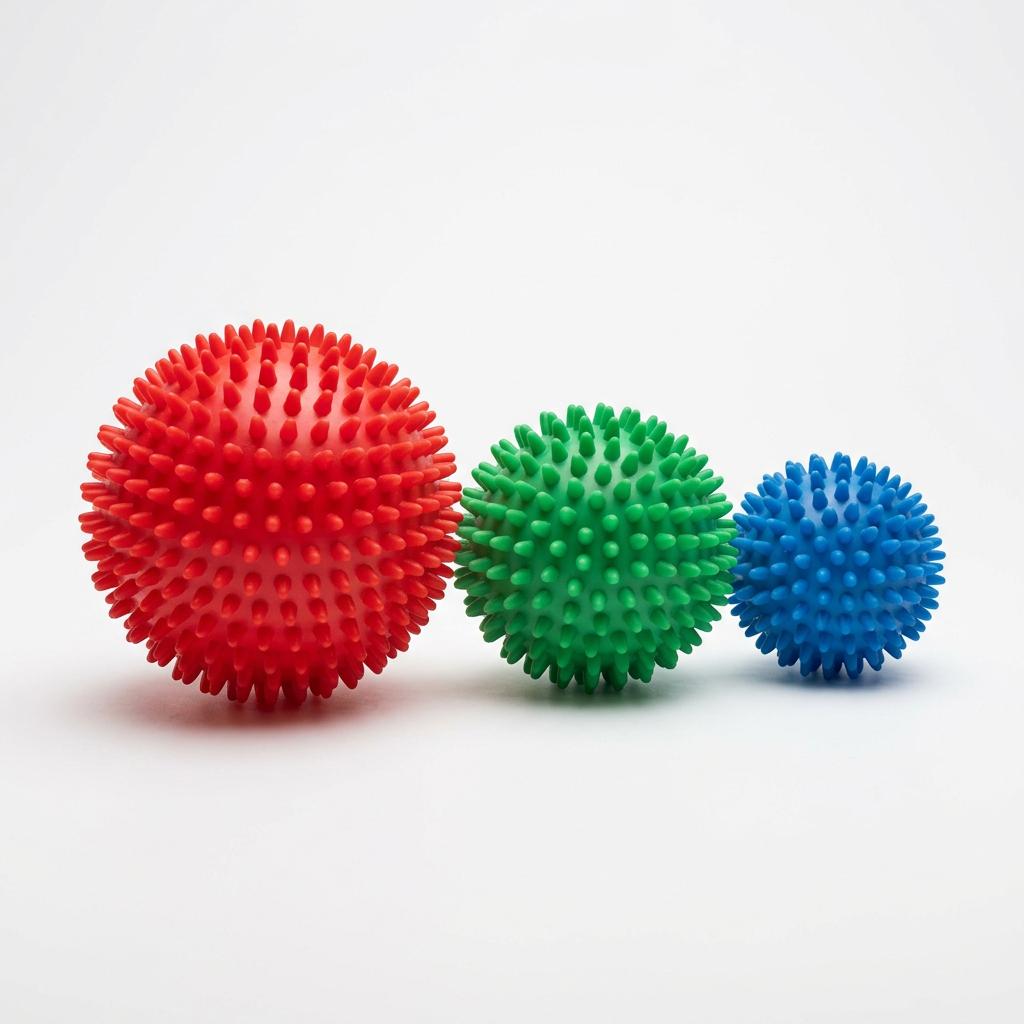
Balls covered in soft rubber spikes designed to stimulate surface tissue and increase blood flow.
Best Spiky Ball: ResultSport Spiky Massage Ball Set
| Specification | Detail |
|---|---|
| Diameters | 3" (soft), 2.5" (medium), 2" (firm) |
| Material | PVC with rubber spikes |
| Price | $10-15 for set of 3 |
Our analysis: The spikes provide a different stimulus than smooth balls — more surface-level stimulation with less deep pressure. They're particularly effective for foot massage (plantar fascia stimulation) and scalp tension. The varying sizes allow targeting different areas. Less effective than lacrosse balls for deep trigger points.
Best for: Feet, hands, scalp, superficial circulation stimulation
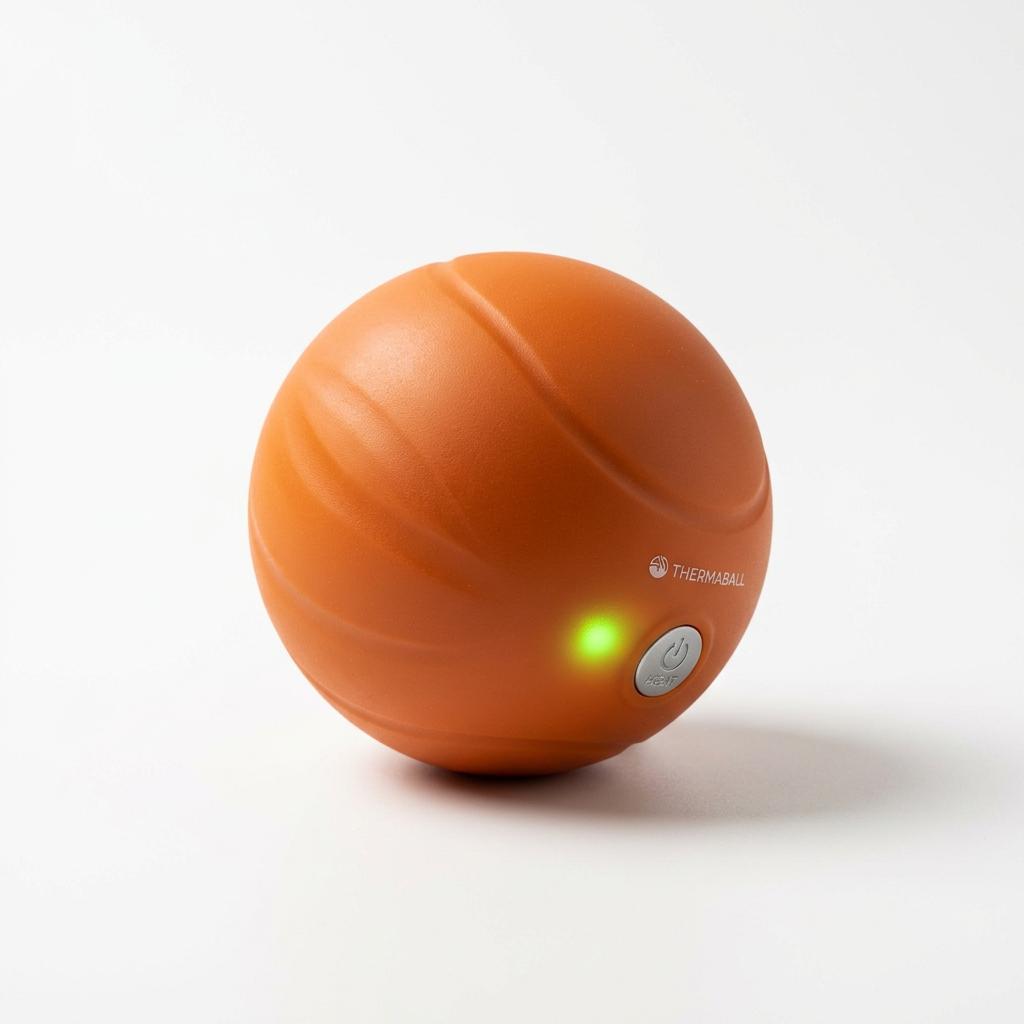
Balls that can be heated (microwave or hot water) to combine temperature therapy with pressure.
Best Heated Option: Addaday Heated Massage Ball
| Specification | Detail |
|---|---|
| Diameter | 3" |
| Material | Silicone shell with heat-retaining core |
| Heat method | Microwave 60 seconds |
| Heat duration | 15-20 minutes |
| Price | $15-20 |
Our analysis: Heat combined with pressure provides synergistic relief — the warmth increases blood flow and tissue pliability while the pressure addresses trigger points. The silicone shell retains heat adequately for a 15-minute session. The size is larger than a lacrosse ball, making it less precise for small trigger points but more comfortable for general area work.
Best for: General muscle relaxation, pre-workout warm-up, lower back, large muscle groups
Balls with internal motors that add vibration to the pressure stimulus.
Best Vibrating: Therabody Wave Solo
| Specification | Detail |
|---|---|
| Diameter | 3.4" |
| Vibration | 3 speeds via Bluetooth app |
| Battery | 2 hours |
| Material | Silicone outer, hard core |
| Price | $65-80 |
Our analysis: The Wave Solo combines vibration therapy (similar to massage guns) with the precision of a ball. The vibration helps muscles relax under pressure, allowing deeper trigger point access with less discomfort. The 3.4" diameter is larger than ideal for small trigger points but excellent for general area work. The price is high compared to simple balls — this is a premium tool.
Best for: Users who want massage-gun technology in a ball format, glutes, hip flexors
| Feature | Lacrosse Ball | Peanut Tool | Spiky Ball | Heated Ball | Vibrating (Wave Solo) |
|---|---|---|---|---|---|
| Price | $3-5 | $12-16 | $10-15/set | $15-20 | $65-80 |
| Deep pressure | ★★★★★ | ★★★★☆ | ★★☆☆☆ | ★★★☆☆ | ★★★★☆ |
| Surface stimulation | ★★☆☆☆ | ★★☆☆☆ | ★★★★★ | ★★★☆☆ | ★★★★☆ |
| Spine safe | ★★☆☆☆ | ★★★★★ | ★★★☆☆ | ★★★☆☆ | ★★★☆☆ |
| Portability | ★★★★★ | ★★★★☆ | ★★★★☆ | ★★★☆☆ | ★★★☆☆ |
| Noise | Silent | Silent | Silent | Silent | 35-45 dB |
| Durability | Years | Years | Years | Years | 2-3 years (battery) |
| Body Area | Recommended Ball | Technique |
|---|---|---|
| Glutes | Lacrosse ball | Sit on ball, roll to find trigger points |
| Piriformis (deep glute) | Lacrosse ball | Figure-4 position, press into ball |
| TFL (hip) | Lacrosse ball | Side-lying, ball under hip |
| Thoracic spine | Peanut tool | Lie on back, roll up and down |
| Feet/plantar fascia | Spiky ball | Stand and roll underfoot |
| Pecs (chest) | Lacrosse ball | Against wall, ball at chest height |
| Shoulders (deltoids) | Lacrosse ball | Against wall or floor |
| Neck (upper traps) | Peanut tool or heated ball | Gentle pressure, limit to 30 seconds |
| Hamstrings | Lacrosse ball | Sit on floor, ball under thigh |
| Calves | Lacrosse ball | Sit on floor, ball under calf |
How long should I hold pressure on a trigger point?
Research suggests 30-90 seconds of sustained pressure per trigger point. You should feel the intensity decrease over this period as the tissue releases. If there's no change after 90 seconds, move to a nearby area. Avoid exceeding 2 minutes on any single point.
How often should I use massage balls?
Daily use is safe and beneficial for most people. Target areas of tension for 5-10 minutes post-workout or in the evening. Avoid aggressive work on the same area multiple times per day — tissue needs recovery time even from self-massage.
Can massage balls replace a foam roller?
No — they serve different purposes. Foam rollers are better for broad muscle groups and general coverage. Massage balls excel at precise, targeted trigger point work. Most users benefit from having both: foam roller for general rolling, massage ball for specific knots.
Should massage ball work hurt?
It should feel like "good pain" — intense but tolerable pressure that gradually subsides. Sharp, shooting, or radiating pain is a signal to stop. If you experience numbness, tingling, or increased pain after the session, reduce pressure or frequency.
| Image | Product | Price | Badge | Link |
|---|---|---|---|---|
 |
Champion Sports Lacrosse Balls | $8-$12 | Best Overall | Check Price |
 |
Kieba Peanut Massage Ball | $14-$19 | Best for Back | Check Price |
 |
ResultSport Spiky Massage Balls (Set of 3) | $12-$18 | Best for Surface Stimulation | Check Price |
 |
Addaday Heated Massage Ball | $35-$45 | Premium Pick | Check Price |
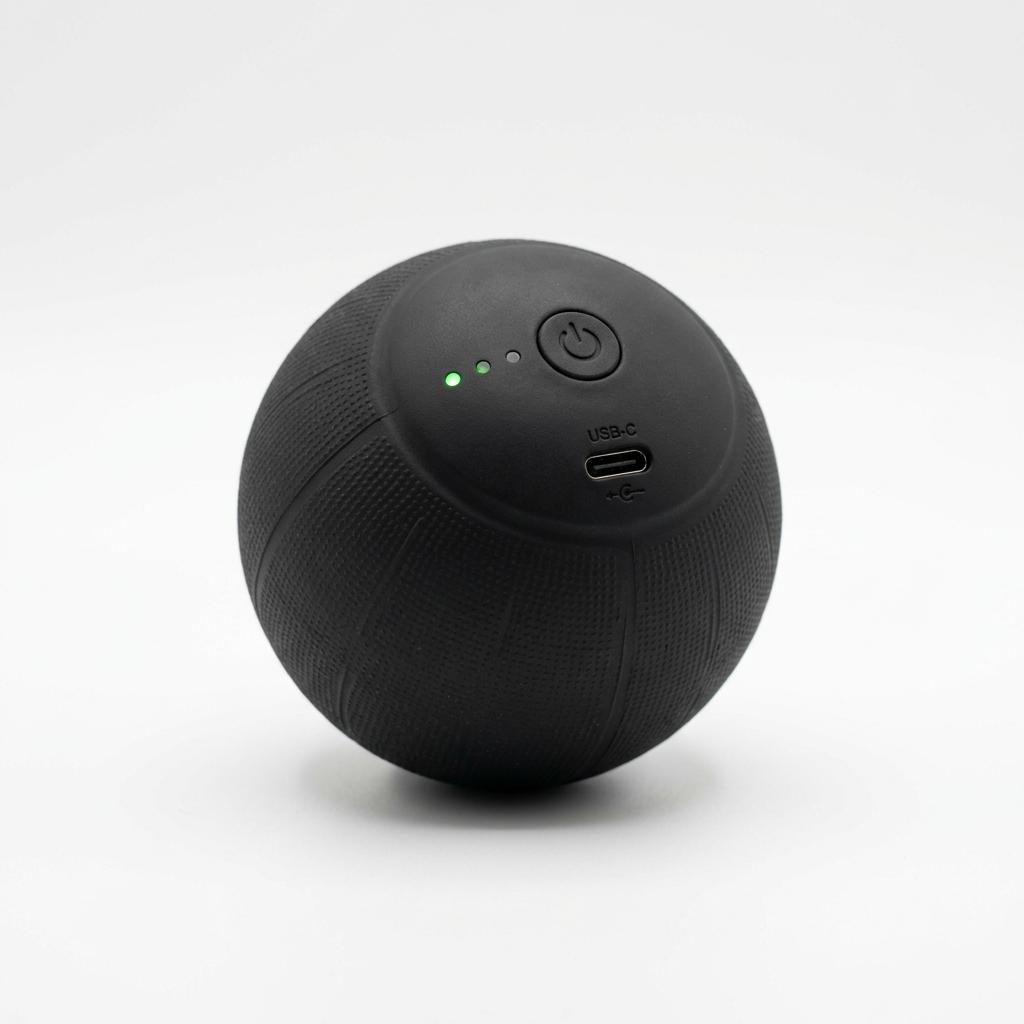 |
Therabody Wave Solo | $65-$79 | Best Vibrating | Check Price |
Champion Sports Lacrosse Balls are the gold standard for trigger point therapy, offering the ideal firmness and size at a price that makes them accessible to everyone.
The Kieba Peanut Massage Ball is purpose-built for back work, with its unique shape that applies pressure to paraspinal muscles while safely avoiding direct pressure on the spine itself.
ResultSport Spiky Massage Balls excel at surface-level tissue stimulation, with their soft rubber spikes increasing circulation and providing a unique sensory experience that's perfect for foot work and sensitivity training.
The Addaday Heated Massage Ball combines the pinpoint pressure of a traditional massage ball with soothing heat therapy, creating a dual-modality recovery tool that's worth the premium price.
The Therabody Wave Solo brings vibration technology to the massage ball format, delivering Therabody's signature quality in a compact tool that actively helps muscles release tension faster.
Physical therapists have recommended lacrosse balls for trigger point therapy for decades, and Champion Sports' official balls are the real deal. The 2.5-inch diameter and vulcanized rubber construction hit the sweet spot for applying concentrated pressure to knotted muscle tissue. At this price, there's no excuse not to have a pair in your recovery arsenal.
Check Price on Amazon
If you struggle with back tension, this peanut-shaped tool is a game-changer. The dual-ball design lets you roll out tight erector spinae muscles while the center gap prevents uncomfortable pressure on your vertebrae. The firm silicone has just enough give to be tolerable, and the shape naturally prevents the ball from slipping sideways during floor exercises.
Check Price on Amazon
These spiky balls offer a completely different massage experience than smooth options. The rubber spikes dig into superficial tissue layers, promoting blood flow and providing an almost reflexology-like sensation. The set of three sizes means you can use the small ball for precise foot work, the medium for hands and forearms, and the large for broader areas like the upper back.
Check Price on Amazon
Adding heat to trigger point therapy takes the experience to another level. The warmth helps muscles relax faster, allowing the ball to sink deeper into tissue with less discomfort. Addaday's rechargeable design means no cords to worry about during use, and the three heat settings let you dial in the perfect temperature. This is the tool you reach for when standard massage balls just aren't enough.
Check Price on Amazon
The Wave Solo is essentially a Theragun packed into a ball format. The vibrations penetrate deep into muscle tissue, creating a synergistic effect when combined with manual pressure that's hard to replicate with static tools. The build quality is exceptional, and while the app connectivity feels a bit gimmicky, the three manual vibration levels are genuinely useful for finding the right intensity for each muscle group.
Check Price on Amazon