321 STRONG Foam Roller Review: Textured Myofascial Release for Home Recovery
Our research-backed review of the 321 STRONG Foam Roller examines texture pattern, foam density, durability, and pain-pr...
SnugGym is an Amazon Associate. We earn from qualifying purchases at no extra cost to you. Learn more
Six foam rollers compared for home recovery use. Our analysis covers density, surface texture, size, durability, and the evidence for foam rolling effectiveness based on published research.
Foam rolling is a form of self-myofascial release — applying pressure to muscle and connective tissue using a cylindrical foam tool. Research published in the Journal of Athletic Training (2015) found that foam rolling after exercise reduces muscle soreness and improves range of motion without impairing muscle performance.
Our analysis evaluates six foam rollers across four criteria: foam density, surface texture, size and portability, and durability. We also examine what the published evidence says about foam rolling's actual effects.
Before comparing products, it is worth understanding what foam rolling can and cannot do based on published evidence:
Evidence-supported effects:
Unsupported or inconclusive claims:
| Model | Surface | Density | Size Options | Hollow/Core | Weight | Best For |
|---|---|---|---|---|---|---|
| TriggerPoint GRID | Multi-zone textured | Medium | 13-in, 26-in | Yes | 1.5 lb (13-in) | Best Overall |
| LuxFit Premium High Density | Smooth | High (EPP) | 12-in, 18-in, 36-in | No | 0.8 lb (18-in) | Best Budget |
| Therabody Wave Roller | Smooth, vibrating | Medium | 12-in only | Yes | 3.0 lb | Best Vibrating |
| RumbleRoller | Deep knobs | Firm | 12-in, 22-in, 31-in | No | 2.5 lb (22-in) | Deep Tissue |
| Gaiam Restore | Smooth, dual-density | Soft/Medium | 18-in, 36-in | No | 0.7 lb | Beginners |
| Hyperice Vyper 2.0 | Smooth, vibrating | High | 13-in only | Yes | 2.8 lb | Premium Vibrating |
Manufacturer: TriggerPoint (Implus) | ASIN: B0040EGJA8
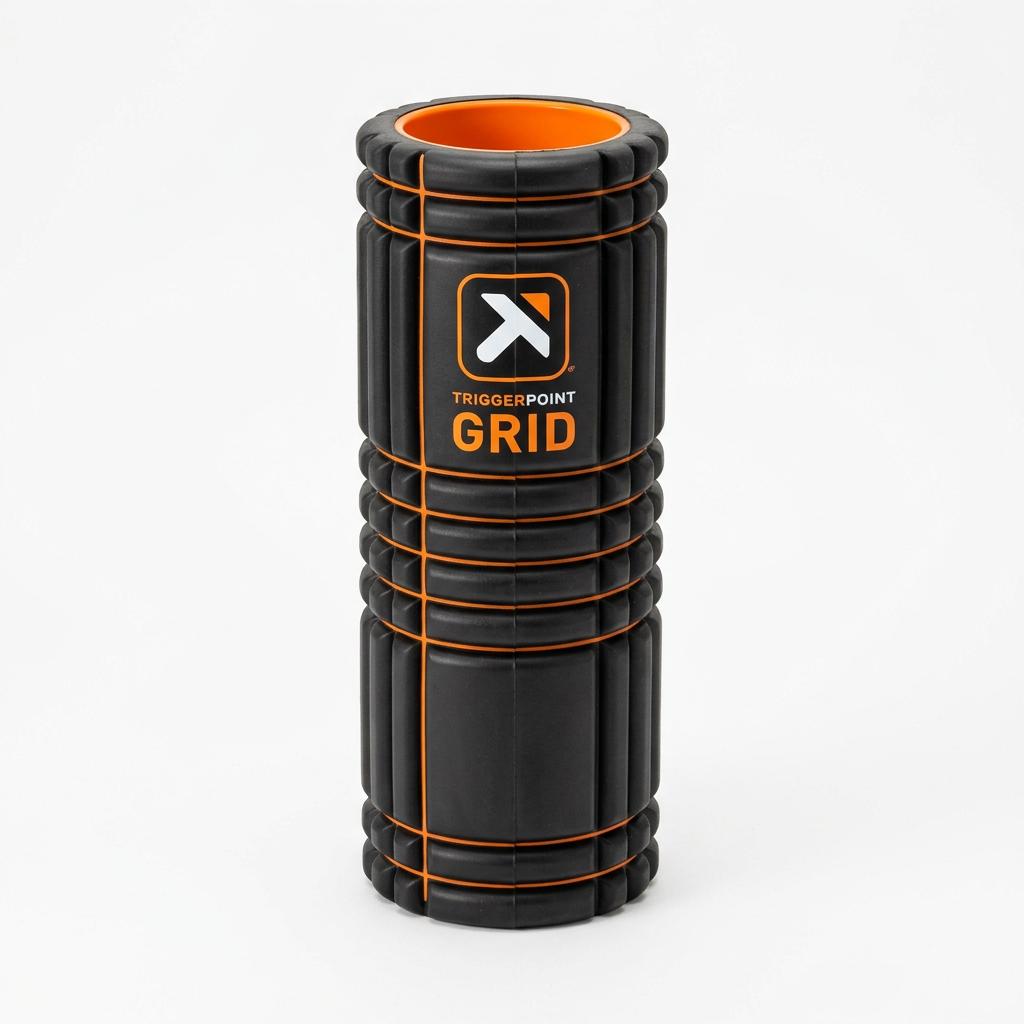
The TriggerPoint GRID is a hollow, multi-density foam roller with a textured surface. Our analysis identifies it as the best overall option for most home users due to its balanced density, durable construction, and travel-friendly size options.
The GRID features three surface textures: narrow ridges (for blood flow), medium tubes (for tissue compression), and broad zones (for general pressure). This variation allows users to target different areas with appropriate pressure intensity.
The rigid plastic core wrapped in EVA foam creates a roller that maintains shape under load. Hollow rollers are more durable than solid foam rollers, which compress and deform over time. The hollow core also provides storage space — the 13-inch model fits inside a suitcase for travel.
| Attribute | Specification |
|---|---|
| Surface | Multi-zone textured |
| Density | Medium (firm core, cushioned surface) |
| Sizes | 13 in (travel), 26 in (standard) |
| Construction | Hollow, rigid core |
| Weight | 1.5 lb (13-in), 2.5 lb (26-in) |
| Max user weight | 500 lb |
Who this is for: Most home users who want a durable, versatile roller with moderate pressure. The 13-inch travel size is ideal for apartment dwellers with limited storage.
Who this is NOT for: Users who want very gentle pressure (the GRID is firmer than basic EVA rollers) or those who specifically want smooth-surface rolling.
Manufacturer: LuxFit | ASIN: B00BMI4OHW
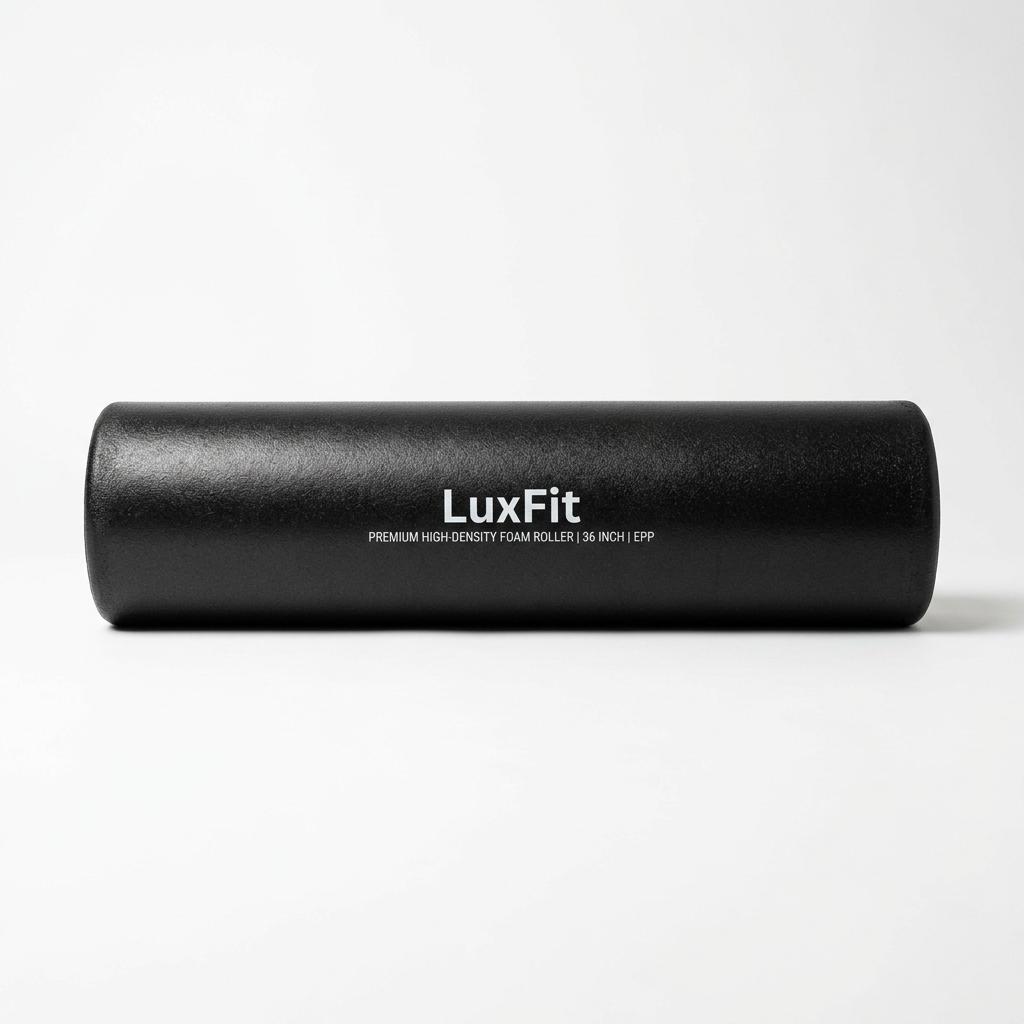
The LuxFit is a solid high-density EPP foam roller with a smooth surface. Our analysis finds it the best budget option, offering firm pressure at a significantly lower price than textured or vibrating alternatives.
Expanded polypropylene (EPP) is a dense, closed-cell foam that provides firm pressure without the give of standard EVA rollers. EPP is also more durable than standard polyethylene foam — it resists compression set over time.
Trade-off: The smooth surface and firm density can feel intense on sensitive areas. Beginners may find the pressure too aggressive initially.
| Attribute | Specification |
|---|---|
| Surface | Smooth |
| Density | High (EPP) |
| Sizes | 12 in, 18 in, 36 in |
| Construction | Solid foam |
| Weight | 0.8 lb (18-in) |
| Max user weight | Not specified |
Who this is for: Budget-focused users who want firm pressure and a smooth rolling surface.
Who this is NOT for: Beginners sensitive to pressure, or those who want variable texture.
Manufacturer: Therabody | ASIN: B0G1V685WC
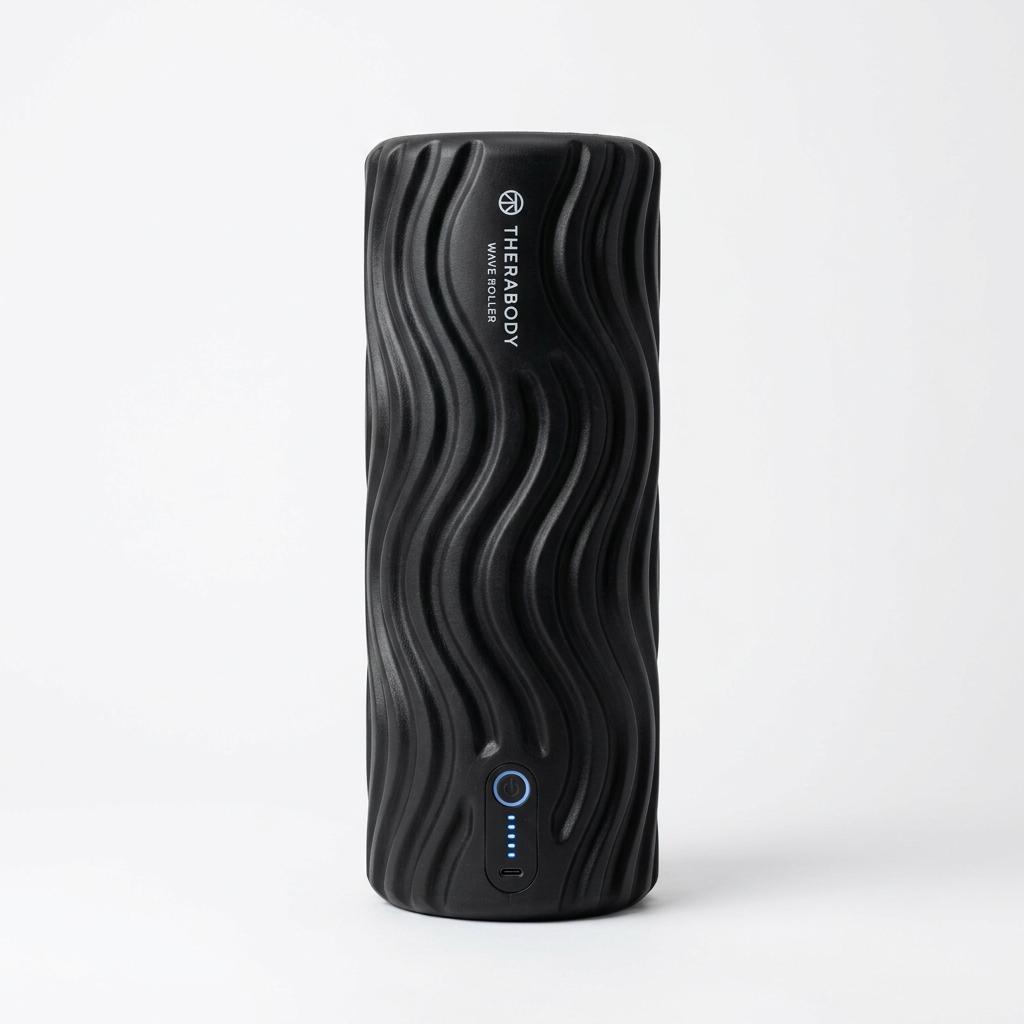
The Wave Roller adds vibration to traditional foam rolling. Our analysis finds it the best vibrating option for users who want the additional sensory input that vibration provides.
The Wave Roller delivers vibration at five intensity levels (via Bluetooth app control). Vibration may enhance the pain-modulating effects of foam rolling by stimulating sensory nerve fibers. A 2020 study in the Journal of Sport Rehabilitation found that vibrating foam rollers produced greater acute range-of-motion improvements than non-vibrating rollers, though more research is needed to confirm this effect.
Hollow design with a rechargeable lithium-ion battery. Battery life is approximately 3 hours of use at medium intensity. The roller is controlled via the Therabody app (iOS and Android).
| Attribute | Specification |
|---|---|
| Surface | Smooth |
| Density | Medium |
| Sizes | 12 in only |
| Construction | Hollow, with motor |
| Weight | 3.0 lb |
| Vibration levels | 5 (app-controlled) |
| Battery life | ~3 hours |
Who this is for: Users who want the added sensory input of vibration, and those who find traditional foam rolling insufficient for their recovery needs.
Who this is NOT for: Budget-focused users (the Wave Roller costs 5–8x more than basic rollers) or those who prefer a simple, non-electronic tool.
Manufacturer: RumbleRoller | ASIN: B0088RX2QY
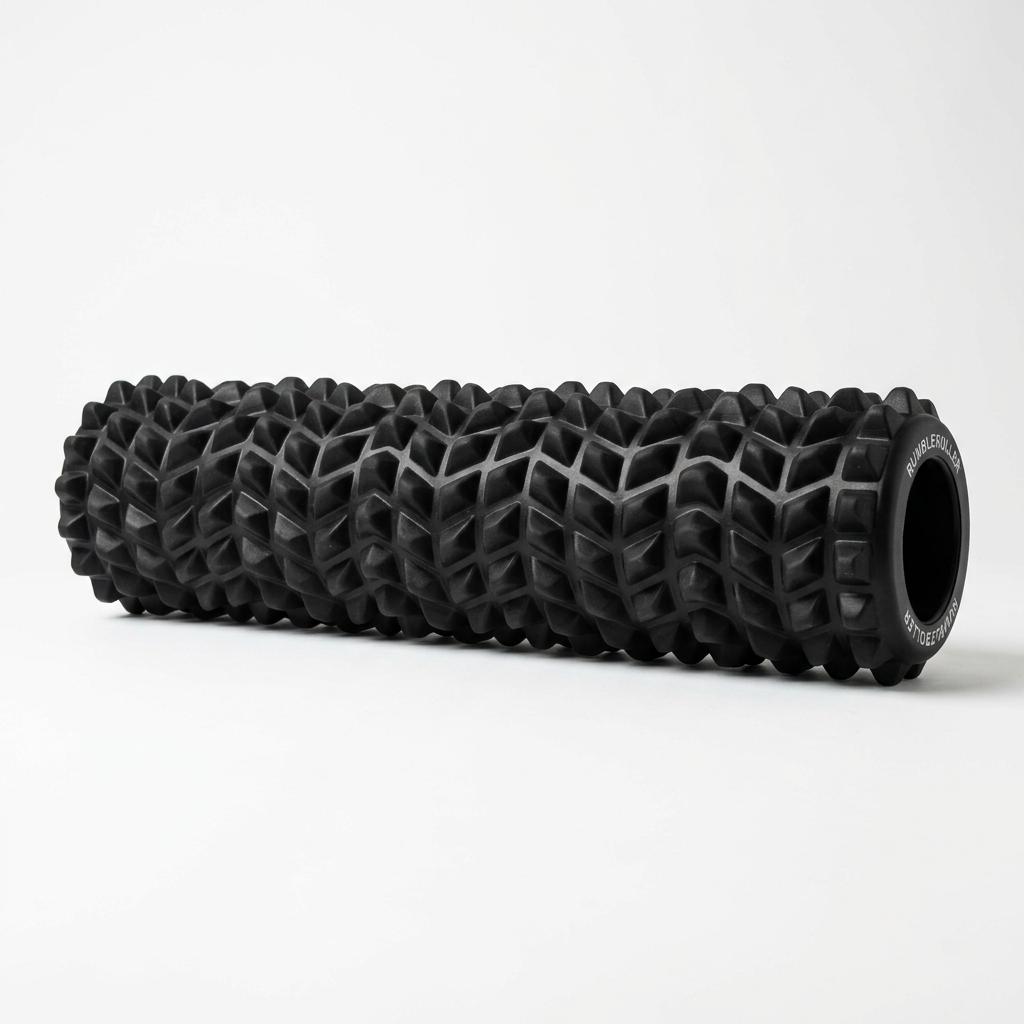
The RumbleRoller uses large, flexible knobs on a firm base to create deep, targeted pressure. Our analysis identifies it as the most aggressive roller in our comparison — appropriate for experienced users who want intense tissue work.
The knobs are arranged in a staggered pattern that mimics thumb pressure. As you roll, the knobs flex and move, creating a kneading sensation rather than the uniform pressure of a smooth roller. The knobs are firm but have enough give to avoid bruising when used correctly.
Warning: The RumbleRoller is significantly more intense than smooth or lightly textured rollers. It is not appropriate for beginners or those with low pain tolerance. Bruising can occur with excessive pressure or prolonged use on a single area.
| Attribute | Specification |
|---|---|
| Surface | Deep, flexible knobs |
| Density | Firm (two densities available: Original and XFirm) |
| Sizes | 12 in (compact), 22 in (mid), 31 in (full) |
| Construction | Solid foam core with molded knobs |
| Weight | 2.5 lb (22-in) |
Who this is for: Experienced foam rollers who want deep, targeted pressure and have used standard rollers for months without achieving sufficient release.
Who this is NOT for: Beginners, those with low pain tolerance, or individuals with bleeding disorders or conditions where bruising is a concern.
Manufacturer: Gaiam | ASIN: B00BML01V6
The Gaiam Restore is a dual-density roller with a soft outer layer over a medium-density core. Our analysis finds it the best entry-level option for those new to foam rolling.
The soft outer foam distributes pressure broadly, making the rolling sensation less intense than single-density firm rollers. The medium core provides enough structure to maintain shape under moderate body weight.
Limitation: The soft foam compresses significantly under heavier users (over 200 pounds). The roller may bottom out, reducing effectiveness. Durability is also lower than firm-density alternatives.
| Attribute | Specification |
|---|---|
| Surface | Smooth |
| Density | Soft outer, medium core |
| Sizes | 18 in, 36 in |
| Construction | Solid foam |
| Weight | 0.7 lb (18-in) |
Who this is for: Beginners, older adults, or anyone who finds firm foam rolling too uncomfortable.
Who this is NOT for: Heavier users or those who want firm, deep pressure.
Manufacturer: Hyperice | ASIN: B07N8B2G2G
The Vyper 2.0 is Hyperice's vibrating foam roller, competing directly with the Therabody Wave. Our analysis finds both functionally similar, with the Vyper offering slightly higher vibration frequency.
The Vyper 2.0 operates at three speed settings: level 1 (low), level 2 (medium), and level 3 (high). The highest setting reaches approximately 3,200 RPM. This high-frequency vibration creates a numbing effect that may allow users to tolerate deeper pressure.
| Attribute | Specification |
|---|---|
| Surface | Smooth, grooved |
| Density | High (EPP) |
| Sizes | 13 in only |
| Construction | Hollow, with motor |
| Weight | 2.8 lb |
| Vibration levels | 3 |
| Battery life | ~2 hours |
Who this is for: Users who want the highest vibration intensity available and prefer manual controls (three buttons) over app-based operation.
Who this is NOT for: Budget-focused users or those who want longer battery life (the Wave Roller offers ~3 hours).
| Your Situation | Recommended Type | Example |
|---|---|---|
| New to foam rolling | Soft/medium, smooth | Gaiam Restore |
| General recovery, most users | Medium, textured | TriggerPoint GRID |
| Deep pressure needed | Firm, textured/knobs | RumbleRoller |
| Travel-friendly | Compact, hollow | TriggerPoint GRID 13-in |
| Budget priority | Firm, smooth, solid | LuxFit EPP |
| Want maximum tech | Vibrating | Therabody Wave, Hyperice Vyper |
Research protocols typically use 5–10 minutes of foam rolling after exercise, 2–5 times per week. Daily foam rolling is safe for most individuals. Avoid rolling the same area for more than 2 minutes continuously — this can cause tissue irritation.
Foam rolling and stretching produce similar acute range-of-motion improvements. Foam rolling may be more comfortable for individuals who find static stretching unpleasant. Neither produces permanent tissue lengthening — consistent practice is required to maintain range-of-motion benefits.
Both timing options are supported by research. Pre-workout rolling (5–10 minutes) acutely increases range of motion without reducing strength. Post-workout rolling reduces soreness in subsequent days. Many users roll before exercise for movement preparation and after for recovery.
Do not roll directly over: the cervical spine (neck), lumbar spine (lower back bones), joints (knees, elbows, ankles), or acute injuries. Roll muscle tissue only. If you have osteoporosis, bleeding disorders, or are pregnant, consult a healthcare provider before foam rolling.
As an Amazon Associate we earn from qualifying purchases. All specifications are sourced from published manufacturer data. Affiliate links on this page use the tag snuggym0626-20.
| Image | Product | Price | Badge | Link |
|---|---|---|---|---|
 |
TriggerPoint GRID Foam Roller | $35-$45 | Best Overall | Check Price |
 |
LuxFit Premium High-Density Foam Roller | $15-$25 | Best Budget | Check Price |
 |
Therabody Wave Roller | $149-$199 | Best Vibrating | Check Price |
 |
RumbleRoller Original | $45-$65 | Best Deep Tissue | Check Price |
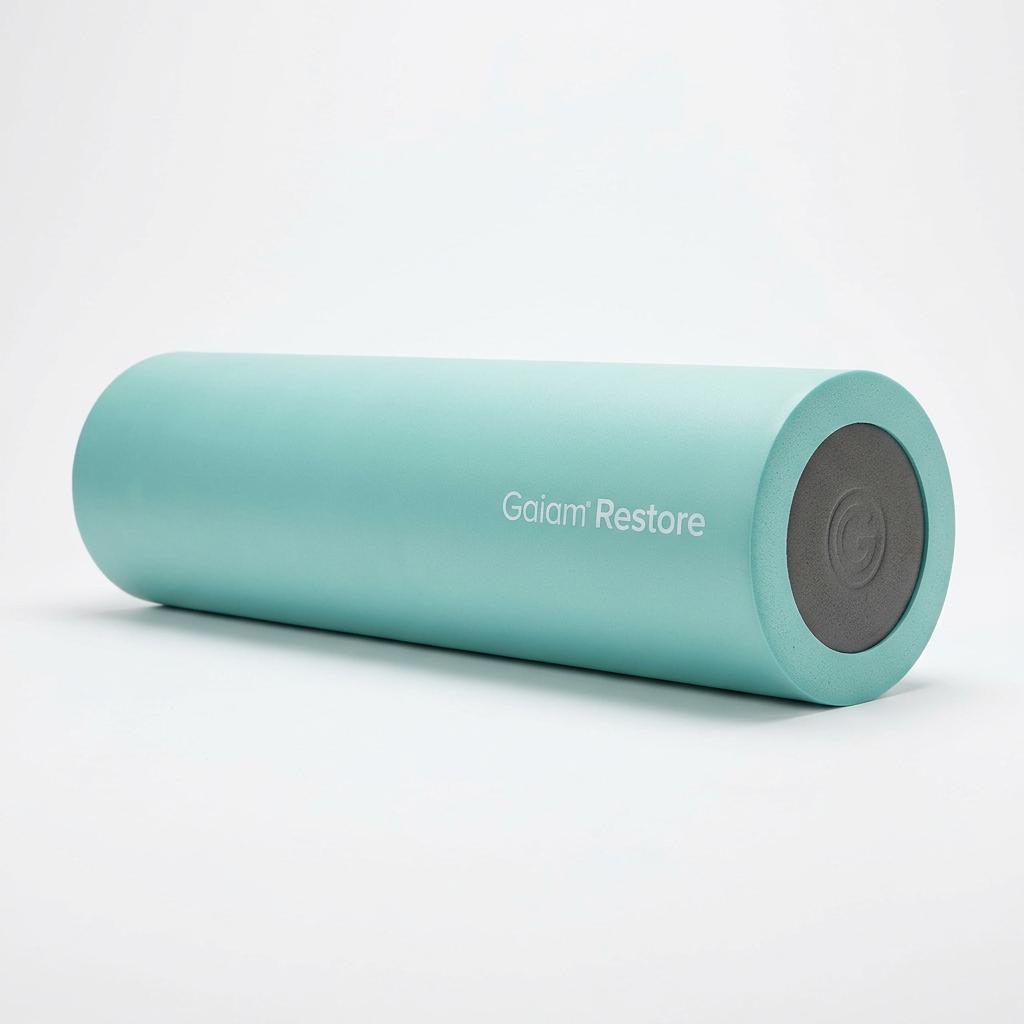 |
Gaiam Restore Foam Roller | $20-$30 | Best for Beginners | Check Price |
The TriggerPoint GRID remains the top all-around foam roller for recovery, combining durability, versatile texture, and professional trust.
The LuxFit Premium delivers professional-grade firm density at a fraction of the cost, making deep recovery accessible to everyone.
The Therabody Wave Roller combines vibration therapy with innovative wave texture for the ultimate tech-enhanced recovery experience.
The RumbleRoller's unique knobbed design provides the most aggressive deep tissue stimulation for experienced users with stubborn muscle knots.
The Gaiam Restore Foam Roller is the ideal entry point for beginners, offering a semi-firm textured surface that's approachable and effective.
When it comes to recovery-focused foam rolling, the TriggerPoint GRID consistently tops the charts for good reason. Its patented Distrodensity surface features three distinct zones that replicate different massage techniques, allowing users to target superficial and deep tissue layers effectively. The rigid hollow core construction can support up to 500 pounds without deforming, meaning this roller will last for years of daily use. Physical therapists, massage therapists, and athletic trainers worldwide trust the GRID for their clients' recovery protocols. The included access to TriggerPoint's extensive online video library ensures users can learn proper technique for maximum benefit. While beginners may find the standard density initially intense, the GRID's medium-firm feel is ideal for the vast majority of recovery needs.
Check Price on Amazon
The LuxFit Premium High-Density Foam Roller proves that effective recovery tools don't need to be expensive. Its extra-firm EPP foam provides the deep, consistent pressure needed for effective myofascial release and post-workout recovery, rivaling rollers that cost three times as much. The availability of multiple lengths means you can choose a shorter model for targeted work on legs and arms or the full 36-inch version for comprehensive back rolling. The smooth surface distributes pressure evenly across muscle groups, though it lacks the targeted zones of textured rollers. For budget-conscious athletes and fitness enthusiasts who want serious recovery without the premium price tag, the LuxFit Premium is an outstanding choice.
Check Price on Amazon
For those seeking the cutting edge of recovery technology, the Therabody Wave Roller delivers an unmatched combination of vibration therapy and thoughtful design. Five customizable vibration intensity levels, controllable via the Therabody app, allow users to dial in the exact stimulation needed for different muscle groups and recovery goals. The innovative wave texture surface not only looks distinctive but provides superior grip and an additional dimension of pressure during rolling. Constructed from hypo-allergenic EVA high-density foam, it feels premium and is built to last. The 180-minute battery life supports multiple sessions between charges, and the included carrying bag makes it reasonably portable despite its 3.3-pound weight. While the price is steep, the Wave Roller's technology integration and build quality justify the investment for serious recovery enthusiasts.
Check Price on Amazon
The RumbleRoller takes foam rolling intensity to a level that conventional rollers simply cannot match. Its surface covered in flexible knobs and bumps is engineered to penetrate deeper into muscle tissue, reaching spots that flat or lightly textured rollers completely miss. The staggered arrangement ensures comprehensive coverage of all tissue areas, while the flexibility of the protrusions allows them to adapt to your body's contours. Available in both original and extra-firm densities, even the standard version delivers significantly more pressure than any conventional roller. The hollow core construction keeps the RumbleRoller surprisingly portable despite its aggressive appearance. However, this is absolutely not a beginner's roller, the intensity can be genuinely painful for those not accustomed to deep tissue work. For experienced users with stubborn knots, scar tissue, or particularly tight muscles, the RumbleRoller is the ultimate recovery weapon.
Check Price on Amazon
The Gaiam Restore Foam Roller is purpose-built for those new to foam rolling, featuring a semi-firm density that's approachable enough to encourage regular use while still delivering meaningful myofascial benefits. The textured surface provides gentle grip and mild stimulation that helps newcomers understand what proper rolling feels like without overwhelming them with intensity. As a brand deeply rooted in yoga and mindful movement, Gaiam has designed this roller with accessibility in mind. Available in multiple sizes, the 18-inch model is particularly versatile for beginners learning to target different muscle groups. While experienced athletes and those seeking deep tissue work will need to upgrade to a firmer option, the Gaiam Restore excels at its primary mission: making foam rolling a comfortable, sustainable habit for recovery newcomers.
Check Price on Amazon